
Are you addressing the learning needs of kids with the MLR’s?
Written by Rob Westerberg, music teacher Extraordinaire from York High School and a member of the Maine Learning Results revision team
One of the great joys of being involved with wonderful organizations such
as the Maine Music Educators Association is the opportunity to present
workshops or sessions at the annual state conferences from time to time.
Ironically, more often than not, you receive even more as a presenter than
those present as attendees.
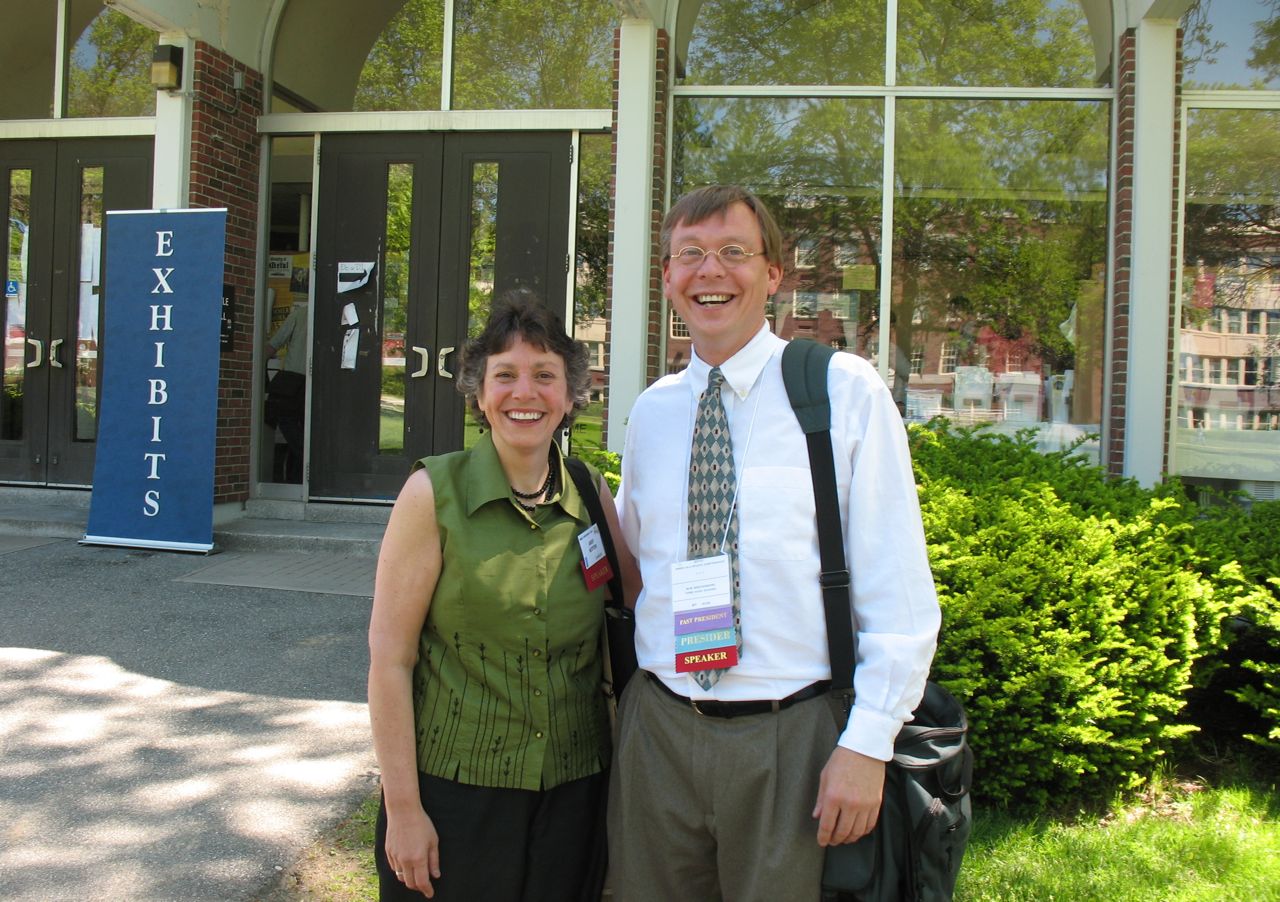 I can’t speak for anyone else in the room on Friday morning May 21st, but it was a highlight of the weekend for me to join Argy in presenting the Maine Learning Results, State Rubrics and YOUR Music Program at the MMEA Conference at the University of Maine.
One of the concerns we have shared since the release of the Maine Learning
Results revision was the lack of followup necessary to clarify the document and its practical application for ALL of us in Maine.
Our workshop focused on three distinct elements. First, Argy shared an overview of the process which eventually led to the adopted MLR revision. Covering many layers of work done over nearly two decades, it is enlightening to understand the volumes of work that led to our present document.
Next, we compared the MLR for Music to the National Standards. A significant source of angst among music teachers has been in viewing the two documents as an either or proposition. The reality is that the two dovetail seamlessly and each profoundly supports the other. The MLR is a necessary improvement in that the standards apply to all Arts disciplines and they give a broader perspective that is far more applicable for practical implementation in the classroom for the benefit of ALL students.
Third, we had much discussion regarding specific concerns or questions brought up by attendees. We could have kept going with this long after our allotted hour over. In the end, it was hoped that the workshop served to reinforce the MLR as a powerful tool for curriculum development, 21st Century skills application and program advocacy. We fear that it remains a largely underutilized resource for us in Maine, and it was an exciting time for
Argy and I to articulate the possibilities inherent in using it as a living, breathing document in our school Visual and Performing Arts Programs!

 me arts ed