
COLLABORATION
April 12, 2012The importance and value of collaborating whenever possible
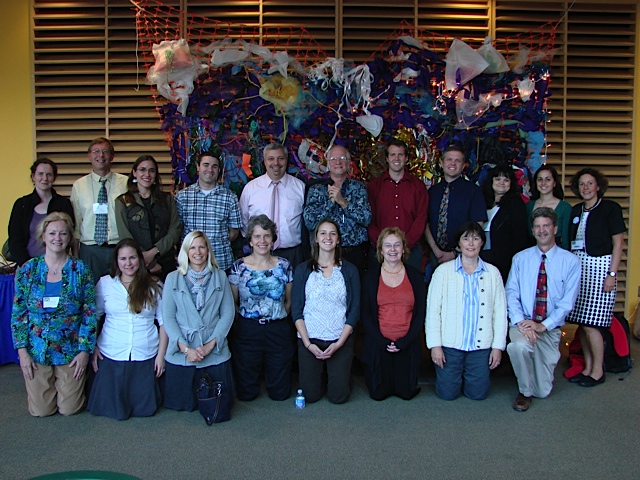
The Maine Arts Assessment Initiative that got off the ground one year ago has been successful for many reasons and due to the contributions of many people. If I had to identify one, most important reason for the success it would be due to the collaborative efforts of several. I have watched and lived COLLABORATION for years and years. USM professor Jeff Beaudry and I frequently talk about the “C” word and the importance and value of it. I gravitate towards people who enjoy collaborating.
The season of budgets is upon us and tough conversations and decisions are being had and made by administrators and school boards. I am getting phone calls and emails on the topic.
I believe that collaboration is a foundation for all the work we do as arts educators. Let’s face it the power of the orchestra, band, choral group, dance or theatre performance lies in the collaboration of the collective voices, instruments, and/or bodies.
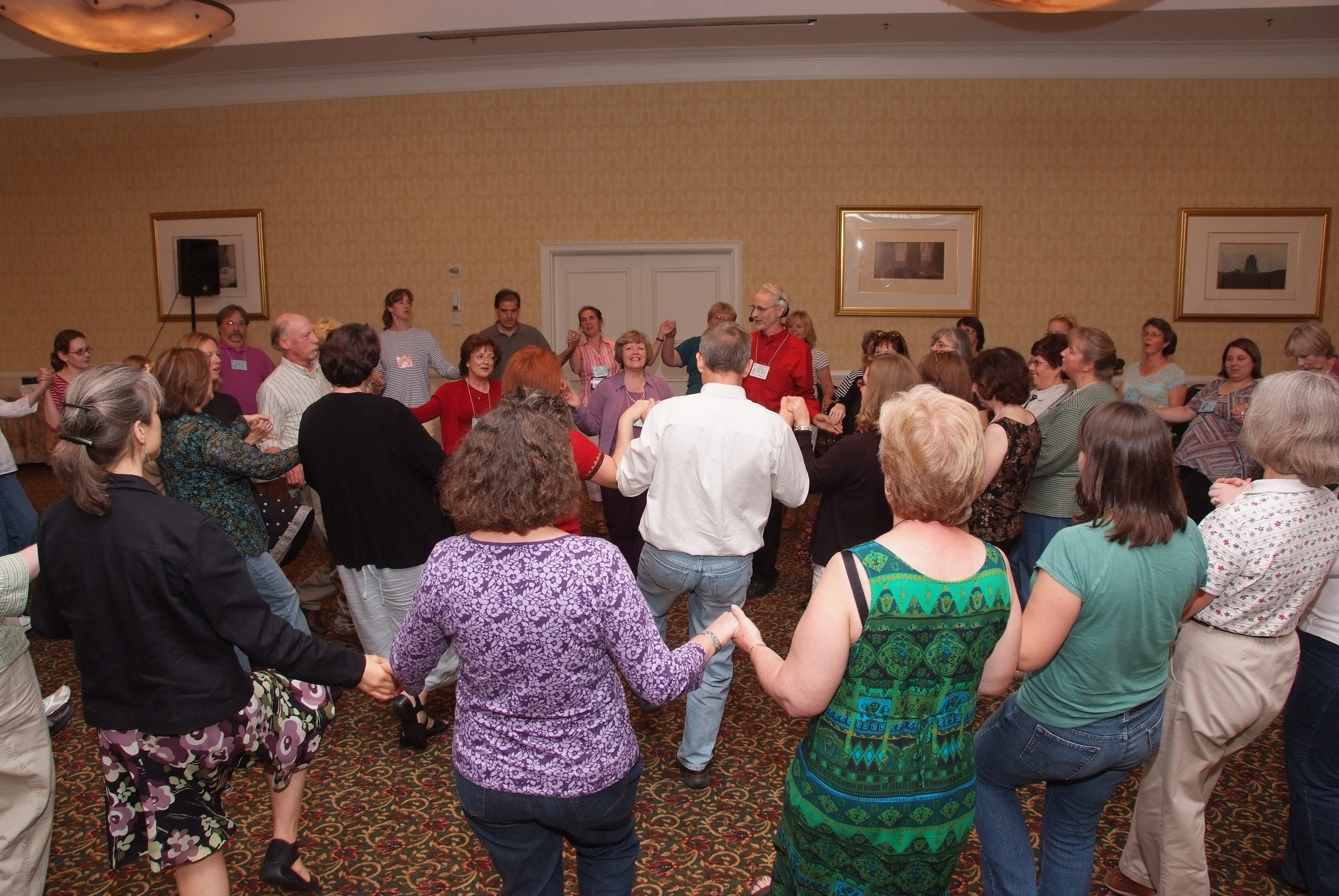
- We need to collaborate with our colleagues who are other visual and performing arts educators. We do what we do for the success of all students! We should not be competing for funds or slots in the schedule or work spaces or all those other “things” we need for the success of arts education programs.
- We also need to be collaborating with educators of other content areas. Three times in my career as an art teacher VPA positions were in proposals for eliminations. Every time the positions were re-instated. The third time it was my colleagues of other content areas who provided their voices. In fact, they collaborated to create the presentation for the school board meeting. You might wonder why… they understood the value and importance of the collaborative curriculum work we did educating all kids. It wasn’t the icing on the cake but an essential part of all kids learning. It was the collective voices and meaningful message that made the difference.
- Collaborating with administrators. The once every four year arts celebration that we put in my place where I taught brought 4000 people to school. Every administrator attended the event and you can be sure they had smiles on their faces! It was the single event in the districts history that brought people from all backgrounds into the school since all kids participated by exhibiting artwork and performing in the music and theatre groups.
- Collaborating with community members is ongoing. Inviting them to your classroom to volunteer provides the opportunity for them to be involved and they “feel good” about helping. And, OMG, the opportunities for them to see and understand what happens in an arts classroom is first hand. If they didn’t undersand before that the arts are essential to all kids learning they most likely will after they spend some time in your classroom or on the field trip bus to the art museum or at the music festival or another opportunity. Engaging them in conversation about “what” you are doing and “why” you are doing it brings them to a new level of understand about arts education.
So, how does collaboration get started? In a variety of ways, perhaps one smile, one “hello”, and/or one conversation with one other person. Share ideas, ask questions, listen. My most memorable experiences teaching are when my middle school team designed interdisciplinary units. It was sooooooooo much fun to teach. We had such a good time that the enthusiasm spread to the students and by the way, the learning that took place was incredible. It was pure magic! I couldn’t wait to get to school each day to continue the collaboration.
York High School Music Educator Rob Westerberg has written a blog post called “chopped”. He takes a thorough look and position on the components of what takes place in some school districts during this time of year. If you know Rob you are well aware of how articulate he is. You won’t want to miss reading his latest post on the blog that he and Jarika Olberg collaborate on called Goober Music Teachers.
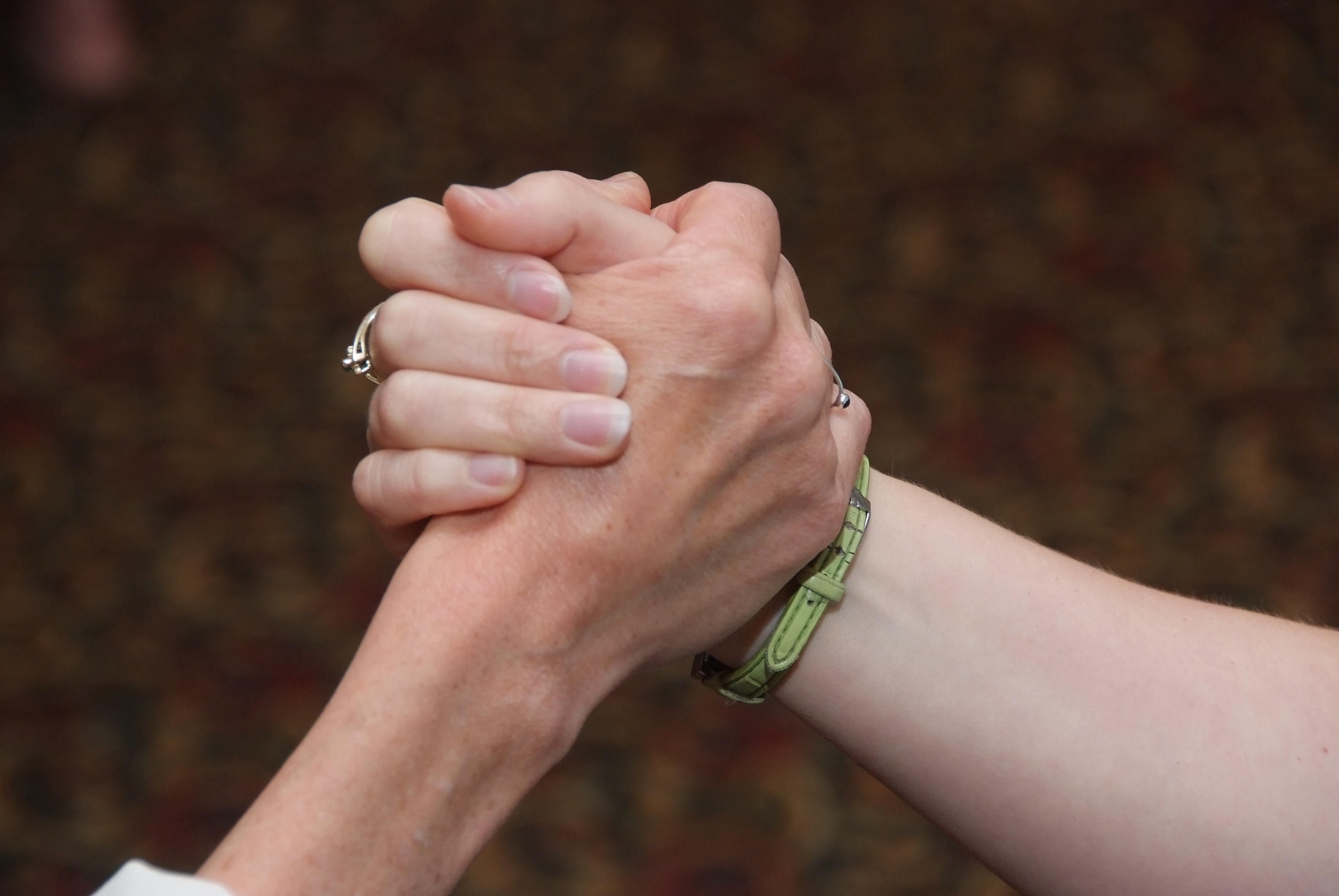
One of my favorite sayings is an African one: A single bracelet does not jingle. If you don’t already, please find the other bracelets that are all around you and start the beautiful, strong sound that only happens when you collaborate!

 me arts ed
Leave a comment