Archive for April, 2015

h1

The Sound of Music

April 10, 2015

Rick Wormeli meets Maria

Rick Wormeli has been an educator for over 20 years and middle level is his area of expertise. However, he hits the nail on the head when he uses Maria and The Sound of Music as an example for the type of learning that research is pointing to today. The information is applicable to all ages and grade levels.

Watch this short YouTube and listen for the terms below. Rick demonstrates all the “best practices” that Maria uses with the boys and girls in the Sound of Music.

Multiple pathways, high standards, differentiated instruction and grading, clear expectations, student-centered, provide big picture, visual imagery, sense of humor, formative assessment, real life learning, kinesthetic, contextual learning, meaning in learning, love of knowledge, student engagement, no child left behind, interdisciplinary learning, scaffolding, high standards.

h1

Early Childhood Learning Through Play

April 9, 2015

Pre-K-4 learning opportunity – Starting Friday 4pm, April 17, 2015 in Portland with instructor, Judy Fricke!

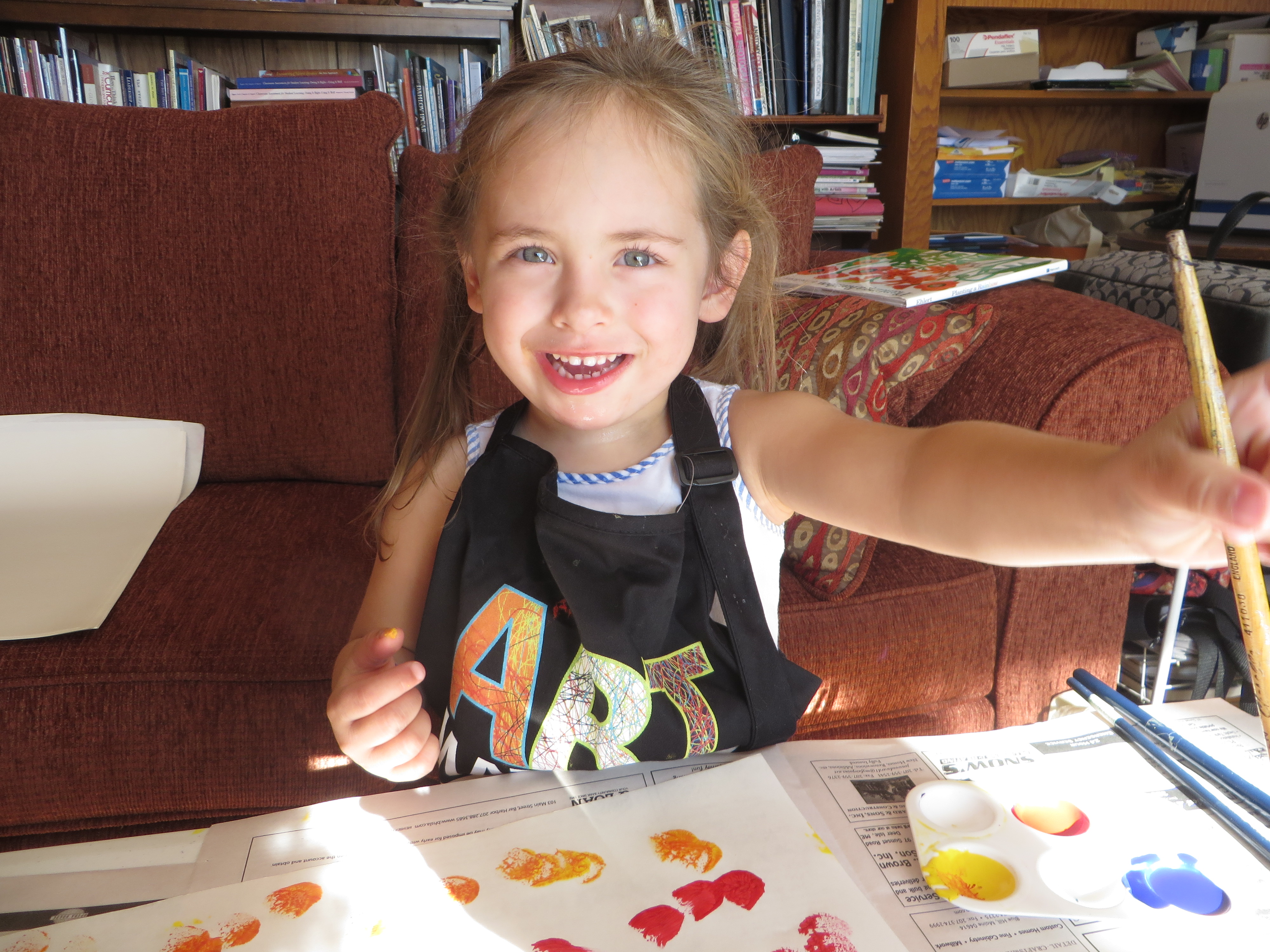
IMG_1438Are you a Pre-K – 4 teacher looking for recertification or graduate credits? Do you want some inspiring and fun strategies for incorporating the arts in early learning? EDE 526: Early Childhood Learning Through Play may be just what you are looking for!

Current research supports the understanding that children learn through play. The importance of arts-based learning is emphasized to educators of young children and participants will learn how to integrate play and each of the art forms across the curriculum. The course covers the foundations of creative thought, the creative arts, and creative teaching and assessment.

Designed for educators from pre-school through grade 4, this course will help early childhood educators to integrate children’s creativity, play, and the arts into their curriculum in a way that fosters learning and growth and meets accountability measures. Course activities will enable educators to articulate the importance of creativity and arts-based learning to families, colleagues, and administrators. The course can be taken for 3 graduate credits or for 4.5 CEUs.

4747f3_20084657f003426298b40842b18f0bdc.png_srz_p_147_138_75_22_0.50_1.20_0The instructor, Judy S. Fricke, is a workshop facilitator and arts education consultant in both early childhood music and emergent literacy. Judy has taught music in large and small preschool settings as well as parent/child class settings over the past twenty years. She is a teacher leader in the Maine Arts Assessment Initiative and she teaches graduate level courses for the New England Institute for Teacher Education.

For more information, or to register, visit the website of the New England Institute for Teacher Education or call 207-367-5807.

h1

Who Are They?: MECA, Part 5

April 8, 2015

Maine College of Art

This blog post is part of a series called Who Are They? where information is provided for the Maine Arts Ed blog readers to learn about community organizations and institutions that provide educational opportunities in the arts. You will learn that they are partnering with other organizations and schools to extend learning opportunities, not supplant.
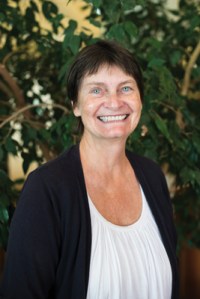
Screen Shot 2015-03-22 at 12.42.14 PMThis is the fifth post on the Maine College of Art (MECA) which is located in downtown Portland. Below is an interview with Fern Tavalin, MECA Director of Art Education.
fern-400

Fern Tavalin

Please describe the educator training programs offered at MECA.

MECA offers a Master of Arts in Teaching that leads to initial certification in visual art for the State of Maine. Our program is accredited by the State of Maine and by National Alliance of Schools of Art and Design (NASAD). Receiving NASAD approval is quite an honor.

What is MECA’s philosophy on teacher education?

We believe that teachers should be both artists and educators. Our admissions policy is rigorous in that we review an artist’s portfolio as well as screening for the dispositions that we feel are necessary for good teaching and learning. Those admitted have the potential to become outstanding artist/educators. Because of this, we make sure that they are given the tools to become effective art educators who use the knowledge, skills, and dispositions acquired in our program to creatively serve children and youth in PK-12 schools, museums, community-based/alternative settings, and virtual learning environments. To ensure that our teacher candidates are prepared, we value learning as a developmental process. That means that our candidates are not graded on each assignment as they begin. Instead, we provide substantive feedback, pointing toward their next steps in learning. At key stages, the candidates undergo reviews to demonstrate attainment of Maine’s initial teacher certification standards and our program outcomes.

Each college or university reflects its institutional aims as well as having to be responsive to accreditation requirements. MECA is a studio-based college, the practices of which have much to add to the overall field of education. By maintaining our beliefs and our educational approach, we hope to add value to the research base about how students learn best.

We encourage our candidates to resist the temptation to want to see the state educator standards written in art specific terms and trust that their coursework will reflect the art specific knowledge that they will eventually being to the classroom. Familiarity with the general concepts of teaching and learning and how they translate to art education will give MECA’s teachers a “place at the table” during faculty meetings and gatherings of educators across disciplines.

Is there something that sets MECAs program apart from others?

When MECA’s teacher candidates enter the program, they enroll in an intensive one-month summer institute that integrates the frameworks for teaching and learning, student creative growth and development and how their lives of artists apply to the field of education.

On the very first day, our teacher candidates enter classrooms in Portland’s diverse public school system. They learn to begin by closely observing rather than judging. As the semester progresses, MECA teacher candidates use a variety of lenses for looking at students in a variety of learning environments. This direct experience is enhanced by collaborative inquiry through theoretical readings and shared discussions. The program emphasizes critical thinking and data gathering to question assumptions – both theirs and those of experts in the field.

What advice do you have for someone considering becoming a teacher in this century?

All learning is cumulative, so we cannot always predict the overall outcomes of our efforts as teachers. Because the future is unknown, we cannot say what it will bring. However, studio habits of mind such as developing craft, engaging and persisting and envisioning will be essential now matter what our teachers face.

h1

Another Arts Teacher’s Story: Sarah Gould

April 7, 2015

MAAI Teacher Leader series

This is the eighth blog post for 2015 on the Phase 4 Maine Arts Assessment Initiative’s (MAAI) Teacher Leaders sharing their stories. This series contains a set of questions to provide the opportunity for you to learn from and about others. You can learn more about MAAI at http://mainearts.maine.gov/Pages/Education/MAAI# and learn more about all 61 of the MAAI Teacher Leaders at http://www.maineartsassessment.com/#!teacher-leaders/c1qxk.

4747f3_99e8f0ca14cd47a597dd42c859c217f3.jpg_srz_p_147_138_75_22_0.50_1.20_0Sarah Gould is a Visual Art teacher who is on her ninth year at Gray- New Gloucester High School. This semester she has just over eighty art students in her classes that range from Foundations, Sculpture, Ceramics, Painting, and IB Art. She has been department head and a teacher leader team member at the school for seven years.

Sarah is actually a GNGHS alumni, who came back as a long-term substitute for her high school art teacher, who then decided not to return after her maternity leave. Sarah earned her BFA at USM with a concentration in Art Education in 2006 with a double focus in drawing and ceramics.

What do you like best about being an art educator?!

I can’t say as if there is one single thing I like best about being an educator, it is the complete picture that encompasses so much; connecting with students, teaching them, watching them grow, encouraging them, giving them the power to be proud of themselves, celebrating accomplishments with them, learning about life as well as art.

What do you believe are three keys to ANY successful visual and performing arts education?

Comfortability. Art, visual or performing, naturally displays student ability. Kids can be nervous to participate in fear they will be no good, and that others are going to see it. I think providing an open, safe, friendly environment is an absolute must to nurture student participation, experimentation, and expression.

Personalization. Some students have natural ability, others have to work for it. Students all connect with different media and processes. Each has their own personal interests and pathways ahead. I think it is important to find how art can fit or connect into students lives, so they can value it’s importance and relevance as it’s importance to them. Also leaving room for personalization and student choice creates greater investment on top of creativity. !

Balance between “fun” and “rigorous.” I think we all want students to enjoy our classes and find inspiration in the things we teach and love. I also think we all want students, parents, colleagues and administration to respect our content areas. I do think there are many ways to find a balance, and it certainly looks different for everyone. But I think it is possible and important to find a happy place between students being excited to come to class to create and perform, and also want to work hard and have an appreciation for the subject and what they are learning.!

How have you found assessment to be helpful to you in your classroom?

Assessment has played a large role in my teaching style, especially over the last few years. When we started our early transition to becoming a proficiency based school, the theory and the practice had a large effect on my approaches and strategies. Once we organized our standards and broke down what we wanted to assess, it changed our curriculum, units, lessons, and targets. With assessments and rubrics, it became clear what we were measuring, and in turn what to teach. It also became more clear to students, who then knew expectations, why they earned certain scores, and how to improve or revise their work. It also became a tool to communicate with parents, who may have thought scores were based on personal opinion. Well made assessments have gained our department respect and have become an advocacy tool.

What have been the benefits in becoming involved in the arts assessment initiative?

It has been great being a part of the MAAI work. Making connections and forming relationships with other teachers in the same content area can be awakening and rewarding both. It’s always nice to meet others with similar passions, and interesting to hear how different schools are structured, but learning from one another is the greatest benefit. I have found the conferences provide an open and understanding atmosphere where you can feel comfortable asking questions or sharing what you do. It is the friendly atmosphere that made me feel comfortable in becoming a teacher leader and presenting what I do, hoping someone can learn something from me and take that with them as I have from others in the past.

What are you most proud of in your career?

I think I am the most proud of building a well structured and respected art program. The other art teacher and I have worked really hard for years designing our courses and curriculum, and are constantly making changes, revising, and improving what we do. I believe we have earned respect professionally and in the community.

What gets in the way of being a better teacher or doing a better job as a teacher?

Time. There is never enough time! I know I could invest more, and use strategies better, and add steps, but sometimes there just isn’t time. Time in the block, time in the day, the week, the quarter, the year. There are so many things I’d love to do with my kids, and I can’t squeeze them in, or find time myself outside of the school day to further develop ideas. Most obstacles we can work around, but time seems to be the one thing I always need more of.

What have you accomplished through hard work and determination that might otherwise appear at first glance to be due to “luck” or circumstances?

I think originally when I became the electives department head/ teacher leader at GNGHS some felt that I didn’t deserve or earn the position because I was a relatively young and new teacher. But I took the role very seriously and have invested myself in the greater improvement of our school, and I think I literally worked my way out of the doubts others had and proved myself.

Look into your crystal ball: what advice would you give to teachers?

Well, who knows what the future holds, but I would say the biggest piece of advice I can think of now is to be constantly evolving. Change what you do, let go of things that don’t work, take chances and try new things, revise things that work and make them better, be inspired yourself and keep things exciting, adapt to changes, be constantly changing and growing yourself, as an educator and artist, visual and/or performing.

If you were given a $500,000.00 to do with whatever you please, what would it be?

Hmm… how far does $500,000 go? Our economics class does that project, maybe I should sit in! 🙂 As an art educator I would like to invest in a program for either underprivileged children or a program for individuals struggling with mental or emotional wellness as a means of therapy.

Imagine you are 94 years old. You’re looking back. Do you have any regrets?

I dislike the thought of having regrets, I like to think we should try to appreciate the path we have taken and what it has given us. With that said, I do fear that I will look back and be disappointed I didn’t take more risks, or take advantage of opportunities, or push myself harder. I’m afraid of playing it too safe. Perhaps knowing that fear will encourage me to prevent it from happening and break out of what I find comfortable.

MAAI Logo_Color_TxtCtr

h1

Megas UMaine USM

April 6, 2015

MAAI Mega-regional workshops – last of the school year

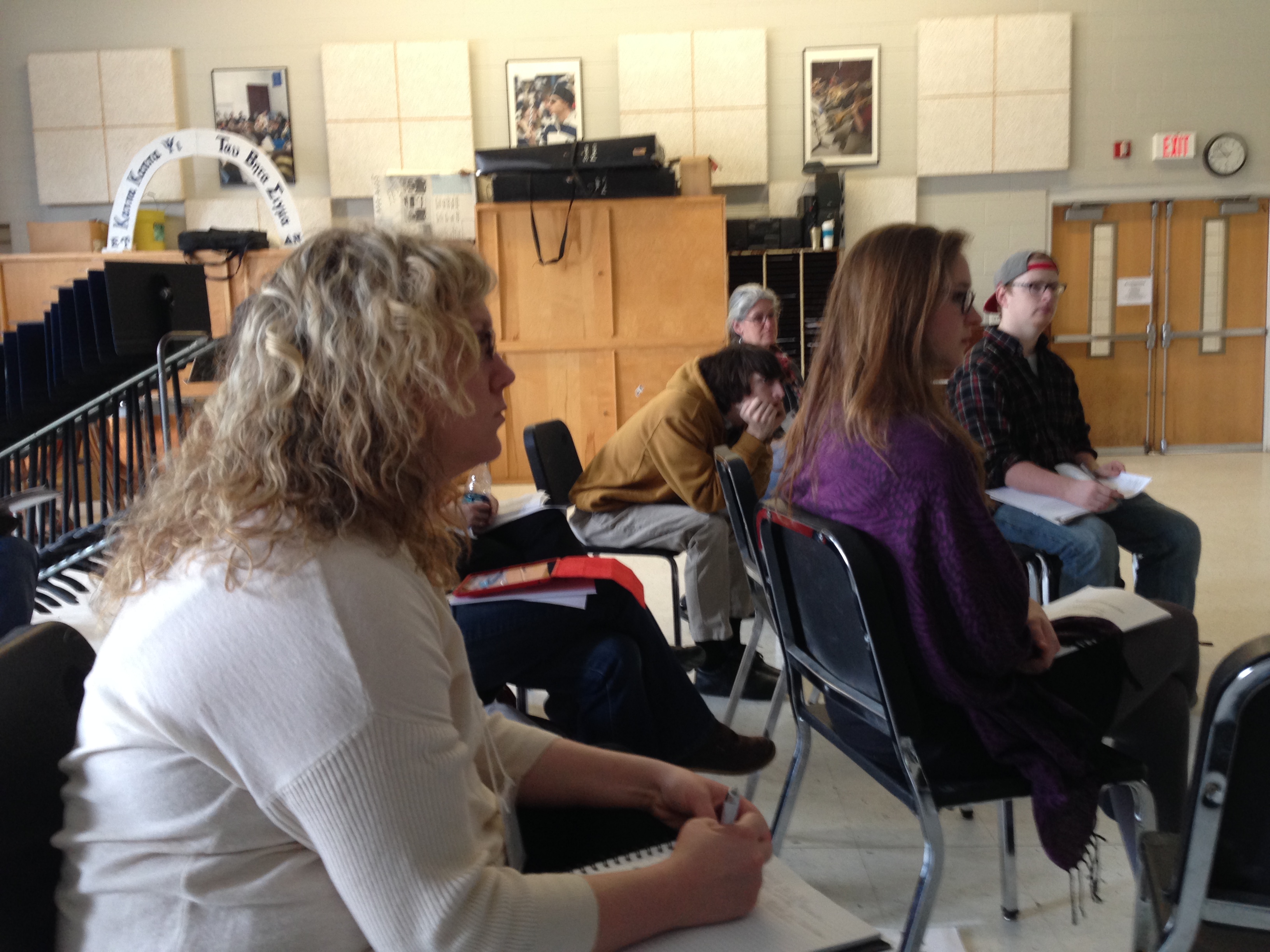
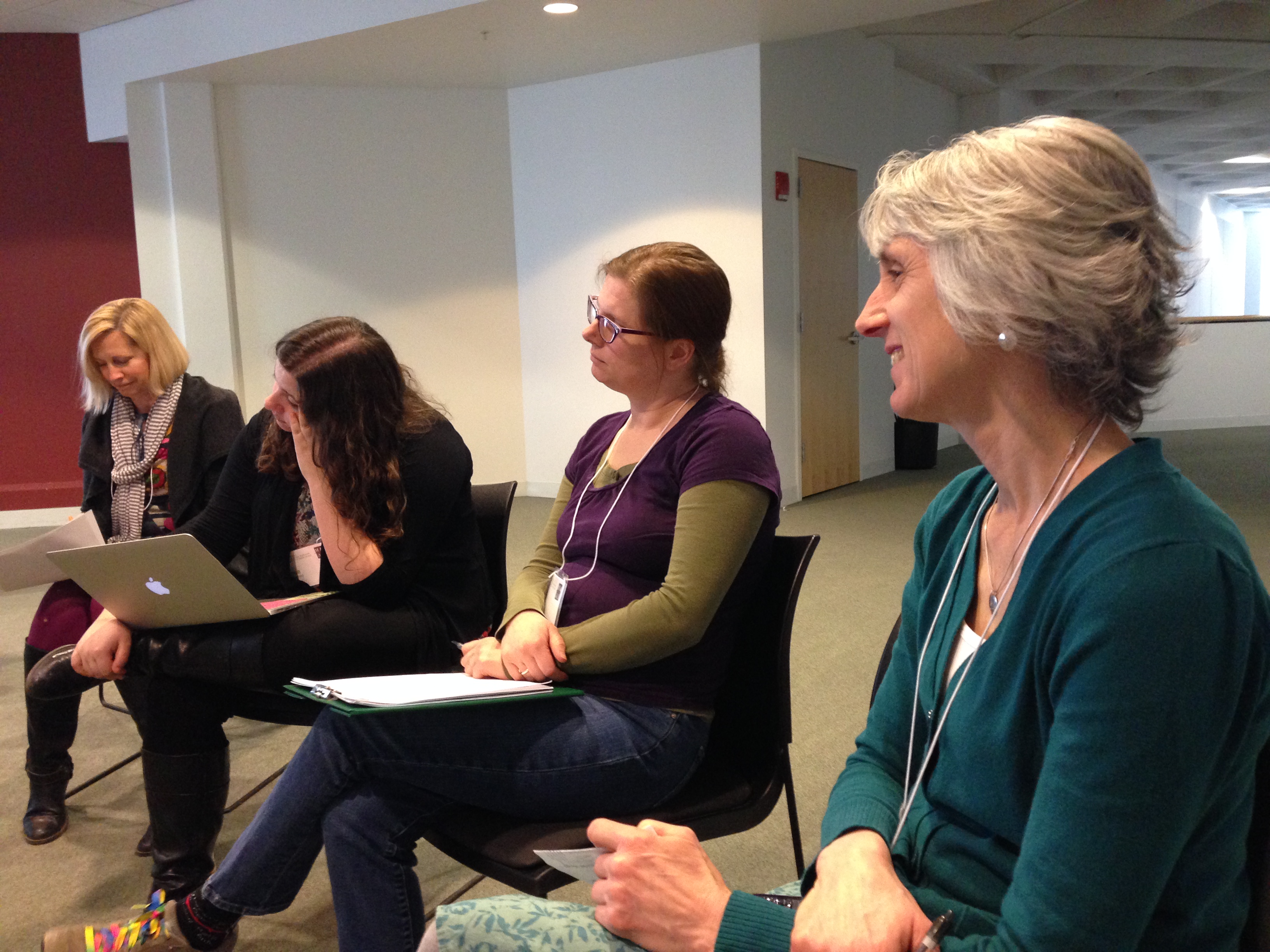
Last Thursday and Friday the last two Maine Arts Assessment Initiative’s (MAAI) Mega-regional workshops were held at UMaine, Orono and USM, Portland campus. Both were a success and the 127 teachers who participated had positive feedback. It was an opportunity designed just for visual and performing arts educators including teaching artists.

I am so proud of the Teacher Leaders and the workshops they created. MAAI believes that “teachers teaching teachers” is very powerful!

Thank you to the following Teacher Leaders listed below who provided the following workshops:

UMaine, Orono – Thursday, April 2

  • Finding the Hidden Treasure in Art with Student Self Assessment, Jennie Driscoll Brunswick High School Visual Arts
  • Efficient and Effective Assessment in the Elementary Music Classroom, Frances Kellogg Ellsworth Elementary Middle School Music
  • Multiple Pathways: Helping Students Achieve Proficiency in ELA and Social Studies through Performing Arts Class!, Beth Lambert Carrabec High School Performing Arts
  • The Foolish Man Builds his House Upon the Sand: Laying a Firm Foundation for the Arts (and life) in Early Childhood, Judy Fricke Main Street Music Studios Music
  • My Choice-Based Art Class, Nurturing Proficiency through Voice, Choice and Reflective Teaching, Theresa Cerceo Dr. Levesque Elementary, Wisdom Middle/High School Visual Arts
  • Proficiency-Based Education in Visual Art, Gloria Hewett Mount View Middle School Visual Arts
  • Gold, Silver or Bronze? A Rubric fit for the Olympics!, Pam Kinsey Easton Schools Music
  • Rappin’ Differentiated Instruction and Implementing Standards Based Grading, Lisa Neal Nokomis Regional High School Performing Arts

Theresa         IMG_1273

IMG_1276USM, Portland – Friday, April 3

  • The Studio Habits of Mind: Using the “Hidden Curriculum” to Encourage Student Autonomy, Lisa Ingraham Madison Elementary School Visual Arts
  • The Recipe: Ingredients in a Proficiency-Based Curriculum, Michaela DiGianvittorio and Sarah Gould Gray-New Gloucester High School Visual Arts
  • Unpacking the Standards with your BFF (Best Foot Forward), Cynthia Keating, Village Elementary School Music and Kate Smith, Central Elementary School Music
  • The Foolish Man Builds his House Upon the Sand: Laying a Firm Foundation for the Arts (and life) in Early Childhood, Judy Fricke Main Street Music Studios Music
  • Writing What We Do: A Guide to Standards-Based Curriculum Mapping & Unit Design, Brian McPherson, Woodside Elementary School Visual Arts and Jake Sturtevant, Bonny Eagle High School Music
  • Using Digital Process Folios as a Journaling Approach to Self Assessment, Melanie Crowe Marshwood Middle School Visual Arts
  • Hatching A Songbird: Teaching and Assessing Singing Skills at the Primary Level, Patti Gordan Raymond Elementary School Music
  • Moving Towards Your Goals: Using Technology for Self-Assessment in a Performing Arts Classroom, Emma Campbell Thornton Academy Dance
  • Dancing With the Standards: How to Incorporate Standards-Based Dance and Movement Activities in Classroom Learning and Assessment, John Morris Dance
  • The How and Why of Digital Portfolios, Jeff Orth Richmond Middle/High School Visual Arts

IMG_2242

IMG_2231

IMG_2217Thanks also to MAAI Teacher Leaders Janie Snider, Jenni Null, and Shari Tarleton.

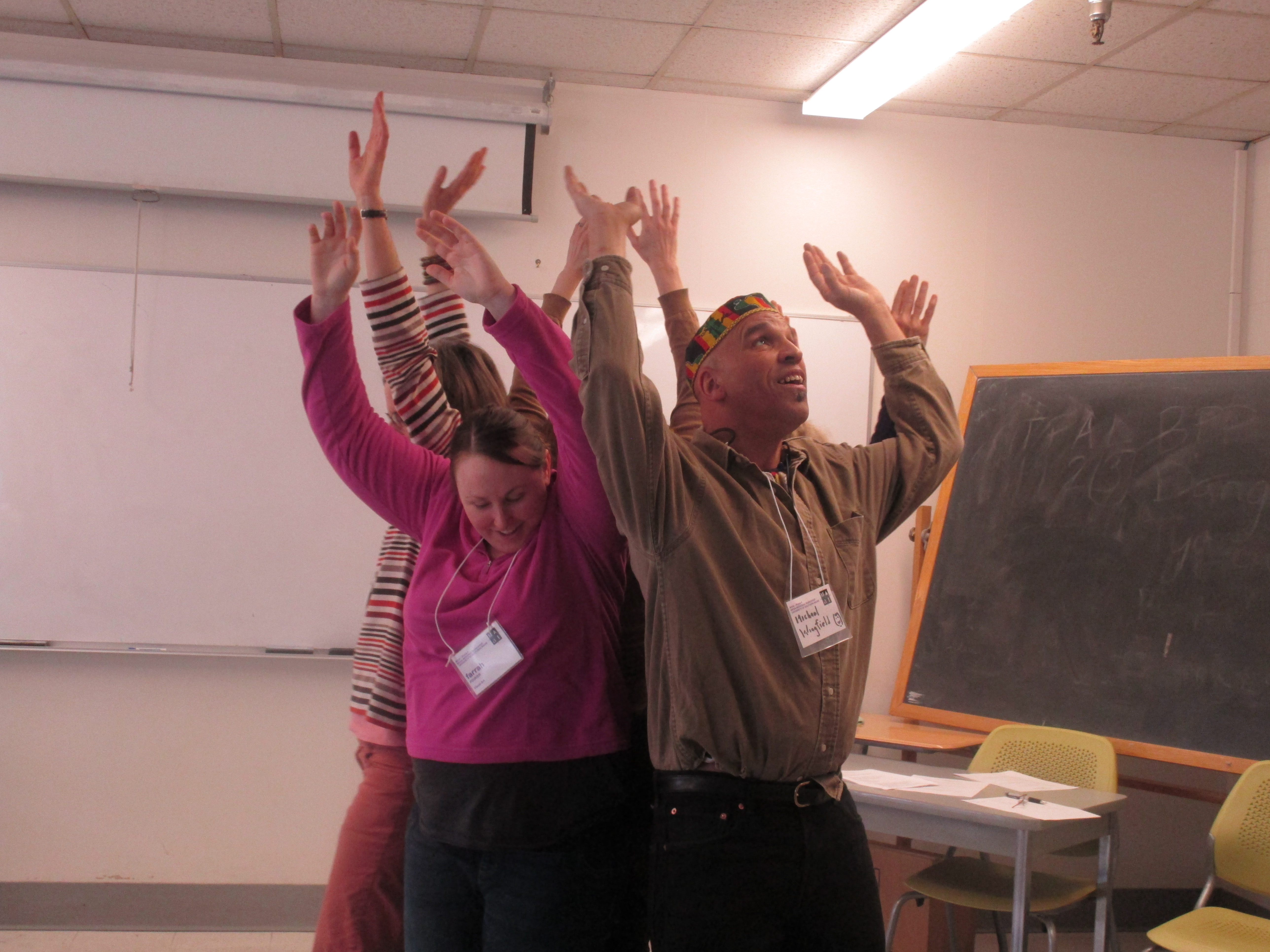
Artist showcases took place at each Mega with Teaching Artists John Morris and Stevie McGary provided information on their role and some movement as well.

In the afternoon sessions Proficiency-Based Education and Teacher Effectiveness were the discussion topics. Teachers shared what is happening in their schools, had a chance to ask each other questions and learn from what others are doing. Thanks to the following Teacher Leaders who facilitated the discussion:

UMO – Gloria Hewett and Jen Nash

USM – Jake Sturtevant and Amy Cousins (and several others assisted)

Both Megas were successful due to the work of Leadership Team members:

UMO – Catherine Ring

USM – Rob Westerberg and Jeff Beaudry

A special THANK YOU to Laura Artesani who arranged for the space on the UMaine Orono campus. And to Jeff Beaudry who arranged for the space on the USM, Portland campus!

At the end of the day at USM I said to all the participants how proud I was of the work all visual and performing arts teachers do. I know that the jobs you do can be challenging. At the end of the day at UMaine Orono Catherine asked folks how they were feeling and these are some of the words expressed by the group: inspiring – exhausted but happy – encouraged – enthusiastic – can’t wait to try things back in my classroom – my head is full – overwhelmed but supported – not alone anymore – great resources.  Catherine’s word: proud.

If you didn’t attend any of the four Mega-regional workshops provided this school year by MAAI and are looking for resources I suggest that you go to http://www.maineartsassessment.com/.

h1

Children’s Literature and the Arts!

April 5, 2015

A Graduate Course

IMG_1263

IMG_1268

IMG_1260

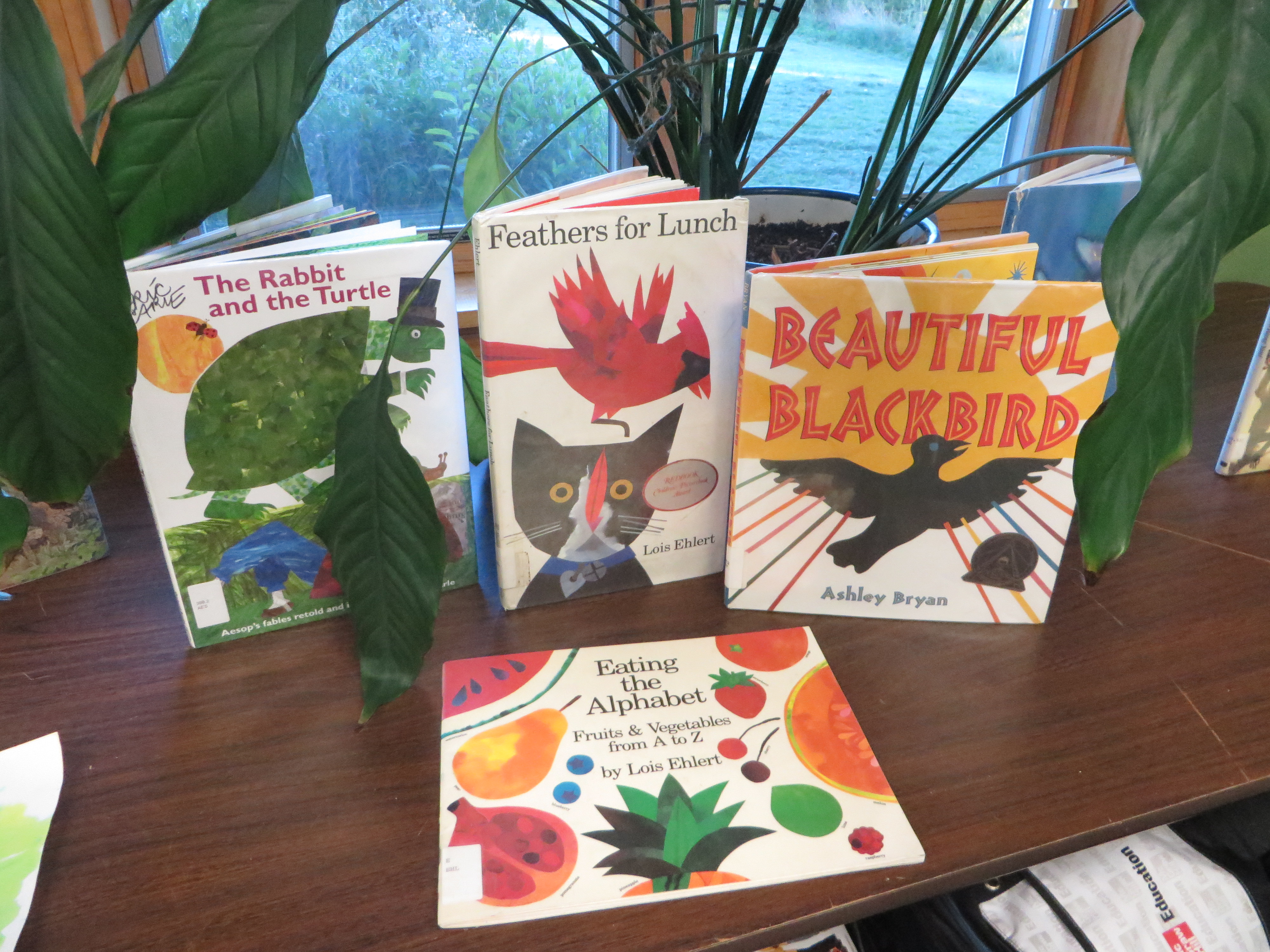
IMG_1262Need recertification credits?  Here’s a great class that integrates quality children’s literature by incorporating the arts! Geared for teachers of Pre-K to grade 6, this course is being offered through the New England Institute for Teacher Education starting Friday (4-8pm)/Saturday (8-4pm) April 10 and 11 in Portland. For more information, click here for the short video and information on the website.

Come find out how to use visual art, music, drama, choral reading, poetry, storytelling and movement in your literacy classes — you will learn a lot and leave with many  ideas, strategies and resources you can use right away to engage and inspire your students.  And you will learn about the many different genres in children’s literature, and how to ensure quality, multi-cultural books are available to ALL students in your classroom library.  Participants in this class when offered in the past include classroom teachers, art and music teachers, librarians, guidance counselors, and special educators.

There’s still room in the class!  New England Institute for Teacher Education will work with you if you need to process a purchase order with your school. So come by yourself or bring a colleague – New England Institute has had some great teams take this course and the teacher-friendly schedules make this do-able, relevant and fun!  To Register, visit the website.

h1

Scholastic Awards

April 4, 2015

Congratulations students and teachers

The following Maine students (and their teachers) have received top honors in the Scholastic Art & Writing awards. CONGRATULATIONS!

Logan Bru – Gold Medal – Oxford Hills, grade 11

Virginia Valdes, teacher

Oh Gaeun – Gold Medal – Foxcroft Academy, grade 12

Jane Blay, teacher

Julia Sagaser – American Visions Medal – Waterville SHS, grade 12

 Suzanne Goulet, teacher


The entire list of students in the country who have also received top honors are listed at http://www.artandwriting.org/wp-content/uploads/2015/03/2015-National-Medalists-Web-Announcement.pdf


h1

NAEA Convention

April 3, 2015

A trip to New Orleans and back

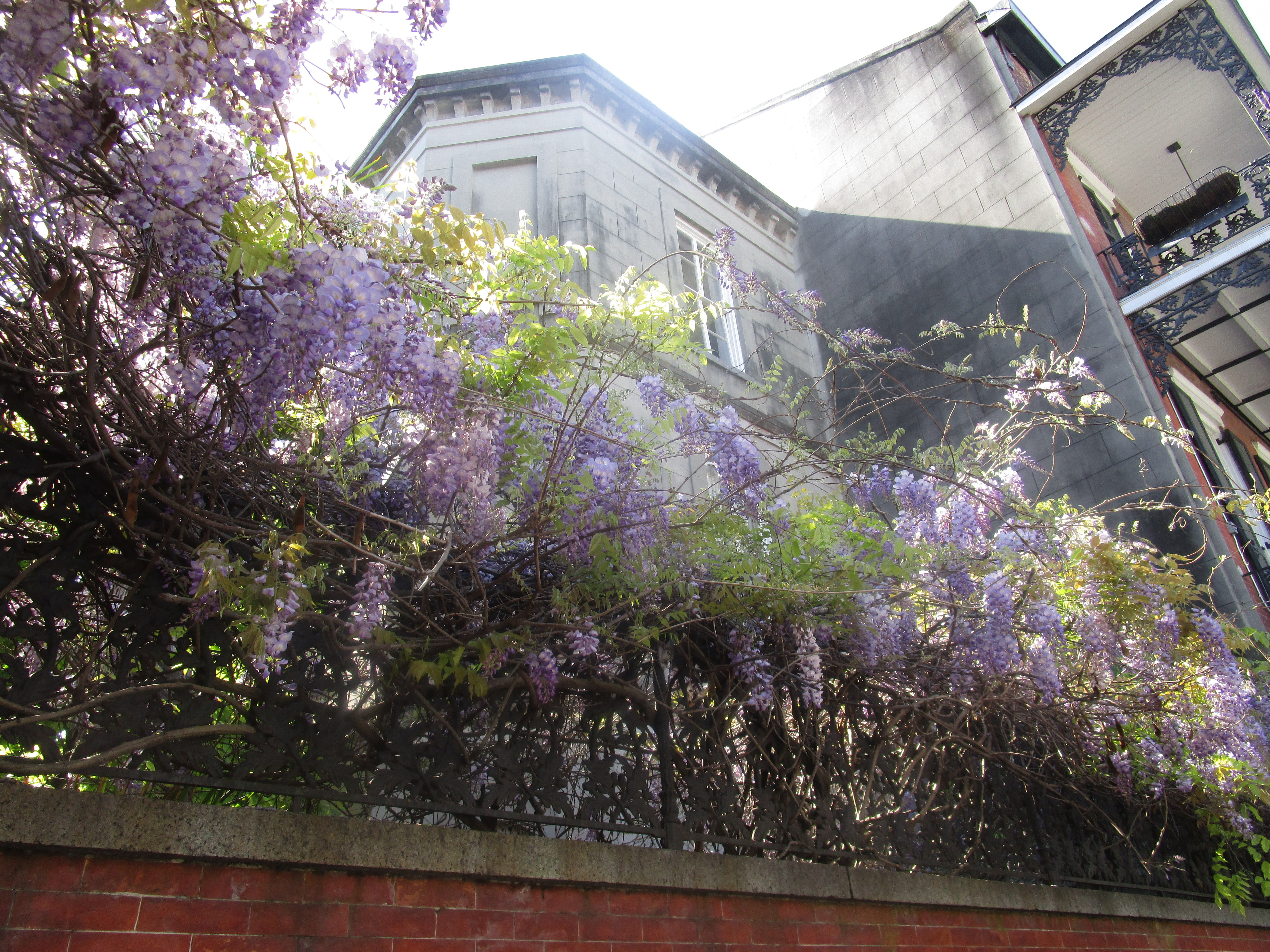
IMG_2199The National Art Education Convention was held last week in New Orleans. What a great place to have a conference with 4,500 art teachers from across the country! The workshops and keynotes were thought provoking, the educators freely shared ideas, the food was outstanding, and the city filled with fun and opportunities to take in the arts and culture. There were three workshops presented by 5 Maine arts educators. The most amazing part to me is (always) the openness of teachers. “Where are you from? and What grade(s) do you teach?” are probably the most frequently asked questions – on the elevator, escalator, walking to and from sessions, in sessions, at meals and on and on.

NewOrleans

IMG_2075 Tim Gunn, educator and designer presented one of the Super Sessions and shared his wisdom and kindness. He provided multiple examples of how he teaches and mentors. He was on the faculty at Parsons The New School Design from 1982 to 2007 and was chair of the fashion design at the school, August 2000 to March 2007. He is well known for the reality show, Project Runway.

Screen Shot 2015-04-02 at 8.44.02 PMEarlier this week The Art of Education posted Tim’s 8 Lessons Art Educators Can Learn From Tim Gunn, post written by Jessica Balsley http://www.theartofed.com/2015/03/27/make-it-work-10-lessons-art-educators-can-learn-from-tim-gunn/. Number 7) TEACH  – This is Tim’s coined acronym for success in teaching. It stands for Truthtelling, Empathy, Asking, Cheerleading and Hoping for the Best. I suggest that you check out the post for the other seven. It was great to see Jessica and the other Art of Ed folks at the convention as well!

IMG_2100In addition to attending the convention sessions, the location offers so many learning opportunities. One highlight for New Orleans was a walking tour that took us to the architectural highlights of The French Quarter. On many of the ornate building fronts there is a fancy pointy piece that juts out just below the balcony’s floor so those who have celebrated a bit too much during Mardi Gras can’t climb over the rail and into the homes. The tour ended at the oldest cemetery (of three) with above ground graves due to the water level. The stories were fascinating.

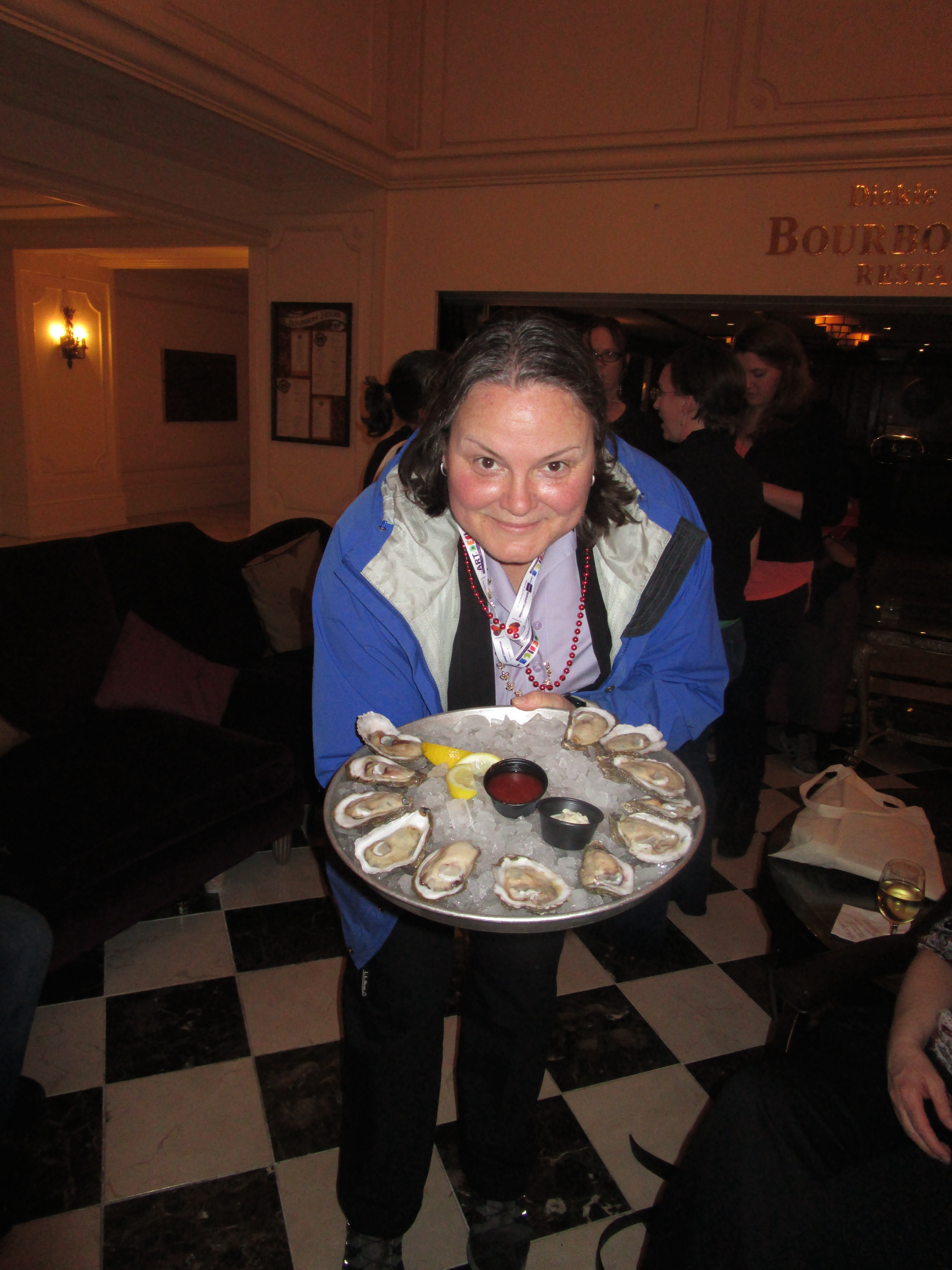
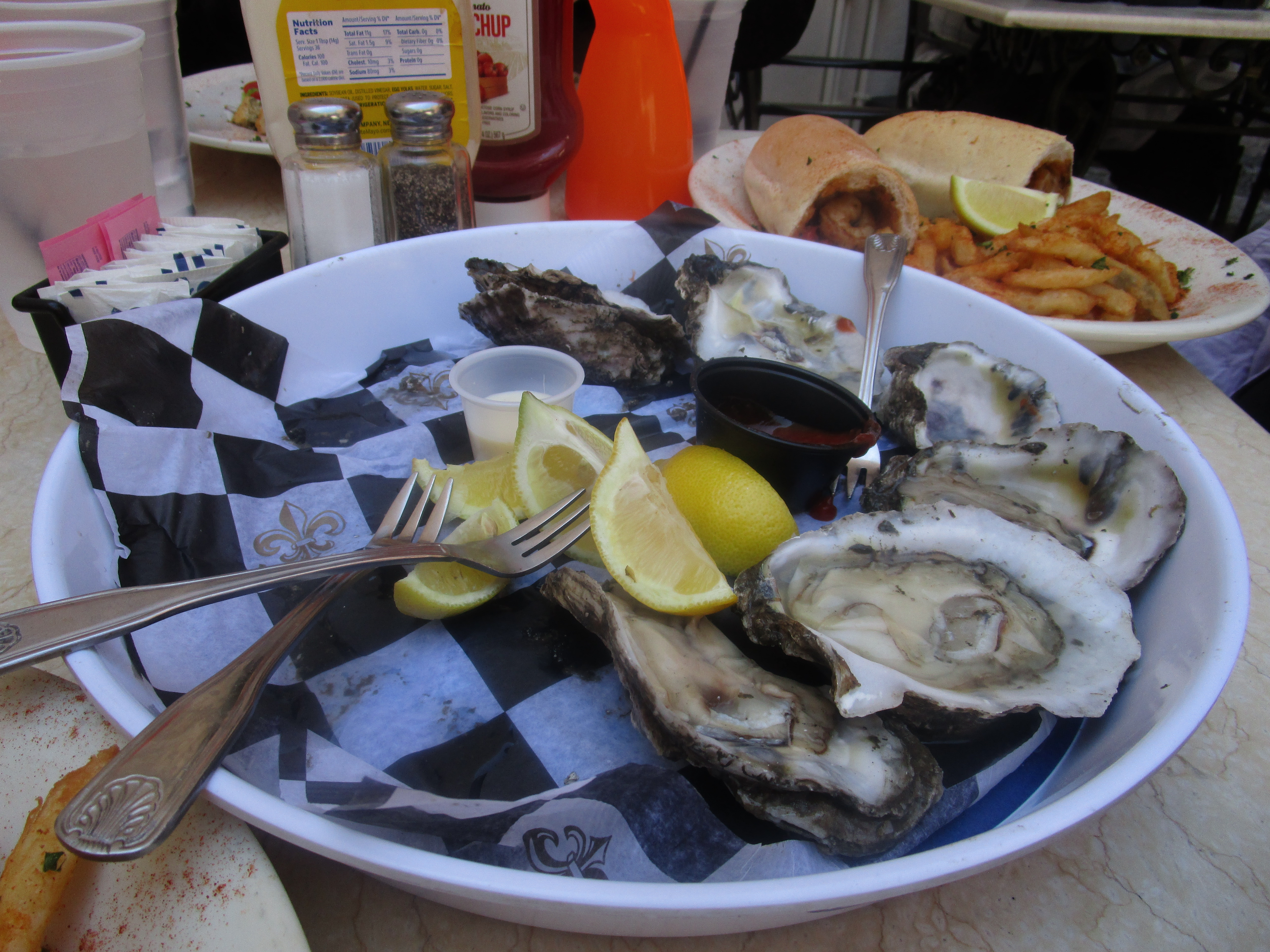
IMG_2105The highlight for food, that’s a tough decision! So many good foods including Beignets which are French donuts from Cafe Du Monde, Muffuletta’s from Central Grocery, giant Italian sandwich, Mother’s Restaurant that serves soul food. Oh and the oysters and Po’boys were yummy as well! My first time having grilled oysters!

IMG_2086

Beignets

IMG_2081

IMG_2088

Grilled oysters

IMG_2141

Raw oysters

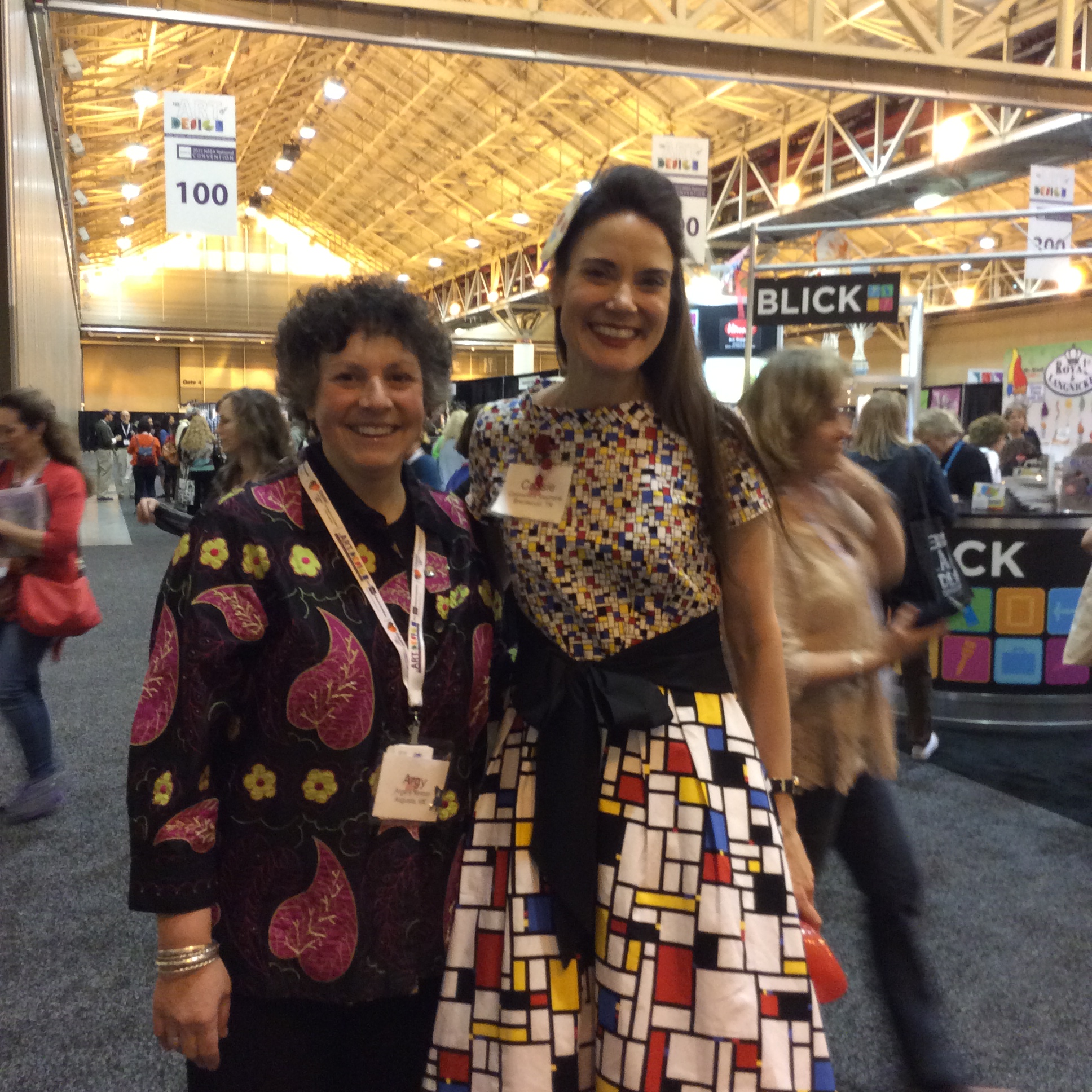
The highlight for people to see: Olivia Gude, on the team who wrote the National Core Arts Standards, Lois Hetland, one of the writers of Studio Habits of Mind, and Cassie Stephens, blogger and elementary art teacher from Tennessee.

The weather was pleasant with temperatures in the 60’s. We ate outside and heard wonderful music several times. Getting up early and walking along the water as the sun rose was delightful.

IMG_2155

Half a muffuletta

Half a muffuletta

I am always proud when I attend national conferences – proud to be an arts educator! And, fortunate to have the opportunity to attend. There were about a dozen art teachers there from Maine. If you’ve never, I hope that you will consider, attending a national conference in the future.

IMG_2079

Cassie Stephens, blogger, art educator from Tennessee

Cassie Stephens, blogger, art educator from Tennessee

IMG_2150

h1

The Life Part

April 2, 2015

No intro needed but please take 2 minutes and 51 seconds to watch and let us know what you think in the comments section of the blog below

Thanks to Teaching Artist Chrissy Fowler for emailing this link. Please go to the link at http://www.cpr.org/news/story/longmont-teachers-film-carry-tune-highlights-intangibles-music-ed and learn more about the documentary that a Colorado Silver Creek High School music teacher created with two students. He was on a talk show sharing information on “Carry the Tune”.

h1

Who Are They?: MECA, Part 4

April 1, 2015

Maine College of Art

This blog post is part of a series called Who Are They? where information is provided for the Maine Arts Ed blog readers to learn about community organizations and institutions that provide educational opportunities in the arts. You will learn that they are partnering with other organizations and schools to extend learning opportunities, not supplant.

Screen Shot 2015-03-22 at 12.42.14 PM

This is the fourth post on the Maine College of Art (MECA) which is located in downtown Portland. Chuck Hamm is MECA alumni and a great advocate for Feed Your Soul. Chuck teaches visual art at Belfast Area High School. In Chuck’s own words…

https://youtu.be/cYBTx__-Ljk