
Hebron Academy
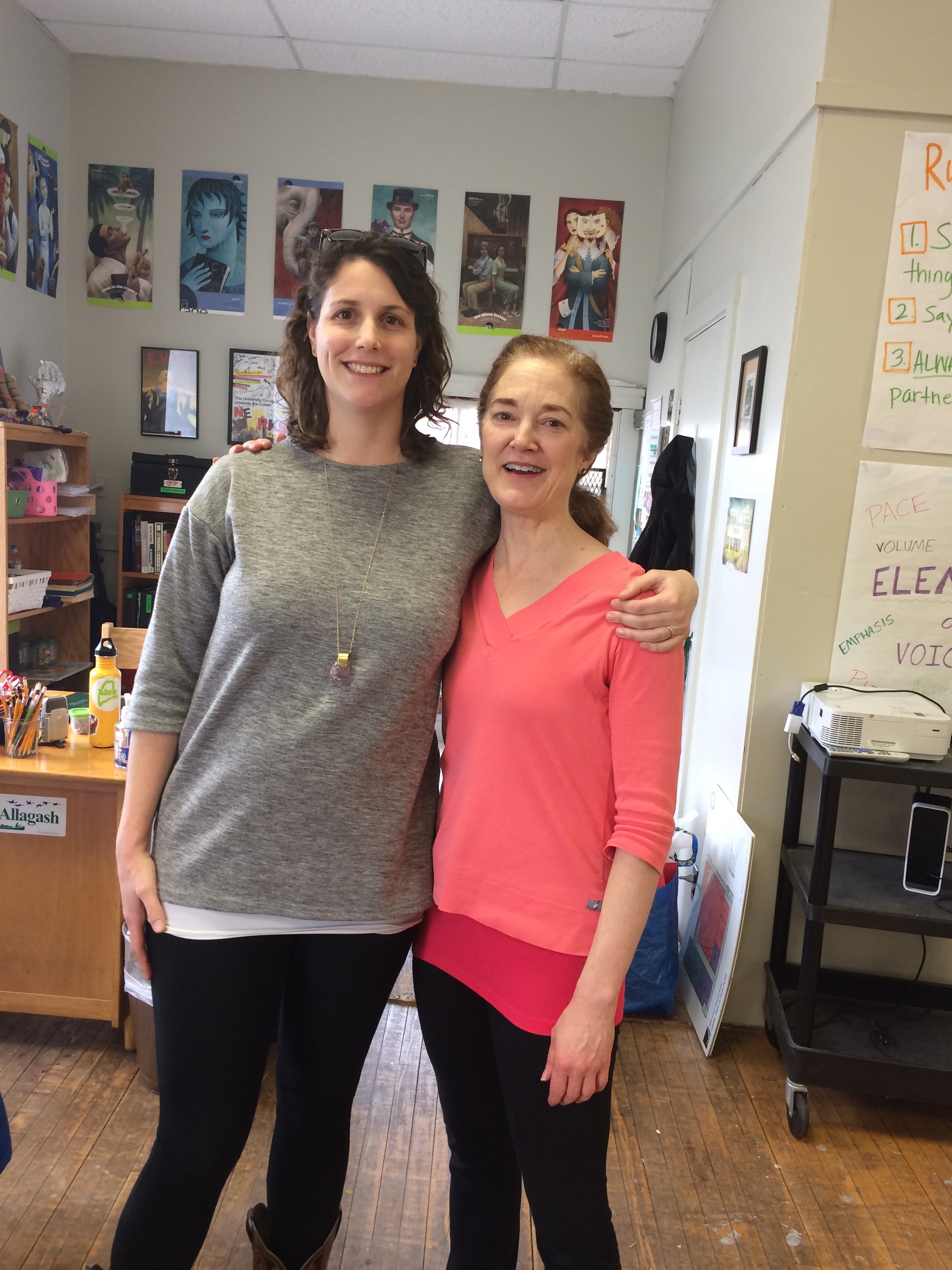 In December I traveled to Hebron for a visit with Teaching Artist, dancer Karen Montanaro and Director of Drama, Sarah Coleman, Hebron Academy. Hebron Academy received funding from the Dance Education grant from the Maine Arts Commission. I really appreciated the opportunity to see the dance residency in action. I was reminded of what dance education provides that is unique to the discipline. The list of skills students have a chance to develop is very long. Thanks to Sarah and Karen for providing their reflections on the residency.
SARAH’S REFLECTIONS
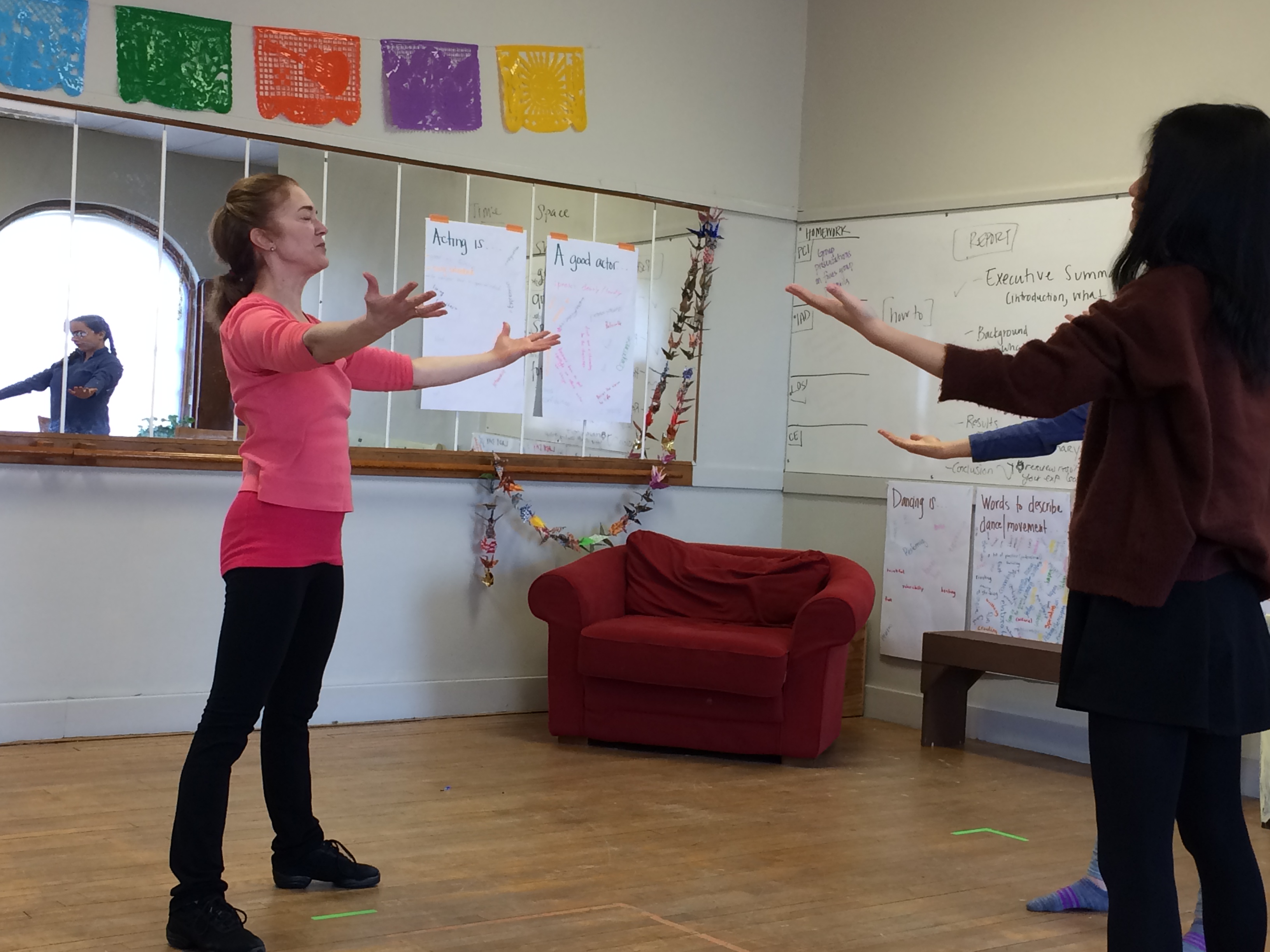 Karen worked with three high school performing arts classes on movement, presence, and performance. Students were challenged to use their bodies in ways that were very different from their daily routine – to move, to improv and to explore. At first, this was an extremely challenging and uncomfortable experience for students, but as they became more familiar with Karen they were able to release some of their self-consciousness and participate with more freedom. In writing about their experience students shared reflections such as,
 - ” I truly believe that she opened a door to an unknown side of myself. Through the unusual games and dance movements, she helped me gain confidence moving and using my body as a tool.”
- “Having Karen in our class was definitely a fun and relaxing experience…with her there [were] no expectations or even limits.”
- “From that week I explored [a] part of myself [that] I usually don’t.”
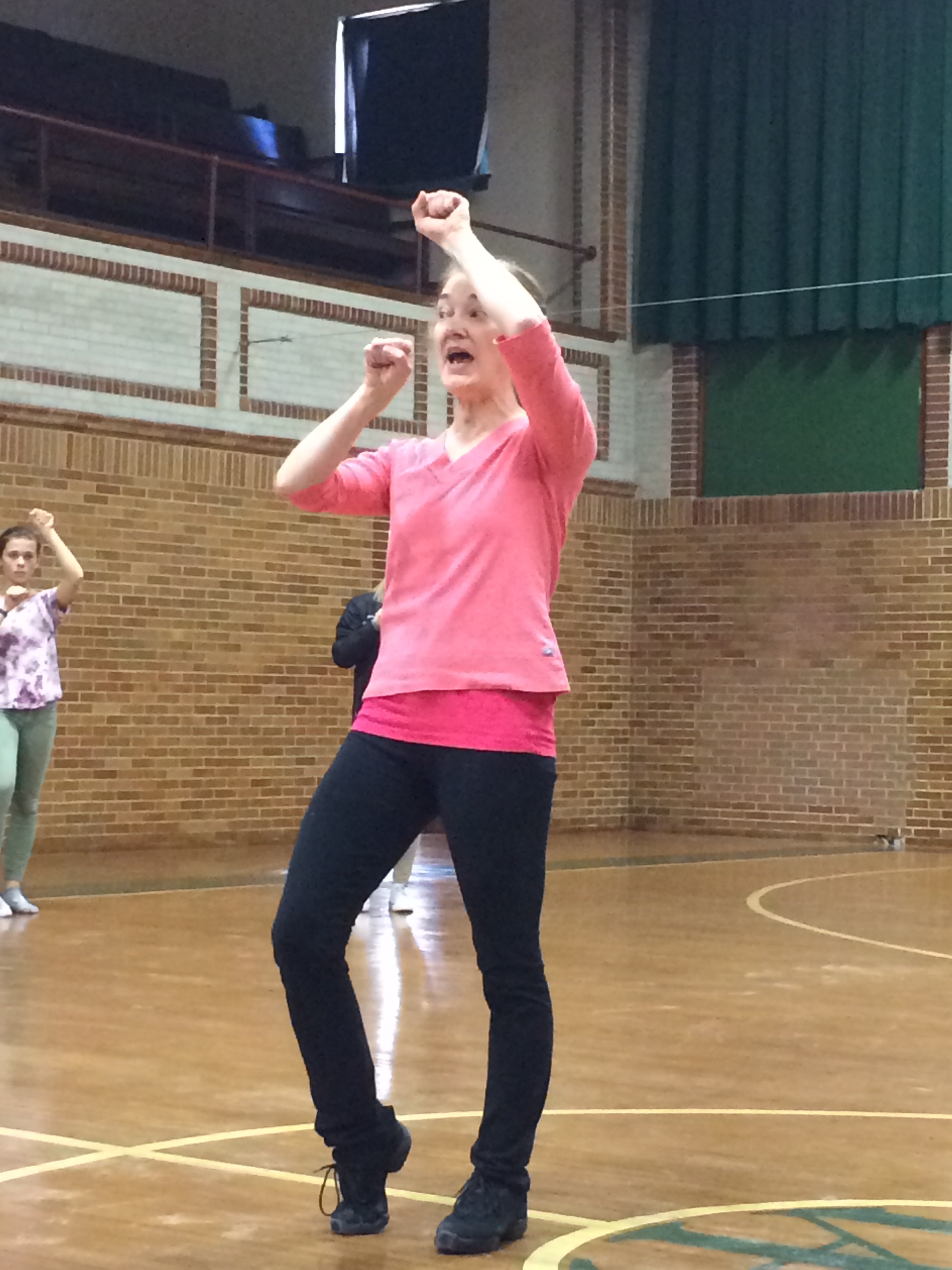 As a former teaching artist for many years, the experience with Karen was both typical and special. It was typical in that with anything new, different and disruptive to the traditional approaches to class participation (sitting) many students are resistant. It was special because with Karen, who brings her open, honest, authentic self to every class, students can’t help but release and play. Most importantly she challenges them to practice vulnerability – something we talk about often in our arts classes, but is hard to highlight daily. Even with the large amount of resistance she faced with our 9th graders, she continued to support and gently nudge them to let down their guard at a pace that was more comfortable to them.
  KAREN’S REFLECTIONS
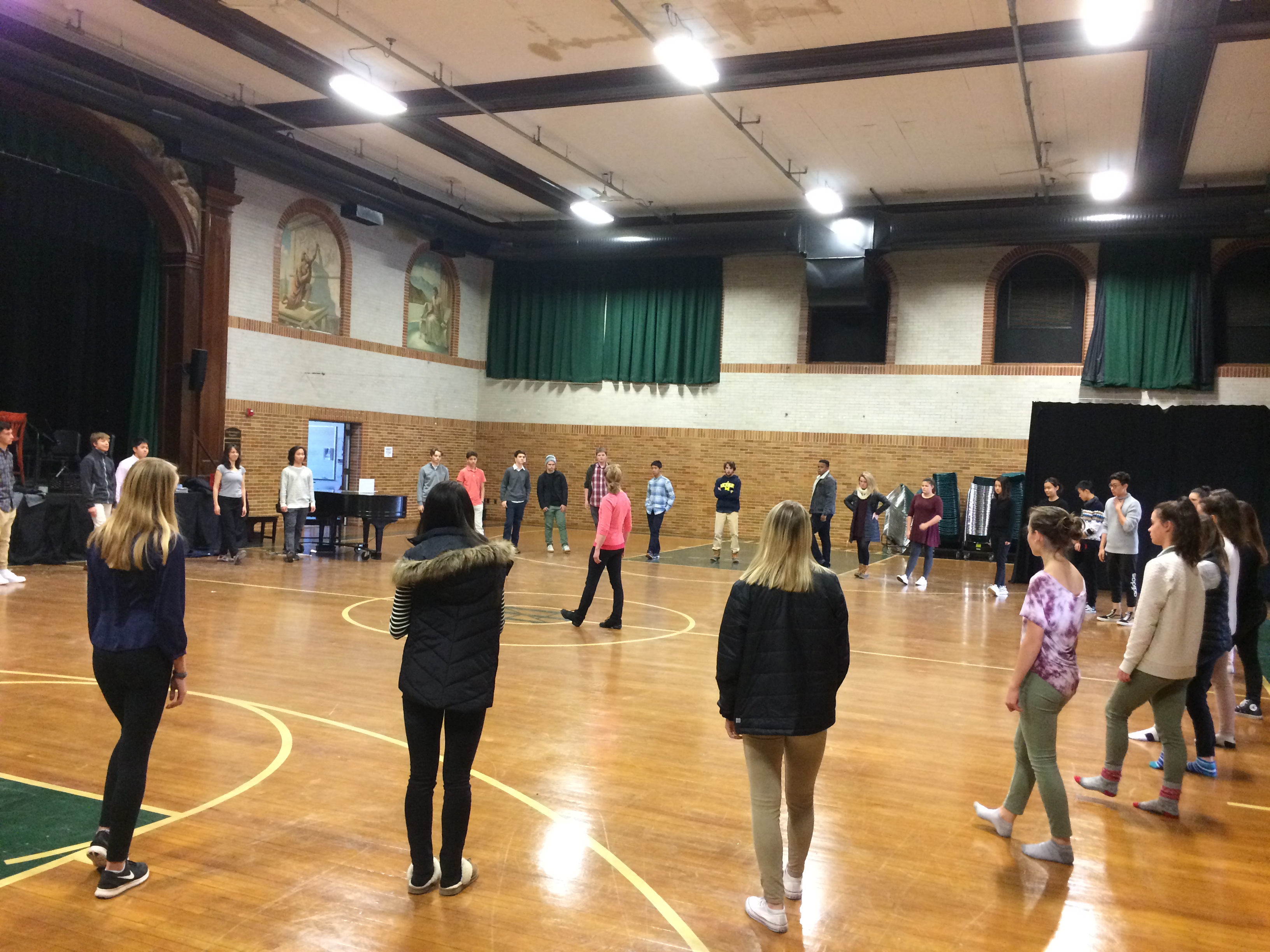
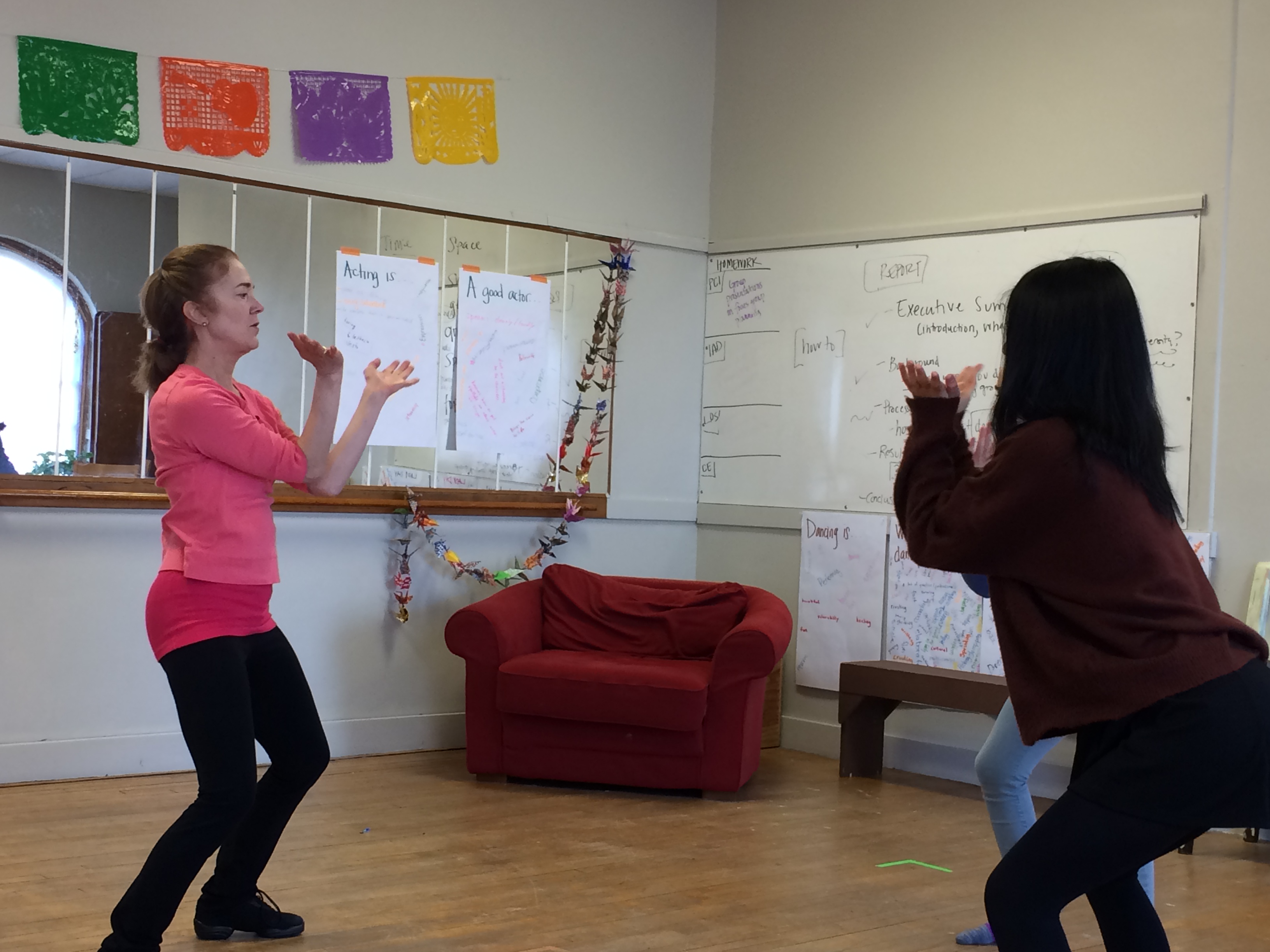 The more challenging class was the ninth grade arts class with thirty six students. About a third of the class was fully on-board from the beginning, but the remaining two thirds were almost paralyzed by self-consciousness. I told them that I was caught “between a rock and hard place” because the only way my class was going to work was if they agreed to be there. I couldn’t do anything without them. On the last day, all the students danced! They ran and leapt into position and we went through the choreography full tilt. By now, they knew the steps and I was thrilled to see even the most reluctant students moving with more energy and precision. It was clear to me that they had found themselves on the other side of a very threatening learning curve; a learning curve unique to the dance-experience that involves visibility, spontaneity, energy and expressive risk-taking. Watching this class move with willingness and assertiveness, I had a revelation that I shared with them. I told them that my highest hope for this class is that they will experience a type of movement that makes them feel so good inside their skin, they won’t need outside approval. Paradoxically when you lose this sense of need, that’s when you gain real friends — friends that will help you rather than hold you back.
 The Maine Arts Commission will provide the dance grant once again this year thanks to a generous donation from a performance put together by a collaborative group of dance educators. Two other locations are enjoying this funding, I will provide information each of them after my visits to the schools.

 me arts ed