Archive for the ‘assessment’ Category

h1

MICA – Day 2

September 29, 2018

A day filled with GREATNESS

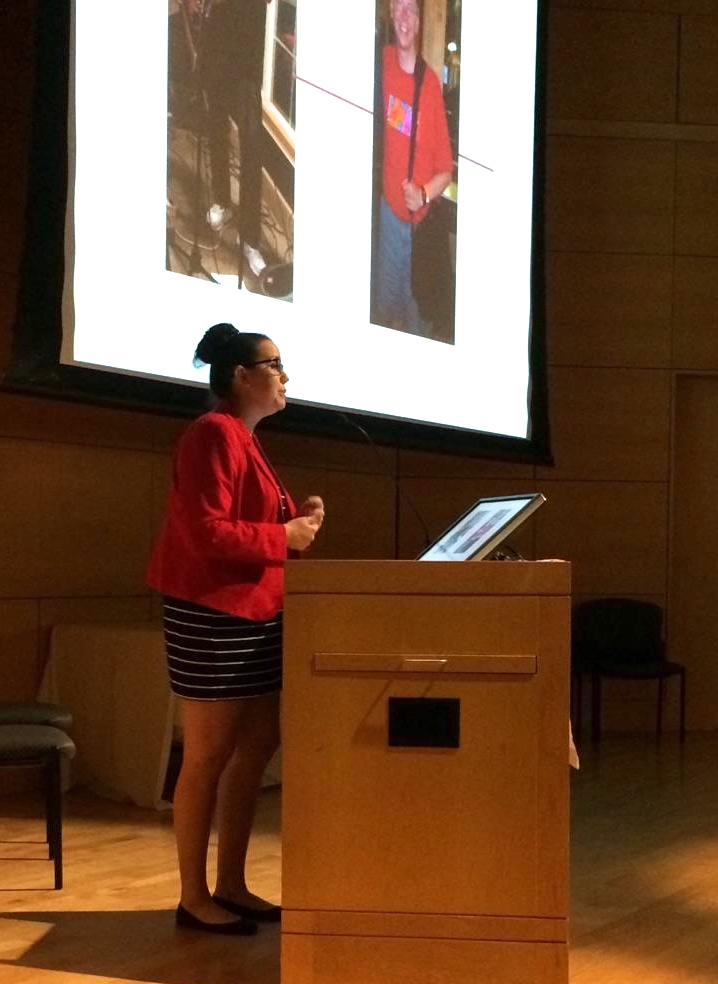
Kaitlin Young in the Idea Lab

The Maine International Conference on the Arts (MICA) wrapped up yesterday with a very full and high spirited, exciting day. The day started with a lively performance by the Maine Taiko Drummers. The Maine Artists Idea Lab stories followed in Hannaford Hall reaching across the many “arts” lines and inspiring folks bringing many to tears.

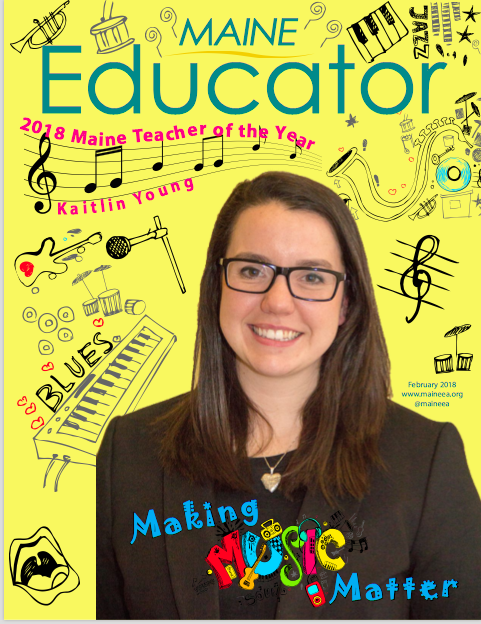
One of the Idea Lab presenters was Sedomocha School Music Educator Kaitlin Young (Maine 2018 Teacher of the Year) who shared her “teacher” story and reminded me of the importance of “life-long learning”! All of us who call ourselves “educators” can be proud that Kaitlin represents Maine educators who are continuously striving to provide an excellent education for all learners!

The day was filled with breakout sessions on a variety of topics relating to the Maine Arts Commission (MAC) Cultural Plan – Leveraging Investment, Building Capacity, Visibility of Arts & Cultural Sector, Arts Education & Lifelong Learning, and Promoting Cultural Tourism.

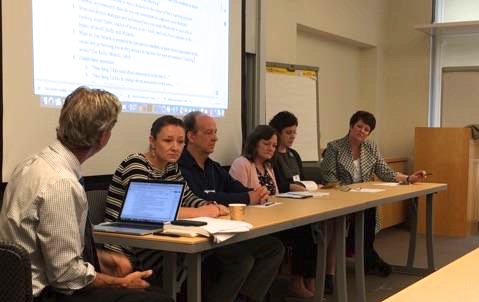
Teaching, learning, and assessment panel

Just before lunch Arts EngageME presented their Inaugural Maine Arts Awards to the surprised recipients. Throughout the day there were pop-up performers including Sara Juli, Oratorio Chorale, Portland Piano Trio, Celebration Barn, Golden Oak, and MAMM students.

The PK-12 arts education sessions were informative, enlightening, and inspirational. Thank you to the following who contributed their expertise to the sessions designed especially for educators.

How do teaching, learning and assessment work together in a positive, productive standards-based Visual and Performing Arts classroom? 

Jeff Beaudry, Jen Etter, Kelly Hrenko, Michelle Kaschub, Holly Leighton, and John Morris!

Teaching artists and PK-12 arts teachers session

When Teaching Artists and Arts Teachers Connect, Students Win

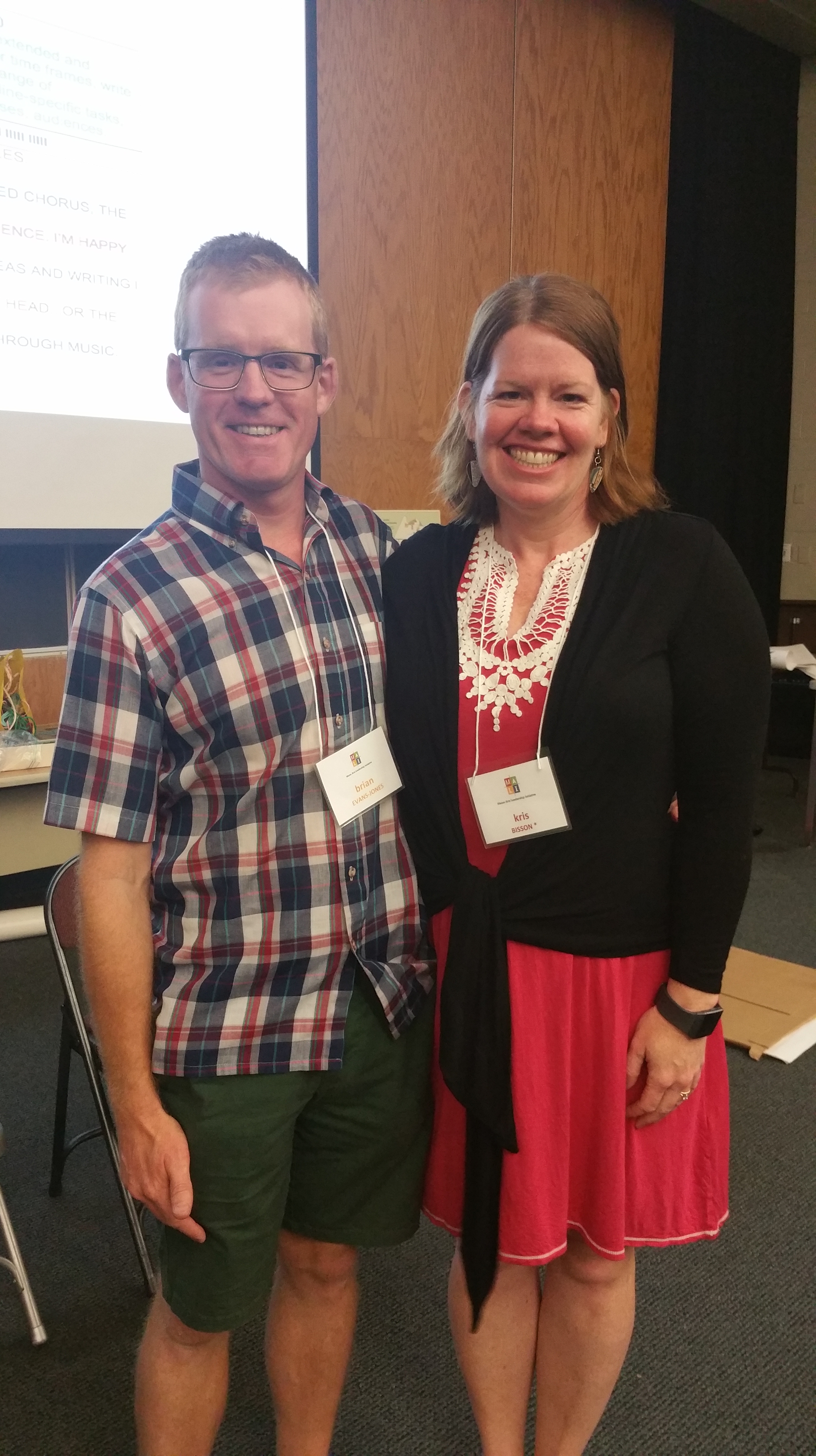
Kate Smith, Brian Evans-Jones, Kris Bisson, Tim Christensen, Lori Spruce, John Morris, Carmel Collins

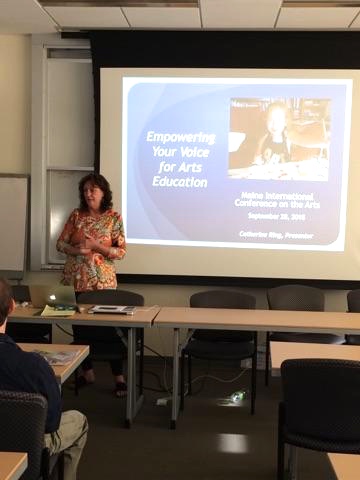
Empowering Your Voice for Arts Education 

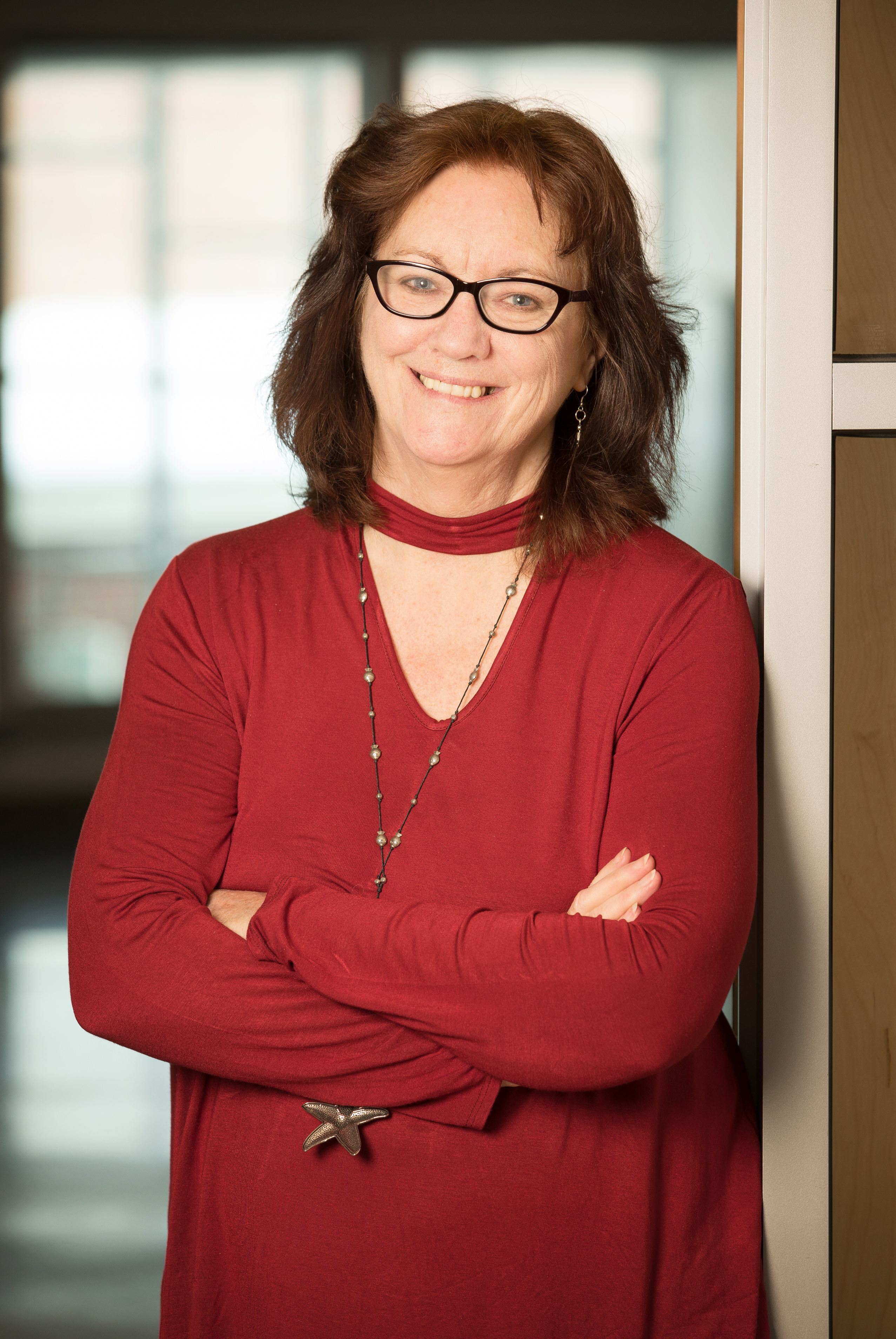
Catherine Ring

MAC provides MICA biennially so if you missed it this year mark your calendar for the next one being held in 2020. It will be a great way to celebrate the Bicentennial of our state.

Catherine Ring presenting

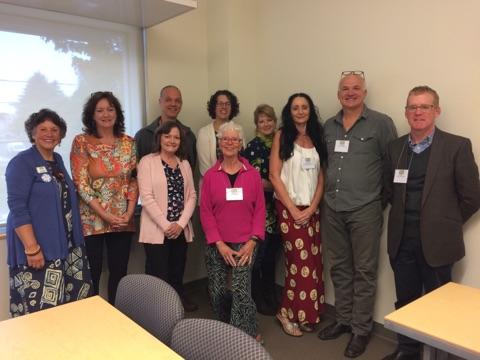
Some of the MALI folks in attendance

h1

Assessment for Learning Series

September 20, 2018

Penobscot River Educational Partnership

Leveraging Assessment Practices to Motivate Student Learning with Jan Chappius. Co-leading this series of PD opportunities are Dr. Jeff Beaudry and Dr. Anita Stewart McCafferty both Educational Leadership faculty at the University of Southern Maine. PREP is delighted to be able to offer this opportunity to not only members of PREP but also to other area school districts. All sessions will be held at Jeff’s Catering in Brewer and will go from 8:30 – 3:00 each day.

The sessions will take place on October 3, January 25, and April 26. To attend just October 3 the cost is $175 and to attend all three the cost is $250.

REGISTRATION

h1

MICA Arts Ed Sessions

September 8, 2018

Three amazing sessions
This is the third blog post that provides information about the learning opportunities being happening in September from the Maine Arts Commission – the Pre-MICA At the HEART of Education, Thursday, September 27 at USM, Portland campus, Abromson Center. And, yesterday’s post with the overall details for the Maine International Conference on the Arts being held, same place, on Friday, September 28. This post includes the details on the ARTS EDUCATION track with 3 sessions for your interest. Below you will find the details.
CONFERENCE REGISTRATION

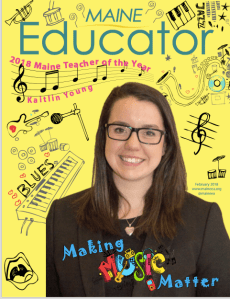
Kaitlin Young

Kaitlin Young is one of five speakers that will start off the day presenting in the Maine Artists Idea Lab. It is a fast-paced and engaging peach kulcha-style format that will knock your socks off with the newest innovations.  an Idea Lab.

Kaitlin Young is the 2018 Maine Teacher of the Year and Music Educator from Sedomocha School in Dover-Foxcroft. The room will be filled with Maine’s arts community members including educators. Very exciting opportunity for her to represent arts education among arts supporters.

ARTS EDUCATION SESSIONS

  • 11:00 – 12:00 How do teaching, learning and assessment work together in a positive, productive standards-based Visual and Performing Arts classroom? 

Description

The use of “standards” and “assessments” in visual and performing arts (VPA) education have been discussed, planned for, and developed over many years. A panel of educators will share the work they have underway. Participants are invited to join the conversation – bring your thoughts, questions, and curiosity on why standards and assessments are used in the arts.

Facilitator

Jeff Beaudry

Panel

Jen Etter, Kelly Hrenko, Michelle Kaschub, Holly Leighton, John Morris

Bios

Jeffrey S. Beaudry, Ph.D., Professor, Educational Leadership, University of Southern Maine
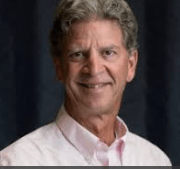
Jeff Beaudry

Dr. Beaudry is focused on high impact, classroom and leadership strategies, and how they relate to assessment literacy, assessment for learning (formative assessment), evidence-based practices, and STEAMSS (STEM and arts and service learning). Dr. Stewart MCafferty and Dr. Beaudry just co-authored a book, Teaching Strategies to Create Assessment-literate Learners and Educators, which Corwin Press released in May, 2018. The book provides the research base and multiple examples of practices of high impact strategies of assessment for learning. He also wrote a textbook, Research Literacy: A Primer for Understanding Research, and a book of teaching case study about concept mapping and critical thinking. Jeff passionate about the use of visual thinking in teaching, learning and assessment. He is also very proud of his time as co-director of the Southern Maine Partnership, a regional collaboration of schools and the University of Southern Maine.

Jen Etter

Mrs. Etter is a music teacher at York Middle School in York, ME.  She is currently in her 11th year of teaching chorus, general music and beginning band at YMS.  Within her district, Jen serves on the Leadership Team and played an integral role in helping to transition the York School Department to a proficiency based, student centered model of instruction and assessment.  She has presented on proficiency education at the regional and state level and is passionate about spreading the story of how this has transformed her classroom. Jen has been a teacher leader with the Maine Arts Leadership Initiative since 2013 and in 2014 was selected to featured in the Initiative’s video series on standards-based, student centered learning.  She is extremely proud of the work of this organization and feels blessed to have had the opportunity to be involved with MALI. It is a privilege to be able to work with such amazing arts educators from around the state of Maine.

Kelly Hrenko, Ph.D., Associate Professor, Art Education, University of Southern Maine
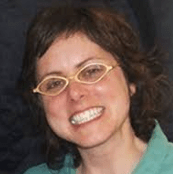
Kelly Hrenko

Dr. Hrenko’s current scholarship is within the field of integrated arts and multimodal creative literacies. She uses her position as a teacher educator in the visual arts as a place where several intersections occur; between art and culture, community and school; and interdisciplinary education. She comes from the Midwest where she worked in public and Native American BIA schools, assisting k-12 teachers as they work to integrate the visual arts and native cultures across curricula. Dr Hrenko’s recent publication, Decolonizing Vacationland (Hrenko & Paul, 2017) in Staikidis and Ballengee-Morris (Eds.) Transforming Our Practices: Indigenous Art, Pedagogies, and Philosophies, shares examples of culture based work from Maine classrooms, in partnership with Maliseet teaching artist Mihku Paul. Additionally, Dr. Hrenko works closely with Side X Side, a local arts education non-profit, to support the integration of creative teaching practices and arts-based curriculum across k-12 subject areas.

Michele Kaschub, Ph.D., Professor of Music, Coordinator of Music Teacher Education, Director-Center for Collaboration and Development, University of Southern Maine

Michele Kaschub

Dr. Kaschub is Professor of Music and Coordinator of Music Teacher Education in the School of Music, as well as Director of the Center for Collaboration and Development at the University of Southern Maine. Prior to teaching at the college level, Dr. Kaschub taught 6-12 general and choral music in Camden, ME, and elementary music in Glencoe, IL. Her research interests include children’s composition, composition pedagogy, choral music education, curriculum design/assessment, and the professional development of teachers at all levels. She is co-author of Minds on Music: Composition for Creative and Critical Thinking (Rowman & Littlefield, 2009) and Experiencing Music Composition in Grades 3-5 (Oxford University Press, 2016), co-editor of Composing Our Future: Preparing Music Educators to Teach Composition (OUP, 2013) and Promising Practices in 21st Century Music Teacher Education (OUP, 2014), and has contributed chapters to several pedagogy texts and articles to multiple professional journals.  Michele is currently the Chair & Academic Editor of Music Educators Journal, the most widely disseminated journal for music practitioners in the world. An active clinician and guest lecturer, she has presented research papers and workshops at conferences throughout the United States and abroad.  

Holly Leighton, B.S., Art Education, K-12 Mattanawcook Academy, RSU 67, Lincoln

Holly Leighton

Ms. Leighton is an art teacher at Mattanawcook Academy, RSU 67, Lincoln, Maine.  Holly began her teaching career in the district 20 years ago at the Ella P. Burr Elementary School by developing and implementing the first art program at the elementary level in RSU 67.  Holly is currently in her 4thyear as the art teacher at the high school. Over the past 4 years Holly has participated in district courses and workshops led Dr. Beaudry and Dr. Stewart MCafferty on assessment literacy which has become an important part of her teaching philosophy.  She has continued working with them by attending USM Literacy Conferences and co-presenting at workshops. Holly believes in creating a classroom environment of trust and respect where formative assessments are welcome and occur continuously between teacher and students and between students themselves.   Holly is proud to have become a MALI Teacher Leader and a Teacher Leader at Mattanawcook Academy.

John Morris

Mr. Morris is a dance educator and teaching artist based in Bridgton, Maine. Born and raised in Maine, John performed and taught dance for many years in New York City, before living in the United Kingdom for four years with his wife and stepdaughter. John promotes creative exploration and expression in his teaching, specializing in improvisation and inter-disciplinary collaboration. His writing on creativity and dance has been published in “Creativity Across Domains: Faces of the muse,” edited by James C. Kaufman and John Baer. In addition, he has created a resource for the Maine Arts Leadership Initiative Resource Bank on creativity and dance. He also has a background in large-scale arts assessment, as a consultant for the NAEP arts assessment and the A.P. Studio Art assessment. John is a member of the MALI design team, and is on the Maine Teaching Artists Roster.

  • 2:00 – 3:00 When Teaching Artists and Arts Teachers Connect, Students Win  Description: During the past 4 years, teaching artists and arts educators in the Maine Arts Leadership Initiative have collaborated to provide meaningful, purposeful and authentic learning opportunities for students. Educator collaborations provide opportunities for learners that can surpass what a teacher, working alone, can offer. Hear the stories from these collaborators, bring your questions, share your experiences and imagine the possibilities in more Maine schools and communities.

Description

During the past 4 years, teaching artists and arts educators in the Maine Arts Leadership Initiative have collaborated to provide meaningful, purposeful and authentic learning opportunities for students. Educator collaborations provide opportunities for learners that can surpass what a teacher, working alone, can offer. Hear the stories from these collaborators, bring your questions, share your experiences and imagine the possibilities in more Maine schools and communities.

Facilitator

Kate Smith

Panel

Brian Evans-Jones, Kris Bisson, Tim Christensen, Lori Spruce, John Morris, Carmel Collins

Bios

Kate Smith

Mrs. Smith is an energetic music teacher currently teaching music to preK-third grade students in South Berwick, Maine. Kate earned her music education degree from USM and a Master’s degree in Technology in Education from Lesley University. Kate was honored as 2014 York County Teacher of the Year for her passion for innovation and creativity. Kate serves as a teacher leader and design team member for the Maine Arts Leadership Initiative, the Parade Coordinator for South Berwick’s annual Lanternfest and a coordinator for Central School’s farm-to-table program. Kate lives in southern Maine with her husband and three children.

Brian Evans-Jones and Kris Bisson

Mrs. Bisson is Director of Choruses and a music educator at Marshwood Middle School in Eliot, Maine. She received her Bachelor’s and Master’s degrees in Music Education from the University of Southern Maine and has served as adjudicator and guest conductor for several district choral festivals. She is a teacher leader for the Maine Arts Leadership Initiative, and a member of the National Association for Music Education and the American Choral Directors Association. Her passion for student engagement is reflected in each class she teaches.

Mr. Evans-Jones is a former Poet Laureate of Hampshire, UK, now living in South Berwick, Maine. He studied Literature and Creative Writing at the University of Warwick, UK, and received his MFA in Poetry from UNH in 2016. His poems have appeared in magazines and competitions in America and Britain, and he was the poetry winner of the 2017 Maureen Egen Writers Exchange Award from Poets & Writers. Brian has taught creative writing to children and adults since 2005, and has run poetry residencies and workshops in schools, historic houses, prisons, libraries, and other community and educational venues.
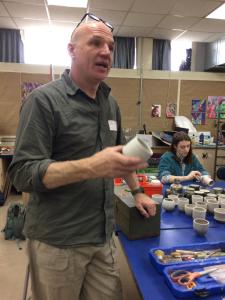
Tim Christensen

Mr. Christensen is a well known ceramic artist, and teaching artist, living in the woods of Downeast Maine. In his practice working in sgraffito on porcelain, he seeks to understand and record the complexities of the systems operating, and changing, in our world today.  In his teaching practice, he helps facilitate learning through the use of visual art as a language, supporting students, teachers, and administrators as they unlock the wonders of our world through art and visual literacy. He has worked in clay since 1999, and been teaching since 2003.

Carmel Collins

Ms. Collins is both a visual arts and dance teacher at Lake Region High School, Maine.  She teaches a variety of arts classes that include ceramics, drawing, fundamentals and the latest addition graphic design.  The dance program offers dance showcase (primarily a performance class) and dance academy, as well as supporting a dance outreach program which serves the district schools. She has served on several educational boards and acted as teacher leader for MALI several times, and served as a member of the reviewing committee in the formulation of the NCCAS. In addition to her classroom duties Carmel also serves the district as K-12 fine arts coordinator and serves on the teacher evaluation committee.

John Morris

Mr. Morris is a dance educator and teaching artist based in Bridgton, Maine. Born and raised in Maine, John performed and taught dance for many years in New York City, before living in the United Kingdom for four years with his wife and stepdaughter. John promotes creative exploration and expression in his teaching, specializing in improvisation and inter-disciplinary collaboration. His writing on creativity and dance has been published in “Creativity Across Domains: Faces of the muse,” edited by James C. Kaufman and John Baer. In addition, he has created a resource for the Maine Arts Leadership Initiative Resource Bank on creativity and dance. He also has a background in large-scale arts assessment, as a consultant for the NAEP arts assessment and the A.P. Studio Art assessment. John is a member of the MALI design team, and is on the Maine Teaching Artists Roster.

Lori Spruce

Mrs. Spruce is a visual art educator at Brewer High School in Brewer, Maine. She teaches multiple art classes including Art 1, Painting, Photography, Graphic Design, and Advanced Placement Studio Art.  Lori received her Bachelor’s Degree in Art education and Studio Art from the University of Maine in Orono. She is proud to have been instrumental in creating the digital media arts program that is now offered at her school that includes a traditional black and white photography darkroom as well. She is also the curriculum leader for the visual and performing art department at Brewer. She is a teacher leader for the Maine Arts Leadership Initiative, a member of the Maine Arts Education Association, and Art in the Heart of Maine. Lori lives in Lamoine, Maine, with her husband and son and is a painter in her artist time.

  • 3:15 – 4:15 Empowering Your Voice for Arts Education 

Description 

We often underestimate the power of our passion and voice for arts education. Yet, we’ve seen students, educators, artists, arts organizations and community members find their voice, build their stories and messages, back them up with research and evidence, and become leaders and advocates for arts education in powerful ways. In this session, we will explore ways to empower our voices, use helpful resources that are just clicks away, and be on our way to making an impact with our hopes and dreams for the arts in education!

Presenter

Ms. Ring is Executive Director of the New England Institute for Teacher Education and teaches graduate level courses to educators across the state of Maine. She co-founder of the Maine Arts Leadership Initiative and has served on the core leadership team since it was established in 2010. Catherine completed her Education Leadership studies at the University of Vermont and received her Master of Arts from Vermont College of Norwich University. For her thesis, entitled “Education and the Arts, Toward Creative Intelligences,” she researched the role of the arts in learning and has worked closely with classroom teachers, helping them to integrate the arts into their regular curricula. As Principal, Catherine helped to bring to her school district the Kennedy Center’s National Partnership program. She assists school districts throughout Maine with differentiated instruction, arts integration, and gifted and talented programs. Catherine is the 2014 Advocate of the Year by the Maine Art Education Association. Catherine returned to the art classroom in 2016 and is teaching on Isle au Haut. 

h1

MALI Summer Institute

August 7, 2018

Work is just beginning

Even though another Maine Arts Leadership Initiative Summer Institute (MAL) is history (number 8), the work for the MALI Teacher Leaders and Teaching Artist Leaders is just beginning.

I am so impressed with the topics that participants have taken on – each year the work is more comprehensive! I will include information about the research the leaders have underway in a future blog post.

The work is challenging and participants make a commitment to stretch themselves as they build on their knowledge and expertise as educators in the arts. MALI’s educators are committed to providing quality arts education for every Maine learner.

Often I am asked so what’s MALI all about and how can it impact me as a teacher? Below you will find some of the initial feedback received at the conclusion of the institute. The comments reflect the thoughtfulness of the participants and will provide a glimpse of the power of participating in MALI as a “leader”.

  • This institute may have changed my entire outlook. I feel like I have value and can help others through my work.
  • The energy was great.
  • Thank you for bringing us all together! The constant stimulating conversations are exhilarating! (joyfully exhausting). I LOVED the storytelling element.
  • Powerful presentations great stories
  • Gained a tremendous amount of insight into other teacher’s schools, jobs and lives. Always amazing experiences with MALI.
  • Thank you for the community connection of the Museum of Art and Ashley. Very inspiring.
  • Lots of great info. Introduced to new concepts. Networking and connections.
  • Amazing sharing! Inspired beyond belief by my peers.
  • Once again, I’m leaving excited about this year.
  • Leadership and creativity hit the spot for me personally. As always you can’t beat the connections made and renewed at MALI. I think I have benefitted a lot from a few key conversations.
  • OMG! I needed a 4thday now! Can you believe it? Great re-boot to my goals as an educator. Focused organization to start the year!
  • It was great! I have much to ponder over the coming months.
  • Lots of great information and inspiration. I liked the small workshops best.
  • I feel motivated and empowered by being around so many like-minded people. The positive energy that is found in this room is amazing.
  • This might be my favorite yet! I feel so fulfilled but not overwhelmed! So re-energized! Thank you and so much love for this organization!
  • I find it fascinating that as we add years on to our MALI gatherings our topics and ideas for our projects and presentations get bigger, better, deeper, more thoughtful, more global. I am so lucky to be part of this organization. Your hard pre-game work was truly appreciated!
  • Love the peeps – Love the sharing – especially the personal journeys. Leadership and artistic.
  • My overall reflection brings me to WOW! I have thoroughly been challenged, inquisitive, curious, exhausted, reignited, and REWARDED. Being surrounded by greatness has, again, been humbling.
  • This was an awesome opportunity to converse with people with similar professions and a wealth of experience to reflect on.
h1

MALI Summer Institute Day 3

August 3, 2018

Hard at work

Brian and Kris

The day started with Teaching Artist Leader Brian Evans Jones and Teacher Leader Kris Bisson sharing their story. For several years the Great Works Bridge in South Berwick, where Brian and Kris live, has been closed. Last year at the Maine Arts Leadership Initiative (MALI) summer institute Brian and Kris decided to collaborate and shed light on the bridge by composing a song. Brian is a poet and creative writing teacher and Kris is the music educator at Marshwood Middle School; they each brought their expertise to this year long project and the results are amazing. A true integrated unit that involves real life learning and students making a difference. Kris and Brian shared their inspirational story with the participants at the institute.

The day continued with teachers working independently and collaboratively on their Logic Model which outlines plans for the next year (and some longer). Intervowen in the day was the opportunity to watch the Ashley Bryan film “I Know a Man” and to slip into the home made story corps booth with one other person to share a story.

The end of the day included a gallery walk to take a close look at the participant’s plans and provide feedback to each one. Some expressed that a 4th day should have been included as participants left excited and feeling accomplished.

Speaking of storytellers, some educators extended the day by hearing the panel discussion on Ashley Bryant’s work and seeing his show at the Portland Museum of Art (PMA). Mr. Bryant is quite the storyteller and his children’s books are exemplary; marrying the words and images beautifully! Quotes from Ashley in the film were good reminders for all of us: “Don’t lose in us it’s the one thing we have in common.” “Be reminded of the child in you…you sometimes suppress it….” Thanks to the PMA for providing the opportunity that directly connected with our summer institute theme: Storytelling!


h1

MALI Summer Institute Day 1

July 31, 2018

Storytelling at its finest

Today marked the first day of the phase 8 Maine Arts Leadership Initiative Summer Institute and what an amazing day it was! Almost 40 educators are attending the three day professional development, exchanging ideas, collaborating, and building on their knowledge.

Participants comments

  • “Learning to lead the story to my “why” versus the “what” was a huge revelation today – and we’re only on day 1!” ~Shawna
  • “Love the social aspect of MALI and seeing old friends and making new ones.” ~Catherine Ring
  • “Exciting and inspiring safe space to share ideas with people who get it.” ~Dorie
  • “Such a beautiful and supportive group.” ~Nicole
  • “Always wonderful to have the “tribe” back together!” ~Pam
  • “Hair on fire.” ~Tom

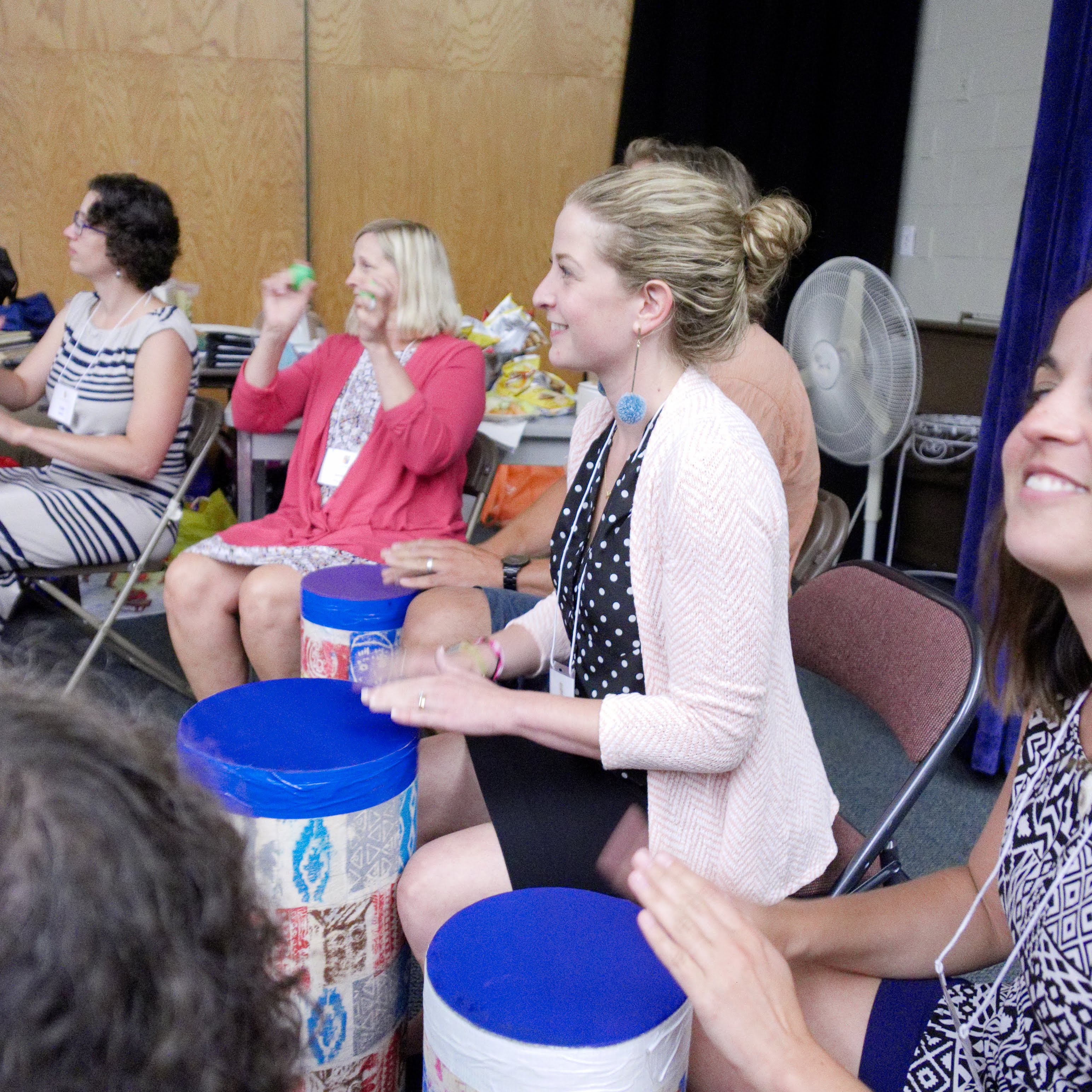
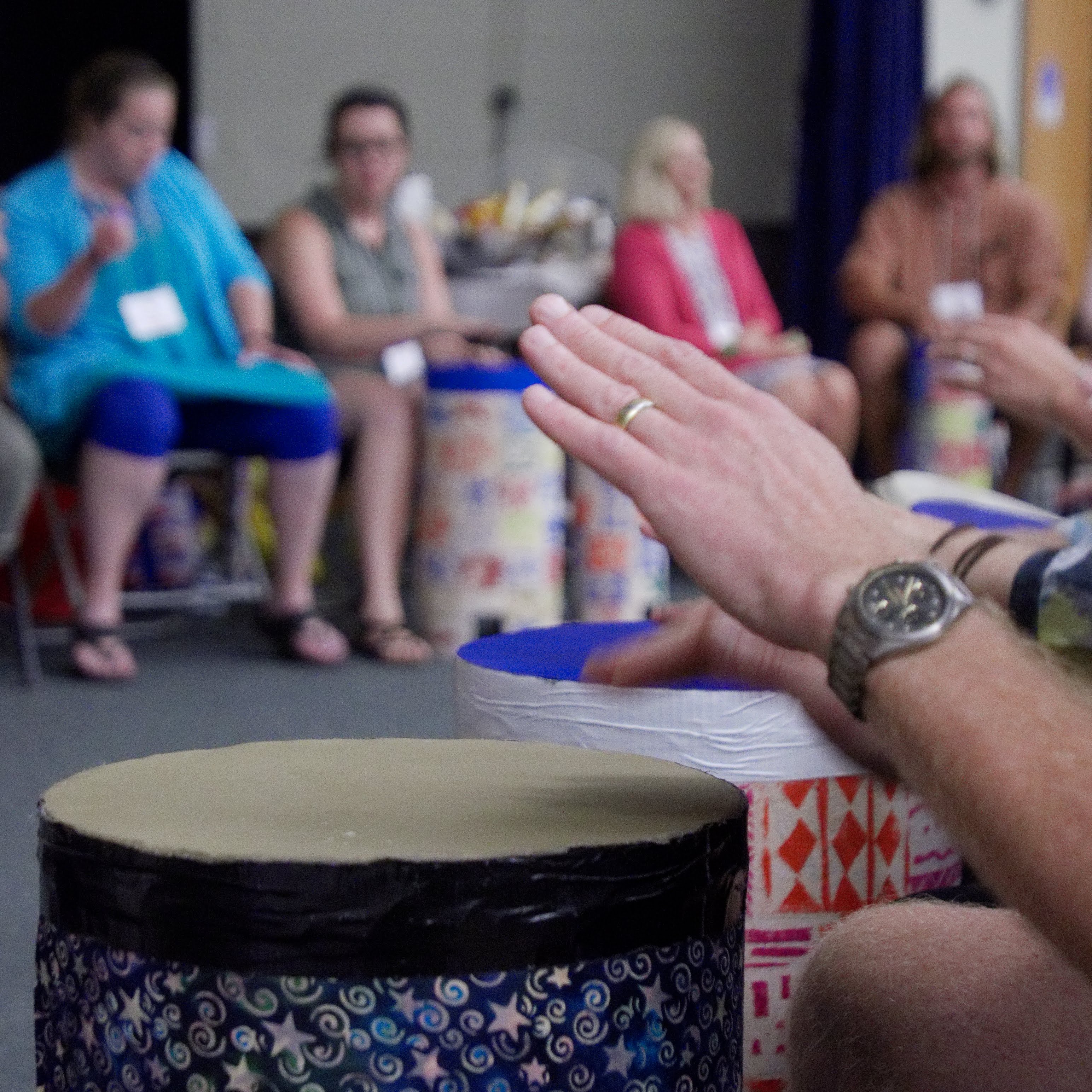
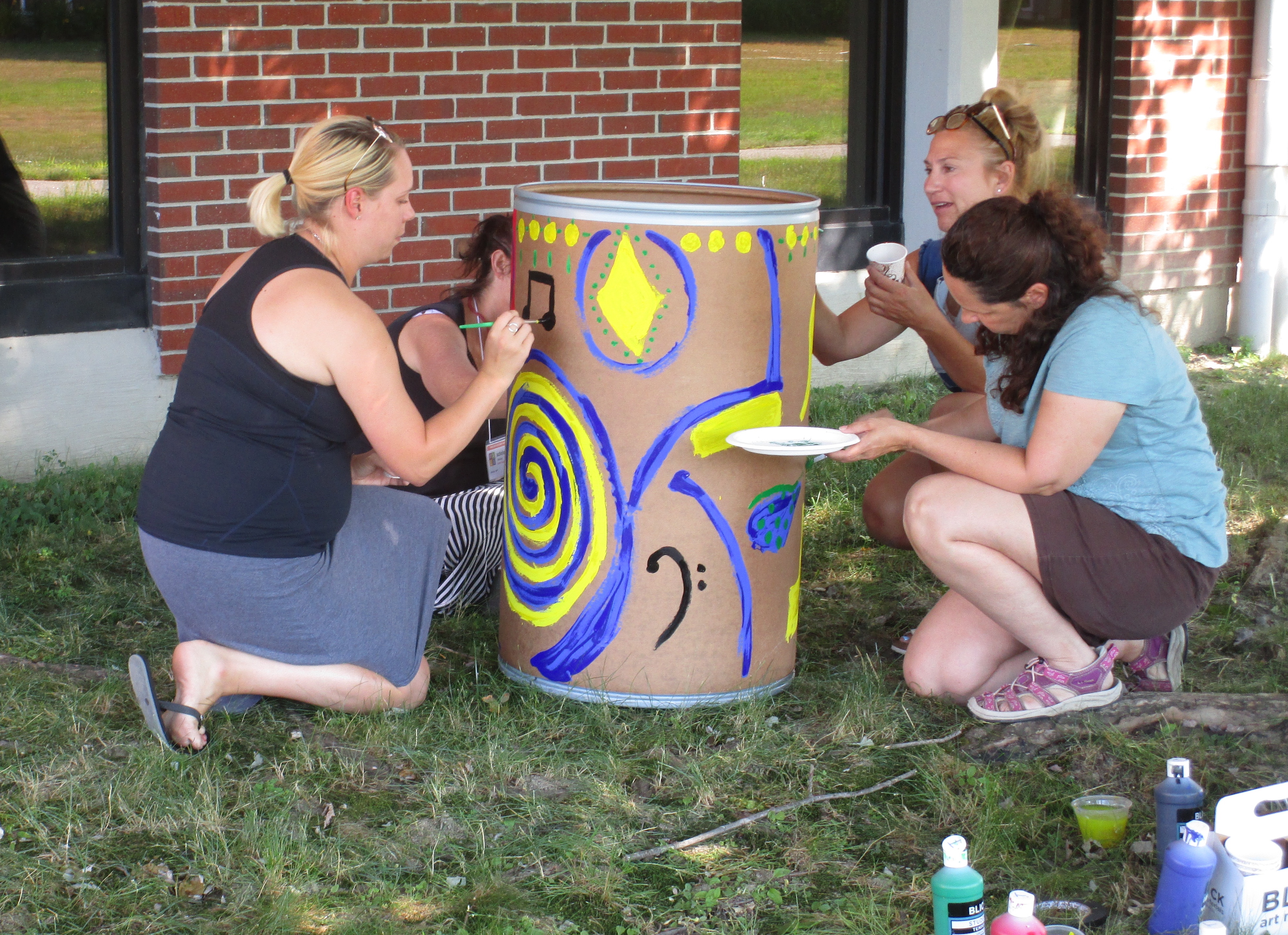
The institute theme is “storytelling” which is integrated throughout the institute. The day started with the MALI story and ended with a story from Dorie Tripp who shared information about the drums created by the students of Dorie and art teacher Hope Lord. Making music together was amazing!

Throughout the day there were sessions on assessment, the Logic Model design, Express-a-Book (MALIs version of a book club), and making stories.

Tomorrow will be another day filled with new learning. If you have questions please be sure and email me at argy.nestor@maine.gov.


h1

MALI Teacher Leader Story: Will Stecher

June 19, 2018

Music Educator

This is the LAST of several blog posts in 2018 that include stories of the Maine Arts Leadership Initiative (MALI) Phase 7 Teacher Leaders and Teaching Artist Leaders. This series includes a set of questions so you can learn a little bit about each leader. CLICK HERE  for more information on MALI. CLICK HERE  for more information on the 93 Teacher Leaders and 8 Teaching Artist Leaders. CLICK HERE  for Arts education resources. CLICK HERE  for the MALI Resource Bank. Search in the “search archives” box on the bottom right side of this post for past teacher leader stories. Thank you Will for sharing your story!

Will Stecher is a music teacher working with students in grades PreK through grade 4; including beginning band in RSU19 – Newport and Corinna Schools. Will is I finishing up his 4th year in his current position and his 7th year of teaching overall. He is responsible for around 460 students between the two schools, teaching general music and 4th grade band.

What do you like best about being a music educator?
The moments when the kids begin to see and feel why we do this thing called art, when they know the song so well that they aren’t even thinking about who is watching them or whether it’s a cool thing to do. The moments when they realize that making music in any form is fun and they want to do it more. The moment when a kid who has been working hard on a song finally breaks through and plays it just right. When kids come into a performance feeling good and regardless of the how that performance went, they are feeling good about what they have done.
What do you believe are three keys to ANY successful visual and performing arts education?
Literacy of your discipline is extremely important, being able to talk about what you are doing when you perform, or discuss the techniques of playing an instrument or what style you are creating within is a key to arts education. Great instruction is also a key, so that kids have a good foundation in the discipline no matter where they go in their schooling or in life. Passion from the instructors the kids have in the arts is a third key. We wouldn’t be in this line of work if we didn’t love our material and transmuting our love so that kids can make it something they love or like to be a part of, is extremely important too.
How have you found assessment to be helpful to you in your classroom?Assessment has allowed me to see where students are doing well and where they need assistance. It helps students to see these things too, so that ideally, they can become stewards of their own improvement. As artists, we live a life of assessment. always looking at the way things are becoming or happening right in front of us. Ideally, we are passing that on to our students.
What have been the benefits in becoming involved in the Maine Arts Leadership initiative?
The people I have met and connected/reconnected with in my involvement with MALI have been the biggest benefit. It can make such a difference in the life of a teacher to know that all you have to do is reach out and someone will answer and help in a way that is pertinent and useful. MALI has done that for me.
What are you most proud of in your career?
I am most proud of the students who continue on in the arts due to the experiences they have in my classroom. Some of these are students who decided long ago they were going to be musical and those kids are great. Just as sweet though, are the kids who haven’t made that decision yet and still participate fully and completely and begin to decide that they want to sing in the middle school chorus or audition for show chorus or keep on playing that instrument because they want to, not because someone is making them.
What gets in the way of being a better teacher or doing a better job as a teacher?
Paperwork and time. Paperwork essentially creates a second job for the teacher when the time could very well be spent on improving and creating meaningful instruction. And I always wish that I had time for those kids just starting out with band instruments to really secure fundamentals before they move on.
What have you accomplished through hard work and determination that might otherwise appear at first glance to be due to “luck” or circumstances?
I have frequently been told by supervising teachers, administrators and others that I seem to get along with students at all levels, that I know how to relate to them. I feel that this is something that I have not come to just by chance, though circumstances of my life have certainly contributed to it. I think it has come about through experiencing all types of people and learning about all sorts of things, even those that don’t seem to have a connection to our profession.
Look into your crystal ball: what advice would you give to teachers?
Remember to make time for the things that remind you why you teach. Join a band, sing with a group, draw or paint or create or whatever you do. Don’t lose touch with your art because it can help ground you even when you seem to be floating off.
If you were given a $500,000.00 to do with whatever you please, what would it be?
Professionally, I think the $500,000 would have to go at least partially toward teaching materials and making sure that I and the other teachers in my area had everything wanted or needed to teach the kids I have to the best of my ability. Orff instruments, band instruments, the whole nine yards. SmartMusic for the band kids. A piano lab at the high school. Funding to improve the coming auditorium space in our district
On a personal level, that is a big number and I don’t rightly know what I would do.
Imagine you are 94 years old. You’re looking back. Do you have any regrets? At 94, I don’t imagine I’ll have too many regrets. I think that even though I could have chosen so many other paths in my life, the one I have continually chosen is the one that I was meant to be on.
h1

MALI Teacher Leader Story: Kattie Sweet

June 12, 2018

Visual Art Educator

This is one of several blog posts in 2018 that include stories of the Maine Arts Leadership Initiative (MALI) Phase 7 Teacher Leaders and Teaching Artist Leaders. This series includes a set of questions so you can learn a little bit about each leader. CLICK HERE  for more information on MALI. CLICK HERE  for more information on the 93 Teacher Leaders and 8 Teaching Artist Leaders. CLICK HERE  for Arts education resources. CLICK HERE  for the MALI Resource Bank. Search in the “search archives” box on the bottom right side of this post for past teacher leader stories. Thank you Kattie for sharing your story!

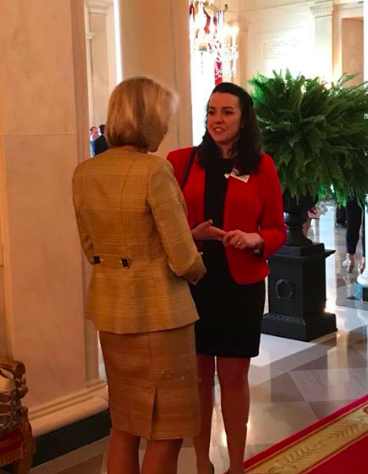
Kattie Sweet-Shibles has been teaching grades 7-12 (soon to be K-12) at the Upper Kennebec Valley Jr/Sr High School for 11 years. She has taught Career Education, Math, Visual Arts and Theatre classes. She currently has 60 students and her courses include 2D Art, Artists’ and their Lives (Dual Enrollment Class), Freshman Seminar and a Pre Algebra class0.
What do you like best about being a music educator?

Connections-the multiple meanings of the words.

The connections I make with students, current and former. The connection of art to community. Connections I make with other artist and teachers, creating a dialogue on how to bring art and education to all students.

Also the connection, or the ah ha moments students get when they see how the world of art connects to their life or the world around them. My favorite moments are when students say, I know understand part of the world because of something we studied in your classroom.

What do you believe are three keys to ANY successful visual and performing arts education?

  1. Focus Choice- freedom of students to choose a method to meet the classroom goals.
  2. Real World Experience with the art- via visiting museums, speaking with artist, taking part in an art show.
  3. Passion- Passion for the Arts and education from the students, the instructor, and the community.

How have you found assessment to be helpful to you in your classroom?

Yes, because of accountability. I use it to hold my self-accountable to meet the goals of the art room, and I hope my students do the same.

What have been the benefits in becoming involved in the Maine Arts Leadership initiative?

Again Connections, with being from Rural Maine, I can feel so isolated and question if I am going in the right direction. I hope to reach out more this year especially since I am moving to a new chapter of teaching younger students.

What are you most proud of in your career?

One thing that jumps out to me is the opportunities I have been able to provide to my students to go beyond our community to see Art in the “real” world. At my time at Valley, I have had two Art Trips to NYC, two other trips to Boston, and various trips to Colby Art Museum or the Portland Museum of Art. Another achievement I am proud of is obtaining my Master’s Degree in Education and therefore being able to offer Dual Enrollment Art Classes for the last three years so our students can receive High School and College Credit for our classroom.

What gets in the way of being a better teacher or doing a better job as a teacher?

Time! Time! and Time! and a bit of money.  I sometimes wish I could clone myself to prep and experiment more with different materials and mediums plus have unlimited supply of art materials, so students can experiment without the fear of wasting money.  I believe so much of learning can come from failure and experimenting.

What have you accomplished through hard work and determination that might otherwise appear at first glance to be due to “luck” or circumstances?

This is a difficult question because it seems as if everything in the artroom comes across as “luck” or circumstances to the outside world who doesn’t see the process of learning and teaching. I asked my students this question and they came up with the idea of how easily I sketch out my ideas, making them look like the students’ final drafts. I can remember the struggle I had learning the rules of drawing and the continuation of working on the skill, so I can sketch well on the fly. Another thing is the ability to be creative.  I think some people believe you are born creative or not. I am not naturally creative, but I understand the process of research, and am always searching for inspiration which leads to creativity when I put my own spin on something I have found.

Look into your crystal ball: what advice would you give to teachers?

Be brave, take chances, allow yourself to step back. Take care of yourself, “you can not pour from an empty cup.”

If you were given a $500,000.00 to do with whatever you please, what would it be?

There is so much. I probably would want to sit on it for a year, to really make a formal plan to get as much out of the money as I could.

Education wise:  Build and Create a space for the Arts in our community would be high on the list. I would love to create more travel opportunities for our students. Plus I would love to connect more with working artist bring them into our community.

Personally wise: I would love to create an artist escape in the Upper Kennebec River Valley Region. Open up my home and barn to create artist studios. Sort of like Old Lyme in CT, or like Vincent van Gogh’s dream for the Yellow House in Provence but of course with less chaos…or should I say a lot less chaos.

Imagine you are 94 years old. You’re looking back. Do you have any regrets?

Gosh at 94, I hope I have no regrets to list. My current regrets, I hope will be understood by a wiser self and connected more with the path I had to take to get were I am. But I do wish a bit that I could cut myself a bit more slack on the little things that go wrong. Plus I hope to look back and remember that I did the best with what I was given at the time, learn and evolve, advocate with care for everyone involved, be a little more flexible but not allow my integrity to falter.

h1

MALI Teacher Leader Story: Kaitlin Young

June 5, 2018

Music Educator

This is one of several blog posts in 2018 that include stories of the Maine Arts Leadership Initiative (MALI) Phase 7 Teacher Leaders and Teaching Artist Leaders. This series includes a set of questions so you can learn a little bit about each leader. CLICK HERE  for more information on MALI. CLICK HERE  for more information on the 93 Teacher Leaders and 8 Teaching Artist Leaders.  CLICK HERE  for Arts education resources. CLICK HERE  for the MALI Resource Bank. Search in the “search archives” box on the bottom right side of this post for past teacher leader stories. Thank you Kaitlin for sharing your story!

Kaitlin Young has taught music within the RSU 68 school district in Dover-Foxcroft, Me. for the last eight years. Currently she teaches music to students in prekindergarten through fourth grade at SeDoMoCha Elementary School. She is also the choral director of the SeDoMoCha Singers at SeDoMoCha Middle School. Kaitlin is the 2017 Piscataquis County Teacher of the Year, and the 2018 Maine Teacher of the Year.

What do you like best about being a music educator?

Music is pretty cool. I love that I have the unique pleasure of providing experiences for my students that are at times indescribable through words. I love to watch their faces when they hear something they have never heard before, or even better hear something they know and love in a new way. Moments when they laugh uncontrollably at a silly song, tear up as they connect to a piece of classical music, or beam with pride when they have created something uniquely their own.

I love that I get to share in these experiences that elicit strong emotional connections through music with my students. I love that I get to bring joy through song and movement, and that in my classroom kids get to be kids. Wonder and awe are essential to the human experience.

I love that music education provides students an outlet to express themselves as well as a way to connect to their community both locally and globally. I love that as an educator, regardless of content, what we do is about fostering relationships. I love that I get to build these relationships over several years and experience all of these moments of joy with my students.  We are engaged in this journey together.

What do you believe are three keys to ANY successful visual and performing arts education?

First, always keep an open mind.

No matter what role we hold within a Visual and Performing Arts program, (student, teacher, administrator, community member, etc.) it is essential that we continue to be open to possibilities. Whether it be growth and learning, actively sharing and listening to others ideas, thinking creatively about solving a problem, or simply being willing to try something new. Our ability to capitalize on those unexpected teachable moments will help us continue to engage others within our programs and help them to reflect our communities.

Second, build trusting relationships.

Relationships are the foundation of a strong education, and are essential to the human experience. We learn the most from people we trust and respect. The arts innately foster empathy, connections, and community. As a valued colleague once told me, “the arts bring people together.”

Third, be willing to persist and advocate for what you love!

We must set goals with our students and colleagues and actively pursue them even when the going gets tough. Advocacy is sharing what we love on behalf of those we love. And one of the best ways to advocate is empowering our students to find their voices and advocate for their future.

How have you found assessment to be helpful to you in your classroom?

Assessments are a tool to help us to know where we are, where we are going, and clarify how we might need to get there. Once I grasped the concept that assessments could be informative and diagnostic (which felt much different from when I was in school!) it changed the way I viewed learning the learning process. I love being able to use consistent language to identify the skills necessary to help my students develop and grow into strong musicians. Assessment provides the opportunity to improve feedback and promote positive conversation surrounding learning goals and growth for both students and teachers!

Utilizing assessments to share what students need to know and be able to do to demonstrate their learning has allowed students to take control. Assessment has also helped us to advocate within our school community as we challenge the belief that music education is just for the talented few.

What have been the benefits in becoming involved in the Maine Arts Leadership initiative?

Working with such an inspiring and passionate group of educators brings out the best in everyone! Whether it is the facilitated discussions within professional development sessions, informal conversation surrounding our craft at lunch, or follow up phone calls/zoom meetings with friends I always leave feeling uplifted, supported, and encouraged to challenge myself to grow as a professional.

My growth throughout my teaching career has been supported through various opportunities provided by the work of the Maine Arts Leadership Initiative (formerly Maine Arts Assessment Initiative) and I continue to look forward to the connections that I will be able to make and the doors that may open through this continued experience.

What are you most proud of in your career?

My kids. It might sound cliche, but my husband and I do not have biological kids (yet…growth mindset!) and I love that I get to share in many special moments with all of them each and every day and over the course of many years!

I take pride in all of the small moments where they accomplish something they didn’t think was possible or when they make a fantastic connection that gives greater purpose and meaning to what they are learning. Over the last year it has brought me great joy to share their thoughts and ideas with others as I have presented at conferences as I advocate on behalf of our profession. I continue to be inspired by their words and I am proud that I get to share their ideas!

Kaitlin at the Hall of Flags in Augusta with the arts teachers honored as the 2018 county teachers of the year. (l to r) Kaitlin, Sagadahoc: Christine Del Rossi, Mt. Ararat High School, Knox: Anthony Lufkin, Friendship Village School, Prescott Memorial School, Union Elementary, and Waldo: David Coffey, Belfast Area High School and Troy Howard Middle School

What gets in the way of being a better teacher or doing a better job as a teacher?

Paperwork, pressure, and misperceptions oh my! While I am a strong advocate for assessment and high quality education I do agree that often times I can get caught up in the administrative aspects of my job. In a time of “evaluation and accountability” there can be intense pressure to justify your worth, or the worth of your program, based on the misperception of what music education is or “should be,” not upon what we know, as professionals, to be best for our students. Music education, and what music classes might look like, continue to evolve. We have, hopefully, moved further away from some of the sit and get or “mouth the words” experiences that others have had. It can be hard to alter or influence the expectations of those who may have had a poor music experience, do not understand, or simply do not value what it is that we do. That can lead to logistical challenges including itinerant or unrealistic schedules, a less than ideal physical work environment (like being on a cart!), or unsupportive administrators and/or communities. However the need to understand and explain (often way more than we would like) the importance of what we are teaching and why we are teaching it sets us up to be some of the most reflective and effective advocates for our students!

Look into your crystal ball: what advice would you give to teachers?

Take the advice that you give to your students each and every day in your classrooms.  Actively listen. Be reflective and patient. Play nice with others. Dream big, think different, work hard, and be kind.
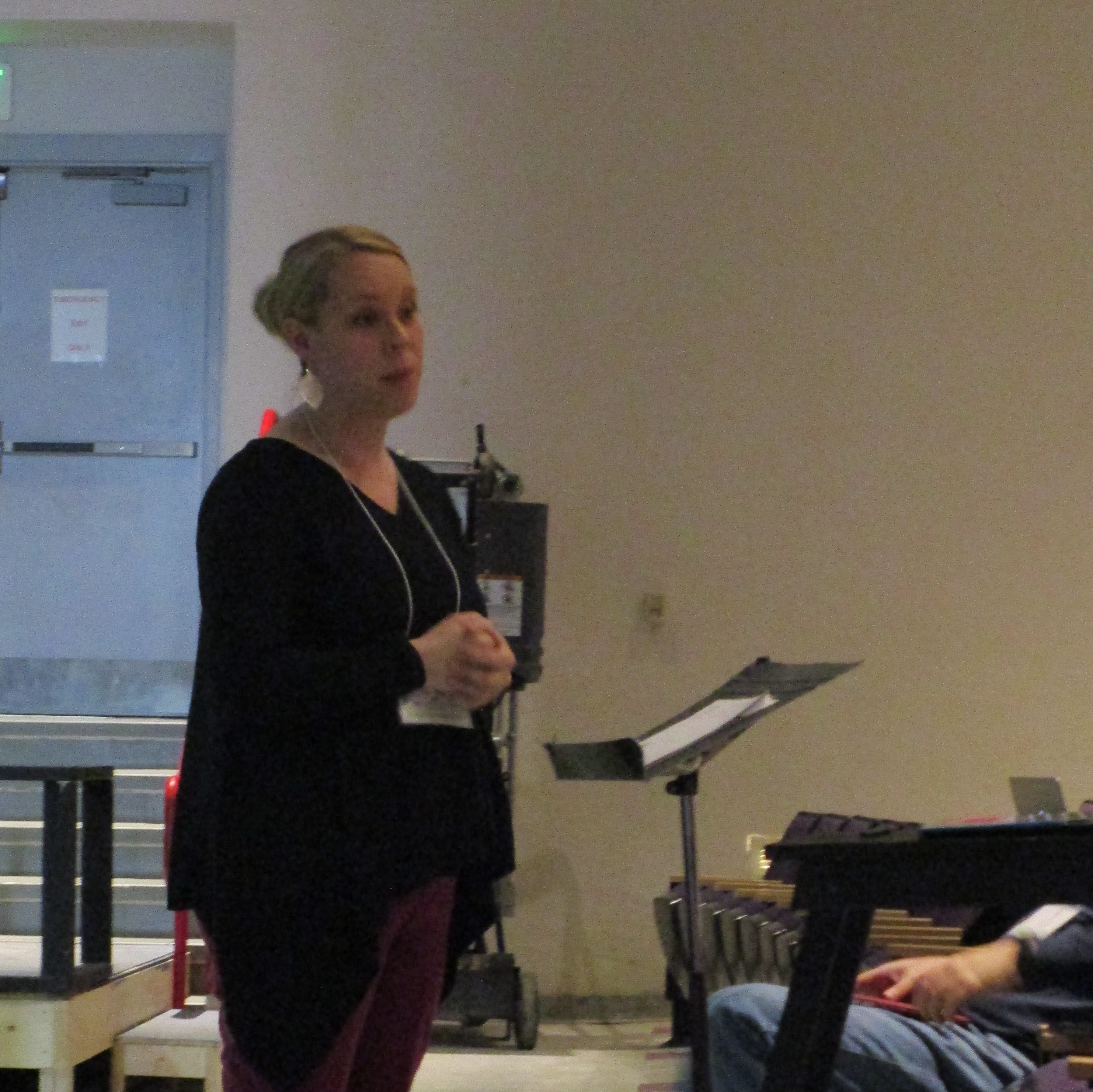
On a recent trip to Washington, D.C. representing Maine as the 2018 Teacher of the Year Kaitlin takes the opportunity to have a conversation with Secretary of Education Betsy DeVos

If you were given a $500,000.00 to do with whatever you please, what would it be?

I would love to start a scholarship for my students to have the opportunity to travel to explore musical opportunities/experiences beyond our local and state community on a consistent basis. I would also like to take my husband on a road trip across our country, specifically to see all of the National Parks. His affinity and admiration for the beauty that simply exists through nature always inspires me to pause and appreciate the small moments.
Imagine you are 94 years old. You’re looking back. Do you have any regrets?

I wish I would have been more diligent about writing down the small special moments from the classroom during the beginning of my career. Mostly because my memory is not what it used to be, but also because in education it is the small moments that fill up our buckets. That’s what I will look back upon and smile about the most!

Thank you Kaitlin for representing Maine educators as our 2018 Maine State Teacher of the Year. 

h1

MALI Teacher Leader Story: Dorie Tripp

May 29, 2018

Music Educator 

This is one of several blog posts in 2018 that include stories of the Maine Arts Leadership Initiative (MALI) Phase 7 Teacher Leaders and Teaching Artist Leaders. This series includes a set of questions so you can learn a little bit about each leader. CLICK HERE  for more information on MALI. CLICK HERE  for more information on the 93 Teacher Leaders and 8 Teaching Artist Leaders. CLICK HERE  for Arts education resources. CLICK HERE  for the MALI Resource Bank. Search in the “search archives” box on the bottom right side of this post for past teacher leader stories. Thank you Dorie for sharing your story!

Dorie Tripp is a National Board Certified Teacher in Early/Middle Childhood Music. For the last nine years she has taught PK-5 general music and beginner band in RSU #38, (Maranacook Schools). She splits her time between Manchester and Readfield Elementary Schools where she teaches approximately 400 young students each week.

What do you like best about being a music educator?

The great thing about being a music teacher, is having the privilege to watch my students develop over time, and create a love for music that will last them a lifetime. I have the pleasure of teaching my students year after year, for as many as seven years. I love that I get to help plant the seeds for love and success in the performing arts. It gives me so much pride when I see my students in Middle or High School concerts, musicals, and festivals. Watching my students shine, find their voice, feel accepted, or even find a passion is what keeps me going.

What do you believe are three keys to ANY successful visual and performing arts education?

There are so many aspects to a successful performing arts education, which makes it difficult to pinpoint any one thing. As we all know, educational strategies and practices aren’t “one size fits all” and what works for one school community may not be appropriate for another. I know this from experience, as in the last nine years of my career I have worked in two very different communities. One being a large, urban school district with challenges like over-crowded schools, homelessness and poverty, and overcoming language barriers (to name a few). The other a small, rural district, small class sizes, and a high level of community involvement. Both do a tremendous job to address challenges and celebrate successes every day, but often in very different ways. If I had to choose three overarching themes, however, I could easily name community, collaboration, and advocacy.

Dorie presenting at the MALI Mega conference, Oxford Hills, March 2018

How have you found assessment to be helpful to you in your classroom?

I have found assessment to be helpful as an informative teaching tool. The moment I shifted my thinking in using assessment solely to “grade” my student’s achievement to tracking student growth, my practice has become much more effective. I use formative assessment every day in my classroom to understand what my students are learning, to solve problems, and provide more practice with the skills embedded in our curriculum. I use assessment data to differentiate my instruction to the needs of my students, guide my unit plans, and adjust my pacing. I have absolutely gained a more focused picture of my students, and how they learn as individuals.

What have been the benefits in becoming involved in the Maine Arts Leadership initiative?

I started with the Maine Arts Leadership initiative as a music teacher just looking for quality professional development (PD). I have always had great luck with workshops at Maine All-State Festival, but I wanted PD that I could attend earlier on in the school year. I found myself at a MALI mega conference, and was not disappointed! I was able to network with other local teachers, while taking away information and strategies that I could apply in my classroom right away, before the end of the school year.

After that, I became curious about the Teacher Leadership Initiative, and filled out an application for Phase 7. When submitting my application, I had no idea how much growth I would make as an educator in just one year. The support I received from MALI has been incredible. I was able to create a personalized plan of action, which included sharing my elementary teaching practices with others in a workshop, and saw it come to life. Through this process, I have found a network of supportive colleagues who inspire me to contribute all I can to the profession. For me, personally, the greatest benefit is that I have found my voice, and have been empowered to use it.

What are you most proud of in your career?

I am most proud of my students. Although I have been in this profession for nine years, I am still humbled by my students. They grow, and learn, and change into these amazing human beings with talents and ideas that just blow me away. It’s really nice to realize that you’ve had a role in that, even if just a very small one.

What gets in the way of being a better teacher or doing a better job as a teacher?

The more obvious things that get in the way of doing a better job or being a better teacher is time and money. I feel like all educators, no matter the content area, can relate. The less obvious thing that gets in the way is the lack of collaboration or idea sharing with other educators. It’s easy to stay inside our own little bubble, and never open ourselves to other ideas or partnerships. I believe that reflective practice is best when it’s combined with observations and mentorships with other great teachers. This is often difficult to practice as arts educators, however, because even if we want to branch out and team up with/learn from others, so many of us would have to go outside our school or district. Not all of us have other colleagues in our buildings who do what we do. This is why organizations like MALI are so beneficial. We need the time and resources to get together with other educators to share ideas, network, and work together on projects that can/will help us do our jobs better.

What have you accomplished through hard work and determination that might otherwise appear at first glance to be due to “luck” or circumstances?

As you can probably tell, I am a big fan of educator collaboration and support. I try to team up and work with others, in and outside the arts, whenever I get a chance. During my concerts each year, the majority of my school staff come back and volunteer their time to help me with set up, the shuffle of students, and tear down. I always hear “You’re so lucky to have such supportive parents, colleagues, and administrators”. Yes, it’s true that I am lucky, but I also work really hard for this fortune. I strive to maintain positive work relationships with my colleagues. I volunteer to help out with other events that are not music related. I try to stay flexible and understanding when other school activities disrupt my schedule, just like my events sometimes disrupt others. I share activities and materials with other classrooms, collaborate on cross-curricular activities, and volunteer to cover a duty now and again. I even give private saxophone lessons to our evening custodian once a week, as a small token of thanks for all the extra work he puts in setting up and tearing down equipment for our six performances each year.  All of this is extra work, but I understand that without this collaborative environment, I am just one person, and would not be able to complete all of my tasks alone. All of this is in the best interest of my students, and ultimately my program.

Look into your crystal ball: what advice would you give to teachers?

I would say, don’t get too caught up on standards and assessments. They are important factors of what we do, but they aren’t everything. They are just tools we use to see and reach the big picture goals. Listen to your students, and don’t be afraid to make learning fun. Make it feel good for students, and they will develop a life-long love for music.

If you were given a $500,000.00 to do with whatever you please, what would it be?

After paying off some school debt (I know I’m not alone here…), I would definitely use it to help students access music. I would purchase instruments and pay enrollment fees for students to participate in music festivals, camps and programs. My family went through great hardships when I was growing up, and I was fortunate to have a music teacher who made sure that those financial troubles would not interfere with my musical potential. I am so grateful for her, and others who made it happen. Without them, I would not be the music educator that I am today.

Imagine you are 94 years old. You’re looking back. Do you have any regrets?

I try not to have regrets. All things that have happened in my life were for learning purposes. However, I hope that I won’t look back and worry that I spent too much time working about professional evaluations and certification requirements, and that I can say I always worked hard to give my students what they deserve.