Archive for the ‘Integration’ Category

h1

Funding Opportunities

August 28, 2014

 National Council of Teachers of Mathematics

The NCTM is accepting applications from teachers of pre-K-2 mathematics for projects that incorporate music into the elementary school classroom to help young students learn mathematics. For 2015–16, grants of up to $3,000 will be awarded to individual classroom teachers or small groups of teachers collaborating in one grade or across grade levels. Any acquisition of equipment must support the proposed plan but not be the primary focus of the grant. Proposals must address the combining of mathematics and music, planning for improving students’ learning of mathematics, and/or the anticipated impact on students’ achievement. Please click here to read more.

P. Buckley Moss Foundation Accepting Applications For Arts-Integrated Education Programs
The mission of the P. Buckley Moss Foundation for Children’s Education is to promote the integration of the arts into all educational programs, with a special focus on children who learn in different ways. The foundation is accepting grant applications from educators who need financial assistance to maintain or implement an arts education program. Grants of up to $1,000 will be awarded to support new or evolving programs that integrate the arts into educational programming. Although the purpose of the grant program is to assist teachers who wish to establish an effective way of using the arts to teach children who learn differently, proposed projects must serve all children in the classroom, including those with no trouble learning in a general education setting. Please click here to read more.

Teens Teaching Tech
Apply for a grant to hold your own Teens Teaching Tech program in your community. Older adults have gadgets like digital cameras, tablets, mobile phones, and apps that they find challenging to use. The goal of this program is to help senior citizens feel comfortable with ever-evolving technology. The applicant must be part of a school-based club or homeschool community organization in the United States. The $250.00 grants are provided to high school clubs: community service, National Honors Society, and computer clubs. http://bit.ly/TeenTechGrant Deadline: September 15

Laura W. Bush Traveling Fellowship 
The State Department is currently accepting applications to help fund innovative travel around the world by young people who use education, natural sciences, social and human sciences, culture, and/or communication and information to build strong ties among nations. The fellowship is intended for American college students who have not been afforded many opportunities to travel abroad. Through 4 to 6 weeks of travel anywhere in the world, you can have the opportunity to interact with individuals from other nations while promoting the goals of UNESCO! http://bit.ly/statedeptfellowship Deadline: September 22

Captain Planet Foundation Grants 
Captain Planet Foundation will accept small grant requests for amounts between $500 – $2,500.  All proposed activities must be project-based, projects must be performed by youth; and projects must have real environmental outcomes. The Captain Planet Foundation primarily makes grants to U.S.-based schools and organizations with an annual operating budget of less than $3 million.  International requests are also accepted, with preference given to international projects that have U.S.-based partners. Preferential consideration is given to requests who have secured at least 50% matching or in-kind funding for their projects.  http://bit.ly/y1tPpz   Deadline: September 30

Lowe’s Toolbox for Education Grants 
Whatever goals and dreams you have for your school, Lowe’s Toolbox for Education Grant Program can help fulfill them with grants of $2,000 to $5,000. K-12 public schools as well as school parent-teacher groups are eligible. Preference is given to funding requests that have a permanent impact such as facility enhancement (both indoor and outdoor) and landscaping or clean up projects. http://bit.ly/195qDKm  Deadline: October 15

Ben & Jerry’s Foundation Grassroots Organizing for Social Change Program
The Grassroots Organizing for Social Change Program supports non-profit grassroots, constituent-led organizations across the country that are using direct action, grassroots community-organizing strategies to accomplish their goals. Proposals should align with the Foundation’s broad interests in social justice, environmental justice and sustainable food systems. They fund organizations with budgets of $500,000 or less. Grant awards are up to $20,000 for a one-year period.  http://bit.ly/1pQmD6A                      Deadline: October 15

NYLC Youth Leadership for Service-Learning Excellence Award
The Youth Leadership for Service-Learning Excellence Award recognizes service-learning programs and projects that demonstrate outstanding youth leadership. This award focuses on projects that show a high level of youth initiative in all areas including identifying an authentic need, planning the service, and putting that plan into action. Teams of young people participating in service-learning projects can apply. http://bit.ly/1rfyhas  Deadline: November 7

NYLC Service-Learning Practitioner Leadership Award
The Service-Learning Practitioner Leadership Award recognizes those who have equipped young people to lead and serve, both through their direct work with youth and by nurturing other practitioners. Nominations are accepted from the general public, and a committee of leaders from the service-learning field will select the winners. http://bit.ly/1rfyhas  Deadline: November 7
h1

In Today’s News

August 14, 2014

Just out from the Maine Department of Education, Commissioner’s Update

August 14, 2014

FEATURED DISPATCH

Maine Arts Assessment Initiative hosts New England Summit on Arts Education

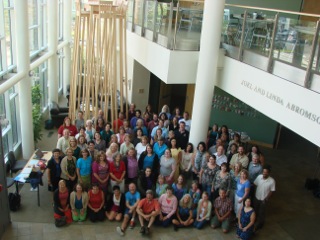
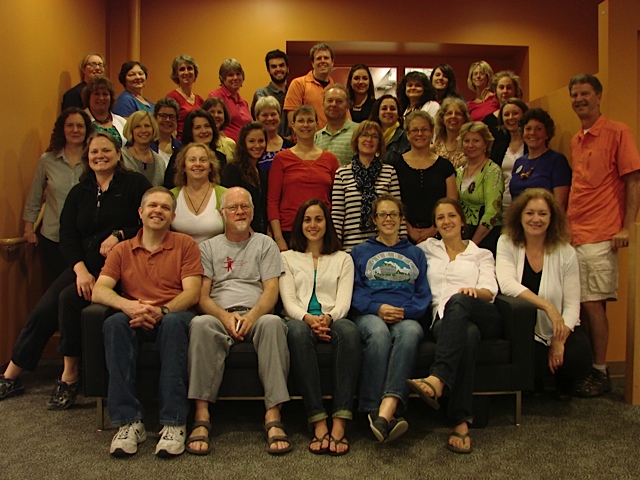
The Maine DOE joined over 90 educators, teaching artists, and interdisciplinary teams at the New England Summit on Arts Education, July 29-August 1, at the University of Southern Maine in Portland. This three day professional training opportunity was coordinated by the Maine Arts Assessment Initiative (MAAI) and provided participants with a collaborative approach to explore methods of teaching, learning, and assessment in arts education.

Jeff Poulin, Arts Education Program Coordinator for Americans for the Arts, delivered an important message about the critical role of arts education in developing essential knowledge, skills and creative abilities needed for success in school, work and life. During the Summit, educators developed individual action plans focused on essential components of student learning and proficiency including arts integration, studio habits, technology and assessment.

Veteran teacher-leaders and educators new to MAAI joined together to learn from each other through numerous presentations, workshops and lectures. Over the past year, the MAAI teacher-leaders have developed standards-based units, including assessments, lesson plans and resources, and have provided guidance on how to select appropriate tools for classroom assessment. These materials are now available for review and use on the MAAI Resource Bank.

Representatives from the Department and arts organizations and institutions from across New England were in attendance at the Summit, including Lesley University, Lincoln Street Center and Northland Village Foundation, Maine Art Education Association, Maine Music Educators Association, Maine College of Art, New England Institute for Teacher Education, Portland Ovations, Portland Museum of Art, Portland Symphony Orchestra, and the Art Education and Music Education Departments of the University of Maine.

The Maine Arts Assessment Initiative was an initiative established in 2011 to create an environment in Maine where quality assessment is an integral part of the work of all integral part of the work of all arts educators in order to improve student achievement through teaching and learning. The initiative builds capacity through collaboration and the development of professional practices designed by teachers, for teachers.

For more information about MAAI, contact the Maine Arts Commission’s Director of Arts Education, Argy Nestor at argy.nestor@maine.gov or 207-287-2713.

For more information about arts integration, contact the DOE’s Visual and Performing Arts Specialist, Kevin Facer, at kevin.facer@maine.gov or 207-624-6826.

To read the above article on the Department’s website please click here.

h1

Literacy Can Enhance Learning and Assessment in All the Arts

August 14, 2014

A clear message

pam

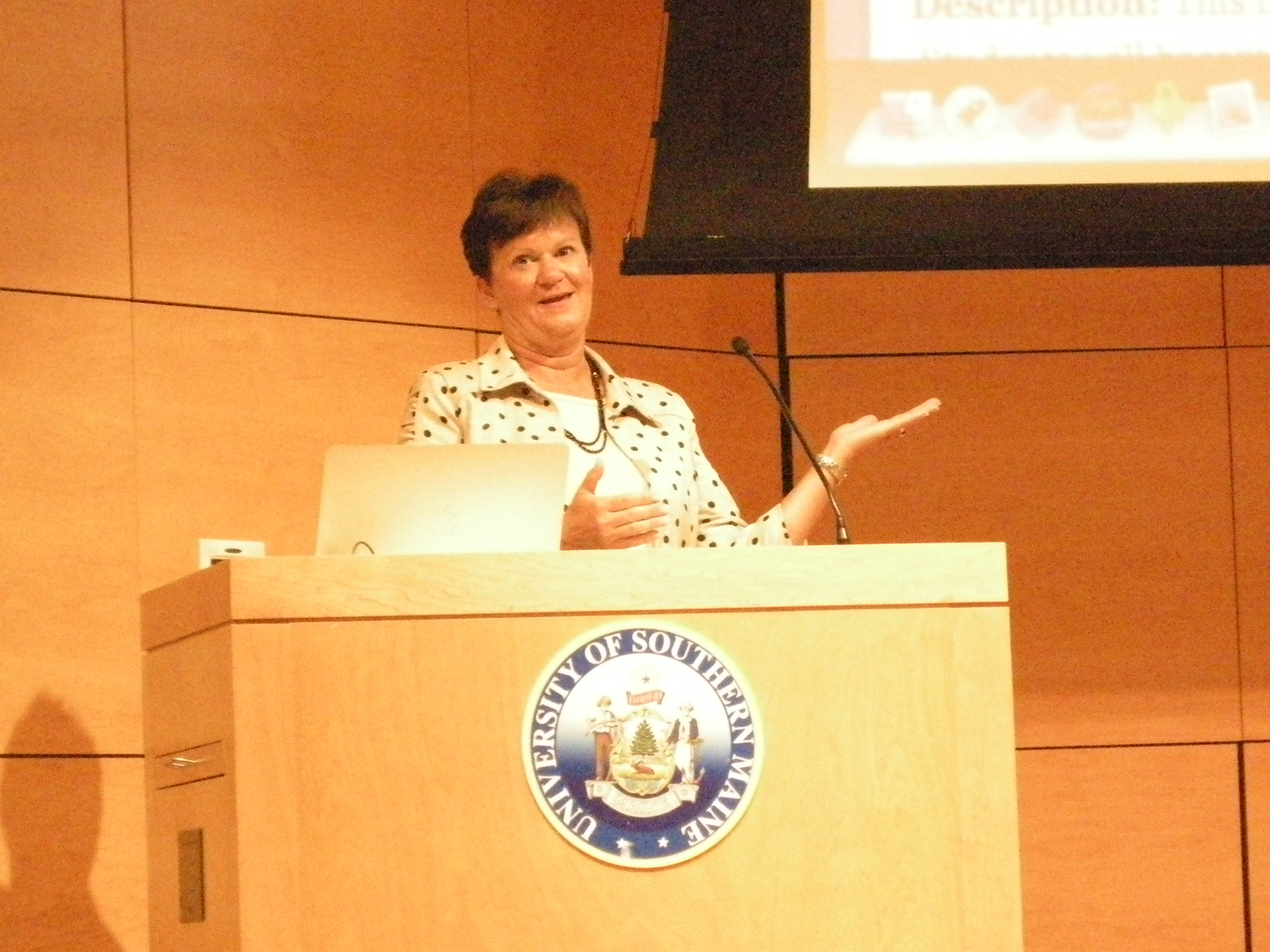
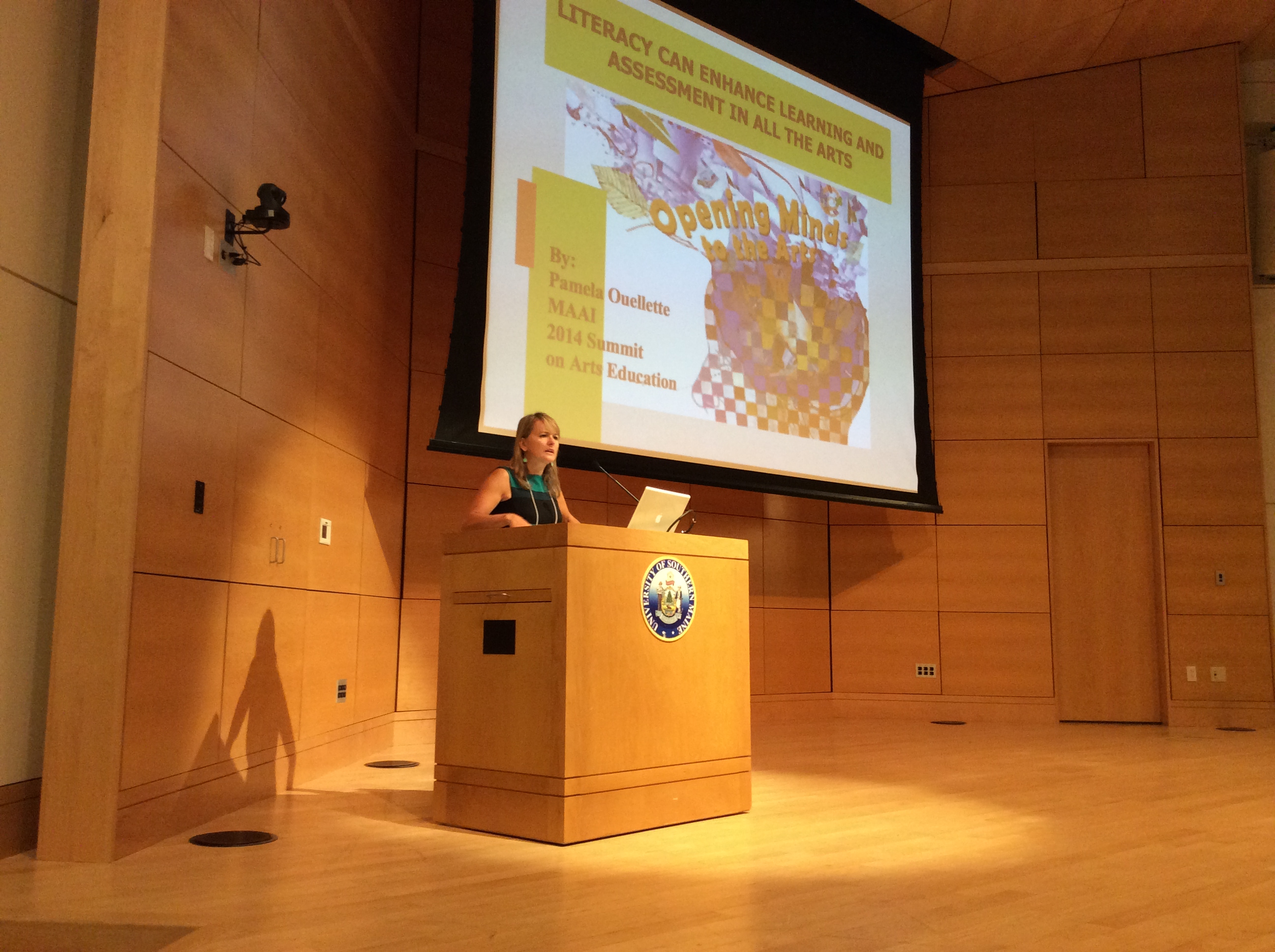
Pam presenting at USM

Literacy conversations are taking place across the state in all classrooms. This is nothing new, literacy has been the hot topic and essential at all grade levels for a few years. Arts educators utilize, present, and support literacy instruction at varying levels. Some of you embrace it and others wish it would just go away. After all, the Maine Learning Results Visual and Performing Arts Standard A is Disciplinary Literacy.

Lisbon High School art teacher and Maine Arts Assessment Initiative (MAAI) Teacher Leader, Pam Ouellette, has put literacy in its rightful place in her visual arts classroom. Just this Spring (of 2014) Pam provided the keynote for the Maine Art Education Association conference at Brunswick High School. Two weeks ago Pam provided the morning session presentation for all participants at the Summit on Arts Education, USM, Portland. She has shared her power point with the MAAI and we’ve made it available to you on the new website at http://www.maineartsassessment.com/#!inter–cross-disciplinary/crz6. Checking out the power point will give you a sense of the amazing work that Pam is doing in her classroom. She speaks eloquently about how her students are articulating fully about their artwork while telling the stories and making deeper connections.

Pam’s presentation should be seen by every Curriculum Leader, Literacy Specialist, School leader across the state. It is spot on and there is valuable information for everyone who hears her. If we can obtain a video of Pam presenting we will be sure and post that as well and you’ll be the first (or second) to know.

If you have questions or would like Pam to come to your school and provide her presentation to your staff please contact her.


h1

Maine Arts Assessment Initiative – NEW Website!

August 12, 2014

Created for you!

The crazy adventure/uncharted territory known as the Maine Arts Assessment Initiative (MAAI) is now 4 years old. During that time, over 1,000 Arts educators have participated in MAAI activities, including workshops, state Conferences, Webinars, courses, and on and on. One of the unforeseen benefits of all this professional development has been the excavation of vast amounts of materials and documents to further our understanding and our work. From rubric construction and advice on implementing standards, to blogs, publications, and web resources, it seems that there’s little out there that hasn’t been unearthed in the process of working as colleagues in this state. Along those lines, it has been a bit of a pipe dream to create a web site that actually stores all of these resources in a user friendly format; “one stop shopping” for all things Arts Assessment. Being unveiled here is the manifestation of that goal, maineartsassessment.com.

4747f3_6f5e396b05ab40d581b036ea6c487644

The website is split into easily searchable topics: Assessment Documents, Helpful Videos, “tons” of Web Links and Advocacy. We also decided to make this site the home page for MAAI, so there is a link there giving the mission, history and present day activities for educators to plug themselves into. Also featured is a “Proficiency Toolkit”, providing a step-by-step process by which Arts educators can move forward in their work to meet local and state requirements, adopting standards work in their own programs/schools/classrooms in ways that make sense to them.

All of us in MAAI are extraordinarily proud of the work that’s going on across the state. But it’s all for naught unless the work continues. Here is a way to access all the amazing resources out there in the world that will help us do so. Take a peek at the website when you get a few minutes, and hop onto the areas that resonate the most with your own professional needs. We welcome feedback and suggestions as this site continues to spring to life, and hope you will utilize it as a favorite “go to” site in the months and years to come.

A GREAT big thank you to Rob Westerberg for his numerous hours of work bringing together all of the information and creating the new website!

h1

Integrating Teaching Through the Arts

August 10, 2014

Lesley University2d3d1be6-2b92-48d7-827f-1d7fefa351c7Lindsay Pinchbeck is teaching this course at her center in Hope, Sweet Tree Arts. Lindsay collaborated with Barb Vinal at the Summit on Arts Education, July 29-August 1, to present a session on integration. You can read about it by clicking here.

h1

What are the Summit Participants Saying?

August 9, 2014

Summit on Arts Education, July 29-August 1, 2014

If you follow the Maine Arts Ed blog you are aware of all the posts during the last several days that have to do with a component of the Summit. You might be wondering: What are the participants saying about the Summit?”

Summit_photo1

Summit on Arts Education participants

Soooooo…. here is some of the feedback that was collected electronically from teachers at the conclusion of each day:

Overall comments:

  • I have not had a professional development in assessment before and it was great!
  • Plenty of opportunities to meet people and collaborate
  • There was an incredible diversity of knowledge, and information that was shared continuously
  • Everyone was full of energy and ideas. It made me really excited to start integrating what I’ve learned!
  • This week, I was able to take all the various pieces I’ve worked with (from over the past couple years) and consolidate them into a plan that fits my teaching style and my curriculum!
  • Every conversation I had was meaningful

What did I learn (on specific topics) on the first day:

  • Student-centered classroom, assessment and classroom strategies
    • I learned about backward design
    • Student-centered learning is the foundation of a standards-based classroom.
    • “I Can” statements for standards, how others are assessing successfully
  • How do I organize information
    • I learned that I can only absorb so much. There is a lot to absorb here!
    • That my brain is still very much in summer mode.
    • Self and educational discovery takes time and is hard work
  • Advocacy
    • Arts assessment is in part, advocation for our art programs.
    • The webinar with Washington was very interesting and enlightening, I had no idea about what happens at that end of the spectrum. Wonderful to see how people are advocates.
  • MAAI and teacher leaders
    • That Maine has a dedicated group of professionals united in working on assessment to improve teaching and learning.
    • I learned about the responsibilities of a teacher leader.
    • How a visual arts teacher went through the process of becoming a teacher leader
    • MAAI is there to support my art ed learning that meets my needs. I felt like I should have been involved in MAAI sooner!
  • Collaboration
    • Everyone can be a resource in areas they are passionately curious about
    • The need to collaborate is essential!
  • Standards and proficiency
    • The idea of “Power Standards” seems like a good place to start
    • Using Standards-based assessments involves working towards clear goals or ‘big ideas’& communicating those goals to students, empowering students to take ownership of their progress towards these goals, and giving feedback along the way.
  • Technology
    • New resources are available in a variety of media, which will help inform my teaching and assessment practices
    • I learn that digital portfolios are something several of us are working on.
  • Teaching Artists
    • I learned what a teaching artist is.
    • Good inquiry about the role of the teaching artist
DSC_0079

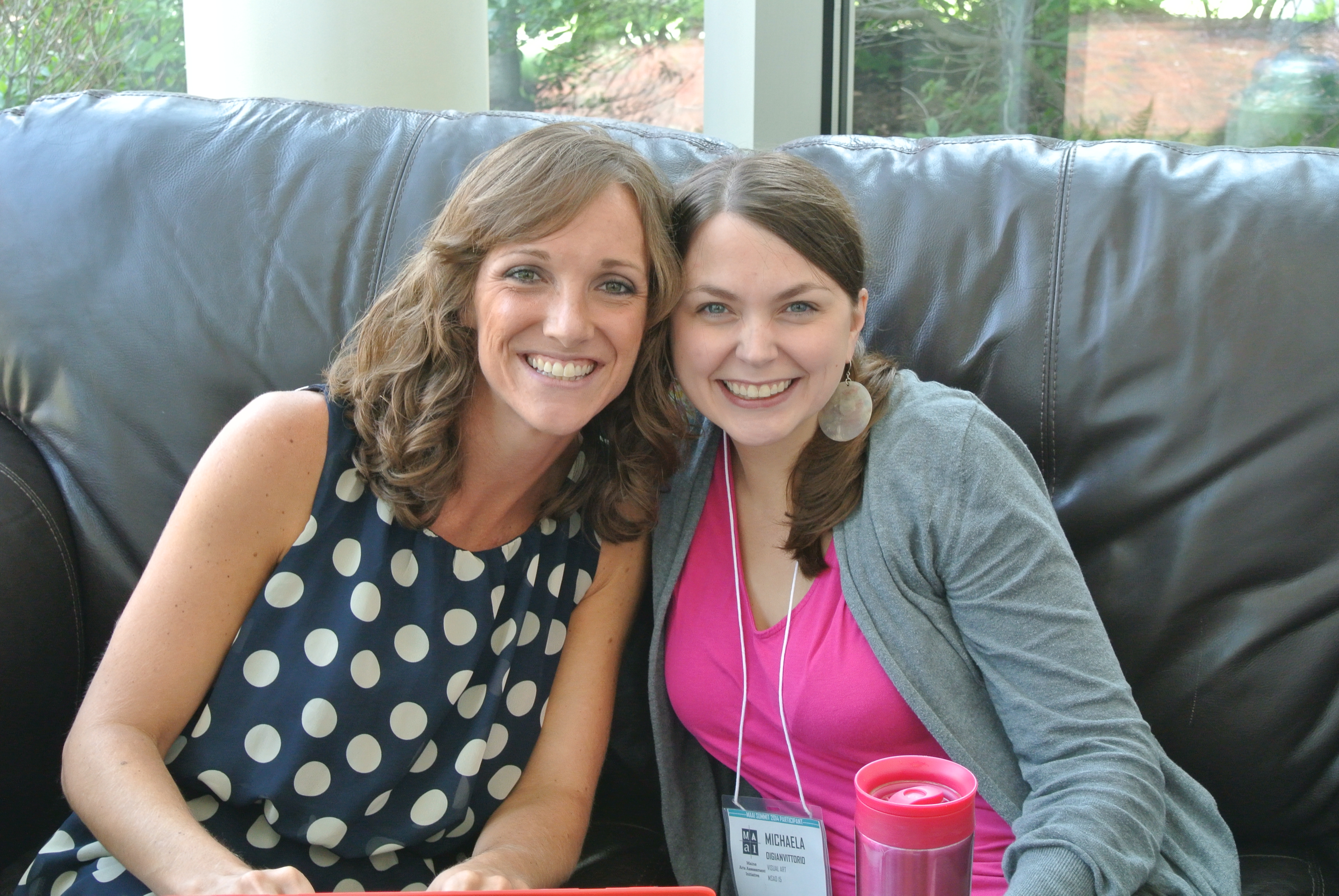
Sarah Gould and Michaela Digianvittorio, Gray-New Gloucester High School visual art teachers

I will share more participant feedback in the future. Thanks to Jeff Beaudry for collecting the information and sharing it with participants each morning during the Summit!

h1

Arts Integration Session: Summit

August 8, 2014
 An Introduction to Arts Integration
The session “An Introduction to Arts Integration” was provided for the participants at the Maine Arts Assessment Initiative Summit on Arts Education held July 29-August 1 at USM, Portland by Lindsay Pinchbeck and Barbara (Packeles) Vinal. Today’s post is information that they shared along with a plethora of resources  during the session. Both can be reached if you have questions by emailing them: Lindsay sweettreearts@gmail.com Barbara barbvinal@gmail.com.
It was GREAT to have both Barb and Lindsay participate in the Summit. They have areas of expertise that the Summit participants benefited greatly from! Thank you Lindsay and Barbara for joining the MAAI community and sharing your richness!
IMG_1187

Lindsay Pinchbeck and Barbara (Packeles) Vinal Photo taken by Catherine Ring

About Lindsay Pinchbeck

Originally from Scotland Lindsay Pinchbeck came to Maine for her undergraduate degree. Lindsay has been teaching with and through the arts in a variety of settings for the past 15 years. Lindsay is now the director and founder of Sweet Tree Arts L3C, a community arts organization in Hope, ME. Pinchbeck gained her Masters in Education through Lesley University’s Creative Arts and Learning program. Creatively Lindsay works as a print maker and photographer. Lindsay believes the creative arts should be accessible to all. She encourages us to be active participants and keen observers with the hope of enriching our communities through the arts.

Collected ideas by Lindsay Pinchbeck

Arts integration brings the driving forces of the arts; story, drama, movement, poetry, visual thinking and music into our lives allowing us to deepen our knowledge as educators and to bring the feeling and emotion inherent in the arts into the curriculum. Further the creative process of Imagining, Creating, Critiquing, Exhibiting/ Performing allows students to retain their knowledge for life rather than just holding information for a test. We can also confidently say we are engaging in ‘21st century skills’ of communicating, collaboration, critical thinking and creativity.

“It is ironic, but the enlargement of life through the arts is a powerful way to see what is lifelike. By making things larger than life or by recontextualizing them, reality, whichever it is, seems to be made more vivid…..The arts provide a platform for seeing things in ways other than they are normally seen. In so doing they help us wonder, ‘Why not?”. – Elliot Eisner, The Arts and the Creation of Mind

When you engage in the arts you cannot escape the emotive qualities and questions which arise. The question which continues to come to the forefront when deeply engaged in the arts is ‘Why Not?’ This questioning allows us to take risks, and engage in innovative ideas and practices which propel us to higher level thinking and allows us to move forward as a society as well as in our own personal growth.

“If no one changes the world it will stay as it is, if no one changes the play it will come to the same end as before.” Augusto Boal.

Integrating the arts in an arts curriculum is just as important as integrating the arts into a math or science curriculum, as we are better able to meet the needs of variable learners in our classroom. The perception that art is a special talent attainable by just a few limits the potential for rich experiences in our classrooms and daily lives. Just as every child can learn to read and understand mathematical concepts so every learner should be expected to ascertain the skills to draw, sing or move with confidence and proficiency. These are measurable and attainable skills as the MAAI has proven and encouraged, and we can better meet the standards and needs of our students when we have more ways to engage many learning styles present in our classroom. With all the research now available on the success of Arts integration the question should be why are we not making this a standard in our approach to classroom teaching?

Process and Product are equally important in art making, as Elliot Eisner states –

“ The phrase ‘work of art’ can have two meanings. It can refer to work of art, or it can refer to the work of art. The former refers to the product created, the latter to the process of creating it. Aesthetic experience can be secured at each location.”

The value of process and product reminds us we gain from action as well as from observation and experience. For example standing in a museum and experiencing a pulsating Mark Rothko painting or listening to live music allows us to have both personal and shared experiences allowing for new thinking.

Arts Integration nurtures the teacher – Arts integration is enriching and engaging for the teacher. When you apply the creative process to your classroom you too are communicating, collaborating and applying critical thinking skills.

Empathy and Human Connection is also an important element to consider when engaging in the arts. When we connect with others through non-verbal experiences we are likely to experience an emotive response which encourages our empathic awareness. The arts offers us new perspectives; The child you are struggling to reach through your own teaching/learning style may let you in when given an opportunity to express herself through poetry or drama, allowing you another avenue to support.

Thus Arts Integration uses the power of the arts to learn more about the people we work with, ourselves included. It is truly about the human connection and having many ways in which to engage and deepen our understanding. Seeing with fresh eyes, listening to stories, moving through space together, are the elements of the arts we as arts educators know in our core. The ability to risk, play, make mistakes and create, allows us to engage deeply with students and inspires creative classrooms and schools.

Recommended resources:

Theory:

Jensen, E. (2001), Arts with the brain in Mind,

Robinson,K.(2011), Out of our Minds, UK, Capstone Publishers

Home

Elliot Eisner, E (2002) The Arts and the Creation of Mind. New Haven, CT.

McLaren, K. (2013) The Art of Empathy, Boulder, CO: Sounds True

Powell,M.C. & Speiser V.M. (2005), The Arts, Education, and Social Change, Little signs of Hope, New York; Peter Lang Publishing.

http://www.arteducators.org/learning/learning-in-a-visual-age/summit-participants/elliot-eisner

http://www.edutopia.org/stw-arts-integration-research

Action:

Way, Brian. (1967) Development through Drama, London: Longman Group.

Gilbert, M. (1997) Creative dance for all ages. VA: National Dance Association.

Collins, B. (2005) The trouble with Poetry. New York, Random House.

Boal, A. (2002) Games for Actors and Non Actors, London, Routledge.

Hamilton and Weiss(2005) Children Tell Stories, New York: Owen Publishers

London, P. (1989) No More Second Hand Art, Boston, MA: Shambala.


About Barbara (Packales) Vinal

Barbara (Packales) Vinal – Hello! This year marks the end of my 23 years in the music classroom. I have taught music predominantly at the elementary level, a few years teaching high school and continue to teach piano privately. I spent 12 years in Maine teaching Elementary music in MSAD #11 – Gardiner; as a member of the DOE Learning Results Review Committee; and part of the Maine Music Educators Executive Board. In 2010 I moved to Raleigh, NC to continue to teach elementary music and also coach teachers in Technology Integration for the Wake County Public School System. I now am a Technology Integration Specialist full time. I also develop and teach online Fine Arts courses for LearnNC a division of the University of North Carolina.

Visual Art Assessment project by Barbara (Packales) Vinal

This project was done with Grade 5 but is adaptable to any grade level.

Driving Question: “How can I use technology to assess my artwork?”

Tools needed:

  • Any device that takes digital pictures.
  • PicCollage (available on any Smartphone, iOS device or Android device)
  • Digital voice recorder – (built in to a Smartphone or stand alone)
  • Web space for uploading finished product
  • Optional: QR code generator and reader

Similar ways to use this type of assessment by modifying the media (video with voice over)

  • Portfolio of various works/performances
  • Music Composition


Black History Performance Project

This project was done with Grade 5 but is adaptable to any grade level.

Driving Question: “How can I create content for a performance about Black

History?”

Tools needed:

  • Research medium (Discovery Education or guided Internet searches)
  • Word processing program; Google docs or DE Board Builder
  • Video camera
  • Optional: Google forms for assessment

All links and tools will be found at:

http://maai2014artsintegration.weebly.com/tech-links.html

Twitter: @BarbVinal

Text or call: 919-607-6541


h1

Resource Bank

August 7, 2014

Unveiled at the Summit on Arts Education, July 23

julie

Julie Richard, Executive Director, Maine Arts Commission, announcing the MAAI Resource Bank

What do you get when you bring together intelligent, creative arts teachers from all over Maine and let them spend time together to talk about what they do? To share what they do best? To learn from each other? Then ask them to return home and do the same for others? You get a ripple effect. You get contagious enthusiasm. You get shared and improved resources. Strategies for improving teaching and learning. Bucketsful of Aha moments.  Discoveries. Connections. Networks. Zoom meetings! Who benefits from all this? Arts teachers, certainly. Teaching and Learning, definitely. And Students, ultimately!

When the Maine Arts Assessment Initiative (MAAI) started in 2010, the teacher leaders planned workshops, conferences, webinars, videos. Graduate courses for deeper study in music and art assessment were created. Resources were created, collected, shared. Soon, there was something really worth sharing with the larger world. Technology made it possible to live in Frenchville and share ideas and strategies with someone in Cape Elizabeth. Being the creative problem solvers that defined this group, the teacher leaders decided that a common place was needed  to “deposit” the tools, literature, videos, lesson plans, units, and assessments so that all could have these at their fingertips. Thus, the idea for the Resource Bank was born.

While it did go through a series of name changes – Depository… Repository… Resource Bank, the idea was the same throughout – teachers wanted a searchable place to put things anyone could use. But there were challenging questions to resolve first, such as how to ensure that the resources were high quality? Who would evaluate them?   What would a “peer reviewer” do? How would the Resource Bank be sustained? Where would it be housed?  What kind of template, if any, could be designed so that anyone could use them to upload resources? It was decided to narrow the focus in the first year to the development of standards based units.

Screen Shot 2014-08-05 at 9.28.36 PM

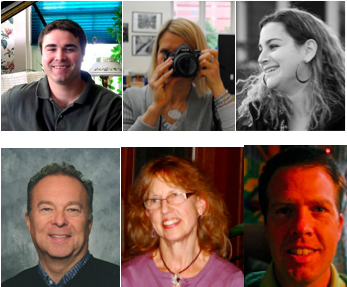
Top row: Jake, Jennie, Beth, Bottom row: Brian, Jenni, Jeff

Catherine Ring

Catherine Ring

In 2013, the Maine Arts Commission funded a six member team of teacher leaders representing Visual Art, Music and Theater, at elementary, middle and high school levels, who were be charged with two things: 1)  Create two full standards-based units, including assessments, lesson plans and resources, and 2) Create templates that anyone could use to submit resources to the bank in the future or to develop arts curricula for classroom use.

Mission 2013-14 accomplished! There are now 12 complete standards-based units, which can be accessed on the Resource Bank wiki located at http://maairesourcebank.pbworks.com/. These serve two purposes: 1) to be shared and/or adapted by other teachers for their own classroom use, and 2) as exemplars of quality arts curriculum work. The templates for unit design, lesson plans and assessments are available for all to use.

But our work has only begun. Julie Richard, Executive Director of the Maine Arts Commission announced the debut of the Resource Bank at the Summit on Arts Education in Portland last week. Jake Sturtevant presented a review of the work and critical friends and teacher leaders made recommendations for moving forward.

Imagine the possibilities. Quality arts resources of all kinds, in a searchable home base. Opportunities to share the best ideas and tools. The feedback from the Summit participants and teacher leaders in Phase IV will determine the next steps. Stay tuned. Teachers in the arts are leading the way!

This post was written by Catherine Ring who is on the Leadership Team of the MAAI and was project manager of the Resource Bank project in 2013. Catherine is also the Executive Director of the New England Institute for Teacher Education.

The teacher leaders involved in this important work during the 2013-14 school year:
Jennie Driscoll, visual arts, grades 9-12, Brunswick High School
Brian McPherson, visual arts, grades K-5, Woodside Elementary
Jeff Orth, visual arts, grades 7-12, Richmond Middle and High School
Jenni Null, music, grades K-12, Lake Region School District
Jake Sturtevant, music, grades 9-12, Bonny Eagle High School
Beth Lambert, performing arts, grades 9-12, Carrabec High School

DSC02227

Phase III Teacher Leaders, MAAI Summer Institute, June 2013

h1

Day 3: Summit on Arts Ed

August 5, 2014

Another worthwhile day at the Summit provided by the Maine Arts Assessment Initiative – a program of the Maine Arts Commission

Day 3 started off with an amazing presentation by Maine Arts Assessment Initiative (MAAI) teacher leader and Lisbon Art Teacher, Pam Ouellette. The topic was Literacy and the Arts but Pam made it clear from the beginning that her teaching incorporates the literacy in a very clear pathway. It isn’t about how the arts enhance literacy but how literacy enhances the arts. During Pam’s graduate program at Boston University Pam studied Creativity and Literacy and immediately formulated a way to incorporate her learning and best practices on the topic in her high school classroom. Even though Pam teaches Visual Arts she is able to easily adopt her practices for all the arts disciplines.

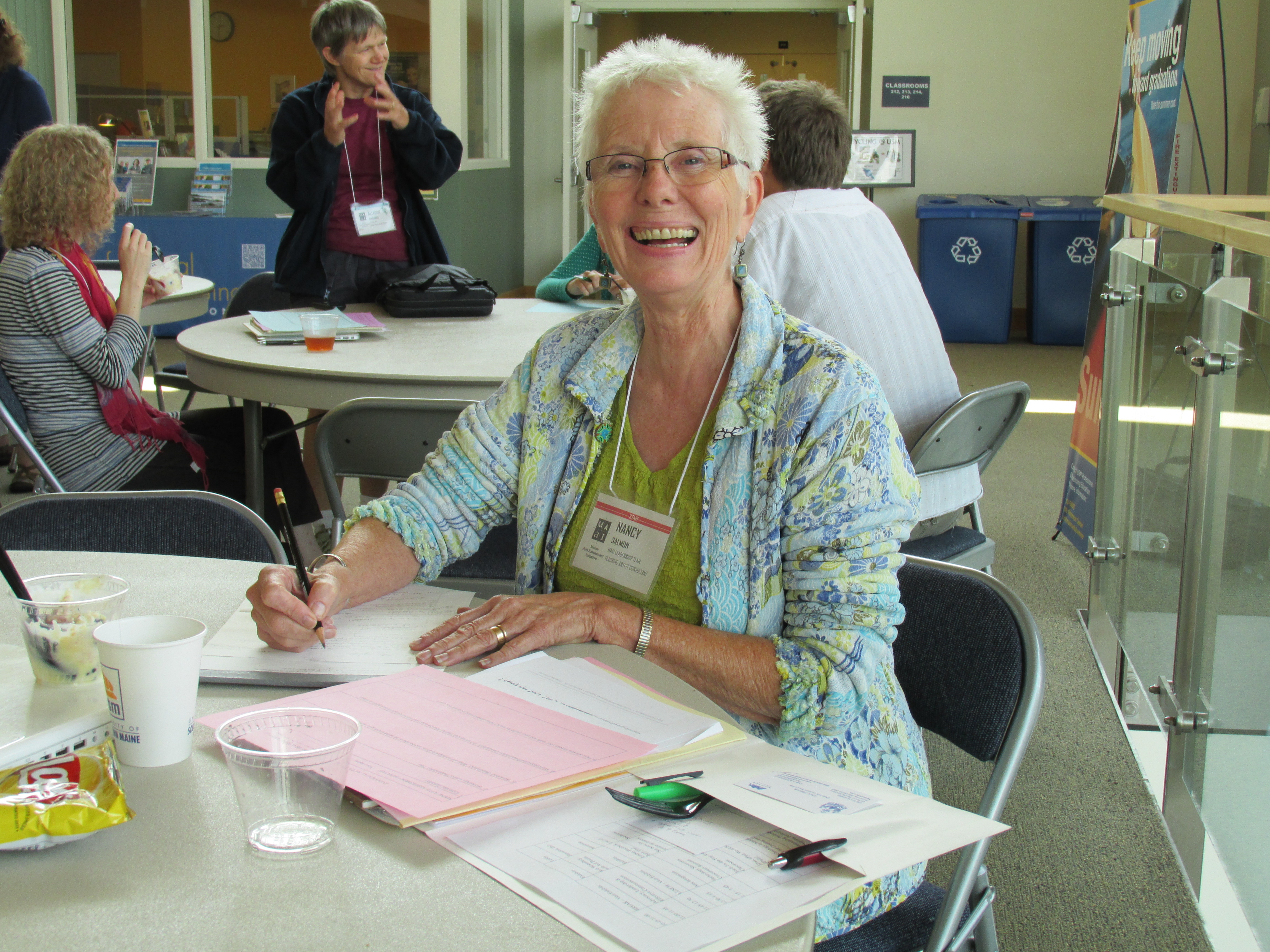
Nancy Salmon worked with the Teaching Artists during the Summit

Nancy Salmon worked with the Teaching Artists during the Summit

The Summit participants worked on their Individual Action Plans (and team plans) to further their ideas for implementation in their schools/districts. During the afternoon they participated in the All Share Showcase presenting their ideas to the Summit participants. Each participant received numerous comments to help them proceed. The afternoon included MAAI Teacher Leader stories and some amazing door prizes!

chris banessa

Wells School district team, Chris Milliken, Middle School and Vanessa White-Capelluti, High School art teachers

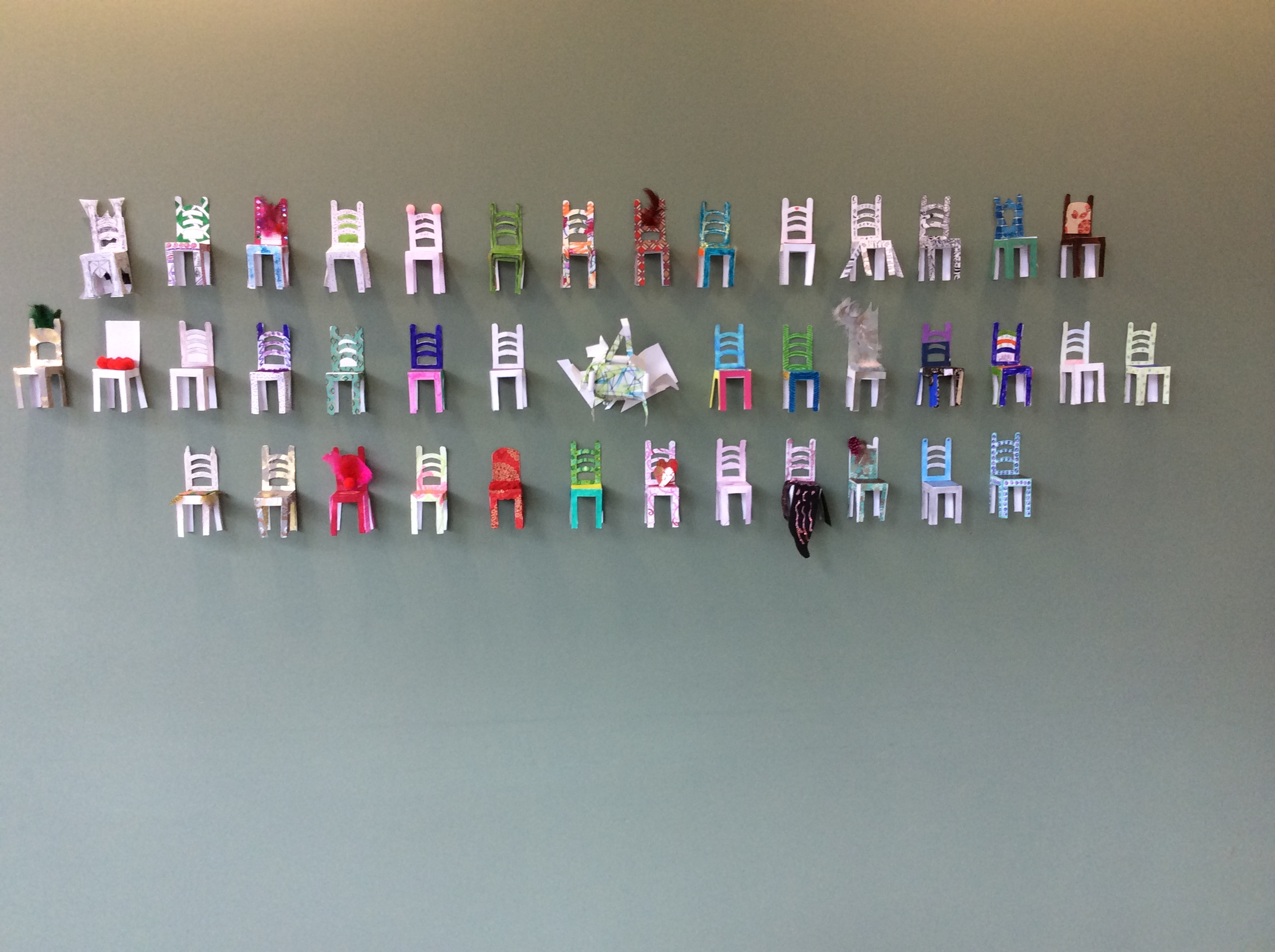
Lisa saw this idea on Pinterest. The chairs are about 6 inches tall.

Lisa saw this idea on Pinterest. The chairs are about 6 inches tall.


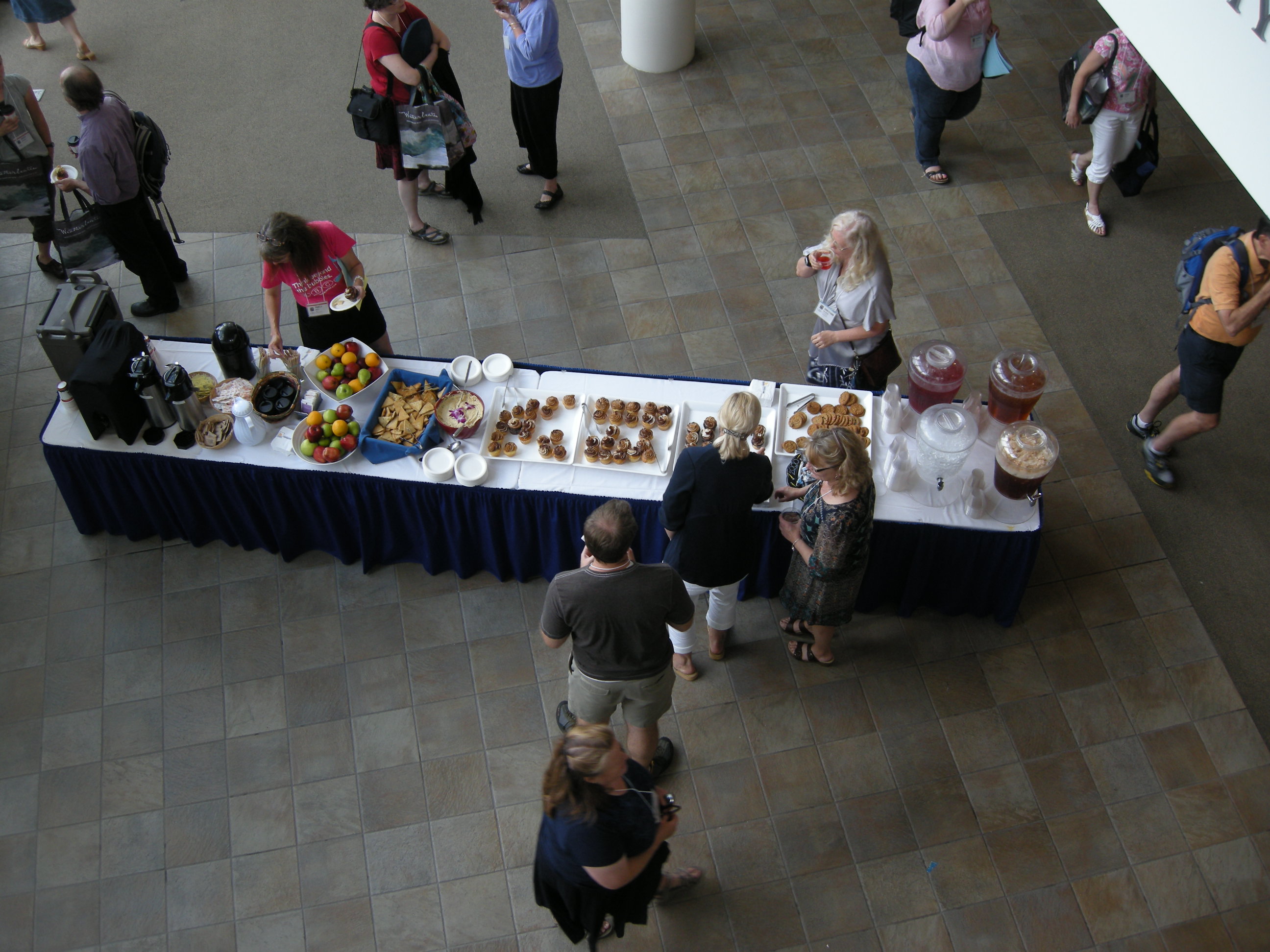
Participants gave the food high marks! As my dad used to say "if anyone went away hungry, its their own darn fault!"

Participants gave the food high marks! As my dad used to say “if anyone went away hungry, its their own darn fault!”

Photos taken by Kevin Facer, Roger Fuller, and Argy Nestor

h1

Day 2: Summit on Arts Ed

August 4, 2014

Another worthwhile day at the Summit provided by the Maine Arts Assessment Initiative – a program of the Maine Arts Commission

LisaThe Day 2 schedule at the Summit on Arts Education at USM, Portland allowed participants the opportunity to attend sessions on technology, integration, advocacy, and sessions with like-grade level and discipline on Proficiency and the Student-centered classroom.

In addition, throughout the morning participants had the chance to learn more about teaching artists, arts organizations and higher education.

Representatives from the following arts organizations and institutions participated: From the Bow Seat, Lesley University, Lincoln Street Center and Northland Village Foundation, Maine Department of Education, Maine Art Education Association, Maine Music Educators Association, Maine College of Art, New England Institute for Teacher Education, Portland Ovations, Portland Museum of Art, Portland Symphony Orchestra, UMaine Music Ed Department, and UMaine Art Ed Department.

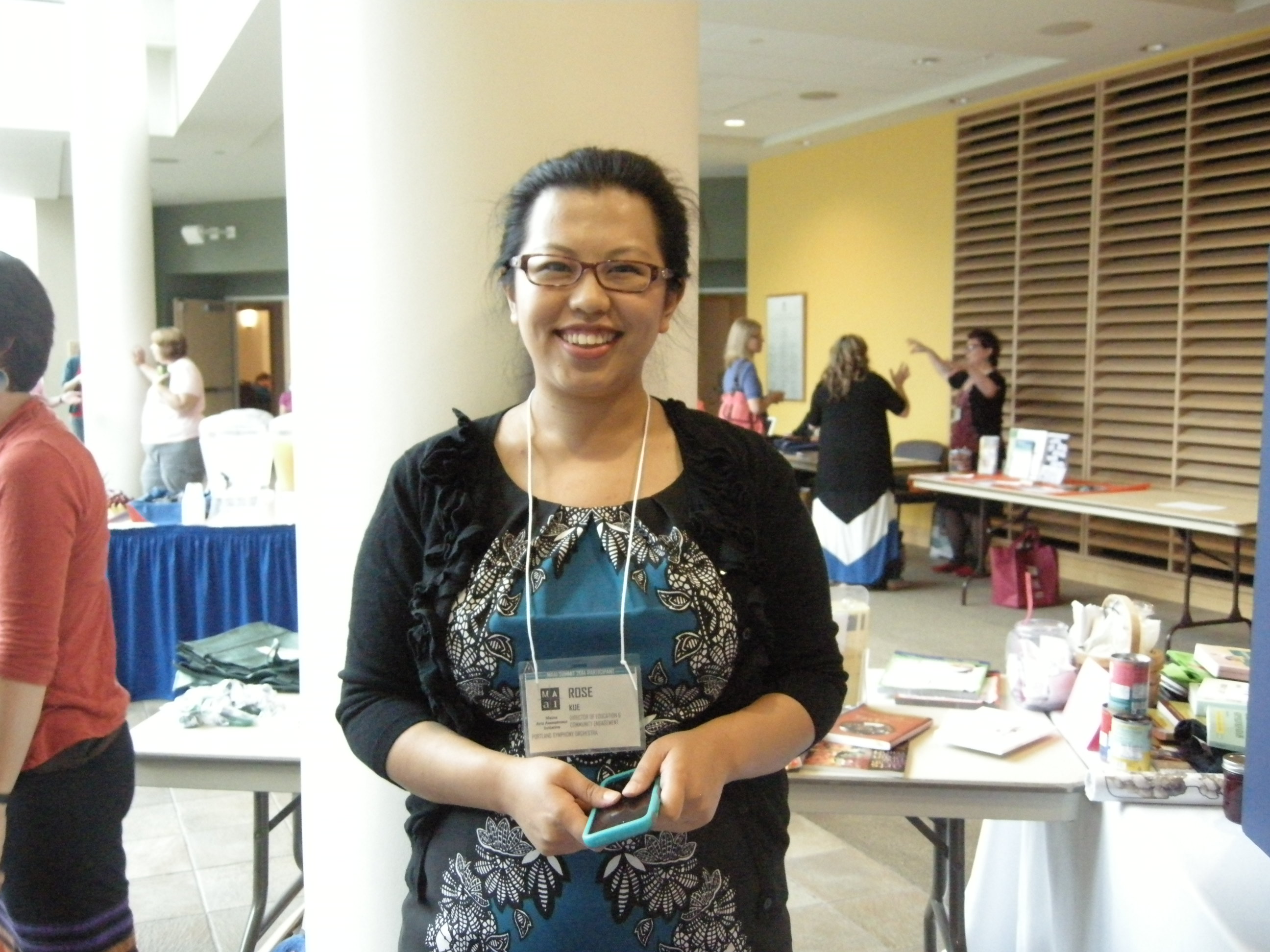
pso

Rose Kue, Director of Education & Community Engagement, Portland Symphony Orchestra

Teams and individuals started work on an Individual (or team) Action Plan so they could hit the ground running when returning to their schools/districts. The Phase 5 Maine Arts Assessment Initiative (MAAI) Teacher Leader’s Individual Action Plans focus on the workshops they plan to provide during the 2014-15 school year.

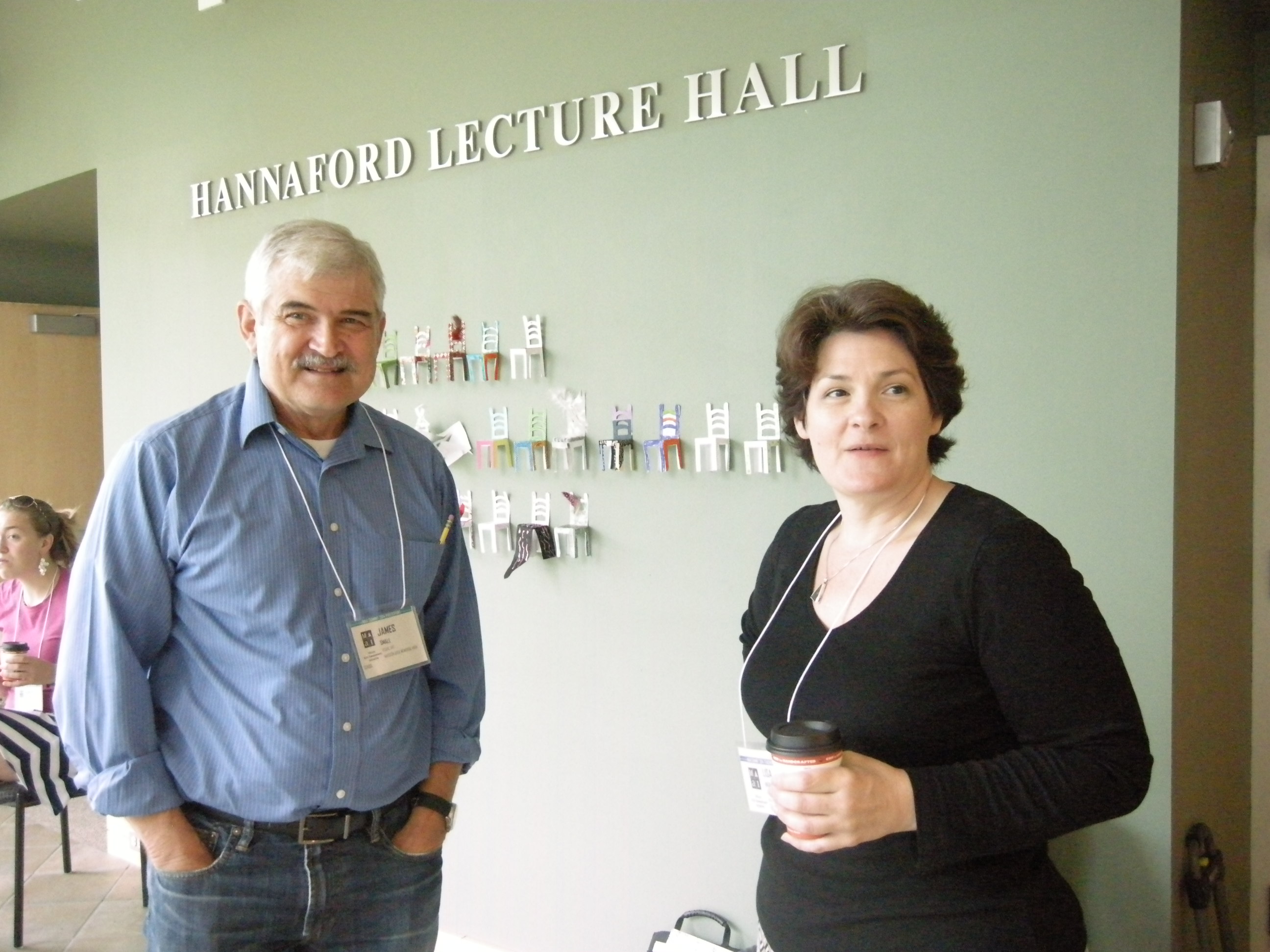
Maine Art Education Association secretary and MAAI teacher leader, Lisa Ingraham, provided the “chair” template so teachers could use their creativity to contribute to the wall of chairs. Lisa and her colleague Jim Small from Madison School District are seen in this post in front of the growing wall of chairs.

It was the second day of the Summit on Arts Education filled with high quality professional development. The 90 participants went away having learned a great deal, and with new questions about their understanding of teaching, learning, and assessment in arts education.

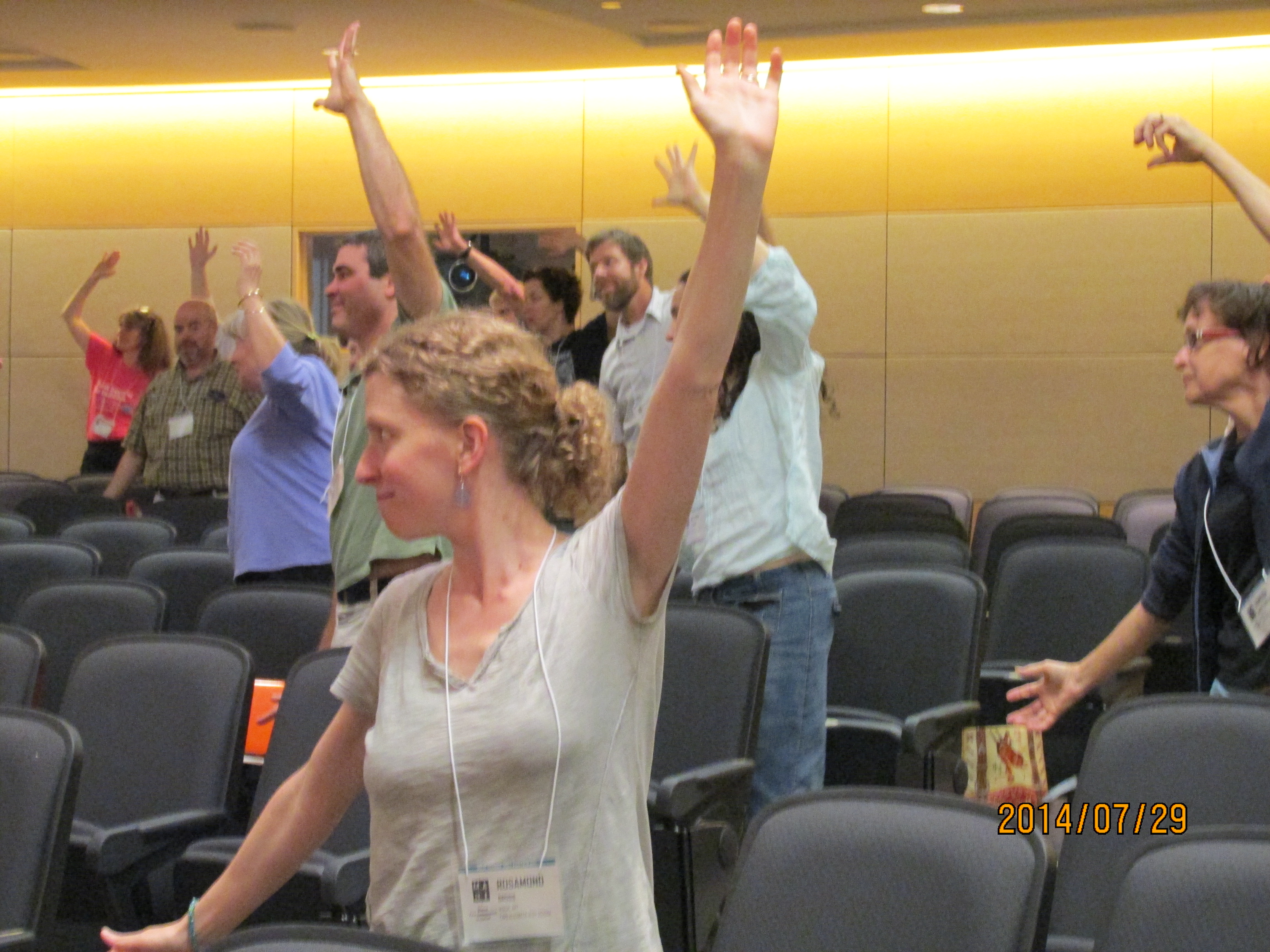
dancin

Participants “movin” with teaching artist, Stephanie McGary


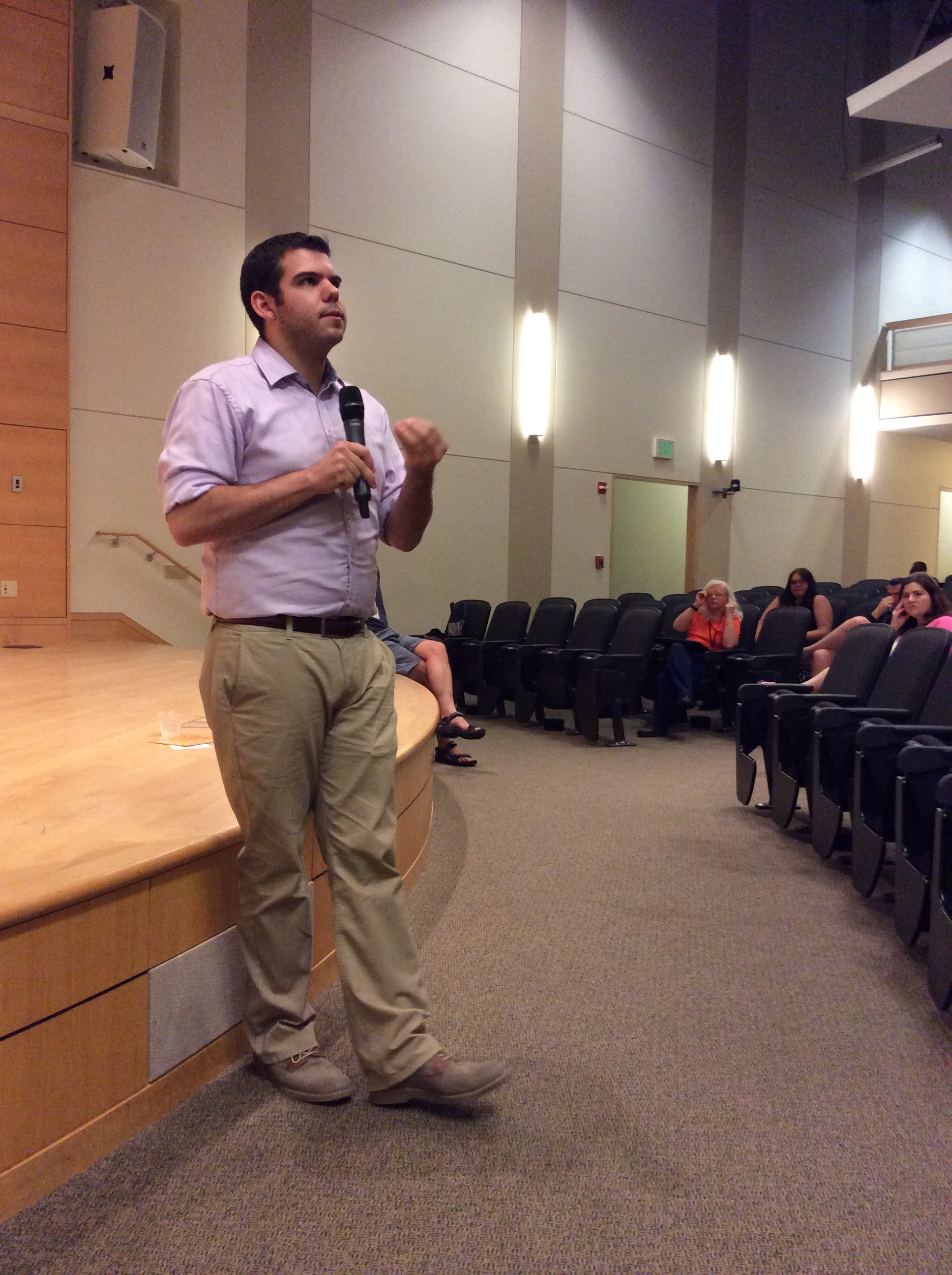
jeff

Jeff Poulin, Arts Education Program Coordinator from the Americans for the Arts located in Washington, D.C. provided information on Arts Advocacy

Photos taken by Kevin Facer, Roger Fuller, and Argy Nestor