Archive for the ‘Research’ Category

h1

Music and Learning

September 28, 2011

Music as Inspiration

There are non-music educators who understand the value of music in their classrooms as an inspirational, motivational, tool and for the connections in the brain to help in learning. We know in many cases students need music to help them process their learning. Kathy Freeman is an elementary teacher who sees the connection and uses music when teaching writing. In an article published in Education Week Teacher she explains the numerous ways that she utilizes music to enhance her lessons and how music is the foundation for learning. I suggest sharing the ideas and the link with your colleagues.

The author realizes that some educatorss disagree with her methods. Since they are distracted by music when they work they think that students are as well. Harvard Medical School neuroscientist Mark Jude Tramo affirms what the author knows to be true from his research Music on the Brain.

Using this information informally in conversation with students, parents and/or colleagues or as an agenda item for a teachers meeting is an avenue to raise awareness about the value of arts education. If you have a minute I suggest you read the articles/research.

h1

STEAM again!

September 23, 2011

STEM STEAM

“Science and technology aspire to clean, clear answers to problems (as elusive as those answers may be). The humanities address ambiguity, doubt, and skepticism – essential underpinnings in a complex, diverse and turbulent world.” – Dr. Alan Brinkley

During the last year or so I have written many posts on STEAM, not STEM that have provided you with outstanding articles and a variety of information to help you become better acquainted with the STEM initiateive and now STEAM.

The website called STEAM and has useful information including power points from webinars on 1) Arts and Education Webinar 2) Neuroeducation: Learning, Arts and the Brain and, 3) The Arts, Creativity and Cultural Education: An International Perspective. The first link is a power point from the webinar.

h1

Promoting the Value of Arts Education

September 19, 2011

ASCD- Brief on policy priorities

The Association for Supervision and Curriculum Development (ASCD) released an information brief on policy priorities entitled Reaching for a Well-Rounded Education Creates Challenges for Educators. If you are short on time I suggest you go to the link http://www.ascdpolicypriorities.org/ascdpolicypriorities/0711?utm_source=ascdexpress&utm_medium=email&utm_campaign=express623#pg1 and watch the video on the first page provided by David Griffith, ASCDs Director of Public Policy. He stresses the importance of all subjects which includes the Arts.

If you have time read on from there. If not, scroll to pages 10-12 and read the segment called Promoting the Value of Arts Education. This includes information from the Executive Director of the National Art Education Association and an audio clip from an art teacher who works with students and teachers.

ASCD provides their recommendations for a well-rounded education and can be accessed at this webpage http://ascd.org/public-policy/well-rounded-education.aspx

h1

Studies on the Arts in Education

September 10, 2011

Looking for the research that supports arts education?

This blog includes 10 studies on the arts in education that site the value and connections that arts education provides. Some of the studies have been posted separately on the meartsed blog in the past but this includes highlights of the reports and links to the complete reports. Please click here.

h1

Maine Arts Ed Institute

August 10, 2011

Soooooo many resources
Jeff Beaudry, USM

To prepare for the institute that was held last week at Maine College of Art (MECA) participants prepared by reading articles, viewing videos, communicating on a wiki, and thinking about their role as leaders, teachers, and collaborators.

There were numerous resources provided for them and that they shared. This post is to provide you with some of the information to help you as a teacher in the 21st century classroom.

Assessment: New Hampshire Department of Education Arts Consultant Marcia

McCaffrey has many resources on the NH DOE website. For several years Marcia, and our Vermont colleague Gail Kilkelly, planned the New England Arts Education Assessment Institute. http://www.education.nh.gov/instruction/curriculum/arts/index.htm Maine’s teacher leaders read Guidelines for Arts Assessment and Envisioning Arts Assessment which can both be found at the above link. However, there are many other outstanding reading resources there as well. I suggest you spend a few minutes checking out what Marcia kindly provides there for eduators.

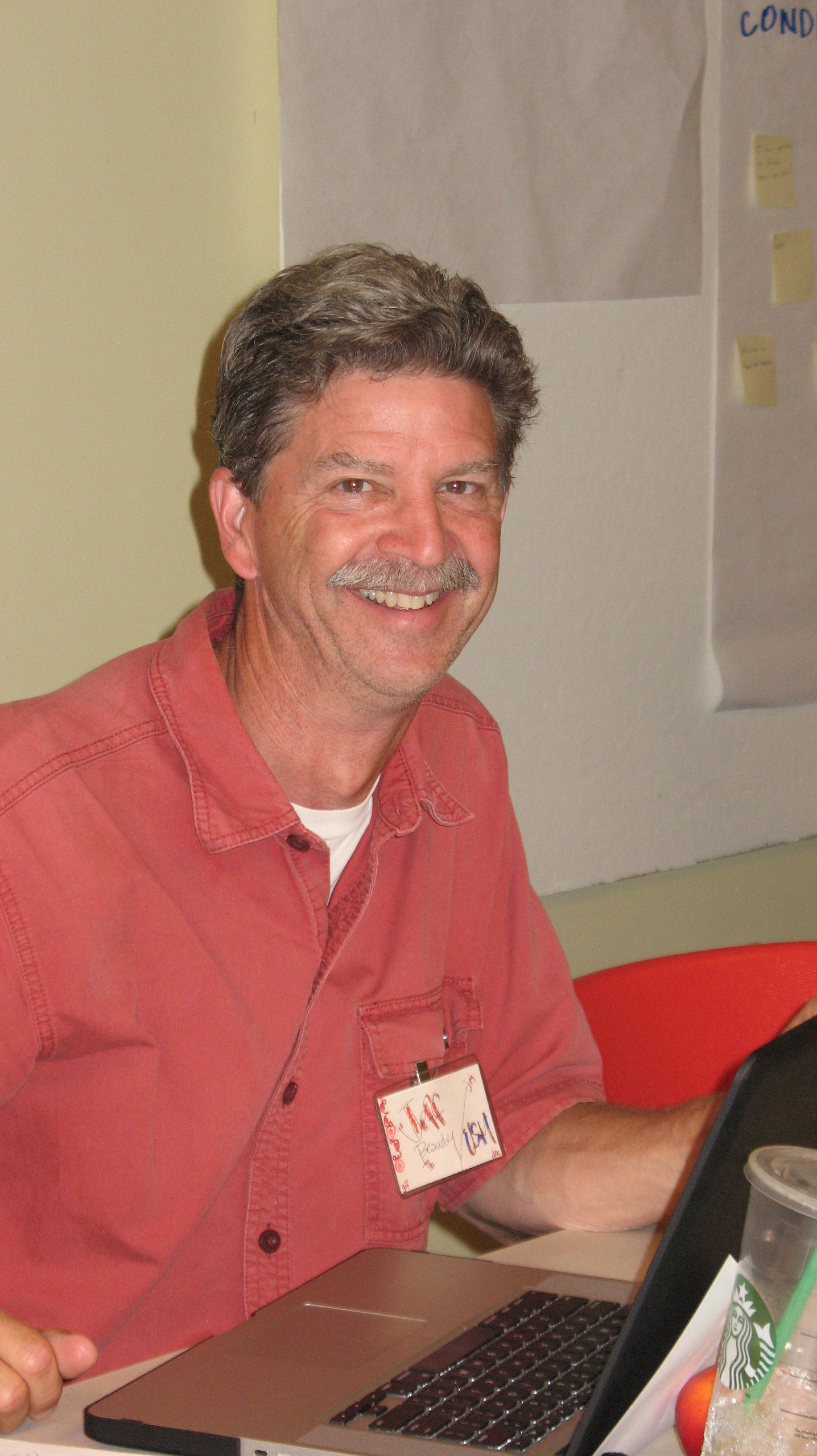
Jeff Beaudry, one of our planning committee members, teaches at USM. He is an
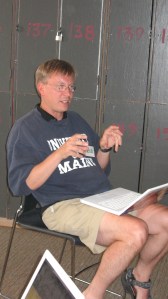
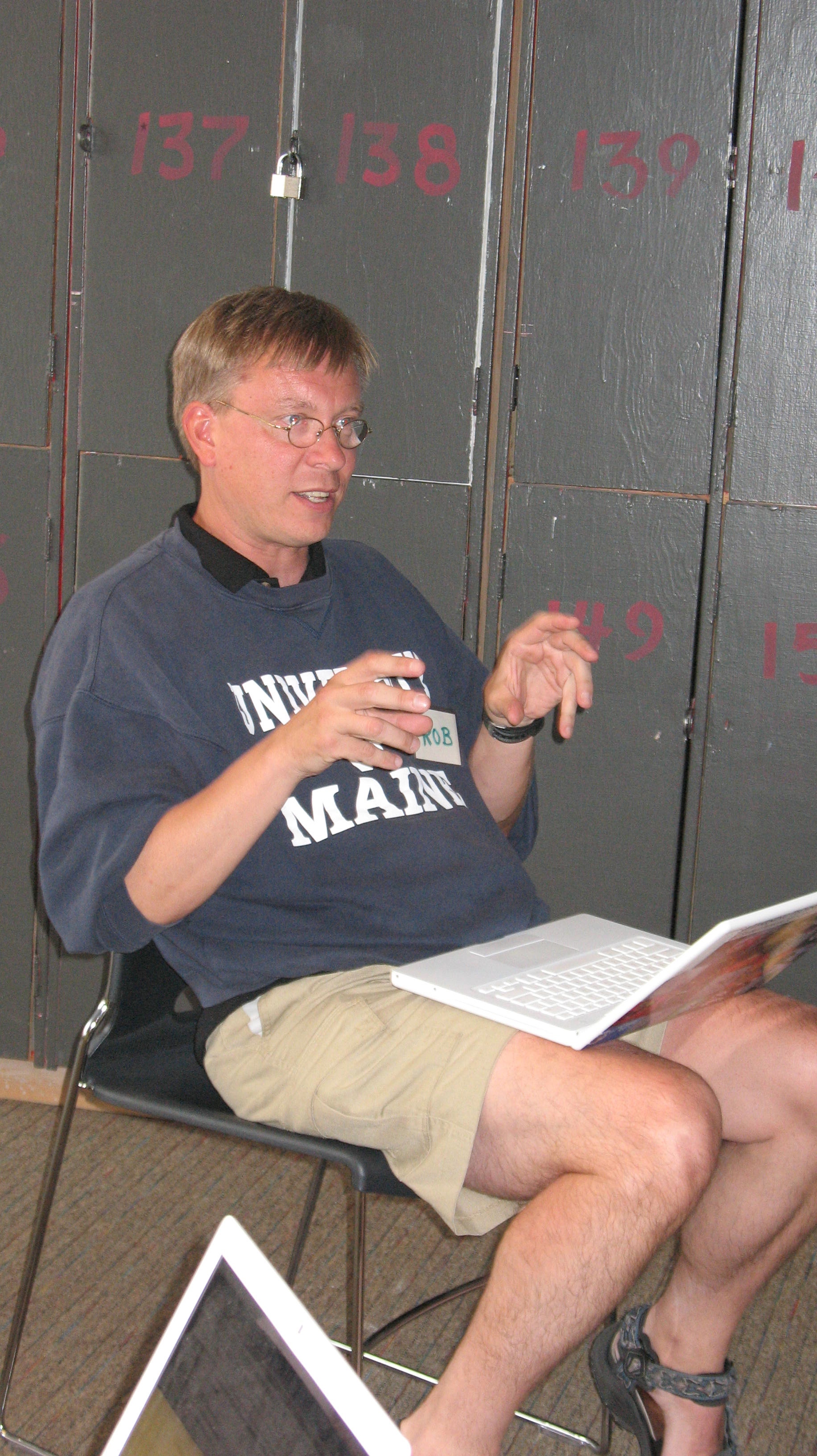
Rob Westerberg, music educator York High School

expert in assessment, data, leadership, is a photographer, and focuses much of his work (and play) on collaborating. In fact he has a really wonderful project that incorporates science and color encouraging participants to carefully observe and document the observations. We know how important observation is in the art and science world. Jeff guided participants readings contributing two chapters from Rick Stiggins assessment book. Chapter 2 is on Assessment for and of Learning and Chapter 4 called Assess How? Designing Assessments to Do What You Want. You can access both of these articles at http://maineartsassessment.pbworks.com/w/page/28367262/Resources#view=edit

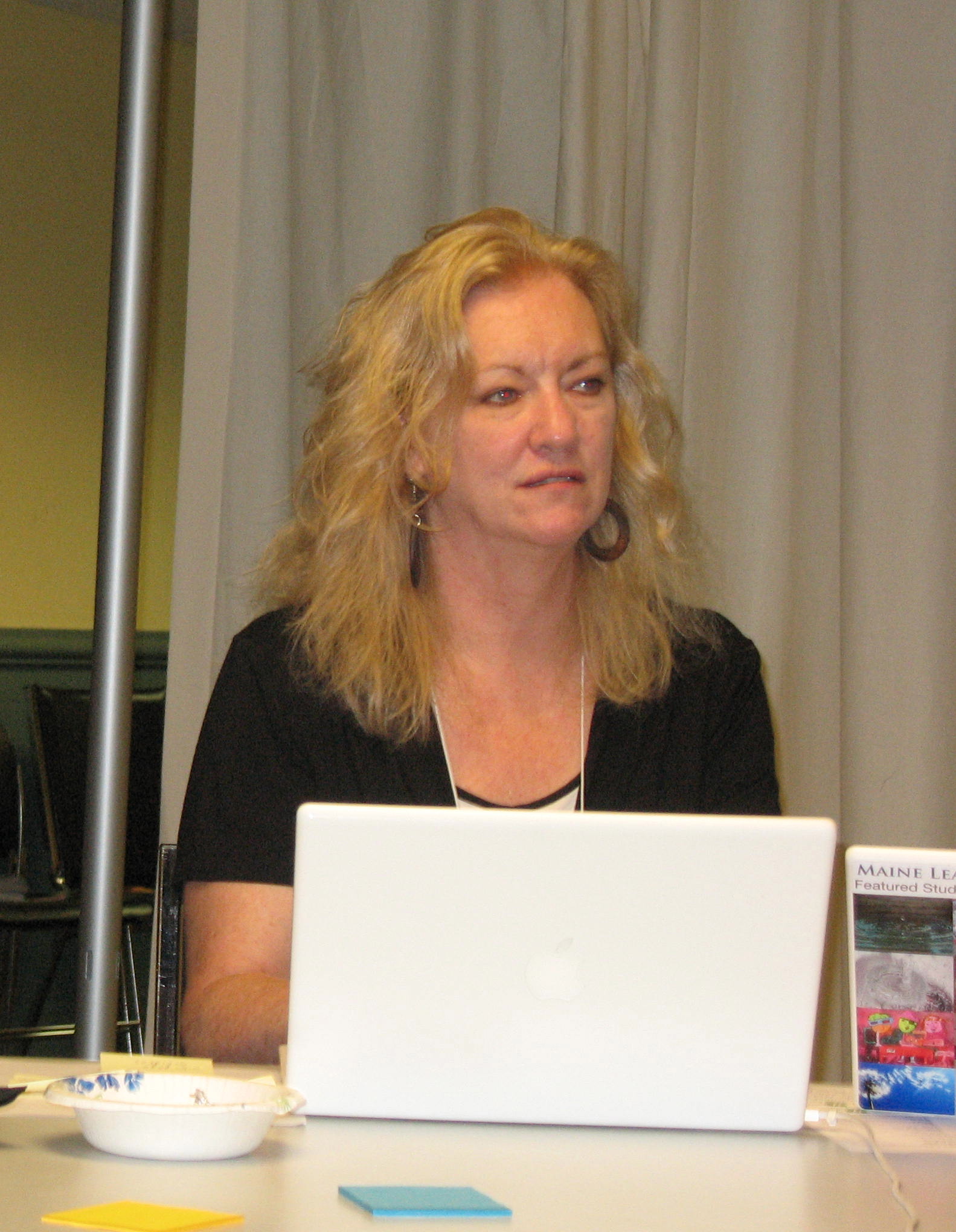
Joining Jeff on the assessment portions at the institute were Bronwyn Sale who was an art teacher at Brunswick High School before joining the staff at Bates two years ago. Bronwyn provided a variety of information and led a session on some of the pre-reading assignments using jig-saw. Also at the above link are two assessment articles that participants read called Self Assessment by Heidi Andrade and The View by Maja Wilson.

Technology: To help prepare for the technology segment of the institute participants
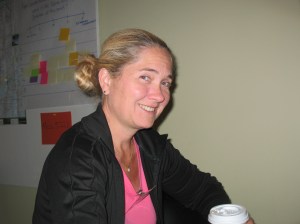
Ann Marie Hutton, Apple MLTI

viewed Tony Wagner’s YouTube on the global economy and they read Integrating Technology with Student-Center Learning, a report to the Nellie Mae Education Foundation. We were fortunate to have Ann Marie Hutton join us for the assessment institute and share her knowledge and skills with participants. Ann Marie works for Apple with the MLTI project and was an art teacher before joining the MLTI team. Did you know that you can contact MLTI and request staff to travel to your school for professional development? And, there is absolutely no cost involved!

Leadership: Carol Trimble facilitated the session on leadership modeling her leadership skills. Pre-reading was information written by Linda Lambert from ASCD called Leadership Capacity for Lasting School Improvement. Certainly all arts educators contribute to improving schools, often at the heart of that responsibility. Another article that was written by teacher Scott Hunt is called Teacher Leadership. Both articles are available on the page embedded above.
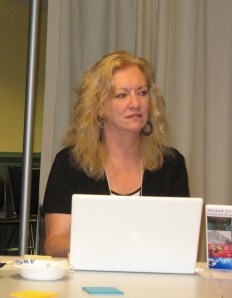
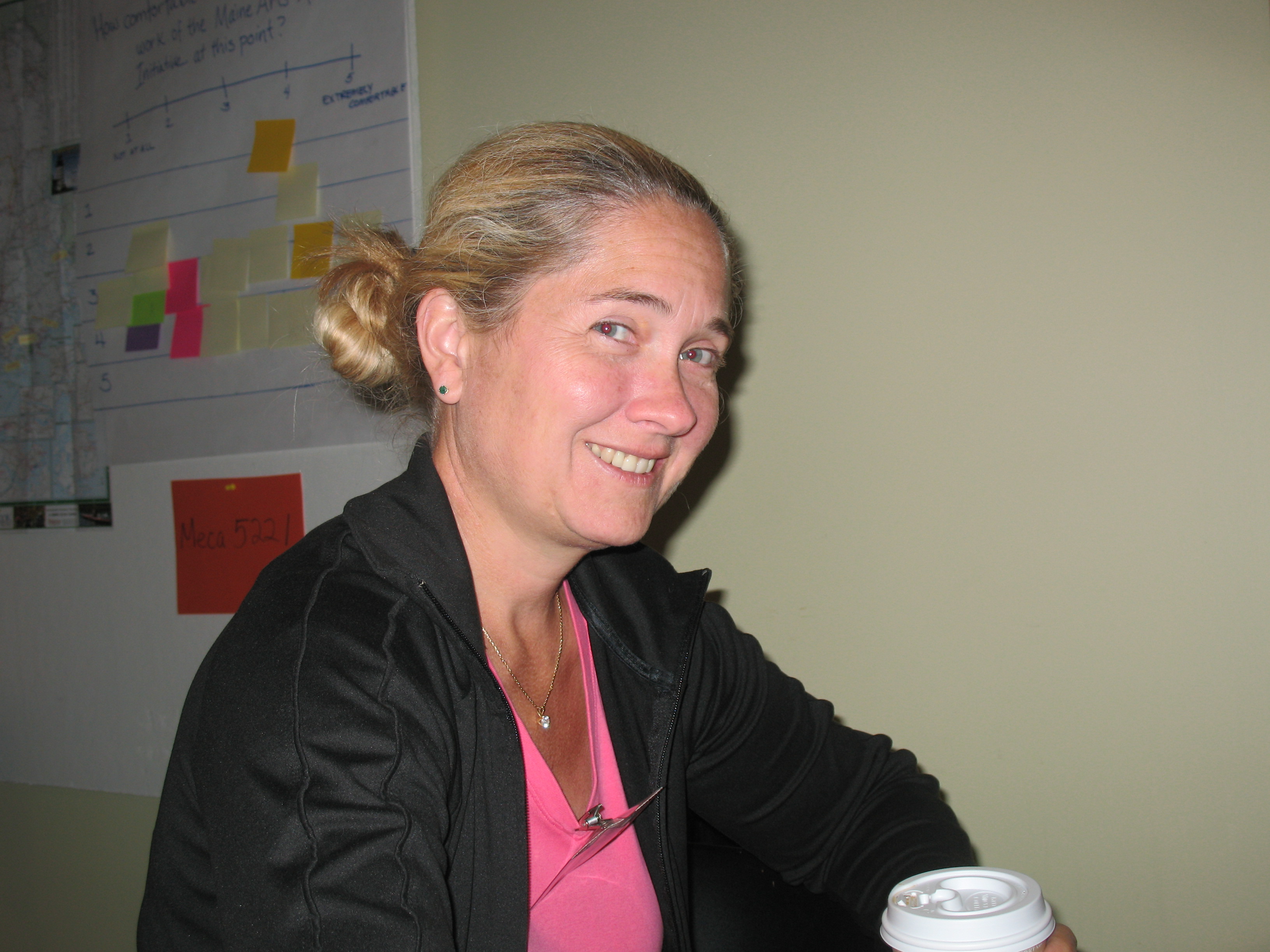
Catherine Ring, arts consultant New England Institute for Teacher Education

Rounding out our presenters last week were music educator Rob Westerberg and arts consultant with the New England Institute for Teacher Education Catherine Ring.  Both contributed resources and their wisdom and experience to the institute. There are many more resources that will be shared as time passes and you can look forward to getting at the October 7th statewide arts conference being held at USM, Portland. More information coming in the near future on the conference. The 18 teacher leaders will be presenting workshops at the conference and will also be presenting in the regions throughout the state during the school year, 2011-12.

For an update on the arts assessment initiative please go to http://maineartsassessment.pbworks.com/ and please email me if you have questions at argy.nestor@maine.gov

Photographs taken at the institute by Jen Nash have been posted at https://picasaweb.google.com/Jen.Acosta.Nash/DropBox?authuser=0&authkey=Gv1sRgCOqAqMzDvbf1lQE&feat=directlink

h1

Latest Arts Ed Research

June 26, 2011

President’s Committee on the Arts and the Humanities

Hopefully you’ve heard of The President’s Committee on the Arts and the Humanities research that was released in May. When I was searching for arts education research today I found this White House blog post on the President attending one of the committee meetings. I really like the blog post Reinvesting in Arts Education: Winning America’s Future Through Creative Schools from May 12th. The writer, Melody Barnes, does a really nice job of including some quotes and historical information about the value of arts education and their rightful place in the school curriculum. Melody is the Director of the White House Domestic Policy Council. I pasted a segment of the post below and you can read the entire post by clicking here.

The arts are not just for those who go on to become professional artists. Research shows that girls and boys, young men and women who have art classes are more likely to be engaged in their classes, attend school, achieve better test scores, and graduate.  In fact, just last Friday, the President’s Committee on the Arts and the Humanities released a stellar report, Reinvesting in Arts Education: Winning America’s Future Through Creative Schools, which details the powerful role that arts education strategies can play in closing the achievement gap, improving student engagement, and building creativity and nurturing innovative thinking skills.

Education is one of our nation’s most important investments. And an education without the arts is incomplete.  As a candidate, when President Obama spoke about remaining competitive in the global economy and the importance of innovation, he said that meant not only teaching our children science and math skills but also encouraging them to think creatively and be rewarded with all that comes with being engaged in creative endeavors: the awareness that comes with self-expression; the sense of strength that comes when you share your authentic voice; and a fresh, innovative perspective on problems of all stripes when you’re using all of your brain. Failure to invest in a well-rounded education for our children will thwart our efforts to lead in a new economy where critical thinking and creativity will be the keys to success.

That means that arts education can’t be an afterthought — an investment that our schools can make only after they’ve solved all the other challenges they face.  Instead, we must see it as a tool for keeping students more engaged, for closing achievement gaps and lowering dropout rates. My office, along with the Department of Education, is working with the President’s Committee to take next steps on the report’s recommendations and work with other government, private and philanthropic partners as well to realize a complete and competitive education – from cradle to career – for all children.

h1

Advanced Studies Seminar Offered

June 11, 2011

Opportunity designed for faculty and advanced graduate students from colleges and universities

The National Center for Education Statistics (NCES) is sponsoring a three-day advanced studies seminar on the use of the NAEP database for education research and policy analysis. The seminar will take place in Washington, DC, August 3-5. The deadline for applications is June 27.

The main NAEP database contains nationally representative achievement scores on 4th, 8th, and 12th graders from public and non-public schools in a variety of academic subjects. The database also contains background information on the students who were assessed and their learning environments.

This seminar is designed for faculty and advanced graduate students from colleges and universities. Education researchers and policy analysts with strong statistical skills from state and local education agencies and professional associations are also welcome.

There is no fee to attend the seminar. NCES will provide training materials as well as computers for hands-on practice. NCES will also pay for transportation, hotel accommodations, and a fixed per diem for meals and incidental expenses during the training seminar.

This advanced seminar is sponsored by NCES at the Institute of Education Sciences, part of the U.S. Department of Education.

To submit your application for the seminar, please go to: http://ies.ed.gov/whatsnew/conferences/?id=836&cid=2.

If you are new to NAEP research, you may want to explore NAEP technical documentation and the restricted-use data currently available to licensed researchers.

If you have any questions regarding the training, please contact Nicole Schray at
(202) 296-2528.

h1

Reinvesting in Arts Education

May 17, 2011

Report just out

The President’s Committee on the Arts and the Humanities (PCAH) have just released the report Reinvesting in Arts Education. In my quick scan I find similar findings to Maine’s statewide arts education census work Opportunities to Learn in the Arts in Maine released in 2009.

The President’s Committee was formed under President Reagan in 1982. The PCAH works directly with the Administration and the three primary cultural agencies – National Endowment for the Arts, National Endowment for the Humanities and the Institute of Museum and Library Services – as well as other federal partners and the private sector.

The  I am familiar with a report they published in 1999 called Gaining the Arts Advantage. In that report three Maine school districts were sited: Westbrook, MSAD #40, and Camden-Rockport for their exemplary arts education programming. I was fortunate to be teaching in MSAD #40 at the time. Through the support and commitment of school board, district- and building-level administrators, and the community the arts programs flourished. The staff had high expectations and through ongoing collaboration created a comprehensive K-12 arts curriculum complete with benchmarks and district wide assessments at grades 3,6,8, and 12. Art at the middle level was a “core” subject which resulted in visual arts classes for students the same number of times per week as other subjects. Today I think back about how amazing that was and yet I know that work did not happen overnight. It was through careful planning and continuous communication.

I suggest you not only read this new research but use it to communicate about your programs. We have research from the past that shows the links between high-quality arts education and a wide range of education outcomes. Arts integration models are yielding positive results in school reform and closing the achievement gap. The research on neuroscience helps us understand how arts strategies support crucial brain development in learning. I suggest you not only read this new research but use it to communicate about your programs.

h1

New Hampshire’s Arts Education Data Project

April 4, 2011

Just released – Measuring Up

My colleague Marcia McCaffrey recently sent me the weblink to New Hampshire’s newly released Arts Education Data Project report http://www.aannh.org/measuringup/. I suggest you take a look at it to learn what our neighboring state is doing in arts education. If you’ve never seen Maine’s arts education census information that was released two years ago it is posted at http://www.maine.gov/education/iic.htm