Archive for the ‘Standards’ Category

h1

MALI Teacher Leader Story: Hope Lord

May 8, 2018

Visual Art Educator

This is one of several blog posts in 2018 that include stories of the Maine Arts Leadership Initiative (MALI) Phase 7 Teacher Leaders and Teaching Artist Leaders. This series includes a set of questions so you can learn a little bit about each leader. CLICK HERE  for more information on MALI. CLICK HERE  for more information on the 93 Teacher Leaders and 8 Teaching Artist Leaders. CLICK HERE  for Arts education resources. CLICK HERE  for the MALI Resource Bank. Search in the “search archives” box on the bottom right side of this post for past teacher leader stories. Thank you Hope for sharing your story!
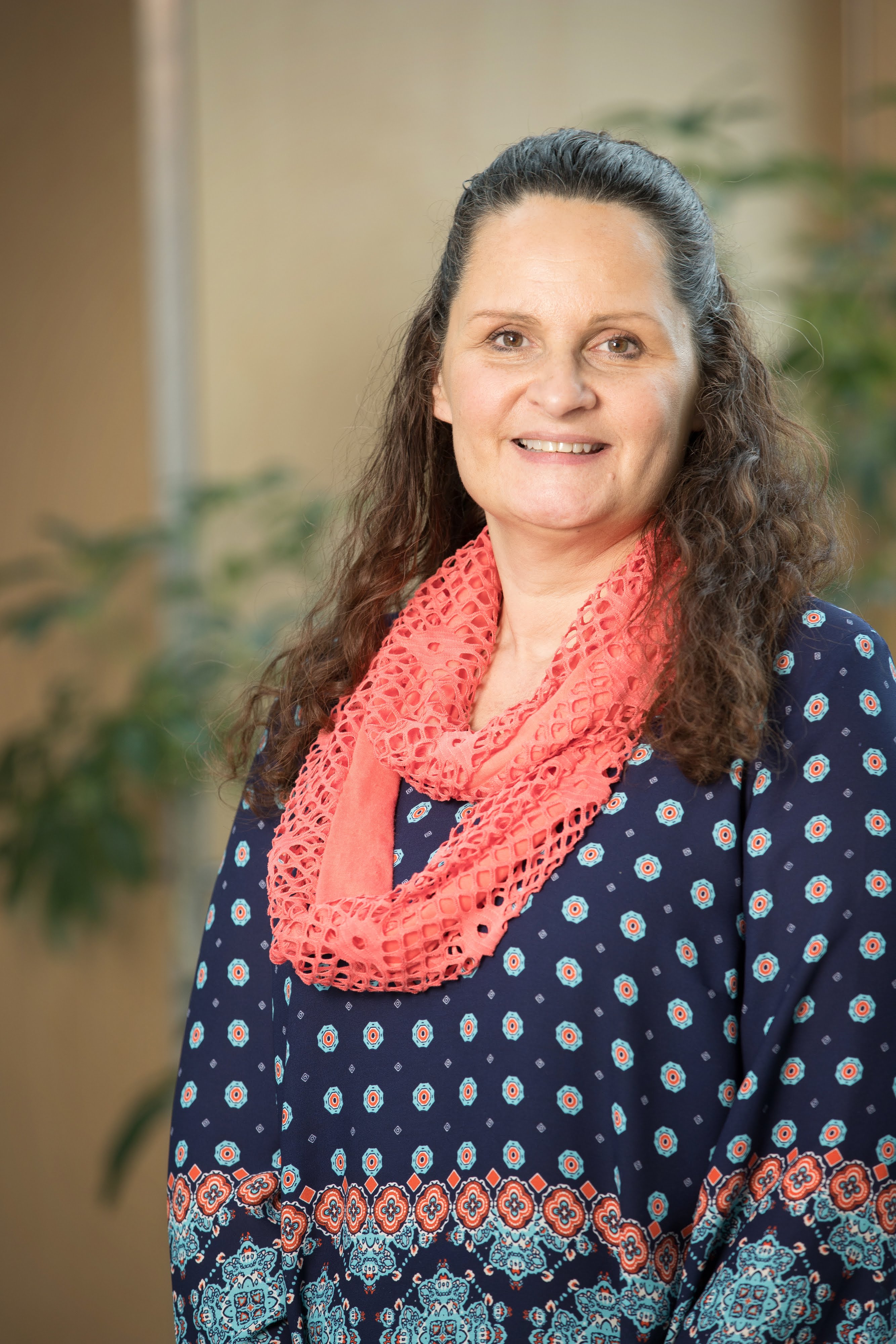
Hope Lord has been the Art & Design teacher for 300 grades 6 through 8 students at Maranacook Community School for the last 7 years. She also teaches and inspires 16 gifted and talented art students and is the co-advisor for the school’s yearbook. Prior to that Hope taught in RSU #38 for 19 years, 12 as a special education teacher.

What do you like best about being an art educator?

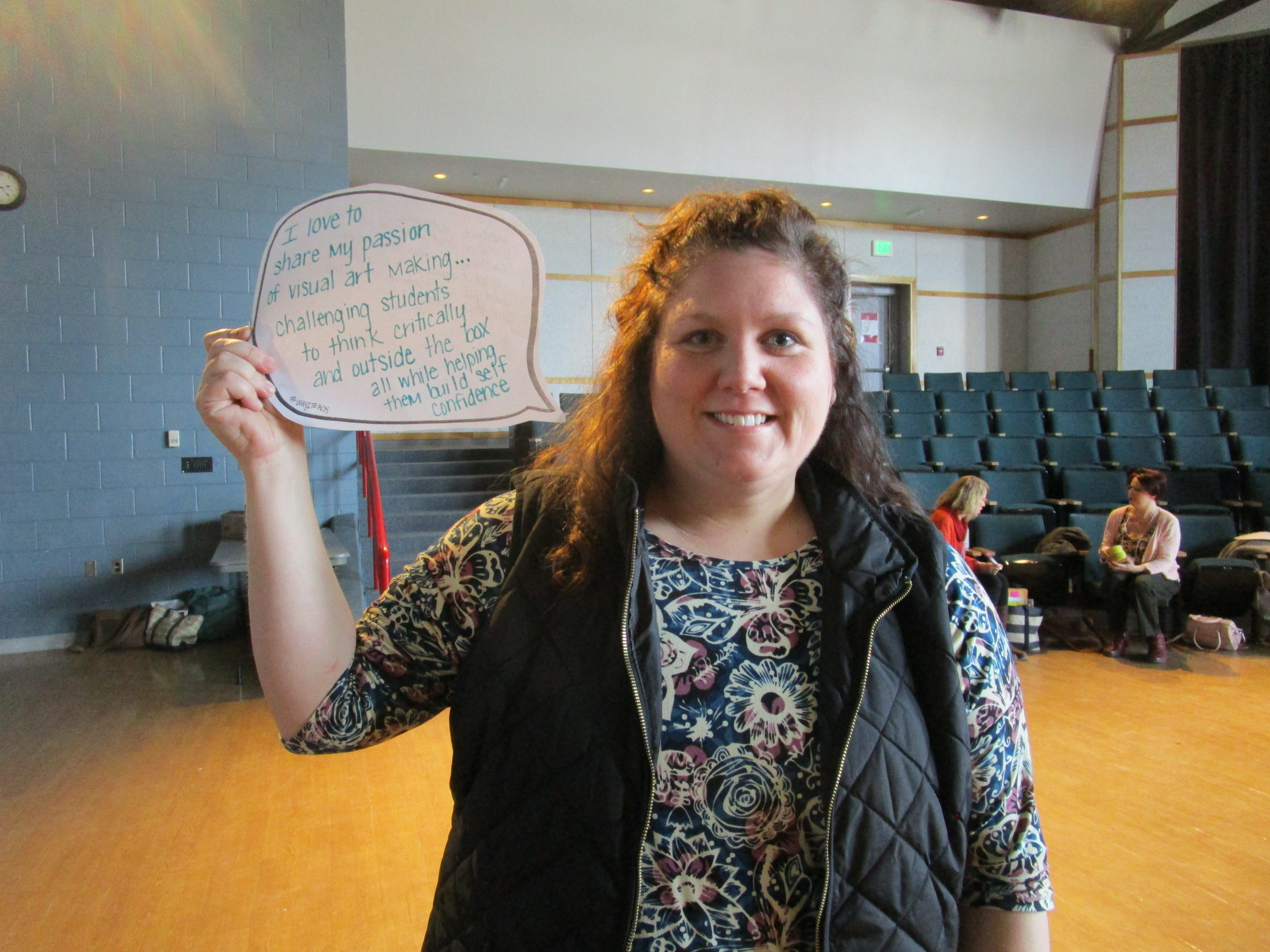
It’s wonderful when I see my students make connections between art & other content areas. I love watching my students take risks in their art and grow as artists. I enjoy being surrounded by young artists and presenting them with opportunities to explore, develop, challenge, and create art. The best part of being an art educator is witnessing a student’s success, as they become and see themselves as artists.

What do you believe are three keys to ANY successful visual and performing arts education?

Three keys to a successful visual arts education program are creativity, perseverance, and collaboration.

  1. First of all, creativity is important because an arts educator is always looking for creative inspiration for new lessons and challenging their students to innovate and take creative risks in their artwork. Art educators also have to be creative in obtaining the resources they need for their art classrooms and for adapting materials and lessons to challenge and meet the needs of all their students.
  2. Perseverance is also key to successful arts education. The process of creating art requires the artist to experiment, revise, and rework their art numerous times. Students need to learn perseverance because students often experience failed attempts in communicating their message or executing their design. By encouraging students and supporting them through the revision process, students learn to persevere and develop a life-long skill. Perseverance not only helps students become artists, it also helps them work through any difficult task they face in school and future careers.
  3. The final key to a successful arts program is collaboration. Seeking and receiving feedback and collaboration is crucial in planning, developing, and creating artwork. When students collaborate they gain insight and new perspectives that they wouldn’t if working in isolation. Collaboration also challenges and inspires an art educator. Collaborating with other educators and community members enriches an art program, providing greater resources and connections that working alone cannot. Collaboration teaches vital 21st century skills that prepare students for life.

How have you found assessment to be helpful to you in your classroom?      

Quality assessment helps me understand how a student is learning and the degree to which they comprehend a concept. It also helps me plan my instruction based on concepts students need more instruction or may have misunderstandings and need clarification. Assessment also provides students feedback on their learning and how they can improve their work. 

What have been the benefits in becoming involved in the Maine Arts Leadership initiative?

MALI has provided me the support, encouragement, and skills I needed to become an arts leader in my school, district, and state. I have the confidence to take creative risks in my teaching. My teaching has improved because of those risks and the collaboration with teachers throughout my district. My professional growth has enabled me to become an arts education leader and mentor to new teachers in my district. Additionally, I have the confidence to share my teaching experiences with other art teachers and receiving constructive feedback. MALI has been a great inspiration. 

What are you most proud of in your career?

I am most proud of the work I’ve done with some of my most challenging students. I love seeing these students grow creatively and find success in art, when they have not been successful in other content areas. As I watch their art confidence grow, I also see their self-esteem improve, and it warms my heart. I know the extra investment and encouragement these students need, is well worth the effort. Every student needs to feel they are good at something. I am proud that I have been able to assist students in finding success in art and also building their self-esteem.

What gets in the way of being a better teacher or doing a better job as a teacher?

The day to day politics of education interfere with being a great teacher. The increasing demands of our time and ever changing policies, hinders educators. The lack of support & funding for the arts from administrators, school boards, community, and legislators, all interfere with being a great teacher.

What have you accomplished through hard work and determination that might otherwise appear at first glance to be due to “luck” or circumstances?

I have spent the last seven years developing an arts curriculum that is engaging and fosters creativity, collaboration, critical thinking, and communication, while connecting the arts to other content areas. It is hard work and requires continuous revisions and alterations, as I teach each group of students. When a well planned and integrated art unit is executed, it seems effortless. However, it requires numerous hours of planning, research, collaboration, and support.

Look into your crystal ball: what advice would you give to teachers?

I would tell them to trust their instincts and take risks. Share your ideas with colleagues and get feedback and support to act on those ideas. Reach out to your community and colleagues throughout the state for resources and support to bring your ideas to fruition.

If you were given a $500,000.00 to do with whatever you please, what would it be?
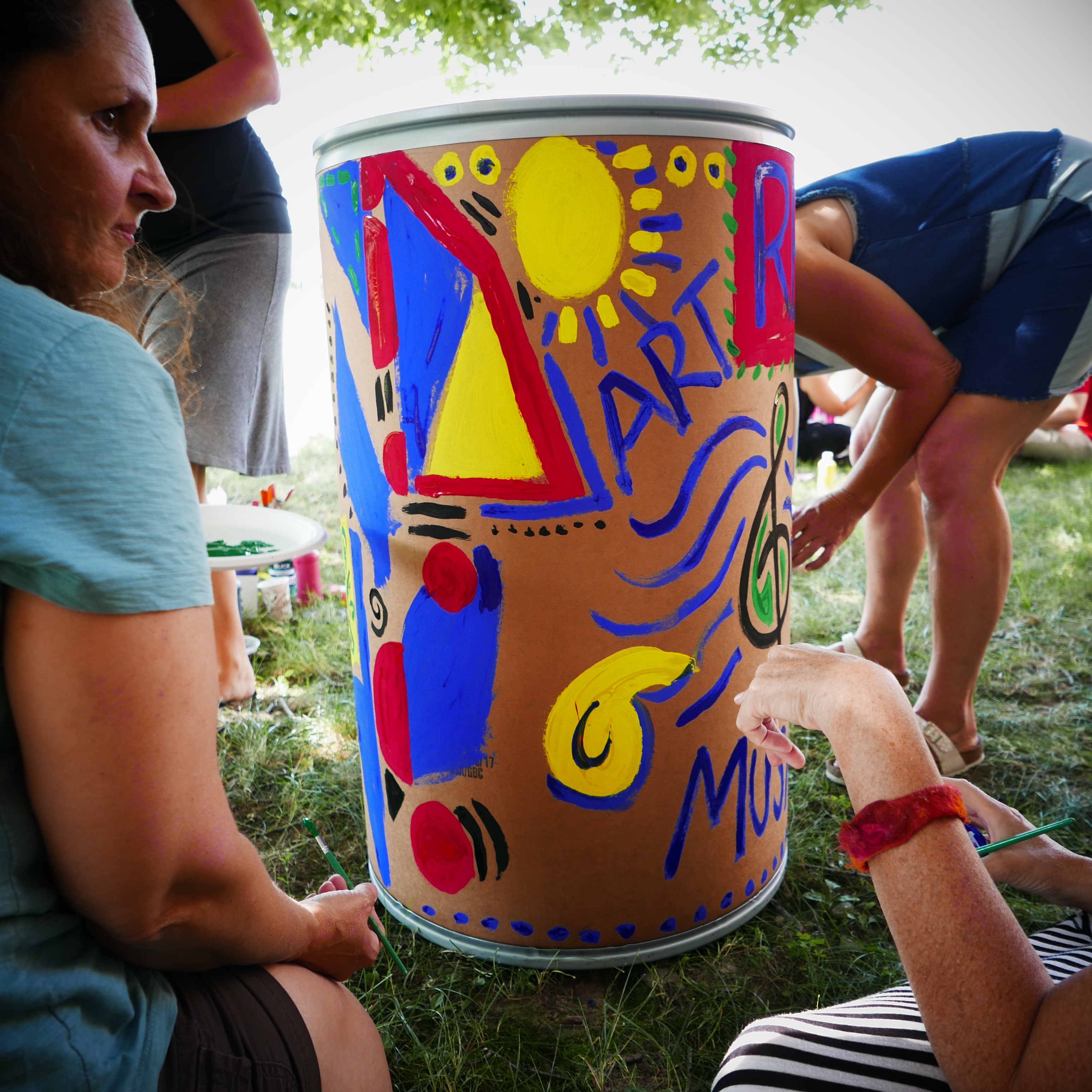
Making drums at the MALI Summer Institute, August 2018

I would take some of the money to build a new art and design studio and gallery at my school. I would also establish a grant that would be available to art teachers to help fund art materials and equipment, field trips, and artists in residence programs throughout Maine.

Imagine you are 94 years old. You’re looking back. Do you have any regrets?

My only regret would be that I didn’t start my teaching career as an Art Educator. Even though I enjoyed the challenges and successes of a Special Education teacher, I wish I would have taught Visual Arts from the beginning. I would still have had the opportunities of teaching students with special needs, but through the arts lens. Teaching art and mentoring young artists has been very rewarding and my only regret is I didn’t start sooner.

h1

MALI Teacher Leader Story: Laura Manchester

May 1, 2018

Visual Art Educator

This is one of several blog posts in 2018 that include stories of the Maine Arts Leadership Initiative (MALI) Phase 7 Teacher Leaders and Teaching Artist Leaders. This series includes a set of questions so you can learn a little bit about each leader. CLICK HERE  for more information on MALI. CLICK HERE  for more information on the 93 Teacher Leaders and 8 Teaching Artist Leaders.  CLICK HERE  for Arts education resources. CLICK HERE  for the MALI Resource Bank. Search in the “search archives” box on the bottom right side of this post for past teacher leader stories.  Thank you Laura for sharing your story!

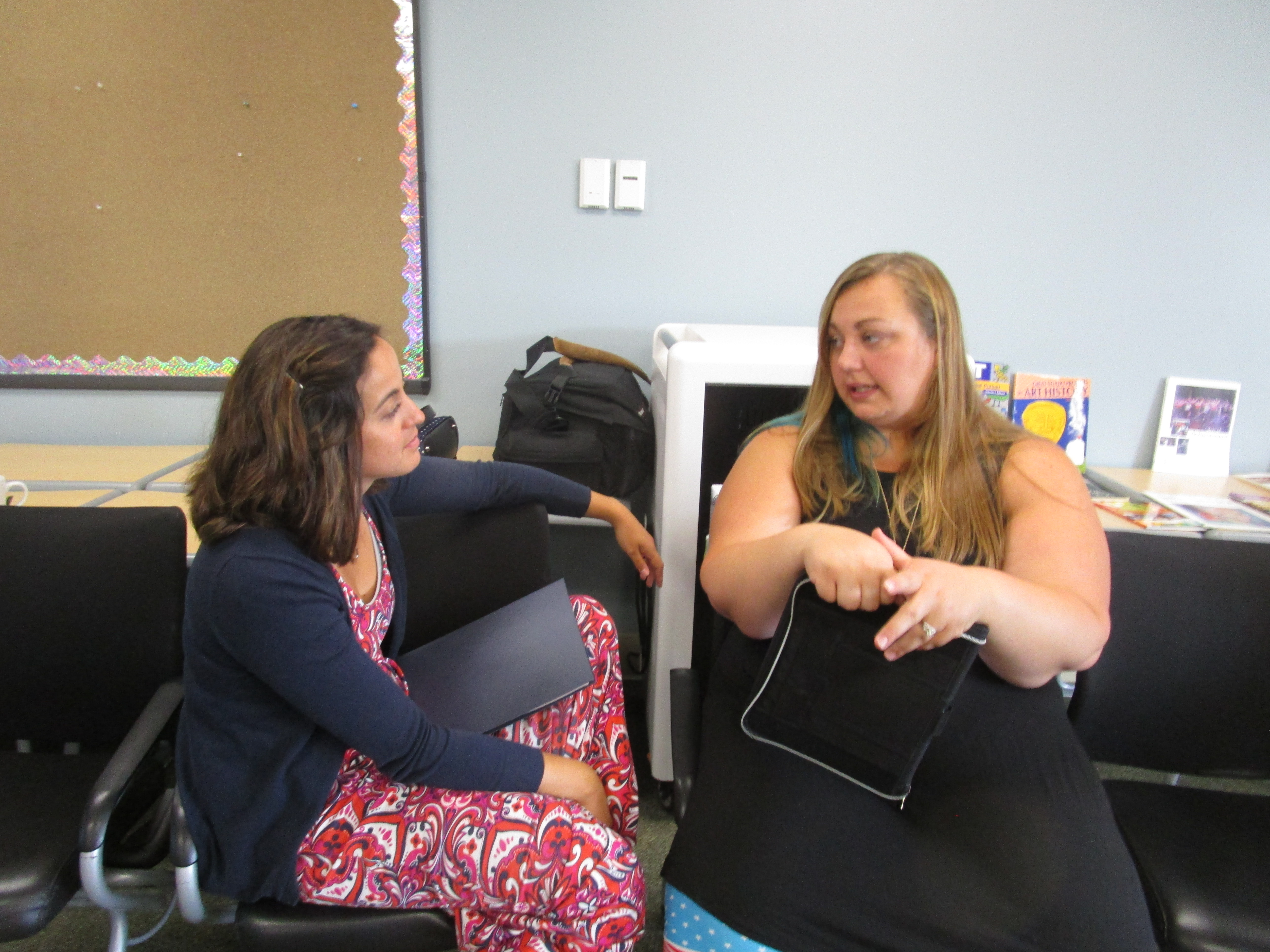
Laura Manchester teaches visual art at Montello Elementary School in Lewiston. She has been teaching the entire school population of just over 750 children, 32 classes a week for 7 years. Laura also teaches the after school art club, 4 days a week for an hour. Each session runs for 6 weeks which includes a rotation of 15 students from grades 1-2 and 15 students from grades 3-6.

What do you like best about being an art educator?

The best part of my job is when teachers bring their classes back to me in a week and tell me that their students made connections between what they’ve learned in my room and what they’ve been learning in their general classrooms. Seeing that art is influential and valid throughout a student’s day is integral to keeping art alive and relevant. It’s very rewarding when the kids can make their own connections, independently.

What do you believe are three keys to ANY successful visual and performing arts education?

  1. Relevance. Keeping what students learn relevant to their world keeps them engaged and excited. It’s natural to want to know WHY you are learning something or how it connects to you.
  2. Consistency in routine. When students know where things are and what to expect, they can focus their energy on learning new things. This doesn’t have to be boring. By having clear, positive expectations you allow students to “own” their experiences and be more adventurous when learning new ideas and processes in the art room.
  3. Get excited. If you’re excited about what you’re teaching, the students will be as well.

How have you found assessment to be helpful to you in your classroom?

Assessment helps me to check what students know and need to learn. By using a variety of summative and formative assessments throughout the year, I can see how close students are to meeting specific overarching curriculum goals and where they need practice or support. I use a lot of student self-assessments to help kids make connections between lessons and curriculum goals.

What have been the benefits in becoming involved in the Maine Arts Leadership initiative?

As the only visual arts teacher in such a large school, it has been difficult to get connected with other arts teachers. By joining MALI, I’ve opened so many more opportunities to collaborate and celebrate my craft. MALI inspired me to try new things in the classroom, refreshed my approach to assessment and overall given me the chance to approach this school year with my best foot forward.

What are you most proud of in your career?

I am most proud of the connections I have made with the school’s community during my time here in my current teaching position. Attendance in after school events is quite low at our school- with only 4 parents participating in our parent-teacher organization and typically less than 50 attendees at any given event. Several years ago I joined our parent-teacher organization and have consistently made calls and had conferences with parents to engage them in what their child is doing in my classroom. I think it is because of this, and because of the genuine interest and excitement that art can bring to people that our annual art show is the best attended event of the year. As I mentioned earlier, many events are not well attended after school. The art show has consistently brought in over 500 attendees for the last 6 years. Those numbers alone are something to brag about- let alone the enthusiasm that parents have when they see the incredible work their children have done. While my work here is exhausting, the connections and results of those connections with families are priceless.

What gets in the way of being a better teacher or doing a better job as a teacher?

Laura works with Jen Nash at the MALI summer institute, August 2017

The number one challenge for me is that our school simply does not have enough arts staff to appropriately accommodate its high volume of students. My schedule is packed at 32 classes a week, some of those classes having students from multiple classrooms crammed in for a single 40 minute block. With this tight schedule, I have limited planning time at school- which is never used for planning but usually a time to catch up on grading, hanging artwork, providing additional time for students to finish their work, etc. This schedule is so exhausting that it truly inhibits what I can do outside of school to continue my own education or continue as an artist. I rarely have time to plan additional fun activities and because of limited staffing elsewhere in the building, I am very limited in the amount of professional development time I can take.

What have you accomplished through hard work and determination that might otherwise appear at first glance to be due to “luck” or circumstances?

In my classroom students are absolutely a joy. I run a tight ship with a lot of student responsibility with materials and procedures. Although many might say it is because I teach a fun subject that students are so responsible and receptive, I believe that it is just as much (if not more) due to the idea that I set high expectations for students and reinforce positive behaviors. Allowing students to “own” the room by providing access to material shelves and student-led responsibilities as well as facilitating student choice is imperative to giving kids a chance at finding a sense of self in a classroom that they only get to visit for 40 minutes, once a week.

Look into your crystal ball: what advice would you give to teachers?

Take the time to reflect on what is truly important about your role in your students’ lives. Messes can be cleaned up, rough days come to an end and eventually all that’s left is the impact of the experiences you gave and allowed to happen while you were there teaching. If nothing else, be able to say that you were kind and allowed something special to happen while you were together.

If you were given $500,000.00 to do with whatever you please, what would it be?

If I was given $500,000.00, I would pay off my student loans and then buy a few groceries. Haha! Just kidding… I would invest in an unused building- probably one with some cool history to it- and design the interior to accommodate a bunch of arts-based classrooms and studios. There would be a gallery and performance space on the main floor. I would run the building to have classes throughout the year for students of all ages to explore and experience different art forms. Classes would be facilitated by local artists, musicians who would teach their craft to the public in exchange for having a free space to showcase their personal works. There would be some sort of annual fundraiser that would help sustain funds to keep the project running and progressing. Oh, the possibilities!!

Imagine you are 94 years old. You’re looking back. Do you have any regrets?

Most definitely: If I live to be 94 years old, I’ll regret not having dessert every day. That’s a lot of wasted ice cream and cake.

h1

MALI Mega Oxford Hills

April 13, 2018

Fabulous learning opportunity

Over 70 PK-12 arts educators and Teaching Artists traveled to Oxford Hills High School in late March to attend the Maine Arts Leadership Initiative conference. The workshops varied greatly and participants had the opportunity to attend three during the day.

Thank you to the Oxford Hills visual and performing arts staff and administrators for providing the space for the conference. One week before the conference we learned that their workshop day turned into a teaching and learning day due to the many snow days. We are grateful that they were still able to make it happen.

Kris Bisson, Kate Smith, Brian Evans-Jones

A huge THANK YOU to visual arts teachers Cindi Kugell and Samantha Armstrong for all of their attention to detail.

Thank you to the following who offered workshops:

  • Cindi Kugell – Bookmaking 101: summative assessment never looked so good!
  • Lindsay Pinchbeck – The Arts and Emotional Intelligence
  • Dorie Tripp – Flexible Grouping Strategies for the General Music Classroom
  • Catherine Anderson – Tableaus of Courage: How to Help Students Engage with Complex Content through Theater
  • Samantha Armstrong – Stars and Stairs
  • Phil Hammett – Creativity
  • Tom Luther – Improvisation Crusader: Improvisation as an Essential Musical Skill
  • Nancy Harris Frohlich – Inspiring Environmental Stewardship Through Visual Arts
  • Lori Spruce and Tim Christensen – Integrating Curriculum: Making it Happen at the High School Level
  • Mandi Mitchell – Looking in the Mirror: The Importance of Student Self-Reflection
  • Brian Evans-Jones and Kris Bisson – Bridging Adolescence: A River Runs Through Us – Composing our Story
  • Jenni Null and Linda McVety – All Aboard for Arts Travel, Full STEAM Ahead!
  • Bronwyn Sale – Teaching Aesthetics and Criticism: Approaches to Standard D
  • Andrew Harris – Creativity and Taking Back the Classroom

Amanda Huotari

In the middle of the day we had the fabulous opportunity to work with and learn from Teaching Artist Amanda Houteri from Celebration Barn Theater.

Participants during Amanda’s session

In June there will be an opportunity for teaching artists. PK-12 arts teachers and teaching artists will have an opportunity to apply to be a leader. Watch the blog and weekly email to learn more.

Dr. Katie Rybakova and Thomas College pre-service teachers

Jan Gill and Jenni Null

Kris Bisson and Brian Evans-Jones presenting

Tom Luther presenting

Mandi Mitchell

Samantha Armstrong and Linda McVety

Teaching artists Tim Christensen, Tom Luther, and Brian Evans-Jones

h1

New England Institute Courses

March 18, 2018

Encountering the Arts, Music assessment, G/T 

  • Encountering the Arts: Choice, Voice and Creativity, (hybrid) taught by Lindsay Pinchbeck – April 7 to June 9, 4.5 CEUs
  • Assessment in the Music Classroom, (online) taught by music educator, Jake Sturtevant – April 2 to June 11, 4.5 CEUs
  • Educating Gifted & Talented Learners, (online) taught by Grace Jacobs – April 2 to June 18, 4.5 CEUs

Encountering the Arts: Choice, Voice and Creativity – April 7 to June 9

You can join Lindsay Pinchbeck, MALI Design Team member, in her very own school, Sweetland School in Hope, and learn some wonderful strategies to incorporate into your classroom right away. Sweetland School is s a project based elementary program inspired by the Reggio Emilia approach. Drama, Movement, Music, Poetry, Storytelling, and Visual Arts will be integrated across content areas: Math, Science, Social Studies, Reading and Writing.

Work with colleagues, build relationships, and ask questions of the professor, in person, for two Saturdays and have the convenience of doing the rest of the coursework online. Encountering the Arts: Choice, Voice and Creativity is one such hybrid course.

Assessment in the Music Classroom – April 2 to June 11

This online course taught by music educator and MALI Design Team member Jake Sturtevant provides looking closely at assessment practices through a collaborative and fine-tuned lens. It can provide unique opportunities for growth. Connecting new assessment practices to instruction can bring exciting changes to how we approach our students and their learning.

Participants will discuss how best to apply recent music assessment work to their own unique situations in their own school music programs. This will lead them to create a personalized plan for implementing new strategies. Assessment in the Music Classroom will provide a great opportunity to look closely at assessment practices.

Educating Gifted & Talented Learners

This introductory course provides foundational information relating to the field of gifted and talented education (i.e. history, laws, etc.), details characteristics of gifted students from various populations, describes how such students are identified and assessed, and presents up-to-date, research-based pedagogy relating to curriculum design and instruction.

It may be applied toward the 690 (Gifted & Talented) endorsement for the State of Maine teachers. Join Grace Jacobs for this Educating Gifted & Talented Learners online course.

If you have questions contact Catherine Ring, Executive Director, New England Institute for Teacher Education.

h1

MALI Winter Retreat

March 14, 2018

Amazing opportunity to learn and exchange

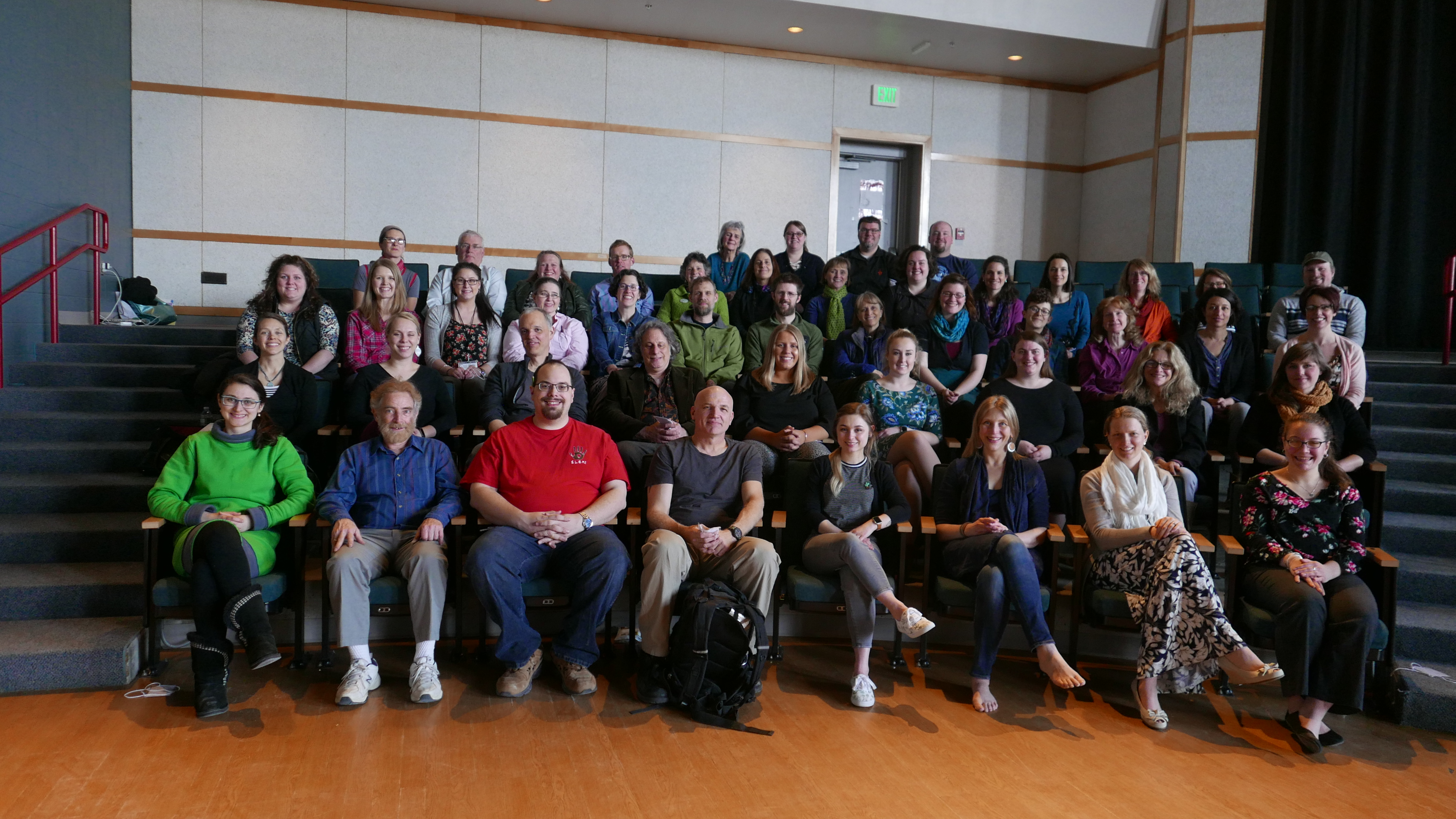
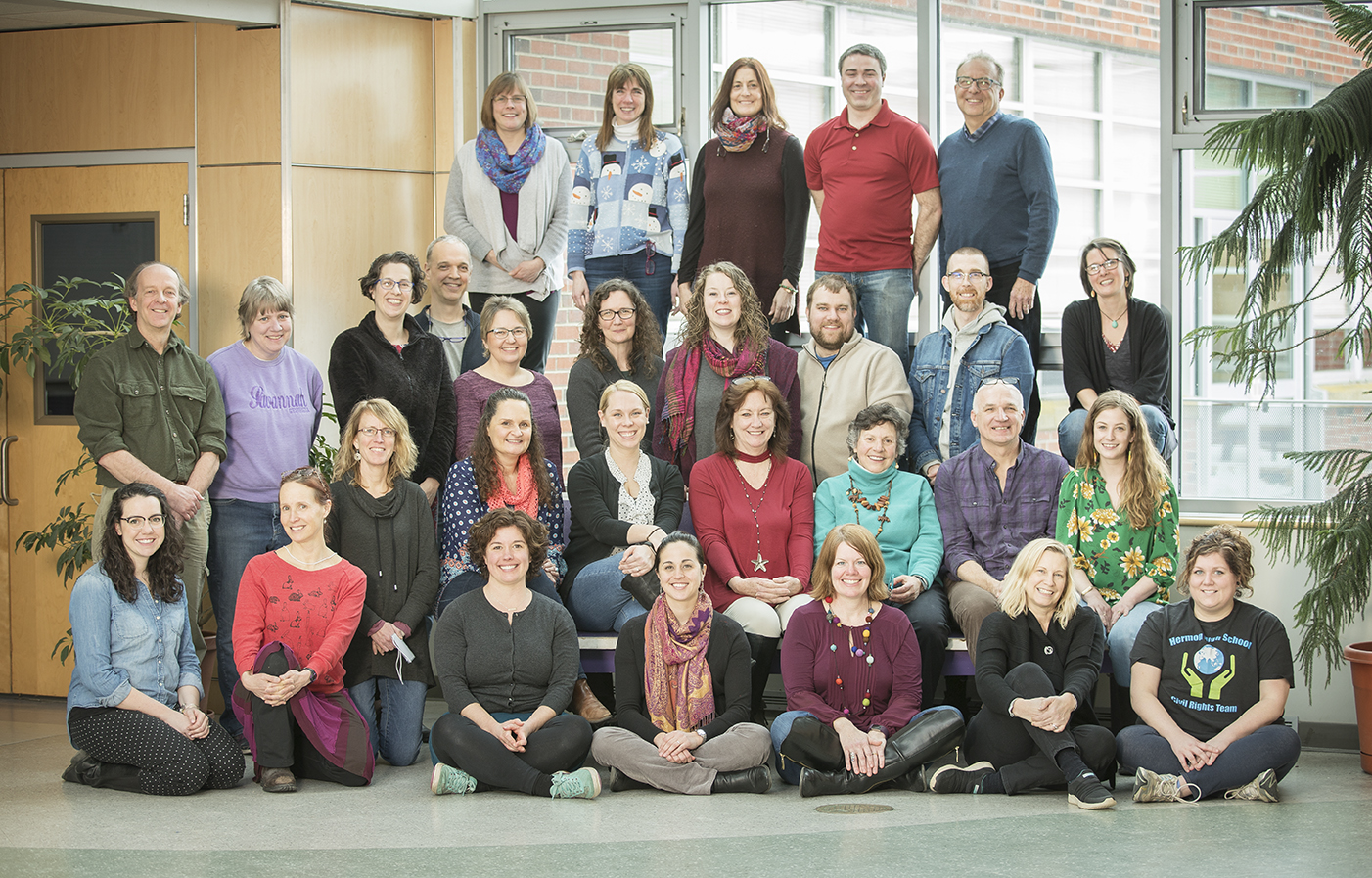
Winter Retreat participants. photo credit: Chris Pinchbeck

Thirty Teacher Leaders and Teaching Artist Leaders met last Saturday for the Maine Arts Leadership Initiative (MALI) winter retreat. It was a great opportunity to gather with friends and colleagues from across Maine.

PURPOSE

    • To provide an opportunity for the MALI community to come together to listen to and learn from each other
    • To review the work that has taken place during the phase underway
    • To address ideas and the latest topics in education/research and respond to timely issues relevant to Maine teachers
    • To provide information and/or context for participants 
    • To consider topics for the next phase of MALI

We accomplished the above and a whole lot more. There is nothing that compares to coming together with visual and performing arts teachers who have so much in common. So many topics to discuss and listen to what each person has to offer. “Getting off our islands” and coming together with “our community” on a winter day in March is refreshing!

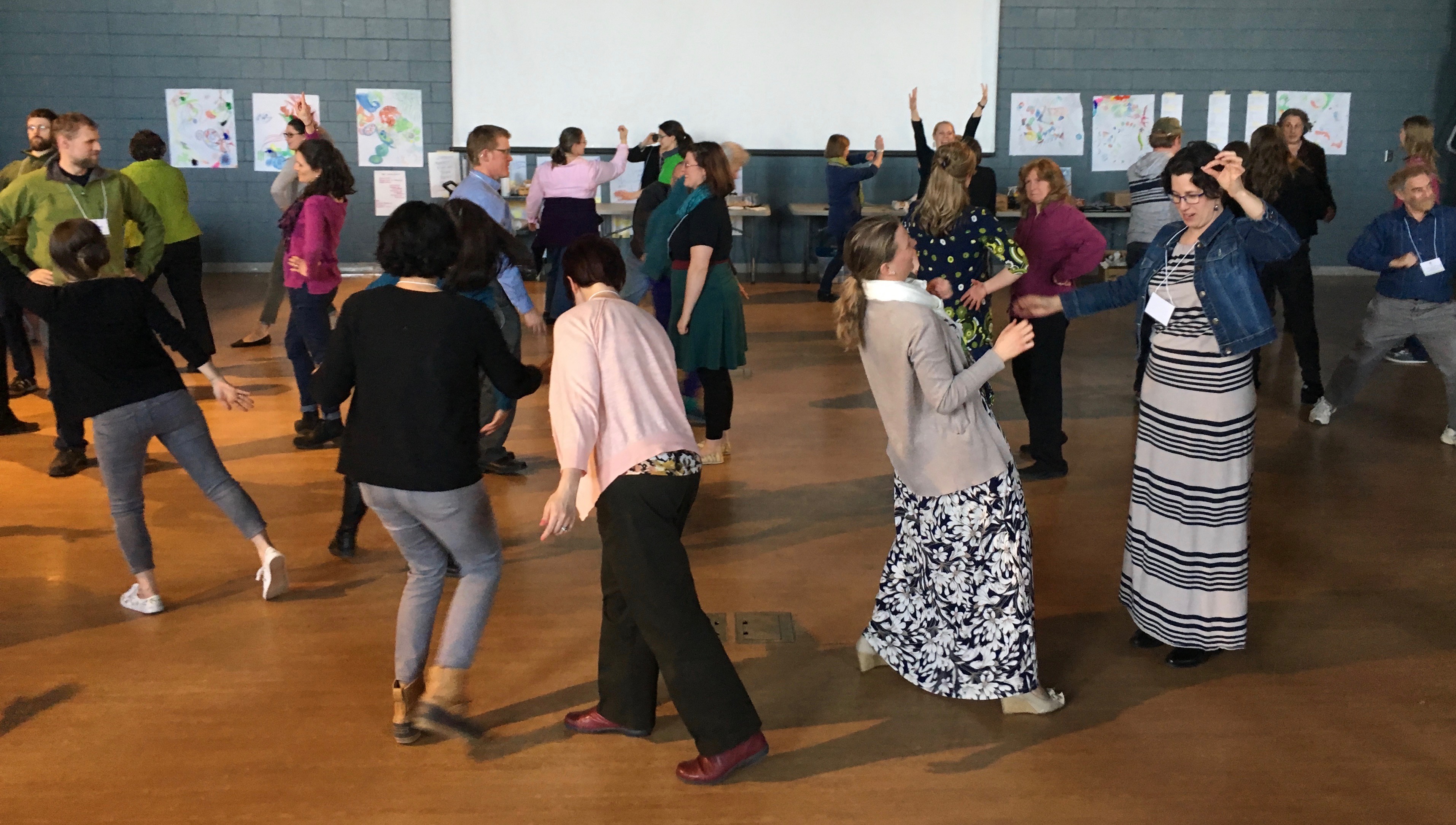
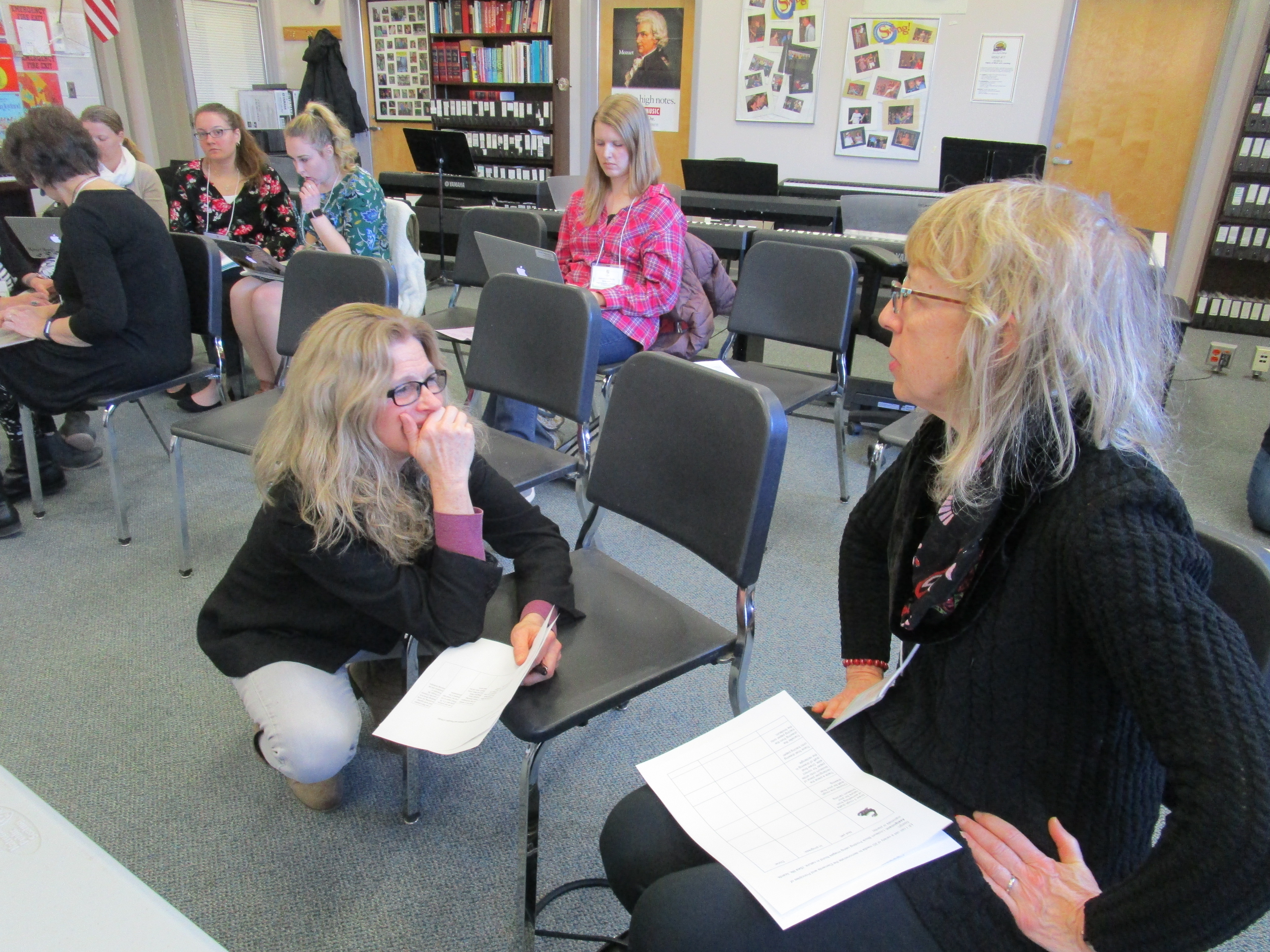
The agenda was filled with art making from the Growth Mindset opening session to the finishing session that concluded with a meditative heart exercise.

HIGHLIGHTS

  • Growth Mindset review and revisit with Lindsay Pinchbeck
  • MALI This We Believe statements review
  • MALI collaboration with art teacher Hope Lord and music teacher Dorie Tripp
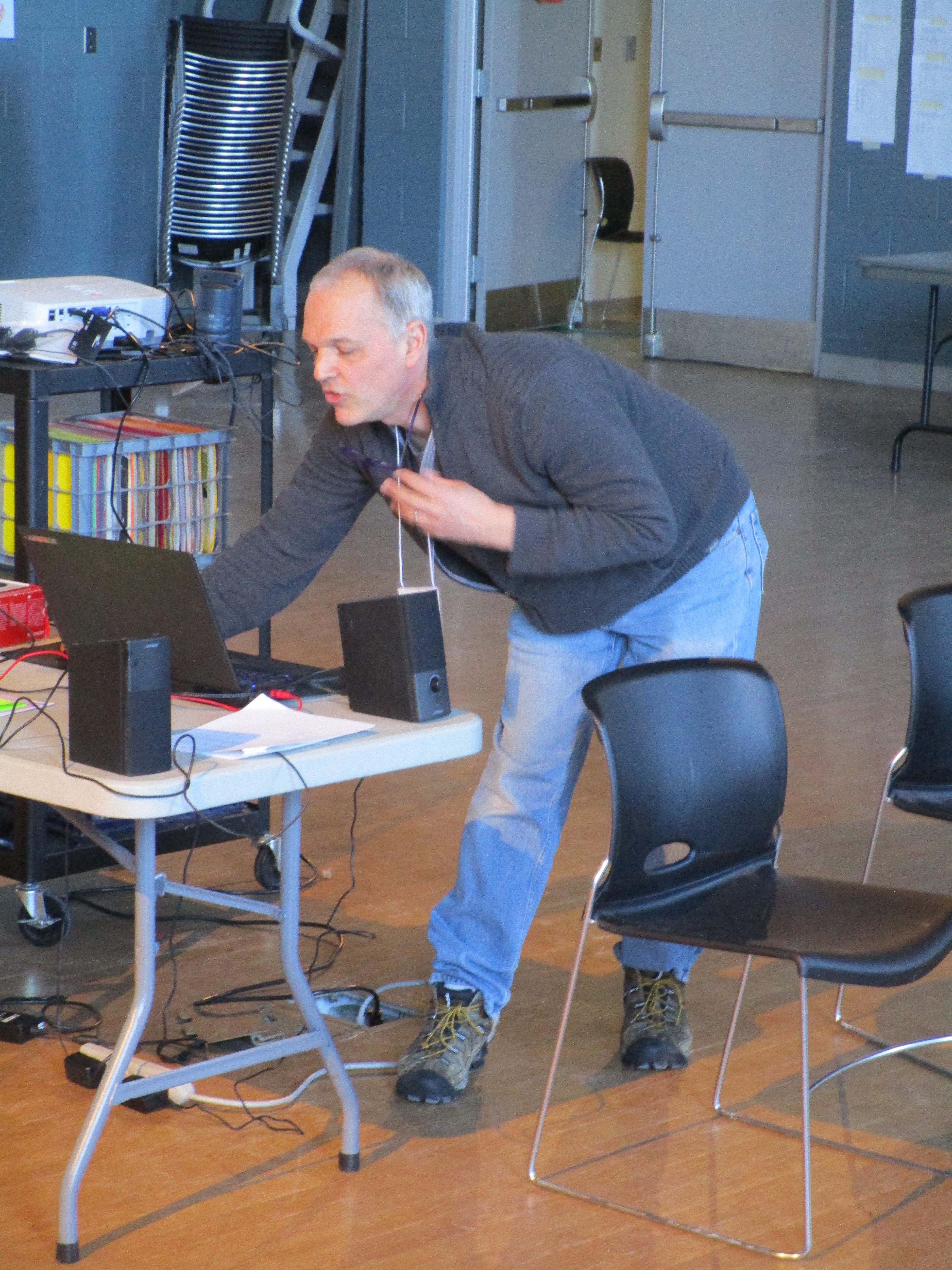
  • Ukulele’s with music teacher Kate Smith
  • Update on Proficiency Based from Department of Education Diana Doiron
  • Looking ahead and considering ideas for Phase 8

If you are considering applying to be a Teacher Leader or a Teaching Artist Leader for MALI in Phase 8, please send an email to me – argy.nestor@maine.gov stating your interest. Applications will be available in May 2018.

h1

In Today’s News

March 4, 2018

Maine rethinks giving diplomas only to students who demonstrate proficiency in key subjects

Portland Press Herald written by Noel K. Gallagher, March 4, 2018.

h1

VPA Specialist Postion

December 22, 2017

Maine Department of Education

JOB DESCRIPTION

This is professional services work involving regional and statewide implementation of Maine’s education standards for visual and performing arts education PreK-12, school improvement efforts and related education initiatives. The position provides PreK-12 visual and performing arts education leadership and expertise to organizations and educators statewide in curriculum, instruction and assessment through provision of professional development opportunities and technical assistance. The position may be assigned to lead other state and federal programs.  Work is performed in collaboration with other members of the Maine DOE and is executed under limited supervision.  Extensive use of technology, statewide/national travel and field assignments are required.

The position also serves schools and school districts within an assigned region through customer service, brokering technical assistance and providing a communications link for the Maine DOE’s continuous improvement process.  Primary responsibilities include developing ongoing interaction with school personnel and community representatives within an assigned superintendents’ region; serving as the Maine DOE representative and key contact for requests, information, and questions from within the region; providing or brokering professional development opportunities, technical assistance and other services to enhance teacher effectiveness and student and school performance; assisting districts with the implementation of the state education standards and associated assessments; promoting the Commissioner’s education initiatives within the region; and serving as the Commissioner’s representative and liaison in the region.

KNOWLEDGE, SKILLS, AND ABILITIES REQUIRED

  • Knowledge of current learning research, exemplary general educational practices and PreK-12 visual and performing arts content and instructional knowledge.
  • Knowledge of community involvement issues in education policy decisions and educational operations.
  • Knowledge of school improvement, Maine DOE strategic initiatives, systems-change concepts, student centered practices, and tools to support learning especially in the area of PreK-12 visual and performing arts education.
  • Knowledge of large scale and formative assessment development and administration in PreK-12 visual and performing arts education.
  • Knowledge of current and emerging state and federal legislation, rules and regulations impacting education.
  • Knowledge of and experience with Maine’s education standards (Learning Results), the process of implementing standards and current and emerging trends for PreK-12 visual and performing arts including national standards development initiatives.
  • Knowledge of performance-based and standards-based educational systems.
  • Knowledge of systemic change principles.
  • Knowledge of computer software and hardware systems, including networking.
  • Knowledge of Total Quality Management concepts, practices and tools and productivity measures.
  • Knowledge of documentation strategies.
  • Knowledge of alternative assessment, developmental education and experimental learning.
  • Ability to facilitate groups and use exemplary interpersonal skills; establish and maintain positive collaborative working relationships; effectively manage multiple projects and provide quality service.
  • Ability to integrate PreK-12 visual and performing arts with other Maine DOE teams such as Special Education, Assessment and Accountability, Certification and Learning Through Technology.
  • Ability to assist organizations with systemic change strategies/organizational development.
  • Ability to communicate effectively orally and in writing and use technology for work and learning.
  • Ability to write clearly and effectively in a team environment to problem solve.
  • Ability to use computer technology for word processing, data applications, telecommunication (email, webinars, faxing) and internet searches.
  • Ability to design and implement innovative approaches to school improvement and to student and teacher learning.
  • Ability to analyze and interpret research and data and to integrate divergent ideas to solve problems and make decisions.
  • Ability to apply and facilitate group dynamics and to use exemplary interpersonal skills.
  • Ability to manage projects.
  • Ability to establish and maintain effective working relationships and customer service.
  • Ability to interact effectively with peers and customers.

 MINIMUM QUALIFICATIONS

Licensing/Registration/Certification Requirements (please list):  Position in this classification requires a specific certification and/or ability to obtain a certification in visual and performing arts education. Additionally, a Bachelor of Arts/Science degree in Education, Human Resource Development, Psychology or a related field and 5 years of experience as an education practitioner. A Master’s degree in an education related field may be substituted for 2 years of educational experience.

BENEFITS

The value of State’s share of Employee’s Retirement:  15.12% of salary for BU positions.  The value of State-paid Dental Insurance:  $13.13 biweekly.  The value* of State-paid Health Insurance:

  • Level 1:  100% State Contribution (employee pays nothing):  $427.57 biweekly
  • Level 2:    95% State Contribution (employee pays 5%):  $406.19 biweekly
  • Level 3:    90% State Contribution (employee pays 10%):  $381.84 biweekly
  • Level 4:      85% State Contribution (employee pays 15%):  $363.43 biweekly

*The level of the actual value of state paid Health Insurance will be based on the employee’s wage rate and status with regard to the health credit premium program.

Code: 3032                  Pay Grade: 28 – $45,760.00– $68,556.80

HOW TO APPLY

Please submit a cover letter, resume, and Direct Hire Application. This job posting and a Direct Hire application can be found on the Maine DOE website at

APPLICATIONS MUST BE RECEIVED OR POSTMARKED BY

Wednesday, January 31, 2018

MAIL APPLICATIONS TO

Mindy Hansen, HR Generalist, General Government Service Center, 74 State House Station, Augusta, ME 04333-0074. 207.624.7430 (T) 207.287.4032 (F)

OR EMAIL APPLICATIONS TO dafsdirecthire@maine.gov


h1

Music Assessment and Technology Courses

August 23, 2017

Jake Sturtevant and Barb Vinal, instructors for NEI

The New England Institute for Teacher Education is offering two courses that arts educators may be interested in taking. Refining Assessment in the Music Classroom taught by music educator Jake Sturtevant and Technology for Educators taught be former Maine music educator Barb Vinal. Learn about the courses, registration for them, and about Jake and Barb.

EDPO 540: Refining Assessment in the Music Classroom (Online)

COURSE DESCRIPTION

Looking closely at our assessment practices through a collaborative and fine-tuned lens can provide unique opportunities for growth. Connecting new assessment practices to our instruction can bring exciting changes to how we approach our students and their learning. Participants will discuss how best to apply recent Music assessment work to their own unique situations in their own school music programs. This will lead them to create a personalized plan for implementing new strategies.

COURSE OBJECTIVES

Upon successful completion of this course, educators will be able to:

  • Articulate recent trends in assessment and clear connections to their own classrooms.
  • Develop and implement a personalized plan of instruction and assessment in their own classrooms.
  • Network ideas, resources and strategies with other music and arts colleagues in the field.
  • Develop a meaningful approach to ongoing analysis and modification of their own instructional practices.
  • Demonstrate a clear connection between music assessment and music advocacy in their own schools and communities.

This is an online course and the instructor will set up video conference meetings with students. To register CLICK HERE. This course satisfies a requirement for re-certification by the Maine Department of Education.

Instructor, Jake SturtevantThis course is taught Jake Sturtevant who was born and raised in Maine by a musical family. He is a prolific composer, performer, and music educator. His compositions encompass a variety genres and media including jazz, funk/fusion, vocal, chamber music, orchestral, electronic, and multi-media works.  Jake currently is a music educator at Falmouth High School. He is the former music director at Bonny Eagle High School, in Standish Maine and was music educator at Washington Academy in East Machias, Maine, Teaching Assistant of the Composition department at the University of Minnesota, and he has worked as an intern and as an independent contractor for the Maine Arts Commission.  Jake has been interested in acquiring and changing his teaching and assessment practices to focus on standard based grading. He has had the opportunity to be part of the Maine Arts Leadership Initiative  formally know as the Maine Arts Assessment Initiative, and has taught a variety of workshops at since the initiative started in 2011. He is continually inspired by other teachers around the state and the country who have found a variety of assessment practices that help students achieve practical goals that will help them progress, while not stifling their creativity. Jake holds degrees from the University of Maine at Augusta’s Jazz and Contemporary music program (B.A., Music, 2003), and the University of Minnesota (M.A., Composition 2005), where he studied with Dr. Judith Lang Zaimont. Beyond his profession Jake enjoys his time with his family, and all outdoor activities especially hiking and skiing.

EDE 325: Technology for Educators

This online course is currently offered for 4.5 Continuing Education Units 

Course Description

In the 21st century, it is imperative that teachers keep up to date with technology tools for teaching and learning. This course will help educators best serve their students by learning how to use popular tech tools to help facilitate and inspire student learning and creativity. Exploration of technology applications (including Google apps) as well as the development of an online Personal Learning Network to include social media and bookmarking make the course relevant to individual educator needs and is designed to encourage continued learning beyond the course. Participants will develop a digital toolbox to help manage classroom lesson plans, schedules, and assessments and will enhance effective communication with students, administration and parents. This course helps educators to meet some of the ISTE (International Society for Technology in Education) Competencies for Educators.

Materials Required:

  • Ability to connect to the Internet – high speed connection preferred.
  • Current browser such as Google Chrome or Mozilla Firefox.

Prerequisites

Course Objectives

  • Facilitate and inspire student learning and creativity
  • Design and develop digital age learning experiences and assessments
  • Model digital age work and learning
  • Promote and model digital citizenship and responsibility
  • Engage in professional growth and leadership

To register CLICK HERE.

Barbara Vinal holds a Masters in Technology Educationfrom Lesley University, a Bachelors in Music Education from the University of Massachusetts at Lowell and holds a certificate in online instruction through the Carolina Online Teacher program (COLT) through LearnNC, a program of the UNC School of Education. She is currently an Instructional Technology Facilitator and Magnet School Coordinator for the Wake County Public School System in Raleigh, NC. She has been an educator in Maine, New Hampshire, NC and Texas for over 30 years. Mrs. Vinal was a member of the Maine Department of Education Learning Results Review Committee in 2007, which developed the Maine state standards in Visual and Performing Arts. She has presented sessions at multiple conferences on technology integration in the classroom, assessment techniques and in developing standards-based curricula and served on the Maine Arts Leadership Initiative Leadership Team.
h1

MALI Summer Institute: Day 2

August 4, 2017

Wowzer!

Kate Cook Whitt

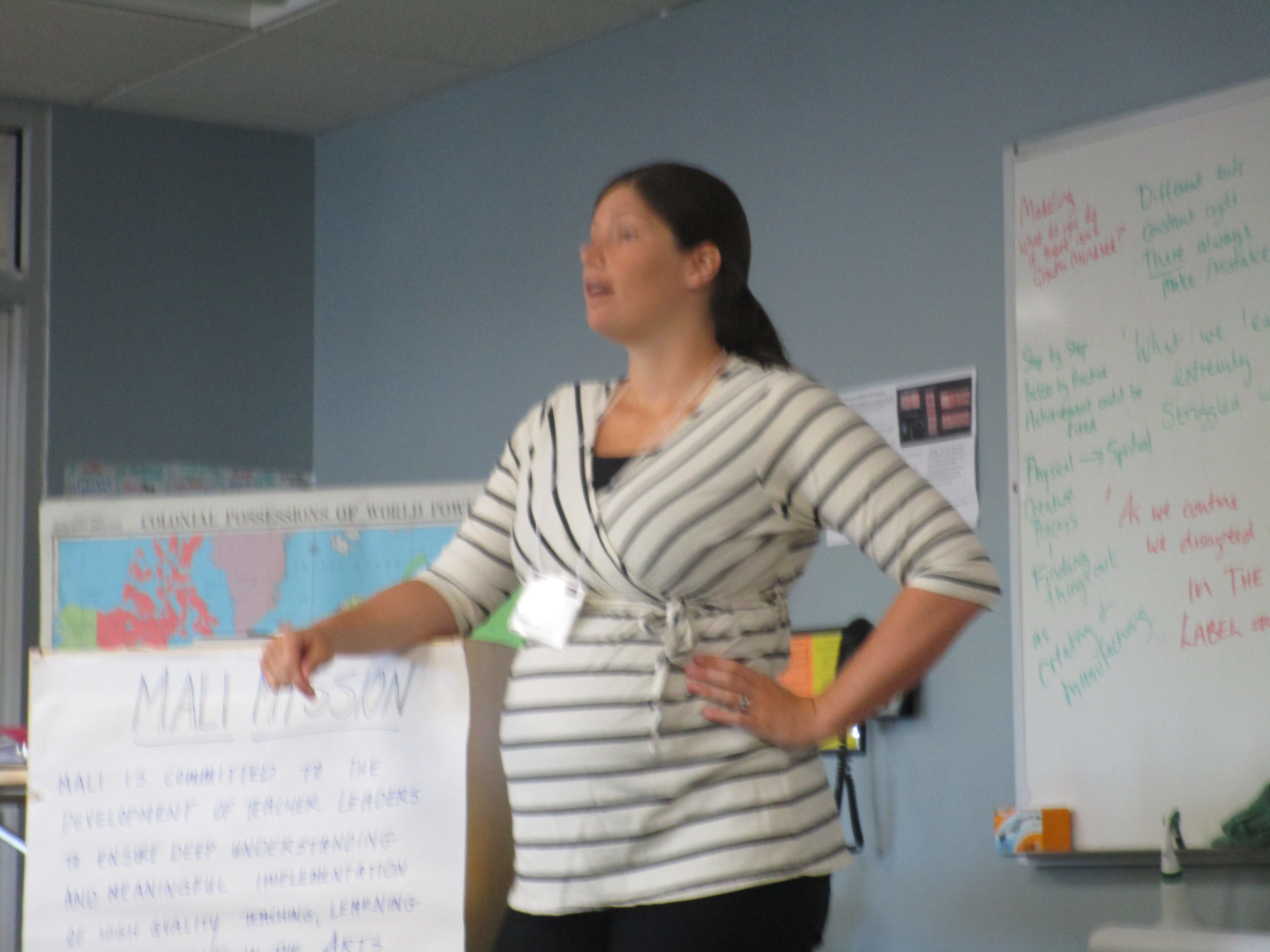
Day 2 kicked off with an amazing STEAM presentation from Kate Cook-Whitt. The opening was titled This is your Brain on Art: Neuroscience and the Arts  – “Examining the World Through Different Lenses: Art and Science”. Kate is an Assistant Professor of Education at the Center for Innovation in Education (CIE) at Thomas College. Participants agreed that Kate’s presentation was outstanding!

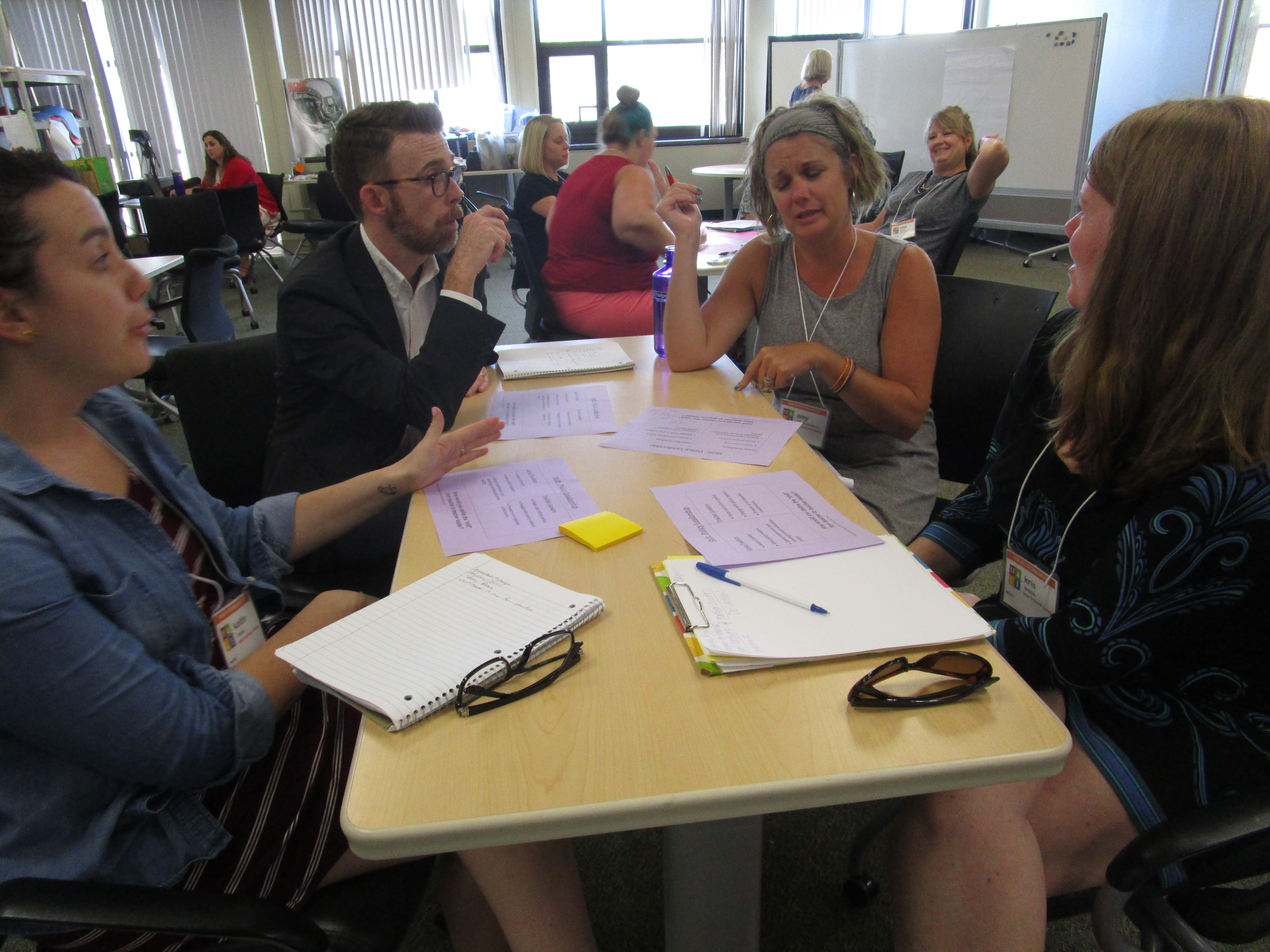
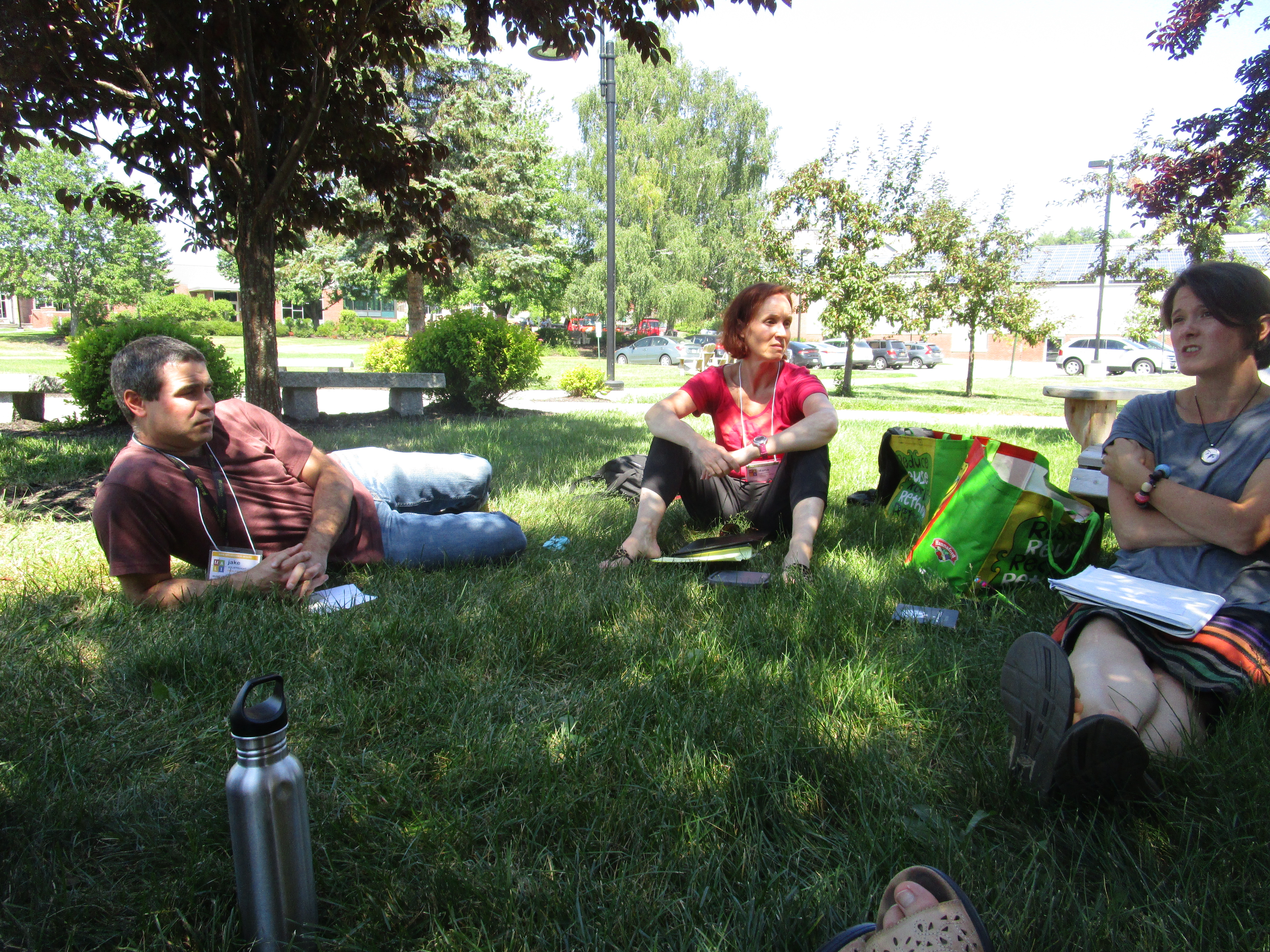
Teacher Leaders participated in several great mini-sessions, some led by teacher leaders and teaching artists leaders themselves including:

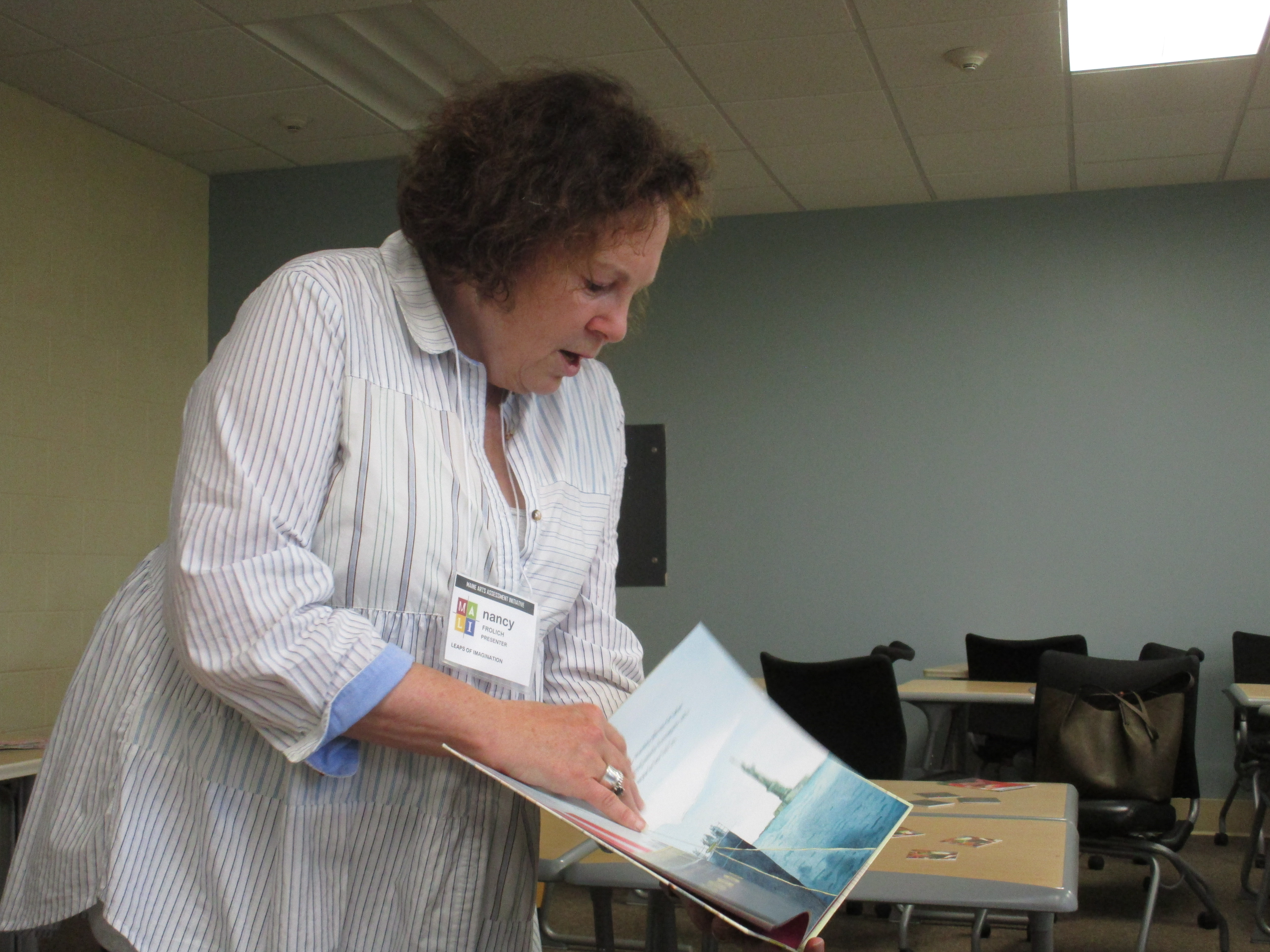
  • Nancy Frolich, Social Justice mini-lesson

    Social Justice and the Power of the Arts with Nancy Frohlich from Leaps of Imagination

  • 7 Strategies of Assessment with Jeff Beaudry from USM and visual art teacher leaders Holly Leighton and Samantha Armstrong

  • National Board Certification with visual art teacher leader Danette Kerrigan

  • Connecting the STUDIO HABITS of MIND to the NATIONAL STANDARDS in the Visual Arts classroom with visual art teacher leader Jane Snider

  • Things Into Poetry session with Brian Evans-Jones

    Things Into Poetry with poet teaching artist leader Brian Evans-Jones

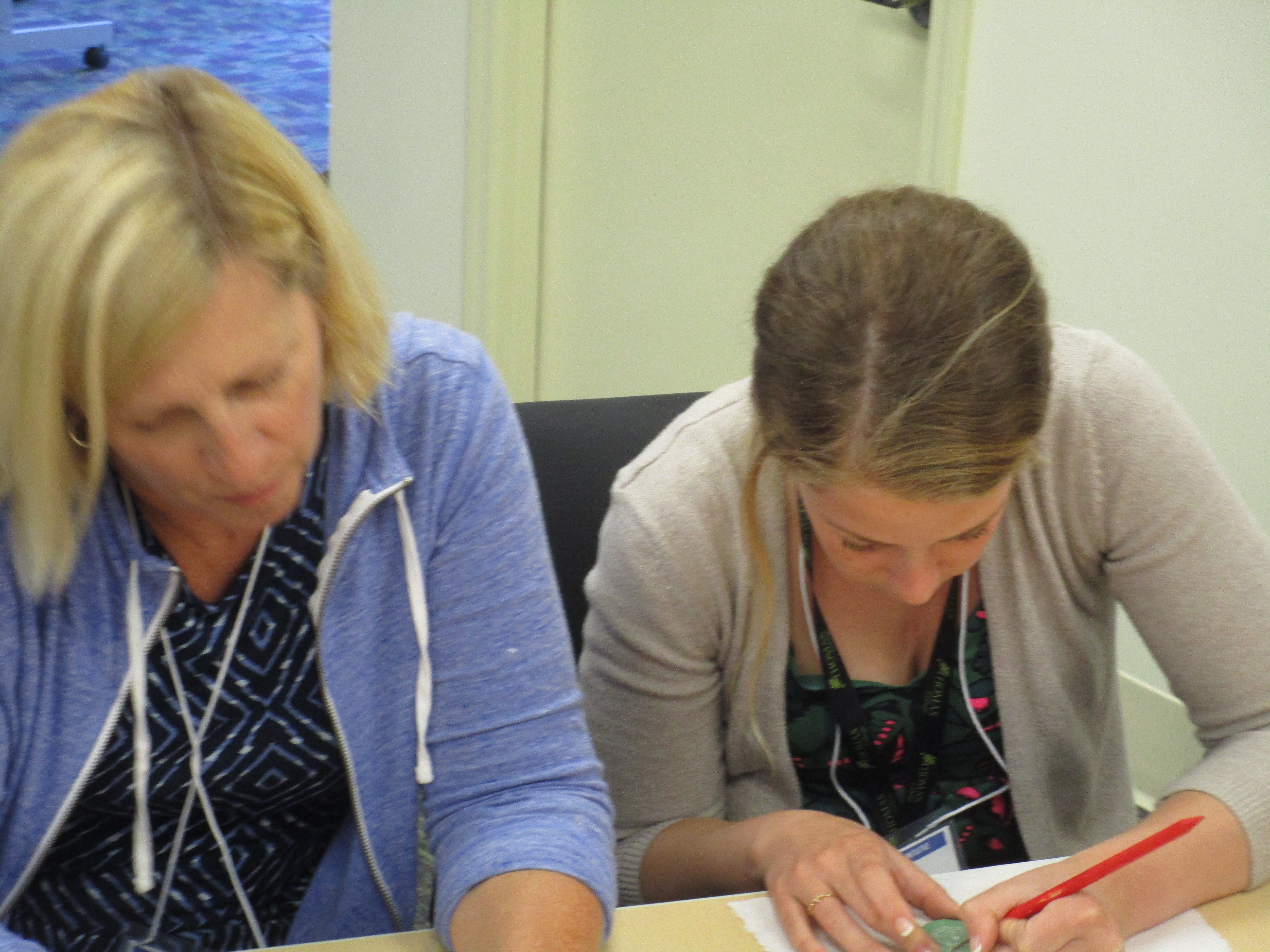
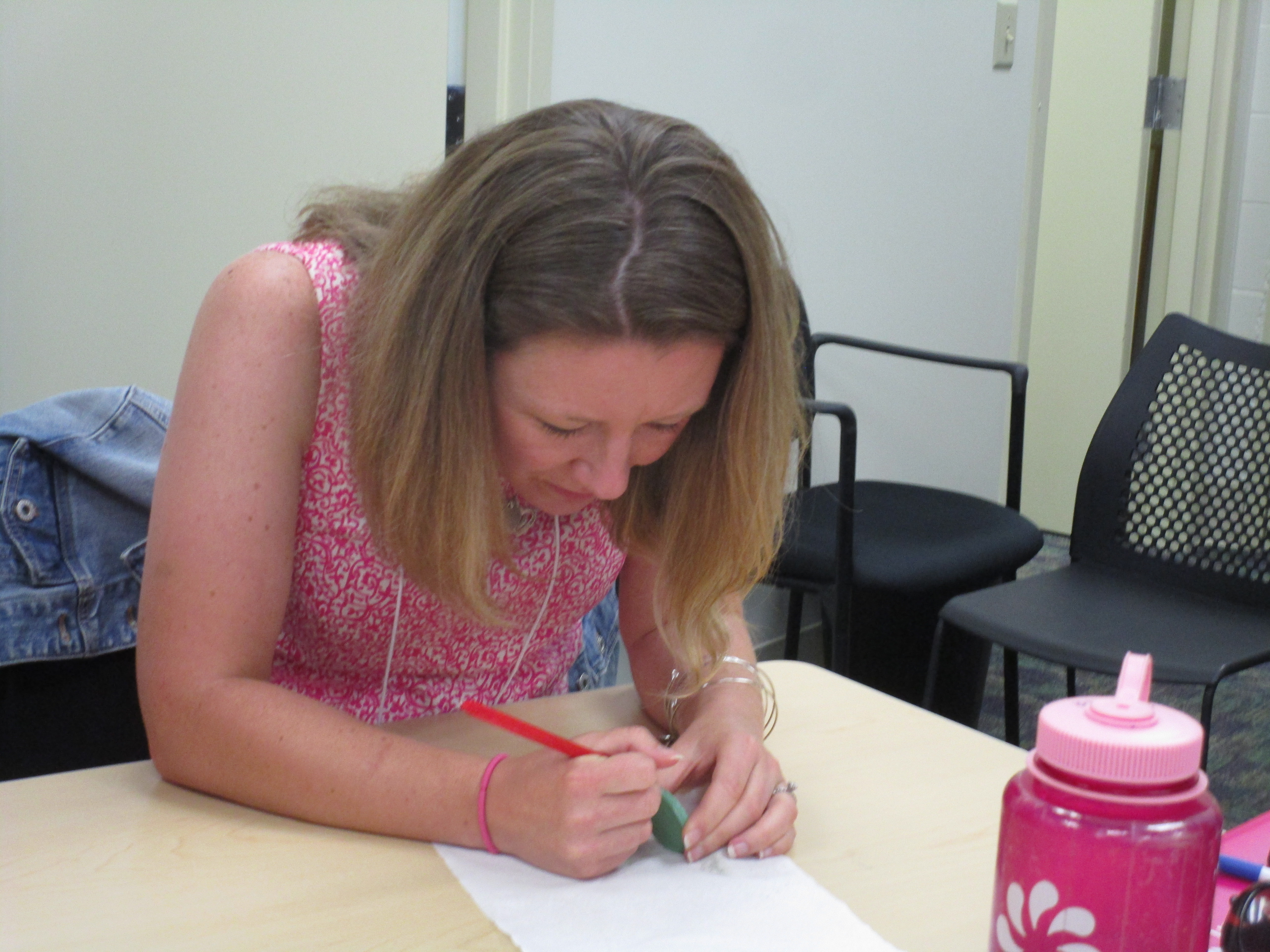
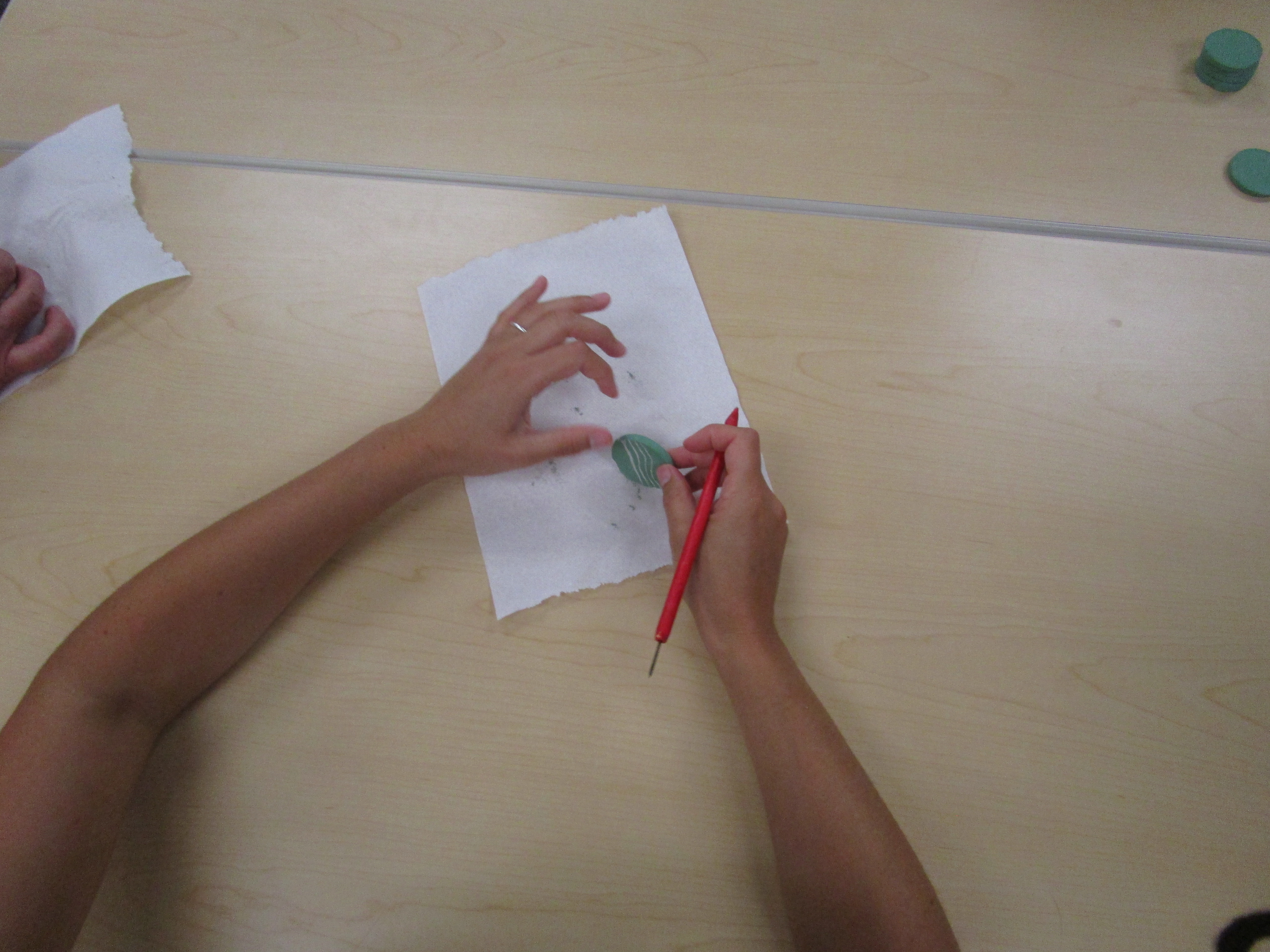
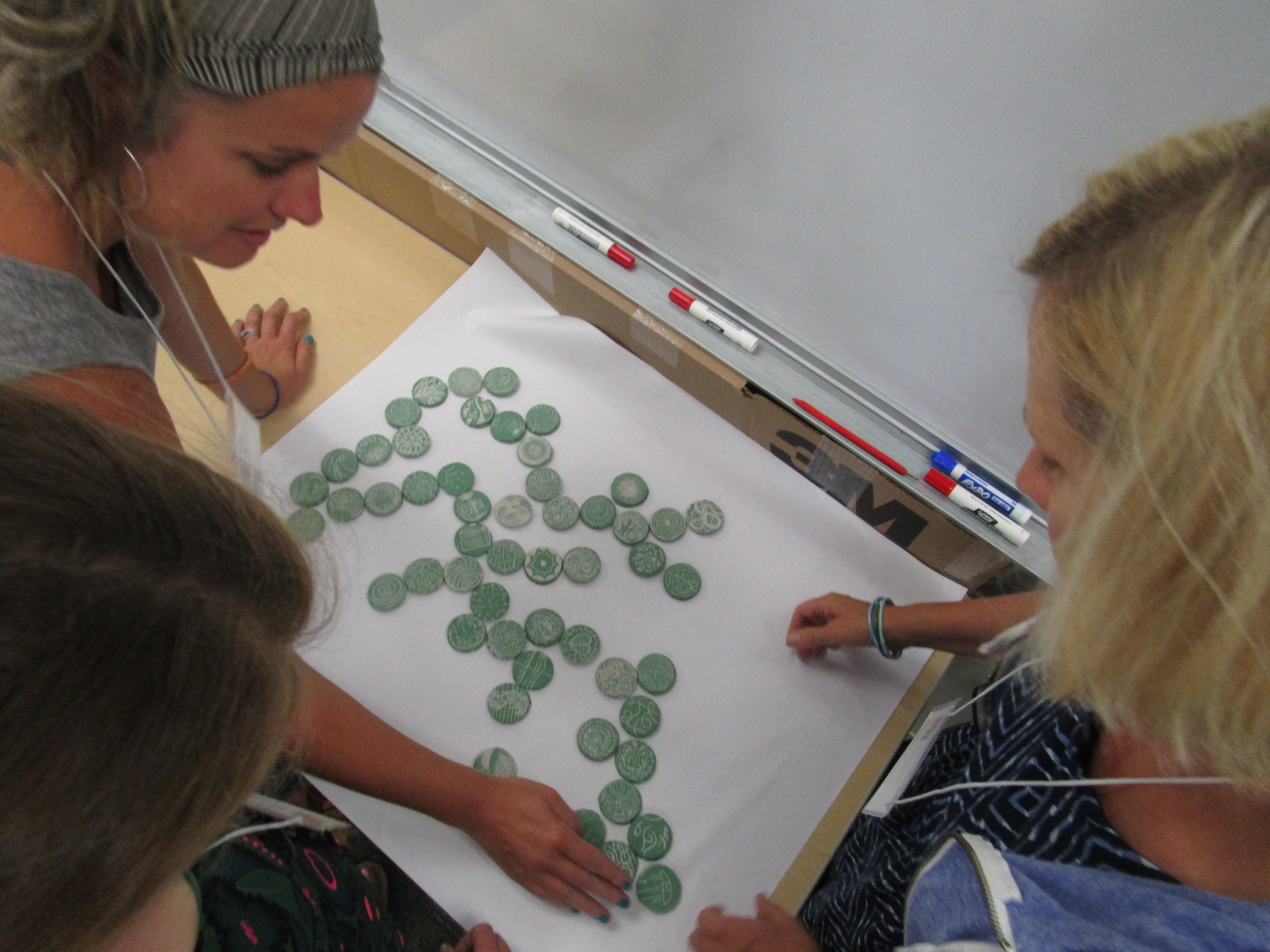
In addition Bronwyn Sale and John Morris provided a session called Teaching for Creativity. The afternoon brought all three strands together (teaching artist leaders, new PK-12 teacher leaders and returning PK-12 teacher leaders) for a session with teaching artist leader and potter Tim Christensen. We engaged with a small medallion of clay using the process Tim is so in tune with: sgraffito.

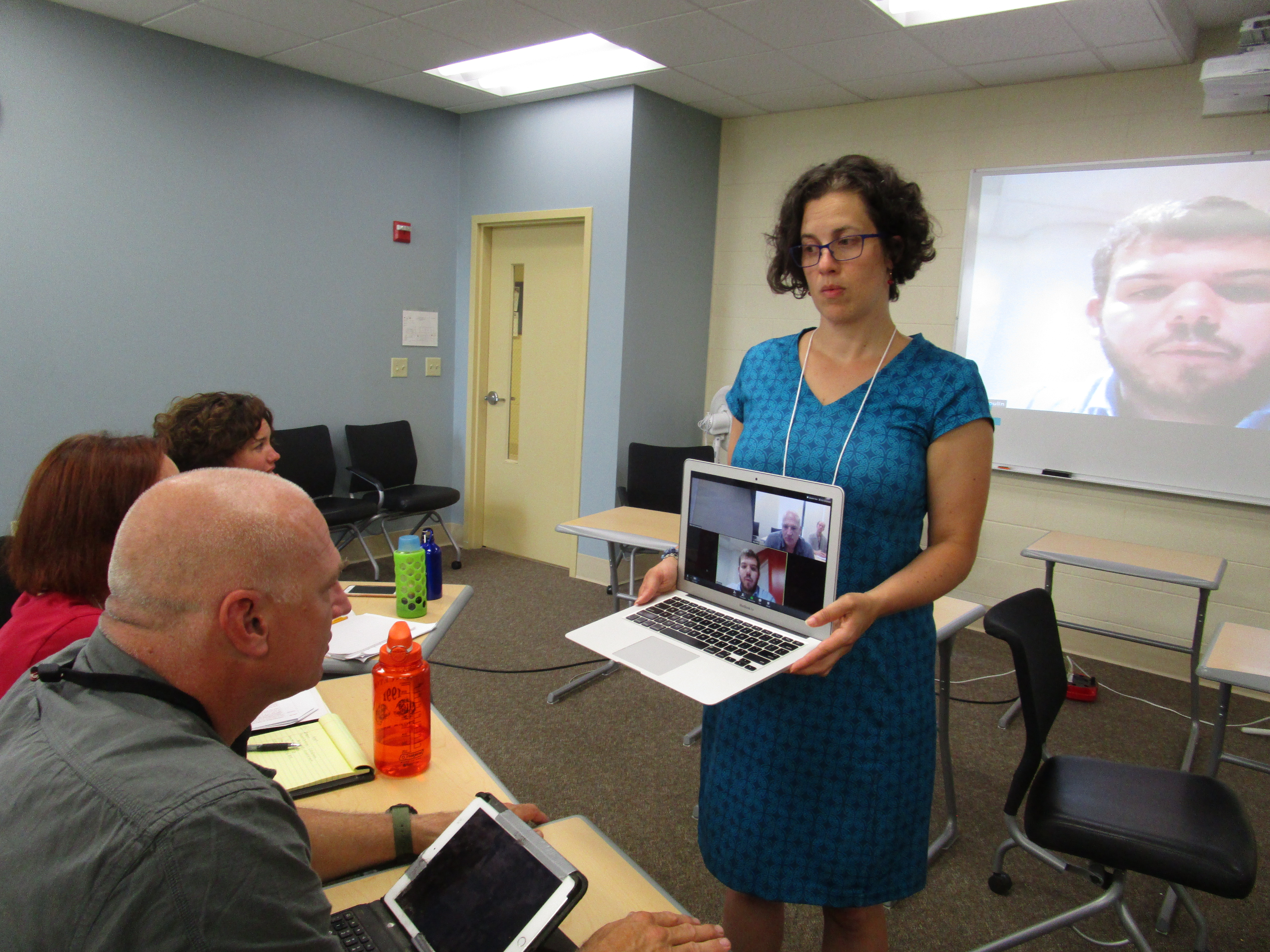
The rest of the afternoon was spent on leadership, advocacy, and putting it into action on the follow up plans for the next year. Strand 1, the Teaching Artist Leaders met with Jeff Poulin, electronically, from the Americans for the Arts.

Day turned into night and educators gathered around the Thomas College fire pit for drumming and a chance for Tim to fire the clay pieces created earlier in the day in the propane fire pit. This provided a wonderful opportunity to connect with colleagues from across the state. What a great way to end an outstanding day!

Strand 1 with Jeff Poulin, Americans for the Arts. Kate Smith, Design Team member, holds the computer during the question and answer period

Jennie Driscoll, Elise Bothel visual art teacher leaders

Jen Etter, music teacher leader

New teacher leaders David Coffey – music and Amy Donovan-Nucci – visual art

Tim Christensen firing the clay pieces

Fun around the fire pit!

h1

Teaching Artist Opportunity

May 26, 2017

Calling Teaching Artists – You’re Invited!

Summer Professional Development

Tuesday, August 1, 8:00 to 4:00

Thomas College, Waterville

The Maine Arts Commission invites teaching artists to attend an all day professional development opportunity on Tuesday, August 1. This will take place on the first day of the MAC Maine Arts Leadership Initiative summer institute on the beautiful campus of Thomas College in Waterville.

Teaching Artist Tim Christensen working with a Camden Rockport Middle School student during a residency

This year’s Teaching Artist professional development day is designed to focus on the role of the teaching artist and the relationship between the teaching artist and the K-12 arts educator.

The day includes workshops designed specifically for Teaching Artists focusing on a variety of topics: practices for Teaching Artists including standards, assessment, advocacy, marketing yourself, and more.

What will you get when you attend the Maine Arts Commission professional development day?

  • Information on applying your expertise as an artist to the structuring of your lessons and residencies.
  • Hands-on experience in relating the learning standards and assessments to your work.
  • Opportunities to network with PK-12 visual and performing arts teachers from Maine schools.
  • Participation in sessions that are planned to fit your needs as a teaching artist.
  • A light breakfast, a yummy lunch, and afternoon snacks

Teaching Artists interested in attending must register by CLICKING HERE.

Teaching Artist John Morris working with students in MSAD#33

To apply for the Maine Arts Commission Teaching Artist roster artists are required to attend the summer professional development opportunity. The Commission will be accepting applications in the fall of 2017. CLICK HERE for the MAC Teaching Artist roster.

Presented by Maine Arts Leadership Initiative (MALI) of the Maine Arts Commission. To learn more about the MALI please CLICK HERE. Facilitated by Teaching Artist John Morris and Music Educator Kate Smith.

If you have any questions please contact Argy Nestor, Director of Arts Education, Maine Arts Commission, argy.nestor@maine.gov or John Morris at JohnMorris08@gmail.com.