Archive for the ‘VPA’ Category

h1

Storytelling and Innovation

May 19, 2019

Southern Maine Partnership

The annual conference sponsored by USM and the the Southern Maine Partnership, Assessment for Learning & Leading was outstanding. These year’s theme was Brain-Based Strategies to Cultivate Positive Learning Environments. Conference planners Jeff Beaudry and Anita Stewart  McCafferty did an amazing job planning two days of

Jen Etter

keynotes and sessions that left participants excited and filled with information to use in their classrooms and school districts.  The featured keynote speaker was Dr. Marcia Tate whose work parallels much of the teaching and learning that takes place every day in visual and performing arts education.

Arts education played an important part of the conference as it has each of the past three years. Presenting at the conference were Maine Arts Leadership Initiative (MALI)

Shawna Barnes

Teacher Leader York Middle School Music Educator Jen Etter and MALI Teaching Artist Leader Shawna Barnes. Their session was titled Brain-Based Strategies – Gateways to Creativity, Growth and Recovery. Jen provided information on strategies used in the music classroom that align with the brain research. Shawna offered information the role of the arts has in responding to disabilities and injuries. Each of them used examples from their work as teachers in the different settings.

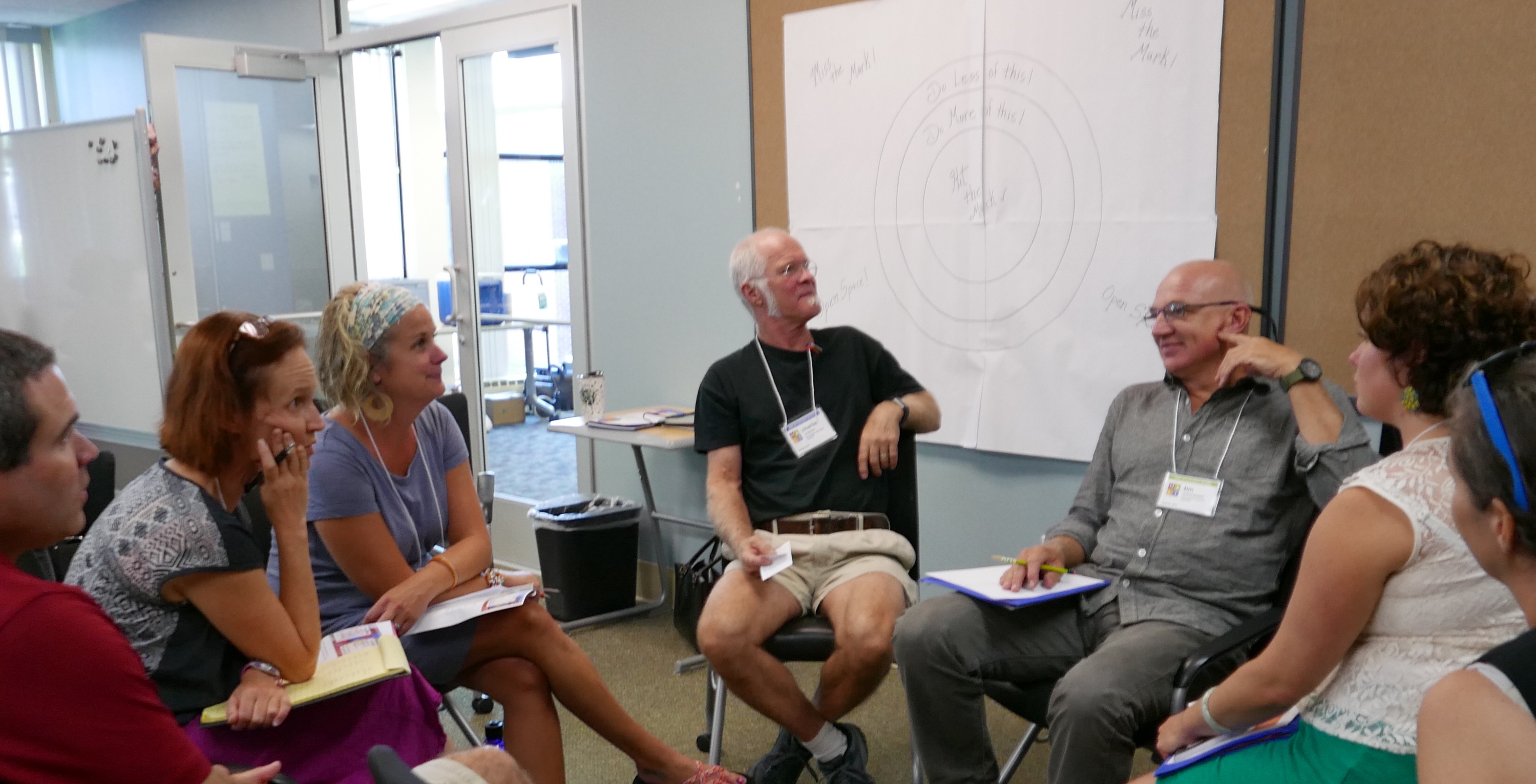
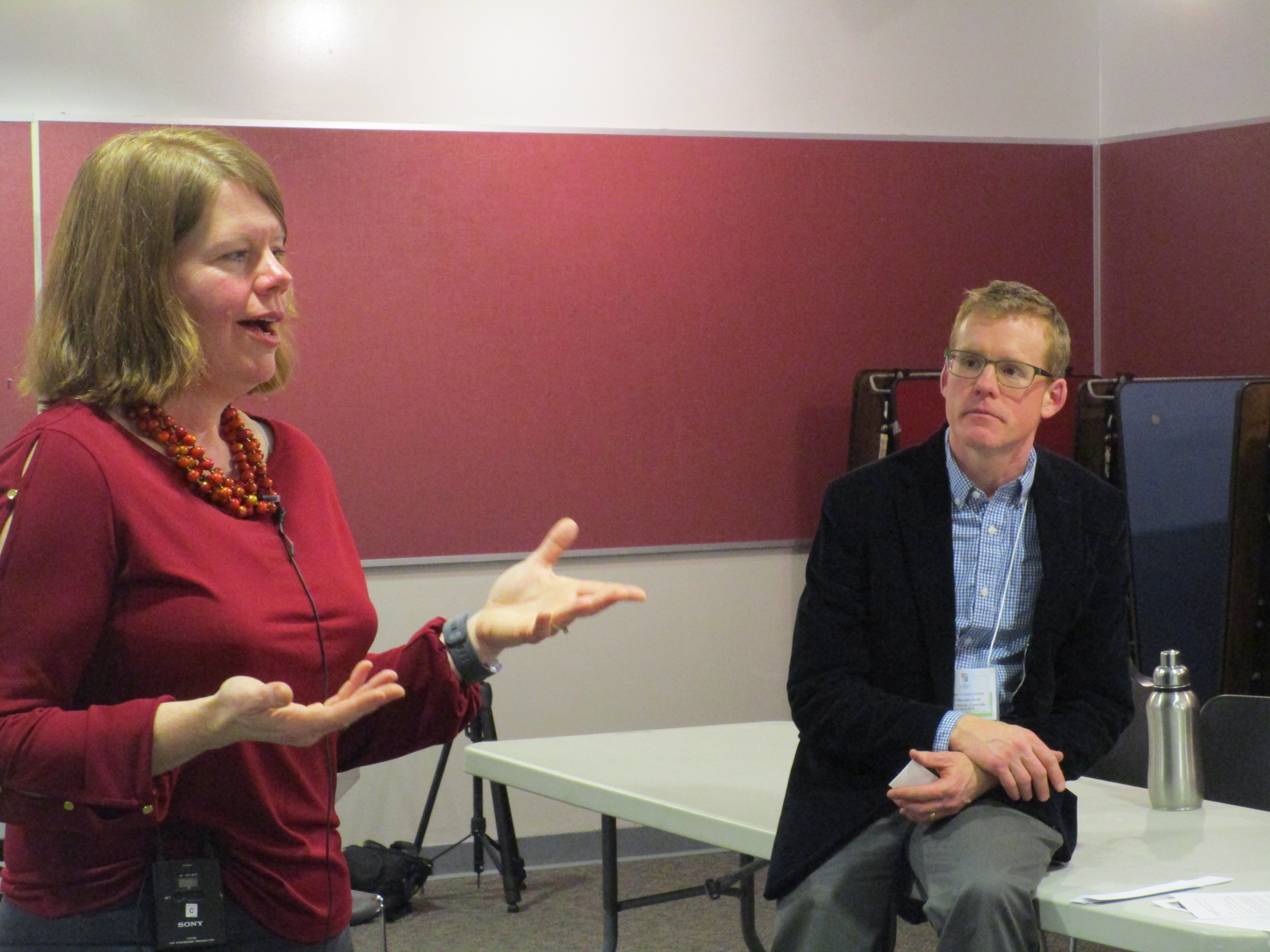
I had a chance to with Lindsay Pinchbeck and offer a workshop called Storytelling and Innovation – an exploration in arts integration. If you click on the image on the right it will be larger and you can read our agenda. 

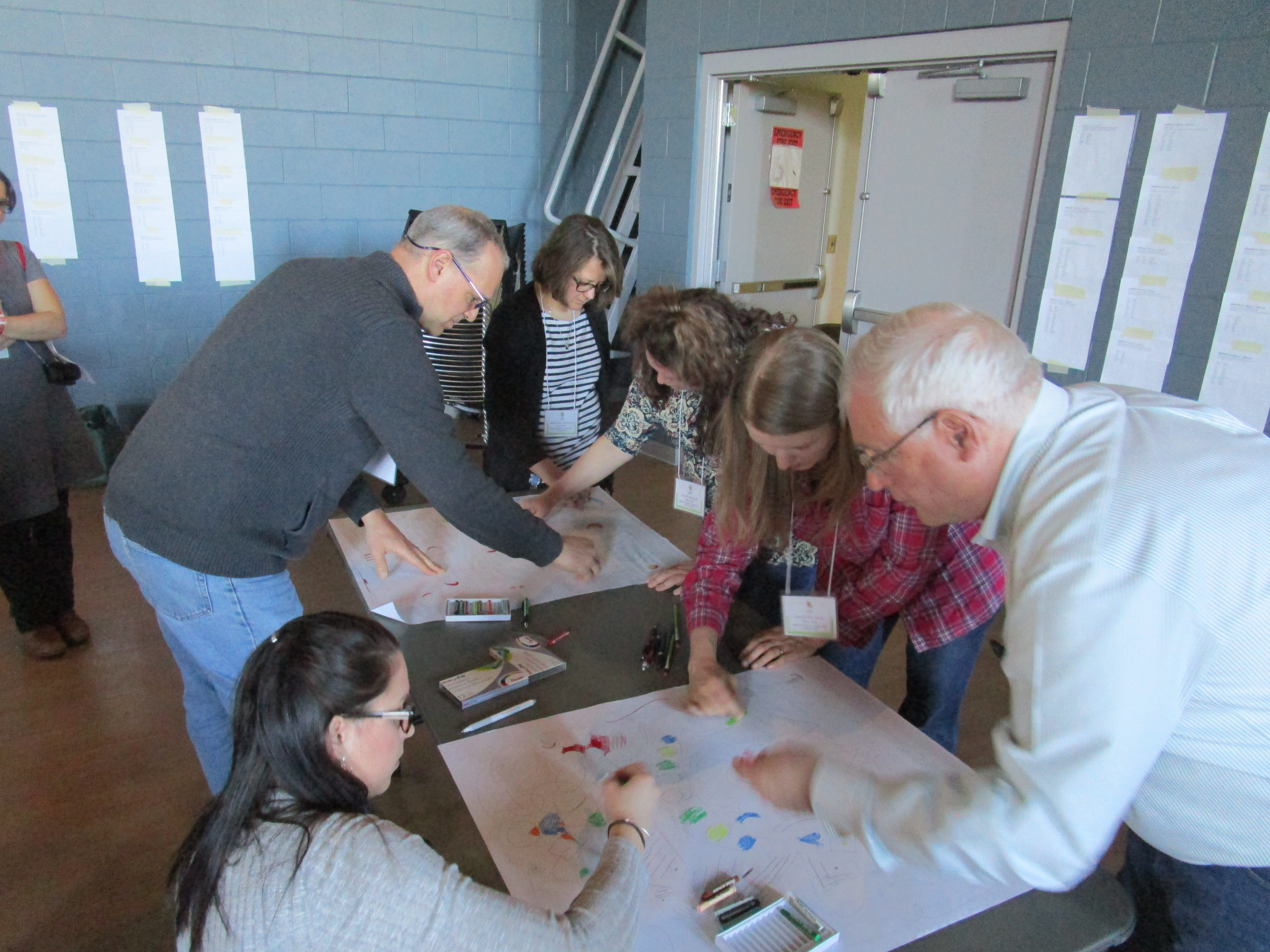
The participants were thoughtful and willing to share – opening their thinking and ideas. During part of the session participants had a chance to try Express-a-Book which is an idea created by Falmouth High School music educator Jake Sturtevant, Lindsay Pinchbeck and myself. It’s our answer to traditional book clubs. An opportunity to dive into a resource like a book, TED Talk or a pod cast and instead of only ‘talking’ about it, participants create a response using an art form and share the art with the group. We created it as part of the Maine Arts Leadership Initiative (MALI) and have tried it with people around the world through our work with HundrEDExpress-a-Book is part of Jeff and Anita’s recently published book Teaching Strategies That Create Assessment-Literate Learners.

Participants used the Hundred site or a segment of The Innovators Mindset by George Couros, Mindset by Carol Dweck or If I Understood You Would I Have This Look on My Face? by Alan Alda. Afterwards they shared their take-aways from these resources so they could help build on everyone’s knowledge. I highly recommend all four resources for independent or collaborative reading with colleagues.

The most fun part of the session was at the beginning when participants used “story starters” and created a dragon together – a technique that we learned from MALI Teaching Artist Leader Nicole Cardano who is the founder of Theater Today.

We provided numerous research reports, articles and links to a variety of resources that participants could follow up with if they wish to learn more on arts integration, innovation, mindset, storytelling and many more topics that are centered on good teaching and learning.

We completed the session by participants providing a “one word poem” – growth, environment, open-minded, transformative, opportunities, engaged, non-linear, and global.

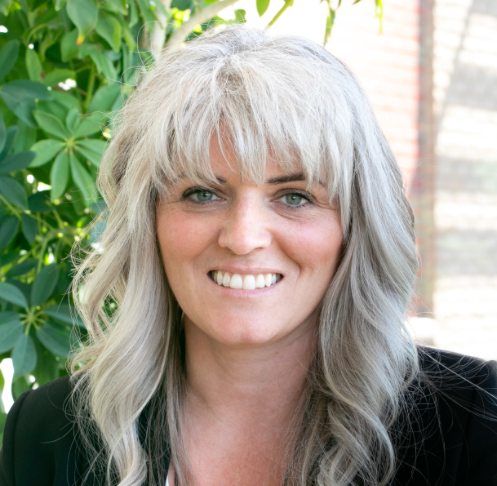
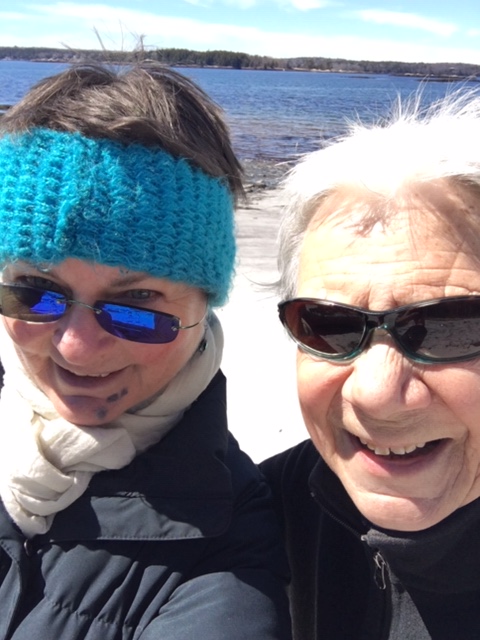
Lindsay and Argy

For those of you who don’t know Lindsay, her bio is below. If you’re interested in purchasing Jeff and Anita’s book please contact them at jeffrey.beaudry@maine.edu and anita.stewart@maine.edu

Lindsay’s Bio – Originally from Scotland Lindsay Pinchbeck came to Maine for her undergraduate degree. Lindsay has been teaching with and through the arts in a variety of settings for the past 20 years. Lindsay is the director and founder of Sweet Tree Arts and Sweetland School, a community organization in Hope, ME offering a K-6 arts Integrated, Reggio Emilia inspired school. Pinchbeck received her Masters in Education through Lesley University’s Creative Arts and Learning program. Lindsay believes the creative arts should be accessible to all. She encourages everyone to be active participants and keen observers with the hope of enriching communities through the arts. Learn more at sweettreearts.org.

 

h1

Congrats Arts Teachers

May 14, 2019

County Teacher of the Year

Last week at the State House in Augusta the 2019 County Teachers of the Year were named and I’m sure you’ll join me in CONGRATULATING the following visual and/or performing arts teachers who were recognized. Thank you for your amazing work and for representing arts education as your journey continues in the Maine Teacher of the Year program.

  • Androscoggin County: Shawn Rice, Edward Little High School, Auburn, Art/Broadcast Media (grades 9-12)
  • Oxford County: Linda Andrews, Buckfield Junior/Senior High School, Hartford -Sumner Elementary, Gifted Academics and Arts (grades K-12)
  • Piscataquis County: Bobbi Tardif, SeDoMoCha School, Middle School Visual Arts Educator (grades 5-8)

Shawn Rice

Linda Andrews

Bobbi Tardif

Commissioner of Education Pender Makin notes, “The Maine Teacher Of the Year program offers all of us the opportunity to celebrate the phenomenal work that is being accomplished every day in Maine’s public schools. Each of the County Teachers of the Year exemplifies a deep commitment to Maine’s students and a belief in the power of education to create positive and lasting change. They bring their compassion, creativity, and innovation to the art and science of teaching, amplifying the dreams and futures of their students.  In highlighting the accomplishments of these 15 educators, we are also honoring all of Maine’s teachers,  and the outstanding talents and dedication they bring to their classrooms and communities.”

The educators were each nominated by a member of their community for their exemplary service in education, and dedication to their students. They were selected by a distinguished panel of teachers, principals and business community members from a pool of hundreds of other nominated teachers in their communities.

As ambassadors for teachers, students, and quality education in Maine, these teachers will continue to participate in the intensive State Teacher of the Year selection process, including the submission of a video showcasing their classroom instructional practices.

The field will be narrowed to eight semi-finalists who will begin working on their professional portfolio, a component of the National Teacher of the Year process. After the portfolio review and presentations to a select panel, the field is narrowed to three finalists. In October, the 2020 Maine Teacher of the Year will be selected after a school site visit and final interview.

h1

ECOARTS Project

May 10, 2019

Gulf of Maine   2019 – 2022

Krisanne and Anna

Artist Anna Dibble is working closely with educators on a multi-year project described below. She’s presently matched up with Medomak Valley High School art teacher, Krisanne Baker, for the start of this project. Anna is actively looking for other teachers and schools to work with so after you read this article consider emailing Anna at THIS LINKShe is most interested in schools in the greater Portland area for the school years 2019-2020 and 2020-2021. 

The Project

The central physical focus of the project is the making of a large scale visual art installation to be exhibited for two months or longer in at least two public venues. Utilizing a special fusion of art and natural science, this project’s goals are to increase public awareness of the ecological issues, promote stewardship, and illuminate current changes in biodiversity due to human source climate change and pollution in the Gulf of Maine. The project is an educational collaboration, and also an attempt to create an active dialogue between artists, scientists, educators, and students on the subject of environmental action and solution.

Because of its particular rapid warming, and the unique nature of its ecosystem, the Gulf of Maine is on the forefront of the global climate and ecological crisis – which makes it an excellent metaphor for a public work of art in Maine.

Integral to the project – a catalytic way of public engagement with the installation – will be an accompanying program of related arts events, including music, poetry readings, science talks, and possibly a panel of civic-minded artists and scientists discussing the biodiversity crisis in the Gulf of Maine, and common goals related to the emergency situation.

The Installation

The elements of the installation and the 2D wall displays will be created by a collaboration of over a hundred art and science students – middle, high and college levels, professional artists and filmmakers, lighting and sound designers.

Anna Dibble will direct the entire project with advice and help from a multi generational Creative Team of 12.

Science

The lifecycles and current climate change challenges, as well as the changes in biodiversity will be an important part of the program when I and the other teachers are working with the students to create the sculptures.

First Venue

The Commons at Bigelow Laboratory:  Within a 24 by 7 by 30 foot area between the windows and balcony edge – a facsimile of a Gulf of Maine ecosystem – cross section of upper atmosphere, sky and ocean.

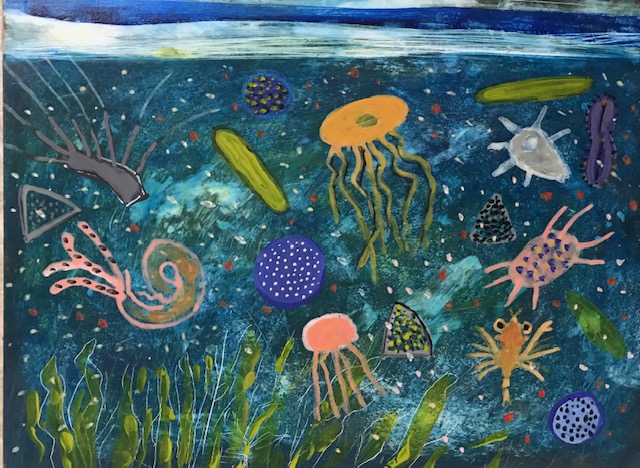
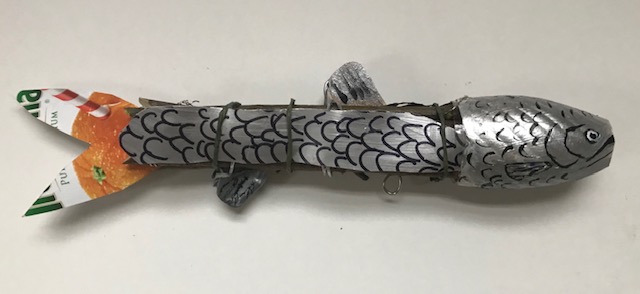
An explosion of hanging light sculpture constructed of marine debris and recycled/found materials: From the top down: Depiction of CO2 overload above sky of sandpipers, knots, plovers, curlews and other endangered flying migrant shorebirds, salt marsh sparrows, puffins; a centrally located 20 foot Right Whale encountering a wild tangle of monofilament, plastic bags, soda bottles and fishing nets; schools of species chosen as symbolic representatives – herring, tuna, cod. Leatherback sea turtles – all  suspended at various levels from the ceiling and stretched cables between the windows and the balcony. Also, ‘alien’ species moving into the Gulf from the south: Green crab, black bass, squid. The ‘texture’ of the installation: hundreds of hanging, floating enlarged versions of Calanus and other microbial  marine animals, jelly fish, algae.  

Wall displays

Anna sharing information in Krisanne’s art room at Medomak Valley High School, Waldoboro

A special film about the process of the project: Interviews with students, artists, teachers and scientists, footage of beach field trips, and edited documentation of the building of the whale, the other animals and elements of the installation.

Two Timelines: Life on earth and Human life on earth. A chart showing ten year increments of the CO2 overload from the time of the industrial revolution until 2021.

The Animals: From the Calanus to the Right Whale: Each represented animal in the installation will have a yet to be determined visual art piece showing the changes in its life cycle, geographic location due to climate change and other human caused impact.

Thank you to Anna for providing the content for this community. 

h1

Teaching Artist Professional Development Workshop

April 23, 2019

Space limited

The Arts Commission is providing a one-day professional development workshop for Maine Teaching Artists.
Monday 17 June 2019
8:45 a.m. – 3:00 p.m.
Only 20 spots available – REGISTER TODAY
Viles Mansion/Governor Samuel Cony House, 71 Stone Street, Augusta.
$25.00. Registration is required.
Purpose
The workshop is focused on the role and benefits of a teaching artist. We will address how to structure and market a residency as well as tips for communicating and collaborating teachers,  administrators, and community arts representatives. The workshop will include resources and techniques on applying your expertise as an artist to the structure of your work as a teaching artist including communication tips, connecting standards and assessments in your lessons, promotional information, funding opportunities, messaging and much more.
Outcomes
  • Information on applying your expertise as an artist to the structuring of your lessons and residencies.
  • Hands-on experience in relating the learning standards and assessments to your work.
  • Participation in sessions that are planned to fit your specific needs as a teaching artist.
  • Promoting yourself and your work as a teaching artist
Workshop Presenters
  • Tom Luther – Teaching Artist, Musician, Maine Arts Leadership Initiative Teaching Artist Leader
  • Lindsay Pinchbeck – Arts Educator, Founder and Director Sweetland School, Hope
  • Kate Smith – Elementary music educator, Central School, South Berwick
Please note: To be eligible to apply for the Maine Arts Commission Teaching Artist Roster teaching artists must attend the one-day workshop.
h1

The Waldo

April 22, 2019

Job opening in Waldoboro

The Waldo Board seeks a rare combination of artistic leader, entrepreneurial business operator and community builder to be our Executive Director. The right person will help guide the historic Waldo, located in midcoast Maine, as we build a recurring and dedicated audience for our programs. Our mission is to connect and build community by celebrating culture and the arts.

Our History

The Waldo is a beautiful 1936 art deco building that was once considered one of the best-designed cinemas in the nation. Later converted to a stage theater, today it remains a signature landmark of Midcoast Maine. The building, listed on both the National Register of Historic Places and Maine’s list of the Most Endangered Historic Places, is a cultural cornerstone we are reviving. After several years of neglect, a community effort is underway to restore and operate The Waldo once again. Significant progress has already been made. An Executive Director will bring added leadership, focus and organization towards our goal of being open and operational by mid-2020.

Our Culture

As Executive Director of The Waldo, you’ll be part of a vibrant organization and a close-knit community. You will be supported by a dedicated Board of Directors and will work with community members that have long ties to the theatre as well as newly-engaged volunteers and partners who have new vision for the building and programming. You will be part of our effort to strike a balance between new and old, and to bring opportunities to our communities that are too often socially and economically isolated. As we grow, you will help us navigate our organization’s development while upholding our commitment to professionalism, sustainability and stewardship. We will operate as a team, sharing responsibility and accountability for artistic leadership, organization management and development.

What We Need

Our new Executive Director will thrive in a dynamic environment. This role combines artistic vision and direction, program development, community engagement, fundraising, organizational operations and development. We will look to your strengths as we collaborate on detailed job responsibilities and specific plans, but in general, over the coming year you will work with the Board and Committees to:

  • deepen our understanding of how best to deliver our mission in our community
  • build a distinctive brand that attracts and retains audiences and performers
  • develop high-quality programming for all ages
  • develop strategic relationships with local and regional partners
  • oversee the ongoing building restoration
  • rebuild an annual membership base
  • articulate and promote The Waldo’s mission through marketing materials and community outreach
  • manage the operations of the organization and the facility
  • be able and willing to participate in evening and weekend activities.

You Should Bring

We seek a uniquely qualified individual, eager to implement ambitious visions and plans as we accomplish great things together. To be successful in this job, you should bring:

  • a collaborative approach as we build sustainability in pursuit of ambitious goals
  • the ability to conceive and execute successful artistic programs
  • enthusiasm for the unique contribution The Waldo can make to broader economic and community development goals
  • problem solving skills and the ability to adjust and adapt approaches in the face of unforeseen challenges
  • the ability to cultivate and manage donors, volunteers, audience members, artists and community partnerships while respecting a diverse set of people, needs and interests
  • strong written and oral communication skills, including business and casual writing and public speaking as you will be the spokesperson for The Waldo
  • management skills including experience with staff supervision, managing nonprofit budgets and planning processes
  • development skills including successful fundraising
  • a great sense of humor
  • B.A, M.F.A, or relevant degree and five-year work experience in leadership roles.

What This Job Offers

  • Salary range of $50,000 to $60,000, commensurate with experience and skills
  • Healthcare benefits comparable to similar positions
  • A chance to make a dramatic impact in a unique role in a wonderful community

How to Apply

Information is located on the Waldo website. To apply, send a your resume and a letter of interest to apply@thewaldotheatre.org.

Please let us know how your qualifications and experience connect with our mission, how you would organize this position to best match your strengths with our needs, and any questions you might have.

Applications will be accepted until June 1st or the position is filled.

Applications will be acknowledged via email upon receipt.

The Waldo Theatre, Inc. is an Equal Opportunity employer. It does not discriminate on the basis of a person’s race, color, gender, sexual orientation, physical or mental disability, religion, creed, age, ancestry or national origin. 

h1

LEAPS

April 12, 2019

Art program in schools and community

Jonathan Frost speaking with the 5th graders at his gallery. Their portraits are displayed on the left and bark drawings behind him.

Several years ago Nancy Harris Frohlich created LEAPS of IMAGINATION where artists work with students in connecting the environment and history to making art. Much of the work is done through literacy. Recently I visited the Jonathan Frost Gallery in Rockland during a celebration of art created by 5th graders from South School in Rockland.

The students worked with teaching artist Susan Bebee and after studying bark created drawings. The drawings were amazing and it was clear that the students will not look at a piece of bark the same way again. I remember when I learned to make rock baskets (forming a basket around a rock, whatever size), I never look at rocks the same way again. Always wondering what shape the basket might be if I used it for a form.

The bark drawings were followed by portraits created with a combination of prints and drawings. Students were invited to speak about their artwork and I so enjoyed how articulate they were – they learned so much and were so proud. Thank you Nancy and those who work with LEAPS to provide such rich learning environments for learning in visual arts.

Below are some student responses.

Tell us Why Art is Important for Kids?

  • Because if you have a job, you need to have IMAGINATION.
  • Art helps kids feel INSPIRED.
  • Art is a great way for kids to EXPRESS THEMSELVES.
  • Art is FUN!
  • Art lets kids show their FEELINGS.
  • Art helps kids be CREATIVE.
  • Art makes it possible for kids to be ARTISTIC.
  • Art is so important and helps kids CONNECT to NATURE in so many ways.
  • Kids can get BETTER at drawing.
  • Art helps kids TAKE their MINDS off the REAL WORLD.
h1

Maranacook Middle School

April 11, 2019

Dance Education grant

During the 2018-19 two schools in two different districts were the recipients of the Dance Education grant awarded by the Maine Arts Commission (MAC). Freeport High School and Maranacook Middle School created amazing units that impacted hundreds of students in Grades K-12. Freeport High School was highlighted in yesterday’s blog post with a description of the dance education opportunity that was provided during this school year.

G/T teacher Pat Godin, Teaching Artist Nancy Salmon, Visual Art Teacher Hope Lord

This blog post describes the dance education program that took place at Maranacook Middle School this school year. It is wonderful to see what occurred when teaching artist Nancy Salmon, art educator Hope Lord, and gifted and talented teacher Pat Godin collaborated! This is a great example of learning in STEAM (Science, Technology, Engineering, Art, Math).

Thank you to Hope and Pat for providing the plethora of information for this post – the story and resources!

DESCRIPTION FROM HOPE

My original idea was to have students create masks and then have them add lights with Little Bits electronics. However, after collaborating with Pat, we decided to teach the students about light circuits and how to soldier their own circuits. This allowed us to integrate science with the electricity and engineering with the design process. For math we introduced proportions as we discuss the features of the face and how to construct the masks and giving students the choice to increase the proportions of the face to make their mask more visible to the audience. We also provided students a variety of mask making materials, including a new medium called Thibra.  This is a thermoplastic sculptable material that costume designers and special affect artists use in designing masks and costumes. The students used the heat gun to soften the material and then molded it around sculptural pieces that were added to their masks.  

Students performing at the Arts Night Celebration

We showed the students examples of dance groups who performed in the dark with lights and the students wanted to incorporate black lights and glow in the dark paints in their masks and dance. As our dance choreography progressed, the students and Nancy determined which segment of the dance would be performed with lights on and which segment would be performed in the dark with black lights. 

The students started planning their masks with a group brainstorming activity called “brainwriting” where they all charted ideas of how they could represent themselves and their role in our school community. Students could add to other students’ ideas or write new ideas. Then students charted 12-15 ideas to help them plan their mask theme. 

The individual and small group dances came about through the students exploration of dance movement as a means of communication. Nancy helped the students experiment with movement and determine which movements could help them express their role and what their mask was communicating. For example, one student had a camera on her mask because she spends a lot of time taking photographs. She incorporated gestures that communicated someone taking photos. Next, the students worked in small groups and collaborated to create a dance routine that incorporated each of the students individual dance movements.

Nancy, Pat, and I also wanted to have the students end the dance as a community with the group dance. Our goal was for the dance to communicate that even though we all have individual interests and perceived roles, we are one school community.

Nancy introduced the dance collaboration project before we performed our dance since Pat and I were back stage with the students waiting to dance. We did not provide an audience handout because our dance was part of our Arts Night Celebration and listed in the program given to parents. The focus of the entire night was to advocate, educate, support, and celebrate the arts. That is why we chose this event to have the students perform their collaborative mask/dance performance. We feel our project communicated the value of teacher collaboration across content areas, including the Arts.

DANCE, VISUAL ARTS, SCIENCE STANDARDS

MLR Dance standards: A.Dance Literacy, B.Creation/Performance/Expression, and E.Visual and Performing Arts

NCAS:CR2: Organize and develop artistic ideas and work.

CR3: Refine and complete artistic work.

Pr5:Develop and refine artistic techniques and work for presentation.

Next Gen Science Stds. ETS:1, 2, 3, & 4 Engineering and Design

IMPACT OF SCHOOLING ON CREATIVITY

Research on this phenomenon is confirmed by Kyung Hee Kim. Kyung is a professor of Innovation & Creativity at the College of William & Mary.

In the last 20 years, children have become less emotionally expressive, less energetic, less talkative and verbally expressive, less humorous, less imaginative, less unconventional, less lively and passionate, less perceptive, less apt to connect seemingly irrelevant things, less synthesizing, and less likely to see things from a different angle (Kim, 2011).

BIBLIOGRAPHY SOURCES

Located at THIS LINK.

RESOURCES

Gem Activity

Thinking Matrix

Design Plan Sheet 

VIDEOS

Learning to solder – I DID IT!

Dance Practice Take II

The Dance Education grant is the only MAC grant that is a grass-roots effort grant. Several dance studios and two high school dance programs have a fund raiser each November. The money raised is what funds the dance education grant at the Commission. Without the dedication and commitment of many educators, dancers, parents, and community members this grant would not be possible. Special thank you to Thornton Academy Dance Educator Emma Arenstam Campbell for her contributions to being instrumental in making the Dance Education grant possible.

h1

Dancing in Freeport

April 10, 2019

Learners at the center of their learning

During the 2018-19 two schools in two different districts were the recipients of the Dance Education grant awarded by the Maine Arts Commission (MAC). Freeport High School and Maranacook Middle School created amazing units that impacted hundreds of students in Grades K-12.

Collaborators – Teaching Artist Nancy Salmon and Freeport High School Theater teacher Natalie Safely

The Dance Education grant is the only MAC grant that is a grass-roots effort grant. Several dance studios and two high school dance programs have a fund raiser each November. The money raised is what funds the dance education grant at the Commission. Without the dedication and commitment of many educators, dancers, parents, and community members this grant would not be possible. Special thank you to Thornton Academy Dance Educator Emma Arenstam Campbell for her contributions to being instrumental in making the Dance Education grant possible.

This blog post describes the dance education program that took place in Freeport this year. It is truly amazing to see what occurred when a teaching artist and an arts educator collaborate!

Natalie Safley is the theater arts director at Freeport High School but I learned quickly that she is much more than that. Natalie is a connector, an integrative thinker, a big picture and detailed person AND most importantly she “gets education for high school students”! Nancy Salmon is a dance educator and teaching artist who has worked with students and teachers of all ages for many years. Natalie and Nancy put their heads together and created a dance education opportunity for Freeport High School students that would touch younger students in RSU5 and introduce them to possibilities in dance.

FOUNDATIONAL STEPS

Workshop with grade 2 students following performance

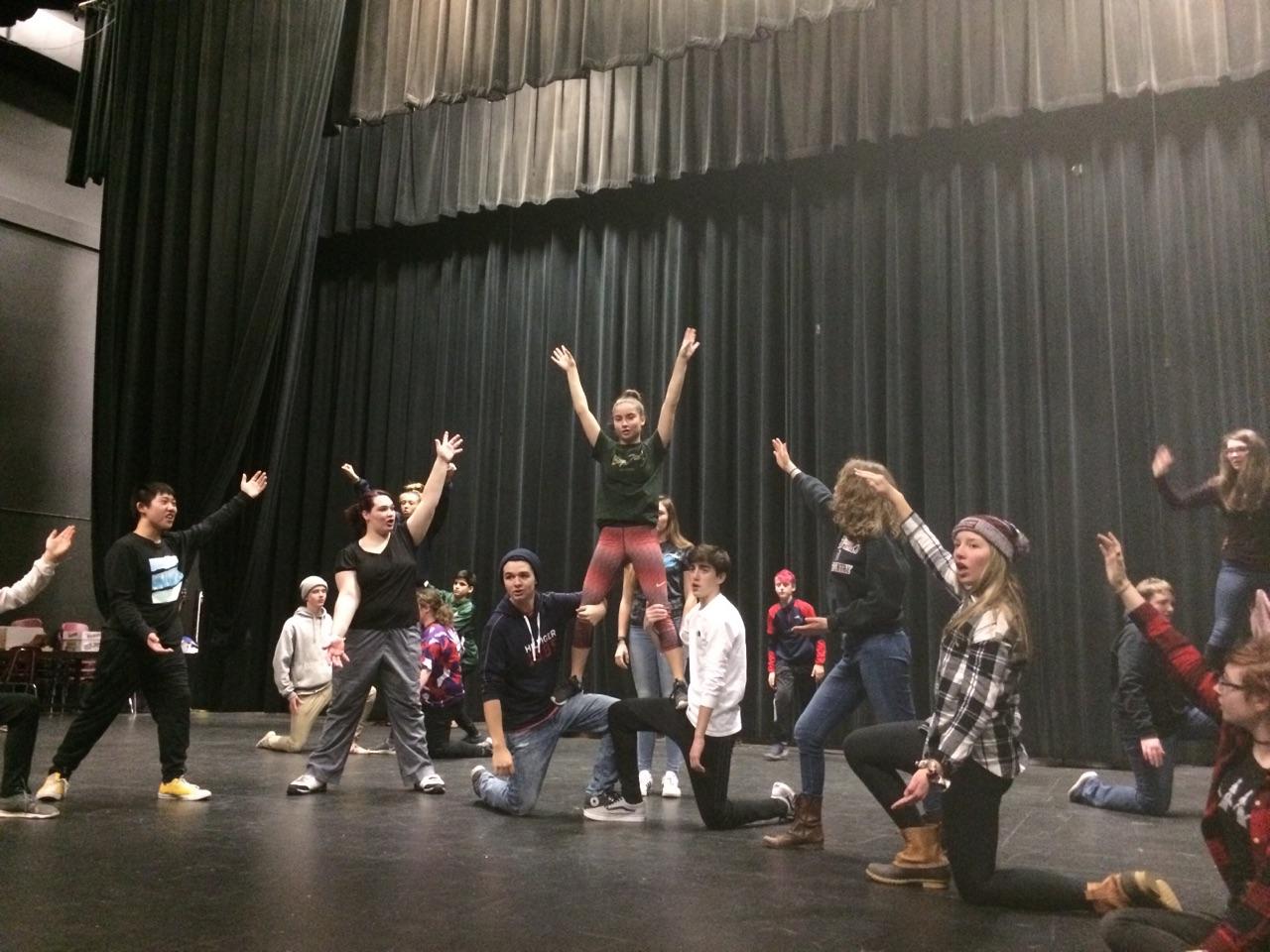
Ms. Safley reached out to all RSU 5 elementary teachers for suggestions on source material as a beginning step in this performance process. A kindergarten teacher suggested the books by Kobi Yamada. Once Safley read each of the books, she new that would be the perfect starting point. Each book has a central theme: What do you do with a problem? What do you do with an idea? What do you do chance?.  In small groups the high school students first read the books on their own and pulled out lines and visual images that they connected with in each of the stories.  Then they made physical representations of the lines they pulled out from the text.  It was important throughout the process to have the students connect the text with a physical action. From there students continued working with the texts as well as writing their own pieces related to each of the respective teams. Finally, the students individually created a slide show of images that represented one of the three themes. The images came together and students physicalized them in smaller groups. The final performance had parts from all of the activities. Since the final piece was derived from the students’ own work they were more invested and committed throughout.

CLASS WORK

  • The work took place in the Theatre I class. Days 1-3 took place earlier in the semester when Natalie focused on Movement and the Actor. Nancy provided her instruction on establishing a performance vocabulary. Natalie continued to emphasize this vocabulary throughout the semester. This allowed Nancy to come in during the final project and begin working on the final dance elements immediately; building off the foundational knowledge established early in the semester. The culmination was students conducting a hands-on workshop with the elementary students to teach them the steps needed to perform the dance movement that was performed within the context of the show. Working with the elementary students in this capacity illustrated the high school students’ proficiency with dance literacy disseminated throughout the project.
  • Dance was incorporated into the work in a variety of ways. The work began with an introduction to dance movement warm-up and the elements that are common to all dance and movement of any kind as developed and described by Rudolf Laban (Body, Energy, Space, Time or BEST). Students view a demonstration by KQED Art School on Youtube and talked about the Elements. KQED includes a 5th element – Action, which was discussed but did not include further in our work. Students and teachers discussed where dance movement could be included in the scripts or the production to best support or enhance the message. The opening entrance used strong, quick and direct movement introducing each student and getting everyone on stage. In contrast a small cadre of students were the “Chance Butterfly Brigade” in the 3rd section, using quick, light and indirect movement illustrating the notion fleeting chances that one needs to grab. Pathways were explored as well as the notion of repetitive movement in order to create a background of indecision, decision, action, disappointment, success. Viewing another video students learned a specific lift that required trust, timing, strength, and cooperation to make a person “fly”. Several students were particularly successful at embodying the intention of their character by understanding and using the dance elements.

Nancy working with students on movement

LEARNING/OUTCOMES

The students learned…

  • to work as an ensemble, yet individualize the subtext of their characters.
  • to apply and embody vocabulary for dance literacy and devised theatre.
  • a different approach to analyzing a text for performance.
  • about using their bodies to inform the text.
  • that dance is more than memorized steps.
  • to write a story for performance.
  • student voices – benefits, what are they gaining? How might they transfer their learning to real world situations?

QUOTES FROM STUDENT SURVEYS

  • Dance is more than just traditional dancing to movements. It can be more simple and unique.
  • I’m really proud that we accomplished the lift during the last section of the play because the 2nd graders said that they really enjoyed it and loved that section of the play.
  • I am most proud of accomplishing my different facial expressions. I feel that some of my lines in the play make me have to give a lot of emotion and doing that I need a lot of different facial expressions.
  • The synchronization between everyone in the class and how even when we might have made mistakes, we just rolled with it.

WHAT ADMINISTRATORS SAID

  • Thank you so much for sharing this with the second grade. We were very impressed with the way that your students interacted with the younger kids. It made my heart warm watching our students faces in awe of your kids!
  • Thank you SO much for bringing your incredible Kobe Yamada performance to Pownal! The younger kids were in awe by your moves (especially when you made each other fly!), and the older kids were so inspired by how well you depicted the three texts! At a discussion afterwards one of my students said “I want to do what they were doing one day.” Thank you for being such great role models to the kids! We hope you will reach out with any other opportunities for us to see your work again!

LINK TO ONE OF THE PERFORMANCE VIDEOS

LINK TO ONE OF THE WORKSHOPS

To learn more about the MAC Dance Education Grant program Please CLICK HERE

h1

Congrats Dance Ed Grant Recipients

April 9, 2019

Dancing in School

Congratulations to Central School in South Berwick and Mabel I Wilson School in Cumberland, recipient of dance education grants for the 2019-20 school year.

Hunt and Allison Smith

Central School music educator Kate Smith and physical education teacher Kristan Tiede will work with Teaching Artists Hunt and Allison Smith to introduce 489 grades PK-3 to traditional-style set dances.

Students in the ten kindergarten classes at the Mabel I Wilson School will have the opportunity to receive instruction from Teaching Artist and dancer Elly Lovin to learn movement and creative dance education.

The funding for this grant is provided by a group of dance studios and two high schools with dance education programs. Each year on a Friday night in November a fund raiser is held to raise the funds. This is the only grass-roots funding program that the Commission has in place. Thank you to all of these amazing dance instructors and students who are committed to this effort. To date they provided over $21,000 and hundreds of Maine students have benefited.

To learn more about about the dance education grant and the Maine Arts Commission other arts education funding opportunities please go to MACs Arts Education funding page.

Students with dance educator Elly Lovin at the East End Elementary School, Portland during a dance education funded residency


h1

Sebago Elementary School

April 8, 2019

Arts festivities

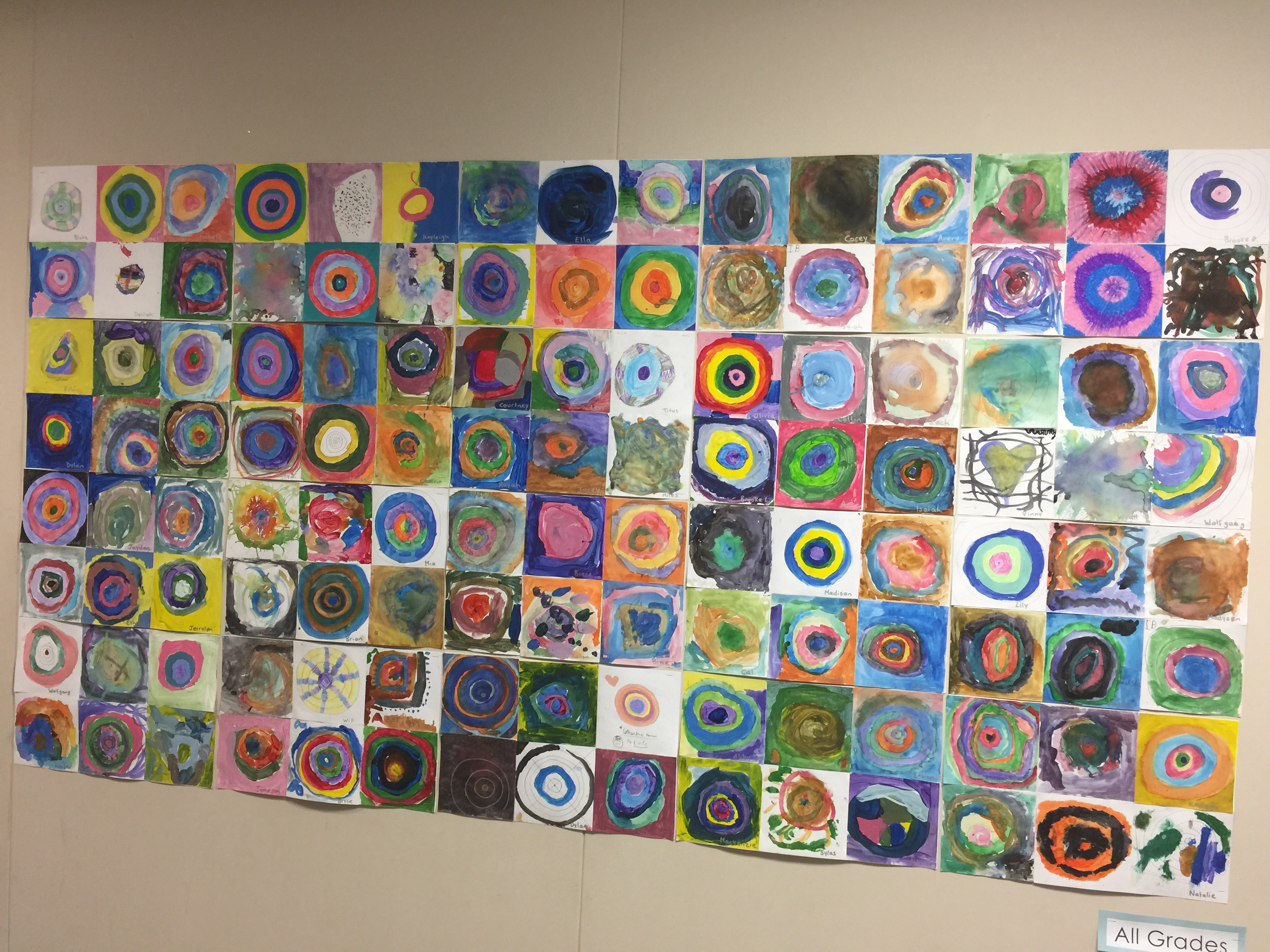
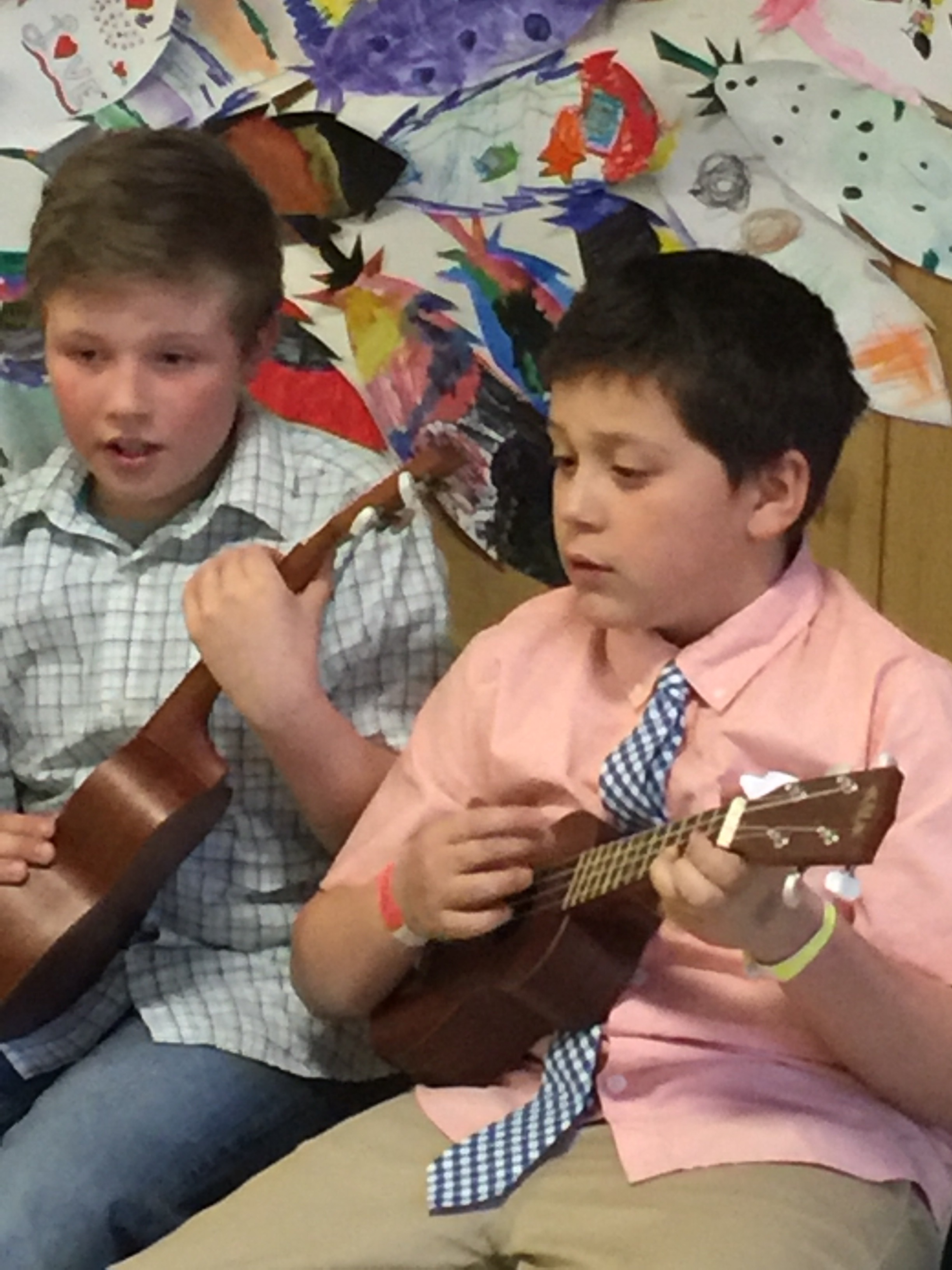
Recently, the 97 students at Sebago Elementary School returned to school with parents and friends to enjoy an evening of arts festivities and entertainment. The entire school building was filled with colorful visual artwork created by children in Kindergarten through Grade 5. The students were clearly excited to show off their masterpieces. There were musical performances provided by the Chorus, the Grades 4 and 5 Bands, and for the first time, the newly formed Ukulele Club. The music added atmosphere for those lost in the beauty and imaginative visual displays around them.

This culminating event was a celebration of Youth Art Month and Music-in-Our Schools-Month, which had been honored throughout March across our Nation. Music students sported buttons that read, “All Music, All People.” The Fine Arts teachers wanted to highlight how important the arts are for students in their overall education.

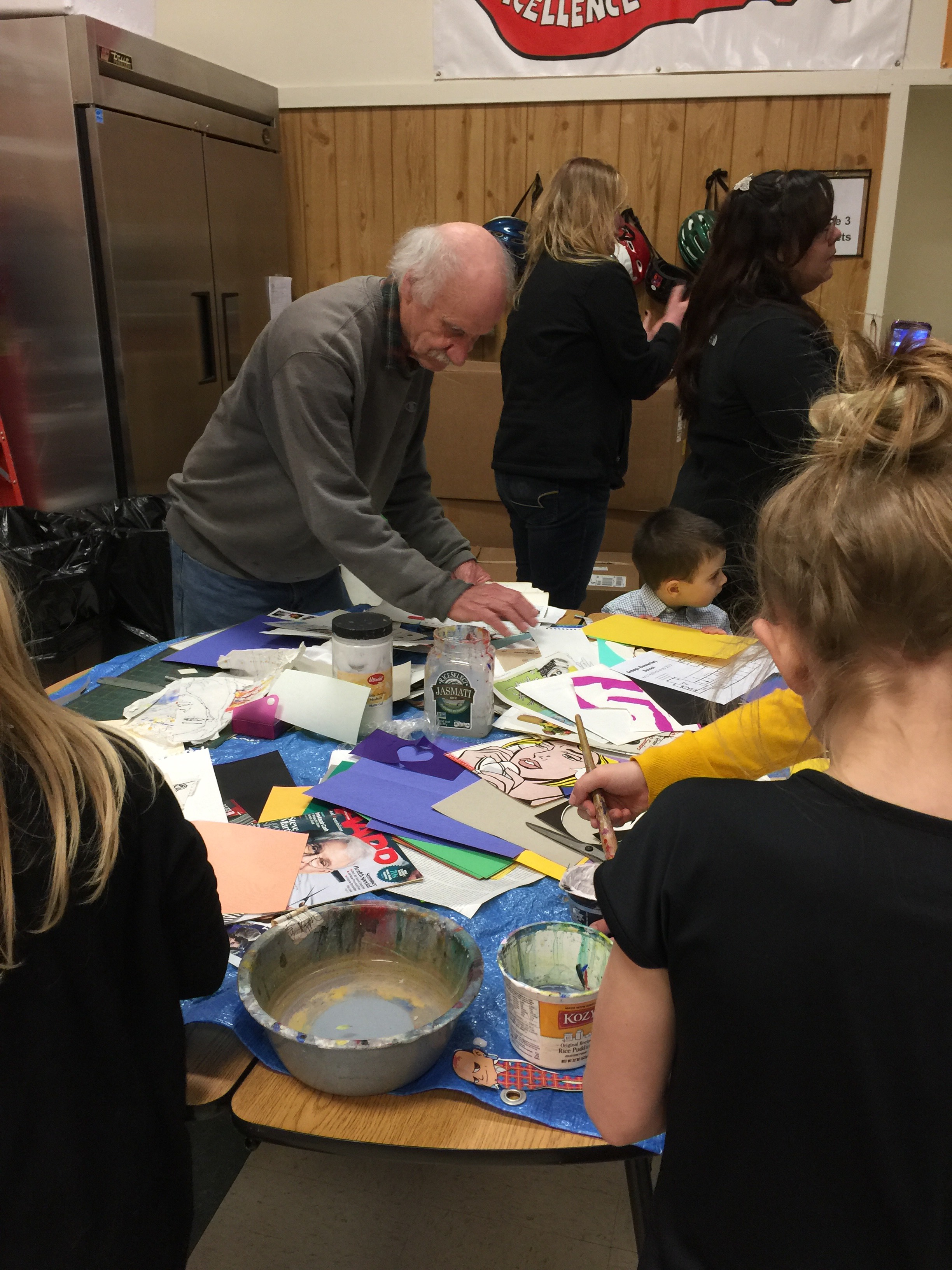
Visitors at the event had the opportunity to explore the work of 4 demonstrating artists. The lovely stained glass work of Nancy Fitch and Kayla Olsen brought a lot of attention. Nancy also led inquisitive children through the creative process. Painter Richard Allen gave students the chance to create work with him, and printer Sarah Parrott afforded people the opportunity to operate her printing press and create some cards.

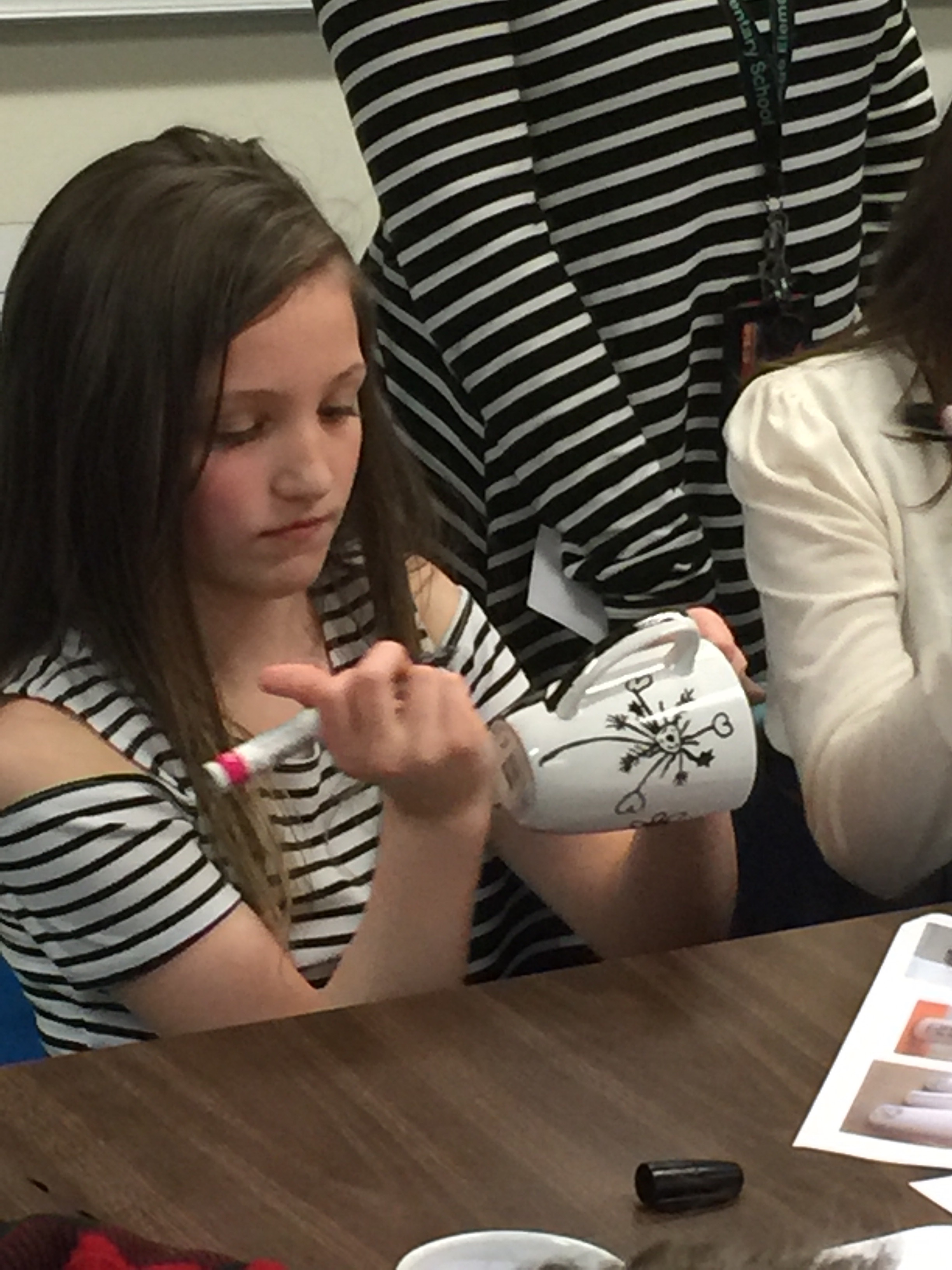
Amidst all of this, there was face painting, which was a huge hit with young and old alike, and mug decorating, which turned out to be the run away favorite indulgence of the night. It was truly a wonderful evening, and people are already asking if it will become an annual event for this newly formed school district!

Thank you to music educator Jenni Null for providing the information for this blog post and for including the photographs. It is obvious that the evening was a wonderful opportunity for the community to celebrate the value of arts education!