Rob Westerberg is one-of-a-kind! With the clearest of eyes he can look over his shoulder and see where’s he has been, learn from his mistakes, and build on the successes. And, no, this isn’t about him but all about his students learning and successes. We’re fortunate to have Rob, not just in the field of education, but in the classroom. When he speaks, we know it is not about some pie-in-the-sky idea. He’s not spouting wisdom from an ivory office down the hall or in another building on campus or from a state agency but it’s from his experiences on that day with his high school students. He continually asks “why” and seeks answers while analyzing actions. In his classroom he has paused, experimented, shifted, observed, listened, reflected, written and re-written curriculum and assessment. This ongoing process has created a teaching and learning environment that continues to excite Rob and his students are jazzed!
Those of you who are fortunate enough to know Rob as a teacher, colleague, conductor, musician, and/or friend know that he cares deeply about teaching and learning. Most importantly he is an amazing human being who cares about people, as evidenced from past and present student comments. He has a unique sense of humor that is remembered by students and colleagues. He doesn’t mess around with people who aren’t fully committed to high quality music education for all learners. Sure, he’ll cajole them, encourage and answer their questions but he’s not interested in wasting his time or theirs. He’ll walk away before becoming frustrated and accepts the individual or group’s thoughts and ideas as working for them. All the while with a smile on his face! His advocacy for arts education at the local, regional, and state level has been highly impactful. When Rob is not teaching he is spending time with family or exploring with a backpack on. He has climbed all 44 of the 46 Adirondack High Peaks; an impressive accomplishment!
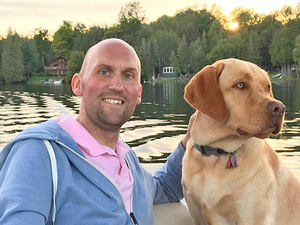
Recently Rob was recognized for his teaching accomplishments receiving the 2022-23 National Federation of State High School Associations (NFHS) Music Educator Award. Rob is one of seven section recipients. Since 1989 the Outstanding Music Educator Awards have been presented by NFHS and 306 individuals have received section awards.
Some of the following information is taken from the NFHS awards page at THIS LINK.
Rob presently serves as the choral director at York High School where he has taught for nearly 25 years. Since beginning in education in 1988, his passion for music has helped students reach their full potential, and in 2004 played an integral part in getting a graduation requirement for music approved by the York school committee. York High School remains the only public high school in the Northeast to possess a graduation requirement for music.
Westerberg holds a Bachelor of Music in Music Education from Keene State College and a Master of Music in Choral Conducting from the University of Maine. As an educator, Westerberg has earned many awards, including the 2020 York County Teacher of the Year, the 2012 Maine Distinguished Choral Director, and the 2011 Carol Trimble Award for Exemplary Service to Arts Education.
In terms of leading students, Westerberg has overseen a variety of events and performances, such as the 2010 New Hampshire All State Treble Choir and the Maine Festival Chorus performance at Carnegie Hall in New York. His talents have also been used at choral camps like Laurel Music Camp as the high school choral director and at the Summer Youth Music Camp at the University of Maine from 2002 to 2016.
In terms of leading teachers, Rob is a founding member of the Maine Arts Assessment Initiative established in 2010 and has impacted the over 125 teacher leaders. He has worked extensively with arts educators and school districts across the northeast developing customized assessment strategies and proficiency based models of instruction. He is always willing to talk education and his insights are, as he likes to say are, ‘spot on’!
I can’t think of anyone who deserves this award more for ongoing work in arts education. Thank you Rob for your life long commitment to teaching and CONGRATULATIONS!
I enjoy sitting down by the wood stove on sunny Sunday’s to read the Maine Sunday Telegram. For a brief moment I like holding on to the real paper. During the rest of the week I catch the news online. Some articles encourage me to pause and reflect on a topic I’m familiar with and other times I learn something new. A recent Sunday was no exception but I did find a few more human interest type stories. Love that! All of them relate to education in some way and I’m certain that the stories about Amy and Jessica (below) made several teachers proud. As well they should be! Nothing compares to knowing that one of your former students is experiencing enormous success! I’d suggest finding the articles online but realize that can be tricky if you don’t have a subscription.
Amy Goodness and the Mill Studio Arts
Five years ago Amy Goodness of Saco opened Mill Studio Arts in Biddeford. Amy is an artist with a studio in the old textile mill. She paints on canvas, having loved creating since elementary school. She’s a graduate of Thornton Academy in Saco, ME and Maine College of Art & Design in Portland, ME. As many artists Amy knows that it can be lonely working in a studio all by oneself. Since art was her favorite class in school she decided to create a space for young artists to come and create with others. This has helped Amy’s life be a little less lonely. She started by offering weekend and summer vacation time slots for young people. The program has expanded to offering classes each day and she has a team of teachers who help. She said: “It is joy. You can feel the energy in the room, and its’s so fun. I feel like that just fills me up.” Sounds like it would be a really fun place for me to visit. Perhaps a road trip to Mill Studio Arts will be in my future.
Christmas Through the Ages
Fifteen years ago in the town of North Anson the public library needed funding to update their automated catalog. They came up with a unique idea for a fundraiser; selling tickets for a historical tour showcasing “Christmas Through the Ages”. Volunteers dressed in period clothing and toured ticket buyers the opportunity to see five homes. After five years they passed the idea on to the Kingfield Historical Society which then passed it to the historical societies of Phillips and Farmington. Farmington passed it onto Winthrop where it was held this year. The Winthrop Historical Society sang songs, offered food, and taught lessons about various eras of Christmas, from the Moravian celebrations of the 1740s to the postwar Christmases of the 1950s. Everyone enjoyed themselves and participants were happy to learn about their community in a hands-on way.
2007 Gorham High School graduate performs on Broadway
Jessica Ernest regularly performs as part of the ensemble in “Chicago” on Broadway. She is the understudy and has performed in the star role of Roxie Hart. It’s pretty exciting not only for Jessica but her parents. Jessica is from Gorham and when she was in elementary school she started performing in school musicals and community productions. She played Snow White as a demanding diva in a show called “Mother Goose, Inc.” Later in life she performed on cruise ships and as a Las Vegas showgirl. She’s worked hard to get to where she is now. Ernest was given two days notice that she would perform the star role of “Chicago”. Interestingly enough she hadn’t actually played the role with the other members of the cast, she only practiced with the stage manager and for her roommates. She was cast in 2017, now 33 years old and is doing 8 shows a week. The article mentions Jessica’s elementary music teacher, Janelle Doak, who was impressed by a ‘show-stopping number’ way back in elementary school called “I Want it All”. How fun it must be for Janelle, who is teaching at Great Falls Elementary School in Gorham, to see where Jessica is at this time.
Below: Photo credit Julieta-Cervantes – Jessica Ernest on state in “Chicago”.
Little change since Sandy Hook, 10 years ago, December 14
The last piece I’ll share is a sad one. All I know about the writer, Irv Williams, is that he is a grandparent of three children ages 4 to 8. I’m sure the topic is near to his heart because of his grandchildren. The piece is about Sandy Hook which took place 10 years ago. Twenty children and six teachers lost their lives that day. The children, if living today, could be starting their college applications. The teachers were the following ages when they died: 26, 30, 47, 29, 52, and 56. We can only guess where they’d be today. Through Mr. Wiliams lens “it seems that little has changed”. I can understand why he might see it that way since school shootings continue and mass shootings outside of schools in the US continue. I understand that he is referring to laws and policy’s and that our countries leaders are not effectively working together to put safety measures in place to protect children and adults. I do see many changes in schools to protect children and teachers. I believe that school systems, in most cases, are doing their part. Is it enough? I’m not sure that there is ever ‘enough’ that can be done to make schools totally safe. The reality of schools includes hundreds of variables. Something that is effective to help and support making schools safer isn’t the same for all school communities. On my visits to schools during a 15 year period many safety precautions have been put in place. Many of you reading this are well aware of the precautions.
The statistics are staggering:
398 schools shootings since 2000
321 people are shot in the US each day, 22 of them are young children and teens, 5 of them die
that’s one entire kindergarten class every week
I vividly recall my visit to an elementary school in southern Maine. Within 15 minutes of my arrival to a kindergarten art classroom there was a planned lock down drill. The teacher quickly filled me in on what was about to happen. The alarm sounded and we quickly and quietly moved into the ‘art closet’, the door closed and locked behind us and the only light was the one from the teachers laptop. The children huddled closely to the light source because they trusted their teacher to keep them safe. Their little bodies were alive with tiny movements. In a whispering calm and reassuring voice the teacher helped them through that scary moment with kindness. My visit was within a year of the massacre at Sandy Hook. Tears come to my eyes just thinking of that experience.
In December was the 10 year anniversary of Sandy Hook. Mr. Williams’s article helped me to pause and remember the twenty children and six teachers whose lives were lost that day. I know that schools and teachers are continuously working to make schools safer. I appreciate and applaud those efforts. It’s past time for the leaders in our country to put their differences aside and do what is right for all children and teachers. I am hopeful!
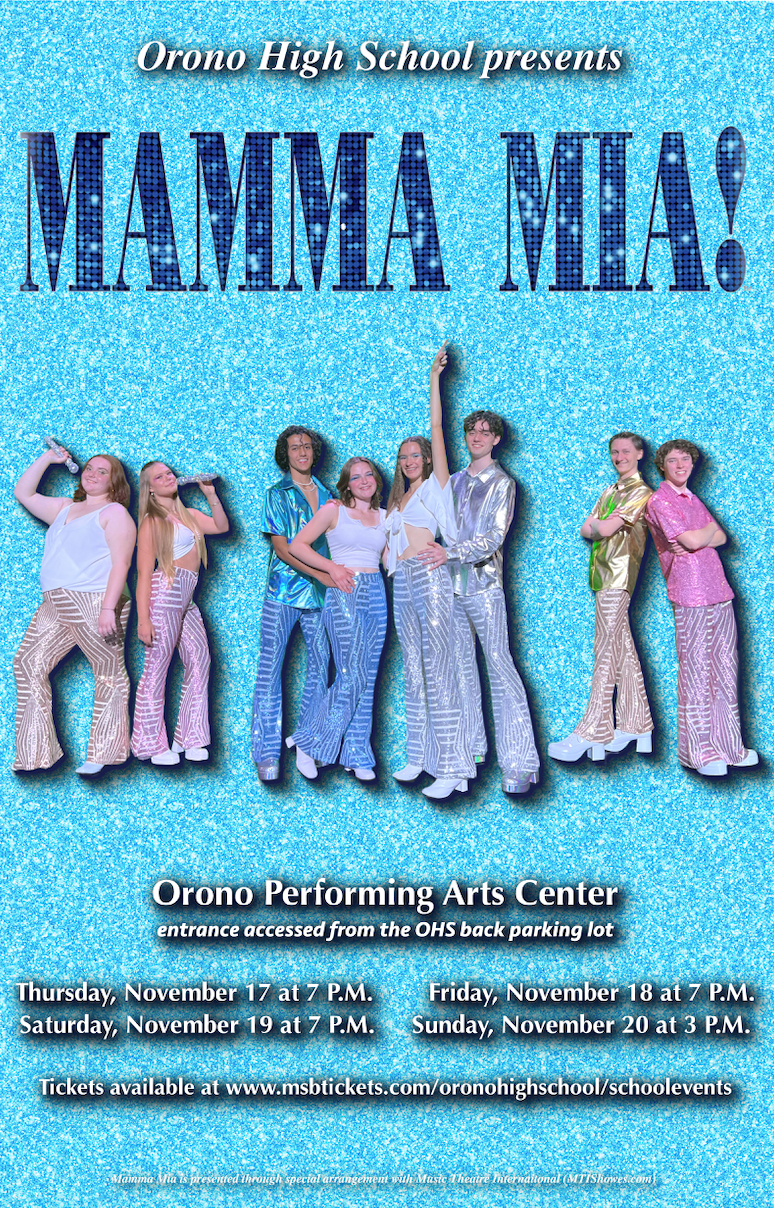
One of the best parts about November is that high schools across Maine provide opportunities for students to perform in theatre productions. The added benefits to our state are many! People of all ages can engage in stories, some old and classic, and some newer. The community including parents, children, seniors, retired folks and anyone who lives in the town where the school is located, as well as surrounding towns, have a chance to watch, listen and learn as teens take to the stage. There aren’t many opportunities during a school year for citizens to enter our school buildings. These performances can serve as advocacy for not only theatre programs but dance, music, and visual art since all of the arts are often utilized through the theatre production.
The skills and experiences gained through participation in theatre productions are not learned elsewhere!
CONGRATULATIONS…
…to all the high schoolers taking part in plays. I know that to give your best performance you have practiced for many days and weeks which amount to many hours while still keeping up with attending classes and doing homework. You’ve worked individually and with your peers practicing lines, your position on stage with how and where and when to move. You have collaborated with teachers, actors, light and sound students, costume and make up people. Your success relies on the commitment and cooperation of a huge number of people.
THANK YOU…
…to all the educators who give opening of their time after the normal school day to support the many students who participate in the theatre program. I know we have some Maine schools with theatre teachers who provide classes during the day that contribute to the production but most are doing this work after school. Your patience, kindness, and influence inspiring theatre students is amazing.
SUPPORT…
We know that it takes many people beyond the actors and teachers who help support the production in many different ways. Thank you to all of you lovers of the theatre and students who participate. I encourage everyone reading this blog post to attend a play going on at your local high school. Nothing like a full house to feel appreciated when performing!
The following are a few of the plays that are taking place in the next couple of weeks. If you are aware of others please email me at meartsed@gmail.com and I’d be glad to add them to this blog post. Thanks!
We are fortunate in Maine to have had many arts education giants over the years. Some at the local level, leading conversations, at the regional level providing leadership and at the state level influencing conversations and policy. This week Maine arts educators lost a champion, an individual who had experience in all three arenas. Jason Anderson, age 41, passed away much too early. At the beginning of his career he taught music for 14 years in Vermont and Maine. His teaching experience plus his graduate degree in curriculum and instruction prepared him well for his employment at the Maine Department of Education (DOE). Jason started at the DOE not long before the outbreak of Covid and he rose to the challenges and provided multiple opportunities, clear communication and supported educators in every way possible. His ongoing work was done with enthusiasm and he was totally committed. Jason was greatly appreciated and will be missed!
Jason’s funeral is on Saturday, October 29, 10:00 a.m. at the Military St. Baptist Church, 308 Military St., Houlton. His obituary can be found at THIS LINK.
Jason Anderson December 21, 1980 – October 19, 2022
Arts educators need to, and do, advocate for Arts Education in many different ways. Hopefully, at the end of the day, the advocacy efforts change the access and equity to high quality Visual and/or Performing Arts Education for all students. Advocacy can heighten awareness of the ‘why’ of Arts Education. Efforts may relate to curriculum or assessment or scheduling or numerous other topics that impact an education in the arts. Sometimes we need to seek opportunities and sometimes we’re forced to advocate. And, other times an opportunity unfolds in front of us. Like the time I was on a 2 hours flight sitting next to my superintendent. I had the ear of the person who could make a huge difference in the arts education program. You betcha, I took advantage of the chance to have a conversation that included promoting arts education.
Two amazing arts educators recently had the opportunity to present about their programs. One a theatre teacher, the other, a music teacher. They had an audience that was filled with not only educators, Pre-K through higher education, but people from the business sector as well. I sat in the audience listening to them and chills ran up my arm and I could feel the pride fill my heart and brought tears to my eyes. I often think about how fortunate so many learners are for excellent arts education programs. It takes all of us to bring this magic to schools and school districts but without outstanding and qualified teachers in classrooms, goals fall short.
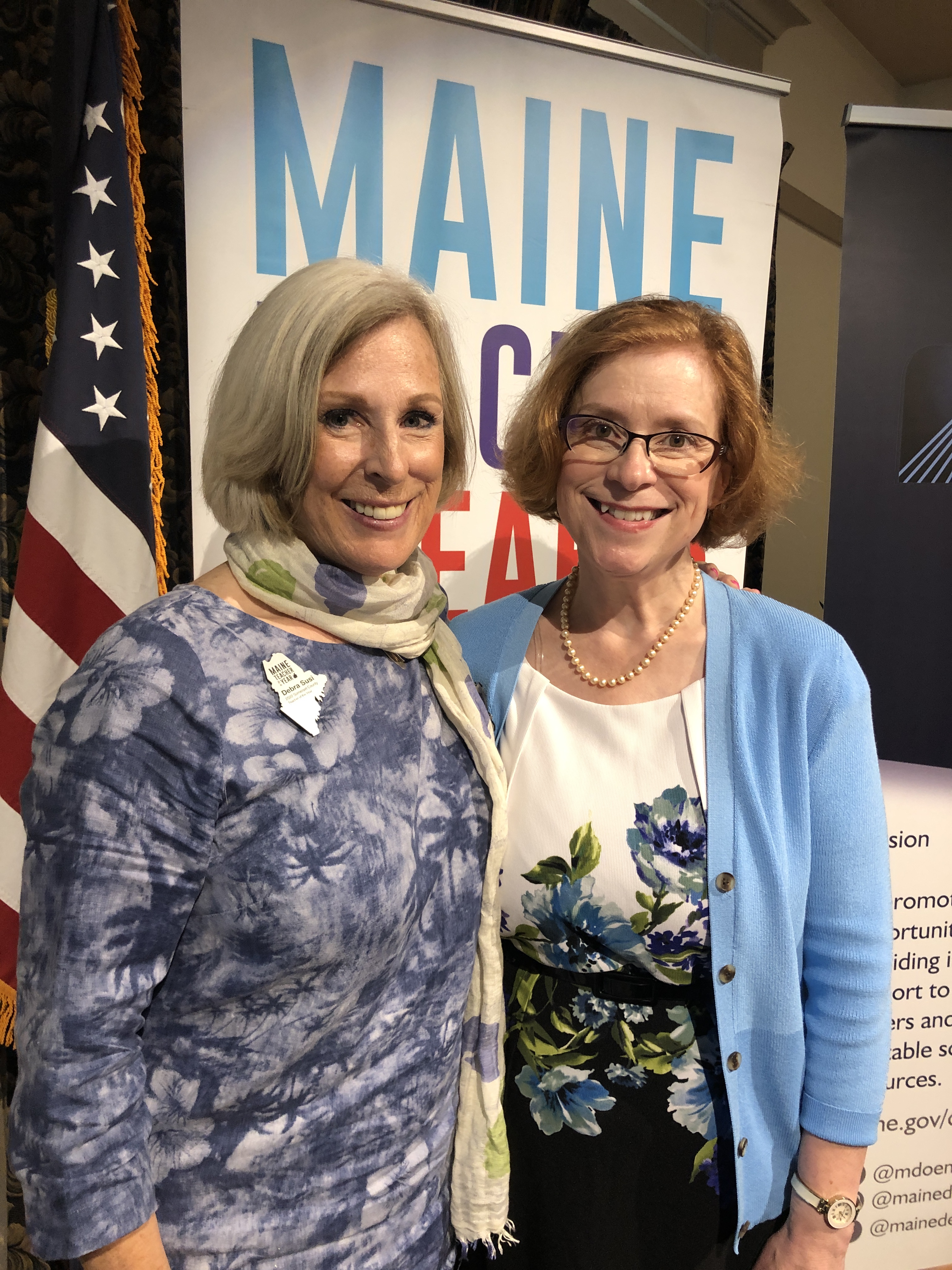
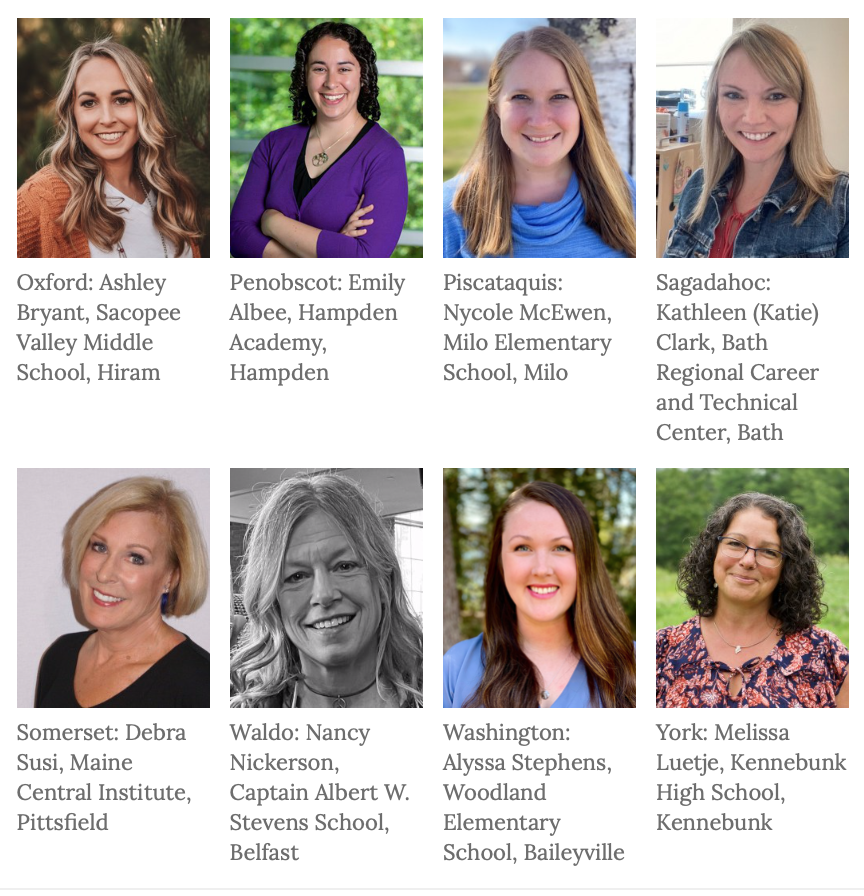
Congratulations to Rebecca Edmondson and Debra Susi for using your voices and representing all that is ‘right’ and ‘good’ about education. Rebecca is the K-6 classroom music teacher at Conners-Emerson School in Bar Harbor and the 2022 Hancock County Teacher of the Year and Debra is the theatre teacher at Maine Central Institute in Pittsfield and the 2022 Somerset County Teacher of the Year. I am so proud and grateful for what each teacher is doing to represent all Maine arts educators. Both were selected as semi finalists for the 2023 Maine Teacher of the Year.
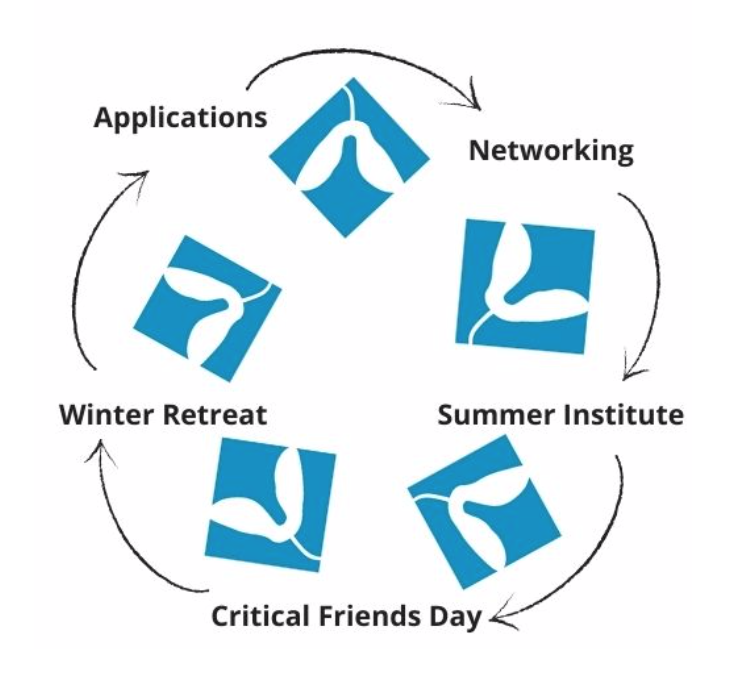
This is a great opportunity to become part of a dynamic network of arts educators across the state of Maine. This year-long experience begins with a 3-day Summer Institute, held at a beautiful outdoor setting sure to jumpstart your leadership journey.
August 1-3, 2022. APPLICATION deadline June 23. There is no cost.
If you’re selected your role begins with the 3-day institute at Pilgrim Lodge, August 1-3.
MAEPL would love to build community with educators and teaching artists who know or have someone interested in arts integration. If you have someone in your building or your community or have partnered with someone in the past please have them attend this summer with you!
MAEPL recently moved from the Maine Arts Commission and is now a program of the Maine Department of Education.
August 1-3, 2022. APPLICATION deadline June 23. There is no cost.
SUMMER INSTITUTE LOCATION Pilgrim Lodge is a camp run by the United Church of Christ of Maine on Lake Cobbosseecontee in West Gardiner, ME. This beautiful venue has cabins with electricity and plumbing, large indoor and outdoor meeting spaces, modern dining facilities, wifi in main buildings, good general cell reception, and recreation options including swimming, human-powered boating, and trails.
PURPOSE
The Maine Arts Education Partners in Leadership (MAEPL) is committed to developing and promoting high quality arts education for all. MAEPL operates on the premise of “teachers teaching teachers.” All of our design teams, institutes, and professional development opportunities offer/encourage collaboration.
Teacher Leaders: Maine Visual or Performing Arts Educators with a professional teaching certificate who teach an Arts discipline in a public or private school.
Teaching Artist Leaders: Professional Teaching Artists in Maine with demonstrated experience collaborating within educational or civic environments to design and lead student-centered, values-driven residencies drawn from mastery of their artistic discipline.
TRAININGS, COLLABORATION, & WORK
MAEPL is built on an institute model, by application. There is a Summer Institute for Teacher Leaders and Teaching Artist Leaders. Returning community members are encouraged to participate.
At the Summer Institute new Teacher Leaders and Teaching Artist Leaders will learn foundational practices in instructional design and leadership skills. Participants will take part in a variety of workshops focused on emerging needs in Arts Education professional development.
Collaboration, networking, and the sharing of resources are an expectation as a member of the MAEPL community. During the Institute participants will develop an individualized growth plan that will be shared with others for feedback and suggestions.
Throughout the school year, participants will continue to share how their individualized growth plan is developed and implemented, and they will have the opportunity to share at a Critical Friends Day, and with a thought partner. At the Winter Retreat participants review and reflect on the work done, and allow for time to get feedback to plan for the next Summer Institute.
TEACHER LEADER/TEACHING ARTIST LEADER ANNUAL EXPECTATIONS
Attend Summer Institute
Work with a thought partner
Develop a individualized growth plan
Share the outcomes of your individual growth plan within the MAEPL community and beyond (i.e. workshop, resource, video, article, etc.)
Share feedback and information about MAEPL through teacher leader stories and as part of your outcomes of your personal growth plan
Collaborate, network, and share resources
Participate in Critical Friend Day
Attend Winter Retreat
August 1-3, 2022. APPLICATION deadline June 23. There is no cost.
The 2022 County Teachers of the Year were announced recently in Augusta at the State House. I love that there are so many teachers each year nominated who represent all that is ‘right’ with education. Each of us in the profession, no matter what our role is, should feel the pride!
I’m especially excited this year that there are two performing arts teachers; representing Hancock County is Rebecca Edmondson who teaches music at Conners-Emerson School, Bar Harbor and representing Somerset County is Debra Susi who teaches theatre at Central Institute, Pittsfield.
Hundreds of teachers across Maine are nominated by a member of their school community. The application process is rigorous, not a lightly designed ordeal, with a teacher selected from each county by a panel of educators and other individuals who are members of each county.
Maine County Teachers of the Year serve as ambassadors for teachers, students, and quality education state-wide throughout the year. The Maine County Teachers of the Year are available to make presentations to local and regional organizations. Throughout the summer, they will continue to participate in an intensive selection process. In the fall one of these sixteen teachers will be named the 2023 Maine State Teacher of the Year.
I’m sure the blog readers join me in congratulating all of the county teachers of the year, especially Rebecca and Debra!
The Maine Department of Education’s Teacher of the Year Program is administered through a collaborative partnership with Educate Maine. To learn more about the Teacher of the Year Program visit: https://www.mainetoy.org/.
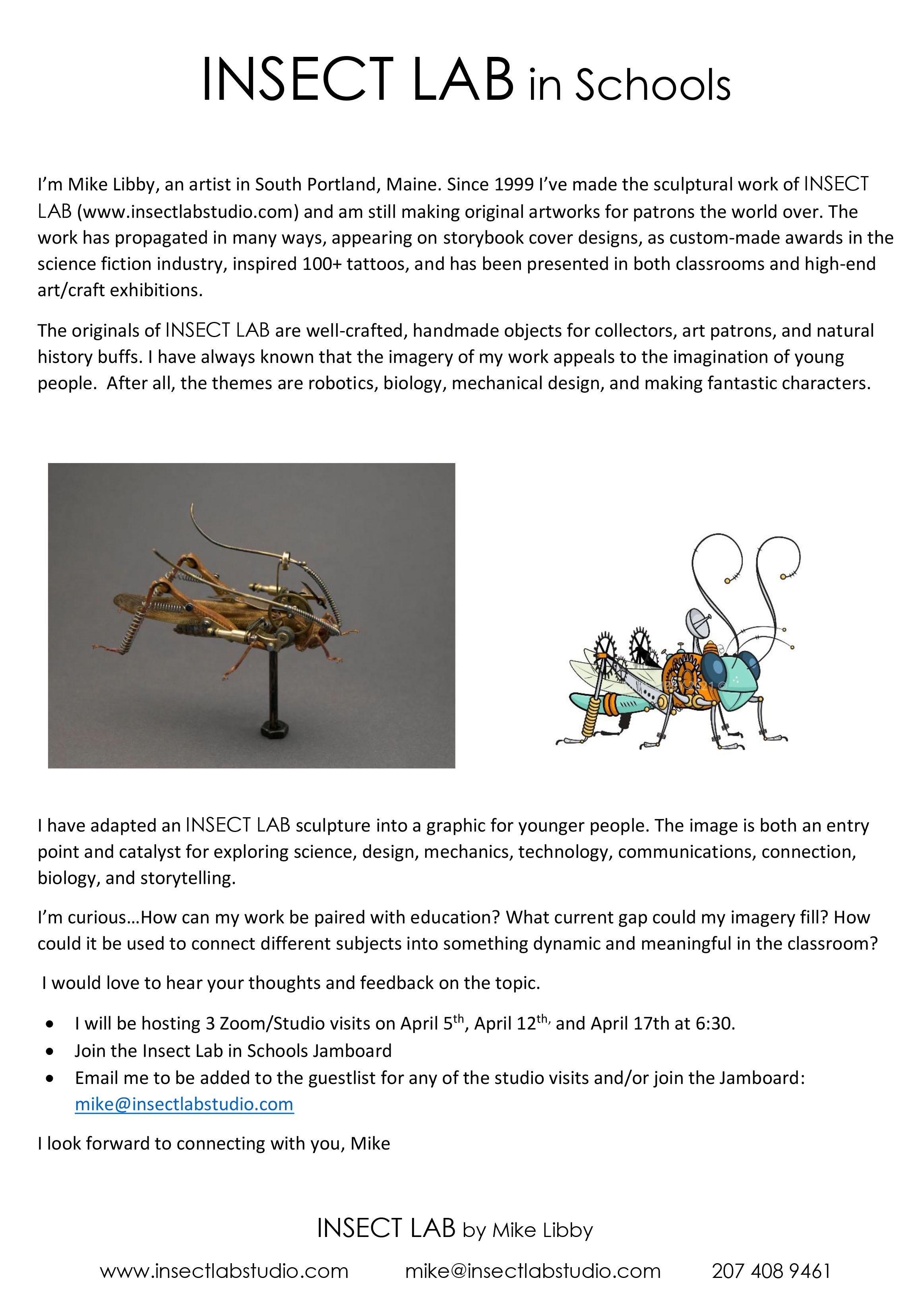
Below is an invitation from Maine artist Mike Libby! Mike is a graduate of Bangor High School and is an amazing artist who established INSECT LAB. Now, he’s sharing his ideas with teachers. I encourage you to respond to Mike and join him on zoom during one or all of the sessions. What a super opportunity to consider how Insect Lab could be part of a lesson or perhaps your school curriculum.
Sadly, we lost a giant in the arts on Friday, February 4. Ashley Bryan was 98 years old and lived everyday joyfully! His face in the photo below is how I will remember this amazing artist, advocate, storyteller, poet, and humanitarian.
Just a couple of weeks ago I read an interesting story in the Maine Sunday Telegram about a family in Virginia who purchased a home where their great grandparents lived as slaves on a plantation. I thought of Ashley Bryan and his book, Freedom Over Me. I cut the article out of the paper and sent it to him. As Ashley has done in so many books it is a beautiful collection of words and pictures. On the mainland near Ashley’s home on Little Cranberry Island he heard there was to be an auction that included paperwork from a plantation where slaves were held. Interestingly enough, the paperwork was from an auction that was selling 11 slaves. The paperwork described only the necessary items to buy and sell slaves; name, age, height, price, and little else. Ashley imagined much more about these individuals and gave them lives; describing their skills, their hopes and dreams, in poetry and images. Each are alive for the reader on the pages of the book.
Freedom Over Me is one of over 50 books that Ashley has written and illustrated. For years his children’s books have been steady and gently forceful educating on issues of color and racial diversity. He has used song, poetry, spirituals, folktales and much more to share Black culture. He received awards and recognition for many of his books including including two Coretta Scott King awards and the Laura Ingalls Wilder Award. He found joy in telling his stories with people of all ages through singing, tapping and moving. Ashley’s presentations started with a Langston Hughes poem My People. The youtube video below will help you understand why Ashley shared this poem and you’ll hear him reciting.
My People
The night is beautiful, So the faces of my people.
The stars are beautiful, So the eyes of my people.
Beautiful, also, is the sun. Beautiful, also, are the souls of my people.
In 2013 the Ashley Bryan Center was created to to “preserve, celebrate and share broadly artist Ashley Bryan’s work and his joy of discovery, invention, learning and community. The Ashley Bryan Center will promote opportunities for people to come together in the creation and appreciation of visual art, literature, music, and the oral and written traditions of poetry. The Center is fiercely committed to fostering cultural understanding and personal pride through scholarship, exhibitions and opportunities in the Arts.” The center has been doing impactful work since its inception. One component is the distribution of Ashley’s book Beautiful Blackbird. Each year copies are given to schools, libraries, and organizations serving underserved children. To date, over 20,000 books have been distributed in Maine, New York City, Atlanta, and Philadelphia.
I was fortunate in August of 2018 to travel with Central Elementary music teacher Kate Smith to Islesford to meet and visit with Ashley in his home. We were touched by his energy, joy and childlike view of the world. What a gift! We visited the Storytelling Pavilion where we viewed his amazing puppets and stained glass windows. Yesterday I shared the sad news of Ashley’s passing with friend and colleague, Catherine Ring. We agreed that there are some people that should live forever, they enrich every life they touch and make the world a better place. Ashley was one of those people, and fortunately as he reminds us in the video (linked above), that what we create will last. The art he created during his 98 years on this earth will last and there’s no doubt in my mind that it will continue to impact people of all ages in a positive and thoughtful way. At some level his message lives on in each of us touched by Ashley and his work (and play) so he’s not really gone.
If you ‘d like to learn more about Ashley visit the Ashley Bryan Center website. To contribute and to learn what a donation could support visit the donate page on the center’s website.
Earlier blog posts on “Argy’s Point of View” blog are linked below. They are filled with photos, ideas, resources, links, and so much more. One of my favorites is the story of a former student, Aaron Robinson, who collaborated with Ashley to write an African-American requiem for chamber orchestra, choir and spoken voice called A Tender Bridge.
A lot has been said about education and educators since the pandemic started in March of 2020. During the earlier months educators were the heroes. People began to realize the value of teachers. I read on a facebook post by a teacher this week that she wished to return to the early days of the pandemic when teachers were appreciated. When parents, especially parents, realized how challenging teaching is and how critical the teacher was to their child. We all know that doesn’t just refer to the ‘teaching’ part of a teachers day but the support teachers give to social and emotional learning, and so many other pieces that teachers teach individual students.
This morning I listened to a 6th grade student from Georgia on public radio say that her mother gave her a journal recently to document her stories of the pandemic. She only wished she had started writing at the beginning of the pandemic because she’s forgetting how she felt and what happened during those earlier days.
As we know time seems to race faster as the years go by. I’m sure some of you can relate to the 6th grader. Those of you that wear both hats – juggling teaching and parenting, in many cases, handled even more than usual.
What did you try during the early days of remoteness that you felt was a disaster and what actually turned into a success? In the spring of 2020 I remember gathering on zoom each morning with my middle schoolers for ‘breakfast club’. Students had a chance to connect with each other and their teachers. They ate, laughed, and connected in ways unmeasurable. It was optional but almost every student was there almost every day. It helped them to remember the importance of connecting and communicating in a ‘non-learning’ way. Let’s face it, we know how important it is for many to connect, not because we have to but because we want to.
Here are a few questions to help you sort your role as teachers during the pandemic. Answer the questions by writing or an art creation (movement, acting, musically, visual art, poetry):
What have you learned earlier in the pandemic that you continue to apply?
As things got turned on their head, what did you try that you found was successful or a complete failure?
What were the points in time that caused you to pivot?
Name what you felt when teachers were being referred to on a daily basis as ‘heroes’?
Make a list of what you want to remember from the pandemic as a teacher; the positives, and the challenges?
Select a quote that you can identify with in your role as a teacher. Make it large and post it (at home or at school) and use it as motivation and a remembrance that what you’re doing is amazing, every day!
Compile a list of quotes from the amazing work teachers are doing that are helpful in keeping your spirits up and remembering: whatever you’re doing is enough!! I can’t say that enough.
bell hooks, September 25, 1952 – December 15, 2021
As we start another calendar year and head towards two full years of living in a world-wide pandemic here are thoughts and what’s been learned from teacher leaders; on teaching, adapting, pivoting, and noticing students to help them do their best at learning.
A HUGE THANK YOU to Rob Westerberg, Anthony Lufkin, and Iva Damon for going above and beyond and sending their thoughts. Valuable information from Maine Arts Educators. You’re invited to share your thoughts. Please post at the bottom or email them to me at meartsed@gmail.com and I will update this post.
What are your ah-ha moments in teaching this year? What’s most important to you?
Two things have helped me pretty profoundly. The first is staying hyper organized. I tend to lean that way ordinarily, but by always staying a step or two ahead of everything that needs to be done, it has helped to relieve a LOT of stress and peripheral distractions from my school day and my interactions with classes/students. The other thing is treating each individual school day as its own mountain climb… I climb a different mountain every day. Consequently at the end of the day I feel a genuine sense of accomplishment. Some climbs are easy, others hard. But either way I leave school feeling very proud and, honestly, very happy. It has helped me keep my focus off of what I cannot control, and instead on the most important things in my professional life: the students. In some ways I already feel like 2021-2022 is the best professional self I have ever been. ~Rob
Students are so excited to be back in the classroom. It is why I love teaching. The privilege to provide the space to have students learn and explore what they are capable of doing is why I love going in every day. It’s also so important to remember to remember what is within one’s control and what isn’t. A new technique I learned was to think of oneself as a river, it’s okay to have things flow in, but allow them to continue to flow on and not hold onto what isn’t healthy or supportive to you.~Iva
Do you have any techniques/daily rituals/helpful hints for others that help you and your students focus?
Every start of every class, every day: I prompt the students to show me fingers, 5 means “I’m doing amazing”, 1 means “I shoulda stayed in bed…”. I look them over and it’s a conversation starter for me, reacting to what they are showing. If someone’s a 1 or a 2 I may ask, “School or stuff or both?” I certainly don’t need to know more than that, but even that response can lead to other discussions as a class (strategies for dealing with stress, compartmentalizing home stuff and school stuff, being a teenager in the 21st Century or even specific things). It also allows me to provide empathetic stories in my own experience if the situation fits. After we’ve done that, I have the class itinerary on the board, talk them through it, and off we go. The students have expressed directly to me how much they deeply appreciate this. They know it’s not just a quick tack on, that I truly care. EVERY teacher truly cares, but we don’t always have a platform to empathize in real time with our kids. This allows me to do so. It’s amazing how much this one piece – even over just a few minutes – centers and focuses my kids as we prepare to work together. For some the effect lasts the rest of their school day. It’s made a difference for me too. ~Rob
I have been using walks as a transition to class. We have been starting each class by doing a loop around the building outside. It has been a great opportunity to informally check-in with students, how their day is going, and makes for a more seamless transition for class to begin when we return inside.~Iva
The structure of my art classes has changed a lot for me over time, significantly with the adaptations need to cope with the pandemic, but also as I develop a better understanding of learning processes, and gain more experience teaching art. Creating a studio mindset is something that I have worked to achieve, while still maintaining the structural instructional practices needed to develop new skills and understanding.
Working at the elementary level, time is always an issue with one of the biggest inhibitors I have found being the way schedules are set up. Because of the limited time available, I have really had to focus on what is important, and what can be discarded. There are a few strategies that I have implemented that while I had concerns about them taking away from instructional or production time at first, I have found to be invaluable.
One process that a colleague shared with me is something called a “silent doodle”. This is a little piece of paper on the student’s desk when them come it that they “warm up” with when they first some into class. The primary reason for implementing this was to help them settle in after a transition, and give me time to get things ready (especially when I did have not time between classes). What I have found though, is that this becomes an amazing creative outlet, and a form of reflection where they often draw images using the skills we have worked on in class. We only spend 2-3 minutes on this, and so while it takes that time, when they are done, they are ready for instruction and creation.
Another process I have implemented in many classes that I got from some of the collaborative projects I have done with the Farnsworth Art Museum Educational Program, is a quick noticing activity using visual thinking skills. We do what we call an I see…I think… I wonder critique of an artwork. A few times a week at the beginning of class I portray an artwork, sometimes relevant to our project but often not, that we spend a few minutes looking at. I have students raise their hands to tell me what they see in the picture, things like colors, shapes, objects, etc. I then ask for what they think the art work is supposed to show or mean, or why it was created based on those observations. Finally, I ask what else they wonder about the artwork based on what they have seen and what they think. I usually fill them in with a little information about the art and artist, but it is brief, intended to help them realize that there are not always answers to some of those questions. This again takes a few minutes, usually 5 minutes or so, but has created the framework for looking more critically at art, and developing ways to talk about one another’s work using effective constructive criticism.
The speed of which I go through instructions, and the modeling of techniques are also significant components to giving students adequate time to work on their projects. Having lots of examples including student examples in progress and completed are also key contributors to helping students understand the steps and processes we are working on. One of the areas I struggle with is giving students the opportunity to “complete” projects. I have the mind set of ‘process over product’, focusing on giving them as many opportunities to try new techniques and mediums as possible. I understand that this can be very frustrating for students who are more methodical in their approach so that balance between finishing and moving on is one I am constantly adjusting.
While there are many other small factors in my teaching approach that contribute to my teaching “style”, one of the other structural features I have been trying to incorporate more is the use of choice for students. While some of them are adaptive choices, many of them are simply an alternative. For example, I have had a 3D printer donated to our program by the Perloff Family, and have been using some cad programming in my projects. Giving students the option of using 3D printing versus clay, allows those with tactile discomfort, the opportunity to express their ideas in a different form. I still make sure they experience the nature of clay in other projects, but by having some choice, even with miniscule differences, has made a big difference in student motivation. ~Anthony
Now that we’re in the second year of the pandemic; please share what you’ve noticed about students and how they’re adapting to the challenges?
My students have never been more grateful for the things we often took for granted pre-pandemic. There is an excitement around rehearsals and classes that is almost tangible, because the kids really missed it. They are struggling too… back in school full time, singing with masks on, social/emotional issues that continue from this past year, but their gratitude seems more overt and embedded in what they do in my classes. I think that gratitude has helped them to move forward even as it remains a challenge. ~Rob
They need space to talk through their concerns, hopes, and have adult models to help them establish healthy tools to cope with their new world they are a part of. Students are the most resilient and have been able to bounce with the extreme changes that keep coming their way, but time to stop and reflect is so very important. ~Iva
Argy Nestor
Arts Educator, Blogger, Artist, Connector meartsed@gmail.com
https://sites.google.com/view/anestor/
Argy’s Blog
The purpose of this blog is to share stories about people and places; and to celebrate the amazing work (and play) that students, educators, and organizations are doing in and for arts education. In addition, the blog has a plethora of resources and innovative ideas. This forum gives blog readers the opportunity to learn from each other. It is essential that we listen, learn, and collaborate in order to build on teaching practices for the benefit of every learner in Maine and beyond.
















 me arts ed