Archive for the ‘YAHOO’ Category

h1

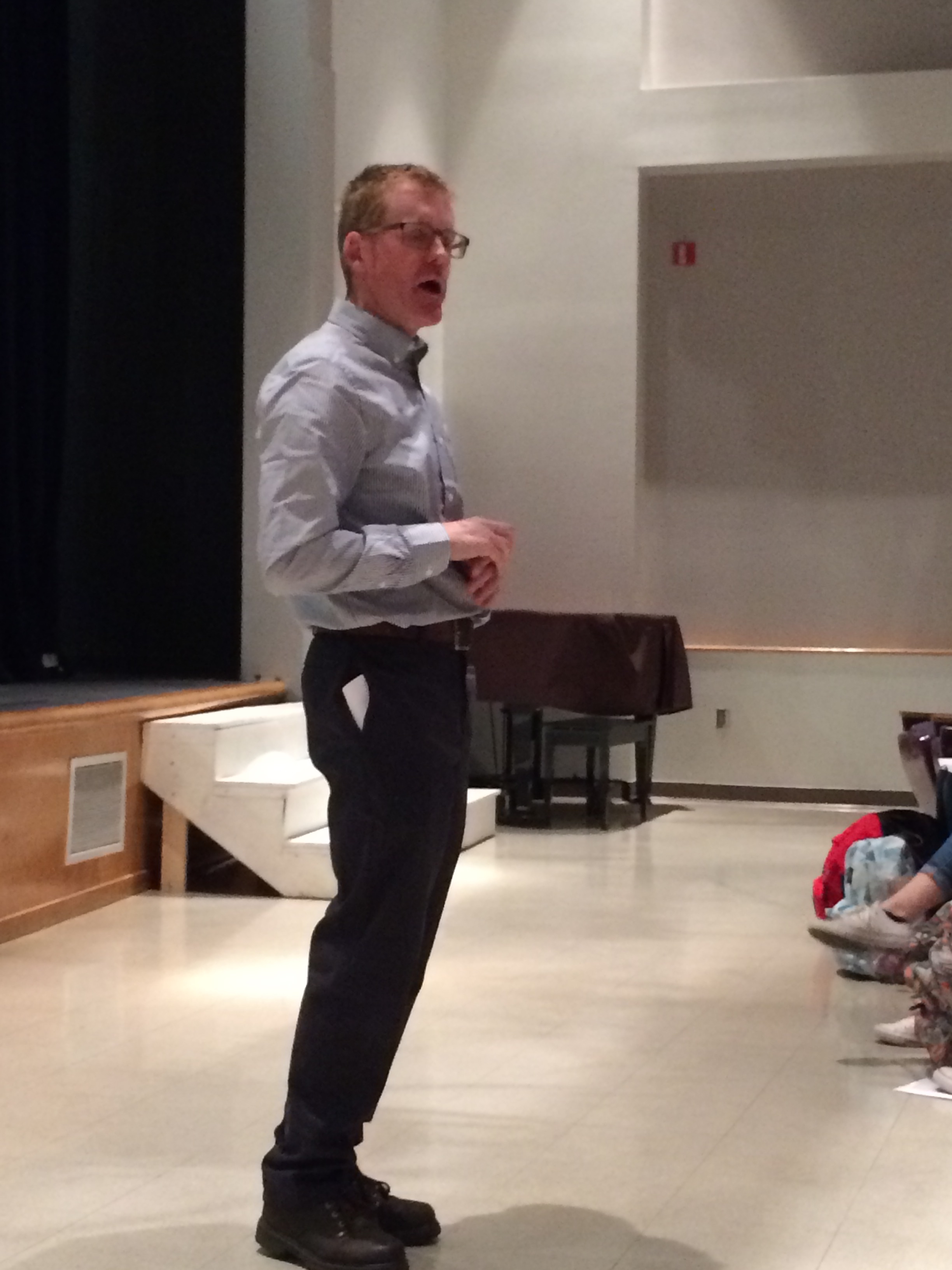
MALI Teacher Leader Story: David Coffey

March 27, 2018

Music Educator

This is one of several blog posts in 2018 that include stories of the Maine Arts Leadership Initiative (MALI) Phase 7 Teacher Leaders and Teaching Artist Leaders. This series includes a set of questions so you can learn a little bit about each leader. CLICK HERE  for more information on MALI. CLICK HERE  for more information on the 93 Teacher Leaders and 8 Teaching Artist Leaders.  CLICK HERE  for Arts education resources. CLICK HERE  for the MALI Resource Bank. Search in the “search archives” box on the bottom right side of this post for past teacher leader stories.  Thank you David for sharing your story!

David Coffey currently teaches music grades 6-12 for RSU 71 in Belfast. He is in his 15th year of teaching but only 4th year at RSU 71. He currently teach choirs grades 6-12, 6th grade general music, and high school modern band serving around 170 students. Outside of the school day he serves as music director for the middle school and high school musical productions, teach an a cappella group called Belfast Voices, and serve as Department Chair for the high school Visual and Performing Arts Department.

What do you like best about being a music educator?

I like the opportunity to open student’s minds to new discoveries.  Though it’s great when those discoveries are academically focused, social and civic discoveries are equally important to the building the lives of our students.  At the beginning of my career I adopted a vocal music motto; Building lives and voices with song. That is the essence of what I believe as a vocal music instructor and it brings me great joy when I am privileged enough to see it happen.  

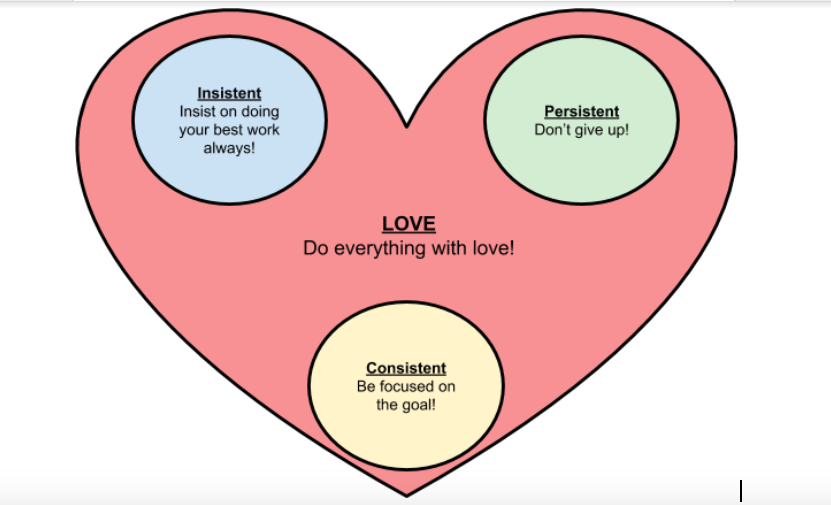
What do you believe are three keys to ANY successful visual and performing arts education?
How have you found assessment to be helpful to you in your classroom?

The assessment practices I have developed over the past three years, online individualized vocal assessments based on voice type and level, enable me to enter into one on one digital conversations with students in ways that I was previously not able to in an ensemble setting.  Using Google Classroom as a platform I am able to assess students individually without losing any rehearsal time. The assessments I offer provide students an experience where they are able to learn a song on their own, record a video of it, receive feedback from me, reflect on and respond to that feedback by correcting their performance until standards are met.  This allows them to see and hear vocal growth as they continue through the choral program.
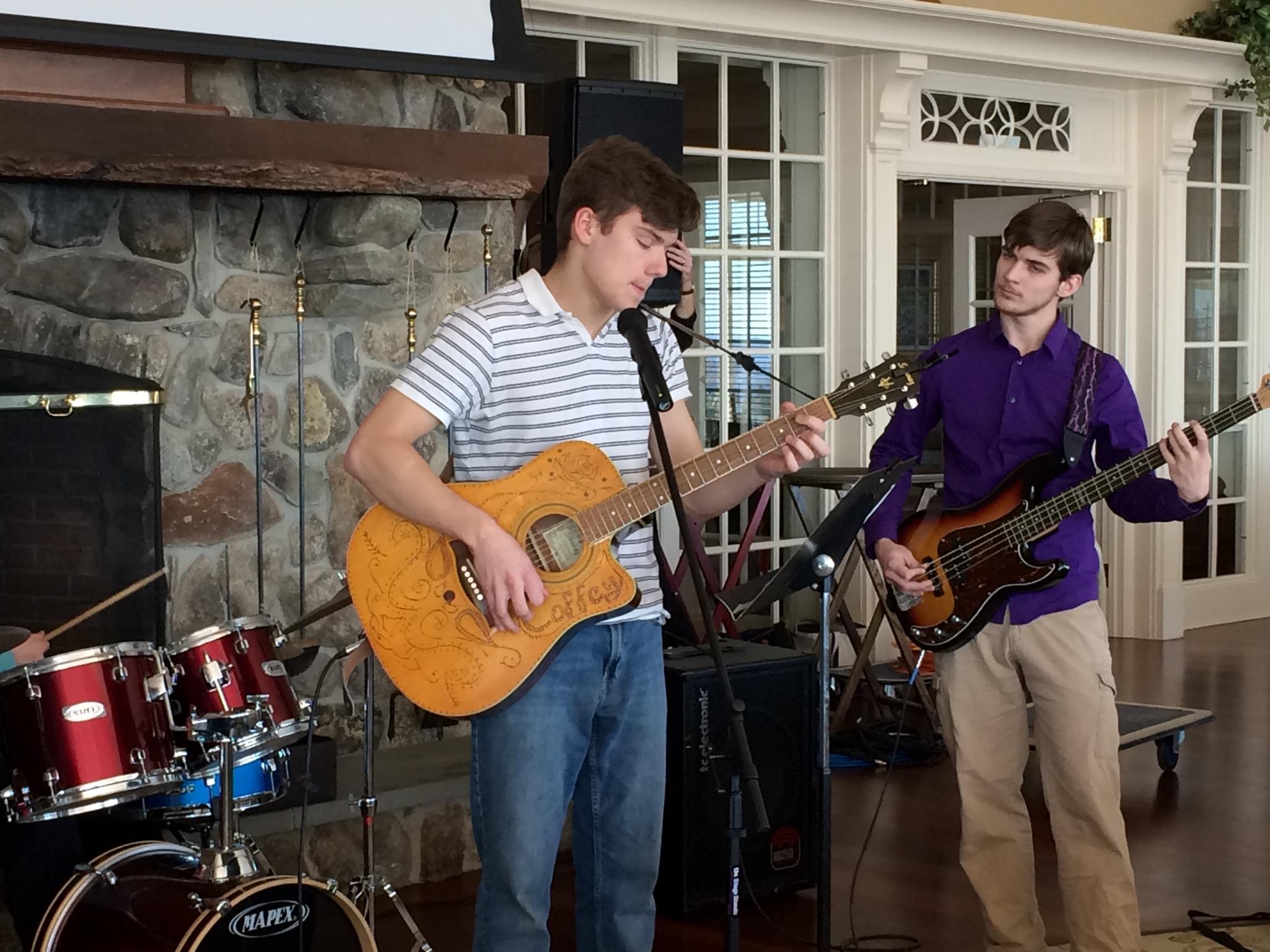
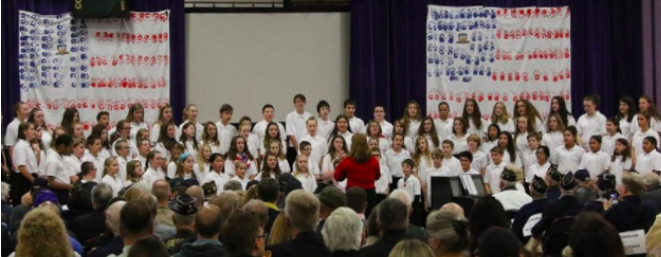
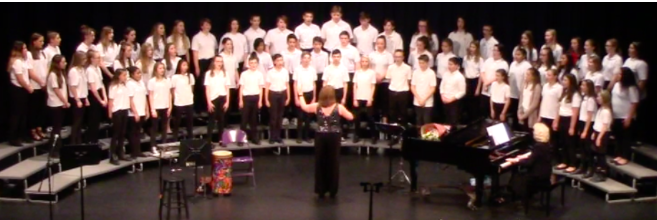
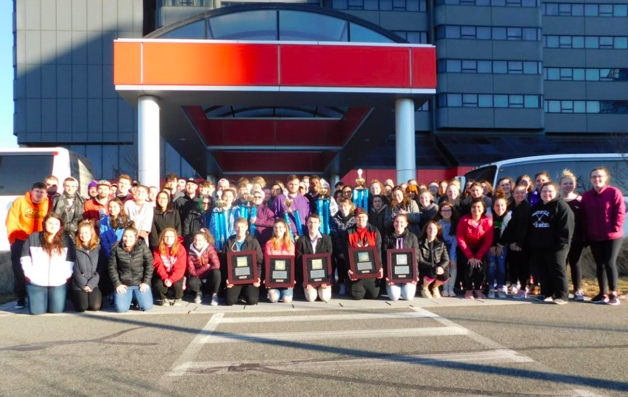
David’s students performing at Point Lookout for the arts and economic impact Maine Arts Commission luncheon.

What have been the benefits in becoming involved in the Maine Arts Leadership initiative?

By becoming involved in MALI I have encountered new colleagues, been given access to new resources and new ways of thinking, and because of those things I have grown as an educator.  The ultimate goal is growth, whether it be mentally, physically, spiritually, professionally or in the case of MALI, a growth fusion. In order to grow we must first acknowledge that there is room to grow (there always is!) and then seek or seize the opportunities as they arise.  I didn’t really know what to expect when I agreed to be involved but I am glad I did.

What are you most proud of in your career?

I am most proud of the relationships I have built with the staff, students, parents, and the communities where I have worked over the course of my 15 years in education. Though not always easy and while this taken many forms it is always wonderful when the people involved feel a sense of satisfaction, self-worth, and joy. Whether it be working with students and audience members at concerts, preparing students for festivals, getting volunteers for our annual mattress sale, or lending a voice at a school board meeting we, as an education community, have academic, social, and civic responsibilities that we must see through together. What we do as educators, administrators, parents, and community members matters. How we support one another matters. Though not always perfect I am choosing to focus on the positive (or should I say “Accentuate the Positive”) things that have happened to me as an educator and hopefully the contributions I have made have helped to positively shape the lives of the educational communities I have been a part of.

What gets in the way of being a better teacher or doing a better job as a teacher?
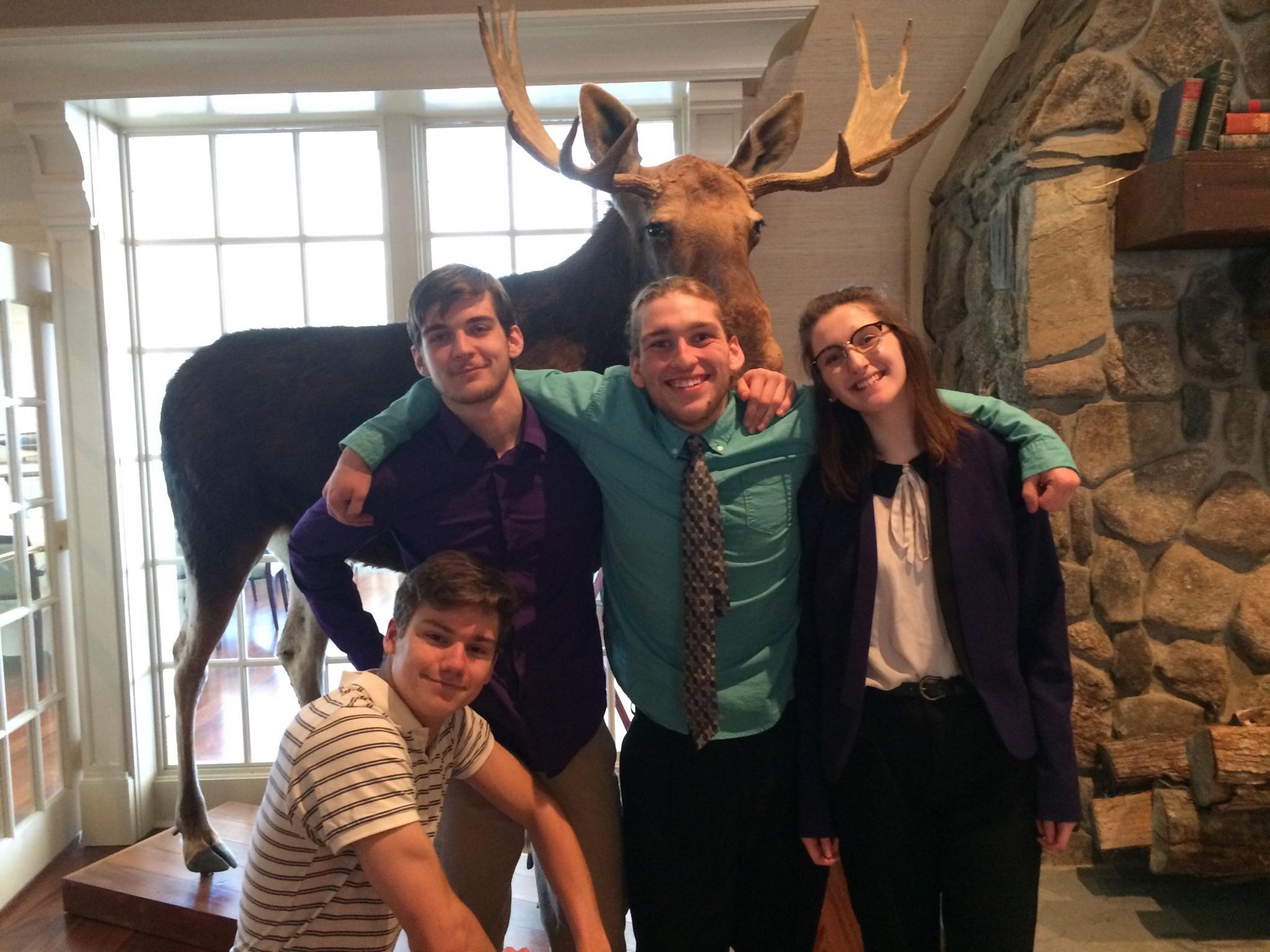
David’s students taking a break from performing at Point Lookout for the arts and economic impact Maine Arts Commission luncheon

One word answer, me…okay, so maybe the answer isn’t quite that simple but that is pretty much the case.  Is it true that there are plenty of external factors at work? Yes, but ultimately it is me. Time is one of the biggest things I complain about; not enough time to do this because of that and not enough time to do that because of this. Let’s face it, there’s a lot on our plates. However, while all of that is true, I am starting to realize that maybe there isn’t enough time because I haven’t set limits for myself. Why haven’t I set these limits I might ask myself? Do the words guilt, pride, or ego ring a bell? I want so badly to do a “good” job and help as many people as possible but at the end of the day I haven’t always done a very good job of taking time to take care of me. It’s the whole analogy of putting on your air safety mask in the case of an emergency on an airplane. You can’t help your neighbor until you have put your mask on first. I don’t want to sound selfish or come across as thinking only about myself but this year I am trying to put my mask on first. Yes, I am very busy still but I am taking some time to focus on things I want to do, things that help me feel more refreshed, more energized. Do I have it all figured out? No, of course not, who does? Am I trying, am I doing my best given the circumstances I have to work with? You bet, it’s all I can do sometimes! What are you doing you might ask? Exercise was completely squeezed out of my schedule last year and it has taken its toll. While the toll was more mental than physical, it was noticeable. Knowing that exercise was an important part of my life that was missing I had to make some adjustments to my schedule and expectations of myself to add it back in. I am still working it out but I am glad I am trying, it has helped me and those around me immensely.

What have you accomplished through hard work and determination that might otherwise appear at first glance to be due to “luck” or circumstances?

Before I moved to Maine I worked for 10 years as a choral and eventually modern band (rock band) director serving students grades 6-12. I also directed the music for the fall musical, had an extra curricular a cappella group, and served on various committees here and there. Pretty standard fare for an Ohio music teacher.

However, when I moved to Maine all of that changed. I found myself teaching concert band grades 6-12, high school chorus, guitar class, directing music for both the high school and middle school musical, directing pep band, jazz band, an a cappella group, and trying to do all of the stuff that comes along with being a teacher. Can’t you just hear the Simon and Garfunkel song “The 59th Street Bridge Song?” “Slow down, you move to fast…Gotta make the moment last….” Needless to say, I was not “feelin’ groovy!” Staffing cuts in our department prior to my arrival had eventually led to an unsustainable system with holes in our course offerings and a ½ time position in our band program that we feared was going to become a revolving door (not helpful when trying to build a program). Over the course of 4 years and in collaboration with the district music staff, administration, and school board we were able to shuffle the staff around in a way that better served the needs of our students, schools, and us as music teachers. It wasn’t easy and I even resigned and got rehired along the way but it was worth it in order to provide a higher quality, more consistent music education to our student population.

Look into your crystal ball: what advice would you give to teachers?
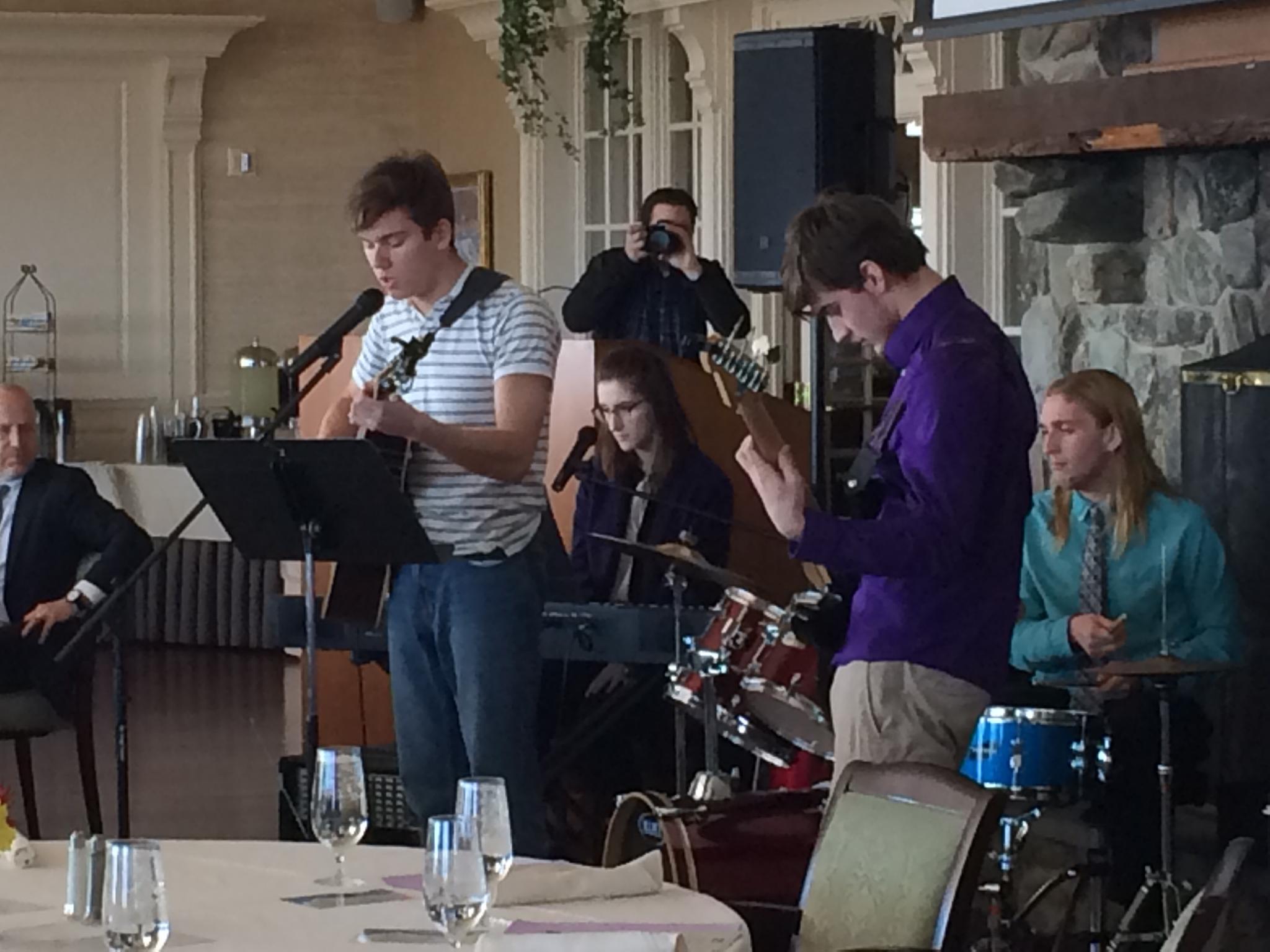
David’s students performing at Point Lookout for the arts and economic impact Maine Arts Commission luncheon

Be patient and don’t spread yourself too thin, set limits. In our efforts to provide high quality arts education we can sometimes fall into the trap of trying to do everything at once. In my case, I see a new lesson or concept and want to try it out right away but without considering the artistic process of preparation, incubation, illumination, and implementation. It usually is more like instant implementation that leads to serious inflammation! Be patient, sit with the lesson or concept for a while, let it incubate, so that you can enter deeply into it not just scratch the surface. You have plenty of time to do it.

Arts educators do amazing work and are often give less time to do it. That being said I know that I am guilty of spreading myself so thin that I get to a point where I feel overwhelmed by it all, crushed under the pressure (again, can’t you hear the chorus of “Under Pressure” by Queen and David Bowie….”Pressure, pushing down on me, pressing down on you, no man ask for”). I say yes to this and yes to that and by the end I am doing way too much at once and can’t really do a great job at anything. We have to learn to set limits. We don’t set limits because we aren’t willing to be helpful, we set limits because we want to be able to be helpful. Think about the oxygen mask emergency training given on airplanes (yep, here it is again!).  In order to be able to help others you have to put on your mask first. You won’t do any good passed out on the floor.

Be yourself and listen. You have a core, a center to who YOU are. Am I saying not to look to others as role models and guides?  Absolutely not, but I am saying to follow your inner voice and to be corny and quote Shakespeare, “To thine own self be true.” Always, period! You can learn a new concept but learn how to put it in your own words, use your own voice. People crave authenticity, they can smell phony a mile away. Don’t forget to listen to those older and younger than you, you might learn something. Age doesn’t always mean more wisdom, sometimes the greatest learning you can do is by listening to your students. Trust me, they love to know that they taught the teacher something new and what a lesson that is for them to learn!

Imagine you are 94 years old. You’re looking back. Do you have any regrets?

I regret the way I approached my first year of teaching. I was trying so hard to be like my mentor and try things in a way that wasn’t true to myself and I ended up doing some damage to my program that took a couple of years to fix and rebuild. I forgot to take the advice I would now give to new teachers, be yourself and listen. I wanted to build a program the same way other people did and not listen to the advice of those around me. That being said, if we truly believe that education is lifelong and is about growth then we must also learn to apply that to ourselves as educators and be insistent, persistent, and consistent in that belief. I desire and try to be flexible in all things but to me it is important to always be a learner, that is non-negotiable!
h1

In Today’s News

March 23, 2018

Waterville High School at Heritage Music Festival

Music students travel to New York City and sweep festival awards! Five gold awards. READ about it in today’s Central Maine newspaper. CONGRATULATIONS students and Sue Barre, Ciara Hargrove and Graybert Beacham! Watch for a blog post coming soon on the topic!


h1

MALI Teacher Leader Story: Kris Bisson

March 20, 2018

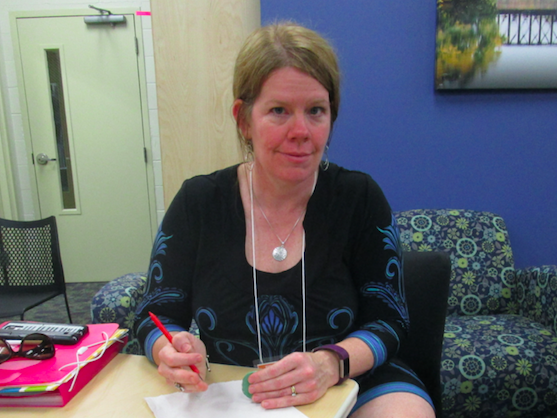
Music educator: Kris Bisson

This is one of several blog posts in 2018 that include stories of the Maine Arts Leadership Initiative (MALI) Phase 7 Teacher Leaders and Teaching Artist Leaders. This series of blog posts includes a set of questions so you can learn a little bit about each leader. CLICK HERE  for more information on MALI. CLICK HERE  for more information on the 93 Teacher Leaders and 8 Teaching Artist Leaders.  CLICK HERE  for Arts education resources. CLICK HERE  for the MALI Resource Bank. Search in the “search archives” box on the bottom right side of this post for past teacher leader stories.  Thank you Kris for sharing your story!

Kristine (Kris) Bisson, Music Teacher and Chorus Director for Marshwood Middle School, grades 6, 7, and 8, in Eliot, Maine. She has been teaching a total of 16 years, all of them at Marshwood Middle School. Kris teaches 350 students throughout the school year in six classes: guitar/ukulele, piano, Composing Music, and three grade level Chorus classes (Grade Eight Chorus, Grade Seven Chorus, Grade Six Chorus)In addition, Kris offers several music classes as extra-curricular groups after school. These are always offered as multi-age ensembles open to all students and we have had students participate from grades four through twelve join us for Select Chorus Ensemble, Rock Band, Guitar/Ukulele Ensemble, Piano Class, and Songwriters Workshop.

A unique fact is that I taught here ten years, then had my maternity leave and decided to stay at home to raise my children. After nine years I returned to my position at Marshwood Middle and have been here since. I consider myself very fortunate to be able to return to the teaching position I have always loved. She also is very fortunate to teach my own two children in my music classes.

What do you like best about being a music educator?

I absolutely love my profession. I love music and am reminded every day of why I love it. I have the amazing opportunity to share what I love with young people and help them embrace what they love about music, too. We do a lot of reflection in class: “Why did the composer choose this note? this rhythm? how would you sing this if you were really feeling these lyrics? how would you sing this differently?”

I love to personalize music making and music creating. Everyone can respond and it can be different to each and every person, and that is acceptable. This is personalization.

Every day we laugh, learn, make music, and work together to discover new things about ourselves. My favorite phrase in the classroom is, “Who else is having this much fun?”

What do you believe are three keys to ANY successful visual and performing arts education?

  1. Personal expression is unique to the performing arts. Every day and every item of study should carry an aspect of how there is a human response. I try to establish an environment of trust and respect between teacher and students and foster this every day. We work together as a team and support each other. I remind my choruses that this is what an ensemble does: we work together.
  2. Passion is an important element in the classroom. Being able to explore music as an art means being able to share first-hand experiences and giving students that opportunity as well. When you create music you have a story to tell. Tell it!
  3. Taking time to process what we are learning has been a key part of reflection in learning. Taking time to listen and hear my students respond to what they are learning is important learning. Why are we learning this? How does this moment in our learning affect other areas of our lives? I strive to help students continue to think about music beyond our classroom walls.

How have you found assessment to be helpful to you in your classroom?

Teaching performance-based classes (Choruses, creating compositions in Guitar, Piano, and Composing Music classes) can sometimes create some confusion around the subjective and objective qualities present. Authentic assessment has created a more objective and transparent method of demonstrating learning. Students can compare the rubrics we use with those similar in every class at our school. It validates the arts. It also provides measurement that can be effectively reached by various means. There are multiple pathways to learning, thus creating a broader spectrum of learning. This has been extremely rewarding to me as an educator and likewise, to my students.

What have been the benefits in becoming involved in the Maine Arts Leadership initiative?

MALI has provided a generous amount of support and enrichment to my teaching career. Being able to collaborate and learn from highly motivated and skilled teaching artists and teacher leaders has awakened a new area of growth for me. It has reminded me of the risk I ask my students to make daily to try something new and take a leap of faith into the unknown. MALI has brought that desire to succeed closer to me and I carry this with me in my classroom.

What are you most proud of in your career?

Kate Smith and Kris at the summer institute, summer 2017

With the help of my extremely supportive husband and two amazingly awesome children I earned my Masters in Music Education at the University of Southern Maine last year. It was an incredibly busy four years, but everything I studied and researched and learned I have used directly in my teaching classroom. The best lesson from this has to be that while I was working on my Masters, my husband was working on his MBA and our children witnessed first-hand how dedicated we both were to our goals in our careers, in our studies, and with our family. From our example both of our children have expressed how valuable education is and I know they will always remember this.

What gets in the way of being a better teacher or doing a better job as a teacher?

Time

  • I always make time for a student who wants to keep improving or delving deeper during lunch breaks or after school.
  • Researching new material or reading up about improving learning or my own teaching takes time.
  • Getting the word out to the newspapers or parents about the goings on of our trips, activities, and concerts takes time.
  • Sending out “I got caught being awesome!” emails to students and their families takes time.
  • Needing the sleep for the energy my job demands sometimes gets in the way, but is absolutely necessary time! 🙂

What have you accomplished through hard work and determination that might otherwise appear at first glance to be due to “luck” or circumstances?

When I returned to classroom teaching after a nine year hiatus I hadn’t touched my resume, my certification had expired, and I hadn’t interviewed in nineteen years. I put my full effort into the entire process and committed myself fully. This took a great amount of work and I knew it was the absolute thing to do.

Look into your crystal ball: what advice would you give to teachers?

Love what you do. Love giving that thirst for knowledge to others. Love being with the age group you work with. There is no greater satisfaction than loving what you do and sharing and seeing that grow in others.

If you were given a $500,000.00 to do with whatever you please, what would it be?

I would love to start a music school that extends our learning for Marshwood students – and our surrounding community – giving scholarships to children and adults who want to learn beyond their classroom music experience and grow more music in their lives. Choruses, rock bands, jazz bands, and private lessons on instruments they love or haven’t even explored yet would be definite possibilities to so many people. Having intergenerational ensembles where the people you sit beside are sharing the same love of learning is an amazing experience for any human being. I attended small schools that did not have any band experiences and now I conduct four choruses and a Rock Band. The experience one learns in an ensemble is unique. Every person should experience being a member of a music ensemble.

Imagine you are 94 years old. You’re looking back. Do you have any regrets?

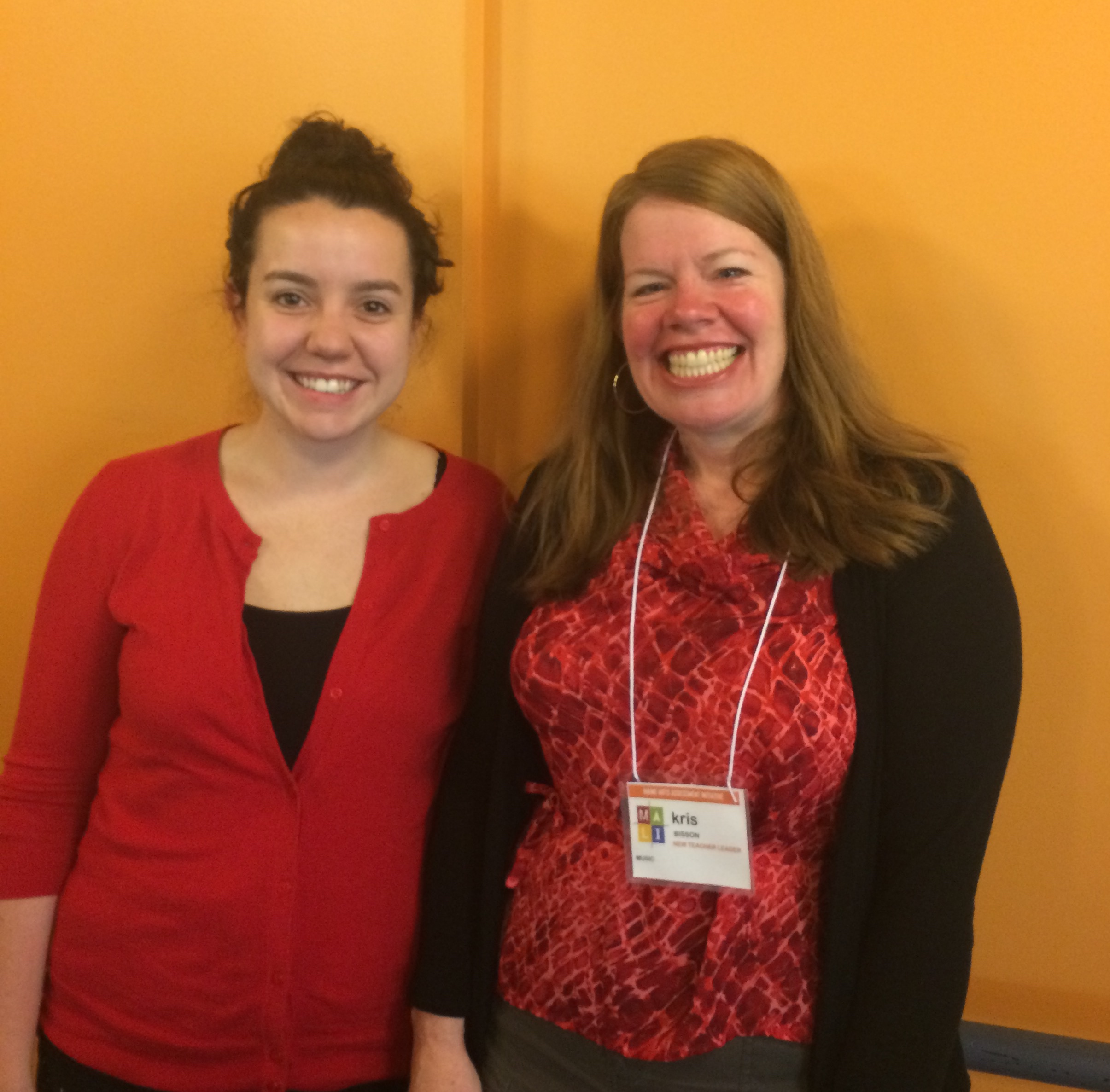
Kaitlin Young and Kris at the MALI summer institute, August 2017

I really hope I do not have any regrets. One of my favorite rewards of teaching is the surprise meeting with former students and their family members. I sincerely love finding out who they have become, where they are, and what they are doing. It means so much to know that they look back fondly on their learning in my classroom and have taken some of our learning with them in their pursuits. I can honestly say that I have made music, laughed, and learned every day and hope my students do, too. For this, I have no regrets.

h1

Dance Education Funding

March 19, 2018

Grant deadline: Wednesday, May 2

AUGUSTA-April 12, 2017—Dance education changes lives, yet only 5 percent of all schools in Maine offer it. The Maine Arts Commission is offering a grant program for schools and teaching artists that seek to bridge this gap and bring the power of dance to more schools. Applicants may apply for awards up to $2,250. The deadline for this new program is Wednesday, May 2, 2018.

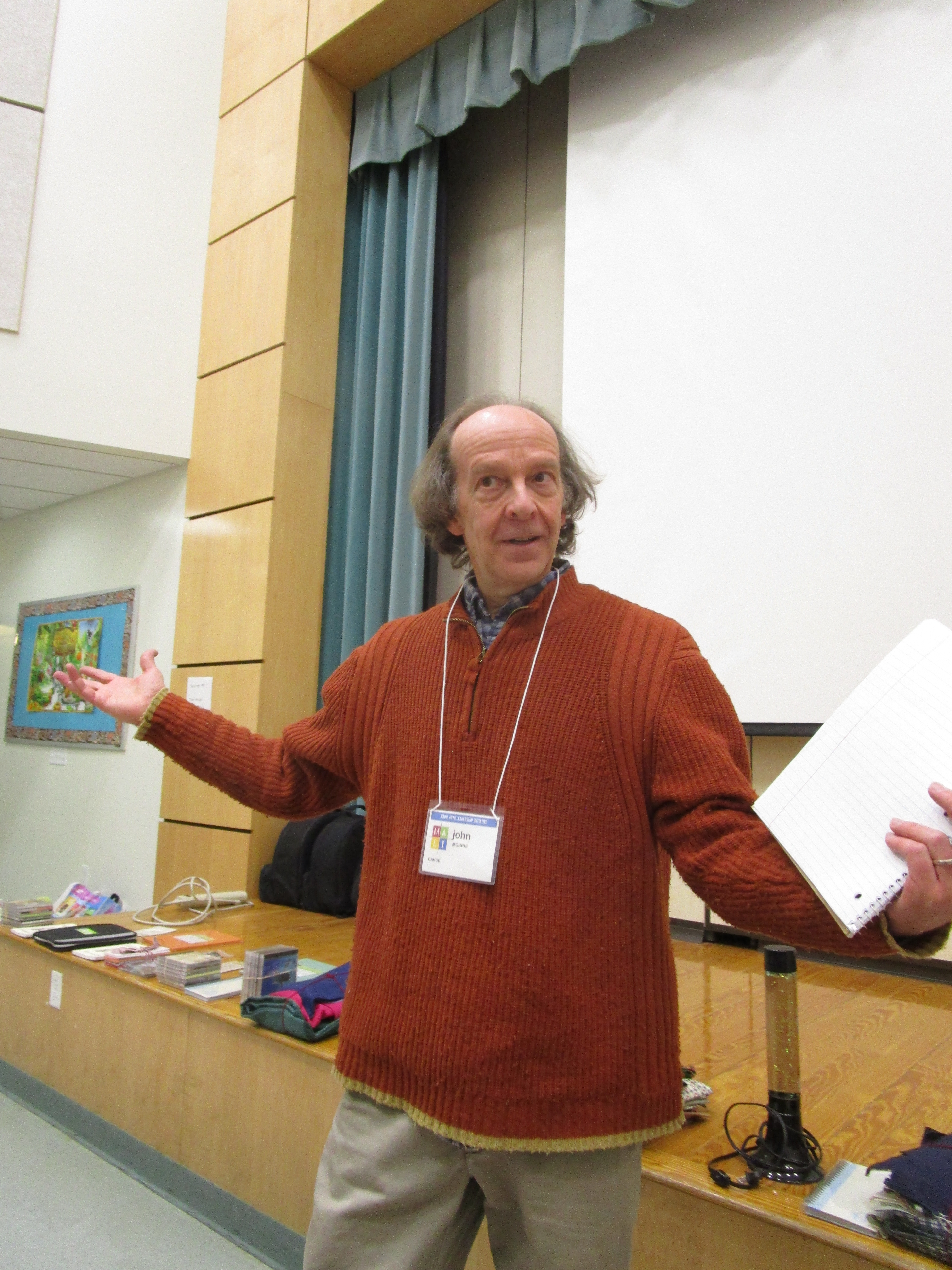
John Morris leading a session at the MALI Mega conference, spring 2017

This program was launched in 2016 and has successfully funded 4 dance education residency’s. Each will have a story included on this blog during this school year.

The first teaching artist to provide the residency with the assistance of these funds was veteran dance educator John Morris. “Creative movement is meant to allow students the ownership of their own uniqueness,” Morris said. “I give students the foundational movement to invent and explore their own movement, and I guide them through the process of making their own dances.”

John is also a member of the Maine Arts Leadership Initiative (MALI) Design Team and works with the teaching artist leaders.

Funding for the dance education grant was made possible this year by several dance studios and two high schools who came together for a benefit performance in November, 2017.

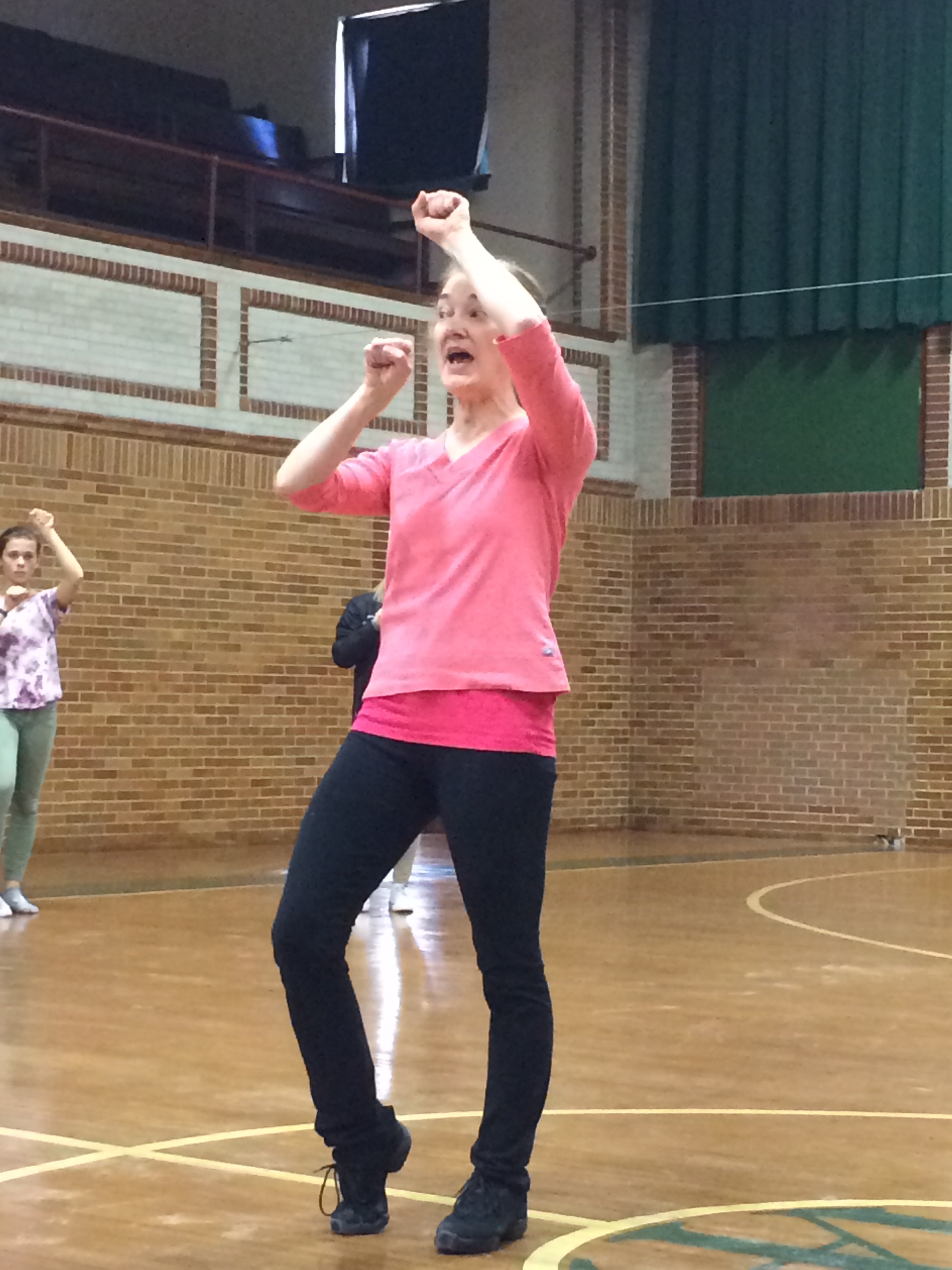
Karen Montanaro leading a session at Hampden Academy, December 2017

The Maine Arts Commission is pairing eligible PK-12 school districts with teaching artists from the Arts Commission roster. The roster includes 16 dancers.

“We are extremely appreciative of these contributions and the impact they will have on dance education in Maine,” said Julie Richard the Executive Director of the Maine Arts Commission. “There are so few dance education programs in our state and this is one important way we can make a difference to the students that we serve.”

If you’re a PK-12 educator or teaching artist looking to introduce students to the power of dance education, the Arts Commission encourages reviewing the grant guidelines and application criteria before applying for the May 2 deadline. The top qualifying schools selected will be eligible for the next funding cycle from September 1, 2018 through March 30, 2019.

For information visit the the grants and the teaching artist roster webpages at www.MaineArts.com

For questions regarding the grants or current teaching roster, contact Argy Nestor, Director of Arts Education, argy.nestor@maine.gov.


h1

New England Institute Courses

March 18, 2018

Encountering the Arts, Music assessment, G/T 

  • Encountering the Arts: Choice, Voice and Creativity, (hybrid) taught by Lindsay Pinchbeck – April 7 to June 9, 4.5 CEUs
  • Assessment in the Music Classroom, (online) taught by music educator, Jake Sturtevant – April 2 to June 11, 4.5 CEUs
  • Educating Gifted & Talented Learners, (online) taught by Grace Jacobs – April 2 to June 18, 4.5 CEUs

Encountering the Arts: Choice, Voice and Creativity – April 7 to June 9

You can join Lindsay Pinchbeck, MALI Design Team member, in her very own school, Sweetland School in Hope, and learn some wonderful strategies to incorporate into your classroom right away. Sweetland School is s a project based elementary program inspired by the Reggio Emilia approach. Drama, Movement, Music, Poetry, Storytelling, and Visual Arts will be integrated across content areas: Math, Science, Social Studies, Reading and Writing.

Work with colleagues, build relationships, and ask questions of the professor, in person, for two Saturdays and have the convenience of doing the rest of the coursework online. Encountering the Arts: Choice, Voice and Creativity is one such hybrid course.

Assessment in the Music Classroom – April 2 to June 11

This online course taught by music educator and MALI Design Team member Jake Sturtevant provides looking closely at assessment practices through a collaborative and fine-tuned lens. It can provide unique opportunities for growth. Connecting new assessment practices to instruction can bring exciting changes to how we approach our students and their learning.

Participants will discuss how best to apply recent music assessment work to their own unique situations in their own school music programs. This will lead them to create a personalized plan for implementing new strategies. Assessment in the Music Classroom will provide a great opportunity to look closely at assessment practices.

Educating Gifted & Talented Learners

This introductory course provides foundational information relating to the field of gifted and talented education (i.e. history, laws, etc.), details characteristics of gifted students from various populations, describes how such students are identified and assessed, and presents up-to-date, research-based pedagogy relating to curriculum design and instruction.

It may be applied toward the 690 (Gifted & Talented) endorsement for the State of Maine teachers. Join Grace Jacobs for this Educating Gifted & Talented Learners online course.

If you have questions contact Catherine Ring, Executive Director, New England Institute for Teacher Education.

h1

Youth Art Month

March 16, 2018

Portland Museum of Art

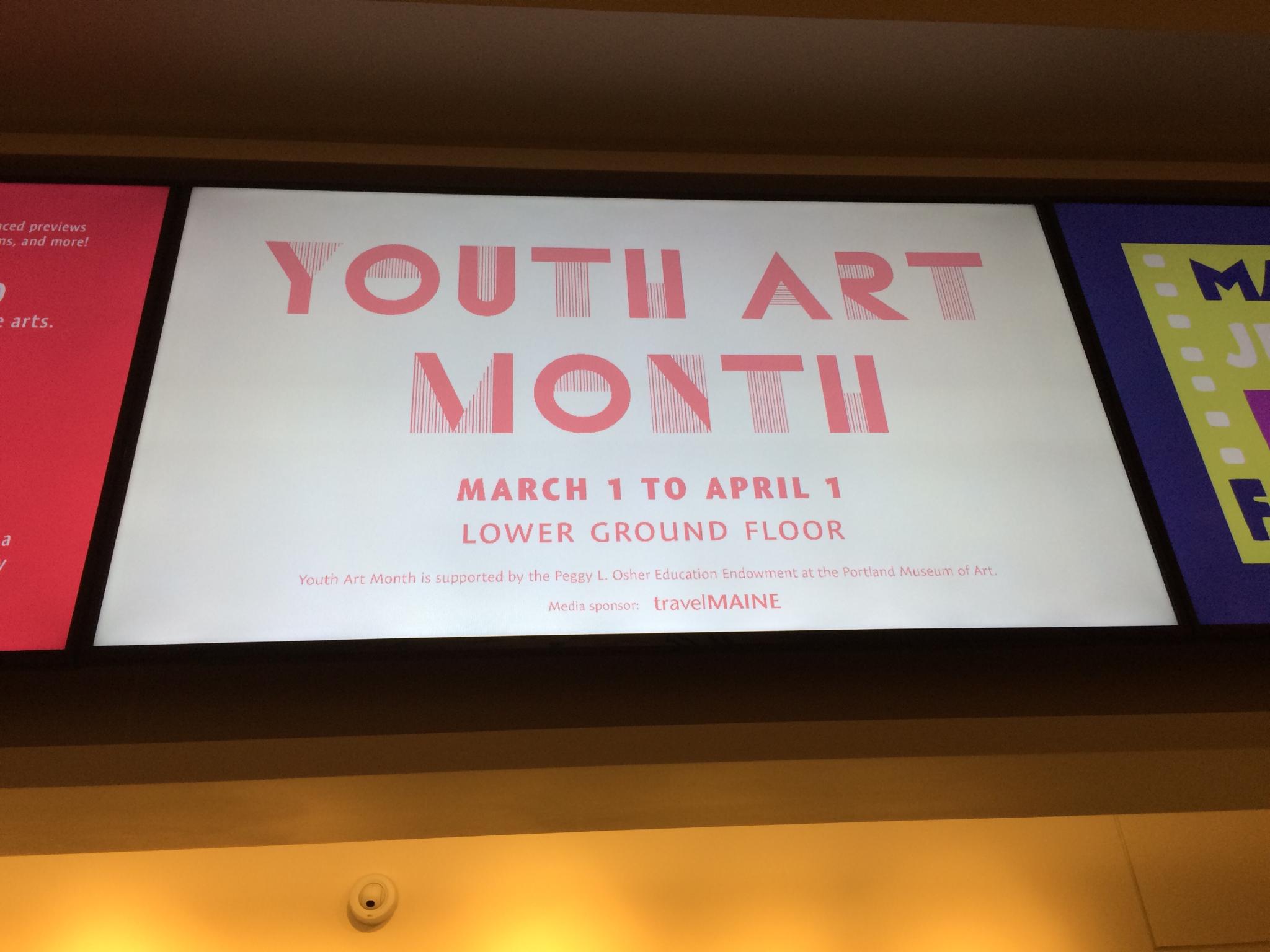
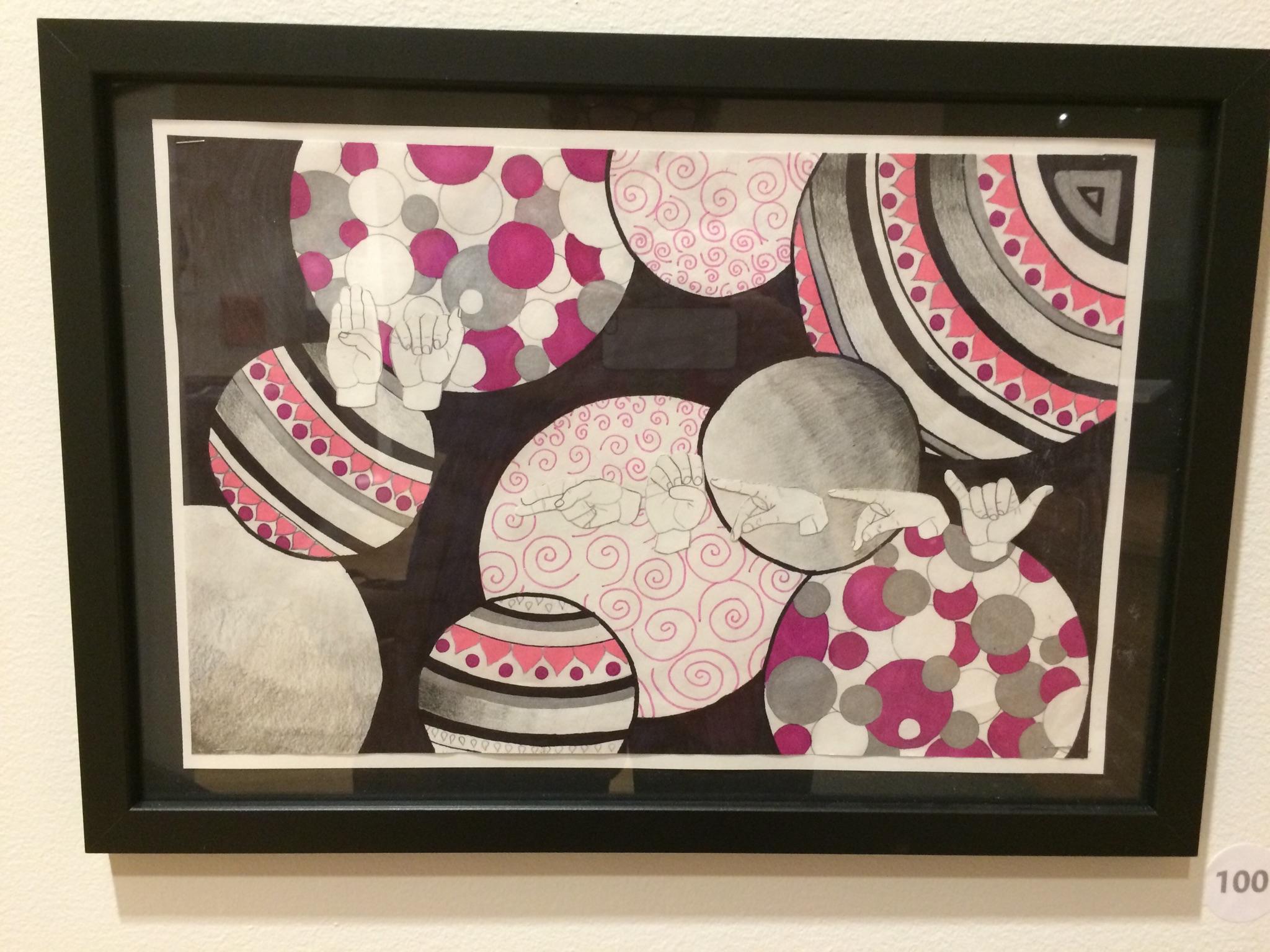
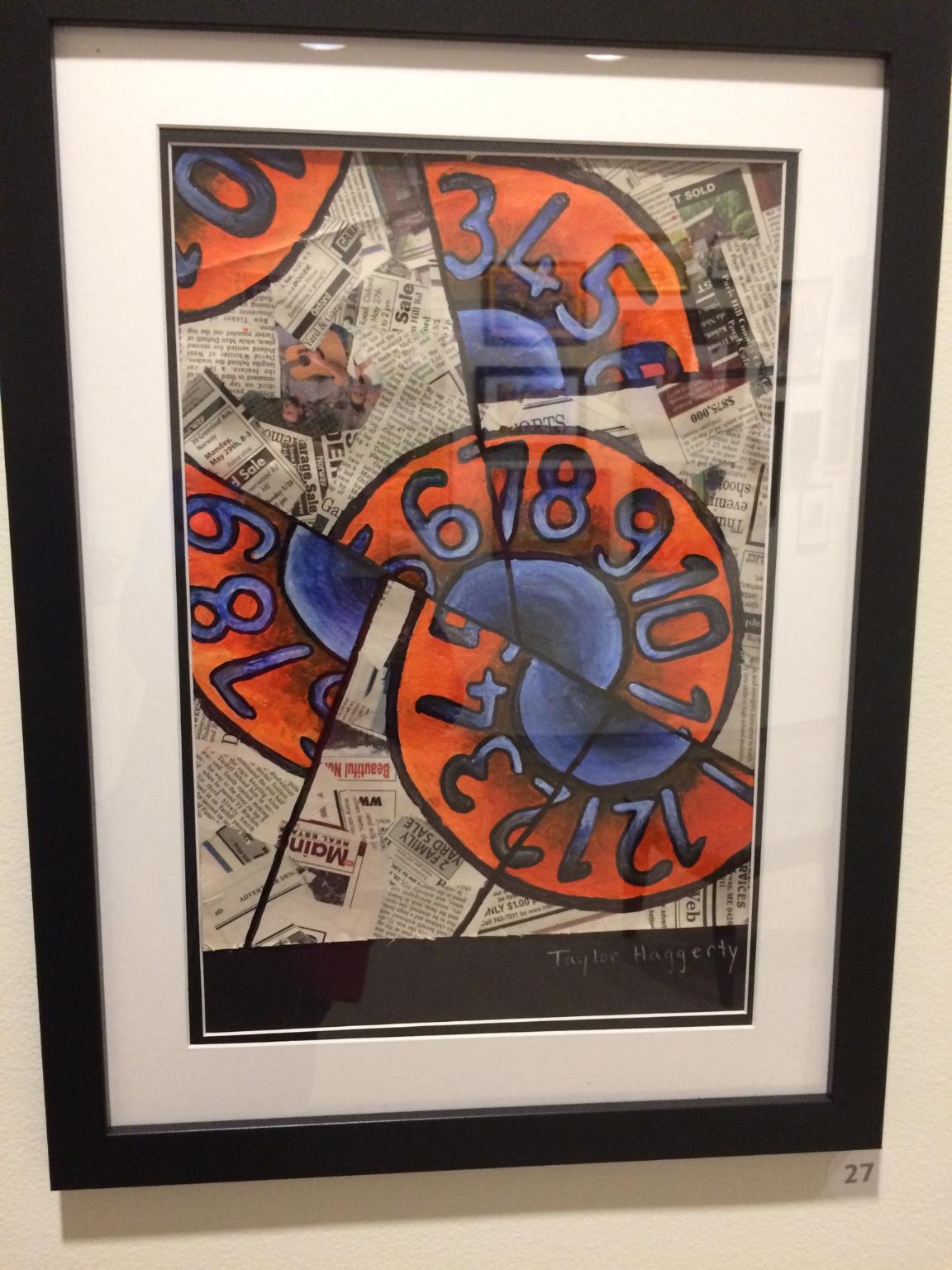
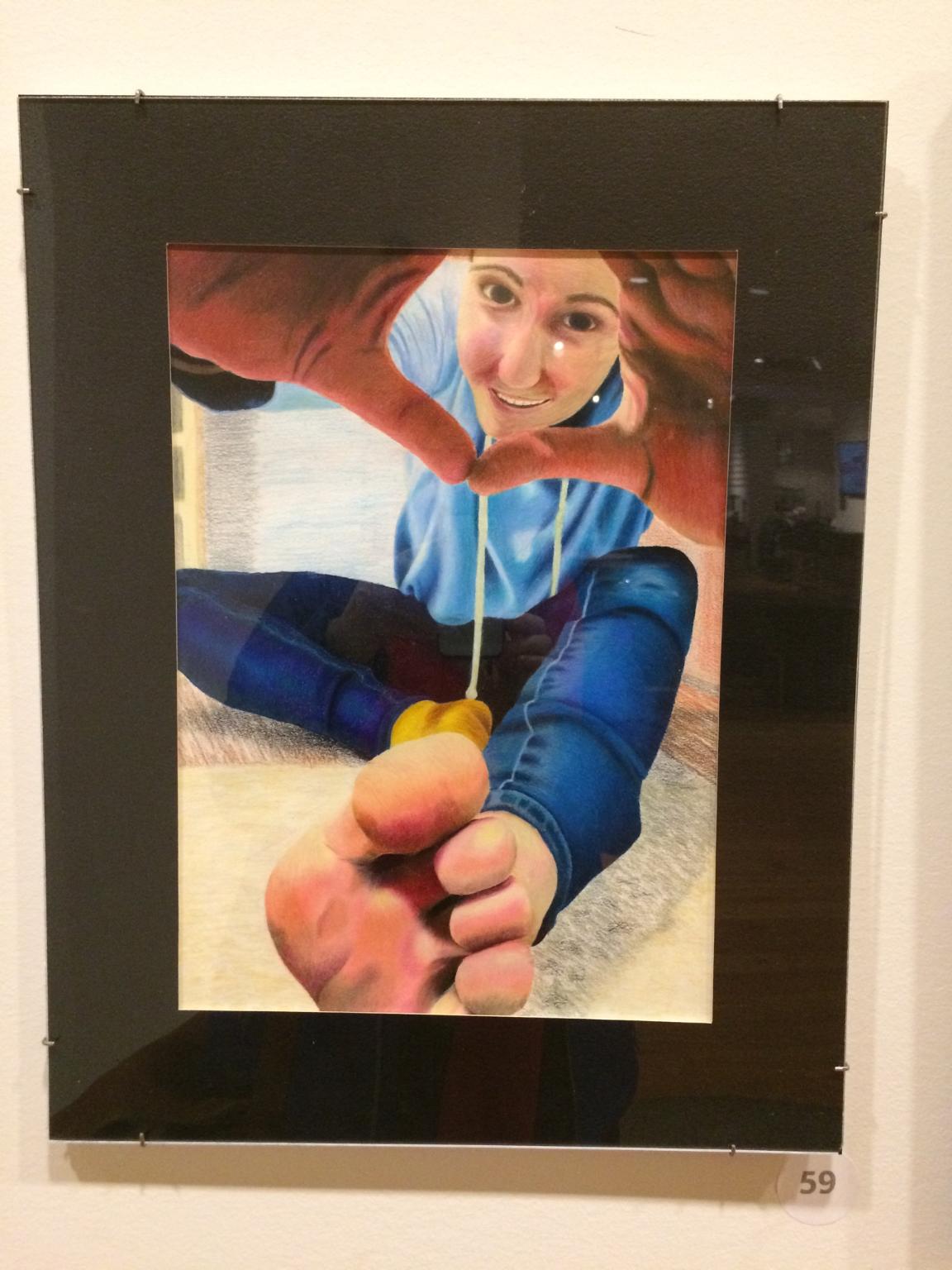
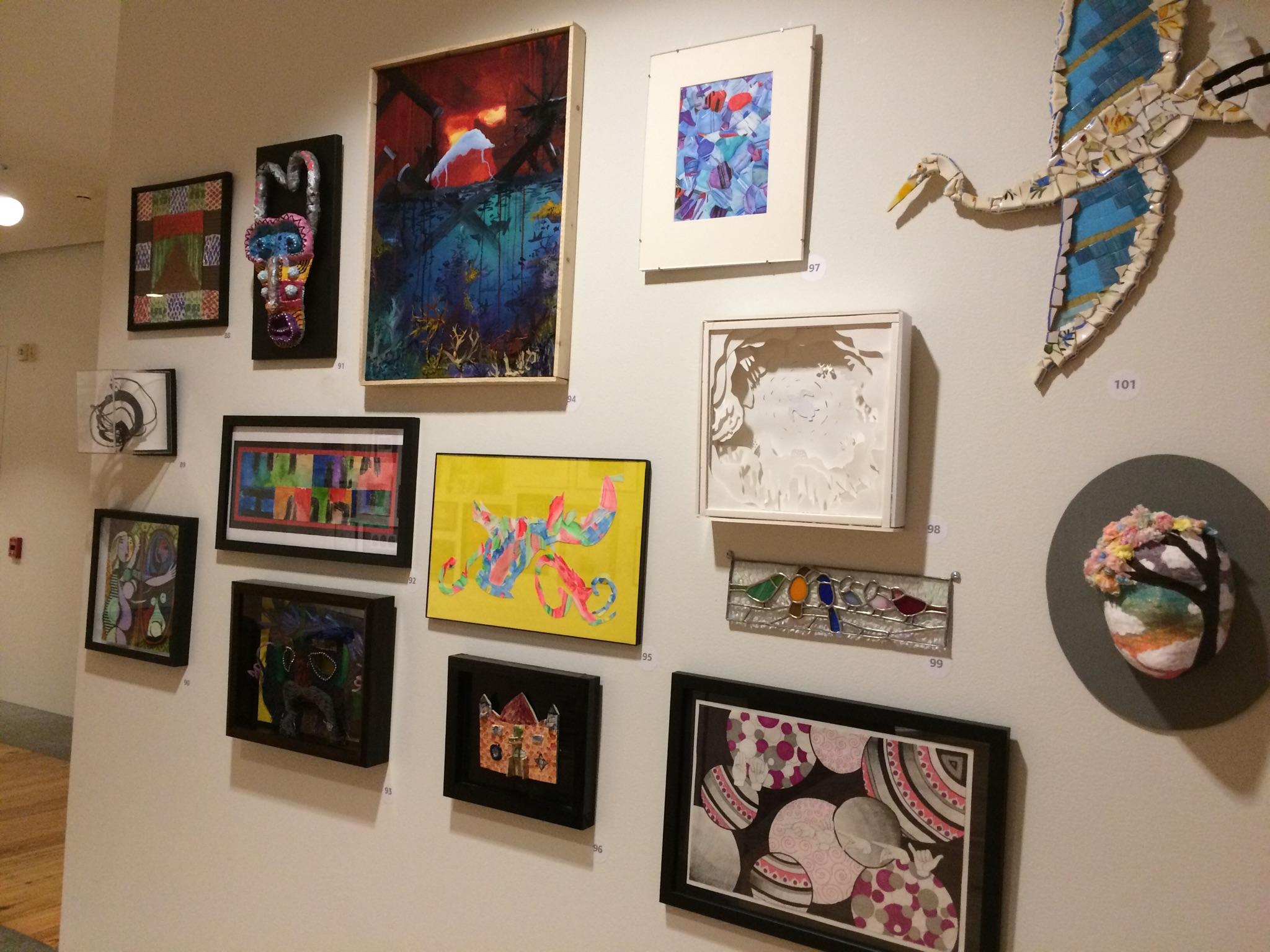
The annual statewide Youth Art Month exhibit at the Portland Museum of Art is underway and you won’t want to miss seeing it. Members of the Maine Art Education Association provide one piece of art work from each school that they teach. Nine hundred people attended the official opening and to see the impressive work that represents students in PK-grade 12 from all parts of the state. This is the 24th celebration and the show has over 100 pieces and will remain on display until April 1.

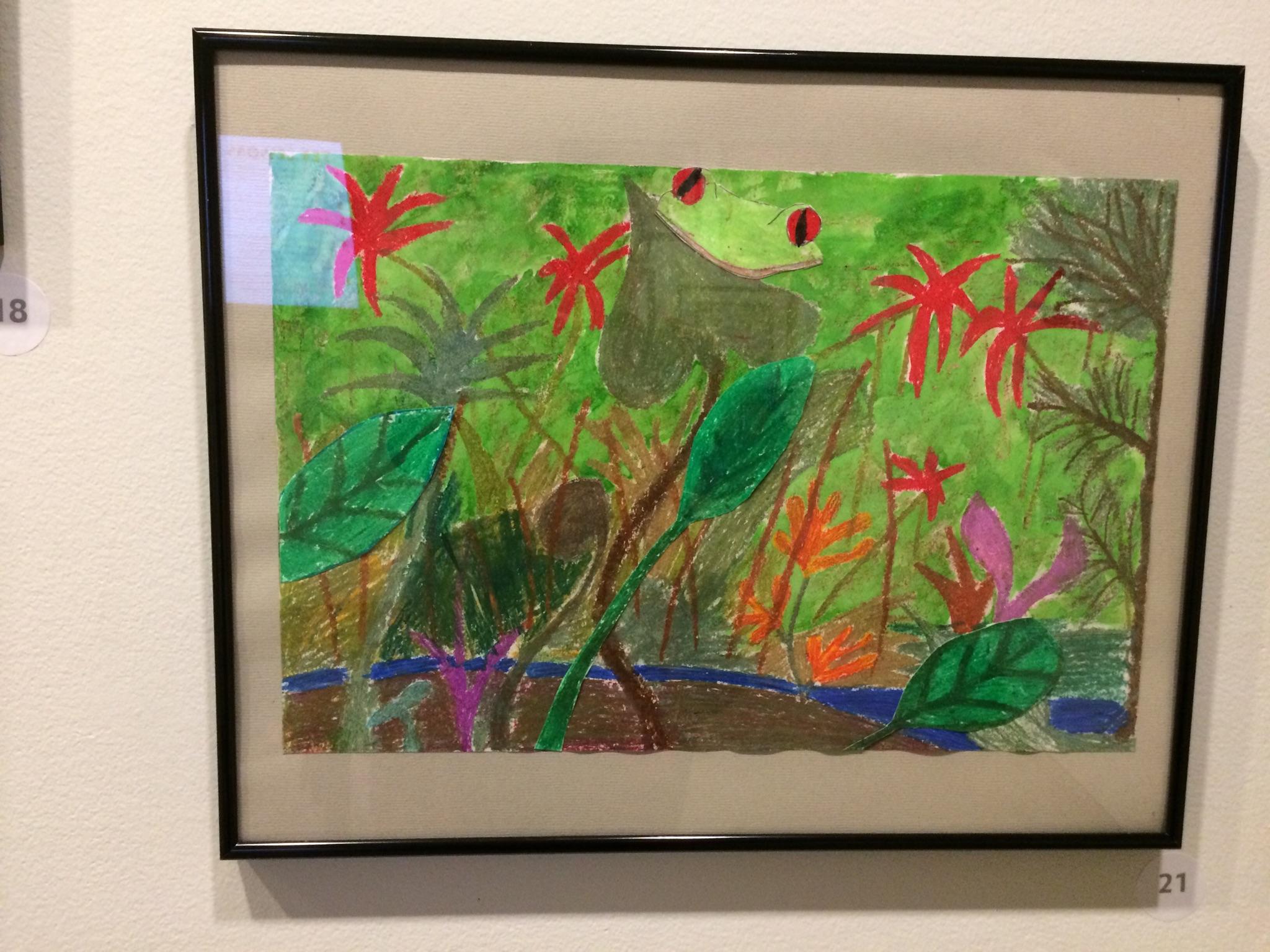
Ted Simpson, grade 4, Ocean Ave. Elementary School, “Froggy in the Tree”, Teacher – Sally Mitchell


Alyssa McNeill, grade 8, Westbrook Middle School, “Be Happy”, Mixed Media, Teacher – Abby Jacobs

Taylor Hagerty, grade 9, Oxford Hills Comprehensive High School, “Broken Time”, newspaper, collage, acrylic paint, Teacher – Cindi Kugell

Rachel Johnson, grade 11, Brunswick High School, color pencils, Teacher – Colleen Kearney-Graffam


h1

MALI Winter Retreat

March 14, 2018

Amazing opportunity to learn and exchange

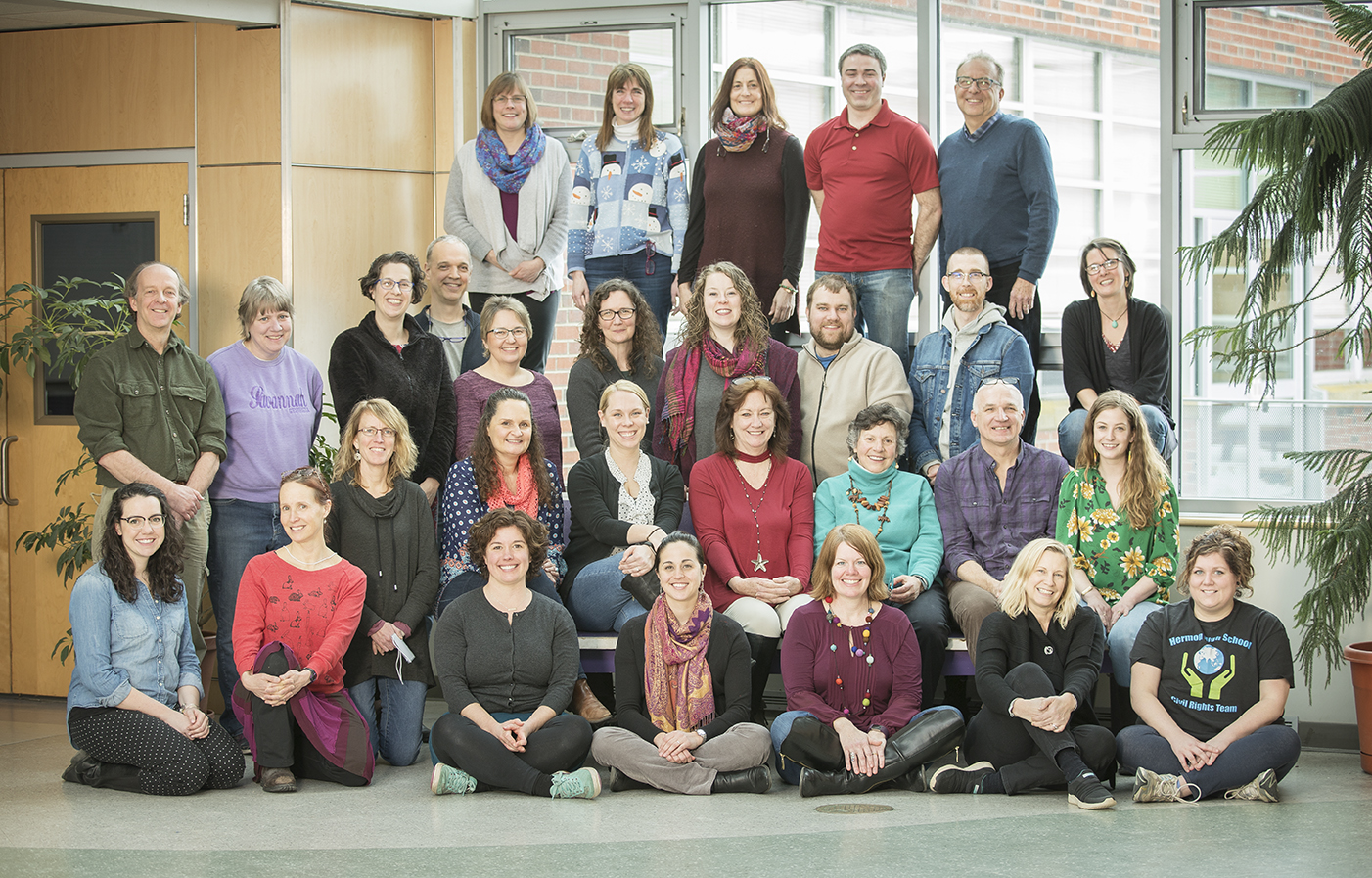
Winter Retreat participants. photo credit: Chris Pinchbeck

Thirty Teacher Leaders and Teaching Artist Leaders met last Saturday for the Maine Arts Leadership Initiative (MALI) winter retreat. It was a great opportunity to gather with friends and colleagues from across Maine.

PURPOSE

    • To provide an opportunity for the MALI community to come together to listen to and learn from each other
    • To review the work that has taken place during the phase underway
    • To address ideas and the latest topics in education/research and respond to timely issues relevant to Maine teachers
    • To provide information and/or context for participants 
    • To consider topics for the next phase of MALI

We accomplished the above and a whole lot more. There is nothing that compares to coming together with visual and performing arts teachers who have so much in common. So many topics to discuss and listen to what each person has to offer. “Getting off our islands” and coming together with “our community” on a winter day in March is refreshing!

The agenda was filled with art making from the Growth Mindset opening session to the finishing session that concluded with a meditative heart exercise.

HIGHLIGHTS

  • Growth Mindset review and revisit with Lindsay Pinchbeck
  • MALI This We Believe statements review
  • MALI collaboration with art teacher Hope Lord and music teacher Dorie Tripp
  • Ukulele’s with music teacher Kate Smith
  • Update on Proficiency Based from Department of Education Diana Doiron
  • Looking ahead and considering ideas for Phase 8

If you are considering applying to be a Teacher Leader or a Teaching Artist Leader for MALI in Phase 8, please send an email to me – argy.nestor@maine.gov stating your interest. Applications will be available in May 2018.

h1

MALI Teaching Artist Leader Story: Brian Evans Jones

March 13, 2018

Teaching Artist – Poet

This is one of several blog posts in 2018 that include stories of the Maine Arts Leadership Initiative (MALI) Phase 7 Teacher Leaders and Teaching Artist Leaders. This series includes a set of questions so you can learn a little bit about each leader. CLICK HERE  for more information on MALI. CLICK HERE  for more information on the 93 Teacher Leaders and 8 Teaching Artist Leaders.  CLICK HERE  for Arts education resources. CLICK HERE  for the MALI Resource Bank. Search in the “search archives” box on the bottom right side of this post for past teacher leader stories.  Thank you Brian for sharing your story! Learn more about Brian at his WEBSITE. You can find Brian’s teaching artist profile on the Maine Arts Commission roster

Brian Evans-Jones is mainly a poet these days but also does creative writing. Brian has been teaching since 2005 and doesn’t have a favorite grade or age to teach. “They all offer something different and wonderful. I like to teach by excitement and discovery. I want students to be excited about the idea of writing before they begin, and then to discover what they’re capable of while they actually do it. I want the whole experience to be fun—though also serious fun, the way that kids’ games can be serious.

What do you like best about being a teaching artist?

That’s a hard question! I guess first of all because I get to see a lot of different ages and types of students, and touch a lot of different lives. Lately I’ve also realized it’s because I get to partner with many wonderful great teachers and teaching artists. And on a personal level, I like the flexibility: I could never see myself being happy in a regular job! 

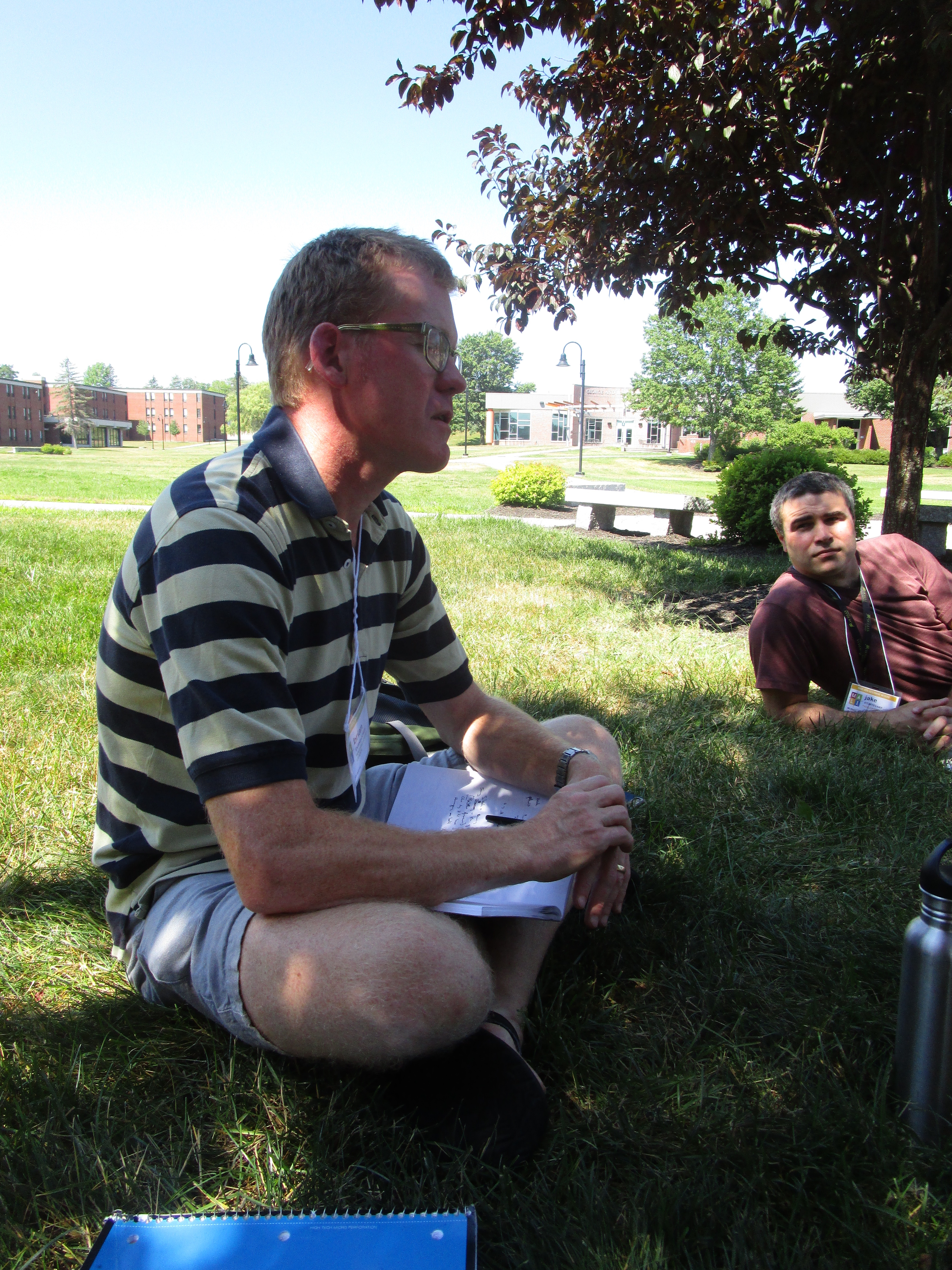
Brian at Hermon High School, November 2017

What do you believe are three keys to ANY successful arts education?

Thinking about creativity in general, I might say:

  • To be supported to take risks
  • To feel OK about failure
  • To learn the unique habits and (wholesome) props that scaffold your own personal creative process.

Have you found assessment to be helpful in your classes, workshops and residencies, and if so, how?

Not being a regular teacher, I don’t often think about “Assessment.” But I do constantly assess how the class is going, how students and I are bonding, how well I am generating enthusiasm, how well my instructions are being understood and used, how well balanced my activities are between support and openness, how much effort students are putting in, how much they seem to be learning, and how keen they are to keep working. I can’t imagine teaching a class without monitoring those things constantly, and many more, but I don’t formalize them. I do frequently use the SWOT framework to assess how I think a class went and plan for the next one, though.

Brian at Hermon High School facilitating a workshop to help guide students working on Poetry Out Loud

What have been the benefits in becoming involved in the Maine Arts Leadership initiative?

People! Meeting cool people who do similar things and make me feel encouraged. Also getting to work on specific projects in partnership with other MALI people, like Kris Bisson, Lindsay Pinchbeck, and Tim Christensen.

What are you most proud of as an artist and/or a teaching artist?

As an artist: winning the 2017 Maureen Egen Writers Exchange Award from Poets & Writers.

As a teaching artist: the fact that I do this at all, having jumped into the financial and professional unknown in order to do it. Also some big residencies I have run or am running, like working with 80 second graders for 2 weeks in South Berwick, ME, and leading a team of 4 TAs on a poetry residency with the 8th grade at Wells Junior High School.

What gets in the way of doing a better job as a teaching artist?

Isolation, which makes me less likely to find more work, and makes it harder to plan great classes. Collaboration and MALI connections work against this.

What have you accomplished through hard work and determination that might otherwise appear at first glance to be due to “luck” or circumstances?

Leaving my role as a high school teacher, which didn’t suit me, to piece together a patchwork career, including being a teaching artist. It happened because I sought out any opportunities I could to get experience in the right areas.

What advice would you give to someone who is thinking about becoming a teaching artist or is just starting out?

See the previous answer! Plus also:

  • Make connections
  • Take (some) chances—trust the creative process with your career just as you do when you’re making art. 

If you were given a $500,000.00 to do with whatever you please, what would it be?

Brian at the summer MALI institute leading a workshop on writing

That’ll be just enough to pay for college for my two kids by the time they’re ready to go, right? I wish I was even joking…

In a world where college didn’t cost so stupidly much, I would use the money to set up and fund a nonprofit to take poetry to places and people who need it but don’t get exposed to it: prisoners, the homeless, older adults, children in poorer areas, etc.

Imagine you are 94 years old. You’re looking back. Do you have any regrets?

I should have ditched other work and done more teaching artist work sooner! It makes the most difference and is the most rewarding of the several things that I do.

NOTE: Brian traveled to Hermon High School and Van Buren District Secondary School in November 2017 to work with students with the Poetry Out Loud program that the Maine Arts Commission provides in collaboration with the Poetry Foundation and the National Endowment for the Arts. 

Brian is on the Maine Arts Commission Teaching Artist roster and is available to travel to schools and communities to provide poetry and creative writing instruction. 

h1

MALI Teacher Leader Story: Cindi Kugell

March 6, 2018

Visual Art Educator

This is the first of several blog posts in 2018 that include stories of the Maine Arts Leadership Initiative (MALI) Phase 7 Teacher Leaders and Teaching Artist Leaders. This series includes a set of questions so you can learn a little bit about each leader. CLICK HERE  for more information on MALI. CLICK HERE  for more information on the 93 Teacher Leaders and 8 Teaching Artist Leaders.  CLICK HERE  for Arts education resources. CLICK HERE  for the MALI Resource Bank. Search in the “search archives” box on the bottom right side of this post for past teacher leader stories.  Thank you Cindi for sharing your story!

Cindi Kugell is currently teaching High School Visual arts. She was fortunate to find an open teaching position just after graduating from the University of Maine Orono and has been happily teaching art for the past 28 years. Cindi’s first teaching assignment was in SAD#58 teaching at 2 K8 schools. In 1998 my husband, 2 young children and I moved to Oxford and started teaching in SAD#17 in the Oxford Hills K6. In 2000 we added a third child to our tribe and our family was complete. Fast forward to 2010 and a position opened at our high school. I made another move to Oxford Hills Comprehensive High School to teach darkroom photography and introductory Art 1 courses. Over the past 8 years I’ve added Adaptive Arts, Drama, Yearbook, Advanced Photography, and Studio Art History to my teaching load and have taken on the roll of K12 Visual Art department chair. I am also the Yearbook advisor and Lead teacher for our Project Graduation group. I like to stay busy!

What do you like best about being an art educator?

What are the positives of having the best job EVAH!? At the K-8 level one of the “bests” was getting to see EVERY student in the school and building lasting relations with them over time – year after year after year! Most teachers don’t get the opportunity to really know their students (and their families) as they grow up. My first year teaching at the high school level I had the unique opportunity to have Seniors in my classes that I had first 13 years previous as Kindergarten students, nothing is cooler than that! I love my job, there isn’t anything that I’d rather be doing. Who wouldn’t love the celebrity status that comes with knowing so many students, building positive relationships with them and their families, building skills in talented children and getting to play with art materials all day while teaching a subject that you love?!

What do you believe are three keys to ANY successful visual and performing arts education?

I think that one of the biggest ways that arts educators can offer their students success in the arts is in the way or the “how” that they present problems to their students. If students feel confident and non-threatened in by the process of creating and realize that there are multiple solutions to problems they feel free to flourish. Releasing students from the fear of being wrong is a great part of a successful program. Another way that

Teachers can foster success in their programs is by letting their students know that skill in the arts can be increased just as math, English or any other core subject can be build upon. By letting them know that it’s your job (and your pleasure!) to help them get better and grow as an art student, you can relieve some of the pressure they may feel while in your classroom. Meeting student where they are and moving them forward is the job of all educators, some of us just get to have more fun with the supplies that they use to get students to their best! A well rounded education is important to student success. So are the skills of creative problem solving and critical thinking. The arts are a fantastic, hands on way of fostering those skills in students. I’m fortunate in my district to be very well supported in what I do and how I teach. Teachers and administration see the value of a well rounded education and the roll that the arts play in student success.

How have you found assessment to be helpful to you in your classroom?

My current jam in the world of assessment and reporting is a single point universal project rubric. This style of rubric has only the descriptors for the proficient level of achievement listed down the center. To the left is a box that I can write descriptive feedback to my students on what needs improvement or isn’t going well and to the right there is an area that I can write things that were amazing or outstanding in their project. Kids love the comments and the opportunity to go back and make adjustments to their work. It takes a long time to assess this way, but as it’s a universal rubric for all projects there is a clarity for students as they navigate through work in the art room.

What have been the benefits in becoming involved in the Maine Arts Leadership initiative? I think the biggest benefit for me is the networking with other teachers. It’s easy to become comfortable on your own little teaching Island and get stuck in a pattern or “the same old”. Learning new things, meeting others that share your discipline and making those colleague connections helps to keep things fresh and inspiring in teaching for me and for my students.

What are you most proud of in your career? The first thing that comes to mind is the fact that I had my own 3 children in my classroom K12. When they were in Elementary I taught at their schools and when I made the transition to the High School level I had them there as well. It’s a unique opportunity to see your own children as learners and know that they are great people! They also have given me great feedback on my lessons, organization and classroom routines that have been very reaffirming. Nobody is more critical than your own children on the crazy things you do to inspire students! I’m proud of my 28 years in art education and proud of the great students (and children!) that I’ve raised during my career.

What gets in the way of being a better teacher or doing a better job as a teacher? I think the age old comment of “time” is the biggest obstacle in becoming a better teacher. It takes a huge amount of the stuff to do your job well. Staying current with educational practices in this ever changing landscape can be exhausting. Pair that with extra curricular activities, leadership roles, teaching, parenting and family life and you’ve got a full 24 hours in each day – oh, and try to rest up in there as well!

What have you accomplished through hard work and determination that might otherwise appear at first glance to be due to “luck” or circumstances? Starting in this district as a part time elementary art teacher, moving to full time elementary then stepping up to the High School level and finally ending up as the leader of our K12 art department has taken a fair amount of hard work and determination. I wouldn’t change a thing and can’t thank my colleagues enough for their support and hard work this year. It’s amazing to work with such a great team of educators and I’m thankful for that everyday!

Look into your crystal ball: what advice would you give to teachers? Get your masters while you are young and never stop taking courses or PD to improve your teaching skills. As educators we need to keep learning just as we expect our students to learn from us. Stay current, advocate for yourself and your program and LOVE what you do.

If you were given a $500,000.00 to do with whatever you please, what would it be? Education is so grossly underfunded that I can think of a plethora of activities, programs and equipment that would be amazing to add to our district. I think the most pressing issue that I’d apply the funds to would be to increase the base pay of our new young teachers to entice them into the profession. I know teaching isn’t all about the money and has it’s own rewards, but we need new qualified educators in our field and we need to validate the importance of the profession and celebrate it accordingly.

Imagine you are 94 years old. You’re looking back. Do you have any regrets? I have truly enjoyed my career. My only regret is in not continuing my education by getting my masters. I’m working on it now, but do wish that I’d taken that step earlier. I can remember starting out as a new teacher and thinking to myself “I’ll do this for 5 years or so then change to something else”. Well, 28 years later I’m still here and loving every minute of it! Every day is a great day to learn something new and my students teach me something new every day.

h1

Poetry Out Loud Finalists

March 5, 2018

Yahoooo for high school students and poetry

State Final, Free and Open to Public, at Waterville Opera House March 14

AUGUSTA, ME–The art of performance and spoken word is alive and well in Maine high schools, as 39 individual students competed in two Poetry Out Loud Regional Finals last month.  The Maine Arts Commission, which administers the poetry competition at the state level, is pleased to announce the top 10 finalists who will compete in state finals at the Waterville Opera House on March 14 at 3:00 p.m.

Congratulations to the following finalists:

Northern Maine Regional Champions: The northern regional poetry recitation contest final was hosted by Hampden Academy.

  • Lydia Caron, Grade 12, Bangor High School
  • Katherine Kemper, Grade 12, Camden Hills Regional High School
  • Lauren Dodge, Grade 12, Lee Academy
  • Hannah Lavenson, Grade 12, Messalonskee High School
  • Lauren Farmer, Grade 10, Rangeley Lakes Regional Schools

Southern Maine Regional Champions: The southern regional final was hosted by Westbrook Middle School.

  • Allan Monga, Grade 11, Deering High School
  • Abbie vanLuling, Grade 12, Gorham High School
  • Richard Hilscher , Grade 12, North Yarmouth Academy
  • Emma Lombardo, Grade 11, Westbrook High School
  • Wyatt Bates, Grade 11, Yarmouth High School

After three rounds of competition, one state finalist will be named the overall winner and advance to the national competition, where s/he will compete for a total of $50,000 in awards and school stipends, as well as a $20,000 scholarship.

The Maine Poetry Out Loud state finals are March 14 at the Waterville Opera House. The doors will open at 2:30 p.m. for a 3 p.m. performance start. The event is free and open to the public, who are encouraged to attend. It will also be broadcast and streamed live throughout Maine in collaboration with Boothbay Region Television on the BRTV station and through Facebook Live.

For more information about the state and national finals, please visit Maine Arts Commission: Poetry Out Loud 2017 or contact Argy Nestor, Maine Arts Commission Director of Arts Education at argy.nestor@maine.gov or 207-287-2713.