
Founder of Centers for Research on Creativity
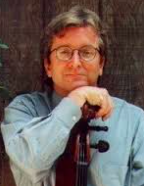 Dr. James Catterall, Professor Emeritus and past Chair of the Faculty at the UCLA Graduate School of Education and Information Studies at the University of California – Los Angeles (UCLA), founder of the Centers for Research on Creativity (CRoC), and author of Doing Well and Doing Good by Doing Art: The Effects of Education in the Visual and Performing Arts on the Achievements and Values of Young Adultspassed away on Wednesday, August 23, 2017.
Professor Catterall built his career on the inquiry of creativity and produced pervasive works that fueled the advancement of arts and arts education friendly policies in the United States and around the world. His seminal piece of work, Doing Well and Doing Good by Doing Art was published in 2009 and has been used by advocates in their efforts to ensure equitable access to arts education for every student. The research conducted a longitudinal study of middle schoolers who were exposed to quality arts education in middle school and tracked them into early adulthood, strongly connecting arts learning with both general academic success and prosocial outcomes.
Professor Catterall regularly engaged with members of the field of arts education to pursue important research questions about the impact of arts education, including the National Endowment for the Arts, the Arts Education Partnership, members of Americans for the Arts such as Inner City Arts, Get Lit, and the Educational Theatre Association, and authored a piece with Americans for the Arts in 1999: “Involvement in the Arts and Success in Secondary School.” He has also been a speaker at many of Americans for the Arts’ events.
“The passing of James Catterall is a tremendous loss for the field of arts education. His dedicated work on behalf of the creativity in our children, society, and nation has built his legacy to be carried forward by arts education professionals and advocates around the world,” said Robert L. Lynch, President and CEO of Americans for the Arts. “James was an influential researcher, prolific writer, painter, and tireless advocate for the role of the arts and creativity to transform our world for the better.”
The field will celebrate the transformative power of the arts in education during National Arts in Education Week September 10-16, 2017, and Americans for the Arts wishes to dedicate this celebration in honor of the life of Dr. James Catterall. The field of arts education, its members, and supporters can continue his legacy by celebrating his work and sharing it with others to realize the vision of more creative children, more creative communities, and a more creative world.
This post is republished from The Americans for the Arts.






 You Can Make a Difference
 The arts in America is big business — a $704 billion-a-year business, according to Department of Commerce figures. Nearly a fifth of that economic activity, $134 million, is generated by the nation’s 100,000 arts and culture nonprofits, as are millions of jobs, says Robert Lynch, president of Americans for the Arts. You can listen to the podcast by
  The
The  The
The  The
The 
 The
The  The
The  Americans for the Arts
 The Maine Arts Leadership Initiative provides plenty of resources at
  We know that arts-rich schools benefit everyone. It is our responsibility to help others who may not understand this statement. Arts Education month provides that opportunity and the
  The arts are fundamental to our humanity. They ennoble and inspire us—fostering creativity, goodness, and beauty. The arts bring us joy, help us express our values, and build bridges between cultures. The arts also are a fundamental component of healthy communities, strengthening them socially, educationally, and economically—benefits that persist even in difficult social and economic times.
 The National Core Arts Standards for dance, media arts, music, theatre, and visual arts, were created in a transparent inclusive process engaging over 130 arts educators as writers and 6,000 reviewers. These PreK-12 grade-by-grade standards were written to guide educators seeking to provide quality arts education for America’s students, define artistic literacy, and support 21st century skills and college and career readiness.
 As we start 2017, the arts—and your day-to-day work— remain as vital as ever. Whether it’s young students learning problem solving skills during their daily art class, communities brought together by locally-produced projects or veterans finding solace in art therapy, you understand how critical the arts are to our nation.
 me arts ed