
Beginning conversations
Recently I joined a book group. I’ve never been part of a formal ‘book group’ (secret is out). I’ve never been interested and truth be told its only recently that I’ve been reading books at a very fast rate, now that my schedule allows. I like this book group for several reasons. It’s pretty non-traditional, no one book is read and discussed like in traditional book groups. Actually, its one of the reasons I decided to join the group. We gather over lunch monthly and each participant shares books, films, podcasts and other forms of stories and ideas. The participants are retired educators who have a keen interest in education and other interesting and sometimes challenging topics. At our April gathering we each shared a poem in recognition of National Poetry Month.
At more than one gathering the conversation has included AI – Artificial Intelligence. I’m certain as we learn more that the conversation will continue. I’m reading and learning about what AI is, where it is, and the potential impact on the world. A 60 Minutes episode from a couple of weeks ago provides foundational information that I suggest you take the time to VIEW. It’s very informative and important as educators that we inform ourselves.
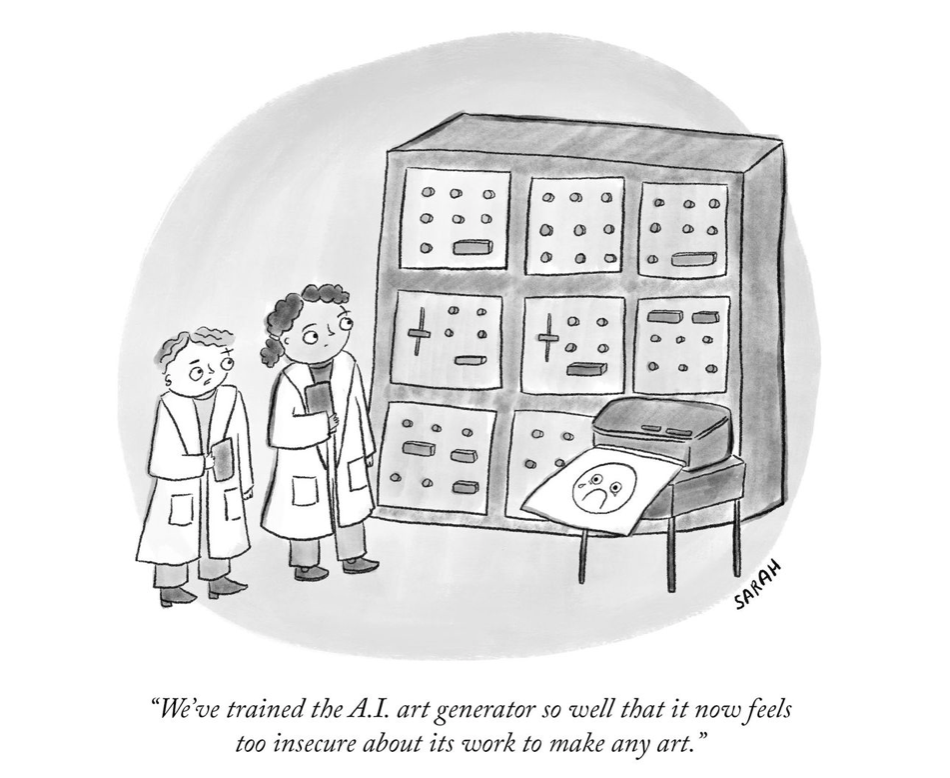
You can google AI and come up with the definition but until you begin to ‘see’ and experiment with the online tools I’m not sure it will provide you with the understanding to consider the impact on education. For example, think about this: The sum of all human knowledge is online. AI is replicating the brain. What are the implications on education? What is the impact on art making? AI can solve problems in very little time compared to the brain. Is humanity diminished because of the enormous capability of AI?
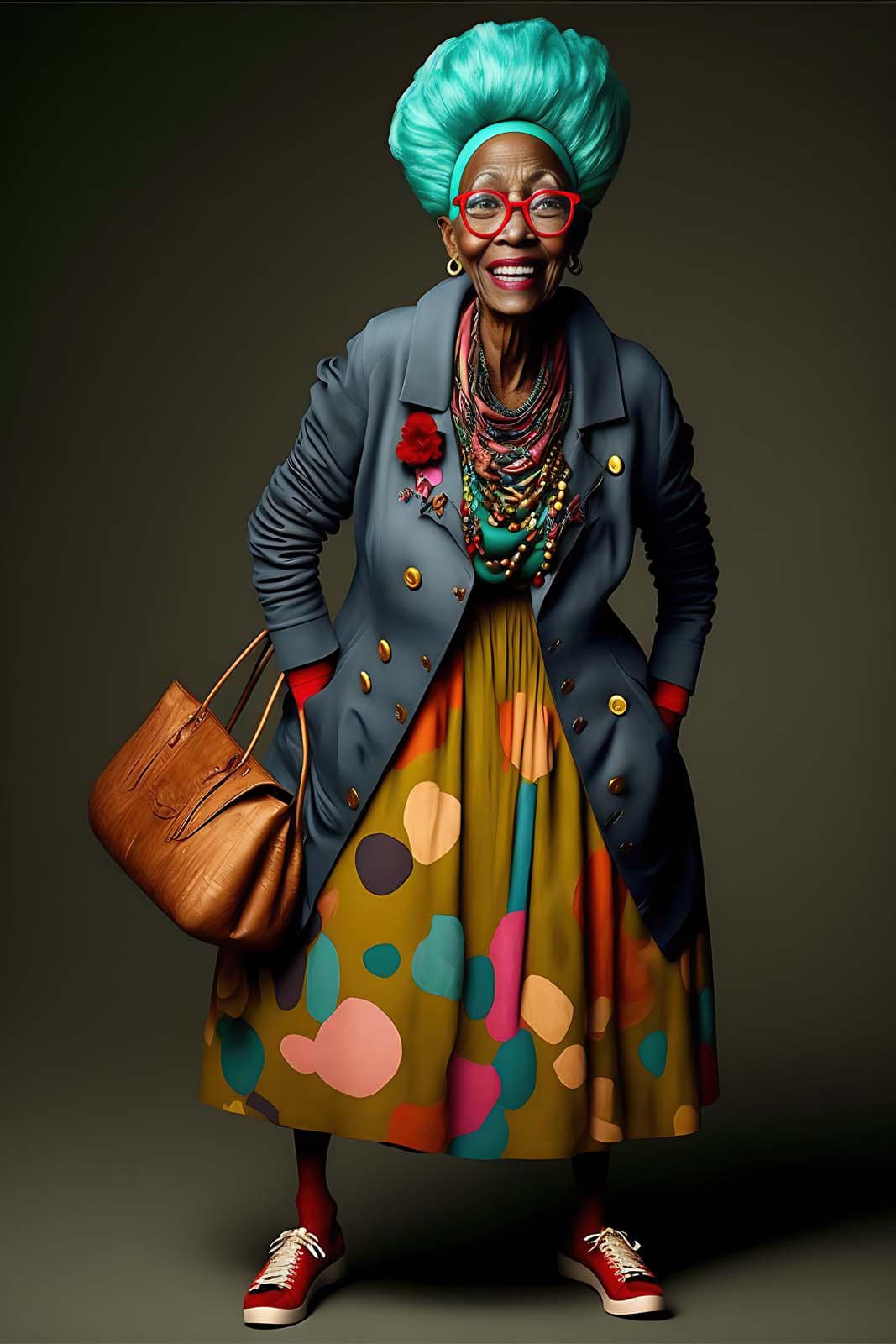
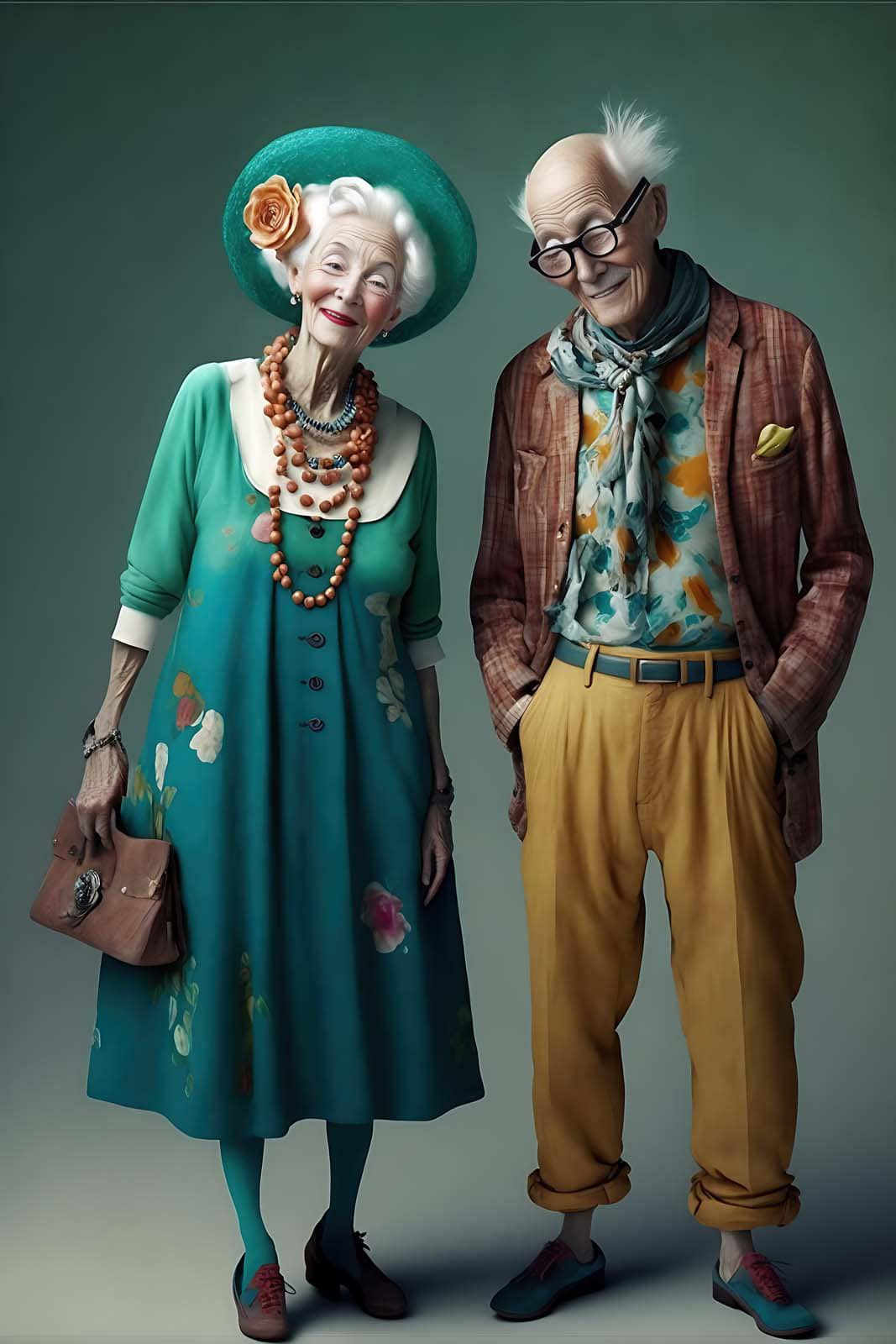
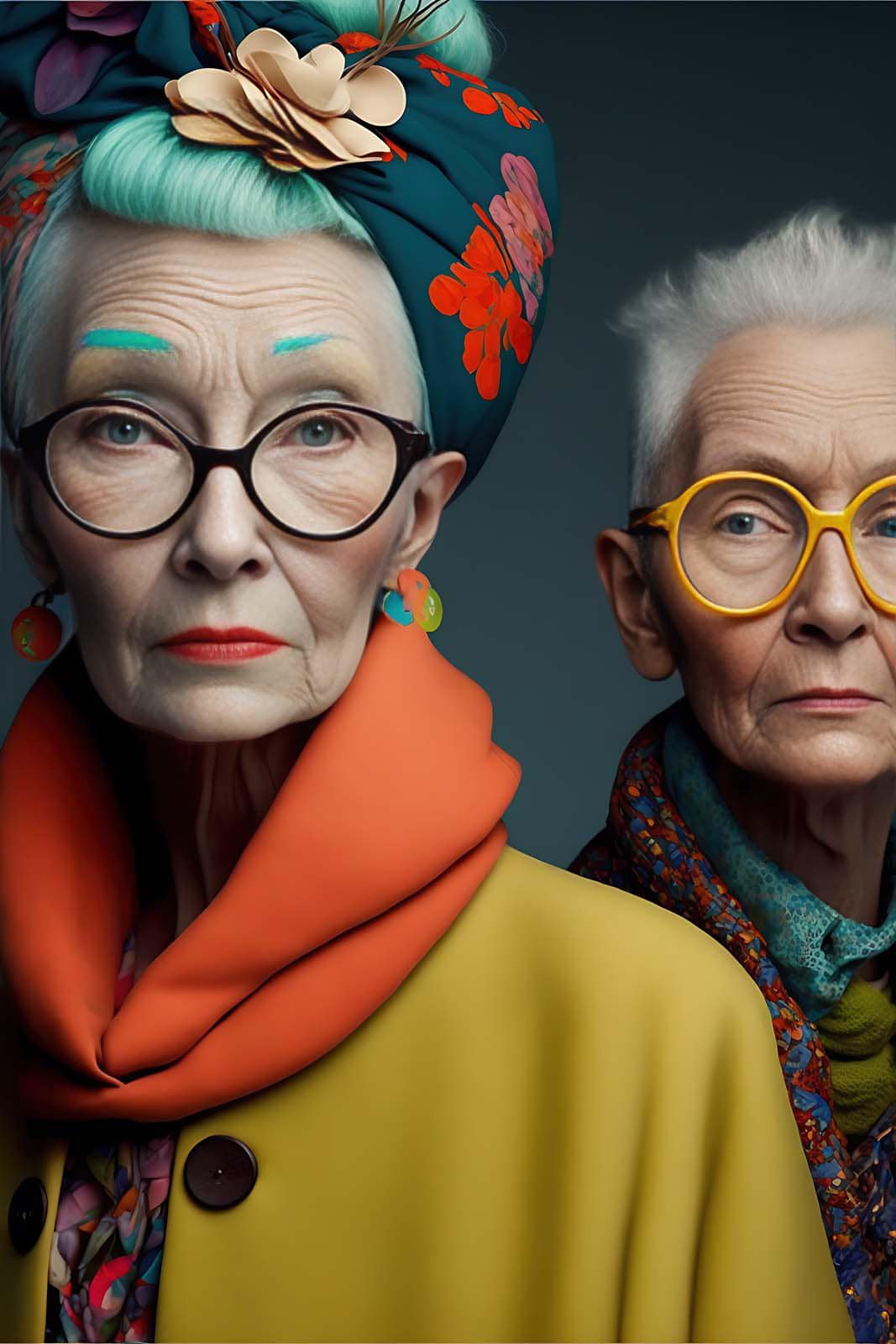
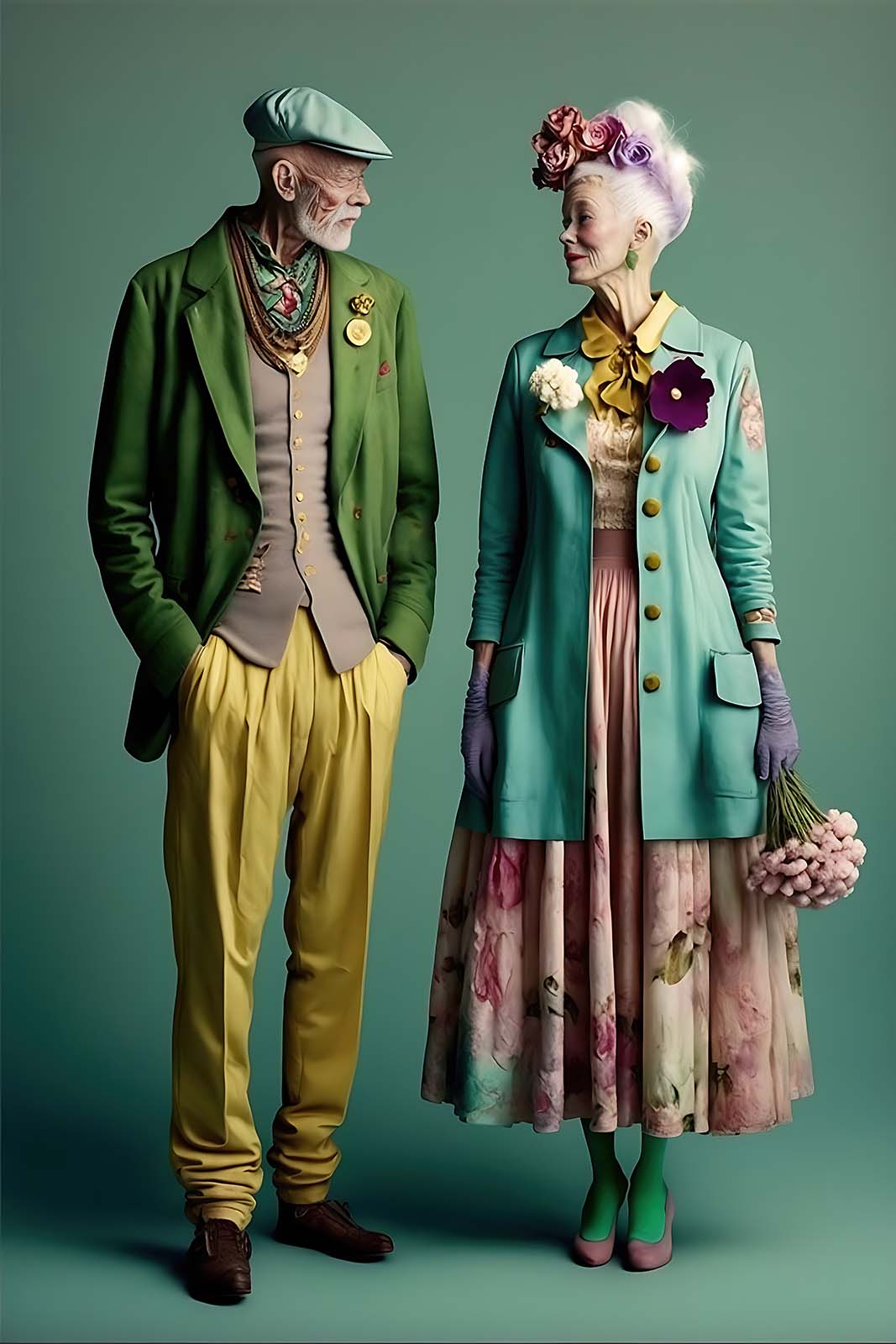
Visual artist Jonas Peterson is creating art work using AI. His collection of art called Youth is wasted on the young is an amazing collection that is his way of celebrating the ‘old’ and a comment on ageism. He used fashion to highlight the personalities of older people. Jonas is a photographer but in this collection he uses AI to create scenes, the people and what they’re wearing. In his own words:
I give specific direction using words only to a program, lenses, angles, camera choice, color theme, colors, styling, backgrounds, attitude and overall look and the AI goes to work, it sends back suggestions and more often than not it’s completely wrong, so I try other ways to describe what I’m after, change wording, move phrases around and try to get the AI to understand the mood. It’s frustrating mostly, the AI is still learning, but getting any collaborator to understand you can be difficult no matter if it’s a human or a machine. After a long stretch of trial and error I get closer to a style and look I want and after that it comes down to curation, picking the renders I believe go well together, I start making it a series. To me the process is similar to that of a film director’s, I direct the AI the same way they would talk to an actor or set designer, it’s a process, we try over and over again until we get it right. Should I get all the credit? God, no, the AI creates with my help and direction, it’s a collaboration between a real brain and an artificial one.
You might be thinking or asking, is this really art? Do I want my students to use this in their art making? Here are some of my thoughts and questions. AI exists in the world. Microsoft introduced ChatGPT, an artificial intelligence chatbot, in November 2022. Bard is a conversational generative artificial intelligence and was released in March 2023. How should educators learn about AI? Should we leave it up to students to teach us? I’m sure that this will be the next wave of education professional development offerings, in person and online.
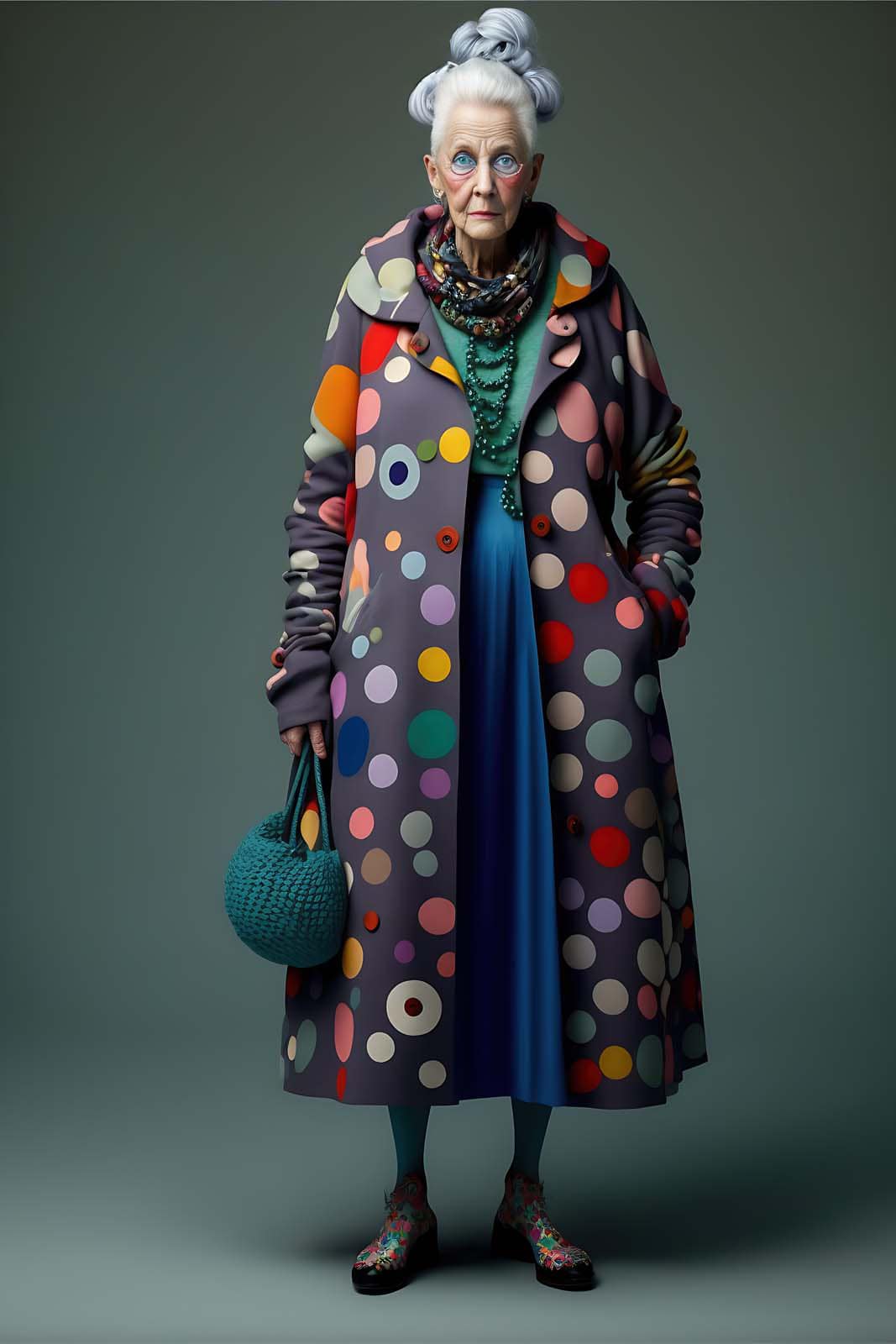
Jonas Peterson said:
I’m not here to debate the process, I’m a professional photographer, writer and artist myself, I understand the implications, how this will affect many creative fields in the future. I’m simply using a tool available to me to tell stories, the same way I’ve always told stories – to move people. To me that is the point of this, not how I did it. Dissecting something will almost always kill it.
You can learn more about Jonas’s work by googling him and also at this LINK.
I’m sure I’ll circle back to this topic in future blog posts. If you have questions or comments that we can all learn from please don’t hesitate to comment at the bottom of this blog post. Thanks!
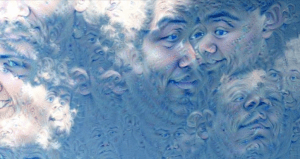 Principal scientist at Google Blaise Agüera y Arcas spoke at the National Art Education conference yesterday in New York City. He believes that “we are on the edge of a new frontier in art and creativity – and it’s not human”. This from the TED Talk site with the recording of Blaise’s talk: Blaise works with deep neural networks for machine perception and distributed learning. In this captivating demo, he shows how neural nets trained to recognize images can be run in reverse, to generate them. The results: spectacular, hallucinatory collages (and poems!) that defy categorization. “Perception and creativity are very intimately connected,” Agüera y Arcas says. “Any creature, any being that is able to do perceptual acts is also able to create.”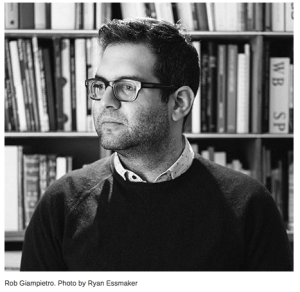


 me arts ed