Posts Tagged ‘Greece’

h1

Travel

November 20, 2019

Learning from travel

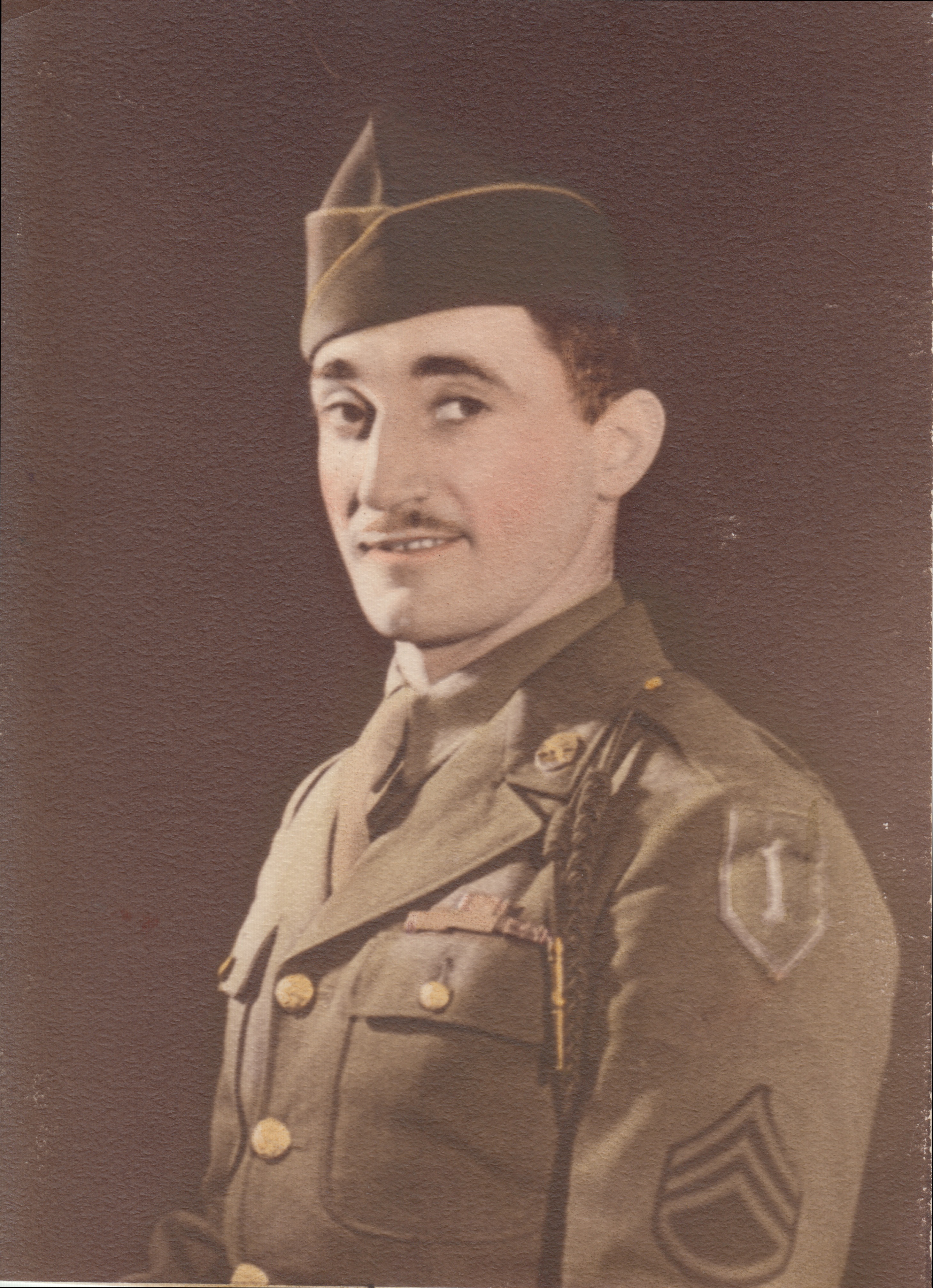
My Dad, 1942

My father grew up in a small village called Akrata on the Peloponnese in Greece. When he was 10 years old he was sent on a boat to America with all of his worldly possessions to live with his uncle. His father had died and his step mother needed help to raise the three children so they sent “the worse one.” My father’s journey was only beginning – he went on to become a successful student, athlete, and leader in school and community.

He enlisted in the Army and fought for three years in WWII through Africa, Sicily, the beach at Normandy, through France and Germany where he was wounded and returned to the states. He was greeted by my mother (and his entire Greek community) who he had married a week before he left. Through all of the hardships my father never lost site of the opportunities afforded him because of traveling to the US. He gave to his community over and over and worked hard all his life.
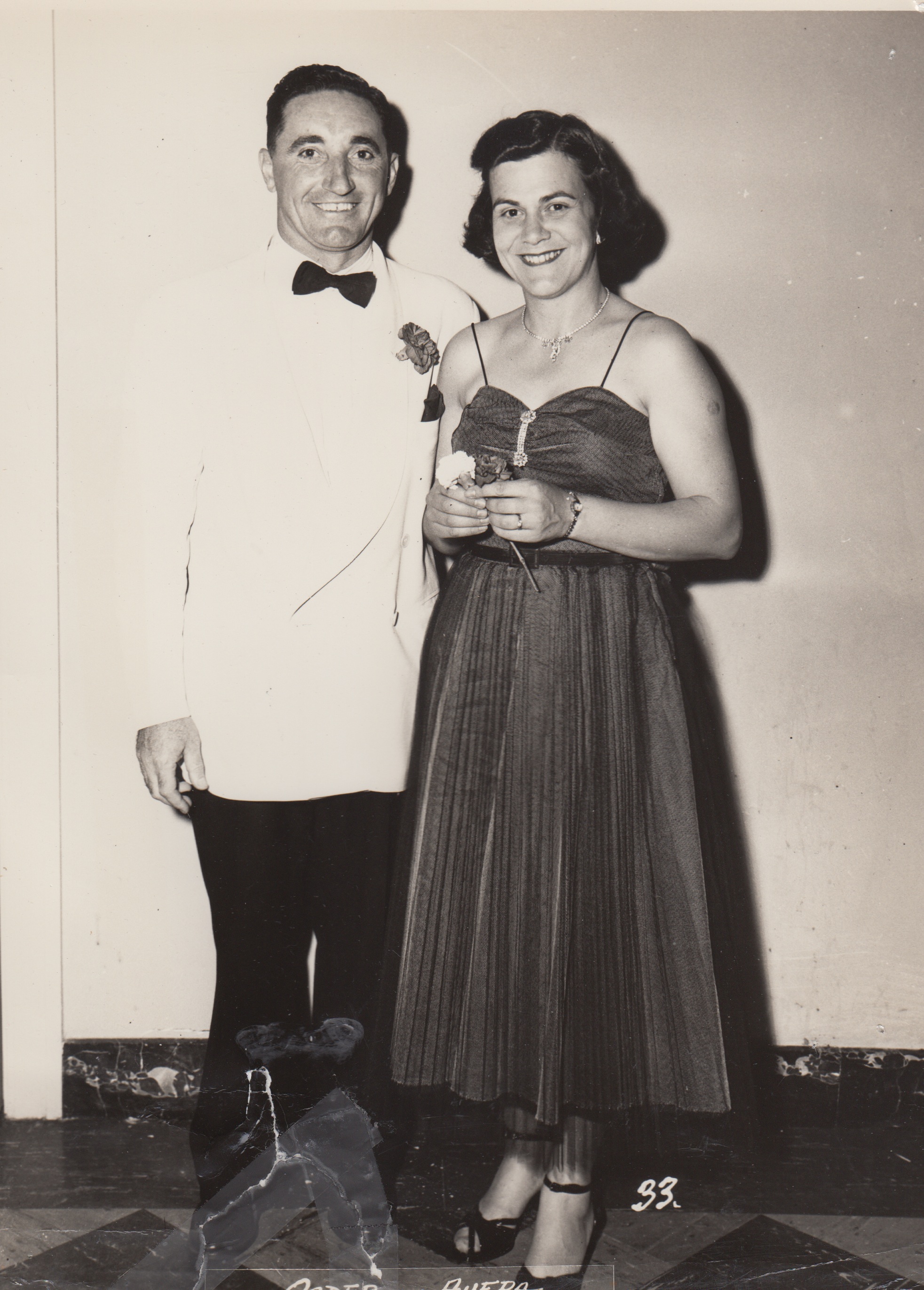
My parents in 1944 not long after Dad returned from the war.

While growing up my family didn’t have money to use for travel purposes. My parents instilled in us the value of hard work and giving to our communities – their examples of that were provided daily. My sister and I worked from age 10 in our family summer businesses. We saved enough money to go to college and when the opportunity to travel to Greece and Egypt (3 weeks, $600 dollars included everything) came up, we couldn’t say no. Sitting in the hotel in 1973 in Athens a woman was introduced to us – turned out it was my father’s sister, Yiota. She was a new baby when my Dad left Greece in 1928. We traveled with her to Akrata and returned with the key to the homestead.
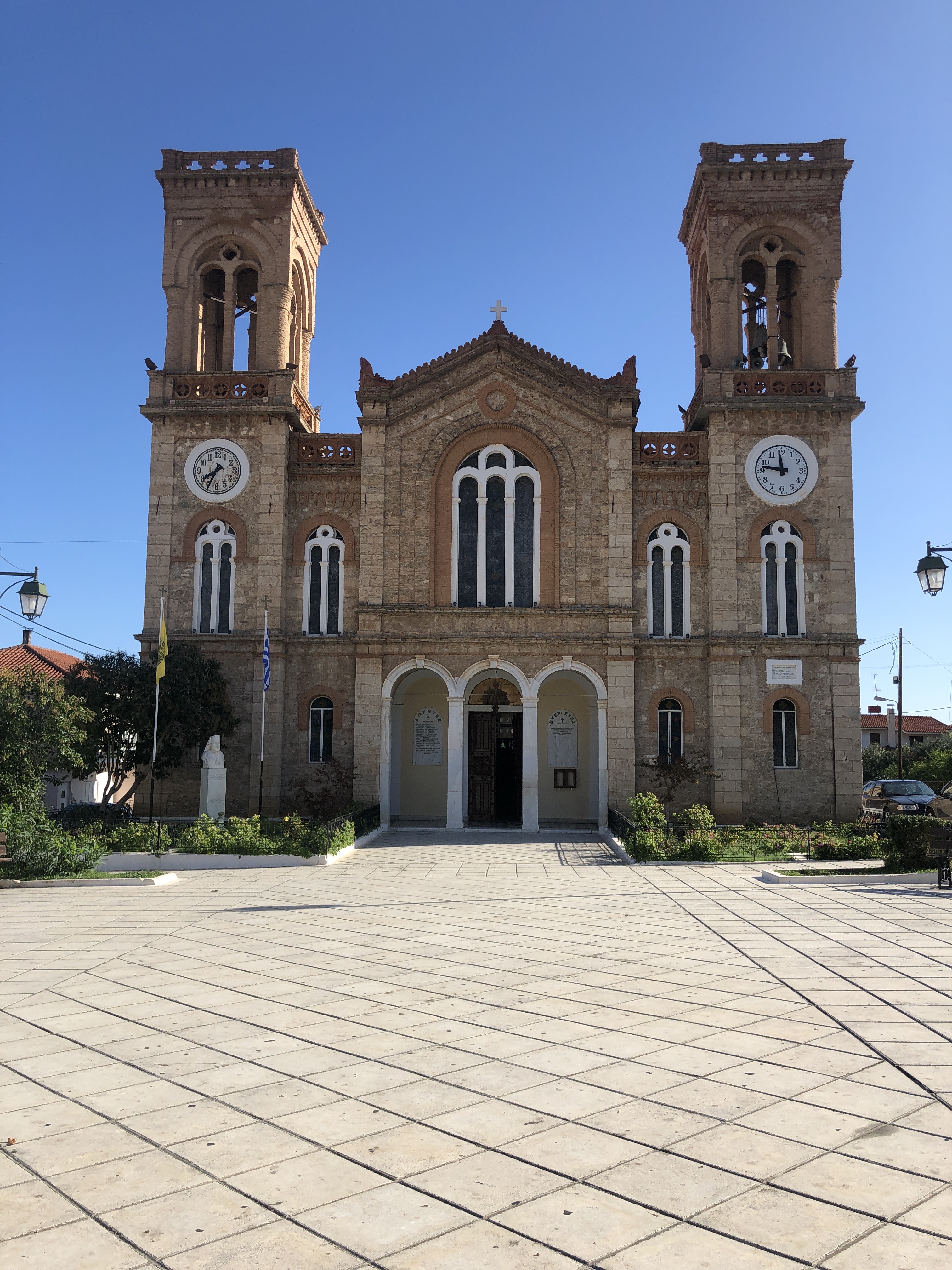
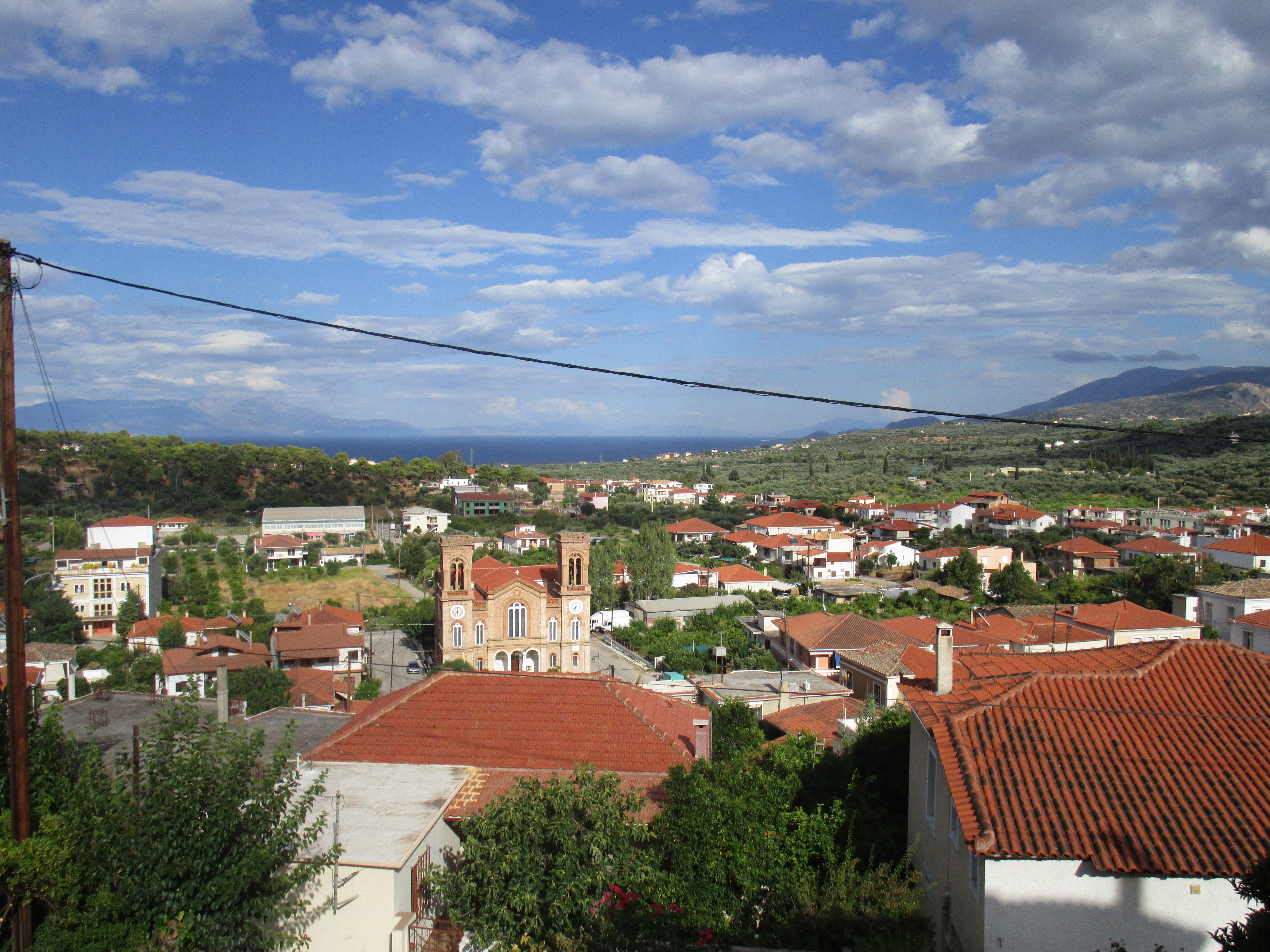
The Greek Orthodox church in Akrata

Returning home my parents decided not to wait until they retired to travel to Greece but went the next summer. My Dad had not seen or had any contact with his sister and his brother Nick since he had left about 40 years earlier. (Brother Nick passed away from TB when he was 21). It was an incredible homecoming for my parents.

Since my first visit I’ve returned a handful of times, one of the most memorable was going for Greek Easter in 1994 with my parents. That trip helped me realize the importance of family and of passing forward the love of family.

I returned last week from a trip to my family’s village with both of my sons. Passing forward the stories, the ideas and the understanding of our roots to them is important to me and now them.
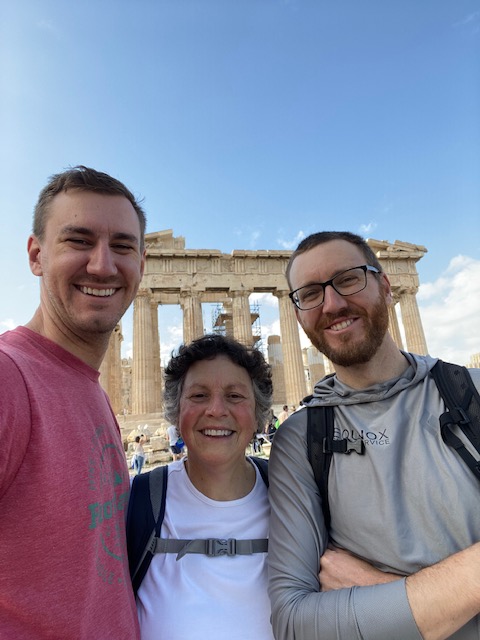
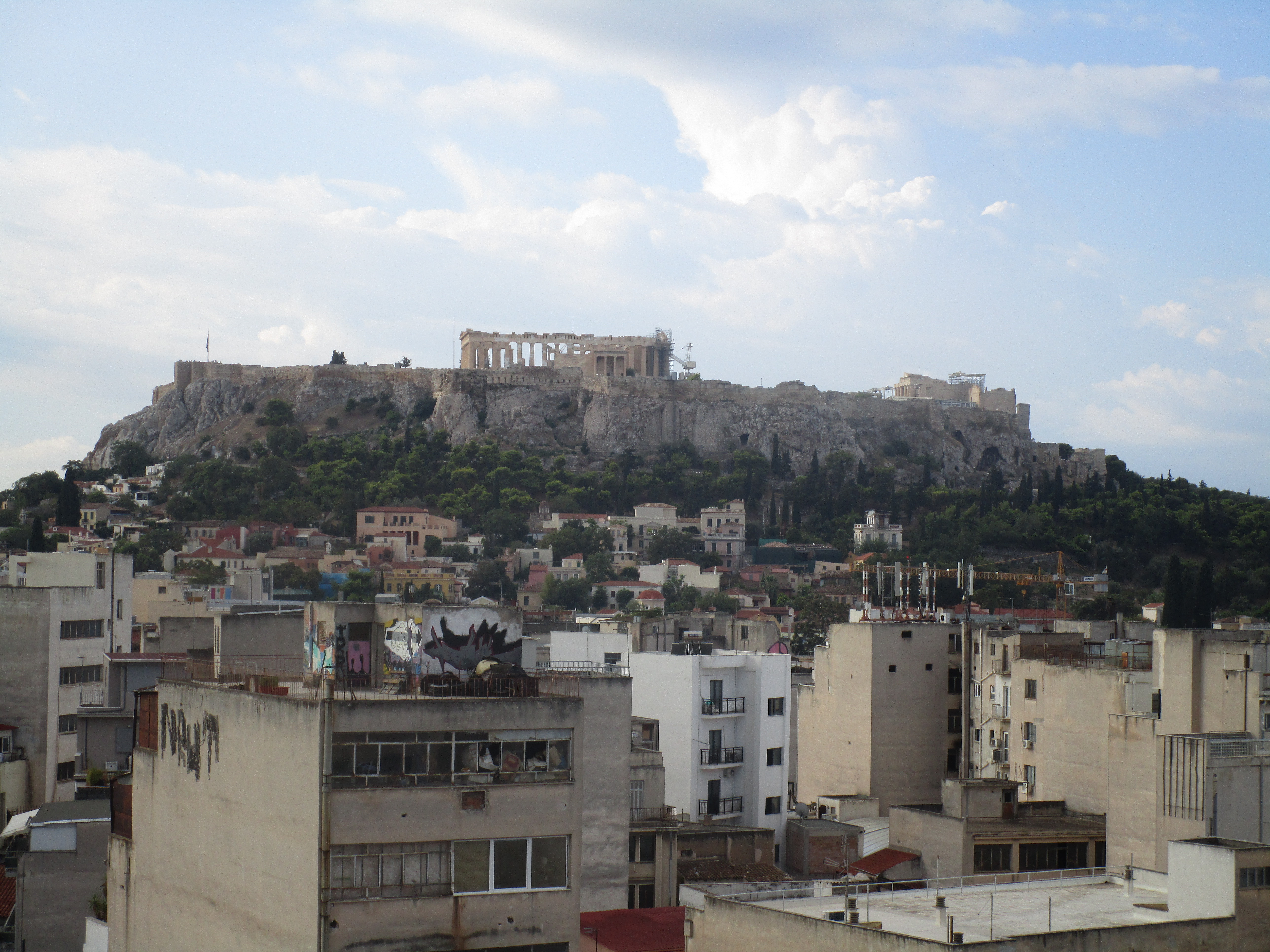
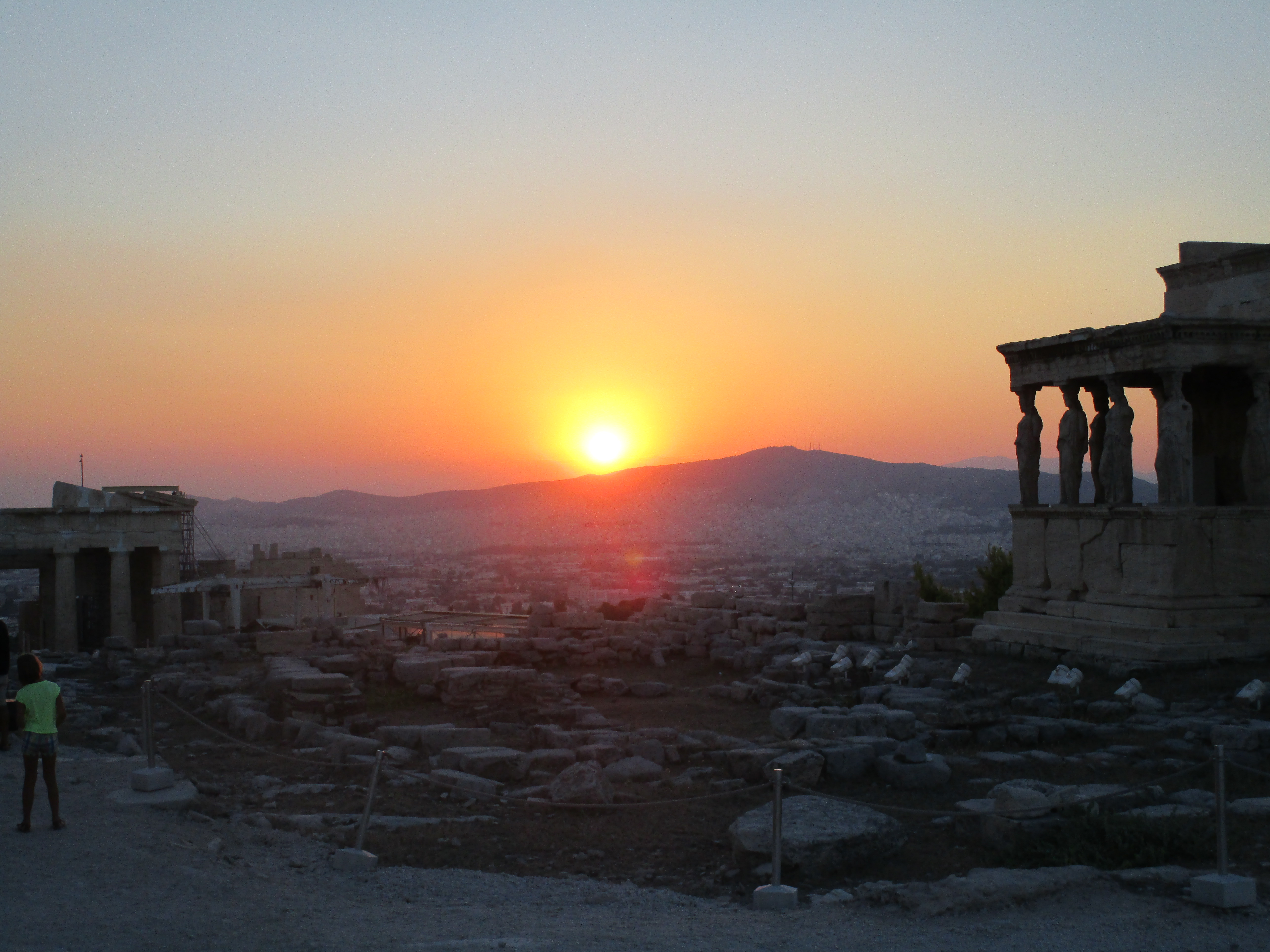
At the Parthenon

The above provides the background for this post – it’s about stepping out of your daily routines to learn in a different way. We’re fortunate that we live in a time where we can access knowledge and information from around the world in multiple ways. We don’t have to hop on a plane and travel for 15 hours to get somewhere but we can view videos of far away places, connect through face to face communications with teachers and students on the opposite side of the globe, and collaborate on learning projects – to name a few ways. Yes, it takes time and work but it is all worth it.
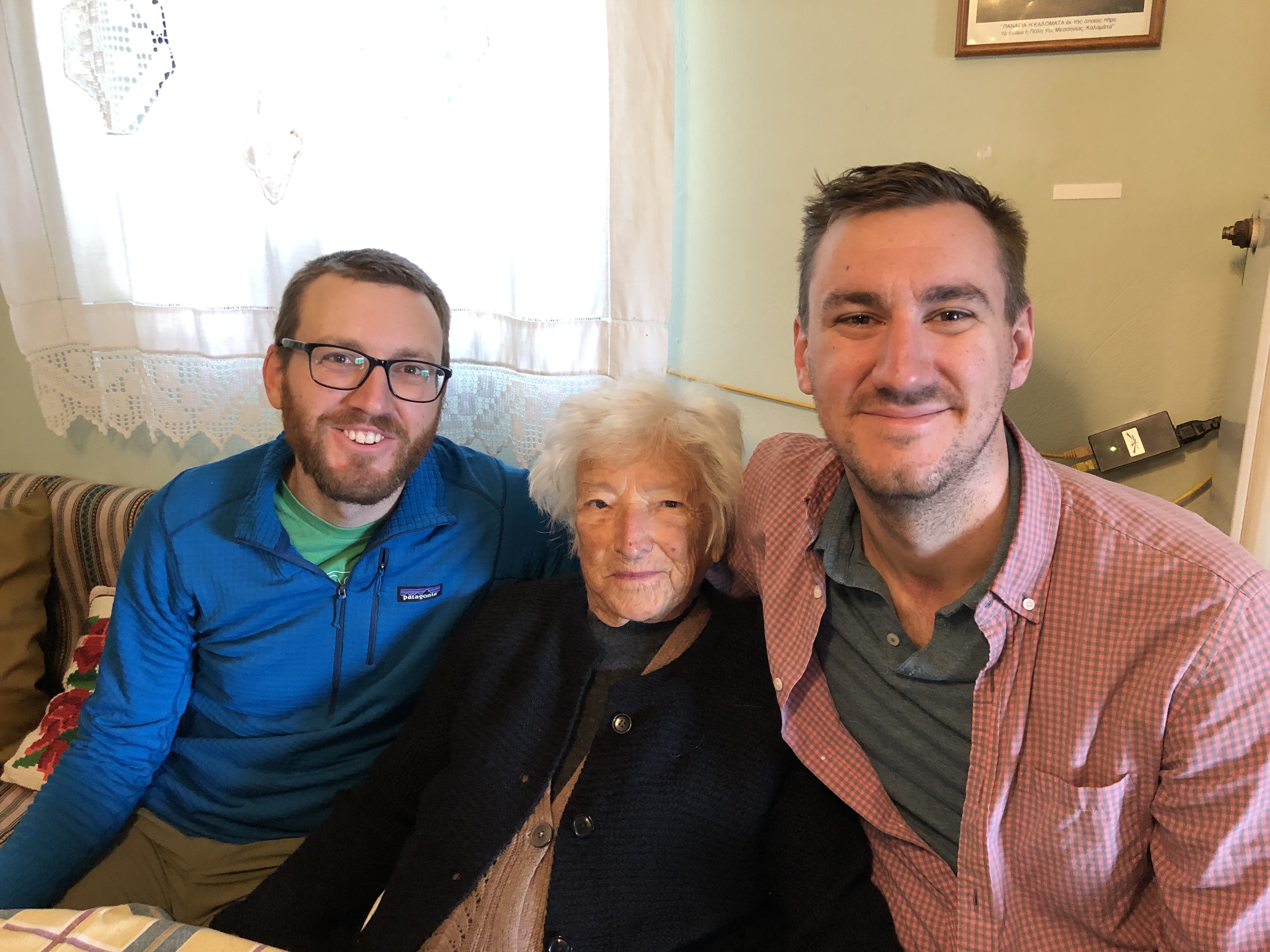
My sons with Yiota

Think about these questions – what is different about education today? What might be the benefits to think differently about day to day education? Why connect with educators or help facilitate access to learning for your students with others from a different culture? Only you can consider the benefits for you and/or your students but I encourage you to do so.

I am grateful to stand on the shoulders of giants in the work I do in education and on the shoulders of family members from a tiny village 4,521 miles from my home in Maine. Every trip (in real time or electronic connections) help me to understand why I do what I do and the importance of pushing on my beliefs to continually learn.
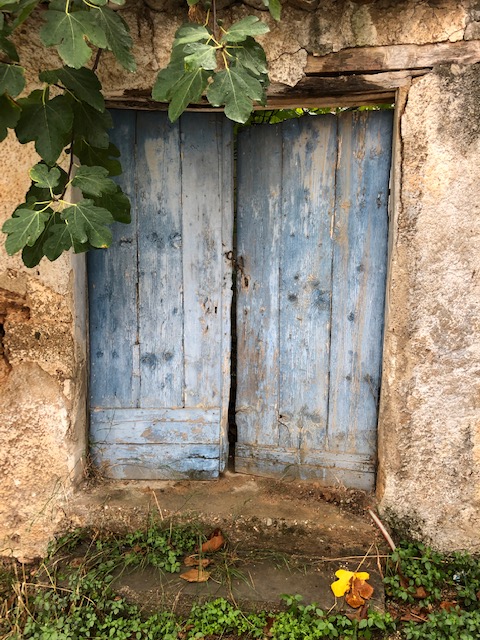
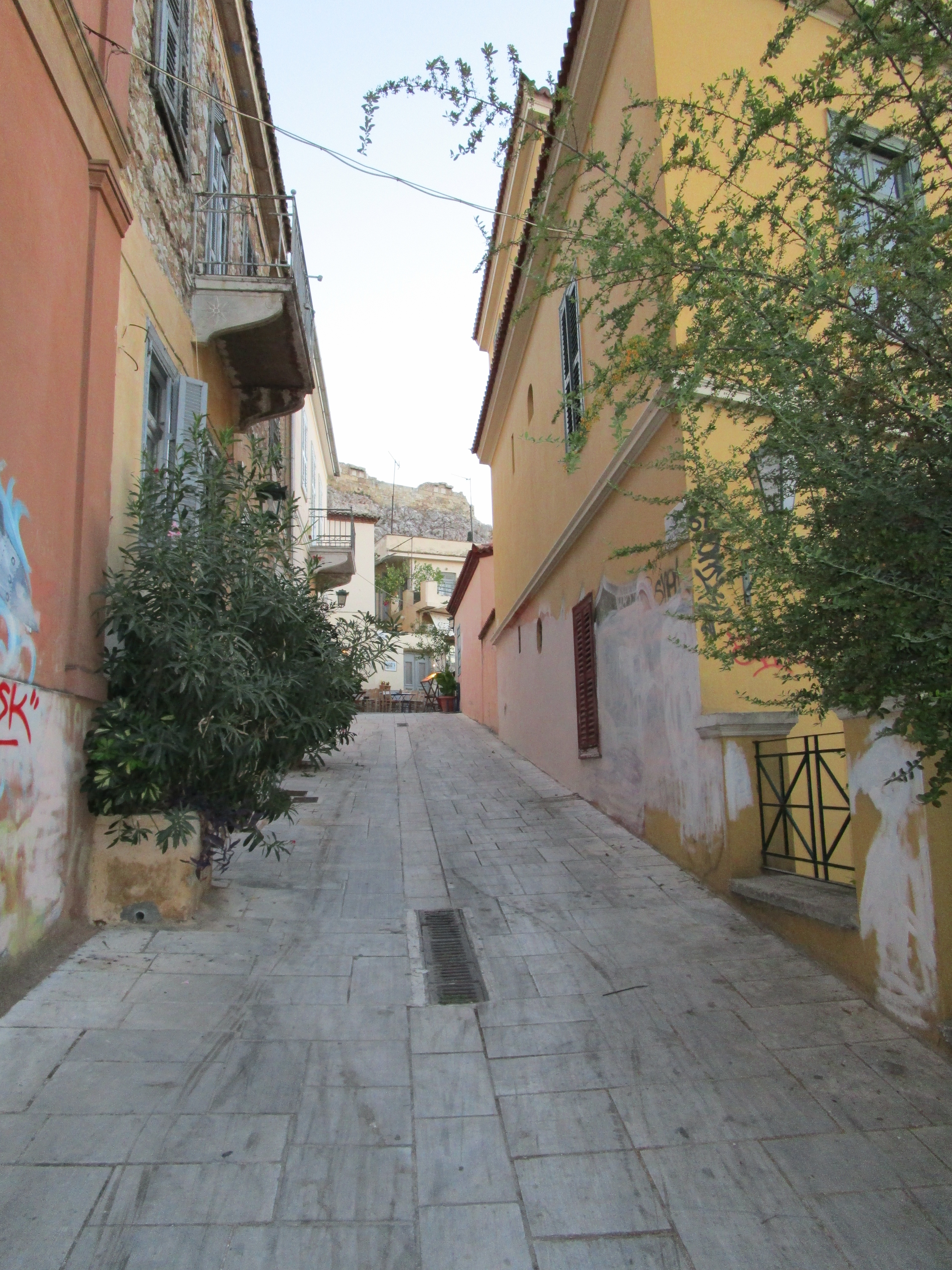
The blue door on the pathway to the plakia not far from my father’s home. It is the one constant every time I return.
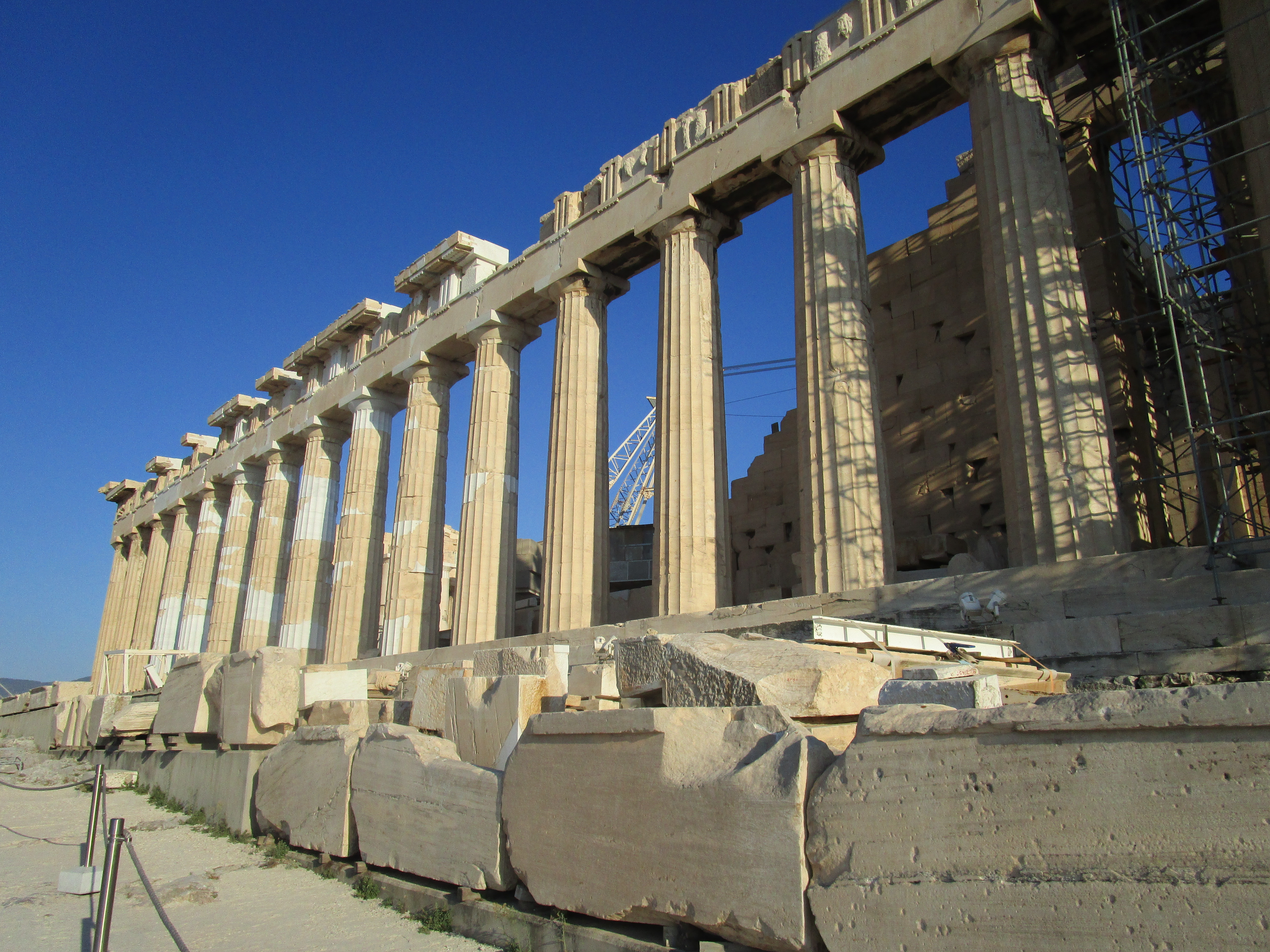
h1

Greece!

September 11, 2014

So appreciative of my opportunity

I just returned from two weeks in Greece. In the Spring I got word that one of my cousins sons was getting married and baptizing twins. My sister and brothers and I and our families were invited. When my younger son called and said, “we’re going, aren’t we?” I didn’t hesitate, YES, of course! He’s been fortunate to travel but was saving Greece to go with me. My Dad was born in the village of Akrata on the Pelloponesos and came to America when he was 12. My mother is first generation born here so my roots are very strong.

IMG_0220We flew to Athens and spent time at the National Archeological Museum of Athens and the Acropolis Museum and at the Parthenon. My son had learned about Ancient Greece in his high school AP Art History course and was anxious to see the contents of the museums as well as what remains outside. It is easy for Americans to forget how old many other countries are and so difficult to imagine the number of years some of the structures have been standing. Pollution is damaging the Parthenon daily but I found myself asking over and over, how did they manage to build the amazing structures? And, then to imagine them philosophizing, creating, and solving problems in the structures.

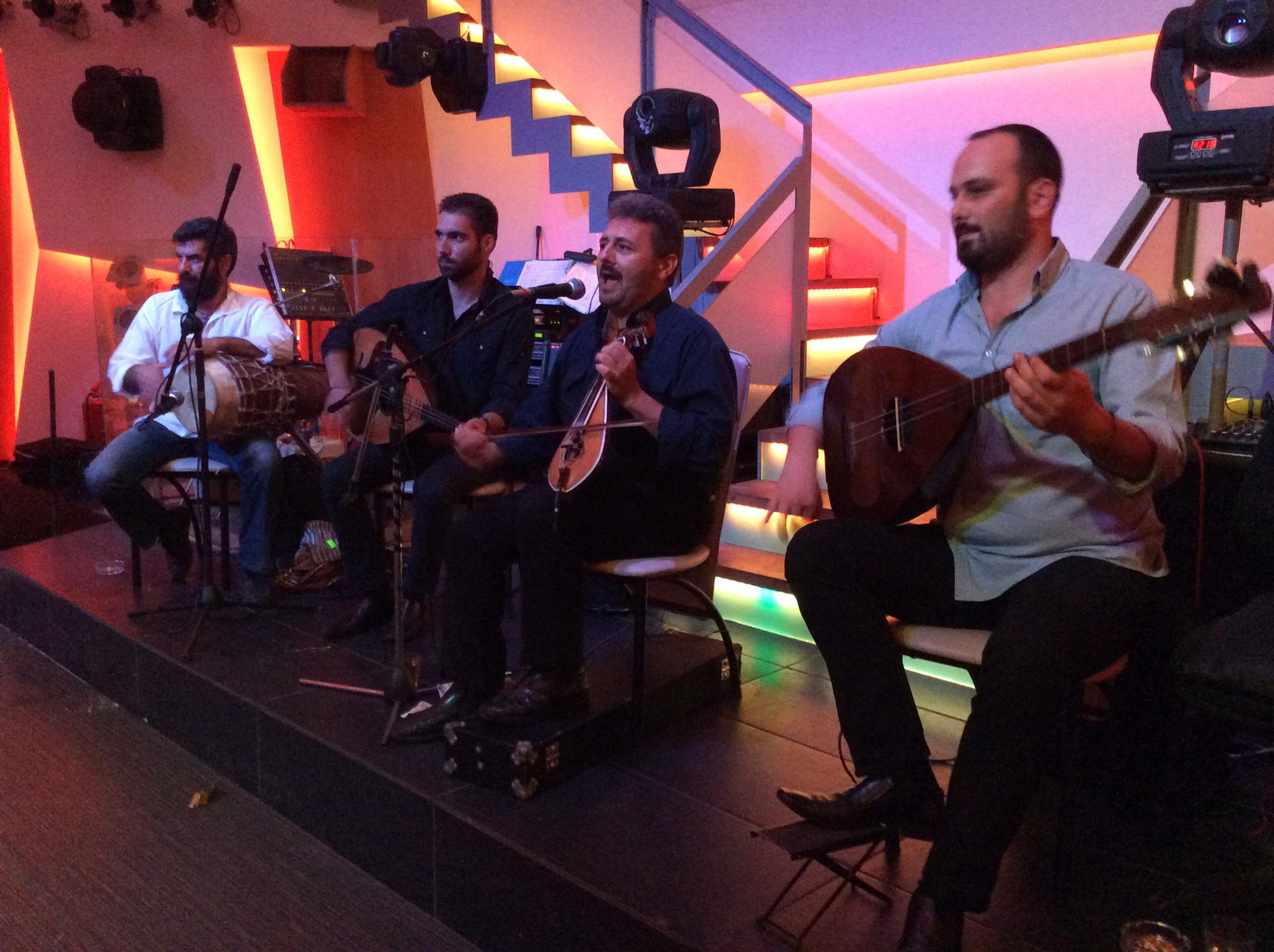
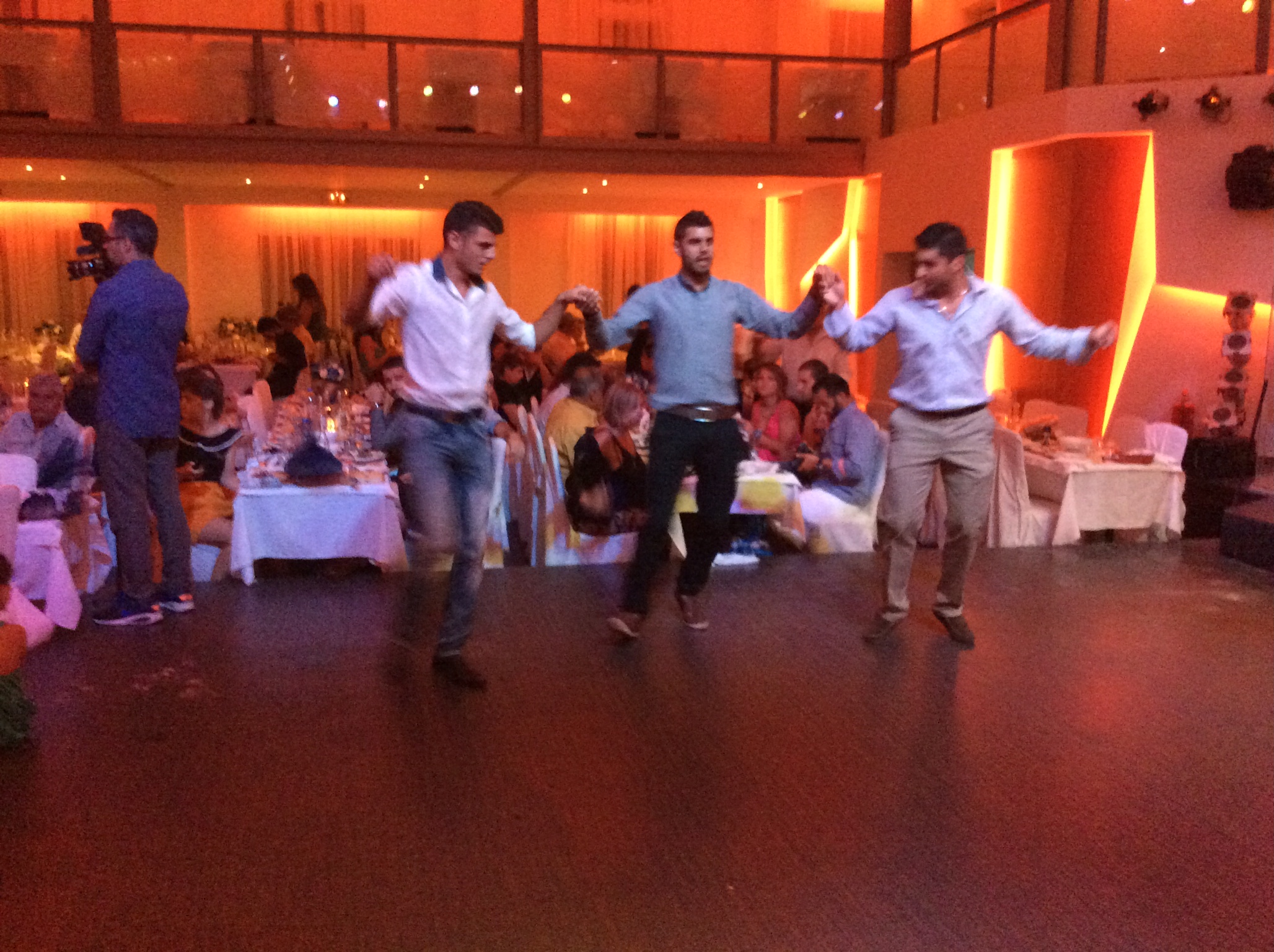
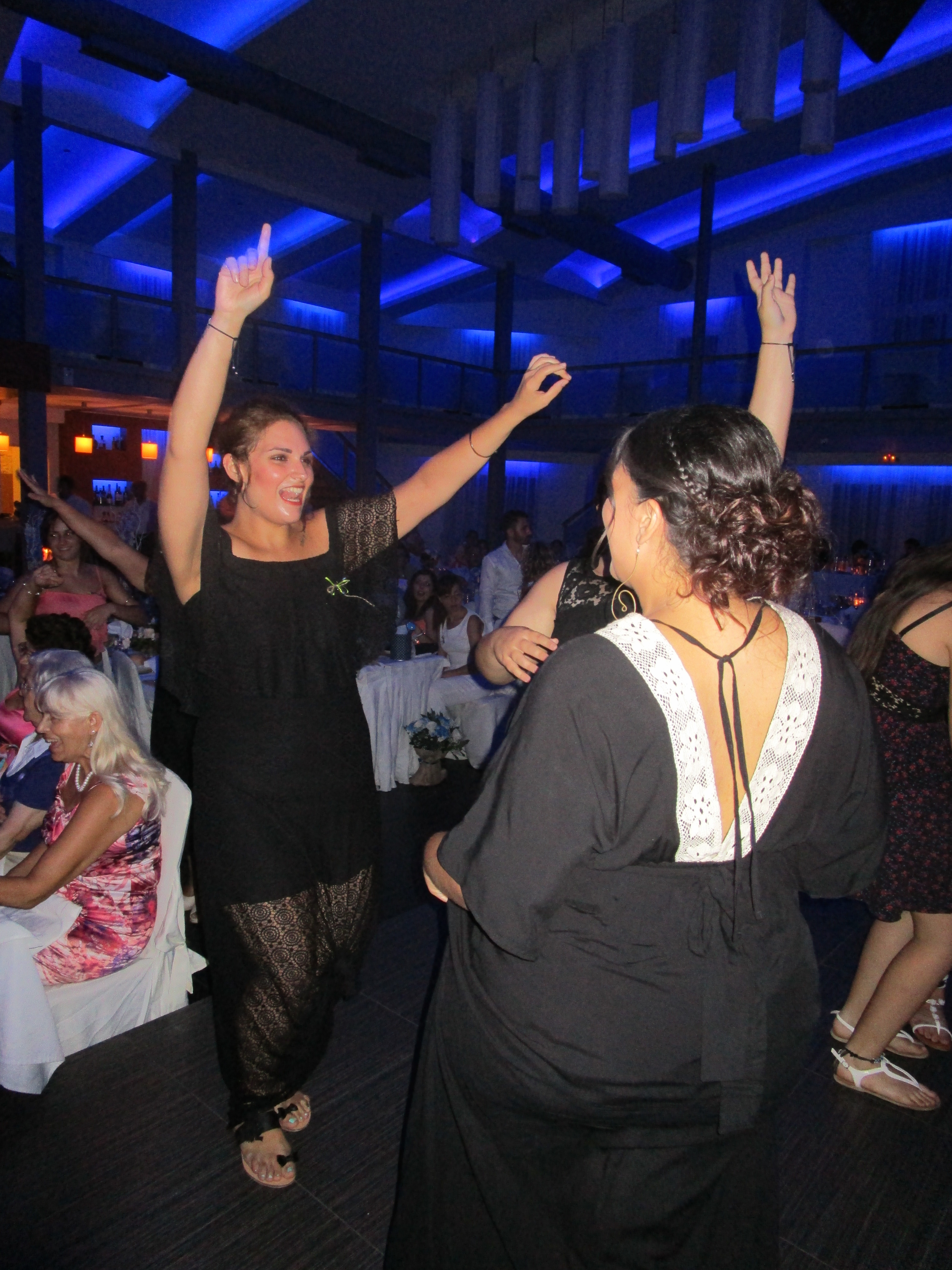
IMG_0065From Athens we flew to Heraklion, Crete (island, 50 minutes from Athena) where my cousin met us at the airport. We helped prepare for the wedding but it was nothing after the months and months of preparation for the 500 guests that were invited. They said that was a small number of guests for a Greek wedding. The celebration started that evening at a gathering with about 50 family members. The bride, groom and close friends had been preparing food all day. A whole goat and lamb were cooked over a small fire, plus prepared in other ways, potatoes, salads, snails, desserts. There wasn’t one item that wasn’t absolutely delicious. All prepared with love and care. The drinking and dancing were of course a major portion of the gathering.

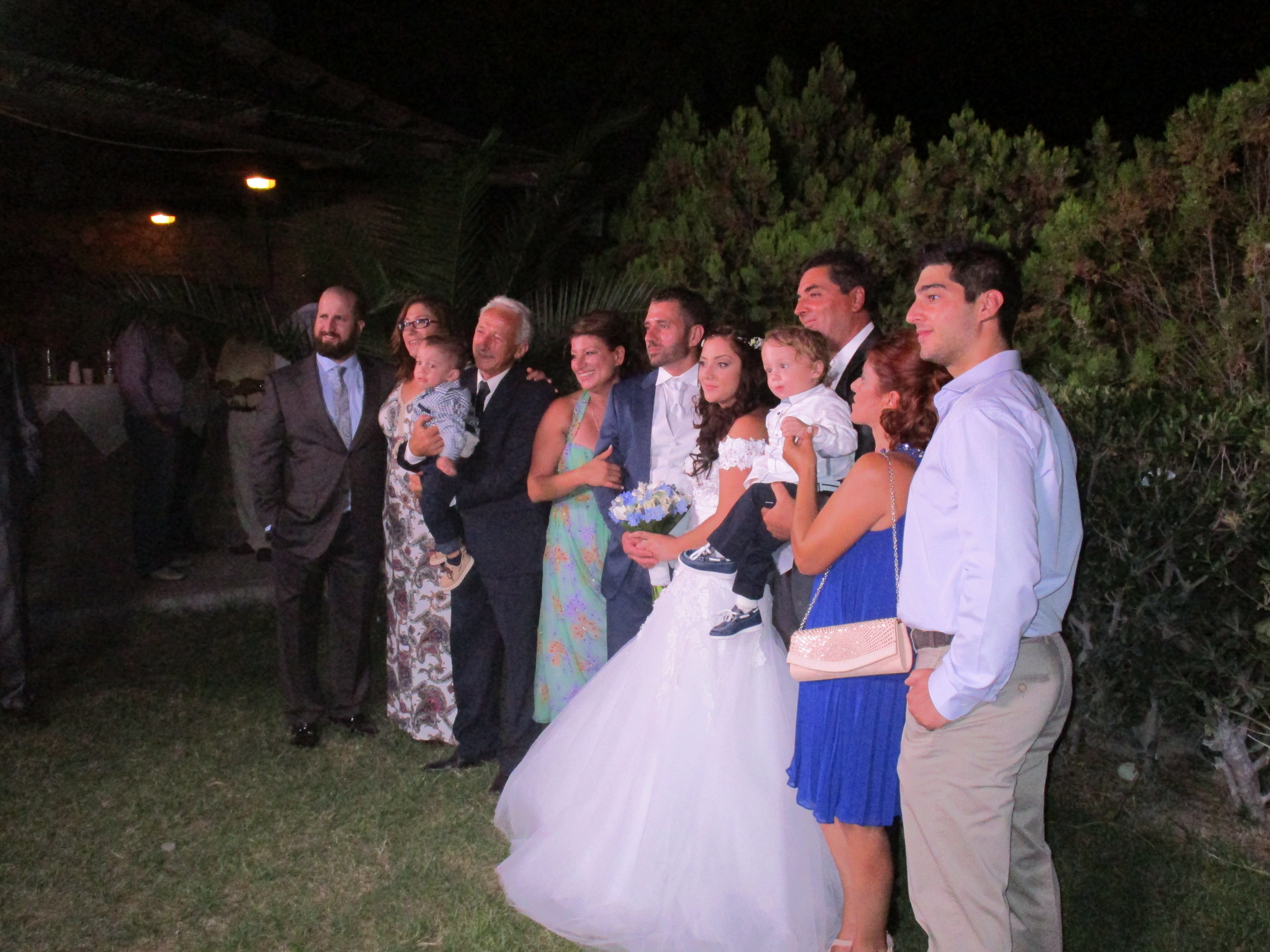
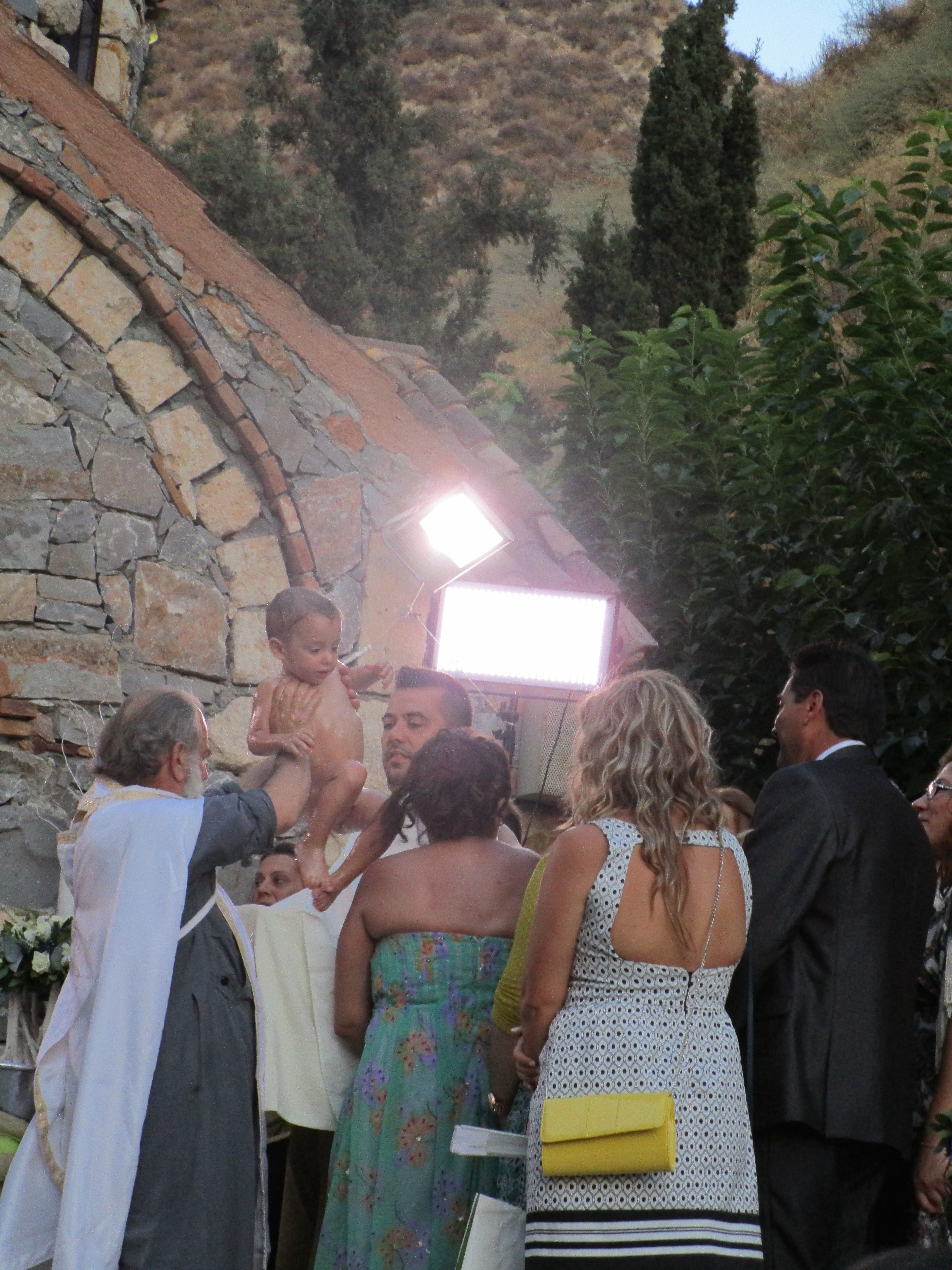
IMG_0309The wedding was equally wonderful taking place outside at a tiny Greek Orthodox church in a BIG setting. The church was built up against looming mountains and everywhere I looked it was beautiful as the sunset on the ceremony. The wedding ceremony wasn’t different than Greek weddings in the US but the setting was breath taking. You’ll notice in the photos the ribbon that is attaching the bride and groom. The stefana are crowns that signify that the bride and groom have become the king and queen of the newly formed family. The best man or in Greek, the koubaro steps behind the couple and places and interchanges the crowns three times, as a witness to the sealing of their union. Immediately following the wedding ceremony was the christening of the twins, which is a beautiful ceremony as well. The reception was filled with more incredible food, drink, music, and dancing.

IMG_0392

music

dancing

IMG_0411

IMG_0382

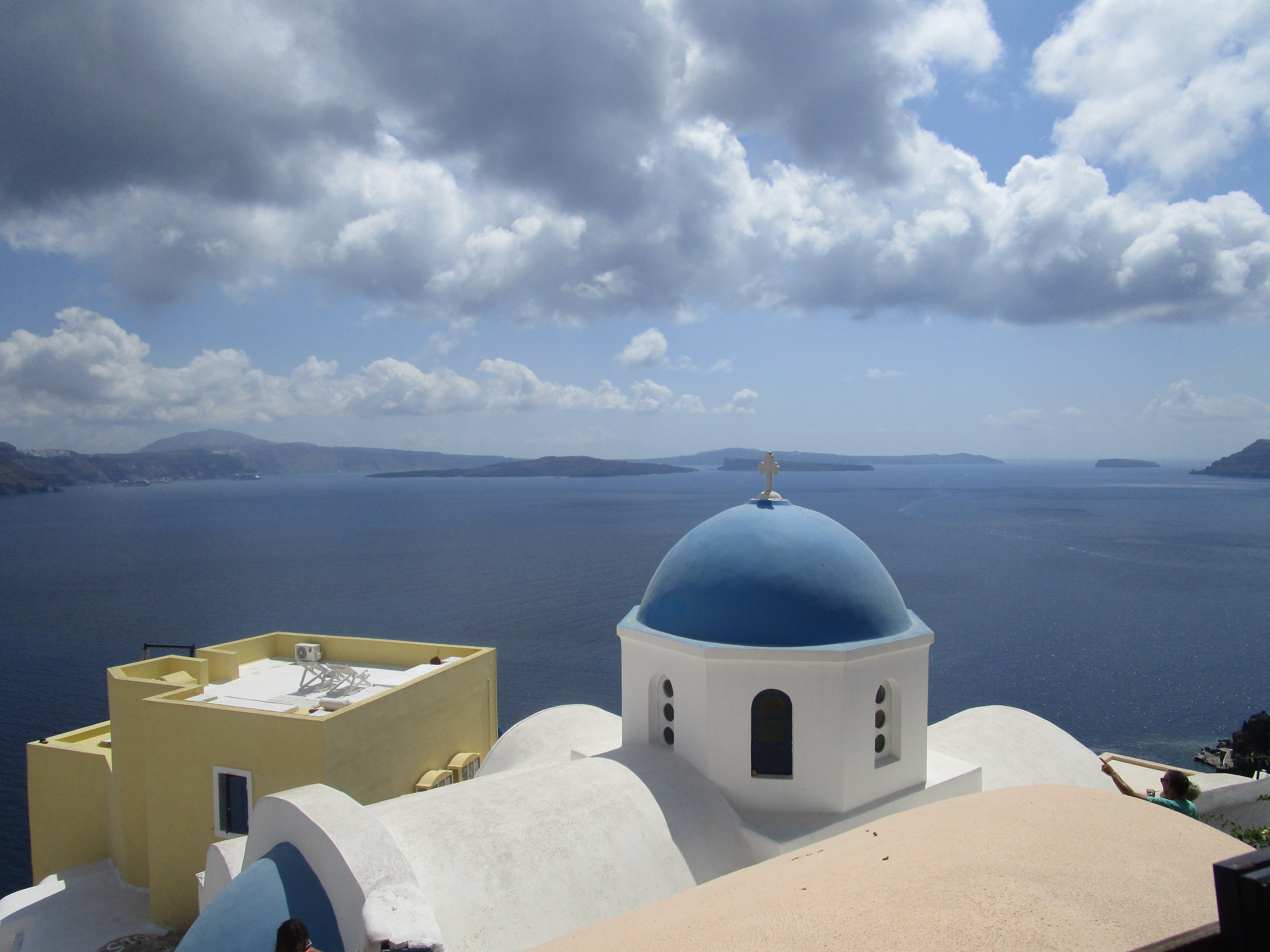
IMG_0377Following the wedding we visited the beautiful island of Santorini, where it was difficult not to take wonderful photographs! Everywhere we went during the two weeks it was very warm and unusually humid. The sun was brilliant, even at 9AM. Many people swim at the beautiful beaches and spend time outside. The sky is a brilliant blue. Homes have verandas which are extensions of their indoor living space. Many of the restaurants are in side yards of peoples homes.

IMG_0509We left Crete and traveled over the amazing Korinth Canal to visit my fathers village. There are many ancient sites on the Pelloponesos. We visited Mycenae which was one of the major centers of Greek civilization during 1600 BC to about 1100 BC. Again we saw artifacts from that time period including the amazing pots varying in size and patterns. I stared at the entrance which includes the Lion Gates again wondering, how did they do it? All that remains of the tomb of Clytemnestra (wife of Agamemnon) is a huge beehive structure built of giant blocks. While there a touring singing group broke into song and the sound was incredible.

We visited Acrocorinth, occupied from the archaic times to the early 19th century. A moat and three arches including walls mark the entrance which were built as protection. Valuable water resource was available there despite its elevation. There is a pretty little Greek Orthodox church that is still standing and even though it is in need of repair is very sacred. At the top was a temple to Aphrodite which has an unbelievable view.

IMG_0667We traveled by train for an hour to Kalavryta located in the Achaea municipality not to far from Akrata. The railway was completed in 1895. It winds uphill very close to the mountains it was cut out of and is a continuous amazing site. At the top lies the village of  Kalavryta where on December 13, 1943 a massacre took place in retribution for the killing of 81 German soldiers. The Nazis machine-gunned down almost 700 of the Kalavryta men while below them their homes were set fire. Woman and children were ordered to the school and as it was set fire they broke down the door and jumped out the windows to escape. The school was rebuilt and now serves as the museum and does a wonderful job telling the story. It was very moving. We left Kalavryta and traveled over the mountain finding no one on the road other than tribes of goats, rocks that had tumbled down onto the road. The switchbacks were like nothing I had ever traveled before.

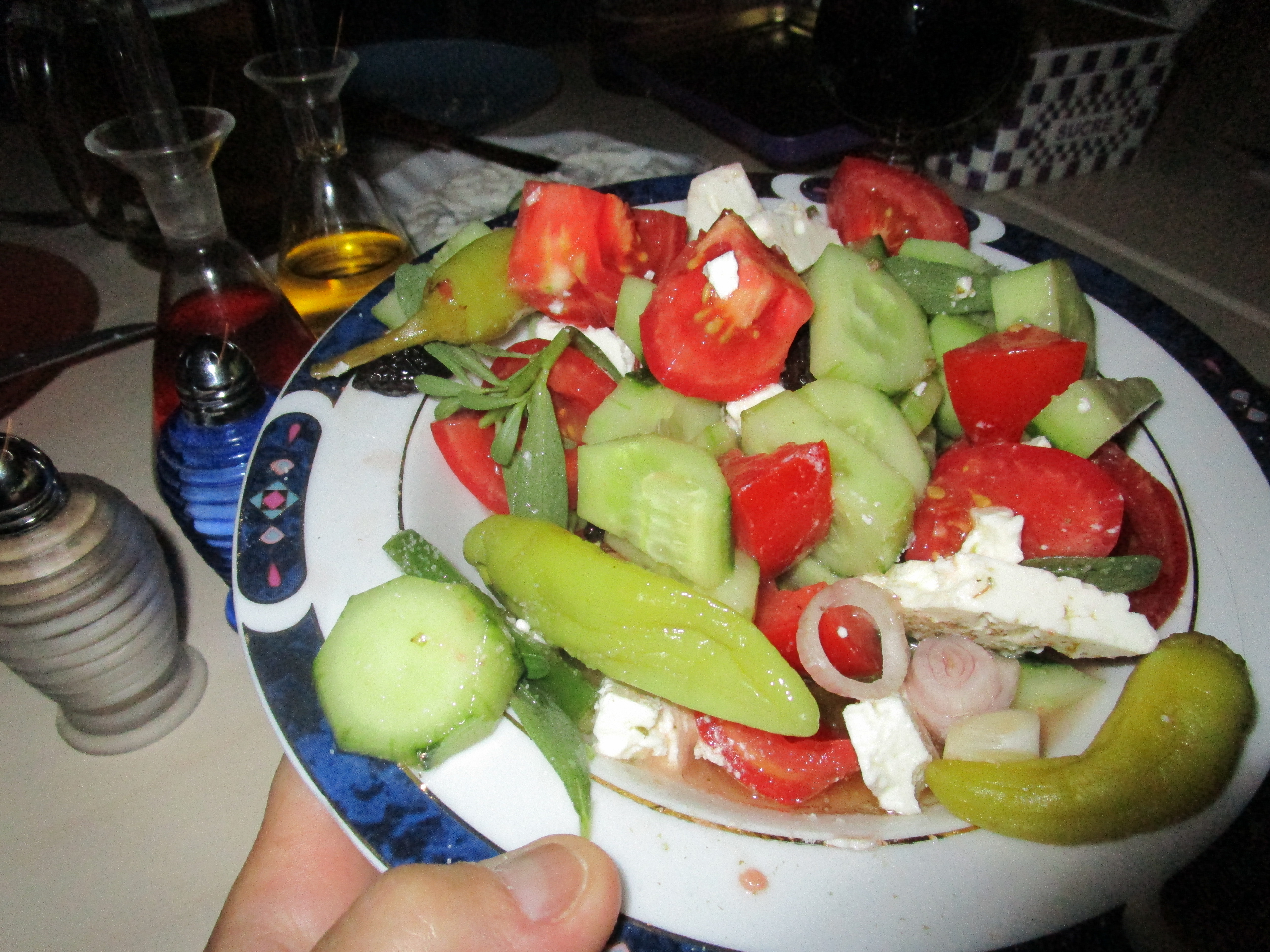
Everywhere we went the food was amazing. I love the way the Greeks call ahead and ask if the food establishment is open. There is no menu – the owner comes out to the outside tables and lists what they’ve cooked for the day. Usually 4 or 5 choices, at least one of lamb. Each serves a salad which is usually contains tomatoes and cucumbers. On a separate plate feta cheese and another olives. Often the family wine is available and delicious water from the spring on the property.

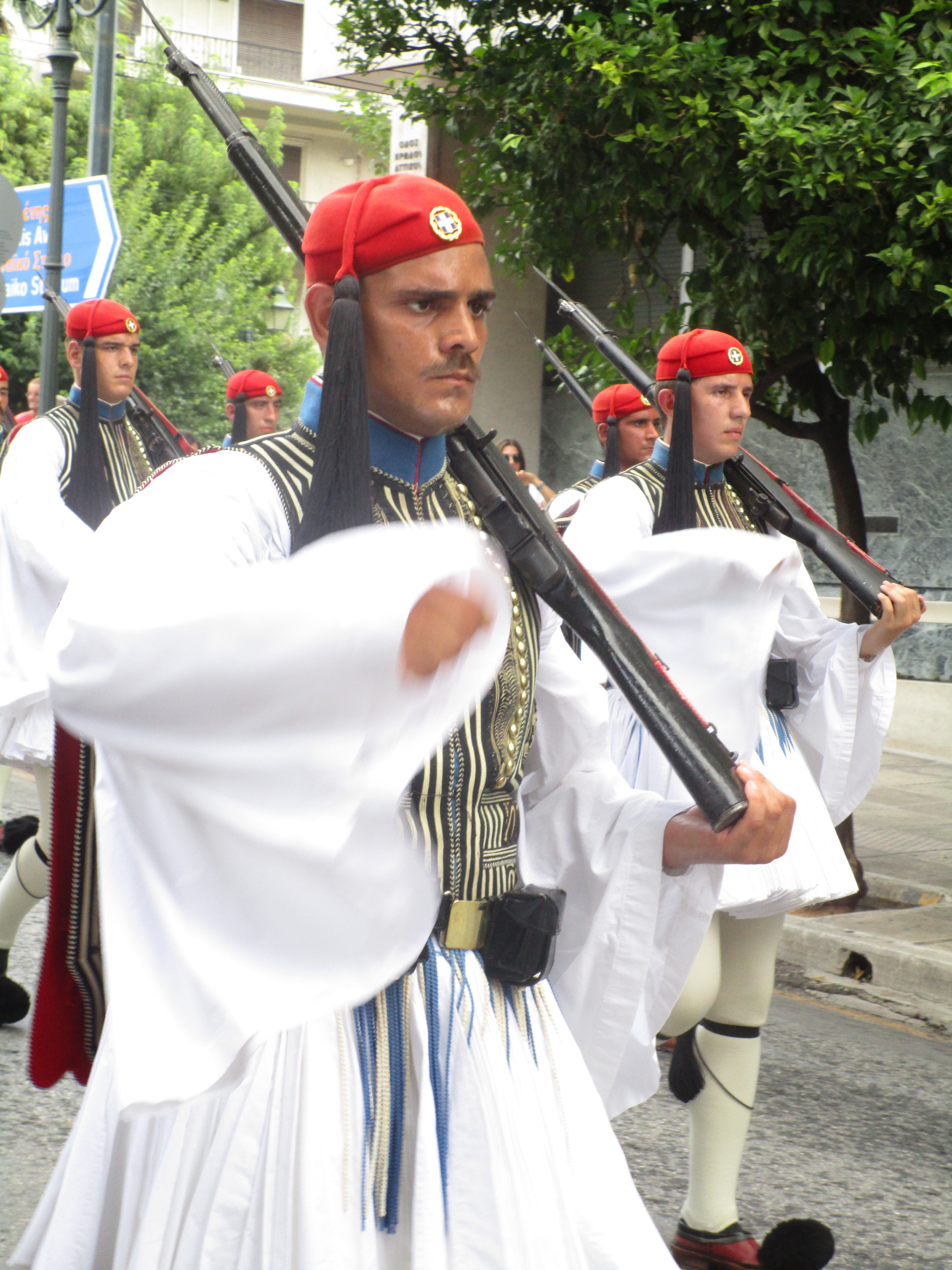
foodA highlight of the trip was seeing the evzones at the changing of the guard at the tomb of the unknown soldier. Their precisions is a joy to watch. We saw them at the beginning of the trip and then met my cousins son who is a member of this group of soldiers. On our last day in Athens we watched him in the parade and had the chance to visit in the barracks area. I was so proud!

IMG_0862Another highlight was spending time with my relatives. My aunt had 5 children who our around my age and they all of children who are similar in age to my sons. It was a special treat to spend time with some of them, especially for my son. We hope to see some of them in the future on a visit to America.

IMG_0898

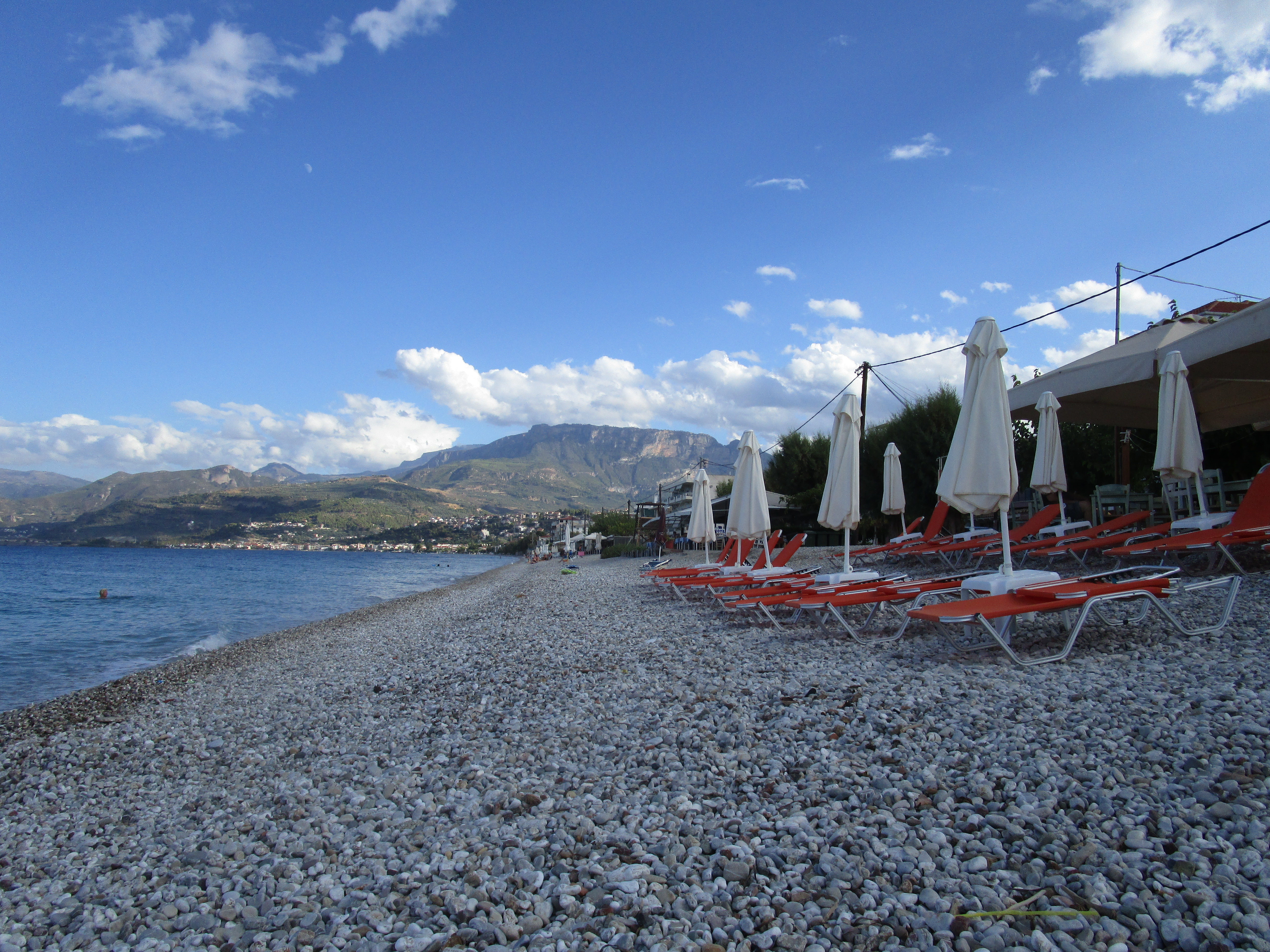
photoOur visit to Akrata was certainly a highlight as well, staying in the home that my Dad lived in while he was a child before traveling to America. The village is the home to about 2000, many Greeks traveling from Athens for the weekend and/or summer months. The beach is beautiful. Everywhere you look from the veranda or roof of my aunts home is beautiful! The home was updated built around the original three rooms which was in place the first time I visited in 1973. My fathers sister still lives there, she is 90 years old.

IMG_0610

IMG_0615

IMG_0568The economy in Greece continues to be very poor with about 25 per cent unemployed. Many people out of work for 4 or 5 years. In spite of this, the hospitality has not wavered. My families arms were open and their hearts very giving. I am so appreciative to have made the trip and to have my son join me. I hope these photos (a few of the almost 2000) and my brief description provide a glimpse of our trip. Please feel free to email me or comment in the blog if you have questions.

IMG_0820

IMG_0251