Posts Tagged ‘MAAI’

h1

Maine Music Educators Roundtable

May 17, 2014

Tuesday, May 20, 2014

As a supplement to the series being presented by the Maine Arts Assessment Initiative this Spring, MAAI will be holding a webinar entitled, “Maine Music Education Roundtable” on Tuesday, May 20 from 3:30 to 4:30. Hosted by Rob Westerberg, choral director at York High School, this webinar is being held in direct response to music educators in the field who are asking subject specific questions pertaining to their own classrooms and issues confronting them in the current educational climate. The roundtable format will intentionally make this hour conversational in nature, leading to what will no doubt be a rich dialogue around current topics in Music Education. Topics will likely include issues around proficiency, standards, creation and assessment of individual student learning targets, PK-12 curricular alignment and advocacy. All attendees will also be encouraged to ask their own questions, voice their own concerns, and share their own perspectives. Roundtable guests will include music educators from across the state. Please plan to join us so that YOUR voice can be heard as well!

  • To join the meeting, please click here.
  • Enter as a guest and sign in using your first and last name please.
  • Click enter room.
  • Please be wired and do not use a wireless connect.
  • No telephone is required. (There is no call-in number).

I suggest that you join the webinar at 3:20 and go to the top left corner of you screen, click on the drop down menu, Meeting, Audio Setup Wizard and follow the directions to check your audio.

h1

Another Arts Teacher’s Story: Jen Etter

May 13, 2014

York Middle School music educator

This is the seventh blog post for 2014 and the third phase of the Maine Arts Assessment Initiative of this series sharing arts teachers’ stories. This series contains a set of questions to provide the opportunity for you to learn from and about others. I had the pleasure of visiting Jen’s classroom recently, what a treat! It was a wonderful day.

Screen shot 2014-05-10 at 7.29.37 PMJen teaches grades 5-8 music. She directs the 5th, 6th, 7th and 8th grade choruses and 7th and 8th grade general music.  She also assists with beginner band lessons. Jen has been teaching for 7 years in the York Schools.

What do you like best about being a music educator?

My favorite thing about being a music educator is watching students surprise themselves with what they are capable of after working hard to achieve a goal.  This is especially excited when it happens with a student who struggles to find success in other areas.  For me it reaffirms why music education is such an important part of a public school curriculum.

What do you believe are three keys to ANY successful visual and performing arts education?

1.) Meaningful objectives and assessments tied to those objectives

2.) A passionate teacher who always keeps what is best for students at the forefront

3.) Having the support of the school and community around you including, fellow teachers, administration and parents

How have you found assessment to be helpful to you in your classroom?

Assessment drives my classroom. So much so that I wonder how I could have possibly run my classroom without meaningful assessments as I did a few years back. Assessment is at the cornerstone of what I do as a teacher and I do it constantly. As I sit here answering this question I am smiling. I am smiling because I enjoy assessment so much that often my colleagues tease me about constantly planning my next assessment strategy. I’m sure at first this probably sounds as if I spend a whole lot of time testing my students which sounds really dull, however in my classroom, it is much more informal than that.

When I first started assessing students in my classroom, I realized very quickly that I knew my students better after assessing them. The more I assessed, the more I learned about their strengths and weaknesses and the more I knew about that, the better job I did at tailoring my instruction for all the learners in my classroom. I used to have a pretty good idea about the strengths and weaknesses of my students who loved to sing, because they would “put themselves out there” but there were many that I knew very little about.

My assessments are usually just quick check ins. They are done by asking questions on a 3 minute “exit form” that they submit to me electronically at the end of a class. Or I will randomly ask questions to students that have to do with the essential knowledge I would like them to take away for the day. This kind of questioning allows me the background knowledge I need to tailor my instruction to the needs of the students. Because of this I know constantly what my students are struggling with and what I need to do to help them- either on a large scale of individual level. I also assess students in more formal ways by having them submit recordings to me based on the objectives of our class. I feel that students don’t “slip through the cracks” in my classroom. Students are held accountable for mastery of  our music standards and when they are having trouble with that, I am in a much better position to know what I can do to help them succeed. This has also proved to be a huge factor in student motivation. My students no longer can sit in the back row and go through the motions. They know that it is their responsibility to meet the standards and they will be help accountable for them.

What are the benefits in becoming involved in the arts assessment initiative?

The conversations and the camaraderie!!! The doors that have been opened as a result of being involved in the initiative are unbelievable. I now feel that I have so many contacts and so much support from teachers around the state that I would not have had otherwise. I feel inspired and challenged by these peers every day and it pushes me to try to get better at what I do!

What are you most proud of in your career?

I think I am most proud of the changes I have made in my classroom to make it more student-centered and standards- based. I believe that no one slips through the cracks in my room and I hold every student accountable for their own work. The returns I have seen on this have been amazing. Students rise to the occasion almost every time and seeing the pride that they have in themselves for the work they have done is just amazing.

What gets in the way of being a better teacher or doing a better job as a teacher?

Honestly, lately the Common Core. We are fighting an uphill battle against the “CORE” subjects and because of it we are continually losing time and funding.

What have you accomplished through hard work and determination that might otherwise appear at first glance to be due to “luck” or circumstance?

As a district we have worked hard to create graduation requirements for both visual arts and music separately from each other. This change has driven more concrete requirements at the lower levels resulting in programs that are tied to a very academic curriculum but also have enrollment numbers that are through the roof.

Look into your crystal ball:  what advice would you give to teachers?

Approach your classroom with the whole picture in mind. What is best for all students, all staff and the whole school. If you approach situations (especially with administration and other teachers) with the whole school in mind you will be more credible. This in turn will give you more solid footing when it comes to advocating for your own program.

If you were given a $500,000.00 to do with whatever you please, what would it be?

Wow! That’s a lot of money! Steel drums for the General Music program, (working on that one even without the $500,000) SmartMusic for all the music students and also save a whole bunch for travel for the ensembles. Students gain so much from being able to travel and perform but also through listening to live performances, I wish we had both more time and more funding for that type of thing.


h1

LD 1422 Webinar

May 12, 2014

MAAI webinar, May 7

The third of a series of four webinars for the Maine Arts Assessment Initiative was held on Wednesday, May 7, entitled “LD 1422: digging deeper into the new Proficiency expectations for Maine’s schools and Arts classrooms”. In coming up with this particular webinar, facilitators Catherine Ring and Rob Westerberg were reacting to what they both believed has been a lot of misunderstanding and a great lack of clarity around the new law which states that all High Schools will be issuing diplomas, “based on student demonstration of proficiency”. The hour with nearly 20 attendees, including the Maine Department of Education new Visual and Performing Arts Specialist, Mr. Kevin Facer, allowed the opportunity to de-mystify it, and to discuss its ramifications as it pertains to Visual and Performing Arts.

The first part gave an overview of LD 1422, with links to valuable resources at the Maine Department of Education. Catherine and Rob went through the important details pertaining to how it relates to VPA, the Maine Guiding Principles which all students will be required to meet, and a few thoughts around the concept of “multiple pathways” to demonstrate proficiency. An extended conversation was had around proficiency in the arts and what that actually can mean in practice. Information very specific about what that looks like in the classroom, and articulation of the next steps for everyone to get there, regardless of where you are presently.

Finally, there was a give and take conversation around relevant questions and observations from the MAAI Teacher leaders last Summer. Some of these included, “Once established, this will inform curricular and instructional decisions?”, “How do we establish proficiencies while leaving room for creativity?”, “You cannot define proficiency until the “vagueness” is taken out of the standards… is this a road we want to go down?” and “How do we find time to do everything and teach at the same time?” Along the way, webinar attendees asked some very pointed questions as well and shared some great insights.

In debunking myths or misinterpretations, and showing how the Arts can proactively move toward proficiency, the hope is that attendees and those utilizing the archive and meeting plans can get a leg up, perhaps even on the other content areas in our own buildings, and truly be leaders as we move toward this next chapter in Maine education. In this vein, it is strongly encouraged that arts teachers spend some time viewing the archive: the live links alone will make this worth your while, while the conversations will add clarity for what is expected of arts teachers in the months and years to come.

On Wednesday, June 4, we will be holding a related webinar, featuring the ongoing work MAAI has undertaken creating a rich Resource Bank for the Visual and Performing Arts. Please plan on joining Catherine and Rob from 3:30 to 4:30 on that first Wednesday of June. In the meantime, you can access the archive of the May 7 webinar at http://stateofmaine.adobeconnect.com/maaimay2014/. You can access the professional development meeting plans that accompany the webinar at http://mainearts.maine.gov/Pages/Education/MAAI-Webinars (available tomorrow). You may utilize with this with your building and district VPA colleagues.

h1

Maine Arts Assessment Initiative Webinar

May 6, 2014

Providing you a special professional development opportunity just for teacher appreciation week

DON’T MISS THIS PROFESSIONAL DEVELOPMENT OPPORTUNITY

Rob Westerberg and Catherine Ring will be hosting their third 2014 webinar in a series of four as part of the  Maine Arts Assessment Initiative (MAAI).  The webinar entitled “LD 1422: Proficiency And The Arts” will take place on Wednesday, May 7, 2014 from 3:30 – 4:30.  Primary discussions will be based around:

  • What is LD 1422 & what does it mean?
  • What is “proficiency”?
  • What does proficiency in the Arts look like?
  • Next steps

The overarching goals of this webinar will be to help arts educators move forward proactively as our schools and our state moves toward a proficiency based diploma. While LD 1422 is spelled out specifically for high Schools, the domino effect has critical ramifications for all PK-12 music, art, dance and drama teachers.

For best chances of success please join the webinar 10 minutes early and do the following:

  1. Join the meeting by clicking: https://stateofmaine.adobeconnect.com/_a827390218/maaimay2014/  Enter as a guest.

  2. Use a hard-wire connection, not wireless.
  3. Test your sound by going up to the top left, click on Meeting and Audio Setup Wizard and follow the directions.

At the conclusion of the webinar there will be a link for you to complete a short feedback survey. You will receive one contact hour for completing the feedback form (issued at the end of May).

Please be sure to join for what promises to be an engaging, insightful hour on the topic that will continue to impact every one of us as arts educators in the state of Maine! One contact hour is available for participating. If you miss the session live it will be archived afterwards for your viewing. Please watch the Maine Arts Education blog for the link to it.

If you have any questions please email me at argy.nestor@maine.gov.

h1

New England Summit on Arts Education

April 29, 2014

Earlybird special for registering by May 30

I am excited about the planning that is underway for the New England Summit on Arts Education scheduled for July 29, 30, 31 at USM, Portland. Below are the details…. please email me if you have any questions at argy.nestor@maine.gov.

July 29, 30, 31, August 1, 2014

University of Southern Maine, Portland

Cost: $299 which includes access to arts education learning, continental breakfast, snacks and lunch

Earlybird special: register by May 30 for a $25 discount

Additional savings: register as part of a team (at least 2 people) for a $25 discount

With both of these discounts the total cost per person is $248


IMPORTANT DETAILS

  • CEUs are available through the University of Southern Maine.
  • Contact hours are available.
  • Graduate credit is available through the New England Institute for Teacher Education at a discounted rate of $950. This is a separate cost from Summit registration. Please click here to register for the graduate credit.

REGISTRATION IS NOW AVAILABLE BY CLICKING HERE.

Screen shot 2014-04-28 at 2.04.23 PMOVERVIEW

The New England Summit on Arts Education will provide an outstanding collaborative opportunity for educators to dig deep into teaching, learning, and assessment in arts education including student-centered classrooms and proficiency. Please join educators from Maine and beyond for this fabulous three-day professional development opportunity.

The Maine Arts Assessment Initiative (MAAI) was established in 2011 and has been responding to the needs of arts education ever since. The overall focus of the MAAI has been to create an environment in Maine where quality assessment in arts education is an integral part of the work all arts educators do to improve teaching and learning, and student achievement in the arts.

Maine has a commitment to offer a quality professional development opportunity that is customized to meet your educational needs and goals. Consequently, participants will choose a strand to be working in during the Summit.

MAAI has provided professional development during the last three summers to Maine arts educators who wish to take on a leadership role and create a workshop to present to arts teachers across the state. The initiative has been building capacity by training arts educators on the “what” and “how” of arts assessment and finding the balance of formative and summative assessment, so they can provide the leadership in Maine through professional development opportunities.

Screen shot 2014-04-28 at 2.05.28 PMPHASE IV

During the next phase of the MAAI the goals will expand in response to teacher feedback and is offering a three or four-day summit. The summit is designed to meet the needs of teachers and the workshops will be on such important topics as proficiency, standards-based, student-centered, leadership, advocacy, creativity, 21st century skills and much more.

There will be multiple opportunities for networking as we broaden our knowledge in arts education. The Summit is a perfect opportunity for those who want to learn the core principles or advance further into the Arts Assessment field.

Participants will be able to choose one of three strands based on experience.

Strand # 1 – Developing Teacher Leader

This strand is designed primarily for teachers (teaching artists or arts educators) who have not already been involved in the Maine Arts Assessment Initiative and would like more of a foundation in arts assessment, and connections with teaching and learning.This strand is also for teachers in Maine who would like to become a Teacher Leader for the MAAI. Attendance at all four days is required to become a Teacher Leader.Strand 1 is open to any participant (from Maine or beyond).

Strand #2 – Arts Assessment Team

This strand is designed for attendees to work together as a team during the Summit. These teams will develop a collaborative arts education plan to be implemented when returning to school/district. Consider possibilities when forming your team; the work accomplished during the Summit could be similar to Strand 1 or 3 but will be customized to the team’s needs and unique ideas. This strand is not only open to PreK-12 district Visual and Performing Arts teachers and classroom teachers, but also to administrators, teaching artists, community cultural organizations or institute members, parents, and/or school board members.Strand 2 is open to any team (from Maine and other states, at least two participants per team).

Strand #3 – Arts Assessment in Practice Strand

This strand is designed for the individual who is ready to dig deeper into arts assessment, and connections with teaching and learning. Strand 3 will provide the opportunity to turn collective knowledge and understandings into important collaborative work on benchmarking, proficiency, and resource development.Strand 3 is open to anyone returning as a Teacher Leader, graduates of arts assessment courses, and anyone who feels they are ready to dig deeper into arts assessment.Day 4 – August 1 – TEACHER LEADERS
This day is offered for teachers from Strand 1 who would like to take an active role in phase 4 of the Maine Arts Assessment Initiative as a teacher leader. The professional development offered on day 4 will help prepare teachers for taking on leadership roles including leading workshops at the regional and statewide level. There is an application process to become a teacher leader that will be available in the near future.

Comments from Maine Arts Assessment Summer Institute participants

“The relationships I have developed have positively changed my life and the ripple will go on for years to come! I loved the activity about a collaborative community and glancing upon that poster throughout the time period; I will use that for my own classroom.”

“Thanks for all the hard work that was put into the planning and developing of this year’s institute. I love what we do. I am so pleased to be a part of this.”

“Thank you for setting up this opportunity for me to really think about how I teach, and how I can expand my practice so my students can have a deeper understanding and appreciation for what they learn in the art program.”

Comment about the Maine Arts Assessment Initiative from a Teacher Leader

“There are not enough words to describe how appreciative I am of this initiative. It has made me a better teacher, and has made a difference to my students’ art education. “


h1

Pam Kinsey Blog Post

April 21, 2014

Aroostook county Music educator Pam Kinsey makes a statement!

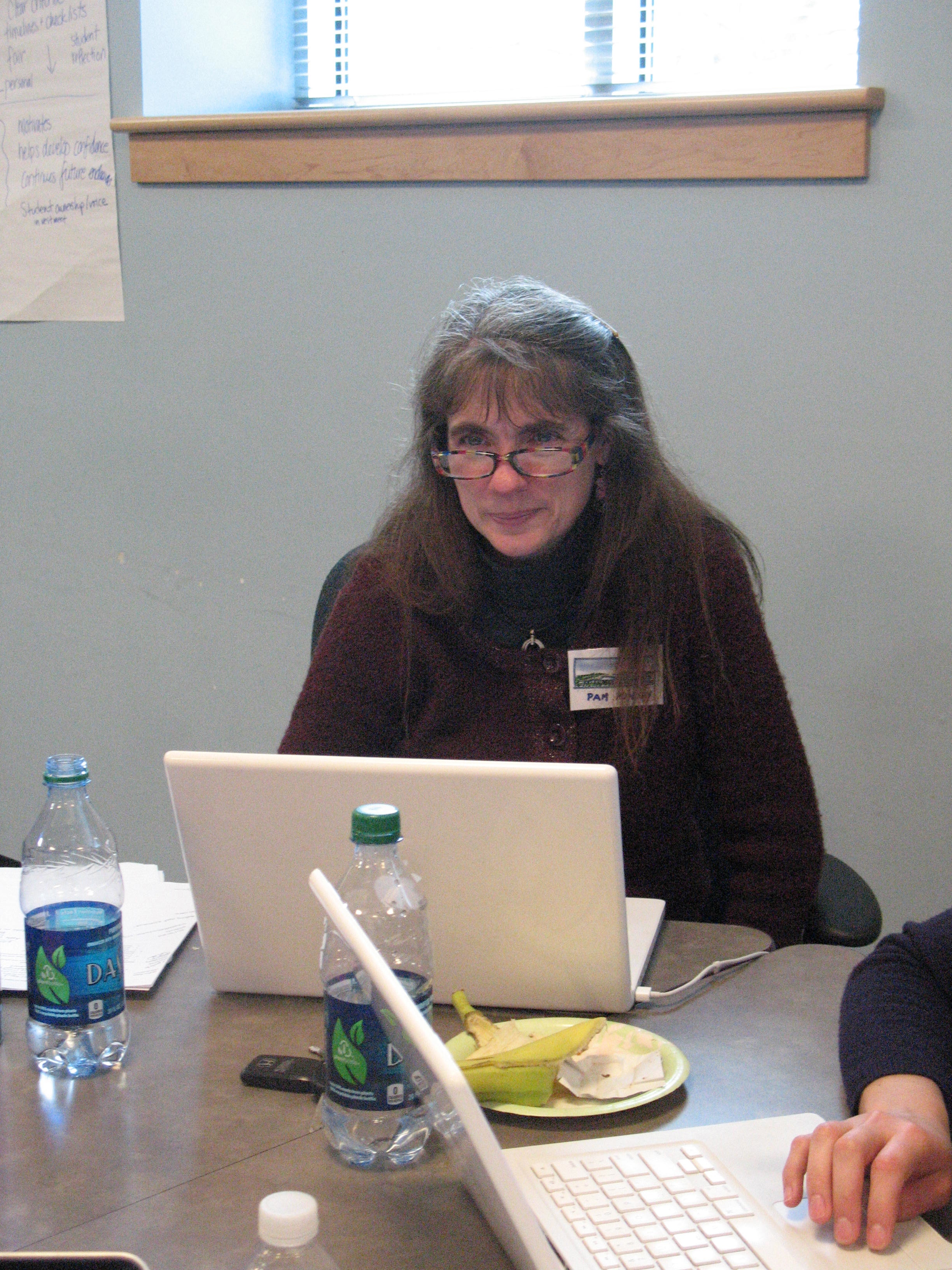
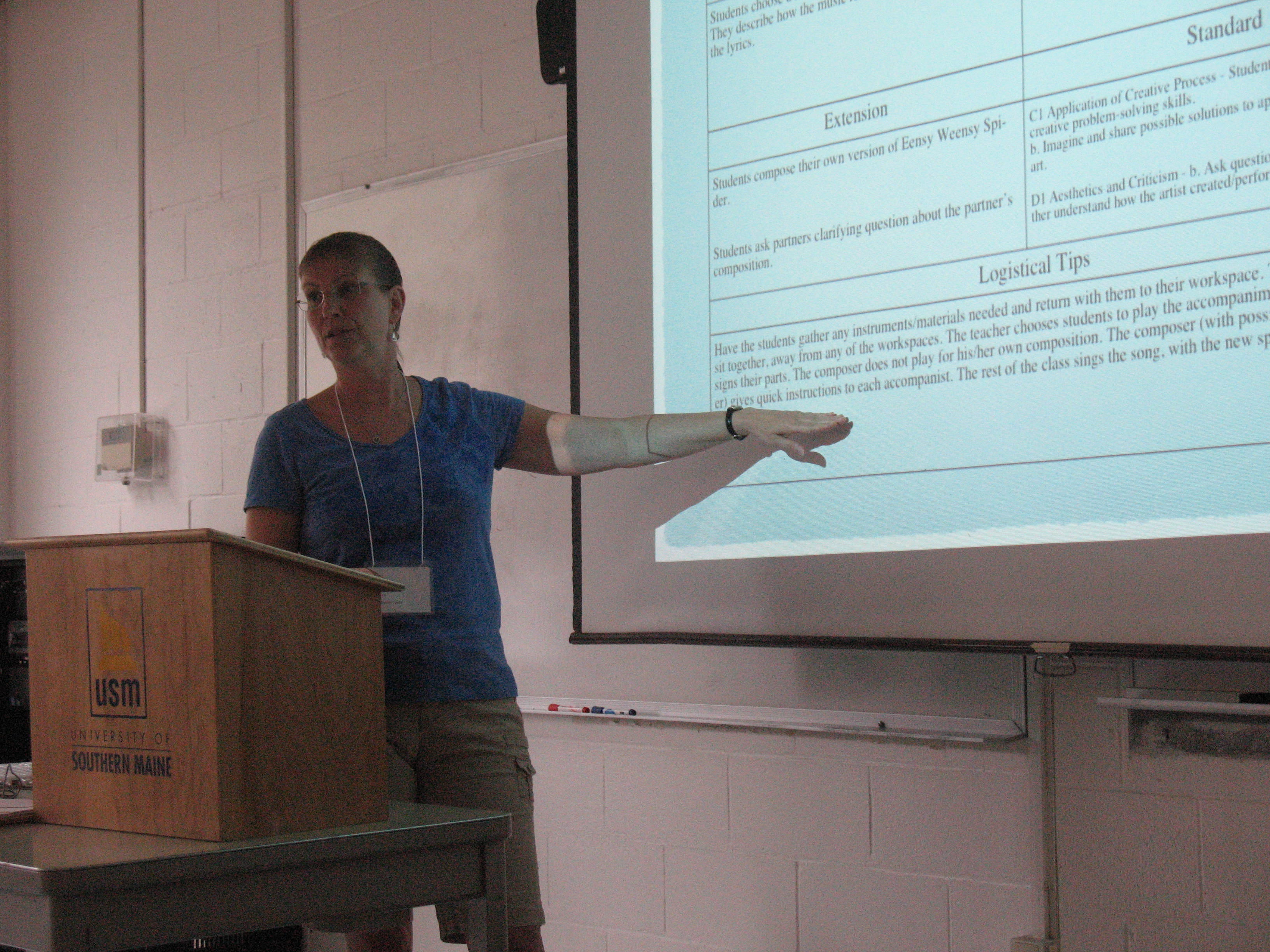
The following post was contributed by K-12 music educator Pam Kinsey who teaches in Easton, Maine. Easton is in Aroostook county, about a 20 minute drive east of Presque Isle. There are several arts educators in Maine who teach K-12, many in rural areas. The Maine Arts Assessment Initiative (MAAI) makes a commitment to all arts educators in Maine providing professional development opportunities for rural, urban, and everything in between. Pam has served on the MAAI leadership team for 2 years representing Maine Music Educators Association. The leadership team is thrilled that Pam will be attending the New England Summit on Arts Education at USM, July 29, 30, 31 and August 1. This is Pam’s first summer joining the professional development opportunity and we all hope that you can join us as well!

IMG_3233How to write a blog post? I guess you just start to write down your thoughts. Are you part of a small or rural school system? Are you a department of one? What do you think when they say (for professional development days):  ‘We are going to work by department” and you think ‘hmmmm….me, myself and I—again. What if you could be part of a team? Perhaps develop curriculum and rubrics, lesson plans and grading strategies with others from your discipline? Tackle standards-based learning outcomes with someone who has the same struggles and celebrations that you encounter on a daily basis? The Maine Arts Assessment Initiative (MAAI) probably has something for you! For many years (over 20!)

I have been a department of one. The neighboring town now has a music department of one and the communities two over from my district each have music departments of one. What a great idea if we could all collaborate to create meaningful instruction that aligns at least with one another as we pore over new curriculum expectations and standards-based outcomes? Often, our populations are transitory and some students travel freely from district to district, depending on a parent’s current situation. I, for one, would love to avoid the gaps that all of this moving can create for students, as well as a seamless flow of curriculum through the grade levels for students that don’t move around. I would like to do this in a group of more than one!

The MAAI is responding to feedback and offering the ‘New England Summit on Arts Education’ this summer, July 29, 30, 31, USM, Portland, and it has opportunities for individuals and teams to work together to problem solve these and other aspects of teaching and learning for our students in the arts. I already have a few choices in mind of other music educators that I can contact and I can only hope that they will share my interest. If not, I know that when I attend I will still find others who share my concerns and attitudes toward wanting to provide the best education in the arts that I can and these people will become part of my learning community. Either way I am sure it will be a win-win opportunity for my students and for me!

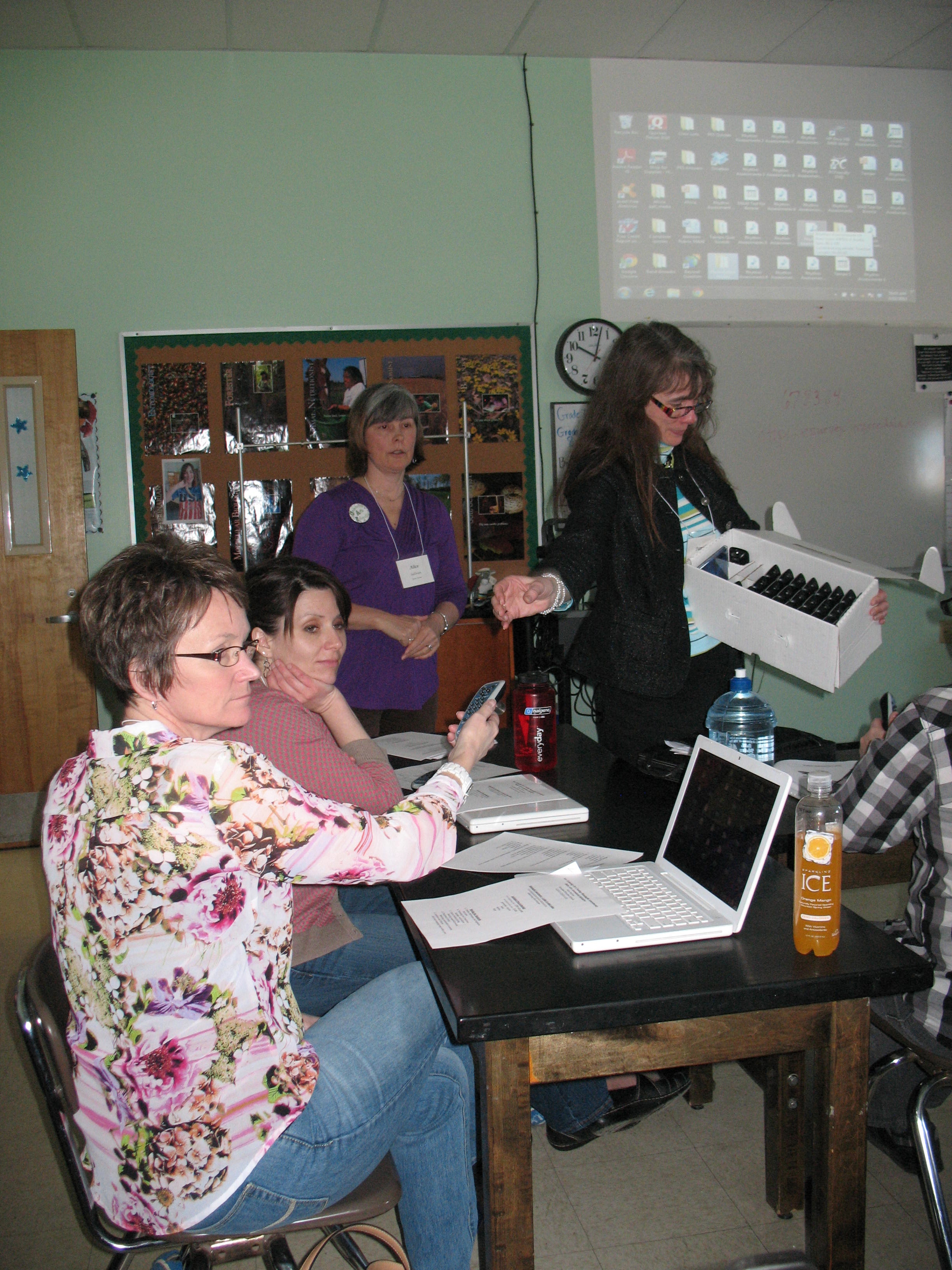
IMG_2908For more information on the New England Summit please go to http://mainearts.maine.gov/Pages/Education/NESummit#. Registration is now open with an early bird discount for those who register by May 30. The Summit is being customized to meet your needs. There is a team discount for those who register with at least from a district. The team strand is not only open to PreK-12 district Visual and Peforming Arts teachers and classroom teachers, but also to administrators, teaching artists, community cultural organizations or institute members, parents, and/or school board members. Check out the link above to learn more.

If you are interested in joining the MAAI as a teacher leader please attend the 3-day Summit and the additional day for teacher leaders only, August 1. If you have questions about the Summit and/or being a teacher leader, please contact Argy Nestor at argy.nestor@maine.gov.

h1

Lisa’s Room

April 16, 2014

Madison Elementary School

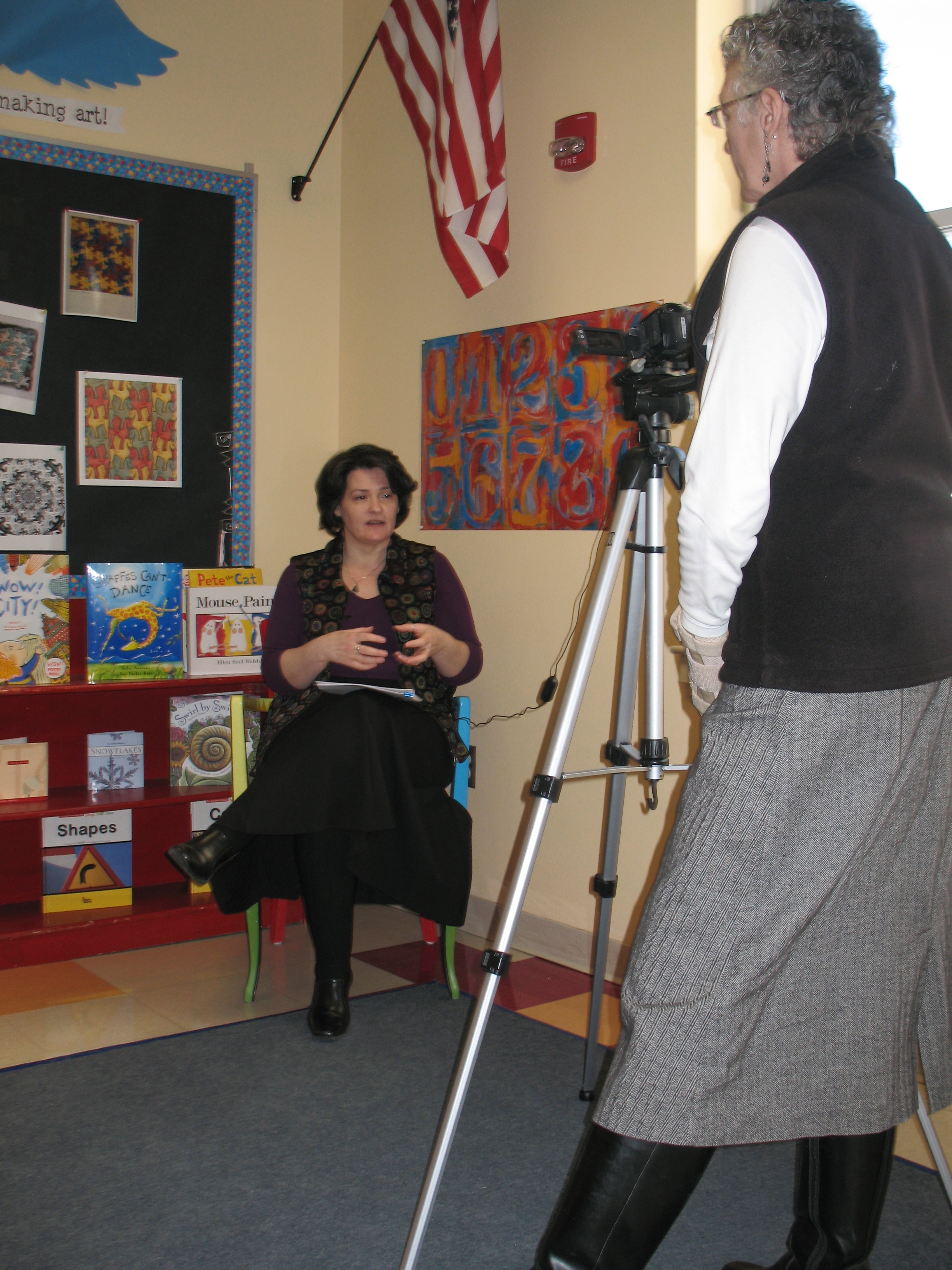
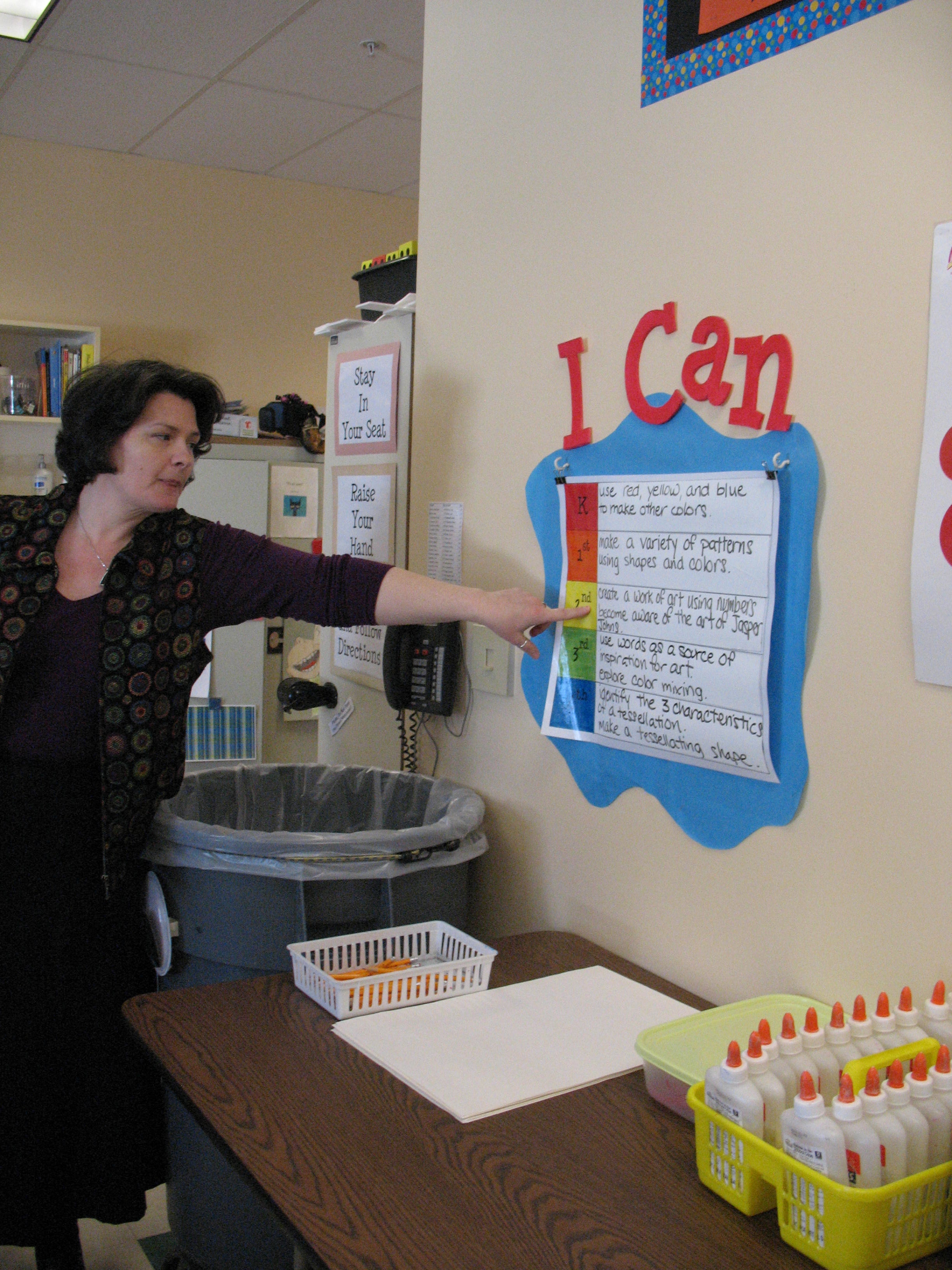
Not to long ago I had the privilege of visiting Lisa Ingraham’s art classroom at Madison Elementary School. Lisa teaches K-5 students and her room certainly reflects her love of teaching but more importantly it is arranged for student success. The colors, organization, age appropriate visuals, and every detail is about the age of her students. Her lessons were spot-on incorporating literacy in multiple ways that enhance the visual art curriculum.

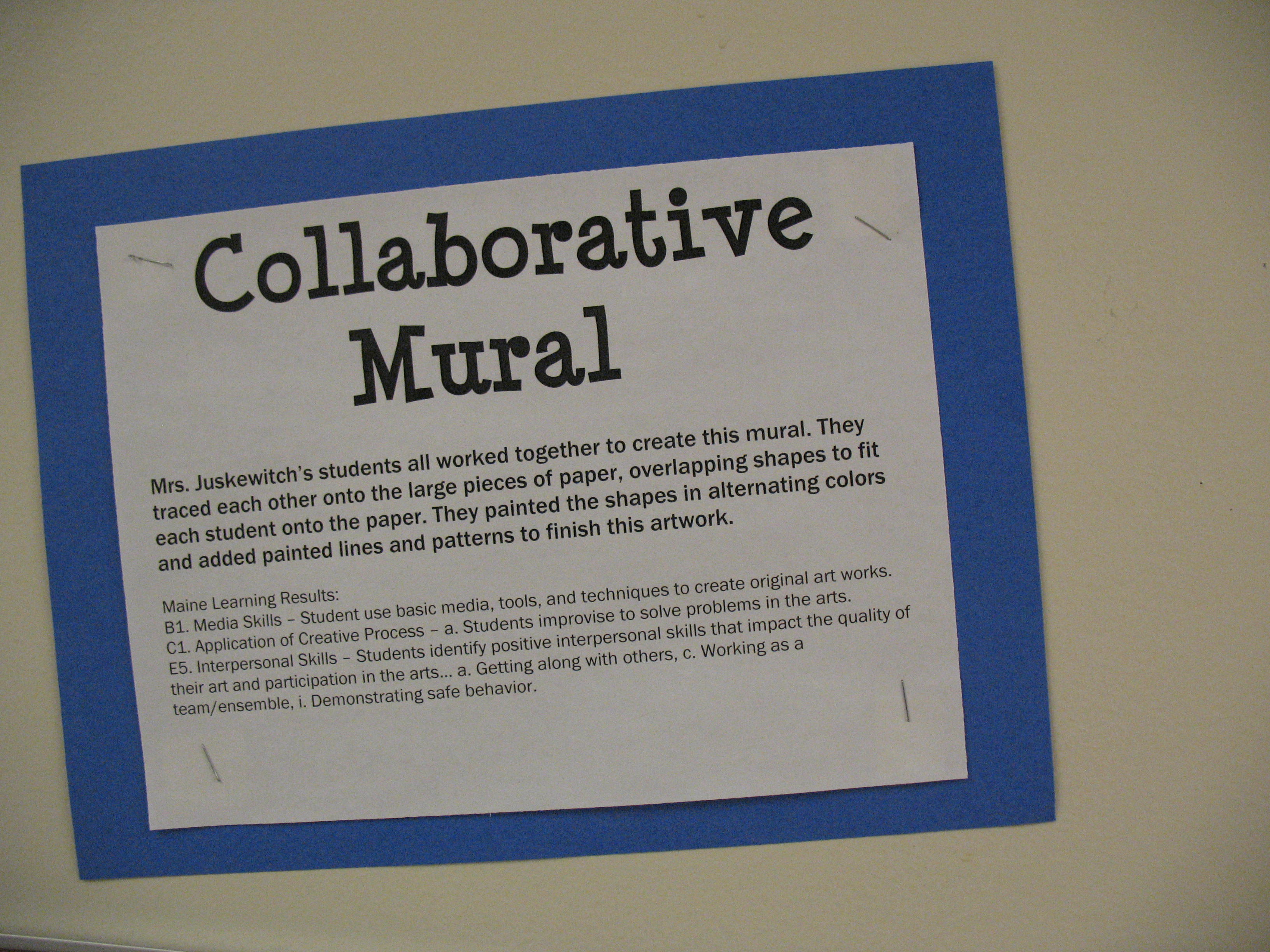
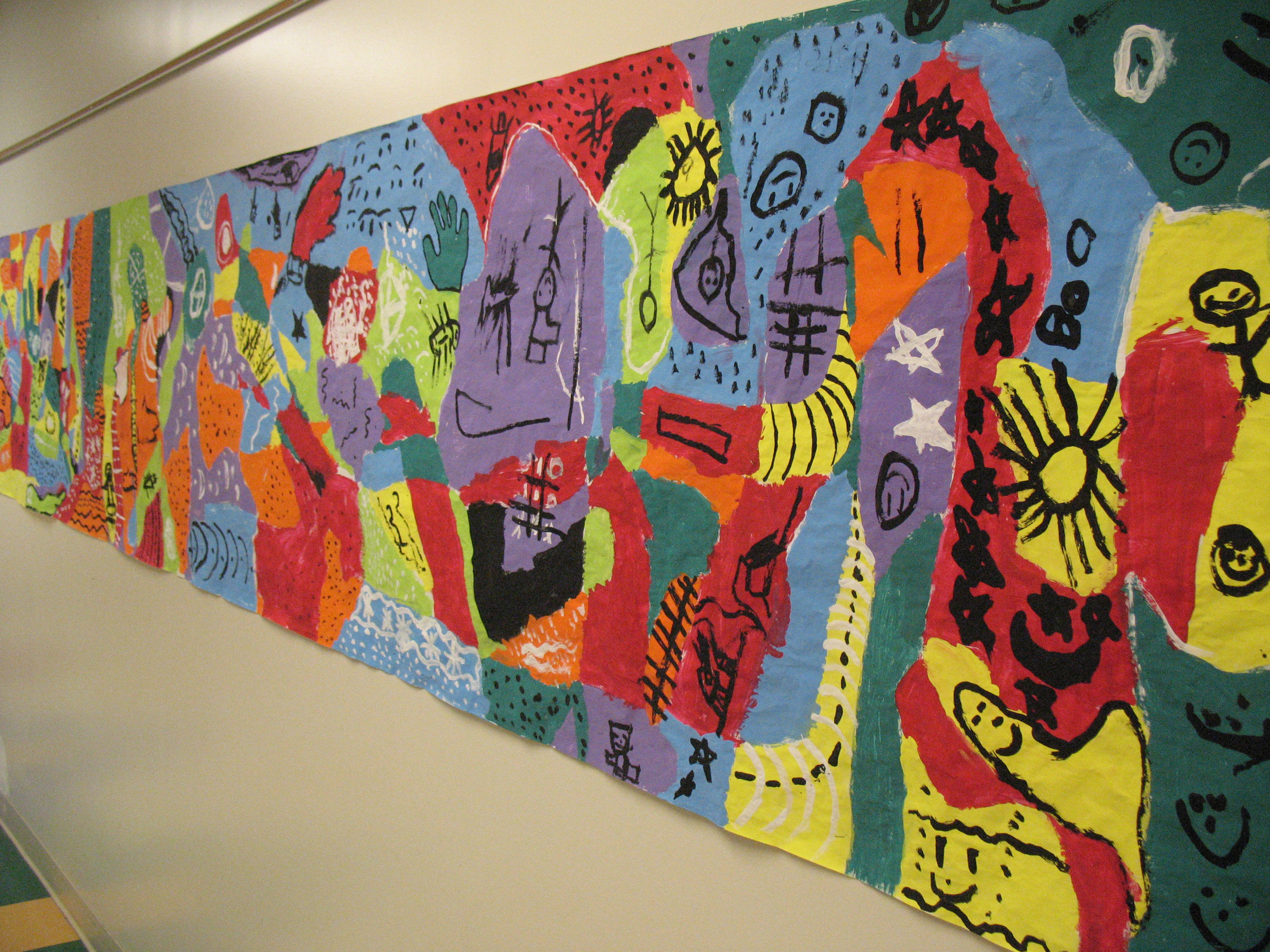
IMG_4012Not only was her classroom amazing but the school was alive with artwork. Every hallway, outside of every classroom she had shown evidence of a standards-based art environment. With each display, an explanation of the lesson.

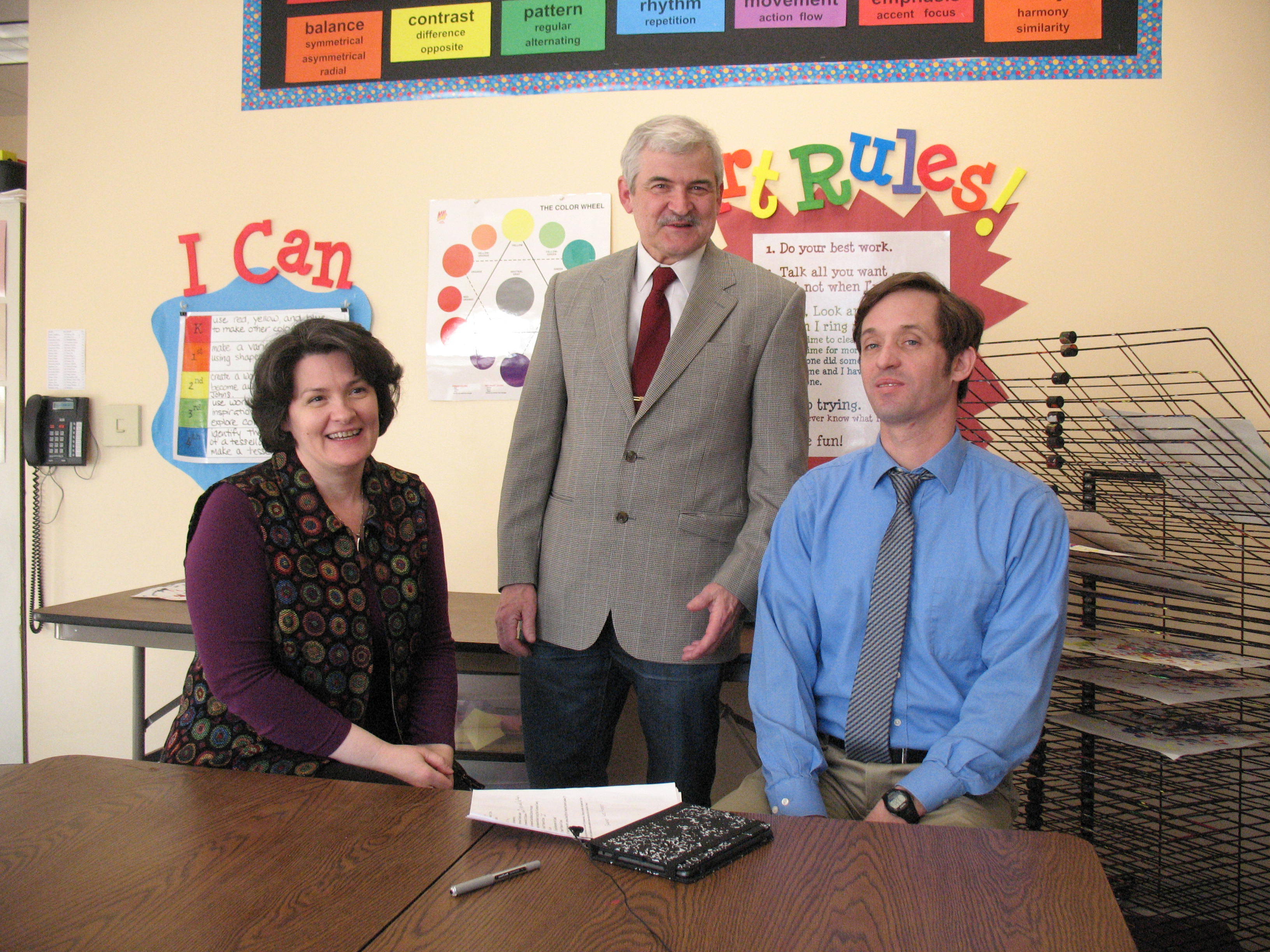
IMG_4040IMG_4041Debi Lynne Baker and I were visiting to video tape Lisa in action for one of the 8 videos that the Maine Arts Assessment Initiative is creating as a resource for educators. It was a pleasure to meet and speak with Lisa’s colleagues as they articulated what Lisa does in her standards-based classroom and why her students are fortunate to have her as a teacher. Not only are her students fortunate but we heard multiple times how fortunate the community is as well.

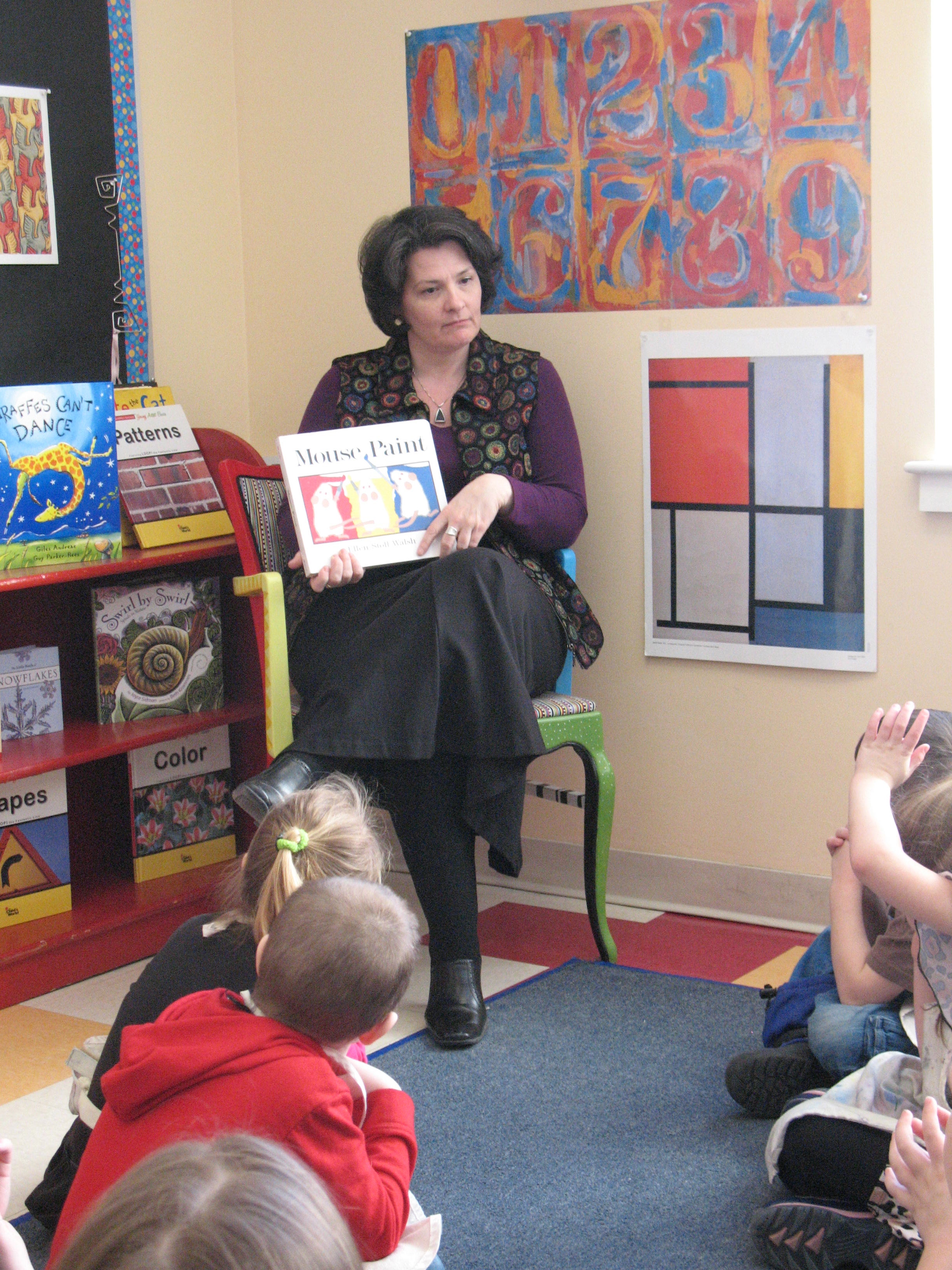
IMG_4077One favorite part of the visit for me was learning about the book called “Mouse Paints”. If you teach early elementary school and color mixing it is a book that I highly recommend. As a follow-up to our visit Lisa was asked to present to the school board. Her information was very well received!

Lisa became involved in the Maine Arts Assessment Initiative during phase 3 and has served as a Teacher Leader. She is also the secretary of the Maine Art Education Association. Last Saturday she facilitated a round table discussion on Teacher Effectiveness and Evaluation. MAEA is writing a position paper on the topic so the information that art teachers shared was very helpful in that endeavor.

IMG_4028Thank you to Lisa for the opportunity and for the important work you do each day providing a quality arts education for the students of Madison Elementary School.

IMG_4089


h1

Another Teacher’s Story: Patti Gordan

April 15, 2014

Raymond Elementary School music educator

This is the sixth blog post for 2014 and the third phase of the Maine Arts Assessment Initiative of this series sharing arts teachers’ stories. This series contains a set of questions to provide the opportunity for you to learn from and about others. I had the pleasure of visiting Patti’s classroom last week; grade 5 and 6 strings and kindergarten general music class. It was a wonderful morning. I was reminded of the combination of skills it takes to be an elementary music teacher. The fast pace of the class, the attention to the needs of small children, and the energy level is truly amazing. All of this with music learning at the heart!

IMG_3609Patti Gordan has been teaching for 31 years, the past 30 of those years in Raymond.  For the last four years Raymond has been part of RSU#14, Windham/Raymond, so she now also teaches in Windham. During her 31 years she has taught K-8, General Music, Chorus, Band and Orchestra.  Her present assignment is K-4 General Music, 3rd/4th Grade Chorus and 5th & 6th Grade Orchestra. Patti is teaching approximately 350 students.

What do you like best about being a music educator?

 I love watching my students’ faces light up when they are feeling the joy of expressing themselves through music.  I love their enthusiasm and their eagerness. Music means everything to me and I love sharing that with my students.

What do you believe are three keys to ANY successful visual and performing arts education?

The most important key to success is be passionate about teaching and to continually improve my craft. I am always striving to learn. The second key to success is to have “decision makers” (administration, parents, school board) who are committed to providing best practice in arts education for our students. The third key to success is to have the time and resources necessary to provide best practice.

How have you found assessment to be helpful to you in your classroom?

Before I began authentic, individual assessment of my students’ singing skills in General Music class I assumed that most of my students could match pitch in their full singing range. After all, when I listened to the class as a group it sounded pretty good. When I started assessing them individually I was shocked to discover that approximately 25% of my students were carrying the rest of the class. I started using these individual assessments to inform my instruction and also started having the students do self-assessments of their singing skills so that they could make their own plan for improvement. The percentage of students who can match pitch in their full singing range has risen to 85% by the end of 3rd grade.  I have expanded these methods to assessing their beat/rhythm skills and literacy skills as well.

What have been the benefits in becoming involved in the arts assessment initiative?

It has been very exciting to meet other arts educators with the same passion for improving their teaching and assessment methods. I have loved bouncing ideas off of the other teacher leaders and I come away with new energy and enthusiasm every time we meet.

What are you most proud of in your career?

I guess I’m most proud of always wanting to learn more about being a music teacher. I’ve never felt like I know all I need to know. If ever I’ve begun to feel that way I’ve always then gained a bit more wisdom to realize I still don’t know what I’m doing. I am also proud of helping 30+ years of students experience the joy of music. I now teach many children of former students and I am so happy when I hear those parents share fond memories of music class and when they express their happiness that I will be teaching their children.

What gets in the way of being a better teacher or doing a better job as a teacher?

I get frustrated when I hear lip service that the arts are just as important as math and ELA, that they’re “CORE,” but then are not treated as equal. The truth is that there is no way that any K-4 General Music teacher, no matter how expert, can give students a true, standards-based music education, using the Maine Learning Results or the new Common Core Standards, in 45 minutes per week.

What have you accomplished through hard work and determination that might otherwise appear at first glance to be due to “luck” or circumstances?

From 2000 to 2010 I worked with a group of teachers and administrators at my schools that were dedicated to providing quality arts education programs to students in Raymond, through sufficient class time, resources and optimal schedules.  By 2010 students had music class twice a week for 45 minutes in grades K & 1, and 5 through 8, and once a week for 45 minutes plus a 30-minute chorus rehearsal, during the school day, for grades 3 and 4, and a remedial singing class in addition to their regular 45-minute General Music class for 2nd graders who were having trouble finding their head voice or matching pitch. Sadly, since consolidation, some of that has been chipped away.

Look into your crystal ball: what advice would you give to teachers?

Keep learning! It’s the best way to stay fresh, prevent teacher burnout and give your kids the best possible experience.  Also, keep trying to make little improvements in your program. It can be overwhelming to look at your program as it is and think of what it should be. Plug away, bit by bit to improve the students’ experience and before you know it, 30 years later, your program will have grown by leaps and bounds!

If you were given a $500,000.00 to do with whatever you please, what would it be?

Too bad you can’t buy time. I’d get my masters degree, buy a bunch of small violins to give my 3rd or 4th graders a “pre-orchestra” experience, buy more puppets for General Music class (you can never have enough puppets.), buy some additional technology for the music room, pay some bills and take some trips (Scotland, Germany, camp across America).

Imagine you are 94 years old. You’re looking back. Do you have any regrets?

No. If you can’t fix it, regrets are a waste of time. Learn from the experience and don’t’ make the same mistakes again.  Make new ones.

I’ll probably be one of those little old ladies who gives music lessons and home baked cookies.


h1

Webinar Archive CC and the Arts

April 11, 2014

April’s MAAI Webinar

This post was provided by music educator Rob Westerberg.

The second of a series of four webinars for phase 3 of the Maine Arts Assessment Initiative was held on Tuesday, April 8, entitled “Common Core and The Arts”. Catherine Ring and I facilitated what ended up being a pretty full hour with guests Marcia McCaffrey, Arts Consultant at the New Hampshire Department Of Education, and Jenni Null, Fine Arts Coordinator in S.A.D. #61. The dialogue focused around three broad topics:

  1. what is the Common Core and what are it’s origins,
  2. how does it tie in to Visual and Performing Arts, and
  3. how do we confront authentic concerns and questions we have around it all?

A focal point of the webinar was a resources page on which we provided live links (those links are still live in the archived webinar, which you can access at the end of this blog post) to abundant information on the Common Core, practical connections to the Arts and yet even more links that can assist Arts teachers, informing their work at integrating Common Core. As those links were shown, we had a rich conversation that included articulating the difference between “enrichment” and authentic integration. We also spent time addressing specific concerns from the field, stating that some have been coerced into sacrificing their own work to accommodate ELA prompts and increase math achievement scores. Others have had their face time with students slashed so those students can receive remedial help in other subjects. Rather than skirt these issues, confronting them head on brought about many insights and ideas for moving forward.

It became apparent that the issues we confront here in Maine have less to do with the Common Core than practical implementation of them in local controlled school districts. In short, it is evident that the Common Core standards hold many promises for all of us in Maine, including the potential for exciting collaborative work in the Arts. But implementation of this requires much prep work and a commitment to ideals that squarely place the focus on students, not programs. Successful implementation will require “intentionality” and school leadership where a broad understanding of how the arts appropriately contribute to the Common Core is present.  There is not only a place for the Arts at the table, but the scenario exists in which we potentially play a larger role than ever before in the development of our students in the 21st Century.

As Marcia McCaffrey pointed out, the College Board has come out with a Review of Connections Between the Common Core and National Core Arts Standards Conceptual Framework and specific ways to approach alignment.  Marcia provided an overview of this research which will be posted at http://mainearts.maine.gov/Pages/Education/MAAI-Webinars in the near future.

On Wednesday, May 7, we will be holding our third webinar in which we will be discussing how the Arts are impacted by the Maine law mandating Proficiency in all subject areas – including the Arts – and what that will look like for us as we move forward. No doubt it will tie into additional Common Core topics as well as the revision of the National Core Arts Standards that will be released in early June. Please plan on joining us from 3:30 to 4:30 on that first Wednesday of May. In the meantime, you can access the archive of the April 8 webinar at http://stateofmaine.adobeconnect.com/p7qnkdt5lp2/. In the near future along with Marcia’s presentation there will be a Meeting Plan which you can use individually or with your colleagues, along with additional information on the Maine Arts Commission website at http://mainearts.maine.gov/Pages/Education/MAAI-Webinars.


h1

Another Arts Teacher’s Story: Linda McVety

April 8, 2014

 MSAD#61 Lake Region School District Music Educator

This is the fifth blog post for 2014 and the third phase of the Maine Arts Assessment Initiative of this series sharing arts teachers’ stories. This series contains a set of questions to provide the opportunity for you to learn from and about others.

IMG_3477Linda McVety is the K-5 general music and grade 3 literacy intervention teacher at MSAD #61, Laken Regiona School District. She has been teaching for 34 years and 25 in her present position at the Songo Locks Elementary in Naples. Population: 495 students.

What do you like best about being a music/art/drama/dance educator?

The best part about being an elementary music teacher is that I have the potential to reach children and give them the gift of music. When asked what I teach I always say “I teach children first.” I can have fun every day and give joy through music to children that may not have a lot of positive in their lives. I want my students to realize that they will have music throughout their lives.

What do you believe are three keys to ANY successful visual and performing arts education?

  1. Support from administration and community
  2. A teacher that believes in the importance of the arts in every child’s education
  3. A teacher who understands the way children learn and can develop his/her lessons and assessments to reach most of her students.

How have you found assessment to be helpful to you in your classroom?

  1. It helps to keep me organized and focused on the goals that I want to accomplish at each grade level
  2. Rubrics help me empower my students to take ownership of their learning

What have been the benefits in becoming involved in the Maine Arts Assessment Initiative?

Sharing and communicating with arts colleagues has been invaluable. I have been able to see what programs are around the State of Maine and have a give/take relationship with my colleagues.

What are you most proud of in your career?

Watching students have that “aha” moment-that says “I love this music” or “I understand this music”. Showing my students my love for playing the cello.

What gets in the way of being a better teacher or doing a better job as a teacher?

  1. All of the extra duties
  2. Attitudes of people who only think of the arts as a “prep” time and not as a valuable part of the educational community
  3. No enough time to plan and put valuable lessons together

What have you accomplished through hard work and determination that might otherwise appear at first glance to be due to “luck” or circumstances?

Having 3 wonderful and successful sons is my #1 accomplishment!

Students that come to school because they love music class.

Look into your crystal ball: what advice would you give to teachers?

  1. Learn discipline techniques but find a way to have fun
  2. Learn and practice collaborating with classroom teachers-find the time to communicate with them
  3. Find another arts colleague to bounce off ideas with and design lessons with-don’t keep yourself in isolation
  4. Go to workshops created by other arts educators-never stop learning

 If you were given a $500,000.00 to do with whatever you please, what would it be?

 I would take a few students around the world to see music, art and dance in different cultures.

 I would buy instruments for students who could not afford them.

 Imagine you are 94 years old. You’re looking back. Do you have any regrets?

Sometimes I forgot to use music as my own saving grace and distressing mechanism. I don’t regret anything in raising my wonderful sons and giving them great educational opportunities, however I do regret not traveling to see more of the world.