Posts Tagged ‘MAAI’

h1

Standards-Based Arts Classrooms Videos

July 23, 2013

Music and Art classrooms featured

You asked for it and now you’ve got it… during this past school year the Maine Arts Assessment Initiative (MAAI) created 4 videos in response to “What do visual and performing arts classrooms look like in a standards-based environment?” That question came up over and over during the first phase of MAAI so we decided to incorporate the search as part of phase 2. The MAAI has continuously listened to the needs of the field and this is one of those “asks” that we responded to.

Debi Lynne Baker taught visual art for many years and most recently K-12 in Greenville. She used technology in her teaching including movie making with her students. She was the perfect person to create the first 4 videos. With hours of footage taken at each school, Debi was able to edit and come up with 4 unique videos under 20 minutes that each tell a story. What you will learn is that there is NO ONE answer to the question and you will also find that the videos provide so much more than just answers to the question!

As we consider creating more videos as part of phase 3 we’d love to hear your feedback on the videos. Please post your comment on the blog or email me at argy.nestor@maine.gov. Thanks!

See for yourself the following MAAI videos at the Maine ARTSEducation YouTube channel located at http://www.youtube.com/channel/UC-lElK9bBU_o96Wrg-kNbeg

  • Part I: York High School Music Program with Rob Westerberg, students and colleagues
  • Part II: Hancock Grammar School Art Program with Jane Snider, students and colleagues
  • Part III: Mount Desert Island High School Art Program with Charlie Johnson, students and colleagues
  • Part IV: Biddeford Intermediate School Music Program with Andrea Wollstadt, students and colleagues

You will find other arts education videos on the Maine ARTSEducation channel created by MAAI participants.

h1

Reflecting on the Summer Institute

July 10, 2013

Thinking, thinking, thinking

IMG_3423

Participants discussing information at the summer institute, June, MECA

I spent some time this weekend putting together the lists of feedback on different topics that we focused on with the teacher leaders at the Maine Arts Assessment Initiative summer institute. It was a good activity since I didn’t have to move around much in the heat. One of the final exercises was to ask the teacher leaders to take a moment and reflect on the work during the three days.


They wrote their reflections to these three questions on stickies that were put on chart paper:

  1. What is circling around in your head?
  2. What are three questions you have?
  3. What is squared with your beliefs?
Dance teacher MaryEllen Schaper and Early Childhood/music educator Judy Fricke compare notes

Dance teacher MaryEllen Schaper and Early Childhood/music educator Judy Fricke

The answers were varied but also clustered. During the institute we spent a day discussing proficiency.  Participants wrestled with “what does it look like in the visual or performing arts classroom when put up against a standard?” This work helped to prepare for the high school diploma coming in 2018 that will be based on students showing proficiency of the standard. No longer will schools be graduating students based on their seat time but by demonstrating accomplishment of the standards. At the local level you will be making the decision on what that looks like.

After a day of discussions while looking at and/or listening to student work samples some teacher leaders still had circling around in their heads: “What is proficiency?” “How to organize teaching/assessment to check student proficiency.” “I get the importance of standards but it still boggles my mind how differently we “interpret” them and how differently we use them across the state.”How do we make sure that EVERY school district in Maine offers instruction in VPA that is sufficient for all students to become proficient?” This is not an easy question to answer however, everyone agreed that the conversations are important, necessary, and that they were glad to have the opportunity to be involved in the discussion. As I typed this weekend I wondered: how many teachers across the state are having this type of conversation?!

Visual art teacher Charlie Johnson and music teacher Patti Gordan

Visual art teacher Charlie Johnson and music teacher Patti Gordan

And for question #3:

“Student feedback informs instruction. Formative assessments. Summative assessments.” “Collaboration and good leadership create a vibrant environment for professional growth.” “I can do this has changed to I AM doing this. The process is far enough along to look back and see success.”

Much of what I read reflects the confidence these teacher leaders have and their willingness to learn from each other and understand that learning is ongoing. They’ve made a commitment to teaching but they’ve also made a commitment to go above and beyond to be a leader. Thirty five teacher leaders are preparing workshops this summer that combines what they learned with their experiences and past knowledge. They will gather in the middle of August to share their workshops for feedback from their colleagues. In the fall they will begin a round of  workshops at the regional, mega-regional and statewide level. It is a pleasure to watch their workshops form and their creativity in action. I am grateful that they are doing this important work that benefits all arts educators and ultimately our students are the big winners. So, THANK YOU TEACHER LEADERS!

I suggest you watch this blog for the schedule of workshops taking place during the school year. One date I do know at this point is the statewide conference called Arts Education: Leading the Way being held at UMaine, Collins Center for the Arts, Thursday, October 24. The cost for the one-day conference is $75 which includes a choice of 35 workshops, a keynote, performances, and lunch. You can purchase your ticket at https://tickets.collinscenterforthearts.org/auto_choose_ga.asp?area=116. Our conference this year precedes the Maine Arts Commission two-day conference, The International Conference on Arts and Culture: Strengthen the Core, 2013.

Sitting leadership team member Catherine Ring, (standing) music educators Jen Nash and Bill Buzza, and art educator Shannon Westphal

(Seated) leadership team member Catherine Ring, music educators Jen Nash and Bill Buzza, and art educator Shannon Westphal

h1

Another Arts Teacher’s Story: Leone Donovan

June 25, 2013

This is the 37th in a series of blog posts telling arts teacher’s stories. The first 19 were told last year by the phase I Maine Arts Assessment Initiative teacher leaders. The series continues with the stories from the phase II teacher leaders. These posts contain a set of questions to provide the opportunity for you to read educators stories and to learn from others.
LeoneLeone Donovan teaches visual art at Messalonskee High School (RSU 18) in Oakland, ME. She has been an art teacher for 33 years and at MHS for 14 years. Depending on the quarter, she might be teaching almost anything that falls under the heading visual arts. Currently, the list might include any of the following: beginning and advanced art, drawing, painting, sculpture, metal sculpture, craft techniques, graphic arts, digital design, digital photography, pottery, and AP Studio art. She also teaches an online art history class for Virtual High School and online AP Art History for AP4All. Classes at Messalonskee generally have 12-20 students and meet every day for 80 minutes. Most are quarter-long with the survey courses lasting for a semester.

Donovan is also a member of the MHS Leadership Team and Capacity Builders, chair of the accreditation committee, advisor to the National Honor Society, and writer and managing editor of the RSU 18 newspaper, The Messalonskee Messenger.

What do you like best about being an art educator?

I think teaching art is a fabulous fit for someone with mild ADD tendencies! I love the variety of what I might be teaching in any given term and in any given moment. I like juggling all the ‘stuff’ that comes with teaching art and I love watching kids get excited about it all, too. Those moments when you see the student’s belief in his or her abilities and creativity starts to shine out are standouts.

What do you believe are three keys to ANY successful visual and performing arts education?

The commitment and passion of the arts teachers, a schedule and commitment from administrators and the community that paves the way for enough time for meaningful access to arts classes, and students who love making all kinds of art.

How have you found assessment to be helpful to you in your classroom?

I am always questioning how and what I assess, especially now as we, in my district and around the state, are moving towards a standards-based system. Assessments in a variety of forms are helpful to me and to my students, I think. Formative assessments give me the chance to act as consultant to the artist and to the process. Asking the students to reflect on their work, too, can generate deeper understanding for both of us and suggest a path for next steps. Assessment helps clarify objectives and teaching methods for me and, I hope, for my students. I think, too, summative assessments, class critiques, art exhibits, all give the arts more validity in the eyes of those outside of our classrooms.

What have been the benefits in becoming involved in the arts assessment initiative?

I’ve had a wonderful opportunity to explore the whole world of assessments and had the fun of doing so with a lot of funny, smart people! It made me carve out the time to think about methods and rationales of teaching and learning. MAAI has given me fabulous training and resources that I call on all the time. And, of course, I became acquainted with Gloria Hewett’s fabulous brownies!

What are you most proud of in your career?

I’m proud of my students. I’ve kept in touch with some and lost track of many others but I think back to all the different kinds of students that have turned up in my classroom and I’m glad to have met them. And I don’t mean only those students who planned to make art part of their careers. Really, I’ve enjoyed the challenges and pleasures of making connections and hearing their life stories and dreams for themselves no matter what was ahead for each of them.

What gets in the way of being a better teacher or doing a better job as a teacher?

Oh, just like everyone else, I have to say time, money, and energy! Seems like we have less and less of all three, all the time. I don’t know if it really is less but more would be great if anyone can send some.

What have you accomplished through hard work and determination that might otherwise appear at first glance to be due to “luck” or circumstances?

Wow – tough question. I think a lot happens because I’m willing to jump into things and really hate not meeting deadlines. There’s probably a bit of the being in the right place at the right time occasionally, too. I would never have applied to the Fulbright Teacher’s Exchange program had I not been at the MAEA conference at Haystack one fall and heard another teacher talk about her experiences. I don’t know that I would have pursued a Master’s in creative writing if my district didn’t require that degree. And so on. Circumstances got me started but my commitment and determination got me through.

Look into your crystal ball: what advice would you give to teachers?

Run. Run now. Noooooo, just kidding. I would say, hang in there. Let the craziness of the educational politics and budget issues and the odd school demands on your time and attention eddy around you as much as you can and be the teacher you want to be in the classroom. Not that there isn’t something to be learned or used from all those initiatives and theories that fly at us; there often is. But let it be a sidebar to your real life. Make space in your life to grow as an artist and a teacher in the way that excites and inspires you. In the next moment that inspiration will move from you to your students. And, really, really enjoy your summer vacations!

If you were given a $500,000.00 to do with whatever you please, what would it be?

Travel. Travel a lot. And in first class.

Imagine you are 94 years old. You’re looking back. Do you have any regrets?

That Argy was only kidding about the $500,000.

h1

MAAI Summer Institute – YAY!

June 24, 2013

Institute starts tomorrow!

This is an exciting week and today and tomorrow are jock full of preparing for it! As you know (if you’ve been following the blog) we have launched phase 3 of the Maine Arts Assessment Initiative (MAAI) and tomorrow is the first day of the summer institute. This is a week that I tell myself “Argy, no one ever died of lack of sleep!” since there are so many details to pay attention to. Fortunately, the MAAI leadership team is a wonderful group of educators who have guided the initiative every step of the way. It is an ongoing volunteer job that they have committed to and I want to THANK each and every one of them:

  • Catherine Ring, New England Institute for Teacher Education, Executive Director
  • Jeff Beaudry, USM Associate Professor, Ed Leadership
  • Bronwyn Sale, Bates College, Lecturer in Education
  • Bill Buzza, Edward Little High School, Music Educator
  • Pamela Kinsey, Easton Schools, Music Educator

So what is the excitement all about? For starters, we have 14 new teacher leaders and 21 returning taking on leadership roles for phase 3. Thirty-five teacher leaders will be creating assessment workshops that will be based on research, practical knowledge and experience, professional development at the institute, and will be on topics that are relevant to visual or performing arts education. They will provide the workshops over the next school year at the regional, mega-regional, and statewide level. The dates for all of these workshops will be made available in the near future. How fortunate we are in Maine that 35 (52 counting all the teacher leaders from the past) visual and performing arts educators are committed to helping other arts educators. This is a HUGE commitment and I certainly appreciate their willingness to take on the leadership role! THANK YOU to the teacher leaders who represent pre-school, elementary, middle, and high school, dance, music, theatre, and visual arts, and all regions of Maine.

  • Drew Albert
  • Allysa Anderson
  • Susan Barre
  • Sasha Bladen
  • Andrea Chase
  • Amy Cousins
  • Melanie Crowe
  • Jennie Driscoll
  • Jen Etter
  • Judy Fricke
  • Patti Gordan
  • Suzanne Goulet
  • Mari-Jo Hedman
  • Gloria Hewett
  • Lisa Ingraham
  • Charlie Johnson
  • Susan Jones
  • Jane Kirton
  • Beth Lambert
  • Lisa Marin
  • Jen Nash
  • Jen Neal
  • Jenni Null
  • Brian McPherson
  • Linda McVety
  • Leah Olson
  • Jeff Orth
  • Pam Ouellette
  • MaryEllen Schaper
  • Ashley Smith
  • Jane Snider
  • Shari Tarleton
  • Shannon Westphal
  • Andrea Wollstadt
  • Rebecca Wright

The teacher leaders and feedback from the over 800 arts educators who have participated in some way in the first two phases of the initiative have identified these focus areas for phase 3.

  • Standards
  • Depository
  • Advocacy
  • Outreach

We will hit the ground running using these Essential Questions to guide the standards segment of the work.

  • What is proficiency in the arts in reference to the Maine Learning Results?
  • How do teachers in the arts articulate what proficiency is?
  • What does it look like at different grade levels?
  • How will we do this in Maine?

This work is a direct response to preparing Maine arts educators for LD 1422 which goes into effect with the graduating class of 2018. I hope that you are having conversations around these same questions at the district level to be ready for students graduating showing proficiency of the standards. This will transition us from discussing “seat time” or “one credit in Fine Arts” to talking about what will be in place for students to “fulfill the standards and the guiding principles”?

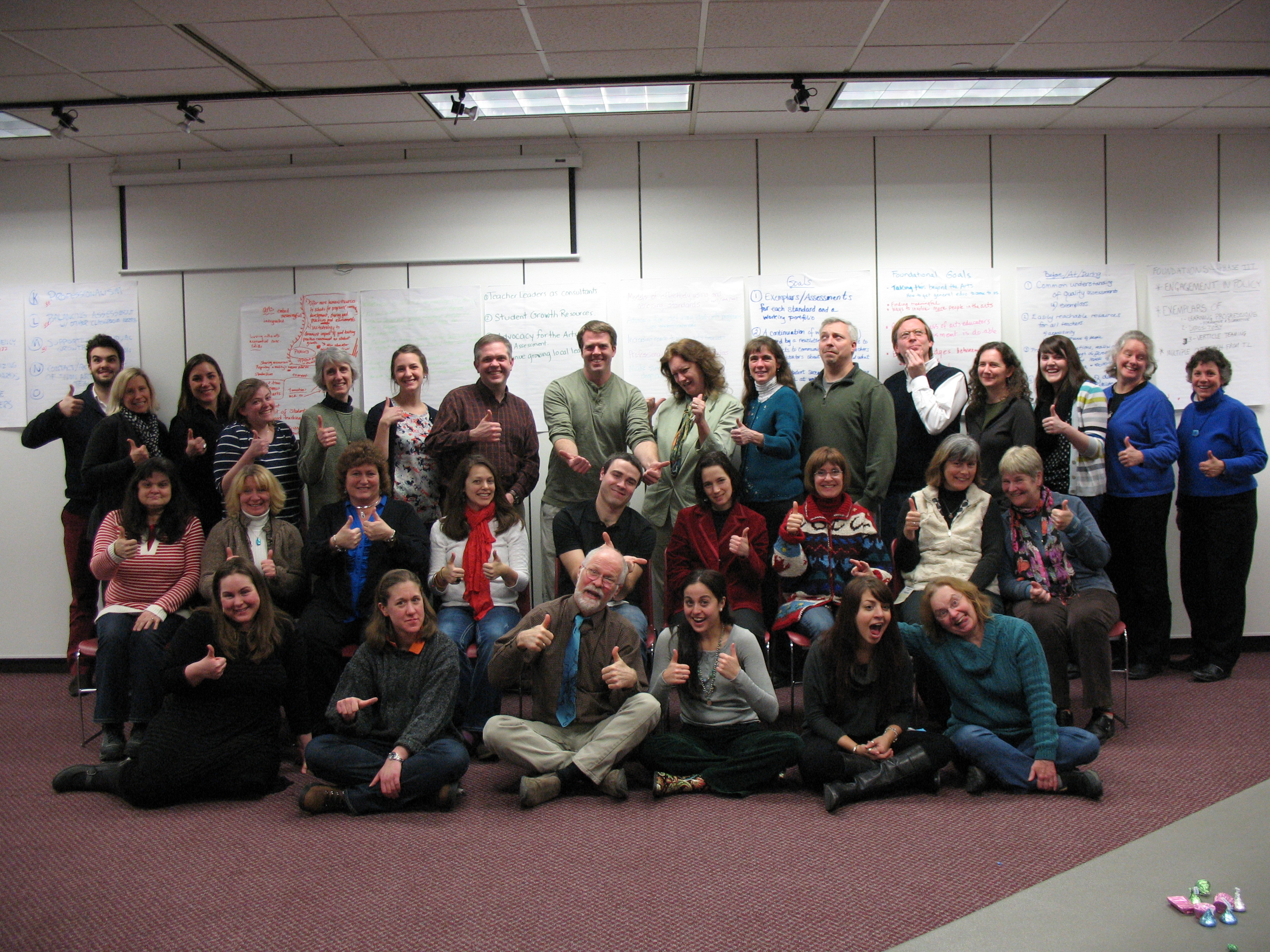
So, as I spend today and tomorrow gathering resources, organizing groups, answering questions, packing the car, crossing items off the forever long “to do” list, I can’t help but smile! I know how fortunate I am to work in a state with outstanding arts educators and people who truly care about the quality of arts education programs. Each student benefits from the work that each teacher does!  I look forward to the traditional group photo that shows the teacher leaders at the end of the institute – tired and full of new ideas ready to hit the ground running! You can look for that photo as well – posted on the blog at the end of this week!

h1

Another Arts Teacher’s Story: Ashley Smith

June 18, 2013

This is the 36th in a series of blog posts telling arts teacher’s stories. The first 19 were told last year by the phase I Maine Arts Assessment Initiative teacher leaders. The series continues with the stories from the phase II teacher leaders. These posts contain a set of questions to provide the opportunity for you to read educators stories and to learn from others.

Ashley Smith has taught for two years at Brunswick High School where she is the Choral Director; she directs Screen shot 2013-06-17 at 7.03.30 PMthree choirs and teaches piano and guitar.

What do you like best about being a music educator?

My favorite part about being an arts educator is that I get to share my love of music with others who have the same passion. Growing up, my most memorable experiences were those created in the music classroom. It is such a joy to go to work everyday and create those same experiences for my students.

What do you believe are three keys to ANY successful visual and performing arts education?

  1. Belief. Although there are many components to a successful arts program, this has proved to be the most important for me. You must first believe in yourself, you must believe in your students, and above all, you must believe in what you are doing.
  2. Commitment. With so much to do and so many people to take care of, it is important to stay true to yourself. As a music educator you have the unique opportunity to create a program that is reflective of yourself and your philosophy. Hold true to your vision, and it’s impossible not to succeed.
  3. Support. Nothing can be successful on it’s own. For any program to flourish, it needs the support of colleagues, friends, family, and community. Most importantly, it needs the support of your students. Support your students, and they will support you.

How have you found assessment to be helpful to you in your classroom?

Assessment in the music classroom is an amazing thing! No matter how you do it, assessing your kids keeps them accountable for learning the information and you accountable for teaching it. I’ve found that it doesn’t have to be in the form of a big written test or a large-scale project, it’s whatever works for me. Assessment has not only helped me to re-evaluate my teaching practices, but it has been a great way for my students to realize what they have actually learned. There is nothing better than having a student say, “I didn’t know I could do this!”

What have been the benefits in becoming involved in the arts assessment initiative?

The greatest benefit of joining the MAAI has been meeting so many passionate arts educators. It has been so encouraging to collaborate with other teachers who face the same challenges on a day to day basis. I am an infinitely better teacher for having worked with such devoted arts educators. It’s good to know I’m not alone!

What are you most proud of in your career?

My students. Their hard work and dedication never cease to amaze me. They continually go above and beyond what is expected of them and they truly embody my vision of what the BHS Choral Program should be. They have embraced me and my philosophy and they are always ready and willing to accept whatever challenge I throw their way. I learn something new from them everyday, and they are a continual reminder of why I love what I do. I couldn’t be more proud of all that they have accomplished in the past two years, and I greatly look forward to all of their future successes.

What gets in the way of being a better teacher or doing a better job as a teacher?

Honestly, being a teacher is what gets in the way of being a better teacher. There are so many tasks and duties to fulfill that the most relaxing part of the day is actually TEACHING. With so many things pulling us in different directions, it’s nice to know that our time in front of the students is really our time. It’s not the actual teaching part that we have to worry about, it’s everything else that goes along with it.

What have you accomplished through hard work and determination that might otherwise appear at first glance to be due to “luck” or circumstances?

I must say that my biggest accomplishment has been the atmosphere that the students and myself have worked to create in the choral department here at BHS. I have always been a firm believer that the music classroom should be a place of mutual respect in which all students feel comfortable to express themselves freely. I have been lucky to learn alongside my students, working to create a space that fosters growth and creativity. I have found that the students take real pride in this environment, and they will work tirelessly to protect what they have worked so hard to create

Look into your crystal ball: what advice would you give to teachers?

You can do it! So often when you are teaching music or art you may be the only person in that discipline at your school, and as a new teacher that can be very overwhelming. There is no doubt that you are going to make mistakes, but that’s what it’s all about. We always encourage our students to take risks, and we have to push ourselves to do the same. Don’t lose sight of the big picture, you are doing what you love and you are making a difference.

If you were given a $500,000.00 to do with whatever you please, what would it be?

After our exciting riser collapse last week, I would have to say that my first order of business would be purchasing new risers for my kids! I would use the rest of the money  to travel with friends and family and to create opportunities for my students like the ones that I was lucky enough to have growing up.

Imagine you are 94 years old. You’re looking back. Do you have any regrets?

As a second year teacher, I can’t help but stress about the small stuff. I get so worried about doing everything right that I often forget to enjoy each moment as it is happening. At the end of each year, I find myself looking back and realizing just how lucky I am to have had such amazing experiences with so many amazing young people. Fortunately, I am far off from 94, and if this is my biggest regret than I daresay I have lived a pretty fulfilling life!


h1

Another Arts Teacher’s Story: Suzanne Southworth

June 11, 2013

This is the 36th in a series of blog posts telling arts teacher’s stories. The first 19 were told last year by the phase I Maine Arts Assessment Initiative teacher leaders. The series continues with the stories from the phase II teacher leaders. These posts contain a set of questions to provide the opportunity for you to read educators stories and to learn from others.

IMG_0135Suzanne Southworth started teaching in NY where she grew up and has now taught for 15 years in Maine Public Schools. Currently, Suzanne is at Camden Hills Regional High School where she has been for the last 6 years. The courses she teaches change up from year to year but she always teaches the Jewelry classes and usually teaches the Advanced Art Portfolio class. This year the IA teacher and  Suzanne piloted a course that they call Metal Sculpture where students learn basic welding techniques and learn to use those skills to design beautiful metal sculptures.

“The thing I like best about being an art teacher is that it gives me the opportunity to help students learn to work with their hearts, hands, and minds together as well as the ultra focus it takes to be a successful artist. In today’s busy world it is so important to teach subjects that engage students this way. I also really like the ever-changing subject matter and the excuse to constantly search for my own inspiration in order to share the joy of the art making process with my students.”

What do you believe are three keys to ANY successful visual and performing arts education?

It doesn’t take much to run an art program but if you want a really good successful program you need to have organization, dedicated art professionals who work hard in the classroom, advocate for the program and exhibit student work, and a community who supports.

I was involved in the MAAI this year and found that after learning so much I realized how much I still need to learn. In my short career everything has changed so much and I find myself digging my heels in, refusing to update my way of thinking. I think I still do to some degree but the change is happening. What it has done for me is to see how the arts have never been more important to the well being of our next generation. As a parent and a teacher there is not so much of a buffer from a child’s environment to do what is right so, it is up to us to arm ourselves with the knowledge to protect and educate our youth at the same time.

How have you found assessment to be helpful to you in your classroom?

I feel that through well crafted assessments we can engage students and make learning personal and relevant. My favorite assessment is a written reflection. I find that having regular assessments in the classroom to be a useful tool in keeping both teacher and student in check. I also like the idea of keeping teachers accountable for good teaching practices and students engaged in their own learning process.

What have been the benefits in becoming involved in the arts assessment initiative?

Being a part of the Arts Assessment Initiative has made me so much more visible in my school and Regional area. It has been so nice to really know what the new ideas in education are and not be left in the dark during staff meetings and workshops. The best thing I got out of it though was the networking. Art Educators are generally pretty dynamic people. Just being around other conscientious Art teachers is a real boost to my attitude toward teaching and provides me with a lot of inspiration.

What are you most proud of in your career?

I am most proud of the results I see in my students work and being there when they make a breakthrough in their work and their individual ideas and watching them go through the stages from directed work to independent.

What gets in the way of being a better teacher or doing a better job as a teacher?

The thing I find most difficult about my teaching is the number of hours outside of the school day needed to do a good job and the multitude of other aspects of my teaching assignment.

What have you accomplished through hard work and determination that might otherwise appear at first glance to be due to “luck” or circumstances?

One of the things about teaching art that looks easy from the outside but takes a great deal of skill is to create an environment in the classroom that is conducive to “thinking” and creativity. Where there is a balance of “free thinking” and guided structure. I think this is a gift that you either have or you don’t but that it can be developed and improved regardless of the level of talent in this area.

Look into your crystal ball: what advice would you give to teachers?

If I were to give advice to other teachers I would say to keep updated on what is going on in art education. It is amazing how much voice we have here in Maine and we are fortunate to have people watching our backs at every level. Those people need our help in understanding the concerns of the classroom. Without our everyday art teacher input the decisions and initiatives won’t work to cater to the needs of our very real programs.

If you were given a $500,000.00 to do with whatever you please, what would it be?

If I were given $500,000 I would hire a team of top-notch educator’s who would write curriculum complete with the core standards, assessments, and technology and any other requirements. The team would write curriculum and build a library of lesson plans and boxes filled with non-consumable tools and materials to support the lessons that could circulate per request of the teacher throughout the State of Maine.

Imagine you are 94 years old. You’re looking back. Do you have any regrets?

Years from now I think I would look back and be really proud of the number of students who went on to continue with creative pursuits but I would also think that perhaps I did not get the concept of “Don’t sweat the small stuff so well and that I had a darn good job!

Thank you Suzanne for sharing your story!


h1

Another Arts Teacher’s Story: Drew Albert

June 4, 2013

This is the 34th in a series of blog posts telling arts teacher’s stories. The first 19 were told last year by the phase I Maine Arts Assessment Initiative teacher leaders. The series continues with the stories from the phase II teacher leaders. These posts contain a set of questions to provide the opportunity for you to read educators stories and to learn from others.

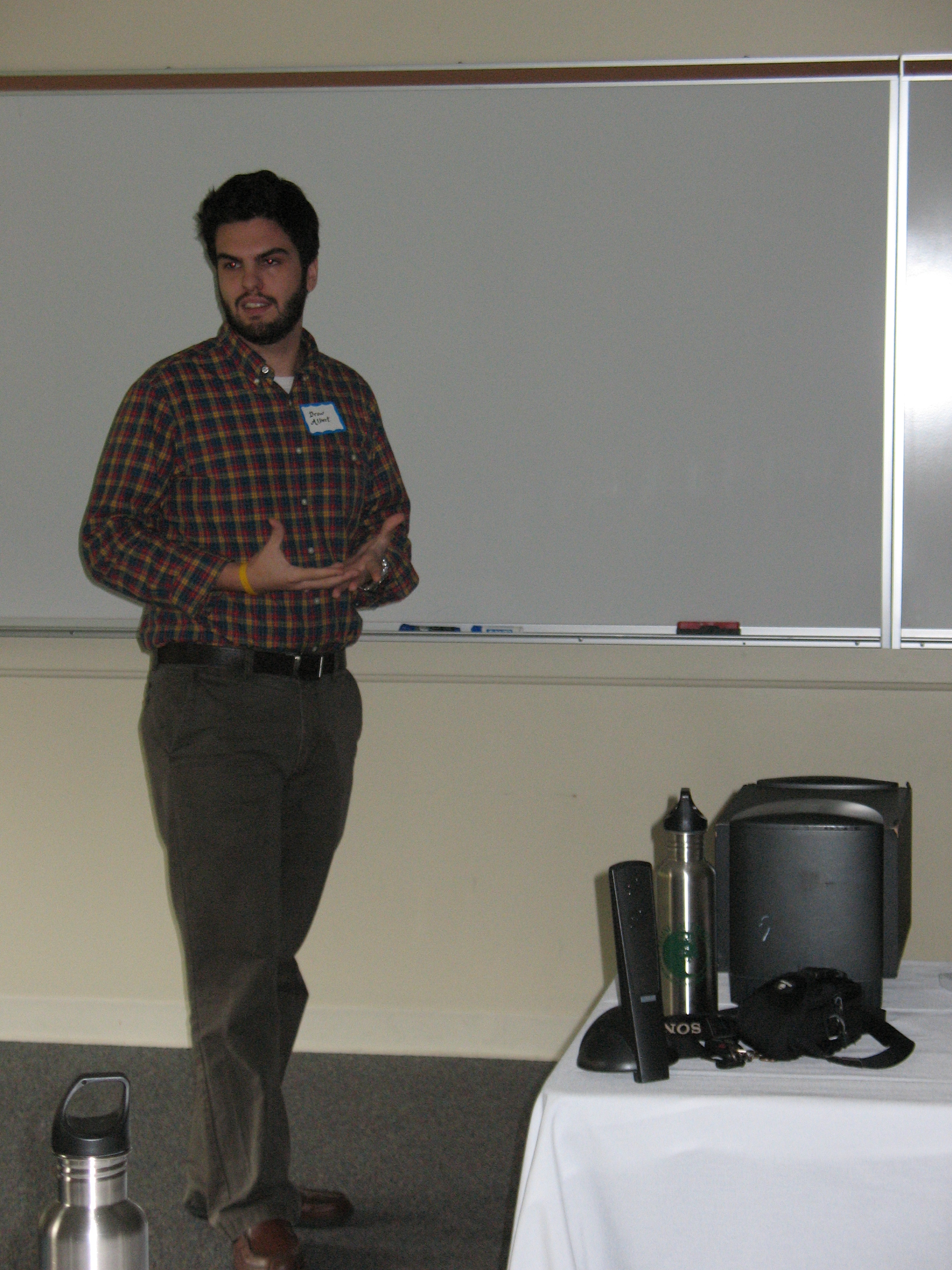
IMG_0126Drew Albert has been teaching at Maranacook Community High School in Readfield, Maine for two years. The high school serves about 400 students and Drew teaches both instrumental and vocal music.

What do you like best about being a music/art/drama/dance educator?

Certainly the most rewarding part of being a music educator is the students. It has proven to be an incredible experience to be their teacher. I feel such a sense of pride when they do something they thought they weren’t capable of, or when they realize a passion for music they might not have known they had.

What do you believe are three keys to ANY successful visual and performing arts education?

  1. Collaboration and support. Everyone needs to work well together: teacher and student, parents and teacher, administration and teacher, student and student.
  2. Vision. Setting goals for any program is the best path for growth, musically and otherwise. Reaching attainable benchmarks leaves myself and my students feeling accomplished, while also developing as both individuals and as a group.
  3. Passion. I want my students to find their passion even if it isn’t for music. Students should feel they are in an environment where they are free to express themselves and create; to take risks and make mistakes; to learn, laugh and grow.

 How have you found assessment to be helpful to you in your classroom?

Assessment has been the biggest tool in guiding my teaching. Having to work with many students, all performing at various levels, I felt responsible for knowing each students’ strengths and weaknesses. Preparing meaningful individual assessments has prevented me from letting any of my students fall through the ‘proverbial’ cracks. More often than not, I found areas in which I needed improvement. Assessing my students on a regular basis provides me with an observation of my own teaching, which is especially important considering the busy schedules of administrators and colleagues. These assessments have been an invaluable tool in evaluating student progress from lesson to lesson.

What have been the benefits in becoming involved in the arts assessment initiative?

To be surrounded by so many incredibly supportive and passionate individuals has been the greatest benefit of the initiative. I have learned so much from everyone that I am able to use in my own teaching, and we have really had a lot of fun together!

What are you most proud of in your career?

Without a doubt, being fortunate enough to be hired by Maranacook High School my first year out of college. They trusted that I was the right person for the job, so I try my best everyday when I get to school.

What gets in the way of being a better teacher or doing a better job as a teacher?

Time, for sure. That’s a universal issue. More time for students and teachers. Our students have so many opportunities to take advantage of. Naturally, the majority want to be involved in as many activities as possible. It’s no wonder we run into scheduling problems! Sometimes the math team is missing from dress rehearsal, others times a track meet is scheduled for the same day as the big Memorial Day parade. We just have to do the best we can and usually things will fall into place.

I also find myself getting in my own way. It is very easy to over plan for a particular lesson. Creating a behemoth of a plan with an unnecessary and confusing set of directions, assessment, rubrics, scales, standards, bells, whistles and the kitchen sink. I have learned these past two years to keep things simple, succinct and meaningful.

What have you accomplished through hard work and determination that might otherwise appear at first glance to be due to “luck” or circumstances?

I felt very lucky to sign my first contract at my current school. The truth is, I’ve been very fortunate to work with many supportive, passionate people. From my high school music teachers to my professors at the University of Maine, they are the ones who got me to where I am today, as well as my colleagues, friends and family. I owe them thanks for inspiring me to work even harder.

Look into your crystal ball: what advice would you give to teachers?

Every once in a while, congratulate yourself! You work hard. You inspire your students. You get to school early. You stay at school late. You put on concerts and fundraisers. You create and motivate. You play music and paint and act and dance. You are pretty great!

If you were given a $500,000.00 to do with whatever you please, what would it be?

Pay off my sister’s student loans and mine. Then I would take my entire family on vacation: aunts, uncles, grandparents, cousins…the whole crew. The last time we did that we went to Disney World. I’m thinking maybe Vegas this time? With whatever was left I would buy lots of new toys like guitars, ukuleles, steel drums…you name it. And of course I would share them with my students!

Imagine you are 94 years old. You’re looking back. Do you have any regrets?

I would be pretty excited to see 94! There will always be regrets in my life and career. In the words of Henry David Thoreau, “Never look back unless you are planning to go that way”.

Thank you Drew for sharing your story!


h1

Phase 3 MAAI Teacher Leaders Announced!

May 29, 2013

Look to your visual and performing arst education leaders

screen-shot-2012-05-14-at-9-26-16-pmAlmost exactly one year ago the teacher leaders were announced for the second phase of the Maine Arts Assessment Initiative. I am excited to share with you that teacher leaders have been selected for phase 3 of the initiative. In June they will attend a 3-day professional development institute at Maine College of Art in Portland expanding their knowledge in assessment, leadership, technology, and creativity. During the 2013-14 school year the teacher leaders will present workshops:

Watch for the blog posts with more information on the opportunities provided by the third phase of the initiative! CONGRATULATIONS to the following arts educators for stepping forward and taking on this important work across Maine! Continuing with the initiative for the third phase are many of the teacher leaders from phase 1 and 2! Thank you for your continued support, interest, and for taking on the role of leader!

MUSIC EDUCATORS

  • SUSAN BARRE – Waterville Schools, grades 5-12
  • JENNIFER ETTER – York Middle School, grades 5-8
  • JUDY FRICKE – Main Street Music Studios, Early childhood
  • PATRICIA GORDAN – Raymond Elementary School, grades K-8
  • LINDA MCVETY – Songo Locks Elementary School, grades K-5
  • JENNI NULL – Songo Locks Elementary School, grades K-6

VISUAL ART EDUCATORS

  • SASHA BLADEN – Enfield Station School, grades PK-5
  • AMY COUSINS – Gorham Middle School, grades 6-8
  • MELANIE CROWE – Marshwood Middle School, grades 6-8
  • SUZANNE GOULET – Waterville Senior High School, grades 9-12
  • LISA INGRAHAM – Madison Elementary School, grades K-4
  • BRIAN McPHERSON – Woodside Elementary School, grades K-5

PERFORMING ARTS EDUCATORS

  • BETH LAMBERT – Carrabec High School, grades 9-12
  • LISA NEAL – Nokomis Regional High School, grades 9-12

The Maine Arts Assessment Initiative wiki is located at http://maineartsassessment.pbworks.com. The Maine Department of Education has a webpage devoted to the initiative at http://www.maine.gov/education/lres/vpa.

Teacher leaders at winter planning session - 2013

Teacher leaders at winter planning session – 2013

h1

Another Arts Teacher’s Story: Danette Kerrigan

May 28, 2013

This is the 33rd in a series of blog posts telling arts teacher’s stories. The first 19 were told last year by the phase I Maine Arts Assessment Initiative teacher leaders. The series continues with the stories from the phase II teacher leaders. These posts contain a set of questions to provide the opportunity for you to read educators stories and to learn from others.

SONY DSCDanette Kerrigan is a Visual Arts Teacher at Sacopee Valley Middle School. She has been teaching in the district for seven years, initially as a traveling elementary teacher in four schools, for two years. Danette then moved into the middle school and currently teaches grades 5-8, approximately 360 students. Her main responsibilities include those grades and she also assists in Response to Intervention (RTI) services in grade six.

What do you like best about being an art educator?

There are moments of such clarity when students gain insight, learn a new skill; experience the joy of success in the shadow of a failure.  It is a privilege to be apart of those moments.

What do you believe are three keys to ANY successful visual and performing arts education?

  1. The passion and commitment of the teacher.
  2. A well thought curriculum that is multidimensional, interdisciplinary and accountable.
  3. Students!

How have you found assessment to be helpful to you in your classroom?

Assessment has been monumental in my ability to provide a rich and individualized experience for students. It has informed my instruction and helped me understand the impact of that instruction.

What have been the benefits in becoming involved in the arts assessment initiative?

Getting involved with the Arts Assessment Initiative came at a crucial time in my career. That 5-6 year period where the shine has come off a little bit, where the politics of education seems to bite a little harder. I was beginning to languish and was primed for being re-energized as a teacher. Being involved in the initiative has re-ignited my passion for the quality of my students’ experience, a renewed energy to reach beyond the school day and explore the possibilities of things I haven’t even yet thought of. It has informed my learning and supported my work as a National Board candidate. It has pushed me to reach out and network with others so that I can be reminded of all the reasons we do what we do.

What are you most proud of in your career?

I am most proud of the experiences with my students. Our district is one of the districts working with teacher evaluation and we are constantly reflecting on goals and outcomes. One of the reflections I have been working with this year has been…”What do I want them to learn?”

As a test, I asked a student…”What do you think you learn in this class? ”  She responded, “I learn to think for myself.  I learn to try something I haven’t tried before. I learn that even if something doesn’t work out, I can get something from it.”

It made my day.

What gets in the way of being a better teacher or doing a better job as a teacher?

My inability to say “no”.

What have you accomplished through hard work and determination that might otherwise appear at first glance to be due to “luck” or circumstances?

I have truly put much hard work into creating an environment in my classroom where students can have respite in their day, whether it is during the art class, or recess, or free time. I believe we all need a place to go where the work we do is valued and that we are appreciated. We all need a safe and welcoming space to create, and not simply art; middle school students create friendships, character and sometimes a little chaos. It is work, it isn’t just circumstances or class lists or the luck of the draw that creates an environment that students can grow, I have to facilitate it.

Look into your crystal ball: what advice would you give to teachers?

Take care of yourself financially. Put 10-15% of your money away every paycheck and after a few months, you’ll never miss it. Plan ahead. Advocate every chance you get.

If you were given a $500,000.00 to do with whatever you please, what would it be?

Pay off my daughter’s student loans; they are just starting off in their lives and already in so much debt. Then mine. Set up a charity. Invest the rest.

Imagine you are 94 years old. You’re looking back. Do you have any regrets?

I certainly hope not, I’m working on the bucket list now!

Thank you Danette for telling your story!


h1

Another Arts Student’s Story: Izaiah Stackpole

May 24, 2013

Grade 5 student

IMG_1230Izaiah Stackpole is a 5th grade student at the Biddeford Intermediate School. His music teacher is Andrea Wollstadt, one of the Maine Arts Assessment Initiative teacher leaders. The following is an interview with Izaiah that happened as a follow-up to a recent visit to the Biddeford Intermediate School. Debi Lynne Baker and I were visiting to video tape Andrea in her music classroom. You will see Izaiah in the video in the near future.

What value do you see in taking a music and theatre classes?

Music expresses how I feel and I have fun doing it. Theater is important to me because it brings out my inner-self and music helps with it too.

Name three skills, ideas, or life-long tools that you have learned in your arts classes? 

  1. I have learned you don’t need to be afraid to sing or act in front of tons of people.
  2. In art I have learned to express myself.
  3. I learned how to re-write songs, and count rhythms in musical notation.

What is your favorite part of the being involved in the arts?

My favorite part of theater is when you get to be the character and you get to be in someone else’s life.

What are you most proud of?

I’m most proud of singing a solo in chorus, being able to play percussion without stumbling, being able to do lines in front of tons of people.

Did anyone encourage you to be involved in the arts?

Ms. Wollstadt encouraged me to take chorus, and my sister encouraged me to take chorus too. Who provides the greatest support for the work you now do and how do they support you? My Mom and my sister support me the most.

How does your work in the arts support and develop creativity for you?

In theater when you stumble on a line you have to use improvisation. One time I was in Beauty and the Beast – I was Gaston. I had to fight with someone and my wig fell off! The other character and I made up our lines to cover it up.

If you could change any part of your arts education, what would it be?

I would take more theater and chorus classes.

What are you plans as far as continuing your study of the arts?

When I go to middle school I’ll start chorus, band and theater. I hope to take an art class too.

Thank you Izaiah for taking the time to answer the questions for this interview.