Posts Tagged ‘MAAI’

h1

Another Arts Teacher’s Story: Susan Jones

May 21, 2013

This is the 32nd in a series of blog posts telling arts teacher’s stories. The first 19 were told last year by the phase I Maine Arts Assessment Initiative teacher leaders. The series continues with the stories from the phase II teacher leaders. These posts contain a set of questions to provide the opportunity for you to read educators stories and to learn from others.
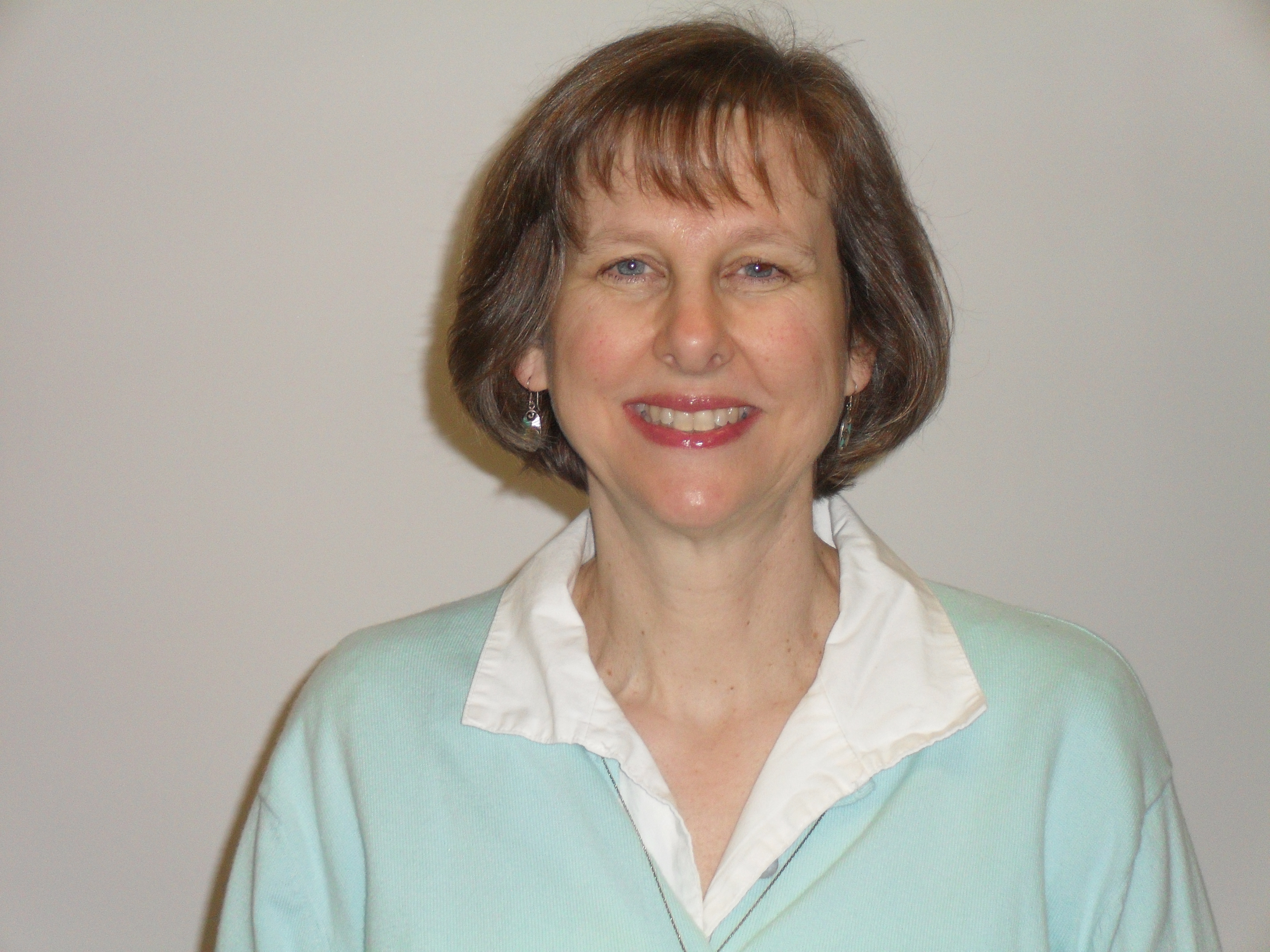
Susan M. Jones has been teaching for 19 years in MSAD/RSU 40 at Medomak Valley High School. Her present teaching responsibilities include 25 students in chorus, 17 students in theatre, and 65 students in history. Before teaching at MVHS she was in neighboring MSAD 50 for 2 years.
She started teaching music, K-12; general, vocal, instrumental for about 8 years,  and then expanded to Social Studies around 1999. Susan’s purpose was her desire to teach Music History, and learned that she could only do that with a certificate in Social Studies. So she got temporary certification and proudly showed her principal who informed her that someone else would be teaching Music History, but could she “please teach one class of World History?” The pay-off would be that she would only teach in one building all day. Fourteen years later she still hasn’t taught Music History. In 2004 she taught history full time. After four years, Susan was put back into part-Fine Arts and part-Social Studies, and then in 2011, Intro to Theatre class was added to her teaching load.

The main responsibilities of Susan’s classes are to prepare students for college (history classes); to prepare and perform choral pieces and to bring each student’s vocal ability to a higher plane (chorus); and to teach the basics of acting and improvisational theatre to her theatre students.

What do you like best about being an arts educator?

  1. The first is that I often get to see my students for more than one class; I get to see the end product of the growth they have achieved. I feel sorry for classroom teachers that only have the students for a year or for only a semester because they do not get to build the relationship that arts teachers have.
  2. We allow kids to have fun, to be creative in a controlled environment, but to have that fun, they have to be engaged. In Theatre class, they can be silly when we play the games, and when we are reading scripts, they have to be totally engaged so they don’t miss their lines when they come up.  The teamwork displayed in Theatre (and Music and Dance!) is something rarely discussed but is much more vital than that experienced on a playing field.  We don’t have subs on the bench just waiting to take over for someone who is injured or needs a rest!

Three keys to a successful visual and performing arts education:

  1. Enthusiastic, energetic, knowledgeable teachers
  2. Enthusiastic administrative support from administrators
  3. Parental & community support

How have you found assessment to be helpful to you in your classroom?

I have found assessment to be helpful in my Theatre classroom by developing a rubric that students can see and use themselves. I used the rubric I created this past spring to assess a short monologue by the students. First, I filmed the students, then played back their pieces for the class to see (they had performed in front of the class, so it wasn’t anything new), and each student had to grade themselves. I also graded them, and found that most were much tougher on themselves than I was! The rubric gave us a good jumping-off point to discuss what made a good monologue and what they could do to make it even better. It was gratifying to hear the students use the vocabulary and language of theatre to explain their thoughts.

What have been the benefits in becoming involved in the arts assessment initiative?

One of the benefits of becoming involved in the arts assessment is the network of people I’ve met who are so willing to help answer questions and give suggestions and advice. I really feel that I could talk to any one of this group and they would honestly and kindly give of their time to help me…and I would do my best to do the same!

What are you most proud of in your career?

The thing I am most proud of in my career are the students who have returned to say they’ve done or tried something they never would have if it hadn’t been for what they learned in (fill in the blank:  Chorus, Theatre, History, etc.). I have had students who have become music teachers and majored in history; so far I haven’t had any students who have gone on to continue with Theatre because I haven’t taught it long enough – most are still in high school!  I do have two students this semester who are seniors, and one is majoring in Theatre and the other is minoring in it – I can’t wait to talk with them as they go through college! One student I had who took Chorus a number of years ago, well, singing wasn’t her strong suit, but she didn’t mind being in with the whole mix of people and her lack of pitch-matching wasn’t noticeable.  She returned to visit after her sophomore year in college and proclaimed that she had taken part in a community sing-a-long of the Messiah, and that she would never have had the nerve to even try it if we hadn’t sung two pieces from the Messiah when she was in high school. She was so excited, and I was excited for her!

What gets in the way of being a better teacher or doing a better job as a teacher?

Scheduling is probably the biggest thing that gets in the way of me doing my job. In a small district, it’s hard to get the number of people who want to be in your classes to actually have room to be there. Then guidance counselors and administrators who throw up their hands and say, “Sorry, I can’t do anything about it.”  I think they need some creativity in their lives!

What have you accomplished through hard work and determination that might otherwise appear at first glance to be due to “luck” or circumstances?

I was able to get my Master’s Degree through a lot of hard work and determination! I figured if I was going to have to take courses anyway to keep my certification, I might as well have a purpose, so I applied for the program, took all the tests and was admitted. I figured I’d let my school district pay my tuition. Then before I’d even taken one class, I lost my job. Well, I paid for that one class, and through a community scholarship, I kept taking one class at a time.  When I started, my oldest child was 5, the next was 3, and the youngest was 1. For three years, I was unable to get a job, so we were living off my husband’s salary with no health insurance and three kids. And I was taking college classes which often met every day for two weeks at a time in Orono, which meant I had to drive back and forth every  day, plus have a babysitter from 7 am – 6 pm, which we couldn’t afford. I went to the local high school and asked if there were any young ladies who needed tutoring in Algebra and I was able to secure free babysitting by offering free tutoring – a win/win situation! People often think getting a master’s is something that can be done in a couple years while you are working, and it can be done…but that’s not the way I did it!

Look into your crystal ball: what advice would you give to teachers?

I would advise teachers to advocate for themselves, have the absolute best intentions for their students in mind, and be open to learning how to be the best teacher you can be. Lifelong learning is the absolute key to teaching!

If you were given a $500,000.00 to do with whatever you please, what would it be?

I would use the $500,000 to pay off some bills, and put away the rest for those “rainy days” that will come – my parents are getting older, as we all are, and we may need to help them.  Oh, and travel – I would love to travel more! I want to play djembes in Africa, go to the Shakespeare Festival in Edinburgh, learn Russian dancing in Moscow…it’s endless!

Imagine you are 94 years old. You’re looking back. Do you have any regrets?

Yes, I have regrets. I really don’t know that anyone shouldn’t have them. Mostly the regrets revolve around accidentally hurting people. I wouldn’t have said certain things in an off-hand manner, or I would have listened more closely before jumping in. Those may sound like “little things”, not on the level of “I wish had had more courage to take that position”, but those are the things that bother me after years and years, not the major life-moments.

Thank you Susan for sharing your story!
h1

Another Arts Teacher’s Story: Pam Ouellette

May 14, 2013

This is the 31st in a series of blog posts telling arts teacher’s stories. The first 19 were told last year by the phase I Maine Arts Assessment Initiative teacher leaders. The series continues with the stories from the phase II teacher leaders. These posts contain a set of questions to provide the opportunity for you to read educators stories and to learn from others.

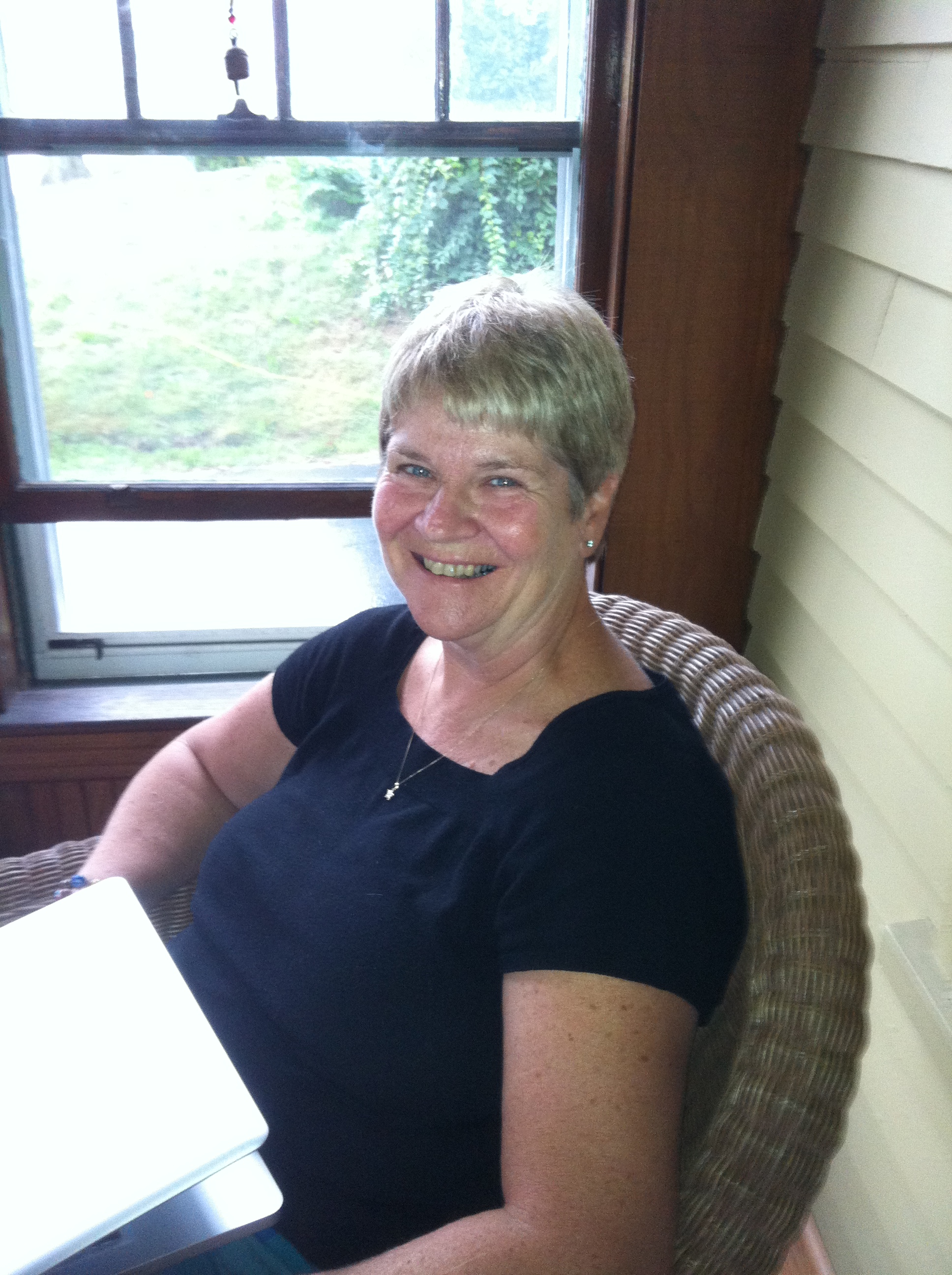
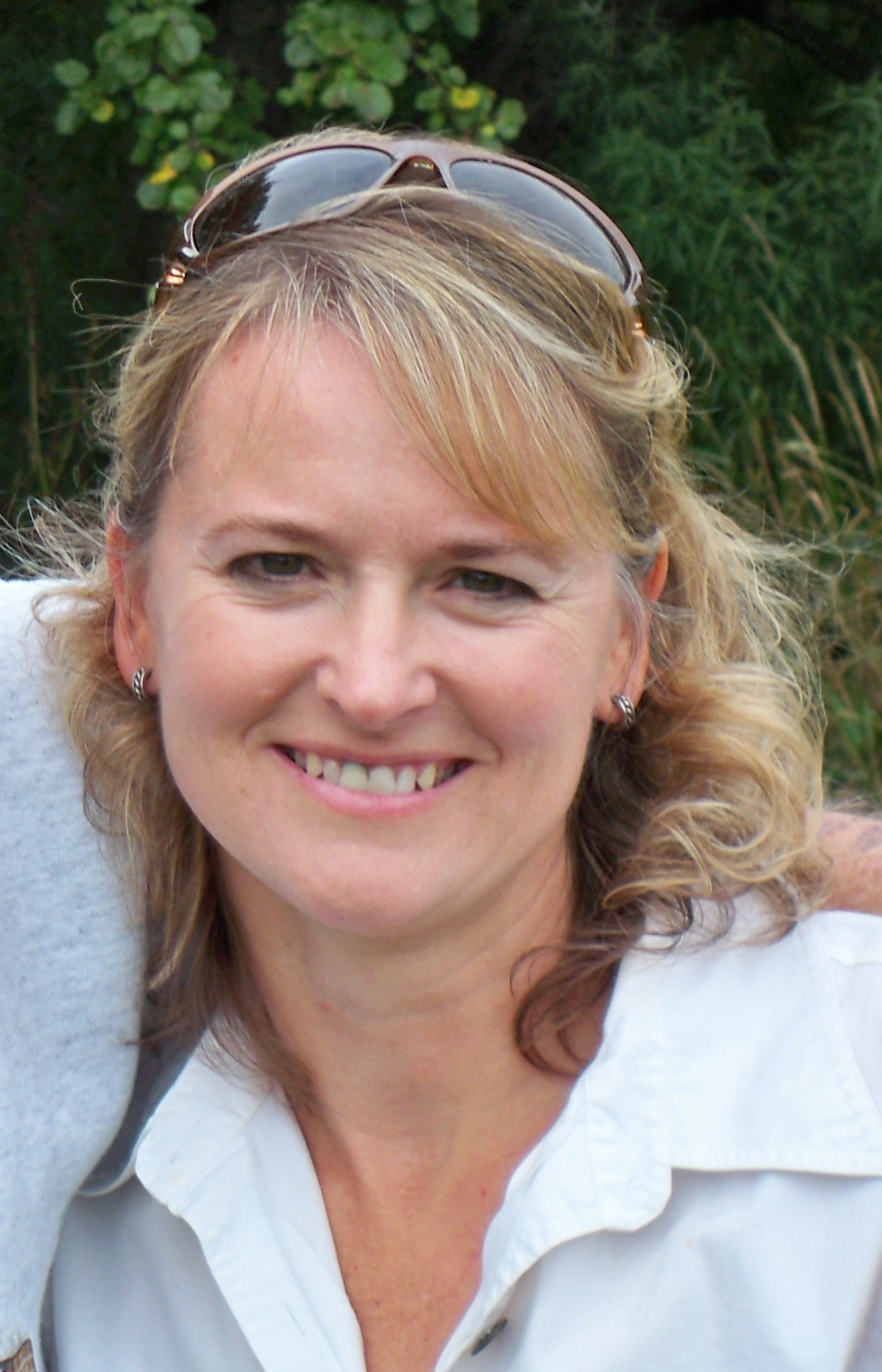
PamPam Ouellette has been teaching visual arts for 24 years. She is presently the art teacher at Lisbon High School, grades 9-12. Pam has 119 students in her courses which include Art Foundations, Studio Art, Photography, AP 2D, 3D, and Drawing. In addition she is the art club advisor and the advocacy advisor where she meets with student groups each day to read, discuss topics, take practice SAT tests and other similar activities.

What do you like best about being an art educator?

I enjoy connecting with students, introducing them to the excitement and benefits of art. I love watching students develop their skills and visual vocabulary and helping them understand the connections between their lives and visual arts. I enjoy creating lessons that will engage students on a meaningful level as well as challenge them to stretch and explore.

As we are gearing up for our Annual Student Art Show, I have to say that is a great event as an art educator. It’s a lot of work to put together, but the students all get involved to make it a big group effort. It’s so great to walk around and see the final show—all the proud students’ hard work, interesting conversations about art and art experiences, involved parents and community members…  It’s the highlight of each school year.

I’m also happy to be a part of a great profession that is caring and supportive and that values people and sharing ideas. All the art educators I know are dedicated, inspiring, and hard working teachers.

What do you believe are three keys to ANY successful visual and performing arts education?

An art educator who has…

1.  Enthusiasm for the Arts- because it’s contagious

2.  Strong education and preparation to teach in the art

3.  Understanding and creative ideas about how to connect the arts and students to their community and their lives.  Students need to understand the relevance of the arts to them personally as well as the relevance of the arts to their world and community.

 How have you found assessment to be helpful to you in your classroom?

I have found assessment can be a very useful teaching tool—to inform my teaching more than a tool for grading. It’s helpful to use informal assessments to gauge student understanding and use that information for teaching and lesson planning.

 What have been the benefits in becoming involved in the arts assessment initiative?

Networking with other arts professionals- sharing ideas, energy, and enthusiasm. Helping the arts be at the forefront of national efforts and progress in education.

What are you most proud of in your career?

My students who carry their visual arts experiences with them into their futures—from students who have gone onto careers in visual arts to those that are simply better human beings because of it. I’ve been able to keep in touch with many former students through social media, and I love keeping up with their careers, adventures, and families. Some have become photographers, graphic designers, art teachers, some have traveled and taught overseas, and some have beautiful families and are raising their children with more creativity and art because of their own experiences.

What gets in the way of being a better teacher or doing a better job as a teacher?

Limited time, energy, and money…  This type of work is never “done.” There’s always more that can be improved. There are also external factors such as scheduling, budgets, and various imposed limitations and requirements that hold back teaching and learning.

What have you accomplished through hard work and determination that might otherwise appear at first glance to be due to “luck” or circumstances?

This is a difficult question. I don’t feel that anything I’ve achieved has been without hard work. I feel fortunate that I did my student teaching at Mt. Ararat High School where I connected with some amazing art teachers. My experiences, hard work, and connections there helped lead me to my job as an art educator at Lisbon High School. At LHS I had the pleasure of working for over 20 years with Elaine Cyr who was not only my mentor and professional inspiration, but my friend. I feel very lucky to have made the connections with people that I have, but hard work is key to making those connections worthwhile. You have to work hard to make seemingly lucky opportunities fruitful.

Another area of “luck” that can only be achieved through hard work is trying to maintain a healthy family while also teaching. I’m fortunate that my family has been very understanding and supportive throughout my career.

Look into your crystal ball: what advice would you give to teachers?

I think most educators understand that learning is a never-ending process. I have never regretted learning more, and I would encourage all teachers to continue to grow and learn. In the arts, in particular, I think it’s vital for educators to grow as artists in their own media. We need to BE artists to teach about art and it’s vital processes. We need to be the examples we want for our students. Learn, explore, create, reflect, stretch, and grow.

I would also say that “The teaching of art is more than the teaching of art” (Eisner, 2001, p. 6).  Art is interconnected to all aspects of life and we need to help students realize and benefit from these connections.


If you were given a $500,000.00 to do with whatever you please, what would it be?

I would use the money to promote the arts in my school and it’s community. Make sure all students get a quality arts experience through better equipment, supplies, dynamic field trips, scholarships for those wanting to further their arts education and/or pursue arts careers. I’d also like to pay off my sons’ and my own school loans. And I’d really love to travel!!


Imagine you are 94 years old. You’re looking back. Do you have any regrets?

I would hope I’d have no regrets… I’m pretty happy with my life to this point.

Thank you Pam for telling your story!


h1

My Last Two Weeks

May 10, 2013

What an adventure!

Some weeks are filled with excitement and adventure and some weeks are filled with excitement and adventure – yes, I repeated that since all my weeks are pretty amazing! However, my most valuable days are when I am visiting teachers and students, learning about the work that is going on in the arts in Maine schools. I am always interested in what teachers are doing with curriculum, assessment, and arts education in general! What I hear and what I see keeps me grounded in what is “real” for Maine arts education. When I do my work at the Department it is first and foremost in the best interest of all Maine kids and their visual and performing arts education. I feel so fortunate to have this job that takes me to all corners of the state. Thank you for the invitations!

During the last two weeks I have had the chance to go to the following:

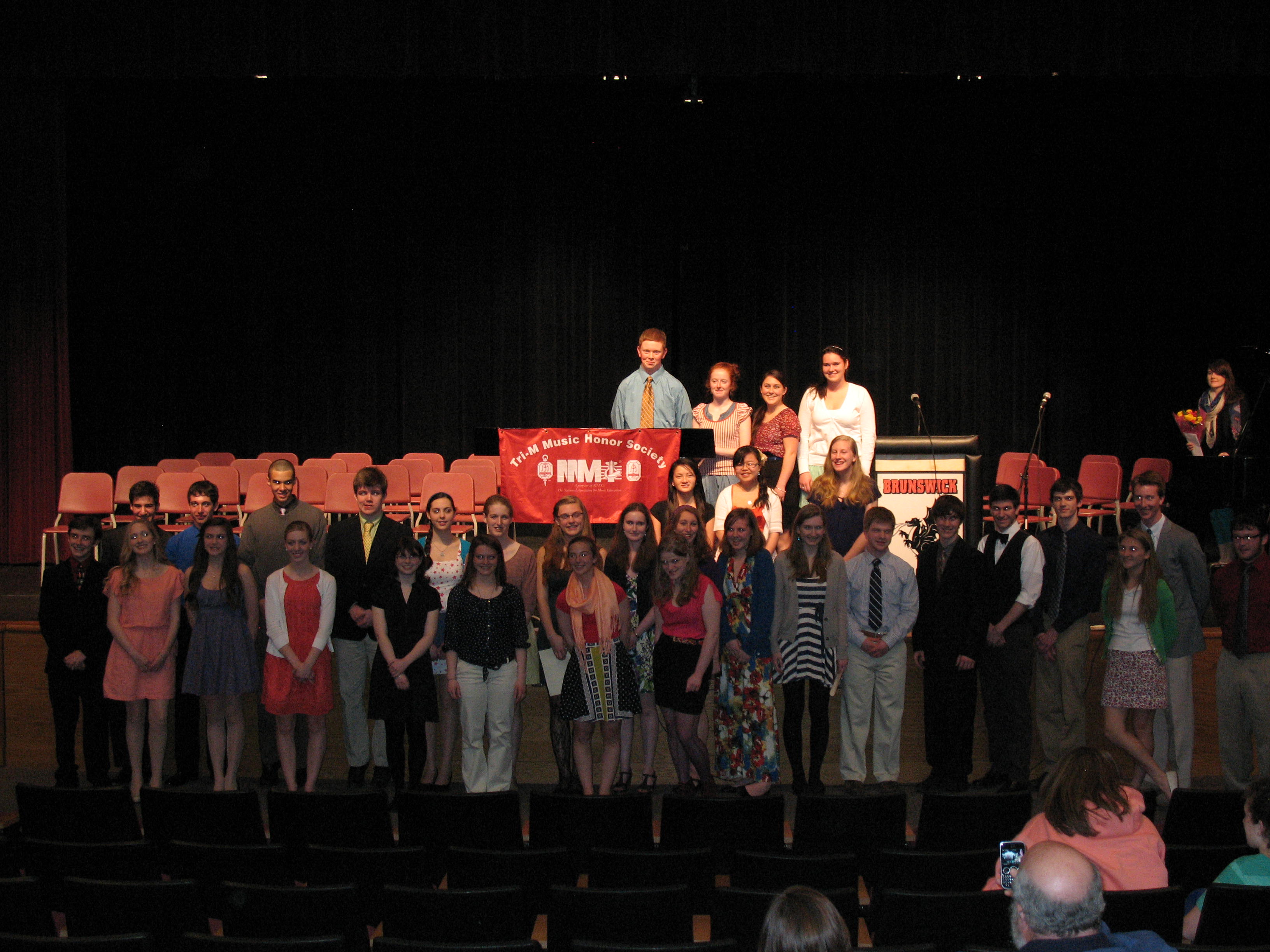
  • Ashley Smith (Maine Arts Assessment Initiative teacher leader) and Mike Scarpone, music teachers at Brunswick High School invited me to speak at their Tri-M Music Honor Society induction ceremony. I was very impressed with the music and the students. Bridget Horan, Chanel Thibeault, Ariel Bouchard, and Joe Waring played the National Anthem to start the program. Throughout the program there were student performances including: Tessa Hauptman was accompanied on the piano by Ben Flanagan. Hannah Judd played the cello. Joe Waring played the saxophone accompanied by Nathaniel Vilas on the piano. Alexis Gillis sang accompanied by Ben Flanagan on the piano. Walter Martin played the trombone accompanied by Nathaniel Vilas on the piano. Nathaniel Vilas ending the evening on the piano. It was wonderful to hear the present members (15 of them) introduce the inductees (21 of them). As these type of ceremonies go, it was very formal however, the students humor shined through which brought several chuckles to members of the audience. Afterwards, parents and students enjoyed refreshments in the cafeteria. Thank you Brunswick Tri-M students and Ashley and Mike for including me.

IMG_3240

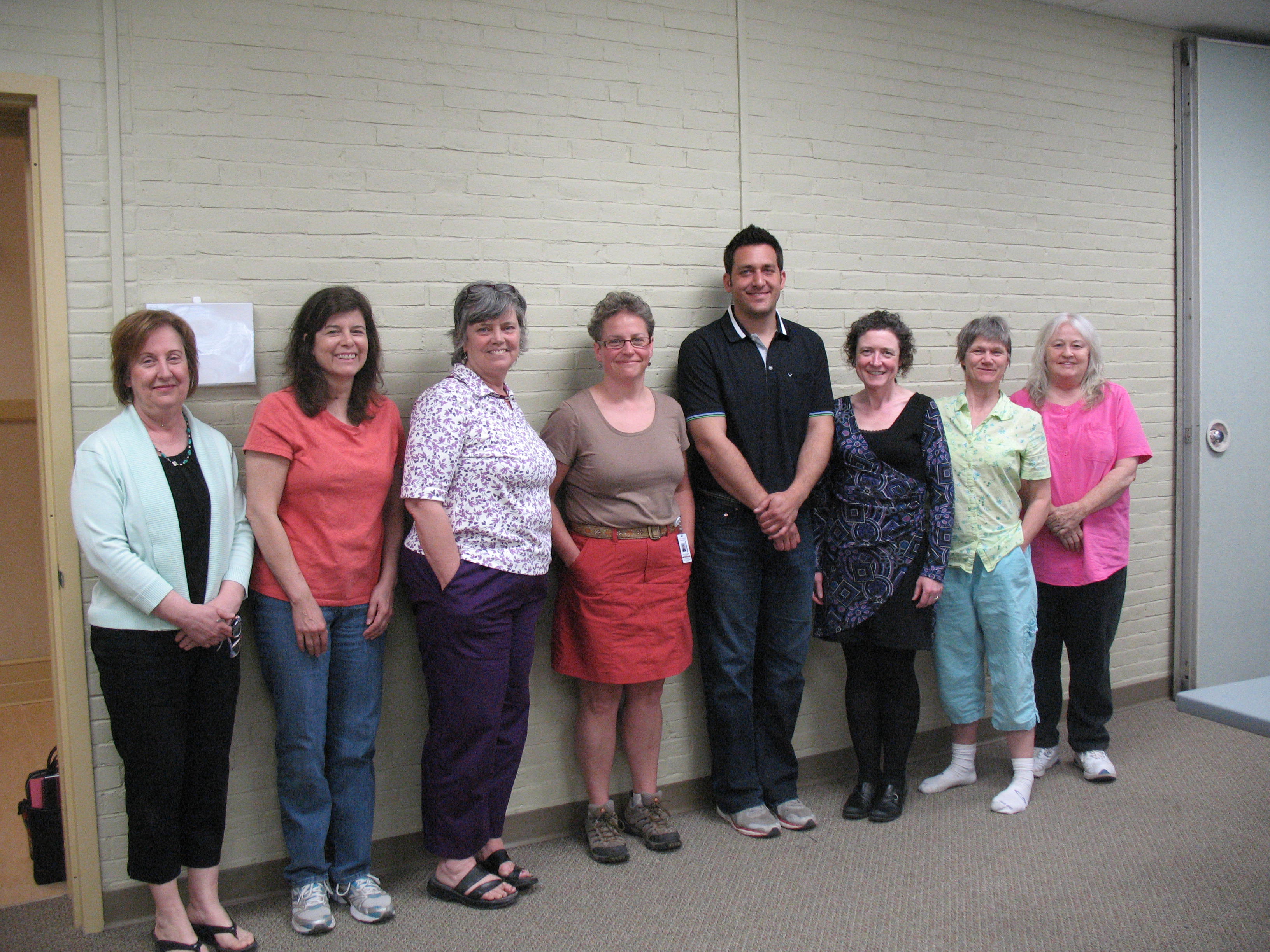
  • Last week I was invited to meet with the arts staff from the Gorham schools. In the Gorham schools they rotate updating curriculum and arts educators are starting this important work. Assistant middle school principal Susie Hanley has been communicating periodically during the last year with questions and information on the work of the Gorham arts teachers. It was great to have a chance to hear discuss their work and the challenges it poses. I did get a photo at the end but it was after some of the teachers had already left the meeting. Thank you to Susie for inviting me!

The teachers include:

  • Gail Thibodeau, Music  K-5, Narragansett and Village
  • Janelle Mosey, Music and Chorus  K-5, Great Falls
  • Allie Rimkunas, Art 1-5, Great Falls
  • Paula Balcom, Art 1-5, Narragansett and Village
  • Amy Stewart, Music K-5, Narragansett
  • Vicki Bove, Art  6-8, Gorham Middle School
  • Amy Cousins, Art 6-8, Gorham Middle School
  • Tracy Wheeler, Music and Chorus 6-8, Gorham Middle School
  • Kim Mathieu, Music and Band  6-8, Gorham Middle School, 5th grade Band
  • Chris Crosby, Art 9-12, Gorham High School
  • Sarah Tucker, Art 9-12, Gorham High School
  • Matt Murray, Music and Chorus 9-12, Gorham High School
  • Tim Ebersold, Music and Band 9-12, Gorham High School

IMG_3259

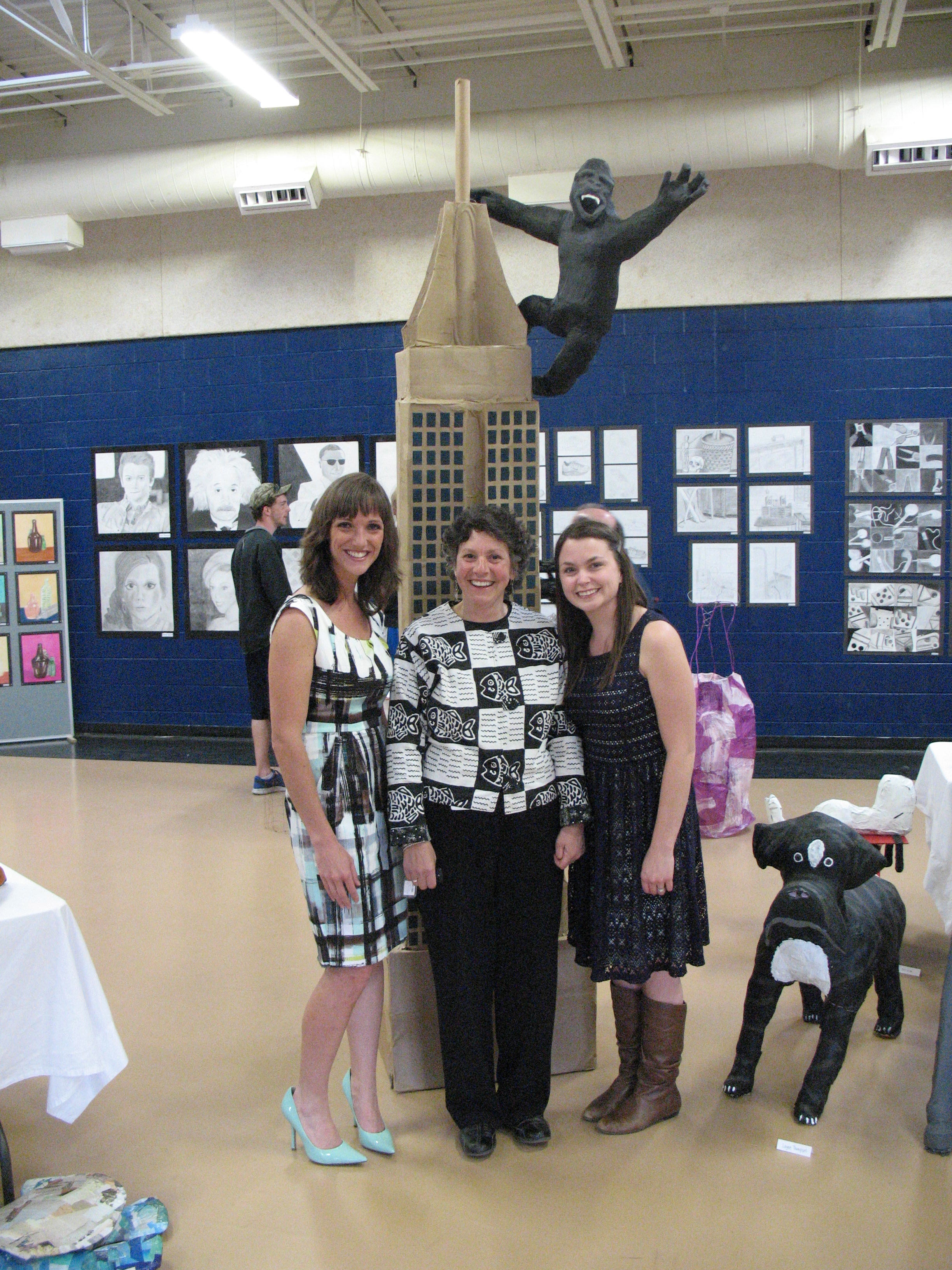
  • Gray-New Gloucester High School art exhibit was held last week in the auxiliary gym on the same evening that the students were performing the comedy The Man Who Came to Dinner. It was great to see Maine Arts Assessment Initiative teacher leader Barb Weed (Barb’s Another Arts Teacher’s story) on my way in to the school. After I arrived Waterville High School art teacher Suzanne Goulet dropped in to see the show. The gym was completely filled with outstanding 2 and 3 dimensional art work and it was great to see art teachers Sarah Gould and Michaela DiGianvittorio. Talk about proficiency?! The evidence was clear! Thanks for inviting me to a great show!
IMG_3260

Sarah, Argy, Michaela

IMG_3277 IMG_3283

  • This week I’ve had more opportunities to visit schools. Debi Lynne Baker and I were at Biddeford Intermediate School to videotape Maine Arts Assessment Initiative teacher leader, music teacher Andrea Wollstadt. (Andrea’s Another Arts Teacher’s story). The last of a series of 4 that Debi is creating showing standards based arts classrooms in action. We had a great day in Andrea’s 4th and 5th grade classes. Her superintendent, Jeremy Ray, popped in to give her an apple for Teacher Appreciation Week. We interviewed Andrea’s principal Debra Kenney, music colleague Jillian Cote, and two of her students. Thanks to the students and staff at Biddeford Intermediate School!
  • I visited Belfast High School and Troy Howard Middle School and the classrooms of Heidi O’Donnell and Lynnette Sproch. Heidi has a lesson where students wrote an artist statement after research and created an artwork that depicted the style of the artist. They were created in small shadow-like boxes. The pieces were fascinating to look at and really made me think. I was glad to see the “man coming out of the ceiling” in real life that Lynnette had created with her middle school students. I also stopped to see my dear friend science teacher John Thurston who is responsible for the garden program at the middle school. It is always great to see John who works with Lynnette on integrated units. You might remember the one that they did on creating posters for the Belfast coop. They were beautiful with bright red giant tomatoes and a great example of service learning. I stopped to see theatre teacher Jason Bannister who caught me up on the event they just held at the school for middle level theatre students – Maine Student Acting competition. Thanks for the visit to both schools!
  • I traveled up the coast to Hancock Grammar School and stopped to see Maine Arts Assessment art teacher leader Janie Snider (Janie’s Another Arts Teacher’s story). We critiqued the video that Debi has created of Janie in action earlier this spring.  We spent some time talking about the idea of writing “power standards” and perhaps rubrics to make available for all arts teachers. What do you think of the idea? Thanks for “great food for thought” Janie!
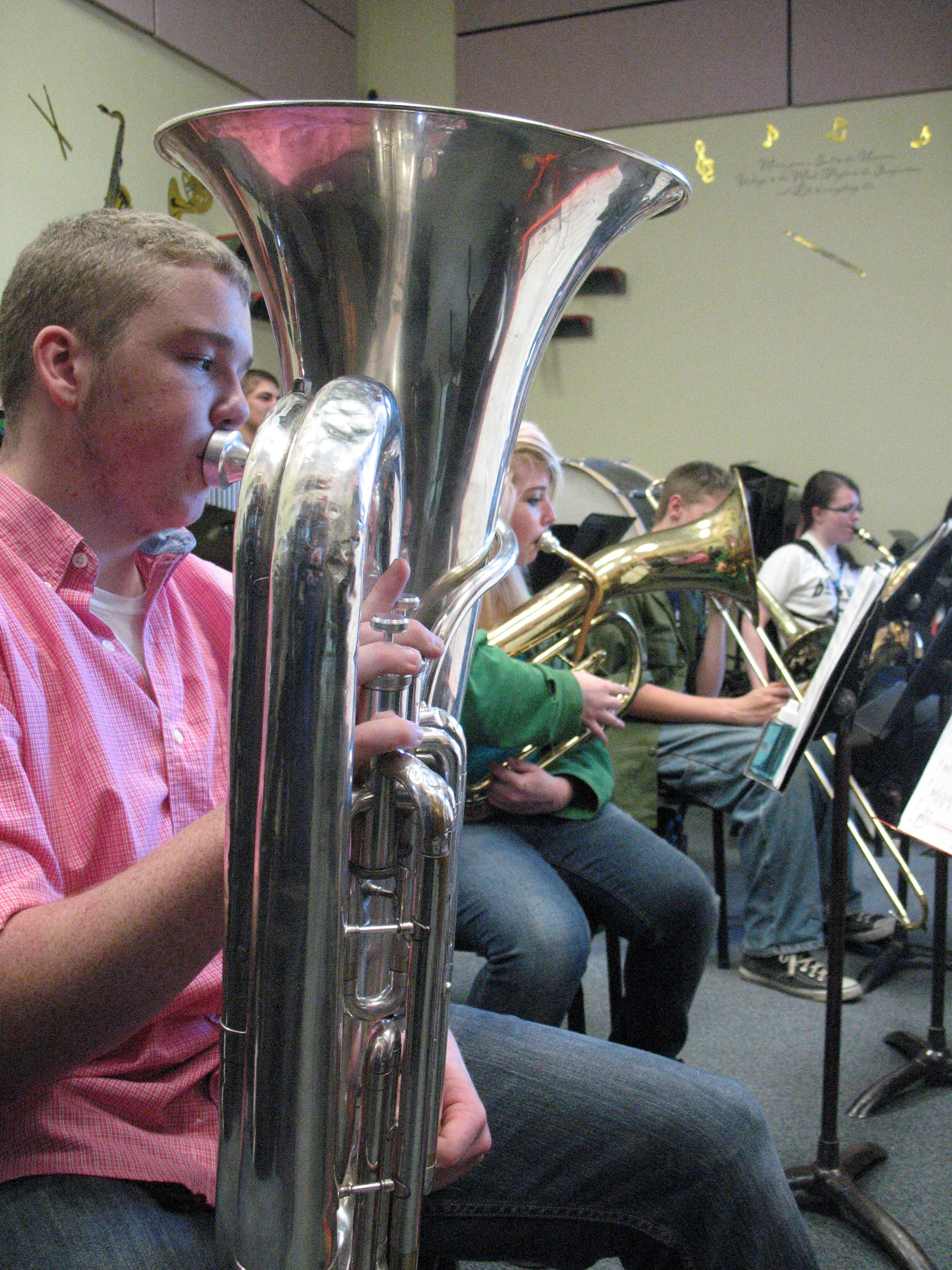
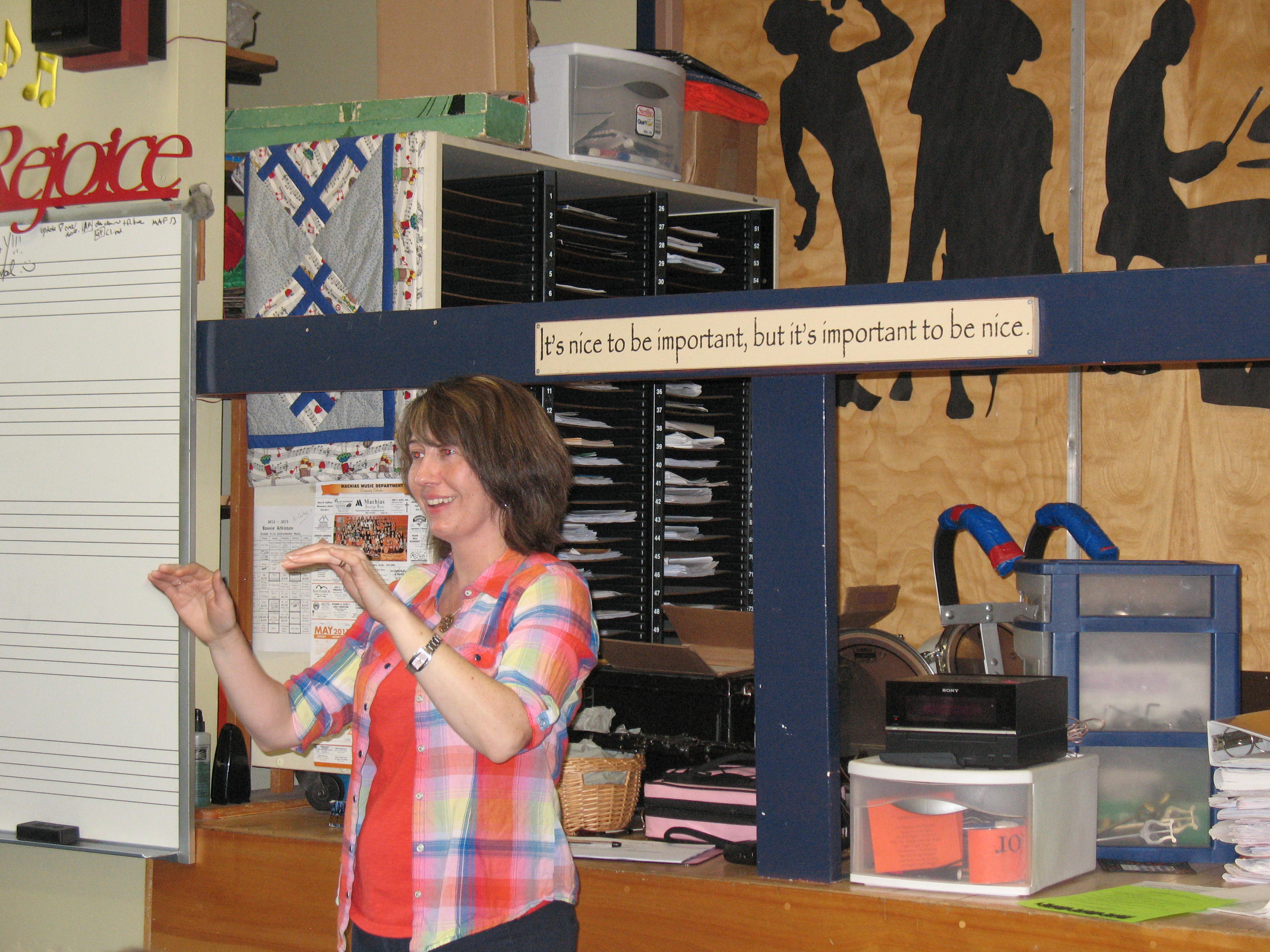
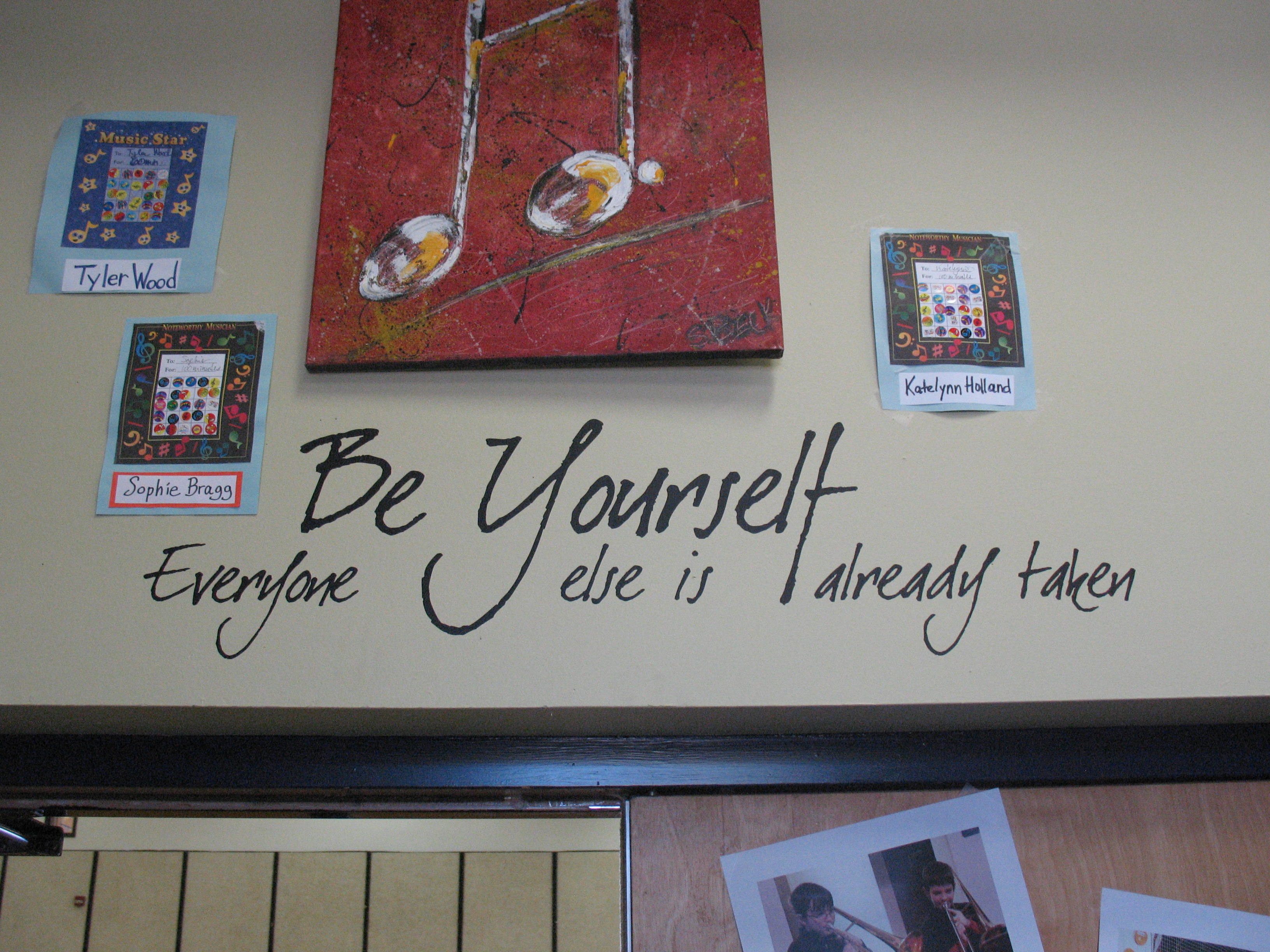
  • Onto Machias and the Rose Gaffney School to visit Maine Arts Assessment music teacher leader Bonnie Atkinson. (Bonnie’s Another Arts Teacher’s story). When I arrived her middle and high school band were rehearsing their pieces for the spring concert. Bonnie has many thought provoking sayings in her classrooms. I loved hearing the students practice and I also had a chance to listen to the chorus practice before I left for the Washington county superintendents meeting at University of Maine at Machias. Thanks for letting me pop in Bonnie! The artwork everywhere in the halls is stunning.

IMG_3288

IMG_3294IMG_3300

h1

Another Arts Teacher’s Story: Bonnie Atkinson

May 8, 2013

This is the 30th in a series of blog posts telling arts teacher’s stories. The first 19 were told last year by the phase I Maine Arts Assessment Initiative teacher leaders. The series continues with the stories from the phase II teacher leaders. These posts contain a set of questions to provide the opportunity for you to read educators stories and to learn from others.

Screen shot 2013-05-05 at 9.39.47 PMBonnie Atkinson has been teaching Grades 3-12 Instrumental Music in the Machias School System for 6 years.  She began teaching K-12 Music in 1998 at Lubec Consolidated School, then moved to the Machias School System in 2000 as the K-12 Choral Music Director and Elementary General Music Specialist. She had a brief stint as an adjunct teacher at the University of Maine Machias for piano and woodwind students, then left teaching from 2003 – 2007 to start a family. Currently in Machias, she works with 300 students a week in a variety of general music classes, lessons and group rehearsals.

What do you like best about being an music educator?

I enjoyed all of the training that I received at the College of St. Rose in Albany, NY and the University of Maine in Orono. The process of learning all of the instrumental and vocal pedagogy and participating in such high-quality performing ensembles enriched my life through my late teens and early twenties.

I love being a music teacher for the deep connections that my students make with other students and with me. I love the ownership that my students have of their ensembles and the enrichment that the music program brings to the little coastal town we live in.

What do you believe are three keys to ANY successful visual and performing arts education?

  1. Documenting success (on bulletin boards, in newspapers, any where you can!)
  2. A teacher that loves with their job.
  3. An atmosphere of safety, excitement, exploration and creativity.

How have you found assessment to be helpful to you in your classroom?

Assessment gets my finger on the pulse of what each and every student can do and where they need to go next. In my Instrumental Music program, having students responsible for their own weekly assignment recordings on Noteshare has turned the tables on who is doing the data collection portion of assessment and has them practicing and improving far greater than any other technique I have found.

What have been the benefits in becoming involved in the arts assessment initiative?

The commitment to the Maine Arts Assessment Initiative has been a wonderful experience.  Because of the workshop I was to present, I found that I could not give up because something was different or hard to do in my classroom or because I was busy with lots of other things. I stretched my wings on using recording technology in my classroom that I learned about during the Summer Session of MAAI. My students and I are reaping the benefits of it.

Professionally, I received 3 credits from Endicott College for my participation in MAAI and writing a reflection paper on that experience.

Personally, the camaraderie and collaborative spirit among the Teacher Leaders is refreshing, enlightening and a group of like-minded colleagues willing to support others.

What are you most proud of in your career?

I am very proud that I followed my heart to teach in Washington County. I have lived in the Machias area for 19 years and I, like most teachers reading this have had many students connect to school through music that really, really needed it. They have come to master their instrument and it makes them shine. My prideful moments come in small bits: a student that finally is able to find that perfect balance of playing in a quartet with confidence, a student opening that “school” trumpet that looks a little beat up to me but looks like gold to them, a rehearsal near to concert time when I can just go sit in the bleachers and listen to my Grades 5/6 Band play through a song without me. So far, I am most proud that I feel like every year “is the best one yet!”

What gets in the way of being a better teacher or doing a better job as a teacher?

I love challenge and I especially love change. I think this helps me to “keep my eye on the prize.” Time, finances, scheduling – all of that are obstacles that all teachers are facing, but I honestly cannot name one thing that is getting in my way right now of being a better teacher. I am still hungry to learn and attend workshops, read professional journals, take courses, check out Music Teacher blogs and advice forums and continue to grow. I have 2 incredibly supportive Principals in the Elementary and High Schools I teach in, as well as amazingly helpful and supportive colleagues in both schools.

What have you accomplished through hard work and determination that might otherwise appear at first glance to be due to “luck” or circumstances?

The growth of my performing groups takes a lot of individual contacts with kids and parents, especially those beginning instrumentalists. This takes a large amount of extra energy for phone calling and emailing, but is well worth it. I think that most parents feel comfortable bringing concerns (and praise!) my way because the pathway has already been established.  Making a habit of touching base with 1 or 2 a day (which takes just minutes) over the years I have been teaching has made a huge impact on my program.

Look into your crystal ball: what advice would you give to teachers?

Keep a nice  journal on your desk or in your school bag. Write a few  things in it each day that you are grateful for that happened or something funny that a student said. You will notice the little nice things each day more than you ever had before. When a fourth grade trombone student said to me that he enjoyed the Solo & Ensemble night because his mom let him eat 2 pumpkin frosted whoopie cushions at intermission, I nearly came undone. I could not wait to run to my leather-bound journal during lunch to write it down!

If you were given $500,000.00 to do with whatever you please, what would it be?

My first thought would be to go out and buy a Lamborghini because I have always wanted one since I was 3 years old. However, because this is an Arts Education blog, my obvious second choice would be to do my very best to begin to provide a second music room for our school.  Both I and the Choral Director share one Music Room, she on a cart for Elementary General Music while I have Band rehearsals and large-group lessons and I searching for an empty room for small instrument lessons while she has Chorus rehearsals. I have this perfect vision of a general music classroom full of Orff instruments and a wall-mounted LCD projector and surround-sound speakers and space to move, move, move!  The impact this would have on our already strong music program would be astounding!

Imagine you are 94 years old. You’re looking back. Do you have any regrets?

Making music with kids?  Billions of smiles and zillions of breaths being taken by past students and poured into their instruments for one wonderful common cause: making a joyful noise!  Not a single regret.

 Thank you Bonnie for telling your story!


h1

Calling All Arts Teacher Leaders

May 1, 2013

Professional Development Opportunity

Screen shot 2013-04-30 at 10.45.24 AMAre you interested in leading phase III of the Maine Arts Education Assessment Initiative as a teacher leader?

Regional VPA Assessment Leader Search

Join us for a GREAT opportunity! The Maine Department of Education invites YOU to be part of Phase III of the Maine Arts Assessment Initiative. We are looking for teachers interested in leading and in taking a close look at assessment in the arts. If you are selected, we will provide professional development and ask that you take what you’ve learned and share it with other educators in your region and beyond.

If interested, please send a completed application to Argy Nestor at argy.nestor@maine.gov no later than Monday, May 13, 2013. Download an application by clicking here: http://www.maine.gov/education/lres/vpa/news.html

DSC08992

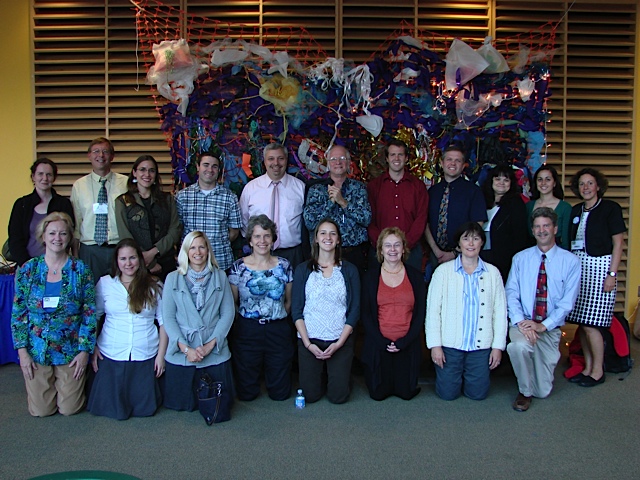
August 2011 – Phase 1

OVERALL MAAI PROJECT DESCRIPTION

Create an environment in Maine where assessment in arts education is an integral part of the work all arts educators do to improve student achievement in the arts.

The initiative has been building capacity by training arts educators on the “what” and “how” of arts assessment so they can provide the leadership in Maine through professional development opportunities. The details of the initiative are at http://maineartsassessment.pbworks.com/w/page/28365527/Maine-Arts-Assessment.

OVERALL OBJECTIVES

Devise a statewide plan for assessment in arts education, which includes professional development opportunities, regionally and statewide, to expand on the knowledge and skills of teachers to improve teaching and learning.

  • Develop and implement standards-based assessment statewide for Visual and Performing Arts (VPA)
  • Continuation of building a team representing all regions of Maine
  • Maine conference to roll out/educate arts teachers on use and development of local assessments and the National Core Arts Standards
  • Ongoing professional development opportunities
DSC09550

October 2011-Statewide conference

TIMELINE

  • Phase I
    • Summer 2011: Eighteen teacher leaders attended summer institute on assessment, leadership, and technology
  • 2011-12 School Year
    • October: Teacher leaders presented workshops at statewide arts education conference, USM
    • Arts education assessment webinars for Maine educators facilitated by Rob Westerberg and Catherine Ring – archived
    • Teacher leaders facilitated workshops in regions across Maine
    • February: Reflected on phase I of work and planned phase II
    • Another Arts Teacher’s Story series (19) on Maine Arts Ed blog
    • Arts assessment graduate courses offered by New England Institute for Teacher Education
    SONY DSC

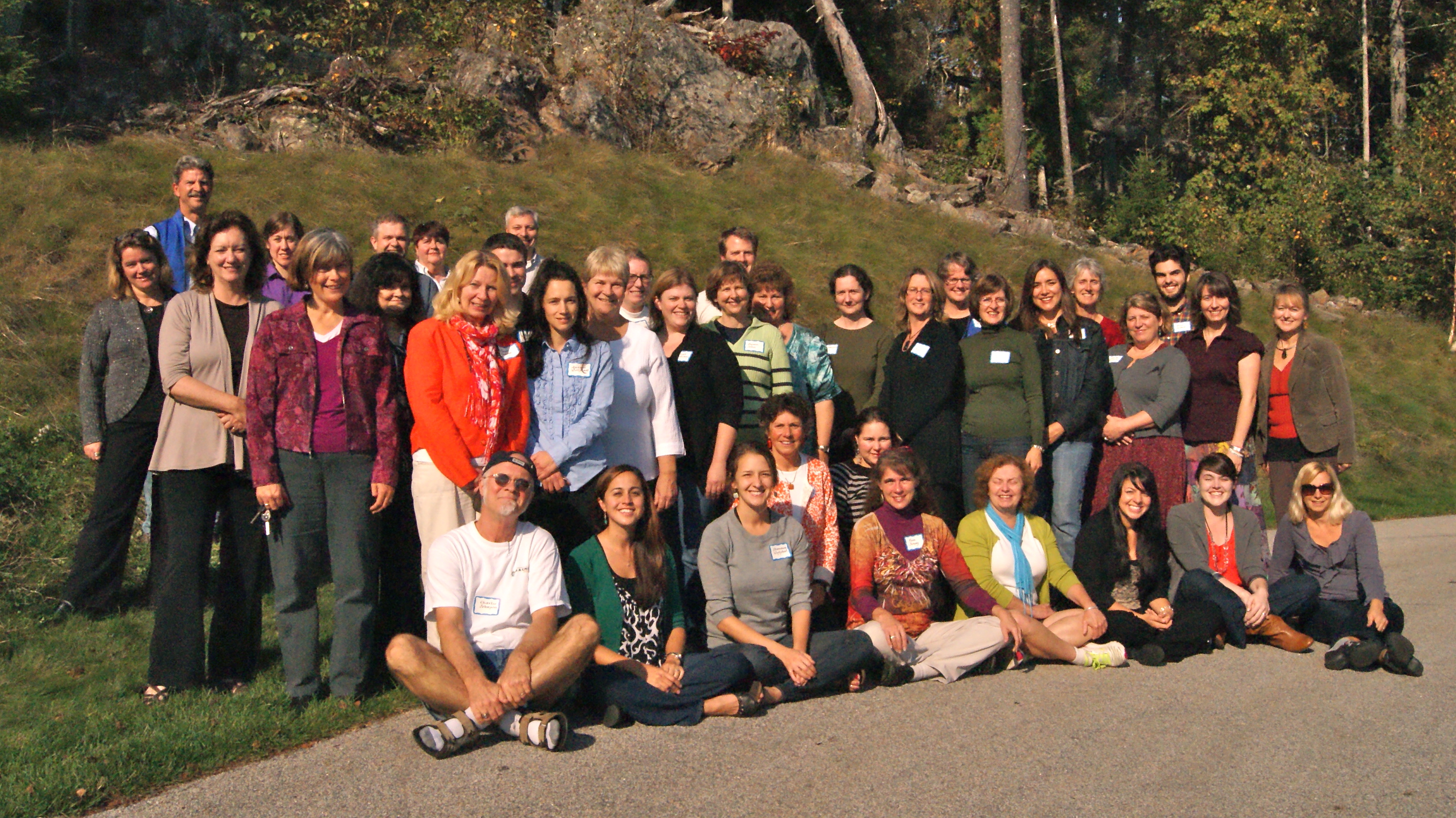
    October 2012-Northport

  • Phase II
    • Summer 2012: Summer institute with 35 teacher leaders on assessment, leadership, technology, and creativity
  • 2012-13 School Year
    • October: Teacher leaders presented workshops for each other
    • Teacher leaders facilitated workshops in regions across Maine
    • Teacher leaders facilitated 4 workshops at mega-regional workshops at UMF, USM, Easton Schools, Ellsworth High School
    • February: Reflected on phase II of work and planned phase III
    • April: 25 arts educators participated in professional development on Understanding and Implementing Quality Arts Assessment
    • Another Arts Teacher’s Story series on Maine Arts Ed blog
    • Video stories of 4 teacher leaders that demonstrate a standards based arts education classroom
    • Depository work launched providing resources for arts educators
    • Arts assessment graduate courses offered by New England Institute for Teacher Education
    IMG_0003

    February 2012-Bangor

  • Phase III
    •  June 25, 26, 27: Summer institute
    • August 13: Teacher Leaders present workshops for each other
    • October 24: Teacher leaders present workshops at statewide arts education conference Arts Education: Leading the Way, Collins Center for the Arts, UMaine
    • Regional and Mega-regional workshops throughout Maine
    • Another Arts Teacher’s Story series on Maine Arts Ed blog
    • Video stories of standards based arts education classroom
    • Continuing Depository work aligning with National Core Arts Standards
    • Arts assessment graduate courses offered by New England Institute for Teacher Education
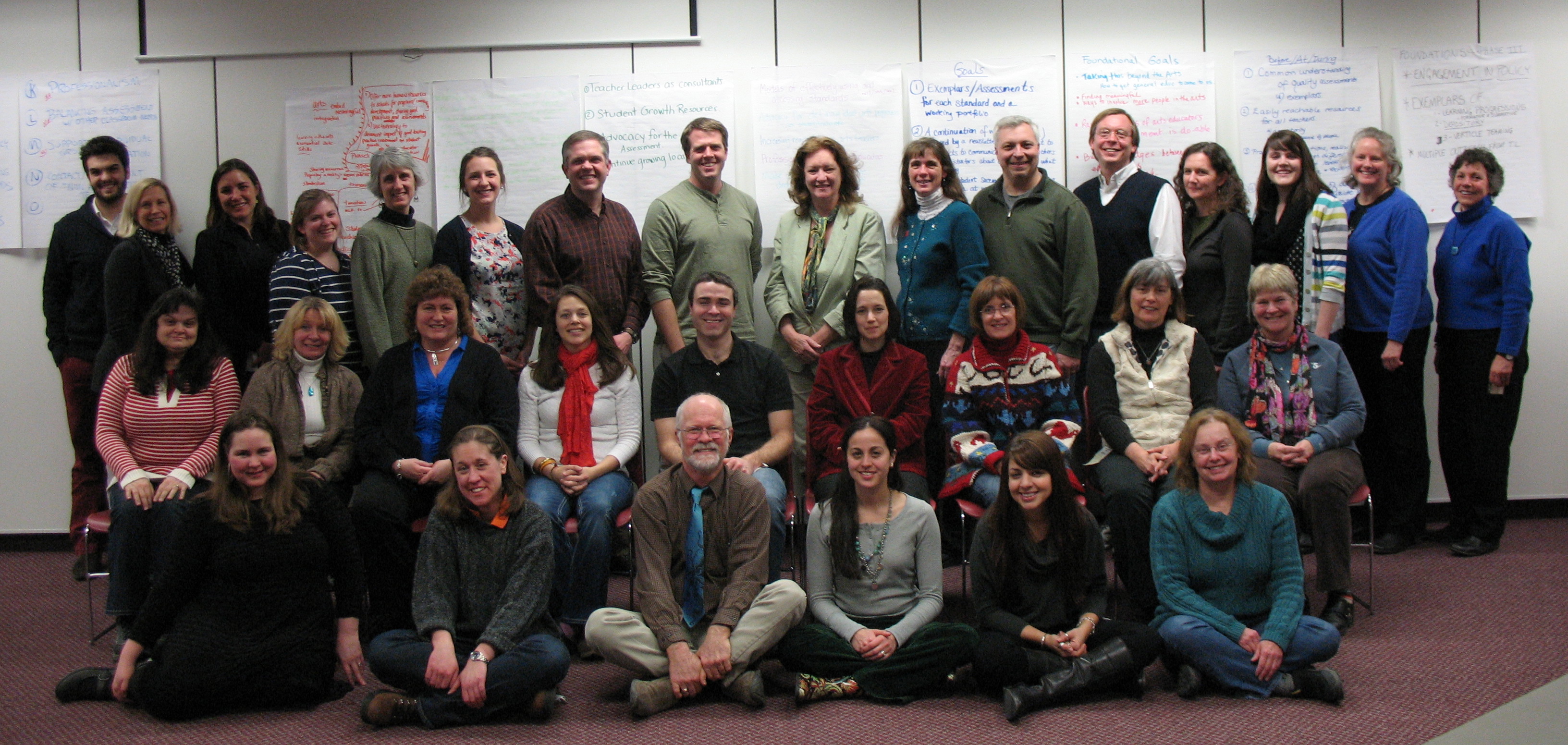
    MAII4-18

    April 2013-Augusta

Phase I Teacher Leaders who have done a fabulous job starting Maine off with the assessment initiative:

  • DANCE EDUCATOR –  MaryEllen Schaper
  • MUSIC EDUCATORS
    • ALLYSA ANDERSON – Camden Rockport Middle School, grades 5-8
    • WILLIAM BUZZA – Leavitt Area High School, grades 9-12
    • JEN NASH – Etna-Dixmont, grades PK-8
    • MATTHEW DOIRON, Sanford High School, Sanford, grades 9-12
    • DEB LARGE, Hall-Dale High School, grades 6-12
    • JAKE STURTEVANT, Bonny Eagle High School, grades 9-12
    • ALICE SULLIVAN, Woodland/Princeton, grades K-12
    • SHARI TARLETON, Brunswick Junior High School, grades 6-8

    VISUAL ARTS EDUCATORS

    • SHANNON CAMPBELL, Vinalhaven School, grades K-12
    • LAURA DEVIN, Woolwich Central School, grades K-8
    • JENNIE DRISCOLL, Brunswick High School, grades 9-12
    • AUDREY GRUMBLING, Mildred L. Day School, grades K-8
    • CHARLIE JOHNSON, Mount Desert Island High School, grades 9-12
    • LISA MARIN, Jonesport-Beals High School, grades 9-12
    • LEAH OLSON, Hampden Academy, grades 9-12
    • JEFFREY ORTH, Richmond Middle/High School, grades 6-12
    • SHALIMAR POULIN, Gardiner High School, grades 9-12

    THEATRE EDUCATOR

    • REBECCA WRIGHT, Ellsworth High School, grades 9-12

Phase II Teacher Leaders who continued the fabulous work along with most of the teacher leaders from the first phase who continued:

DANCE EDUCATOR

  • CARMEL COLLINS, Lake Region High School

MUSIC EDUCATORS

  • ANDREA WOLLSTADT – Biddeford Intermediate School, grades 4 and 5, John F. Kennedy School, grade K
  • ANDRIA CHASE – Corinth Schools, grades 4-12
  • ASHLEY SMITH – Brunswick High School, grades 9-12
  • BONNIE ATKINSON – Machias School District, grades K-5
  • DREW ALBERT – Maranacook School District, grades 5-12
  • JANE KIRTON – Sanford High School, grades 9-12
  • JARIKA OLBERG – Waynflete School, grades 4-12
  • MARI-JO HEDMAN – Ft. Fairfield Schools, grades K-12
  • SARAH WILLIAMS – Glenburn School, grades 2-8

VISUAL ART EDUCATORS

  • BARB WEED – Gray-New Gloucester Middle School, grades 6-8
  • DANETTE KERRIGAN – Sacoppee Valley Middle School, grades 6-8
  • GLORIA HEWETT – Mount View Middle School, grades 6-8
  • LEONE DONOVAN – Messalonskee High School, grades 9-12
  • PAM OUELLETTE – Lisbon High School, grades 9-12
  • SAMANTHA DAVIS – Sumner Memorial High School, grades 9-12
  • SUSAN BEAULIER – Ashland Schools, grades K-12
  • SUZANNE SOUTHWORTH – Camden Hills Regional High School, grades 9-12
h1

Another Arts Teacher’s Story: Jane Snider

April 30, 2013

This is the 29th in a series of blog posts telling arts teacher’s stories. The first 19 were told last year by the phase I Maine Arts Assessment Initiative teacher leaders. The series continues with the stories from the phase II teacher leaders. These posts contain a set of questions to provide the opportunity for you to read educators stories and to learn from others.

OLYMPUS DIGITAL CAMERAJane Snider lives in Milbridge, Maine. This is her 20th year teaching elementary art. Her first 9 years were in Washington County, SAD #37. Jane taught in 5 elementary schools with an average of 550 students. She had an art cart in each school and went classroom to classroom. It was a challenging job, but she loves a challenge and made it a successful experience. In 2002 she downsized to one school In Hancock County, Hancock Grammar School (HGS). She was so excited to have her first “art classroom”. Jane is still teaching at HGS and as a result of the consolidation of RSU#24 she also teaches K-8 at Lamoine Consolidated School.

What do you like best about being an art educator?

I love sharing my passion for art and life with my students. I love teaching and guiding them in “seeing” their world. Watching the development of each student from year-to-year is fascinating. I feel lucky to have many of the students from kindergarten through eighth grade. The relationships that are formed through art learning are very rewarding. The thoughts, ideas and insights that my students share with me, inspire me.

What do you believe are three keys to ANY successful visual and performing arts education?

  1. A committed, passionate, knowledgeable teacher who believes that the arts are fundamental to the human experience.
  2. Students that love and appreciate the arts. Their advocacy is essential for parental, administrative and community support.
  3. Financial funding support is also an added bonus!

How have you found assessment to be helpful to you in your classroom?

Assessment in elementary art has always been of interest to me. How do we assess or score something that is personal and subjective? I believe we assess our teaching objectives. I use many formative assessments in my teaching. I try very hard to dialogue with each student about their process. Most of all, I want students to love what they are doing. I want students to feel good about their work. I want to instill an appreciation for art. We must self-assess our learnings to nurture our growth. Student work must be exhibited. It needs to go up on walls or out in the community. This allows the students an opportunity to quietly self-assess. As the teacher, I ask the questions “Did the student learn the concept or skill being taught? Does the artwork reflect their knowledge and skill?”  Assessment is attached to the validity of a subject. If we want arts programs to be successful we must assess the outcomes.

What have been the benefits in becoming involved in the arts assessment initiative?

The MAAI has been a great experience. I have met some wonderful colleagues to collaborate with across Maine. I have learned so much about assessment, teaching and learning. I have been able to reflect on my teaching practices and make changes that will help students be more involved, accountable and successful. MAAI provided me with the training and opportunity to share this information and knowledge with my local colleagues.

What are you most proud of in your career?

I am most proud of the curriculum and program that I have built for my students. Stories from students, both past and present, have let me know I made a difference in their lives.

What gets in the way of being a better teacher or doing a better job as a teacher?

I am always striving to be the best teacher I can. Time is a challenge, I wish I had more teaching art time with students. More time to collaborate with other teachers would be helpful.

What have you accomplished through hard work and determination that might otherwise appear at first glance to be due to “luck” or circumstances?

I have worked hard to develop a strong arts program. My classes go quite smoothly do to years of learning about child development, teaching and learning practices, classroom management techniques, organization and flexibility.

Look into your crystal ball: what advice would you give to teachers?

LOVE WHAT YOU DO! CREATE your teaching experience. Enjoy it, know that you are making a difference. Advocate for the arts and yourself. Never stop learning about  education and students. Find out what motivates and inspires arts learning.

If you were given a $500,000.00 to do with whatever you please, what would it be?

$500,000 ???? I would become mortgage free!  I would find or build a building to start an art co-op to exhibit local artisans and their work. I’m getting closer to retirement so I would probably do more of my own artwork and offer art classes.

Imagine you are 94 years old. You’re looking back. Do you have any regrets?

I have no regrets, my life has been full, rich and rewarding. I have had some incredible tragedies, some amazing opportunities, the best friends, family and colleagues. I have shared with many what gifts I’ve been given. I have learned much, laughed often, loved with all my heart. I found my purpose in doing what I love.

Thank you Jane for sharing your story!

h1

Another Arts Teacher’s Story: Jane Kirton

April 23, 2013

This is the 28th in a series of blog posts telling arts teacher’s stories. The first 19 were told last year by the phase I Maine Arts Assessment Initiative teacher leaders. The series continues with the stories from the phase II teacher leaders. These posts contain a set of questions to provide the opportunity for you to read educators stories and to learn from others.

photoJane Kirton teaches chorus, keyboarding, and introduction to music at Sanford High School where she has been for 12 years. She is the music director for musicals, helps with Sophomore Awareness, and graduation activities.  Outside of school Jane is the music director at the North Parish Congregational Church and a facilitator for The Center For Grieving Children at the Southern site.

What do you like best about being a music educator?

The best part of my job is being able to touch the souls’ of all my students! Most of the time, the students take my classes have chosen to take them, therefore, they want to be in the class. This makes for an atmosphere of warmth and comfort which is conducive to learning. We, as arts educators, are able to reach some students whom others can’t, this is our most valuable strength.  I tell my students that we’re going to learn a lot about life as well as music in our class!

What do you believe are three keys to ANY successful visual and performing arts education?

  1.  Compassion – we must have and show compassion to all our students.
  2. Versatility – being able to teach something a number of ways to reach all types of learners.
  3. Connection/be present – we must make a connection with each student we teach, show them that we care and that they are valued. Adding a bit of humor and telling them my story are two of my strengths.

How have you found assessment to be helpful to you in your classroom?

There have been times when I have struggled with assessment especially written assessments. I want to be sure that my assessments are applicable to what I teach especially in chorus class. Being a performance based class, writing shouldn’t be the primary assessment. I have worked hard to create a variety of ways to assess – vocally and writing that is pertinent to what we do.  I am always searching for new ideas and ways to assess.

 What have been the benefits in becoming involved in the arts assessment initiative?

The benefits of becoming involved in the MAAI have been wonderful. From the network of new colleagues to the endless possibilities of creativity – wow! I have found that this initiative has put me in the zone so to speak. I have totally reworked the way I teach my keyboarding class and as a result, word is spreading and more students want to take the class than what I can accommodate! I look forward to continue to enhance my other classes. I am anxious to see what year three holds for us.

What are you most proud of in your career?

I am proud that I went back to school at the age of 40 to get my degree in music education! I am proud when I see students graduate from high school and college with a music degree. I am blessed with wonderful students – not just the ones that go to college. I believe in not only teaching music but I teach about life! Making connections with my students while at SHS is very important to me.  Many of my former students stay in touch and visit our class often. I know I have made a difference in my students’ lives when they continue to come back and visit.

What gets in the way of being a better teacher or doing a better job as a teacher?

Time is always a factor! I could spend hours and hours doing what I do. I believe right now my biggest stumbling block is our school schedule. My numbers are sadly dwindling as students cannot fit music classes into their schedule. I also dream of a performing chorus in the elementary schools which we don’t have. I believe that a love for singing must start early on. Kids need to feel singing in their bones and love it in order to continue on at the upper levels. Our children have so many options in their lives today, it’s hard for them to choose and do it all.

What have you accomplished through hard work and determination that might otherwise appear at first glance to be due to “luck” or circumstances?

Despite low numbers, the sound of my chorus continues to be very good. I know this comes directly from the result of teaching. Time spent on music literacy is invaluable! The connections that I make with my students is very important to me. I work hard to create an atmosphere of camaraderie and acceptance in my classes which makes for a peaceful working environment. Through this we are able to make beautiful (bel canto) singing!  Helping a student in need is very important to me.

Look into your crystal ball: what advice would you give to teachers?

As one of my college professors told me . . . “Be the one to make a difference in the student’s life who struggles to thrive in other classes and with other teachers.” I have a quote on my bulletin board in my office that I made up several years ago . . . “Remember, you don’t necessarily know what the person next to you went through last night or before school today . . .”  I believe, as an educator, yes you need to know your content and know it well but it is also extremely important that we care for our students!

If you were given a $500,000.00 to do with whatever you please, what would it be?

I would first pay off my children’s college debt for them. Pay off our mortgage. Put money away for my grandchildren’s college education. Buy some recording equipment for my class at school and at church.

Imagine you are 94 years old. You’re looking back. Do you have any regrets?

No regrets! I made that decision when I turned 40 and went back to school!!! Oh don’t get me wrong, there are some things I WISH I could do such as return to school and perhaps become a counselor but frankly, I’m happy doing what I am doing! I love touching the lives of my students!  Remember, lasting friends are made through music!

Thank you for telling your story Jane!

h1

Honoring Susan Beaulier

April 18, 2013

Maine Middle Level Art Educator of the Year

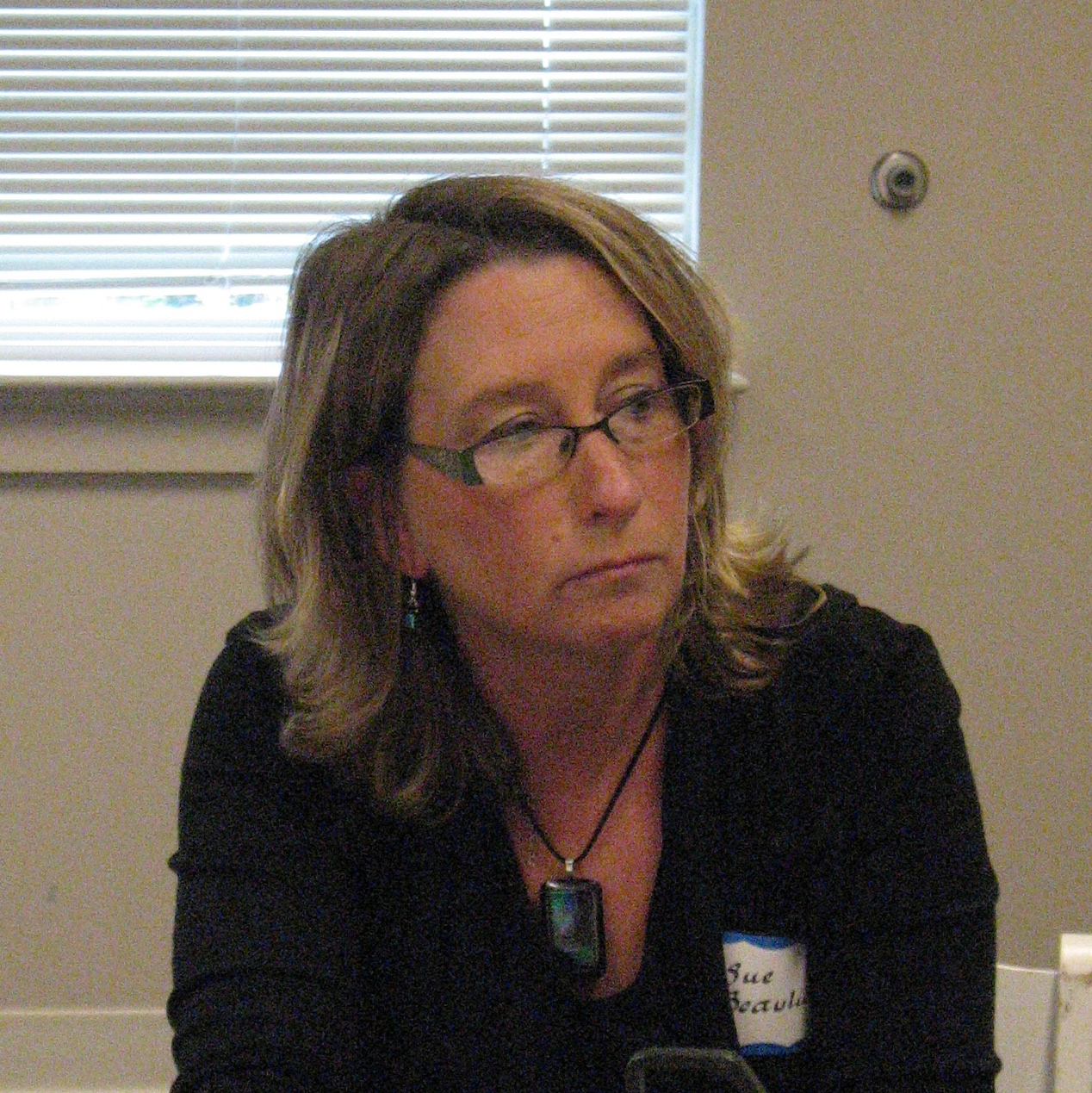
At a ceremony held recently at the University of Maine Museum of Art Susan Beaulier was honored for her years of dedication and received the Middle Level Art Educator of the Year award presented by the Maine Art Education Association. Susan was nominated by colleague Beth Ann Walker and included the following in Susan’s nomination:

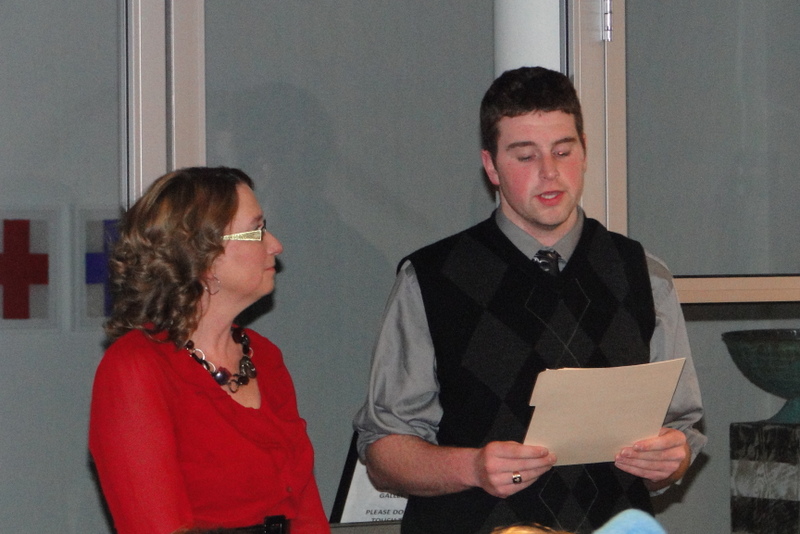
Susan being introduced by her son, Jason

Susan being introduced by her son, Jordan

For the past 23 years, Susan Beaulier has taught in the same school district she graduated from in 1981. Susan is the Visual Arts teacher in MSAD #32, serving the 330 students in Grades PreK-12. Additionally, she is the Coordinator of Gifted/Talented Education for her district. Susan is a Phase II Teacher Leader for the Maine Art Assessment Initiative, and will soon begin work on the National Coalition for Core Arts Standards First Tier Review. Susan lives in Ashland with her husband John and son Jordan.

IMG_0132“Sue not only loves teaching students, but is also generous with her knowledge in teaching educators. She is practiced in many mediums and munificently shares any and all of her personal materials to enhance and achieve the lesson she is sharing. She inspired may early creative endeavors and creativity, but has imparted innovation into many of the lessons I initiated with my students as I moved from the elementary classroom to the art classroom six years ago. She is an invaluable resource that provides support in many ways.”

Sue is a consummate creator of beautiful things from any medium she touches…She is a key player in the development of our local art educators’ group – Northern pARTners and is sharing her knowledge of quality assessment in art education.
Screen shot 2013-04-12 at 1.39.50 PM

h1

Another Teacher’s Story: Samantha Orchard

April 16, 2013

This is the 27th in a series of blog posts telling arts teacher’s stories. The first 19 were told last year by the phase I Maine Arts Assessment Initiative teacher leaders. The series continues with the stories from the phase II teacher leaders. These posts contain a set of questions to provide the opportunity for you to read educators stories and to learn from others.

IMG_2916Samantha Orchard is in her 4th year teaching Visual Art to students in grades 9-12 at Woodland Jr/Sr High School in Baileyville. She has 43 students spread out across General Art, Advanced Art, Photoshop, and Yearbook classes.

 What do you like best about being a music/art/drama/dance educator?

 The best thing about being a high school art teacher is to see teenagers solve problems or develop creative solutions on their own. Some students need a little prodding, but they are at least willing to be pushed in a more independent direction.

What do you believe are three keys to ANY successful visual and performing arts education?

  • Support for what is done in your classroom from other teachers, the    administration, and the parents of students
  • Buy-in on the part of the students – they have to feel that what they’re learning and creating is worthwhile
  • Time for planning, collaboration, and sharing ideas with other educators in your own district and around the state

How have you found assessment to be helpful to you in your classroom?

Assessment for me is a great tool to gauge how clearly criteria and goals for a particular project are communicated. My students for the most part have a thorough enough understanding of the relationship between the rubric and the criteria for a given assignment to accurately gauge their products and answer for themselves the persistent question of “Is it done yet?”

 What have been the benefits in becoming involved in the arts assessment initiative?

Being able to take in ideas and different ways of looking at assessment has been one of the main benefits of being involved with the MAAI for me. Having other teachers who work with the same content and the same grade level to bounce ideas off of has also been great.

What are you most proud of in your career?

Most recently I’m proud that I was able to engage the faculty at my school in a meaningful and serious discussion about arts assessment. I presented my workshop about rubrics at a staff meeting and was really pleased about the discussions that developed out of the presentation. I was also proud of how it really seemed to prove that art is just as rigorous as the core classes to the non-believers.

What gets in the way of being a better teacher or doing a better job as a teacher?

I just need more hours in a day. Or less time doing mundane things like sleeping, eating, driving, etc.

What have you accomplished through hard work and determination that might otherwise appear at first glance to be due to “luck” or circumstances?

I have developed a safe, productive, positive work environment in the art room and computer lab. It may sound trivial, but being able to turn your back on students to write on the board or to really focus one-on-one with a student as needed and not have to worry about what’s going on outside of your peripheral vision is no small thing. The expectation for behavior and materials handling has been set and is respected by students – I don’t even have to fret about what is happening to my classroom on days when I’m out!

Look into your crystal ball: what advice would you give to teachers?

Speak up and share what you do with other teachers! It can be a revelation for all parties involved.

If you were given a $500,000.00 to do with whatever you please, what would it be?

With $500,000 I would pay off my student loans, buy a better vehicle, go on vacation, and purchase DSLR cameras and graphic design software for the digital arts classes.

Imagine you are 94 years old. You’re looking back. Do you have any regrets?

I can’t imagine any great regrets.

Thank you Samantha for telling your story!


h1

MAAI Planning Phase 3

April 15, 2013

Give me your thoughts

IMG_3052

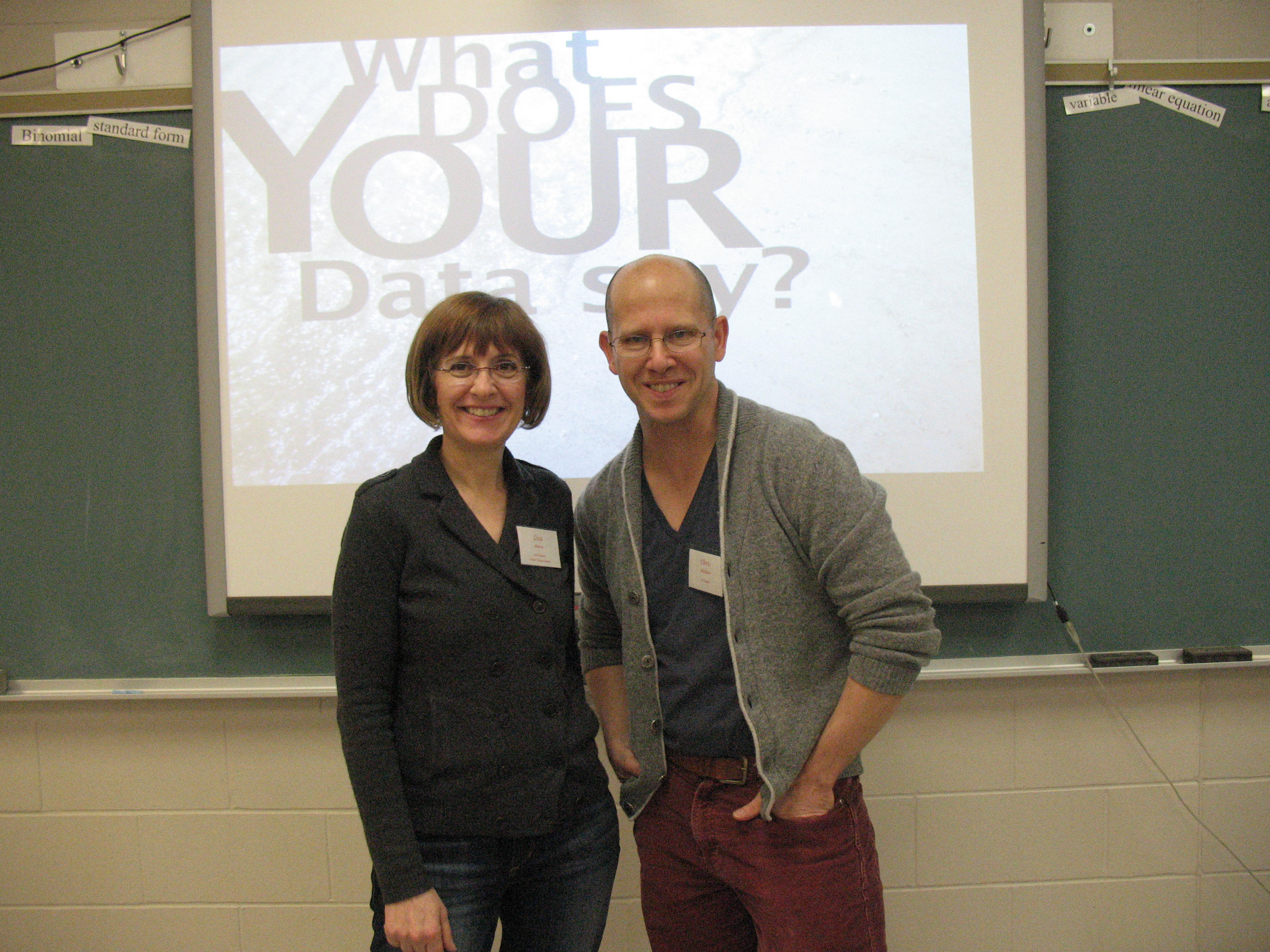
Lisa Marin and Chris Milliken presenting “data” from Chris’ graduate research that he collaborated with Lisa on finding.

The Maine Arts Assessment Initiative (MAAI) has been underway for almost two years. During that time hundreds of Maine arts educators have responded to the invitation to join the journey and participate professional development opportunities throughout Maine. These opportunities have been numerous and provided through various modes and locations.

Opportunities include(d):

  • Webinars were available during phase 1 and are still available through archives located at http://www.maine.gov/education/lres/vpa/assessment.html#webinars. The archives have meeting plans so you can use them at teacher meetings or individually.
  • The state conference on arts assessment was held at USM during October 2011 where over 200 teachers attended.
  • Regional workshops were provided by arts teacher leaders during phase 1 and 2 all over the state.
  • Mega-regional workshops were held during phase 2 at UMF, USM, Easton Schools, and Ellsworth High School with 240 registered for the 4 events.

Underway:

  • Videos are being created in 4 classrooms that will provide a picture of a standards based arts classroom/school. They will be made available at their completion in June.
  • The Depository work is ongoing and located at http://mainelearning.net/resources/. Next week arts educators will be coming together to look at “quality in arts education” to help continue with this work. The Depository will be filled with samples of arts education lessons, units, assessment tools, and other resources.
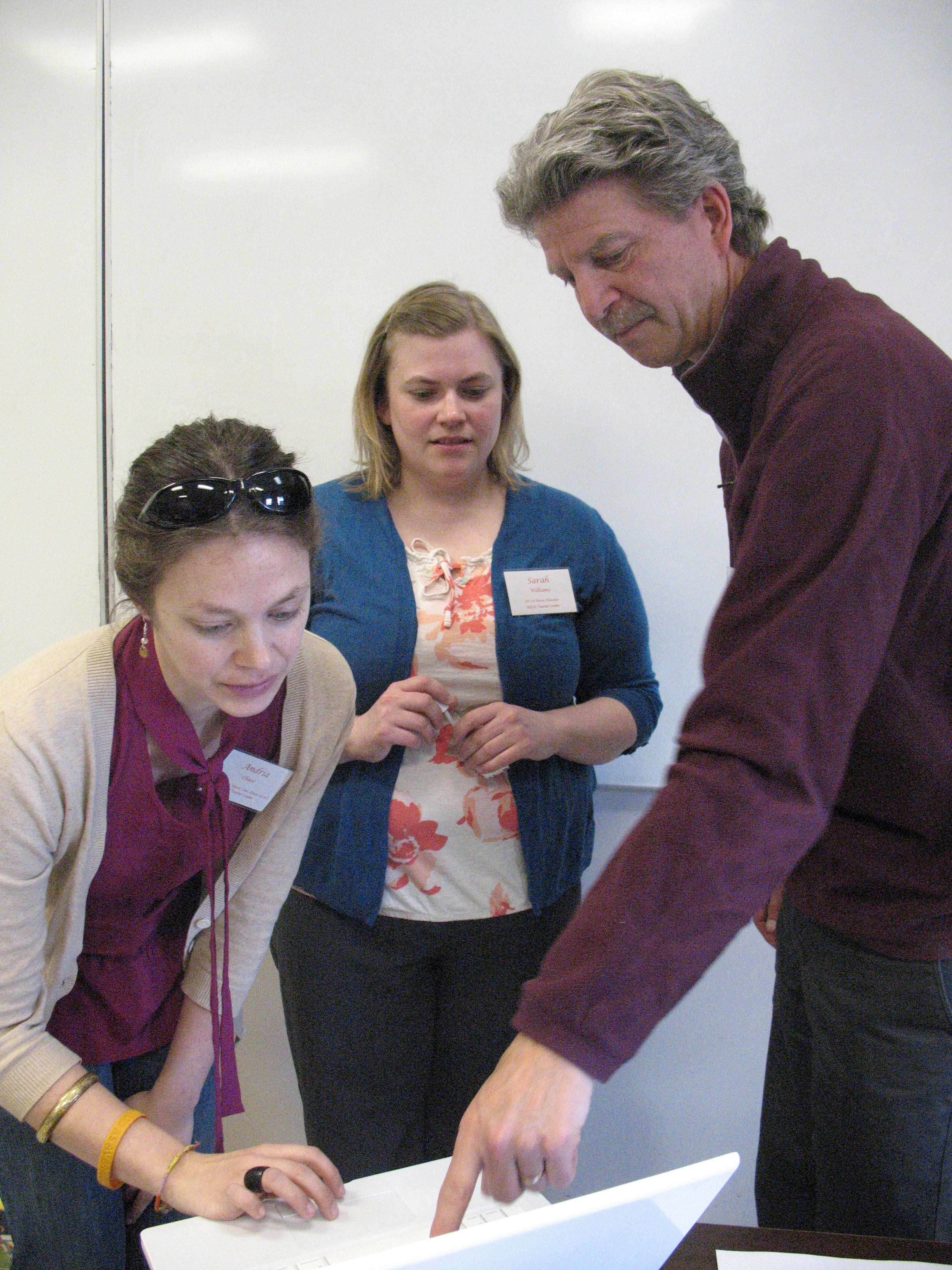
Teacher Leaders Andria Chase and Sarah Williams take a closer look at workshop info with Leadership team member Jeff Beaudry

Teacher Leaders Andria Chase and Sarah Williams take a closer look at workshop info with Leadership team member Jeff Beaudry

The teacher leaders, your colleagues – 38 of them, have stepped up and taken on responsibilities of expanding their thinking and providing leadership by creating the workshops. They have contributed in so many positive ways and provided feedback to help determine the steps of the MAAI.

The MAAI is truly a grassroots effort with arts educators leading the way. As we come to the close of phase 2 it is time to look ahead and determine the components of phase 3. If you attended a workshop or another gathering we have your specific feedback from the event that has helped inform the work. At this time if you have ideas or feedback that you’d like to share on what you’d like to see included in Maine Arts Assessment Initiative PLEASE email me at argy.nestor@maine.gov and share your thoughts and ideas. The leadership team is meeting on Thursday, April 18 so please don’t delay with your comments!