Posts Tagged ‘Maine’

h1

Developing a Proficiency-Based System

April 23, 2014

What’s it all about?

In February the Maine Department of Education posted the following in their news room. I know that this would be helpful to some arts educators as you move forward with your work getting ready for the Proficiency Based High School diploma starting with the graduating class of 2018 (that is next years 9th graders). Go directly to the post by clicking here.

Join arts educators on Wednesday, May 7 for a discussion on the Proficiency-Based High School diploma on the next Maine Arts Assessment webinar, 3:30-4:30. To join the webinar (at 3:20) please go to http://stateofmaine.adobeconnect.com/maaimay2014. One contact hour is available.

The goal of proficiency-based education is to ensure that students acquire the knowledge and skills needed for success in college and careers and the centerpiece of achieving proficiency is a clear focus on learning and instruction.

In proficiency-based education, students who have not met standards receive additional academic support to help them achieve proficiency. When a student demonstrates proficiency in the expected standards, they move on in their education. The standards include content area knowledge and skills as well as those of the Maine Learning Results Guiding Principles, which include critical thinking and problem-solving.

Implementing the requirement that high schools award proficiency-based diplomas starting in 2018 places student demonstration of skills and knowledge at the center of instruction, assessments and reporting. School administrative units (SAUs) can work together or with other SAUs to develop their system for awarding of proficiency-based diplomas. Additionally, SAUs may add to the expectations for proficiency described in the content area standards and Guiding Principles

There is extensive guidance for developing educational systems that support student proficiency. The literature that describes proficiency-based education systems includes the work of Dr. John Hattie, professor and director of the Melbourne Education Research Institute at the University of Melbourne, Australia and Dr. Michael Fullan, Canadian educational researcher and former dean of the Ontario Institute for Studies in Education. Hattie’s synthesis of over 800 meta-studies is the result of 15 years of research. His recent publication Visible Learning for Teachers points to the top 10 influences on student learning. Fullan reminds school leaders to build a system of support for all learners. Fullan asserts that raising the bar (for all students) and closing the gap (for lower performing groups) is dependent on choosing four drivers that have been demonstrated to be effective at achieving measurable improvements in results for students.

As educators build proficiency-based systems, they must continuously evaluate how well their educational programs and pathways provide each student with the opportunity to learn and make progress toward demonstrating proficiency of Maine’s learning standards. The guidance offered by Hattie and Fullan can provide educators and community members with criteria against which they can evaluate and enhance proficiency-based education.
h1

Pam Kinsey Blog Post

April 21, 2014

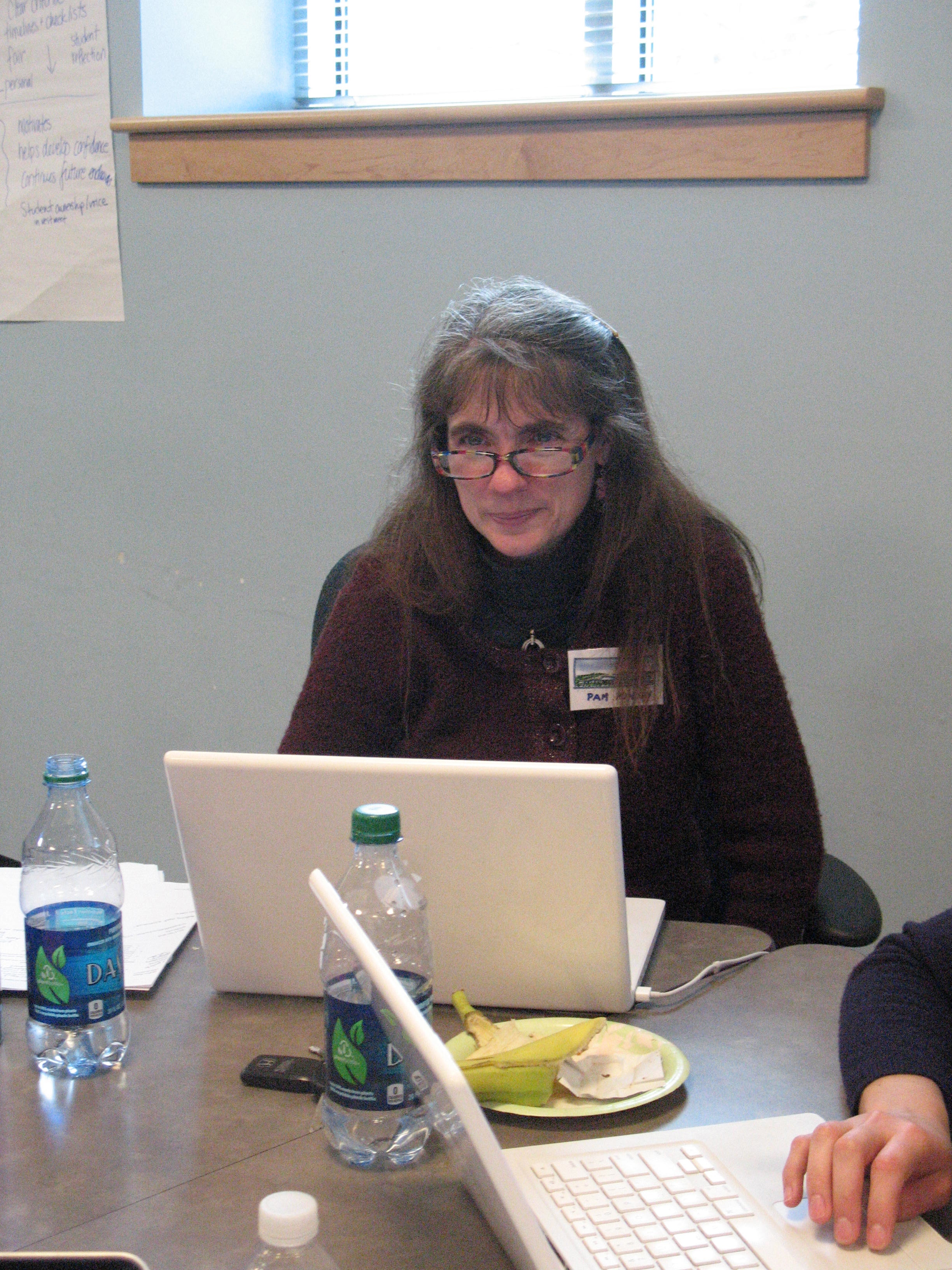
Aroostook county Music educator Pam Kinsey makes a statement!

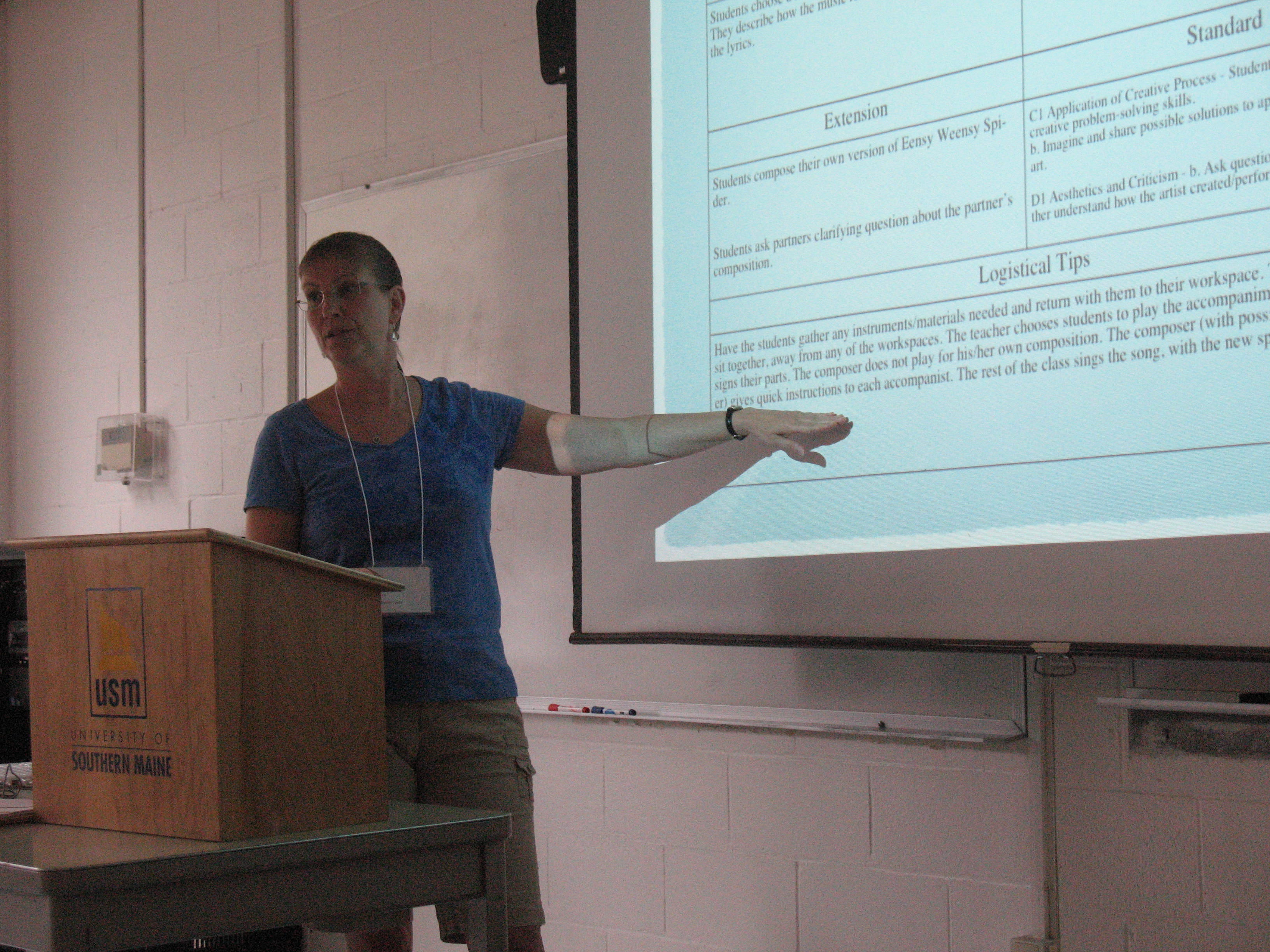
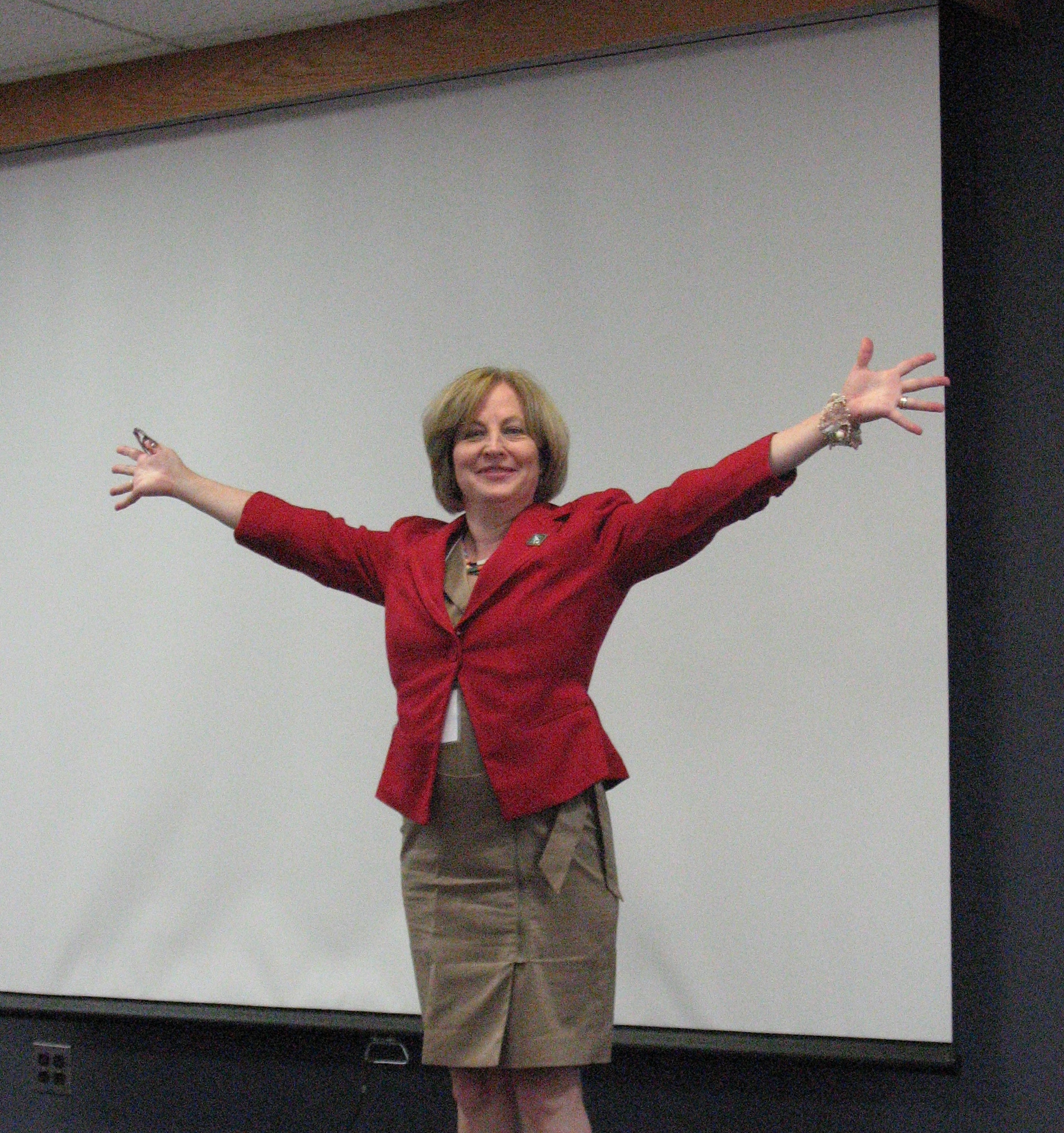
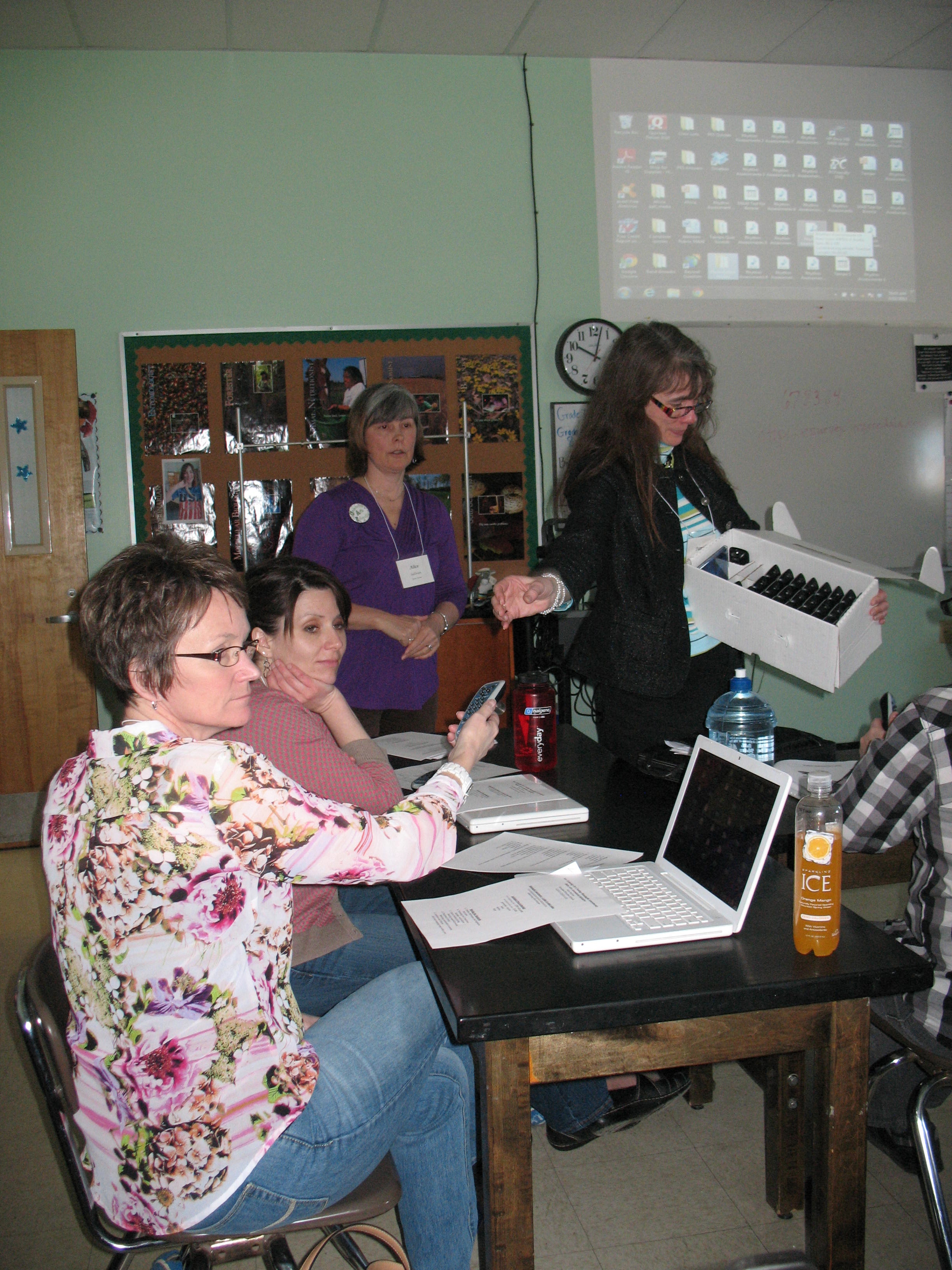
The following post was contributed by K-12 music educator Pam Kinsey who teaches in Easton, Maine. Easton is in Aroostook county, about a 20 minute drive east of Presque Isle. There are several arts educators in Maine who teach K-12, many in rural areas. The Maine Arts Assessment Initiative (MAAI) makes a commitment to all arts educators in Maine providing professional development opportunities for rural, urban, and everything in between. Pam has served on the MAAI leadership team for 2 years representing Maine Music Educators Association. The leadership team is thrilled that Pam will be attending the New England Summit on Arts Education at USM, July 29, 30, 31 and August 1. This is Pam’s first summer joining the professional development opportunity and we all hope that you can join us as well!

IMG_3233How to write a blog post? I guess you just start to write down your thoughts. Are you part of a small or rural school system? Are you a department of one? What do you think when they say (for professional development days):  ‘We are going to work by department” and you think ‘hmmmm….me, myself and I—again. What if you could be part of a team? Perhaps develop curriculum and rubrics, lesson plans and grading strategies with others from your discipline? Tackle standards-based learning outcomes with someone who has the same struggles and celebrations that you encounter on a daily basis? The Maine Arts Assessment Initiative (MAAI) probably has something for you! For many years (over 20!)

I have been a department of one. The neighboring town now has a music department of one and the communities two over from my district each have music departments of one. What a great idea if we could all collaborate to create meaningful instruction that aligns at least with one another as we pore over new curriculum expectations and standards-based outcomes? Often, our populations are transitory and some students travel freely from district to district, depending on a parent’s current situation. I, for one, would love to avoid the gaps that all of this moving can create for students, as well as a seamless flow of curriculum through the grade levels for students that don’t move around. I would like to do this in a group of more than one!

The MAAI is responding to feedback and offering the ‘New England Summit on Arts Education’ this summer, July 29, 30, 31, USM, Portland, and it has opportunities for individuals and teams to work together to problem solve these and other aspects of teaching and learning for our students in the arts. I already have a few choices in mind of other music educators that I can contact and I can only hope that they will share my interest. If not, I know that when I attend I will still find others who share my concerns and attitudes toward wanting to provide the best education in the arts that I can and these people will become part of my learning community. Either way I am sure it will be a win-win opportunity for my students and for me!

IMG_2908For more information on the New England Summit please go to http://mainearts.maine.gov/Pages/Education/NESummit#. Registration is now open with an early bird discount for those who register by May 30. The Summit is being customized to meet your needs. There is a team discount for those who register with at least from a district. The team strand is not only open to PreK-12 district Visual and Peforming Arts teachers and classroom teachers, but also to administrators, teaching artists, community cultural organizations or institute members, parents, and/or school board members. Check out the link above to learn more.

If you are interested in joining the MAAI as a teacher leader please attend the 3-day Summit and the additional day for teacher leaders only, August 1. If you have questions about the Summit and/or being a teacher leader, please contact Argy Nestor at argy.nestor@maine.gov.

h1

The Ant Girls

April 17, 2014

UMaine, Lewiston

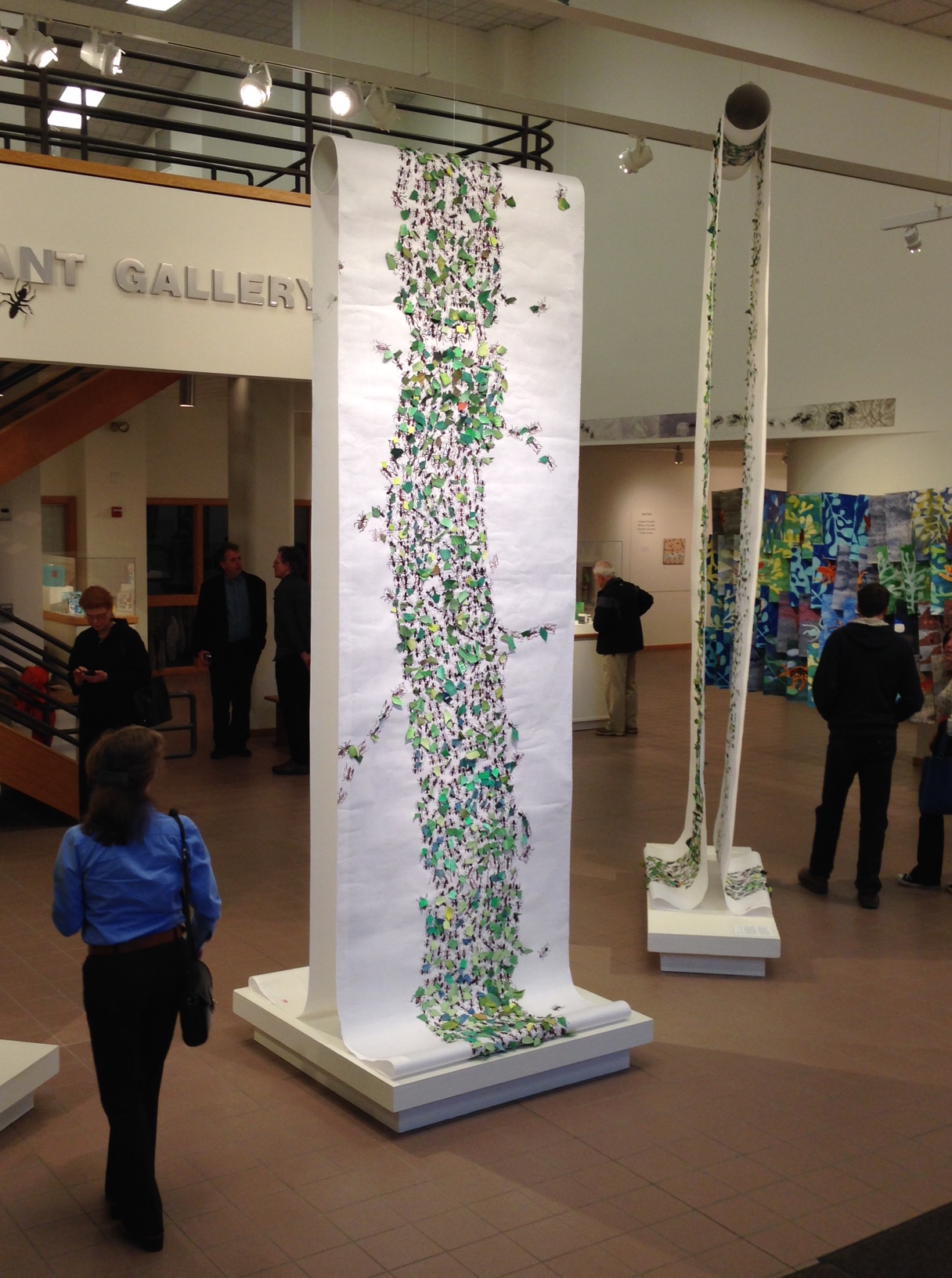
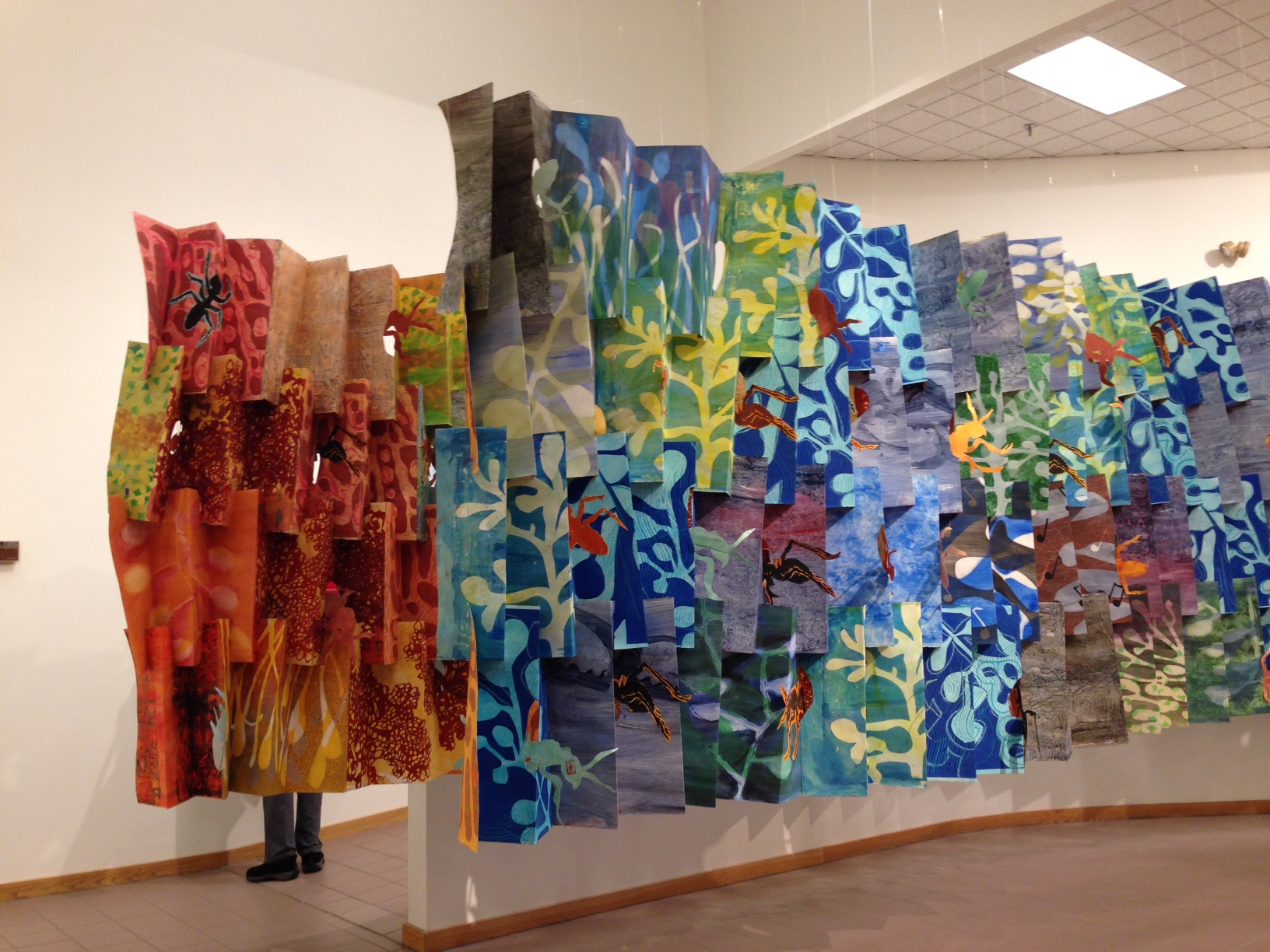
The University of Maine, Lewiston campus is the site for an art exhibit called Ant Farm. The Ant Girls are artists Dorothy Schwartz, Rebecca Goodale, Vivien Russe and Colleen Kinsella. These 4 Maine based artists have been collaborating to merge art and science through the visual exploration of leafcutter ants. The Atrium Art Gallery, 51 Westminster St., Lewiston is the exhibit location and will remain until June 6. The show is a great example of the connection of art and science and would be an excellent exhibit for students to visit.

If your school has limited funding for field trips please note that the Maine Arts Commission Ticket to Ride funding is still available and this is a perfect opportunity for your school to apply for the funding. Information and details are located at https://mainearts.maine.gov/Pages/Education/Ticket-to-Ride.

I am delighted to think that Ticket to Ride funds can be used for this–it is such a creative explosion of science and art put together by 4 artists working in different mediums plus a soundtrack! ~Carolyn Wollen

Artist Dorothy (Deedee) Schwartz passed away in March but her husband, musician Elliott performed at the Ant Farm opening this past week with musicians Caleb Mulkerin and Colleen Kinsella. Elliott and Caleb composed the piece “Ant Girls” for the show.

You can read the Ant Girls blog to learn more. Included are more photos of the exhibit, and listen to the sound tracks of the piece that Elliott and Caleb composed at http://antgirlsmaine.blogspot.com/.


photo 2

photo 3


I am delighted to think that Ticket to Ride funds can be used for this–it is such a creative explosion of science and art put together by 4 artists working in different mediums plus a soundtrack!

h1

Lisa’s Room

April 16, 2014

Madison Elementary School

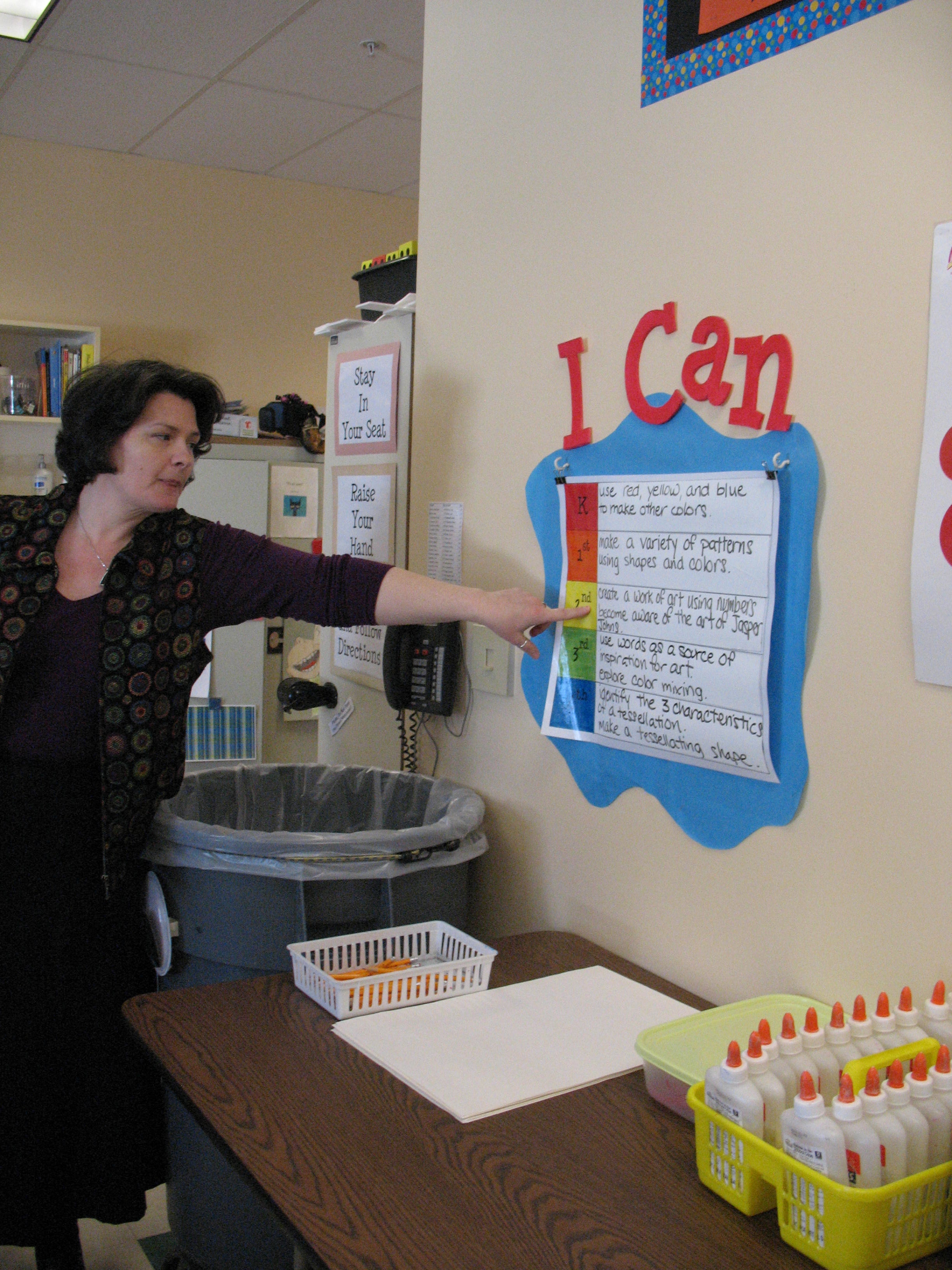
Not to long ago I had the privilege of visiting Lisa Ingraham’s art classroom at Madison Elementary School. Lisa teaches K-5 students and her room certainly reflects her love of teaching but more importantly it is arranged for student success. The colors, organization, age appropriate visuals, and every detail is about the age of her students. Her lessons were spot-on incorporating literacy in multiple ways that enhance the visual art curriculum.

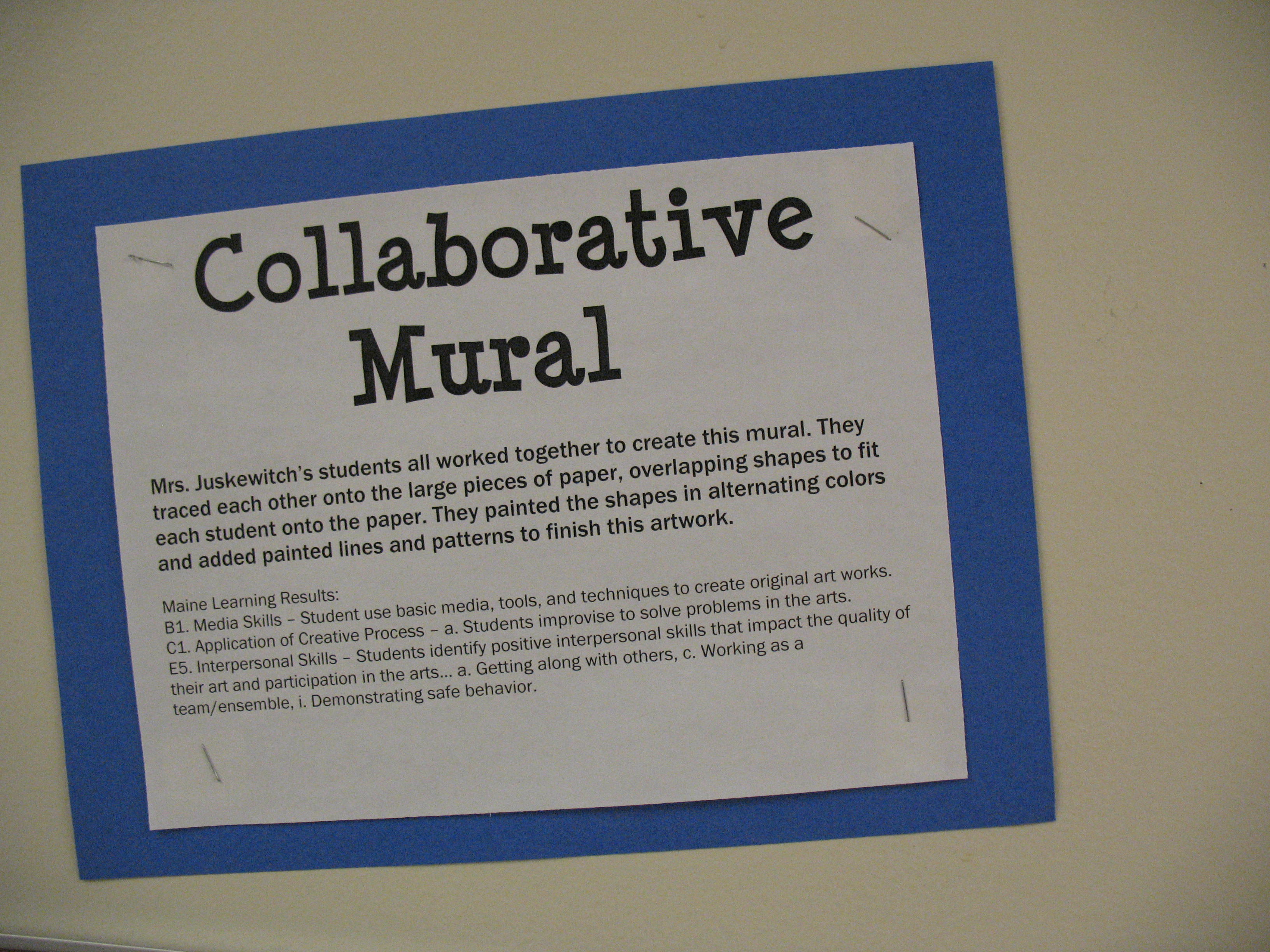
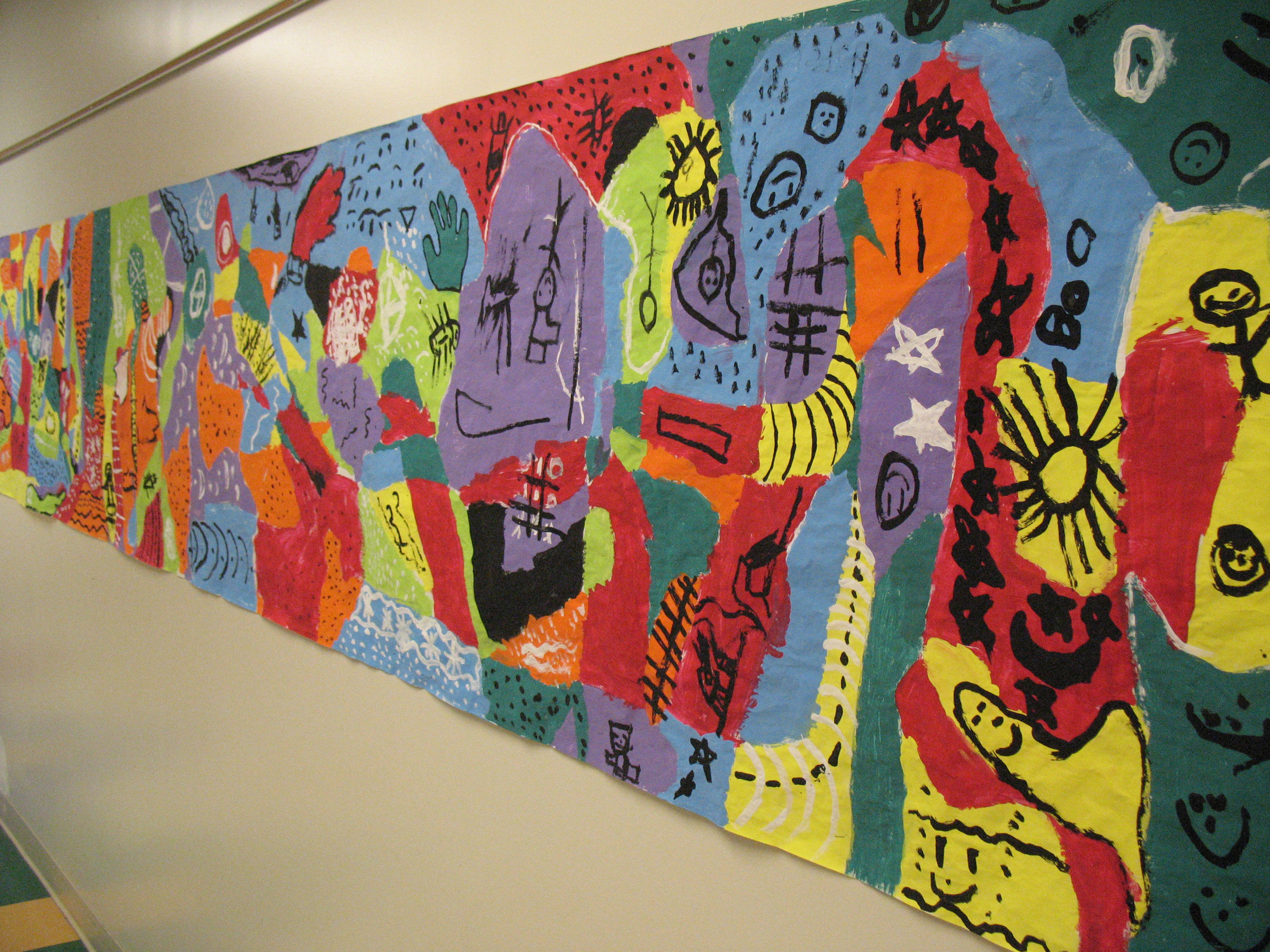
IMG_4012Not only was her classroom amazing but the school was alive with artwork. Every hallway, outside of every classroom she had shown evidence of a standards-based art environment. With each display, an explanation of the lesson.

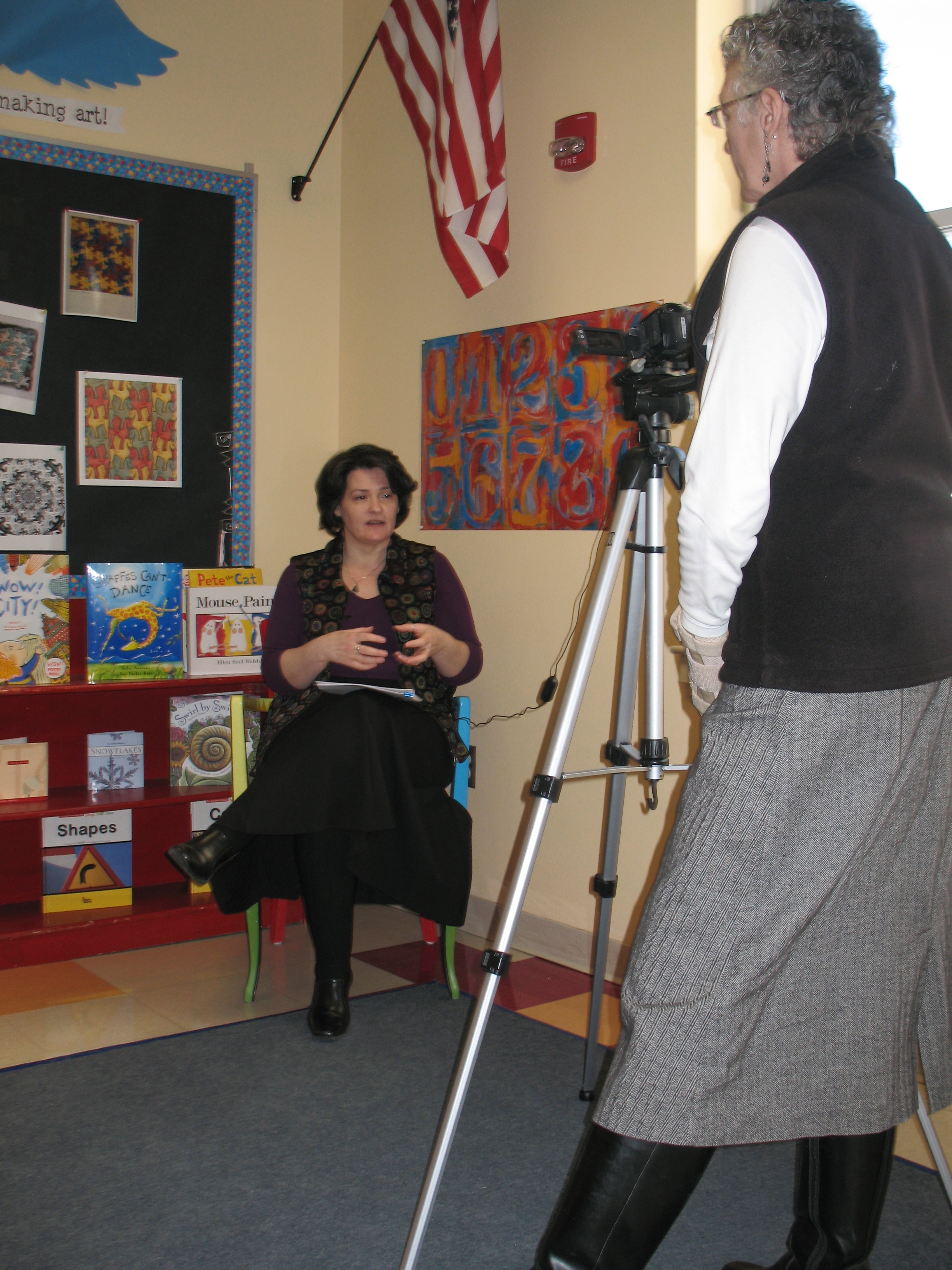
IMG_4040IMG_4041Debi Lynne Baker and I were visiting to video tape Lisa in action for one of the 8 videos that the Maine Arts Assessment Initiative is creating as a resource for educators. It was a pleasure to meet and speak with Lisa’s colleagues as they articulated what Lisa does in her standards-based classroom and why her students are fortunate to have her as a teacher. Not only are her students fortunate but we heard multiple times how fortunate the community is as well.

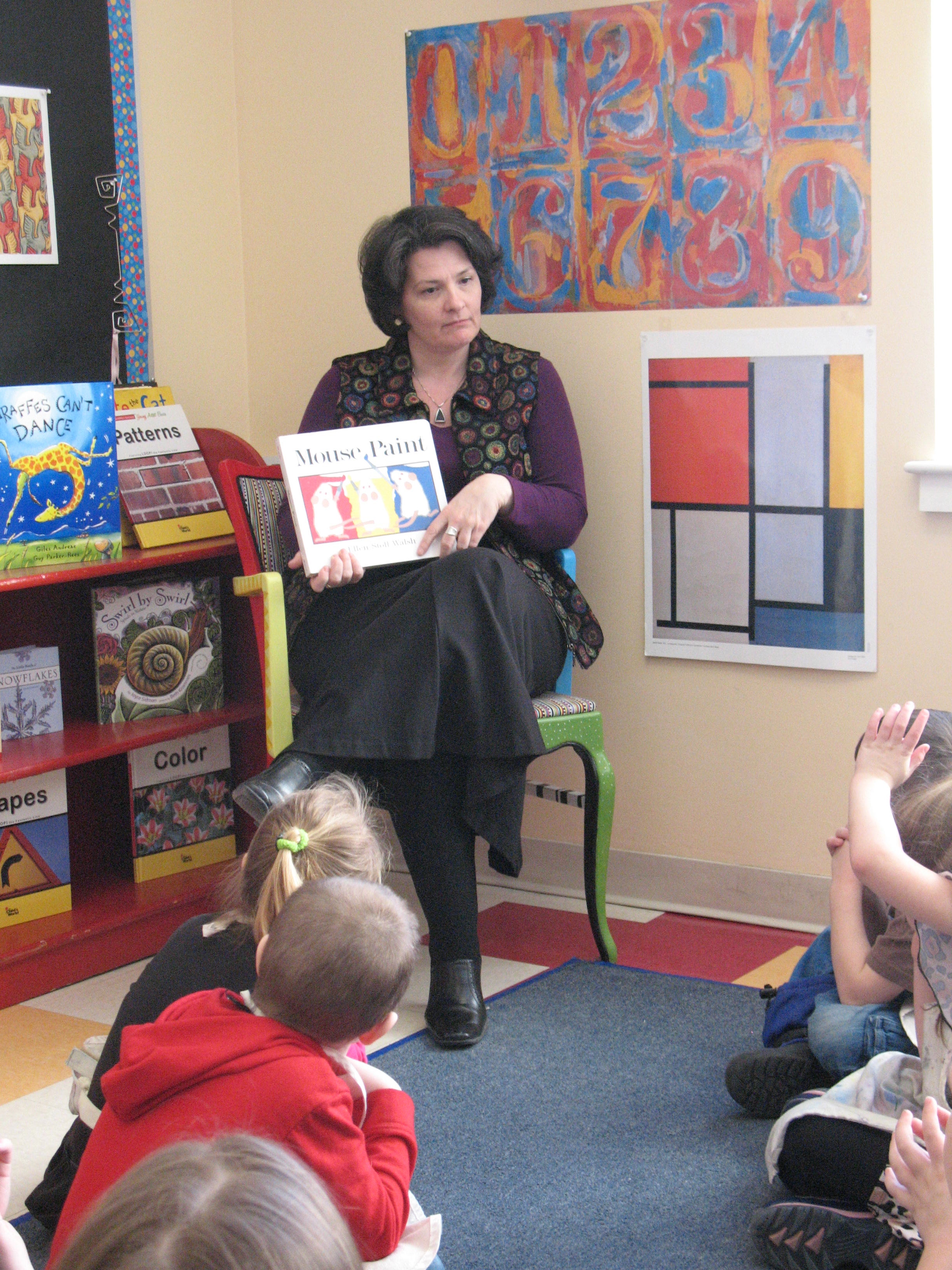
IMG_4077One favorite part of the visit for me was learning about the book called “Mouse Paints”. If you teach early elementary school and color mixing it is a book that I highly recommend. As a follow-up to our visit Lisa was asked to present to the school board. Her information was very well received!

Lisa became involved in the Maine Arts Assessment Initiative during phase 3 and has served as a Teacher Leader. She is also the secretary of the Maine Art Education Association. Last Saturday she facilitated a round table discussion on Teacher Effectiveness and Evaluation. MAEA is writing a position paper on the topic so the information that art teachers shared was very helpful in that endeavor.

IMG_4028Thank you to Lisa for the opportunity and for the important work you do each day providing a quality arts education for the students of Madison Elementary School.

IMG_4089


h1

Another Teacher’s Story: Patti Gordan

April 15, 2014

Raymond Elementary School music educator

This is the sixth blog post for 2014 and the third phase of the Maine Arts Assessment Initiative of this series sharing arts teachers’ stories. This series contains a set of questions to provide the opportunity for you to learn from and about others. I had the pleasure of visiting Patti’s classroom last week; grade 5 and 6 strings and kindergarten general music class. It was a wonderful morning. I was reminded of the combination of skills it takes to be an elementary music teacher. The fast pace of the class, the attention to the needs of small children, and the energy level is truly amazing. All of this with music learning at the heart!

IMG_3609Patti Gordan has been teaching for 31 years, the past 30 of those years in Raymond.  For the last four years Raymond has been part of RSU#14, Windham/Raymond, so she now also teaches in Windham. During her 31 years she has taught K-8, General Music, Chorus, Band and Orchestra.  Her present assignment is K-4 General Music, 3rd/4th Grade Chorus and 5th & 6th Grade Orchestra. Patti is teaching approximately 350 students.

What do you like best about being a music educator?

 I love watching my students’ faces light up when they are feeling the joy of expressing themselves through music.  I love their enthusiasm and their eagerness. Music means everything to me and I love sharing that with my students.

What do you believe are three keys to ANY successful visual and performing arts education?

The most important key to success is be passionate about teaching and to continually improve my craft. I am always striving to learn. The second key to success is to have “decision makers” (administration, parents, school board) who are committed to providing best practice in arts education for our students. The third key to success is to have the time and resources necessary to provide best practice.

How have you found assessment to be helpful to you in your classroom?

Before I began authentic, individual assessment of my students’ singing skills in General Music class I assumed that most of my students could match pitch in their full singing range. After all, when I listened to the class as a group it sounded pretty good. When I started assessing them individually I was shocked to discover that approximately 25% of my students were carrying the rest of the class. I started using these individual assessments to inform my instruction and also started having the students do self-assessments of their singing skills so that they could make their own plan for improvement. The percentage of students who can match pitch in their full singing range has risen to 85% by the end of 3rd grade.  I have expanded these methods to assessing their beat/rhythm skills and literacy skills as well.

What have been the benefits in becoming involved in the arts assessment initiative?

It has been very exciting to meet other arts educators with the same passion for improving their teaching and assessment methods. I have loved bouncing ideas off of the other teacher leaders and I come away with new energy and enthusiasm every time we meet.

What are you most proud of in your career?

I guess I’m most proud of always wanting to learn more about being a music teacher. I’ve never felt like I know all I need to know. If ever I’ve begun to feel that way I’ve always then gained a bit more wisdom to realize I still don’t know what I’m doing. I am also proud of helping 30+ years of students experience the joy of music. I now teach many children of former students and I am so happy when I hear those parents share fond memories of music class and when they express their happiness that I will be teaching their children.

What gets in the way of being a better teacher or doing a better job as a teacher?

I get frustrated when I hear lip service that the arts are just as important as math and ELA, that they’re “CORE,” but then are not treated as equal. The truth is that there is no way that any K-4 General Music teacher, no matter how expert, can give students a true, standards-based music education, using the Maine Learning Results or the new Common Core Standards, in 45 minutes per week.

What have you accomplished through hard work and determination that might otherwise appear at first glance to be due to “luck” or circumstances?

From 2000 to 2010 I worked with a group of teachers and administrators at my schools that were dedicated to providing quality arts education programs to students in Raymond, through sufficient class time, resources and optimal schedules.  By 2010 students had music class twice a week for 45 minutes in grades K & 1, and 5 through 8, and once a week for 45 minutes plus a 30-minute chorus rehearsal, during the school day, for grades 3 and 4, and a remedial singing class in addition to their regular 45-minute General Music class for 2nd graders who were having trouble finding their head voice or matching pitch. Sadly, since consolidation, some of that has been chipped away.

Look into your crystal ball: what advice would you give to teachers?

Keep learning! It’s the best way to stay fresh, prevent teacher burnout and give your kids the best possible experience.  Also, keep trying to make little improvements in your program. It can be overwhelming to look at your program as it is and think of what it should be. Plug away, bit by bit to improve the students’ experience and before you know it, 30 years later, your program will have grown by leaps and bounds!

If you were given a $500,000.00 to do with whatever you please, what would it be?

Too bad you can’t buy time. I’d get my masters degree, buy a bunch of small violins to give my 3rd or 4th graders a “pre-orchestra” experience, buy more puppets for General Music class (you can never have enough puppets.), buy some additional technology for the music room, pay some bills and take some trips (Scotland, Germany, camp across America).

Imagine you are 94 years old. You’re looking back. Do you have any regrets?

No. If you can’t fix it, regrets are a waste of time. Learn from the experience and don’t’ make the same mistakes again.  Make new ones.

I’ll probably be one of those little old ladies who gives music lessons and home baked cookies.


h1

High School Scholarship

April 12, 2014

Maine Art Education Association

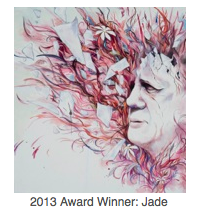
The deadline for the high school scholarship application is May 1. Each year these awards are made after using a rubric to  Screen shot 2014-04-11 at 9.36.39 PMscore electronic artwork. Yarmouth art educator and MAEA board member serves as the Recognitions Chair. If you have questions please contact her at holly_houston@yarmouthschools.org. The information is below and the application and rubric are located at http://www.aeforme.org/MAEA/Recognitions.html.

Who may enter?

You must be:

  1. A high school senior attending a school in Maine
  2. Currently enrolled in a visual arts class
  3. Nominated by a teacher who is a current member of the Maine Art Education Association
  4. Pursuing a degree in Fine Arts or Design fields

How much is the scholarship and how is it awarded?

$500-$1,500 will be awarded directly to the student upon receipt of proof of the successful completion of the first semester of post-secondary school. The scholarship shall be forfeited if the above criteria are not met within the first year after graduating from his or her Maine High School.

How many scholarships are awarded?

Typically, one award will be presented annually. However, if the scholarship fund allows, a second award may be issued to a second qualified candidate.

What are the requirements?

  1. Personal Information Form including:
  • Contact information
  • Where you plan to go to school (2 or 4 year college or university)
  • Current GPA (un-weighted)
  • A list of high school arts classes and name of art teacher(s)
  • A list of activities, leadership, awards, and honors
  • A list of, community service and employment
  • A letter of recommendation from your nominator (current MAEA member.) Must include: Evidence strength in academics and character and Evidence of accomplishments
  • 2. An artist statement (no more than 500 words) that addresses: Your artwork: motivation, process and product and Why you wish to pursue a college degree in art
  • A disk of images including: (The disk becomes property of MAEA and will not be returned. Artist retains all copyrights to imagery.)
  • 10 jpeg images: 72dpi-2mb – labeled by title (at least two from direct observation)
  • A .doc or .rtf file with the name/title, media, and dimensions of the original work                                                        Important to note! By submitting an application you agree that images of your artwork may be used in MAEA publications, announcements, and websites.

When is the application due?

The application must be postmarked by May 1st. Metered mail is NOT eligible (meters can be turned back)

How will my entry be judged?

The MAEA High School Scholarship Rubrics can be found on the MAEA website: www.mainearted.org

How and when will I know if I was selected?

You will be notified by mail no later than June 1st.

The recipient(s) of the scholarship will be posted on the MAEA website on June 1st.

Where do I send my application?

holly_houston@yarmouthschools.org (Write: MEAE Scholarship in the subject line!) Once your information has been received you will get an email confirmation. Assume that if you do not receive confirmation, your application has not been received!

Or mail to MAEA High School Scholarship, PO Box 10462, Portland, ME 04104

Questions?
Contact Holly Houston at holly_houston@yarmouthschools.org.

h1

Julie Richard Remarks

April 9, 2014

ARTS EDUCATION DAY 2014

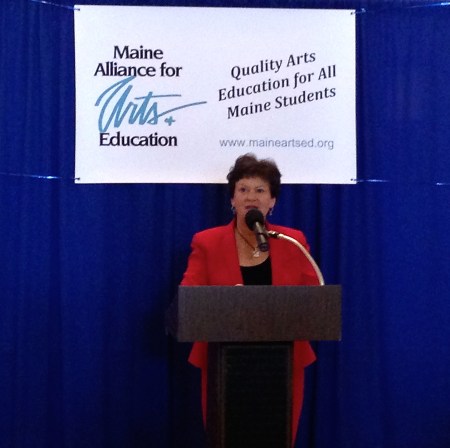
These are the remarks that Executive Director of the Maine Arts Commission, Julie Richard presented at Arts Education Day at the State House, Augusta, April 2, 2014.

Arts Education Day_1869 copy

I have been in Maine for about a year and a half and I feel like I am finally getting settled in. Even though this winter has been endless… Having moved here from Arizona, the transition has been quite something!

Arts education has always been a passion of mine. I am a product of a strong school music program which guided my desire to study voice in college and later arts administration. Without band and chorus every day, I would not have made it through high school. Yes, I had both every day – all through junior high and high school. That is not something most of our schools anywhere in this country can boast.

When I was interviewing for this job, I was asked to provide my vision for the future of the arts in Maine. Providing strong arts education programs in ALL of our schools was at the core of my message. Without the arts in our schools, our students will not have the critical thinking skills, creativity, problem solving abilities or poise to lead the creative economy of the future. Let alone developing musicians that can lead our orchestras, artists that can fill our galleries or dancers that can stretch our imaginations.

When our leaders talk about creating jobs and investing in science and technology – without including the arts – they are leaving out the most critical component – the creativity that drives the ideas and inventions that have built our country.

It is critical that we make STEAM – part of our vernacular. Let’s take STEM – Science, Technology, Engineering and Math – and add the A for arts – to ensure that our students are developing all parts of their brains so that Maine’s future economy can thrive.

When I hired Argy Nestor – our new Director of Arts Education – from the Department of Education to lead our arts education initiatives, I made a conscious decision that arts education would be a key and critical component of our future and that we would do whatever we can to strengthen arts education in our schools. From providing professional development for arts educators to make them the best they can be to conducting research like the Arts Education Census to know exactly who the haves and the have nots are in our state. We need to make sure that we work together to be successful.

Last summer, the Maine Arts Commission and the Maine Department of Education finalized a Memorandum of Understanding that ensures that our two departments will work together to achieve our goals. We are committed to doing the best we can for our State’s students and our educators. Thanks for coming today and supporting arts education in our state.


h1

Another Arts Teacher’s Story: Linda McVety

April 8, 2014

 MSAD#61 Lake Region School District Music Educator

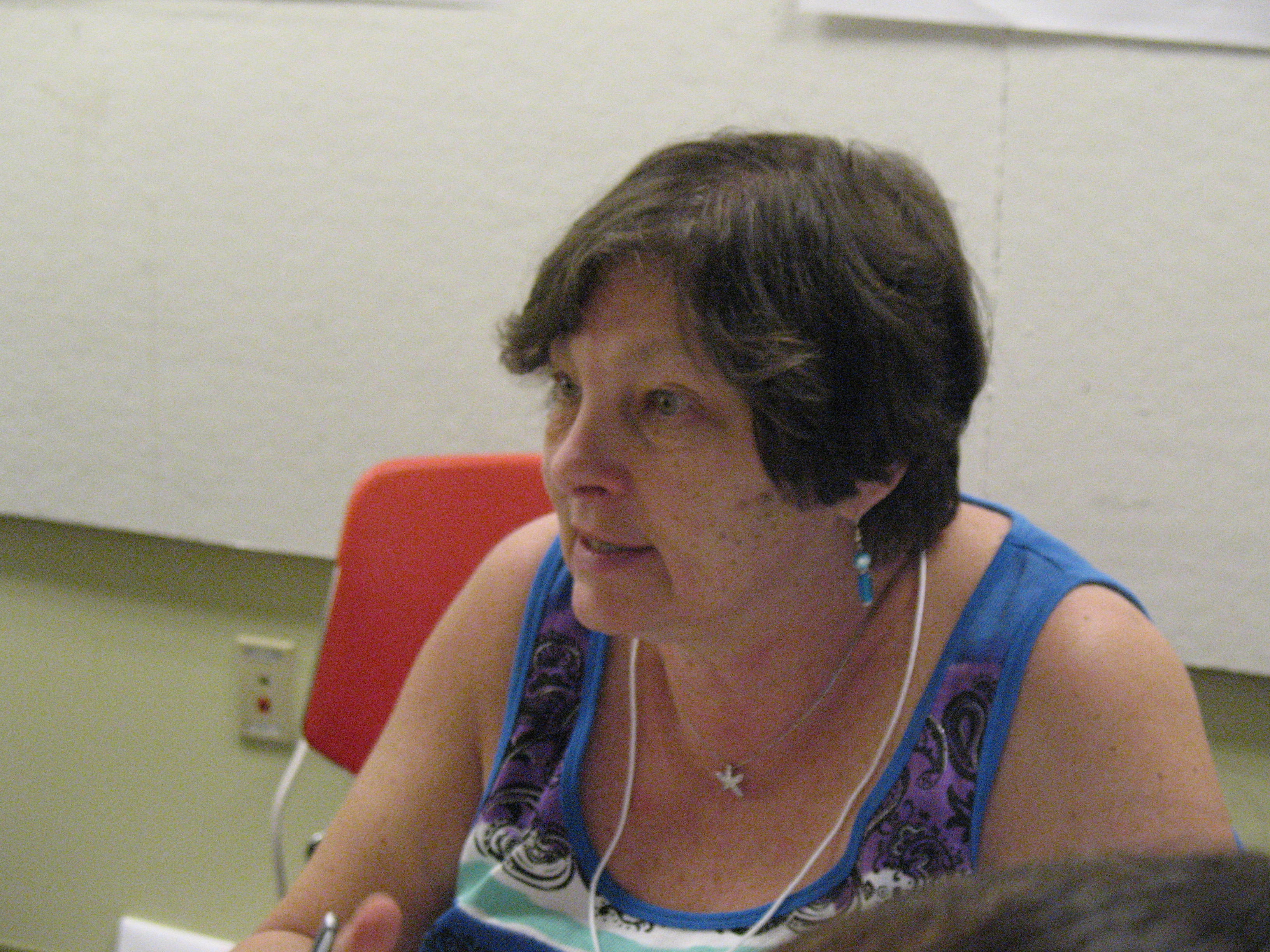
This is the fifth blog post for 2014 and the third phase of the Maine Arts Assessment Initiative of this series sharing arts teachers’ stories. This series contains a set of questions to provide the opportunity for you to learn from and about others.

IMG_3477Linda McVety is the K-5 general music and grade 3 literacy intervention teacher at MSAD #61, Laken Regiona School District. She has been teaching for 34 years and 25 in her present position at the Songo Locks Elementary in Naples. Population: 495 students.

What do you like best about being a music/art/drama/dance educator?

The best part about being an elementary music teacher is that I have the potential to reach children and give them the gift of music. When asked what I teach I always say “I teach children first.” I can have fun every day and give joy through music to children that may not have a lot of positive in their lives. I want my students to realize that they will have music throughout their lives.

What do you believe are three keys to ANY successful visual and performing arts education?

  1. Support from administration and community
  2. A teacher that believes in the importance of the arts in every child’s education
  3. A teacher who understands the way children learn and can develop his/her lessons and assessments to reach most of her students.

How have you found assessment to be helpful to you in your classroom?

  1. It helps to keep me organized and focused on the goals that I want to accomplish at each grade level
  2. Rubrics help me empower my students to take ownership of their learning

What have been the benefits in becoming involved in the Maine Arts Assessment Initiative?

Sharing and communicating with arts colleagues has been invaluable. I have been able to see what programs are around the State of Maine and have a give/take relationship with my colleagues.

What are you most proud of in your career?

Watching students have that “aha” moment-that says “I love this music” or “I understand this music”. Showing my students my love for playing the cello.

What gets in the way of being a better teacher or doing a better job as a teacher?

  1. All of the extra duties
  2. Attitudes of people who only think of the arts as a “prep” time and not as a valuable part of the educational community
  3. No enough time to plan and put valuable lessons together

What have you accomplished through hard work and determination that might otherwise appear at first glance to be due to “luck” or circumstances?

Having 3 wonderful and successful sons is my #1 accomplishment!

Students that come to school because they love music class.

Look into your crystal ball: what advice would you give to teachers?

  1. Learn discipline techniques but find a way to have fun
  2. Learn and practice collaborating with classroom teachers-find the time to communicate with them
  3. Find another arts colleague to bounce off ideas with and design lessons with-don’t keep yourself in isolation
  4. Go to workshops created by other arts educators-never stop learning

 If you were given a $500,000.00 to do with whatever you please, what would it be?

 I would take a few students around the world to see music, art and dance in different cultures.

 I would buy instruments for students who could not afford them.

 Imagine you are 94 years old. You’re looking back. Do you have any regrets?

Sometimes I forgot to use music as my own saving grace and distressing mechanism. I don’t regret anything in raising my wonderful sons and giving them great educational opportunities, however I do regret not traveling to see more of the world.


h1

Common Core and the Arts Webinar

April 7, 2014

Maine Arts Assessment Initiative Webinar to be held – April 8

Rob Westerberg and Catherine Ring will be hosting their second webinar in a series of four for 2014 as part of the Maine Arts Assessment Initiative (MAAI).  The webinar entitled Common Core and the Arts will take place on Tuesday, April 8, 2014 from 3:30 – 4:30.  Primary discussions will be based around:

  • Clarification of Common Core, it’s origins and implementation
  • Connections to Visual And Performing Arts
  • Ramifications for our programs

The overarching goals of this webinar will be to demystify the Common Core as it pertains to Arts programs in Maine. Strategies for linking with it as well as strategies for maintaining and building on our capacity to reach our own students in our own subject areas will be discussed as well.

Guests will include ….

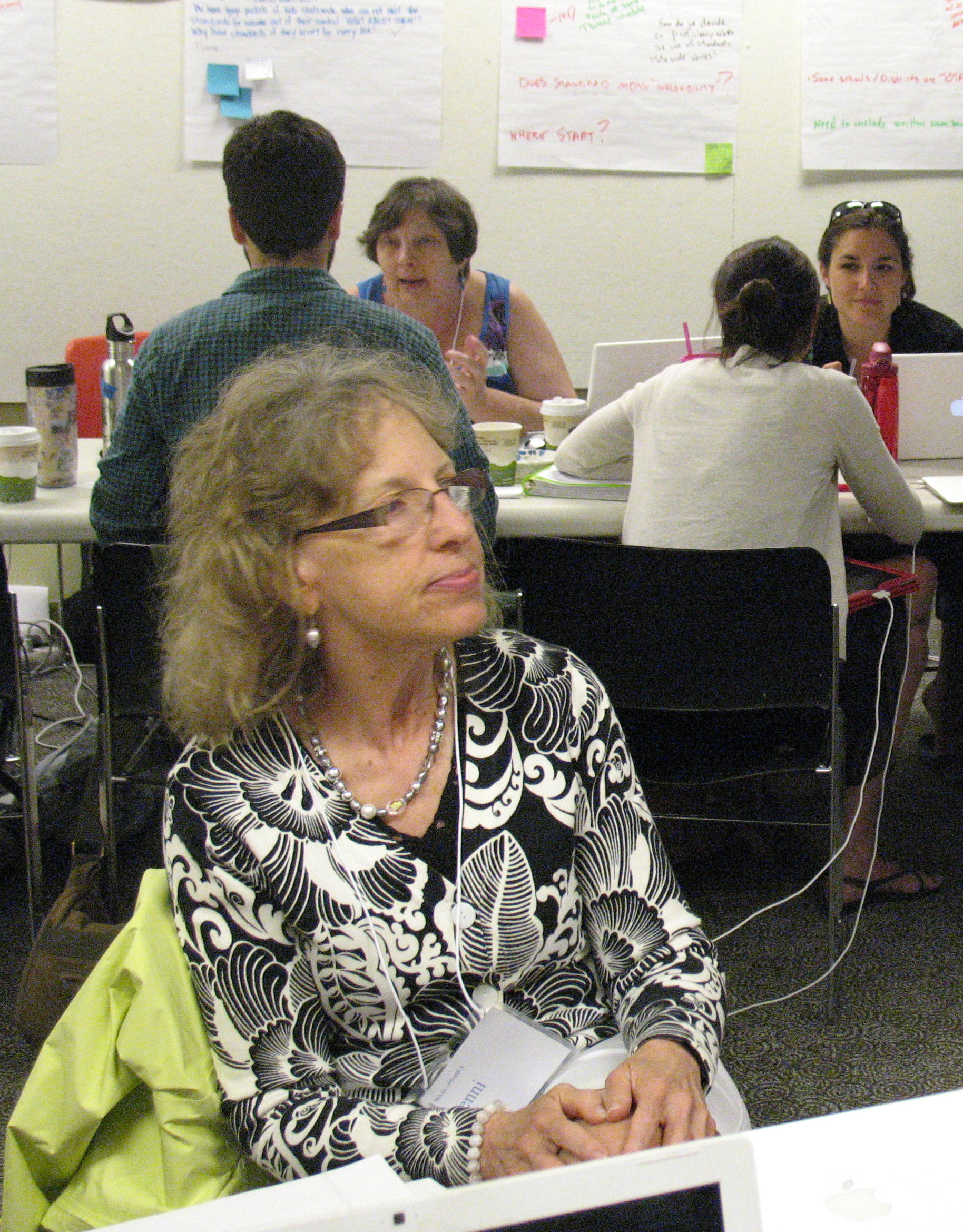
Marcia McCaffrey, Arts Consultant from the New Hampshire Department of Education and Jenni Null, Fine Arts Coordinator, School Administrative District #61 (Lake Region School District: Bridgton, Casco, Naples, Sebago). The duo will provide valuable ideas, information and food for thought!

IMG_0012

Marcia McCaffrey

Jenni Null

Jenni Null

To join the meeting, go online to http://stateofmaine.adobeconnect.com/maaiapril2014/. Please click here for more information about other webinars and the Maine Arts Assessment Initiative. For best success please join the system 10 minutes early to make sure you can hear, and use a hard-wire connection (not wireless).

Please be sure to join for what promises to be an engaging, insightful hour on the topic that will continue to impact every one of us as arts educators in the state of Maine! One contact hour is available for participating. If you miss the session live it will be archived afterwards for your viewing. Please watch the blog for the link to it.

Screen shot 2014-04-04 at 12.20.10 PM

Rob Westerberg and Catherine Ring

Maine Arts Assessment Initiative, an initiative of the Maine Arts Commission and the Maine Department of Education, with partners: ACTEM (Association of Computer Technology Educators of Maine), District 3 Music Educators, MAAE (Maine Alliance for Arts Education), MAEA (Maine Art Education Association), MECA (Maine College of Art), MMEA (Maine Music Educators Association), MLTI (Maine Learning Technology Initiative), New England Institute for Teacher Education, and USM (University of Southern Maine).


h1

Bay Chamber Concerts and Music School

April 4, 2014

Rockport, Maine

Screen shot 2014-03-23 at 10.46.14 PM

YOUNG STARS OF MAINE PRIZE PROGRAM For more than 50 years, Bay Chamber  Concerts and Music School has had an annual prize program to recognize, encourage, and reward young Maine music students who are serious in their study and performance of music. Prize awards are $1,000, in eight categories, for individuals and ensembles ages 11-25.

Please note the following deadline dates:
Friday, April 18, 2014: Application Deadline
Saturday, May 3, 2014: Live Auditions
Sunday, May 18, 2014: Young Stars of Maine Concert at the Rockport Opera House

Prize Categories:
The Eleanor Erdman and Diane Nixon Vocal Excellence Prize of $1000
Open to solo vocalists
Age minimum: 12 years old, Age maximum: 25 years old.

The A. H. Chatfield, Jr. Piano Prize of $1000
Open to solo pianists
Age minimum: 14 years old, Age maximum: 22 years old.

Summer Music Prize for Cello of $1000
Open to solo cellists
Age minimum: 15 years old, Age maximum: 24 years old.

The Jean and Harvey Picker Senior Prize of $1000
Instrumental or vocal, solo
Age minimum: 18 years old, Age maximum: 22 years old.

The Elsie Bixler Junior Prize of $1000
Instrumental, solo
Age minimum: 12 years old, Age maximum: 17 years old.

Ezra Rachlin Prize for Excellence of $1000
Instrumental or vocal, solo
Age minimum: 16 years old, Age maximum: 25 years old.

The Nathan E. Corning Jazz Prize of $1000
Instrumental or vocal, solo or group
Age minimum: 15 years old, Age maximum: 23 years old.

The Kathie Johnson Chamber Music Prize of $1000
Instrumental group of 3-8 players (shared prize)
Age maximum: 23 years old.

Members of any chamber ensemble must be from Maine; each group is limited to one non-Maine member. For more information please go to http://www.baychamberconcerts.org/

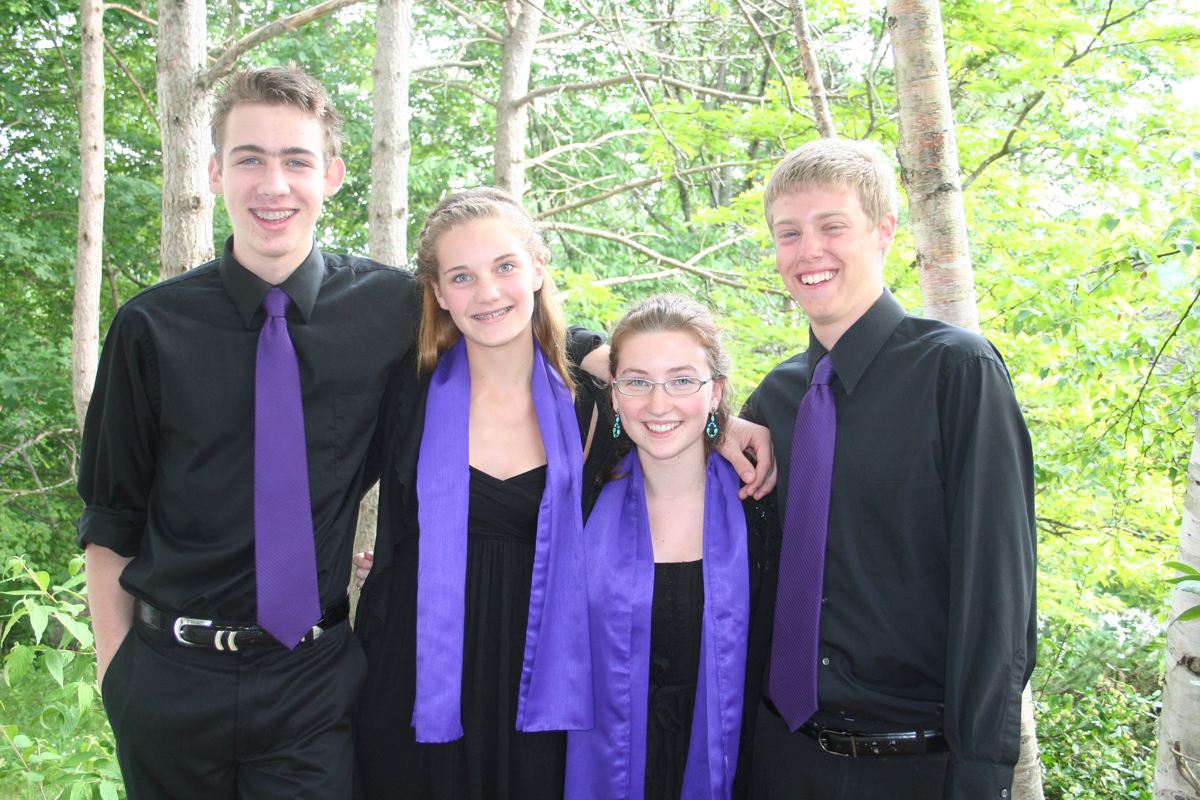
L to R .

Former recipients: Duncan Hall . Teal Vickery . Fiona Boyd . Sam McKenna