Posts Tagged ‘Maine’

h1

Stacking Wood

October 21, 2013

What’s it Like?

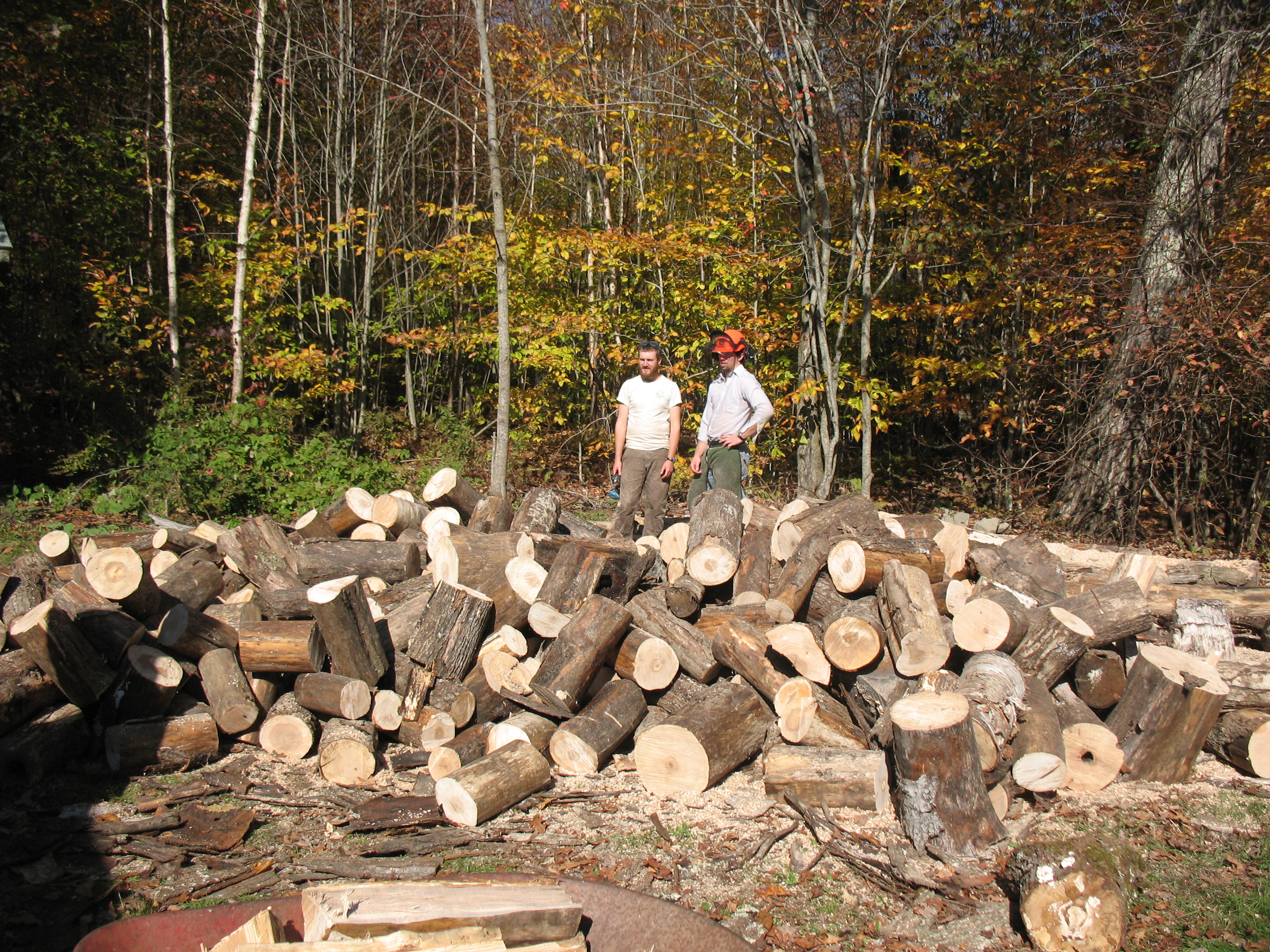
IMG_3654This weekend at my home we cut, split, and stacked our fire wood for the winter. It is an activity that I really enjoy, especially when the weather is just right. You might just ask so what is “just right” for wood stacking? Not too cold, not too hot, blue sky, and just the right amount of sunshine. We had it all this weekend. Stacking the wood is an activity that brings back fond memories of when my children were small and they would contribute and feel so useful as they carried their one stick of wood at a time to the wood shed. And, use their plastic chain saws to pretend they were cutting the wood. It brings a smile to my face as does their participation as ‘adults’. Instead of us inviting our friends to join us for a day of wood cutting and sharing a spaghetti feed at the end of the day, they bring their friends. What fun!
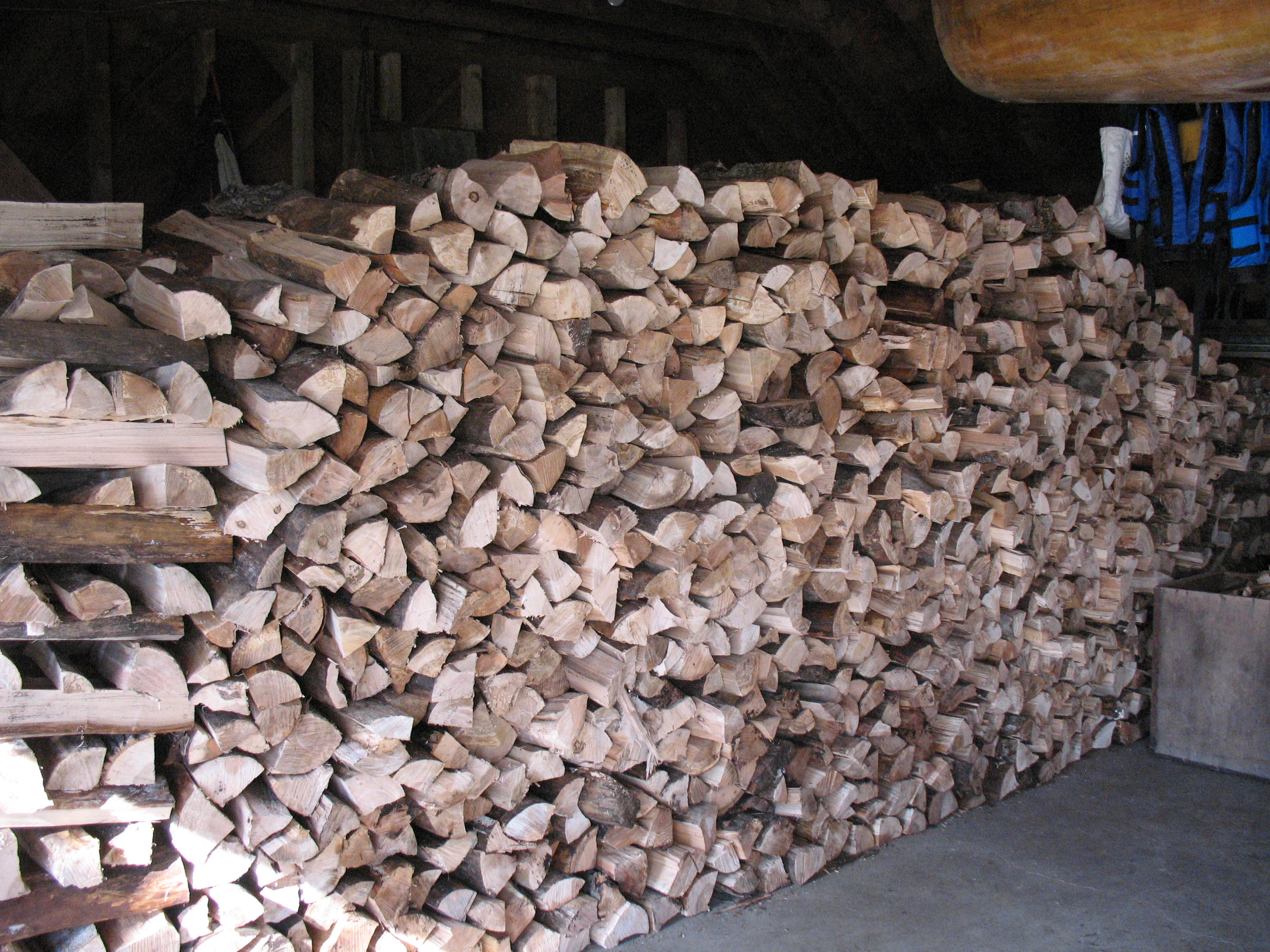
IMG_3665Cutting the wood gives me a great deal of satisfaction. Early in the process all the wood is sitting there staring me in the face and I wonder, will we get this done in the time planned? And the end of the day comes, I am feeling exhilarated that the task is accomplished!

It is not unlike the work of professional development planning for Maine arts educators. Teachers have to be in the right place with the right temperature to participate. This week is a big one for Maine arts teachers. And, all of you are invited to join in on the FUN! On the calendar this week:

  • Today, Monday, October 21 is the last day to contribute your feedback on the National Core Arts Standards high school draft that were released for public comment on September 30.  Download the draft and connect to the survey at http://nccas.wikispaces.com/. Thank you for contributing your opinion on the DRAFT.
  • Lynn Tuttle, Director Arts Education at the Arizona Department of Education, will be traveling to Maine to share information on the NCAS. This is a unique opportunity for Maine Arts Education.
  • The statewide conference Arts Education: Leading the Way will be held on Thursday, October 24 at UMaine, Collins Center for the Arts. It is not to late to register. The over 30 workshops topics are just what arts teachers are looking for. How do we know? Because the workshops are being presented by your colleagues from across Maine. Who knows better than your colleagues about your needs? It is not too late to register. Please (quick) go to https://mainearts.maine.gov/Pages/Media-and-Performing/Conference-Education for all the details.

I hope to learn that Maine’s contribution to the NCAS feedback has been plentiful and to see you at this Arts Education: Leading the Way conference! And, if you see me, please do tell me your “wood” stories!
h1

MDOE VPA Position

October 15, 2013

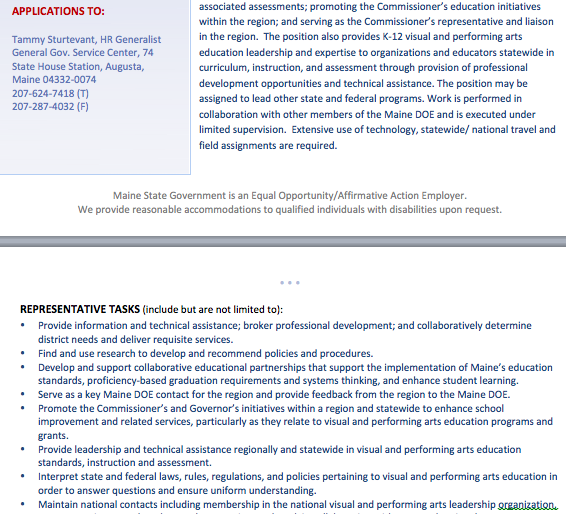
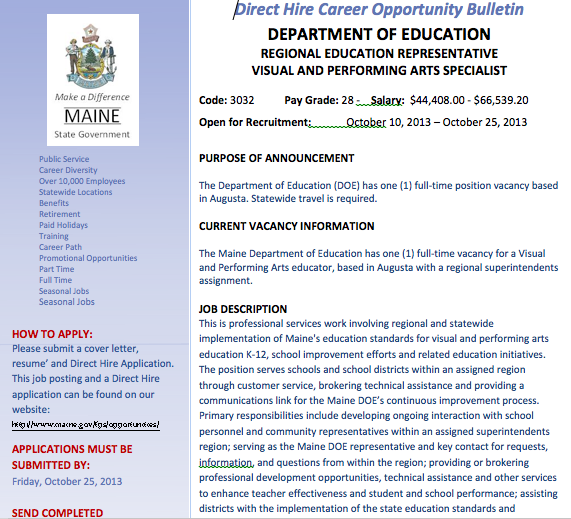
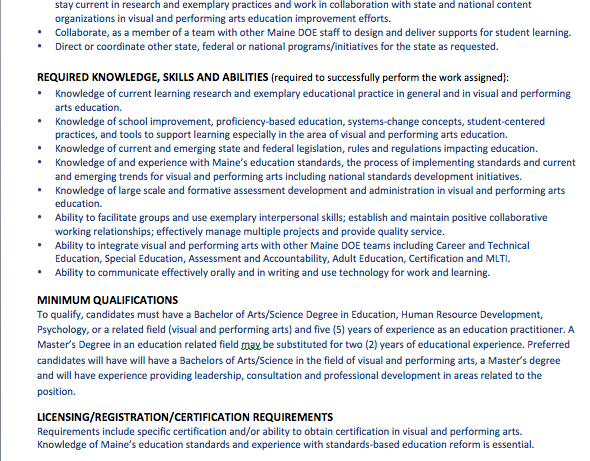
Visual and Performing Arts Specialist position, Maine Department of Education

The information below is the posting for the job at the Department that was mine until I left in September to go to the Maine Arts Commission. Since below is small, here is the information if you are interested in applying:

Submit a cover letter, resume and Direct Hire Application. This job posting and a Direct Hire application can be found at http://www.maine.gov/fps/opportunities/. PLEASE NOTE: The DEADLINE is OCTOBER 25, 2013.


Screen shot 2013-10-12 at 11.29.05 AM Screen shot 2013-10-12 at 11.29.53 AM Screen shot 2013-10-12 at 11.29.28 AM Screen shot 2013-10-12 at 11.30.13 AM

h1

Statewide Arts Ed Conference

October 14, 2013

Still time to register

There is still time to register for the biennial statewide arts education conference Arts Education: Leading the Way being held at UMaine, Orono, October 24, 2013. This is a great opportunity for you to learn what your colleagues from throughout Maine are doing in their standards-based arts classrooms.

Happening on Friday, October 25 and Saturday, October 26 is the Maine International Conference (MICA) on the Arts at the same location. Information for the MICA conference is located at https://mainearts.maine.gov/Pages/Media-and-Performing/MICA-LANDING.

The entire 3-day event is going to be chock full of great sessions, showcasing artists, and information! If you have questions please contact me at argy.nestor@maine.gov. Any questions specific to the MICA conference please contact Kerstin Gilg at kerstin.gilg@maine.gov.

Screen shot 2013-10-12 at 9.39.38 PM

h1

Cross Discipline Literacy Network

October 10, 2013

Online and face to face opportunities

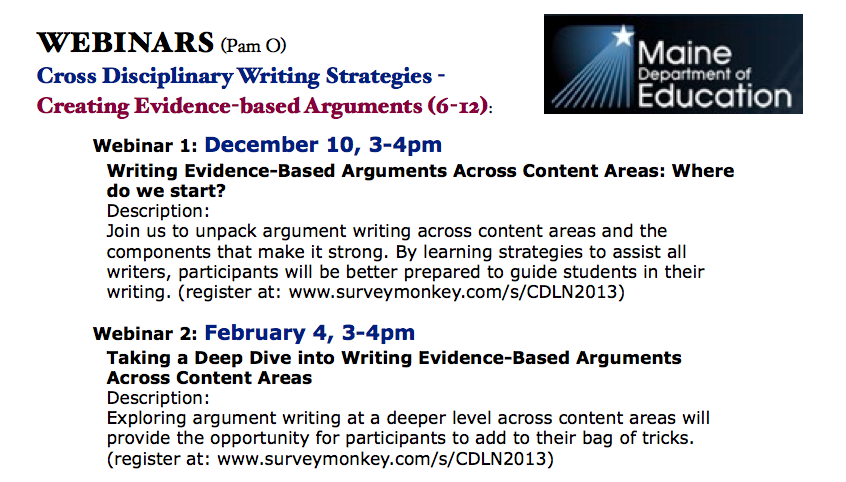
Pam Ouellette (Lisbon High School), Suzanne Goulet (Waterville Sr. High School) and Lisa Gilman (Winthrop Middle School) continue to be a part of presenting collaborative professional development regarding literacy.

Screen shot 2013-10-09 at 10.27.21 PMVocabulary Instruction – grades 6-12 (Lisa G.)

Webinar 1: December 9, 3:00 – 4:00pm

Big and Practical Ideas About Academic Vocabulary in the Classroom

Description: How do we motivate students to see new meaning in words? When they learn the word “composition” in art, can they then transfer it to a social studies term when speaking about the composition of a community? What does it mean to write a musical composition, and how does that differ from composing an essay… or how are they the same? This webinar will provide an overview of ideas about how a teacher can go about selecting and assessing student vocabulary through five big ideas: Intentionality, Transparency, Usability, Personalization and Prioritization. The first webinar will highlight ideas on how to make vocabulary instruction intentional and transparent and offer strategies that can be used immediately in your own classrooms. Be ready to share your ideas, too.

Webinar 2: January 13, 4:30 – 5:30pm

More Practical Ideas about Academic Vocabulary in the Classroom

Description: This webinar will review the five big ideas of vocabulary instruction and delve into strategies for making vocabulary instruction usable, personal and a priority. Suggestions for implementation will be presented by three teachers of different subject areas and grade levels. Cross-curricular as well as subject-specific vocabulary strategies, will be explored. The teachers will share their experiences with concrete examples from their own classrooms. Again, be ready to share your ideas and experiences, too.

Screen shot 2013-10-09 at 9.28.56 PM

h1

I’m a Teacher, An Educator, A Professional!

October 9, 2013

Essential to Education

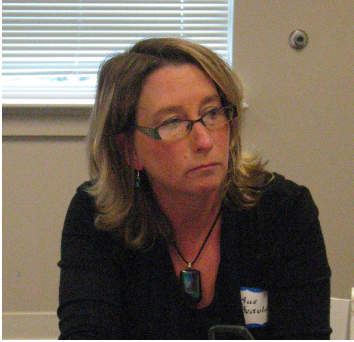
Screen shot 2013-10-08 at 9.26.05 PMSusan Beaulier, K-12 Art educator from Ashland was honored last year by the Maine Art Education Association as the Middle Level Art Educator of the Year. She served as a teacher leader during the second phase of the Maine Arts Assessment Initiative. Recently she has expressed to colleagues her displeasure with being called and referred to as a “special”.

My question to all of you is this: Since when is something “essential” considered “special”? This post was written by Sue and it is posted here with her permission. My hope is that you think about her words and realize the passion that not only Sue, but many arts educators have for their commitment to being a teacher! Thank you Sue for your contribution to the blog and your dedication to your students providing each of them with a quality arts education.

When asked my occupation by people whom I’ve just met, I reply, “I’m a teacher”. That usually prompts the question, “What do you teach?” I then explain that I am the PreK-12 Visual Arts Teacher and Coordinator of Gifted and Talented Education for our district.  A brief discourse usually ensues regarding my work, and then moves to the life of the person with whom I’m talking. No big deal, just polite conversation.

To people outside the education field, I’m viewed as a teacher, an educator, a professional.

I have never had anyone in the general public question my role as a ”real” teacher”.  That task is left to my colleagues, who refer to me as a “Special”.  Despite my college degrees, years of training and experience, and full certification including several endorsements, many still don’t see me as an educator… and I am not alone. The Music/Performing Arts and Physical Education teachers are viewed as  “Specials” too. To our colleagues, what and how we teach really isn’t that important;  after all, we only do the “fun stuff”. To my regular classroom colleagues, “The Specials” are but a break in their very busy day.  They don’t view our time with students as integral to education. Rather, we provide a respite for them so that they can prepare for the REAL job of educating students. My role is to supplement the important and necessary teaching that they do…the real stuff.  

I guess that I should not, then, find it surprising that they frequently keep students from my class to finish up missed homework, or as a punishment for some misbehavior in the “REAL” classroom. In response to this, I invite my colleagues to step away from the photocopier or the coffee machine, and discover the learning that really happens in the art room, the music room, and the gymnasium. I invite them to join their students for art class, music class, and physical education class. Given the opportunity, we “Specials” might educate our colleagues about the teaching and learning that occurs during the course of OUR very busy day. Perhaps the REAL teachers might garner a few tips on how their classrooms and the content they present could be made “Special” too.

My classroom is special because…

  • Learners are encouraged to meet learning goals rather than finish assignments.
  • Divergent thinking is valued; even mandatory. There can be several solutions to the same problem; much like life.
  • Students are able to express who they really are, define their individuality and embrace those differences rather than try to fit into the same niche as everyone else.
  • Learners talk to each other about their work. Sharing “answers” is not considered cheating.  We call it  reflection and collaboration.
  • Learners perform both independently and cooperatively, everyday.
  • Learning is not rote.  Lectures are few.  Hands-on, authentic experiences allow learners to learn by doing.
  • Those who are often afraid of being judged, feel safe in the art room, because individuality is celebrated. Thinking that appears silly, absurd or off-task often provides a jumping off point for learning.
  • We’re not afraid to make mistakes. We teach and learn from them.
  • Criticism is constructive. Assessment is provided for improvement, not punishment. There are always chances for re-dos until one is happy with his/her work.  
  • Practice doesn’t make perfect…practice makes better. I also recognize that everyone doesn’t get better at the same time, no matter how much they do or don’t practice.
  • A textbook manufacturer does not determine the pace or delivery mode of instruction.
  • The ability to question is considered more important than the ability to answer.  Experimentation, discovery, risk-taking, flexibility, and trial and error are practiced every day.
  • Learner success is measured by individual growth, not their class standing.
  • Differentiation is inherent. The learner dictates it. I facilitate it.
  • I tailor my lessons to address the interests of my students while still imparting content knowledge.
  • And yes…I try to make learning fun… because it is.

I am a teacher, an educator, a professional. My classroom is a reflection of what I’ve learned, experienced, and believe about learners and learning.  Art education is not “special”.  It’s simply good education…

IMG_0071


h1

CDLN

September 16, 2013

Maine Department of Education Cross Discipline Literacy Network (CDLN)

The CDLN is a professional learning network for K-12 educators that provides professional development related to literacy instruction across content areas through both webinar technology and face-to-face networking sessions. You can obtain all of the details about 2013-14 CDLN at: http://www.maine.gov/doe/literacy-for-me/cdln.html. You will also find the archived 2012-13 webinars on the site. This year’s CDLN has been slightly modified to include Dine and Discuss sessions for the face-to-face component, as well as 8 different webinar strands. We strongly encourage you to check out this low-cost, high-quality opportunity. It is a great way to learn from and with other Maine educators across content areas and grade levels. The cost is just $30 per year, and the registration deadline is October 15.

We have three music and art educators collaborating to facilitate sessions this year:

Waterville Senior High School Visual Arts teacher, Suzanne Goulet will be working on a Dine and Discuss, face to face session. Lisbon High School Visual Arts teacher, Pam Ouellette, Songo Locks Elementary School K-5 Music teacher, Linda McVety, and Winthrop Middle School Visual Arts teacher Lisa Gilman will be facilitating three separate topics of online webinars (2 each).

Thank you to these Visual and Performing Arts teachers for stepping up and taking on leadership to collaborate and provide opportunities for Maine educators.

h1

Advancing Arts Ed Report

August 27, 2013

June 5, 2013 release

In this day and age when we have the use of technology that provides learning opportunities almost all the time and from almost anywhere I am exploring ways to capitalize on that for the arts. A recently released report called Advancing Arts Education through an Expanded School Day: Lessons from Five Schools, caught my attention. The authors are David Farbman, Dennie Palmer Wolf and Diane Sherlock. You might remember Dennie’s name from Maine’s statewide arts census that Maine Arts Alliance for Arts Education and the Maine Department of Education published in 2008. Dennie was the lead consultant for the work.

I know what many of you might be thinking – “The arts after school?, How fair is that?” Before you go down that rabbit hole please check out the report. Read about the five schools who are utilizing the time to “improve the overall academic instruction”. I am certain that you are aware of the work that the Maine DOE has undertaken by identifying schools with a letter grade. This is not an easy topic or conversation for anyone. However, I don’t think that anyone would disagree that we all want students and our schools to be successful.

The report includes “Americans for the Arts believes that an expanded school day is one successful model for providing a high-quality education in the arts,” said Narric Rome, Senior Director of Federal Affairs & Arts Education at Americans for the Arts. “Through this report, education leaders can clearly see how five different schools have maintained high values for arts education, such as offering the arts to all students, offering core arts classes taught by certified teachers, and enriching the arts curriculum through partnerships in the community.” When you read about the five schools you will see that they are in urban areas of our country. What I suggest you ask yourself while reading the report is what you can learn from the work that they have undertaken?

One of the things that I miss from teaching art in the middle school is trying new ideas and discussing them with my colleagues. As you start off the school year why not consider a new approach, be pro-active around collaborative ideas so you can lead the change rather than being told what to do.

This report and others contain research that we can learn from and apply in multiple ways to our classrooms.

h1

Professional Development – Why?

August 25, 2013

National Education Association article

At the heart of the Maine Arts Assessment Initiative has been professional development. The opportunity to bring arts teachers together and look closely at teaching and learning and assessment is the focus. To have discussions, to process research, to exchange ideas have been the most rewarding for the arts teachers who have taken advantage of the opportunities.

The teacher leaders who have gotten their hands dirty stepping up and taking on leadership roles have echoed the importance. On top of the hard work it has been rewarding and fun!
In an August 5, 2013 article Overhaul of Professional Development Critical to Student Success, Report Says in the NEA Today Journal Tim Walker discusses professional development and the need for overhauling it. The article supports the work of the MAAI and how it is being carried out. We are continually building on the successes and looking to the participants (about 800 to date) to determine the next steps.

If you haven’t joined any of the professional development opportunities that MAAI has offered I urge you to take a look at the 35 workshops that the teacher leaders are offering at the statewide arts ed conference on October 24 at UMaine, Collins Center for the Arts, Arts Education: Leading the Way. Registration is open and I hope to see you there!


h1

Standards-Based Education

August 22, 2013

Yes, again!

For years we’ve been talking about Standards-Based Education and now due to LD1422 the conversation is taking a giant leap forward. But what does standards-based mean? And, how about proficiency-based, student-centered learning and, standards-referenced? In April of 2012 I wrote a post on this topic but recently the question came up again asking for clarity so this post is provided for that reason.

I feel like educators are continuously trying to get a better understanding of these terms and of course, the bottom line is how does this impact teaching and learning? I remember during many years of my 30 years of teaching sifting through articles, research, and communicating about what I was reading with colleagues to try and make sense of education topics. That hasn’t changed for me working at the Maine Department of Education. The only difference is that much more information “comes across my desk”.

Yesterday I was honored to be part of the interviews for the finalist for the 2014 Maine Teacher of the Year. The process for selection is almost a year long so the three finalists were thrilled to be there and the conversation about teaching and learning was wonderful. I was reminded of the passion teachers have for the important work they do. The next teacher of the year will be announced at a surprise assembly at the teachers school in September. Congratulations to all three finalists! They are grade 4 teacher Mary Graziano from Hartland Consolidated School, grades 6 and 7 ELA teacher Karen MacDonald, from King MIddle School, and kindergarten teacher Suzen Polk-Hoffses from Milbridge Elementary School.

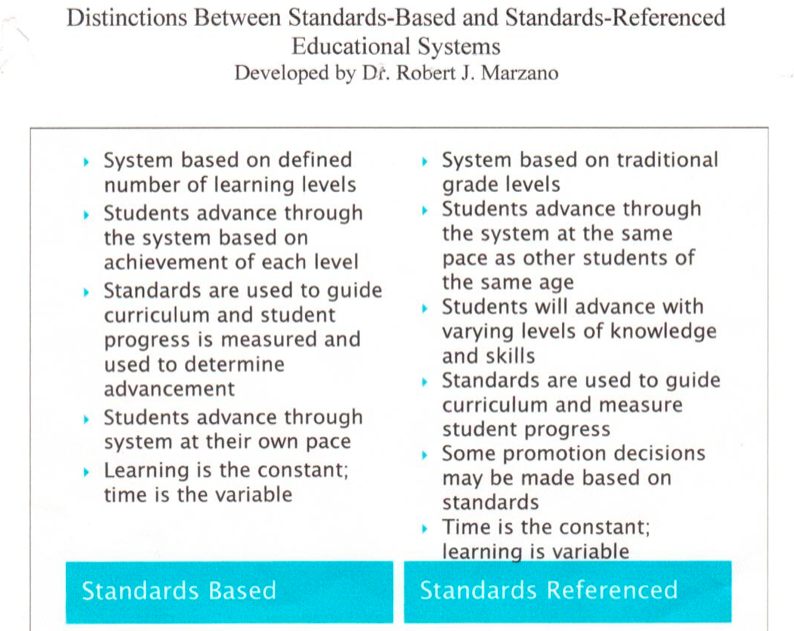
There was a question about standards-based education and I liked the answer the teacher gave which included “It’s not about the grade, it’s about the learning.” Earlier this year I listened to Cole Castorina, a student at York High School say: ” I know that I know it and I have confidence that I understand the concept. I didn’t just learn it for the assessment.” Cole and 2 other students were interviewed for the Maine Arts Assessment Initiative’s video series. You can access the York High School video with music teachers Rob Westerberg and Dan Sovetsky and principal Bob Stevens at this link. It is one thing to look at the chart below and another to hear students, teachers, and administrators articulate what it’s all about!

If you are trying to understand the difference between standards-based and standards-referenced researcher Robert Marzano has a diagram that provides clarity that you might find helpful.

Screen shot 2013-08-22 at 8.03.27 AM

h1

Arts Education: Leading the Way Conference

August 20, 2013

October 24, 2013, UMaine, Orono, Collins Center for the Performing Arts

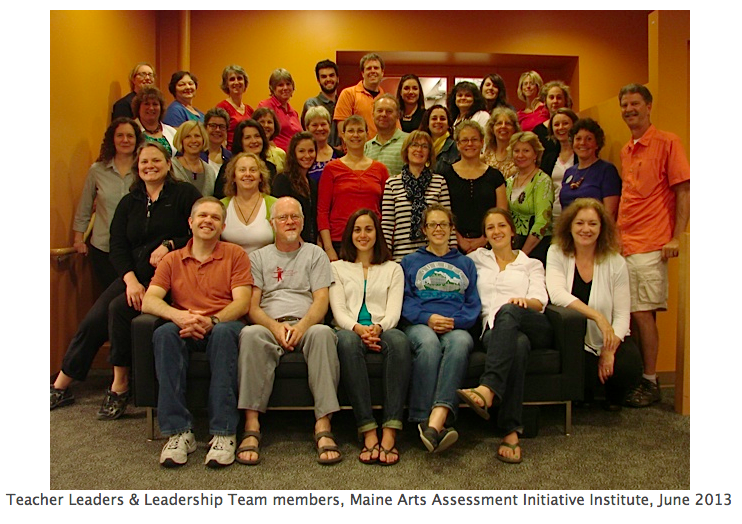
After last weeks “dry-run” for the Maine Arts Assessment Initiative Teacher Leaders to present their workshops for each other and an invited group of “critical friends” at USM, I got to thinking about how fortunate we are in Maine. Not only are Arts educators willing to share their teaching practices but they are sharing formally at the statewide conference Arts Education: Leading the Way.

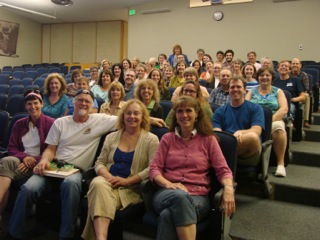
MAAI_Aug132013

Teacher leaders and critical friends at USM for dry-run of workshops that will be included in the statewide Arts Education: Leading the Way conference being held October 24, 2013, UMaine

I am excited that the conference will be held on the UMaine campus, Orono, Collins Center for the Performing Arts. Our last conferences were very exciting. In 2007 it was held at the Samoset in Rockport, 2009 at Point Lookout in Northport, 2011 at USM, Portland campus, and this year we travel a little farther north to the University’s flagship campus. Each year the workshop offerings have become more varied and go deeper into teaching and learning. You can read the topics and short descriptions of the 35 workshops being offered by downloading the .pdf of the workshops at  https://mainearts.maine.gov/Pages/Media-and-Performing/conference-education-workshops. You can even see photos of the workshop presenters.

In addition to the 35 workshops being offered during three sessions the Opening Session will include performances by the UMaine Symphonic band, a welcome from the Dean of Arts and Sciences, Jeff Hecker, and an informative presentation by Lynn Tuttle, the Director of Arts Education at the Arizona Department of Education. Lynn has been leading the National Coalition for Core Arts Standards and will provide a history of the national standards development. Read more about Lynn and her presentation at this link https://mainearts.maine.gov/Pages/Media-and-Performing/Conference-Keynotes#. As many of you know the draft of the PreK-grade 8 standards was released in June for feedback. The draft of the high school standards are scheduled for release in September so we are really fortunate to have Lynn join us to share information as well as answer questions. We are fortunate to have the University Singers perform during the afternoon closing session.

The conference registration is located at . Cost for the conference which includes lunch is $75.00 until September 15 when it goes up to $80.00. (Please note: school purchase orders will not be accepted this year). In addition conference attendees receive 6 contact hours at no extra cost.

On Friday, October 25 and Saturday, October 26 the Maine International Conference on the Arts will take place in the same location. The conference will offer keynotes, showcasing artists and over 25 workshop sessions, including workshops at the new U Maine Innovative Media Research and Commercialization Center. You can read about both conferences at https://mainearts.maine.gov/Pages/Media-and-Performing/MICA-LANDING.

To register for each conference please go to https://mainearts.maine.gov/Pages/Media-and-Performing/Conference-Register#. There are scholarships available and you will find information and details on the registration page.

I suggest that you take a few minutes and check out the information from page to page on the Maine Arts Commission site where all the details are included. I hope to see you there!