Posts Tagged ‘Maine’

h1

Another Arts Teacher’s Story: Ashley Smith

June 18, 2013

This is the 36th in a series of blog posts telling arts teacher’s stories. The first 19 were told last year by the phase I Maine Arts Assessment Initiative teacher leaders. The series continues with the stories from the phase II teacher leaders. These posts contain a set of questions to provide the opportunity for you to read educators stories and to learn from others.

Ashley Smith has taught for two years at Brunswick High School where she is the Choral Director; she directs Screen shot 2013-06-17 at 7.03.30 PMthree choirs and teaches piano and guitar.
What do you like best about being a music educator?

My favorite part about being an arts educator is that I get to share my love of music with others who have the same passion. Growing up, my most memorable experiences were those created in the music classroom. It is such a joy to go to work everyday and create those same experiences for my students.

What do you believe are three keys to ANY successful visual and performing arts education?

  1. Belief. Although there are many components to a successful arts program, this has proved to be the most important for me. You must first believe in yourself, you must believe in your students, and above all, you must believe in what you are doing.
  2. Commitment. With so much to do and so many people to take care of, it is important to stay true to yourself. As a music educator you have the unique opportunity to create a program that is reflective of yourself and your philosophy. Hold true to your vision, and it’s impossible not to succeed.
  3. Support. Nothing can be successful on it’s own. For any program to flourish, it needs the support of colleagues, friends, family, and community. Most importantly, it needs the support of your students. Support your students, and they will support you.

How have you found assessment to be helpful to you in your classroom?

Assessment in the music classroom is an amazing thing! No matter how you do it, assessing your kids keeps them accountable for learning the information and you accountable for teaching it. I’ve found that it doesn’t have to be in the form of a big written test or a large-scale project, it’s whatever works for me. Assessment has not only helped me to re-evaluate my teaching practices, but it has been a great way for my students to realize what they have actually learned. There is nothing better than having a student say, “I didn’t know I could do this!”

What have been the benefits in becoming involved in the arts assessment initiative?

The greatest benefit of joining the MAAI has been meeting so many passionate arts educators. It has been so encouraging to collaborate with other teachers who face the same challenges on a day to day basis. I am an infinitely better teacher for having worked with such devoted arts educators. It’s good to know I’m not alone!

What are you most proud of in your career?

My students. Their hard work and dedication never cease to amaze me. They continually go above and beyond what is expected of them and they truly embody my vision of what the BHS Choral Program should be. They have embraced me and my philosophy and they are always ready and willing to accept whatever challenge I throw their way. I learn something new from them everyday, and they are a continual reminder of why I love what I do. I couldn’t be more proud of all that they have accomplished in the past two years, and I greatly look forward to all of their future successes.

What gets in the way of being a better teacher or doing a better job as a teacher?

Honestly, being a teacher is what gets in the way of being a better teacher. There are so many tasks and duties to fulfill that the most relaxing part of the day is actually TEACHING. With so many things pulling us in different directions, it’s nice to know that our time in front of the students is really our time. It’s not the actual teaching part that we have to worry about, it’s everything else that goes along with it.

What have you accomplished through hard work and determination that might otherwise appear at first glance to be due to “luck” or circumstances?

I must say that my biggest accomplishment has been the atmosphere that the students and myself have worked to create in the choral department here at BHS. I have always been a firm believer that the music classroom should be a place of mutual respect in which all students feel comfortable to express themselves freely. I have been lucky to learn alongside my students, working to create a space that fosters growth and creativity. I have found that the students take real pride in this environment, and they will work tirelessly to protect what they have worked so hard to create

Look into your crystal ball: what advice would you give to teachers?

You can do it! So often when you are teaching music or art you may be the only person in that discipline at your school, and as a new teacher that can be very overwhelming. There is no doubt that you are going to make mistakes, but that’s what it’s all about. We always encourage our students to take risks, and we have to push ourselves to do the same. Don’t lose sight of the big picture, you are doing what you love and you are making a difference.

If you were given a $500,000.00 to do with whatever you please, what would it be?

After our exciting riser collapse last week, I would have to say that my first order of business would be purchasing new risers for my kids! I would use the rest of the money  to travel with friends and family and to create opportunities for my students like the ones that I was lucky enough to have growing up.

Imagine you are 94 years old. You’re looking back. Do you have any regrets?

As a second year teacher, I can’t help but stress about the small stuff. I get so worried about doing everything right that I often forget to enjoy each moment as it is happening. At the end of each year, I find myself looking back and realizing just how lucky I am to have had such amazing experiences with so many amazing young people. Fortunately, I am far off from 94, and if this is my biggest regret than I daresay I have lived a pretty fulfilling life!
 

h1

Trees, Timber and Tradition

June 17, 2013

Cameras in action

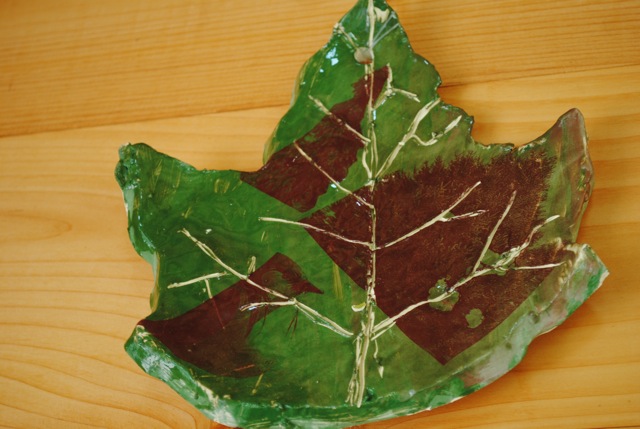
image0011Potter Liz Proffetty recently borrowed the digital cameras from the Maine Department of Education to teach a really interesting technique to the Pre-K -6 students at Southport Central School.

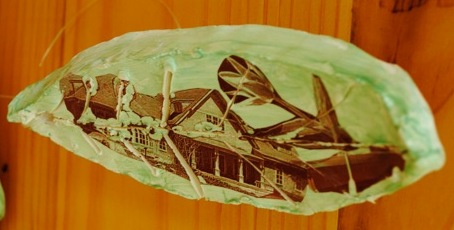
The school was asked to participate in an installation in the Children’s Garden at the Boothbay Botanical Gardens. The theme was “Trees, Timber and Traditions.”  Though each grade (pre K-6) used the theme of a clay leaf shaped tile, each grade approached the theme slightly differently. The pre-school class used stamps and pressed objects from nature into their clay leaves to create texture. Grades 1-3 drew and painted various landscapes onto their clay tile. Grades 4-6 first created the clay leaf, painted and glazed them and then used photos that they took at the Boothbay Botanical Gardens during a field trip. The photos were transferred to the clay tile using a relatively new technology that allows the ink from the laser printer to bond with the glaze on the clay leaf.

image004The students enjoyed using and combining modern technology of digital photography, editing and laser printing and the ancient medium of clay to create a collaborative public art piece. The work will be on view at the Botanical Gardens in the Drawing Cottage throughout the summer.

If you are interested in borrowing the digital cameras to use with students please contact me argy.nestor@maine.gov.

image003

h1

Everyone Deserves a Break

June 16, 2013

Schooner trip

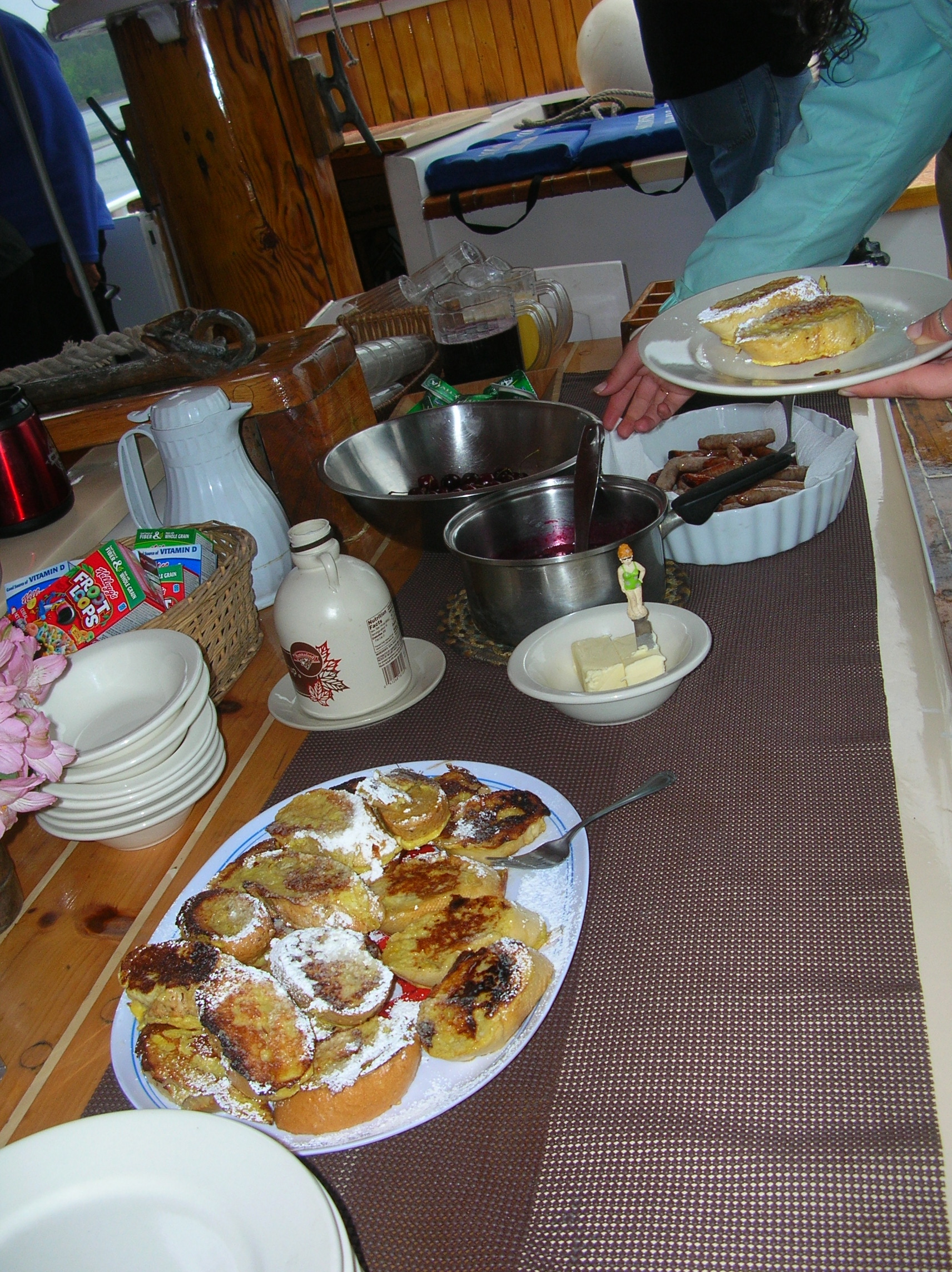
DSCN3759I understood when I left last Sunday for a vacation that I’d return to hundreds of emails. Sure enough, I did! The good part was that I had to turn in my Blackberry before I left since it was acting funny and needed to be replaced. And, I went to a place that I knew I couldn’t get online so I left my computer home. I know, some of you are thinking why would anyone take their Blackberry and computer with them on vacation?! Good question! I usually take them with me because it lessens the load if I answer emails as I go. However, I must say that since I didn’t take the technology tools with me it felt like a REAL vacation, for the second time in the almost 7 years that I’ve worked at the Maine Department of Education.

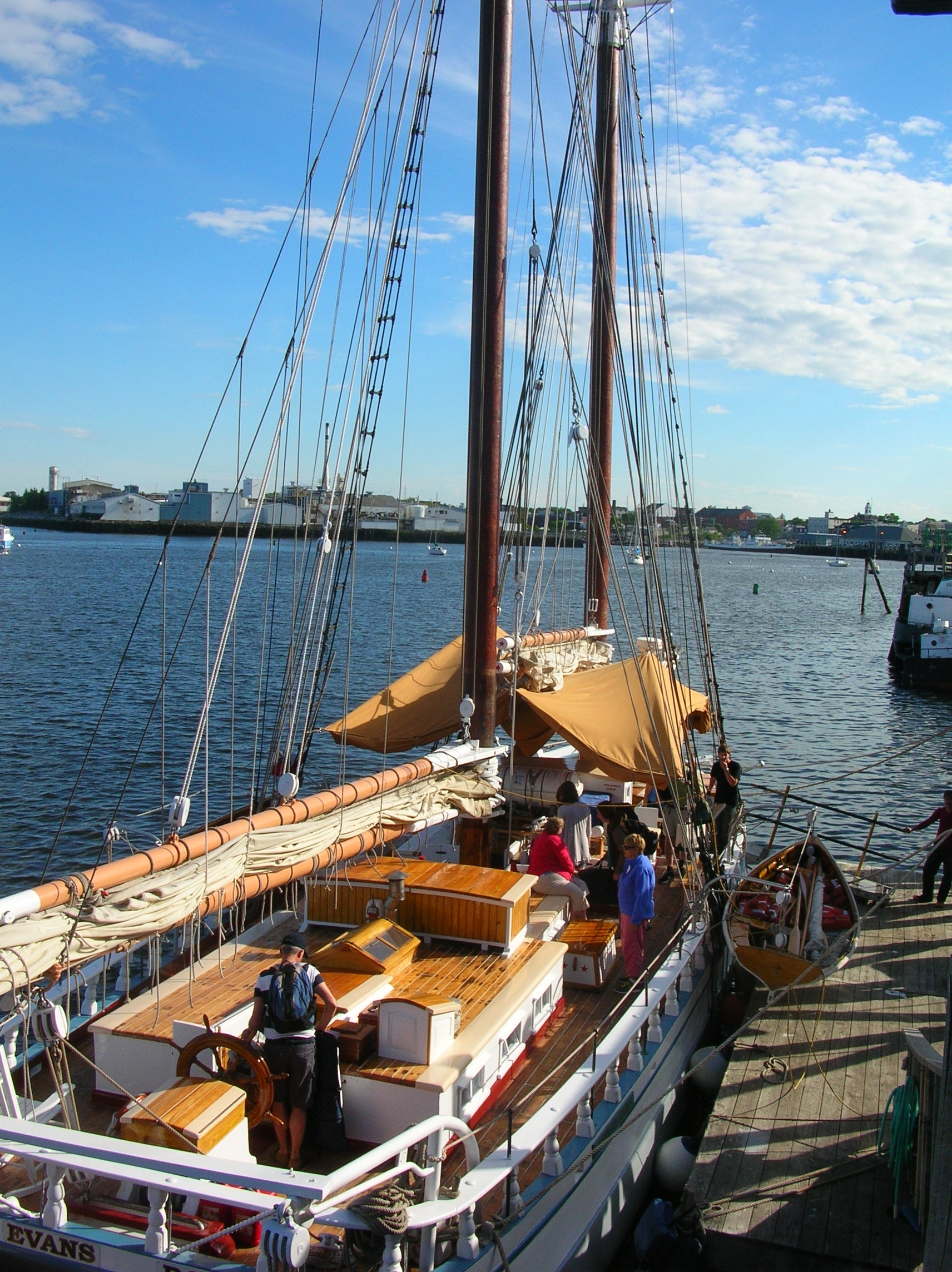
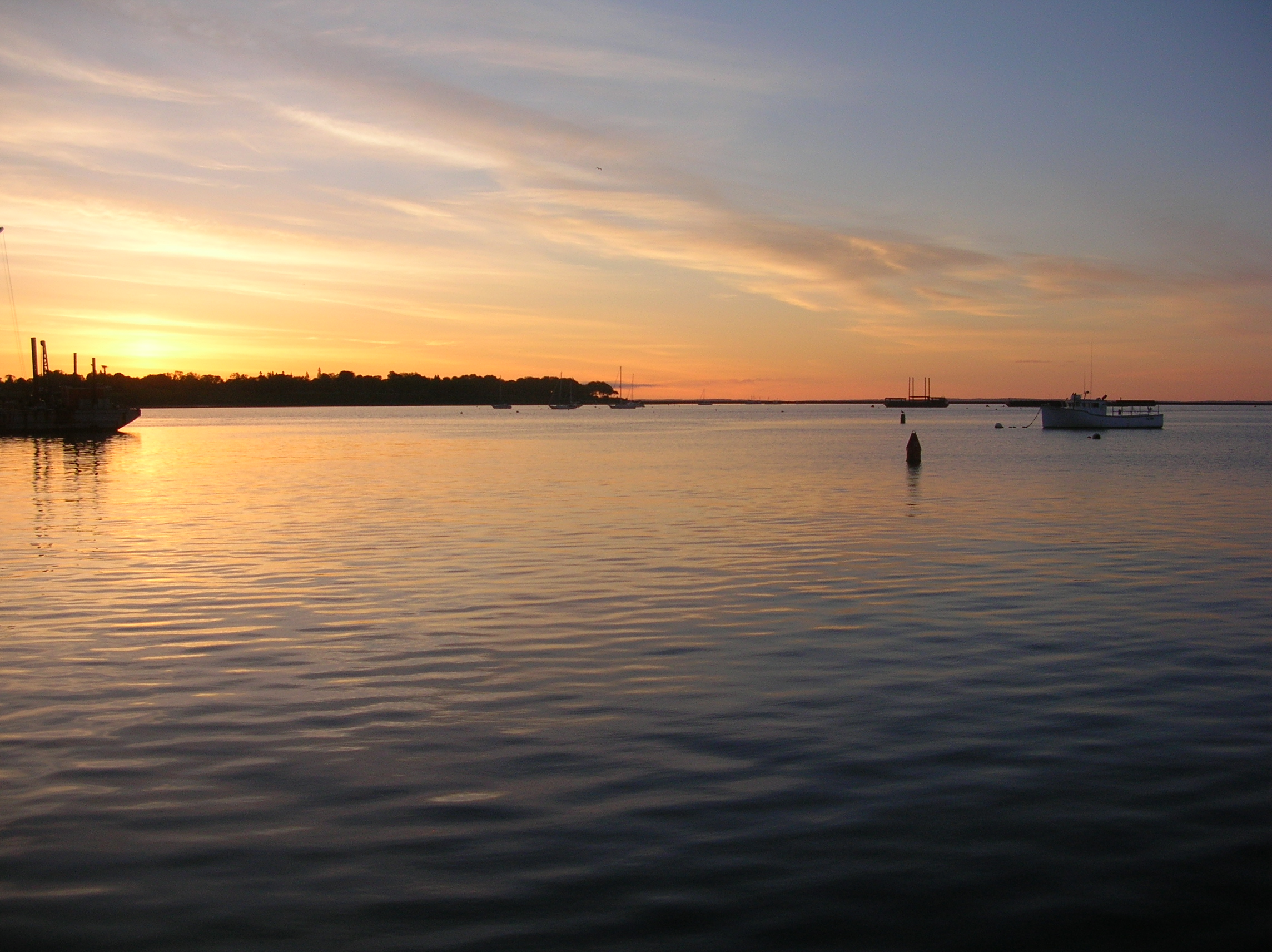
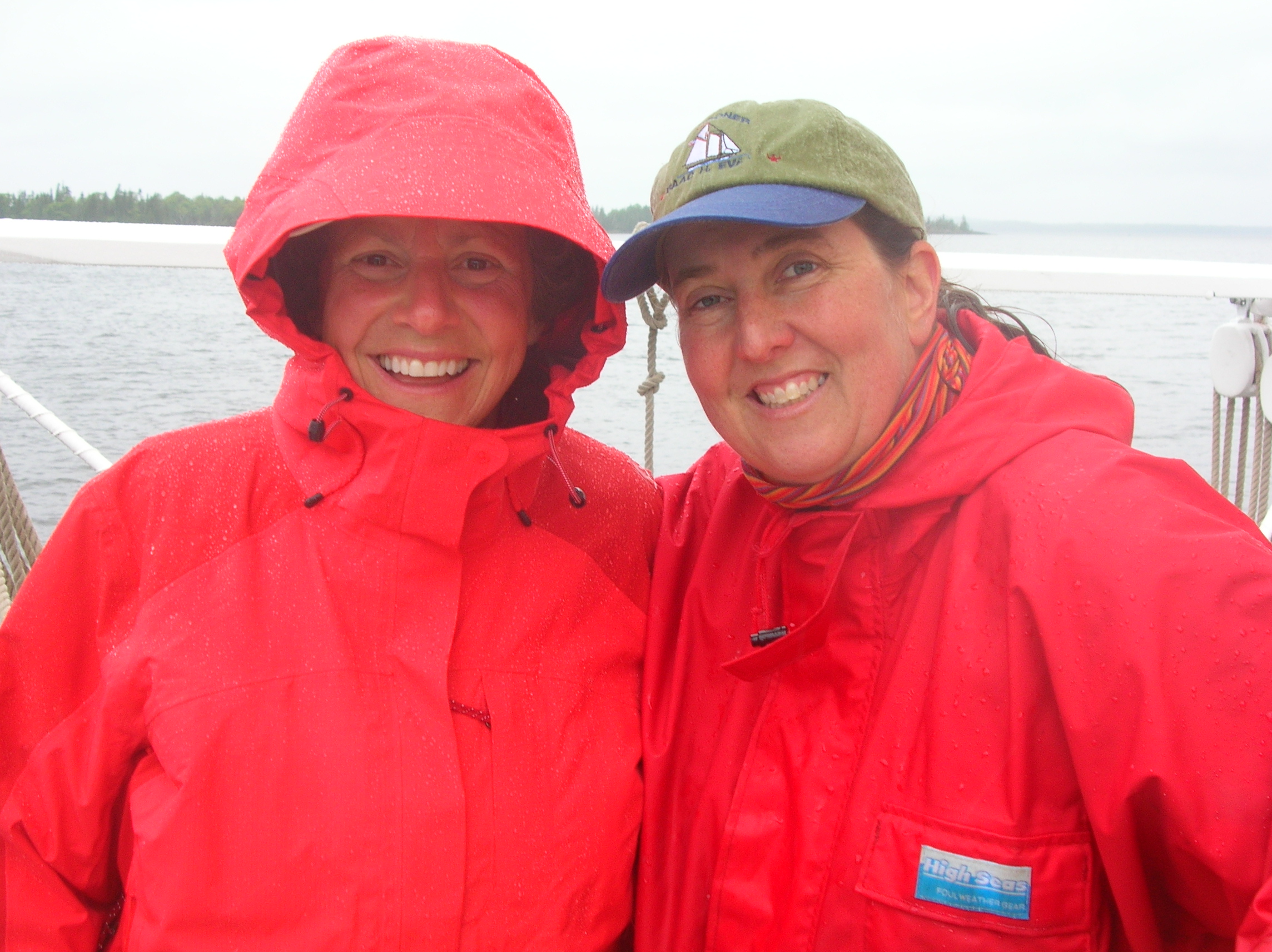
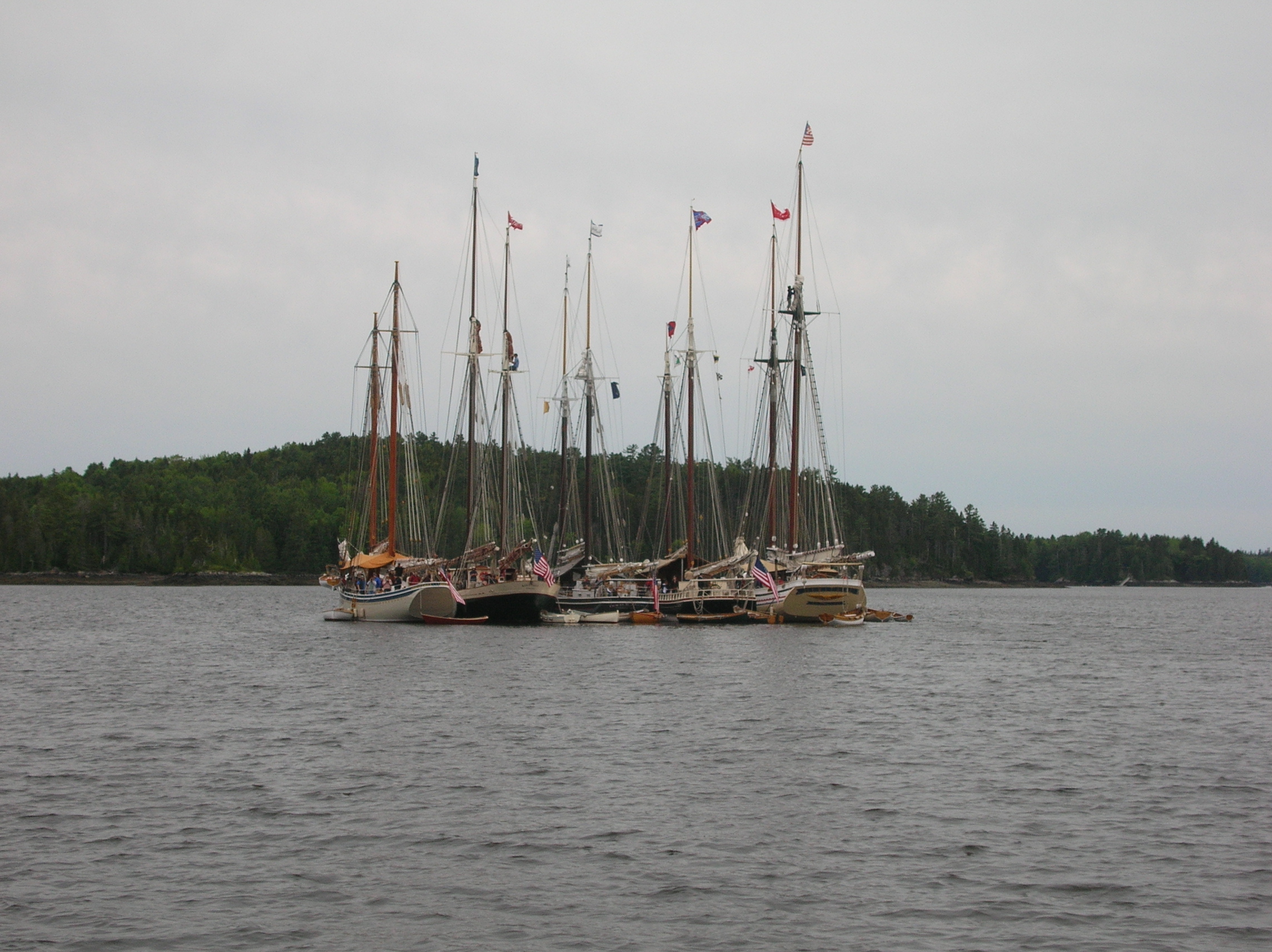
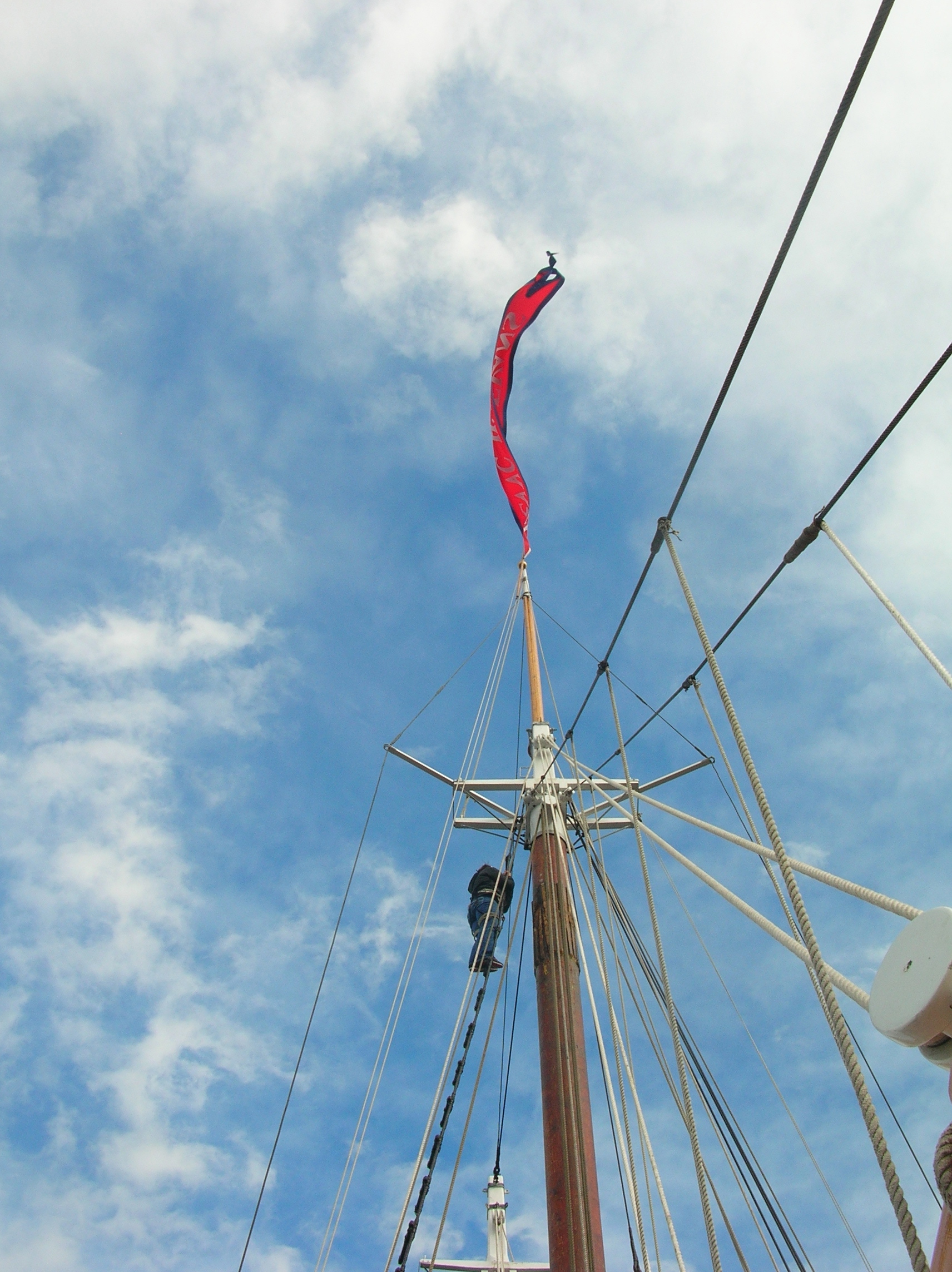
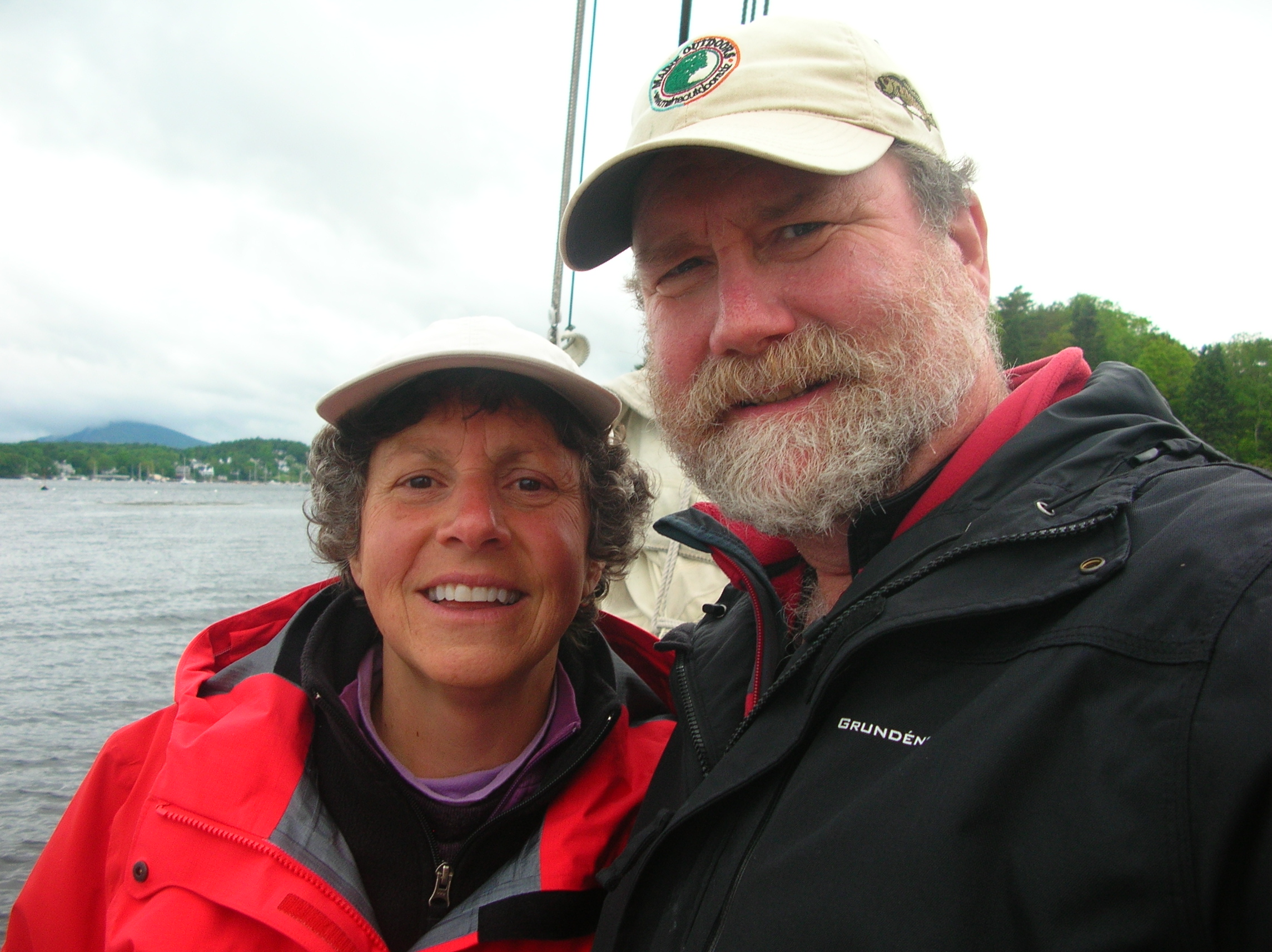
For Christmas my husband surprised me with a schooner trip on the Isaac H. Evans out of Rockland. The trip was ABSOLUTELY GREAT! The captain and owner of the boat is Brenda Hathaway, a former student of mine, from many years ago. The boat holds about 25 people, including clients and crew. We had almost two days of good weather and two days of pouring rain but the rain didn’t dampen our spirits at all! The first night included a beautiful sunset, the temperature was mild throughout, even on the damp days. Everyone on board was interesting, very nice and fun to hang out with. They traveled from many places including Australia, Florida, England via Virginia, Maryland, Vermont, and Maine. We talked about education, politics, wildlife, weather, family, and a variety of other topics.

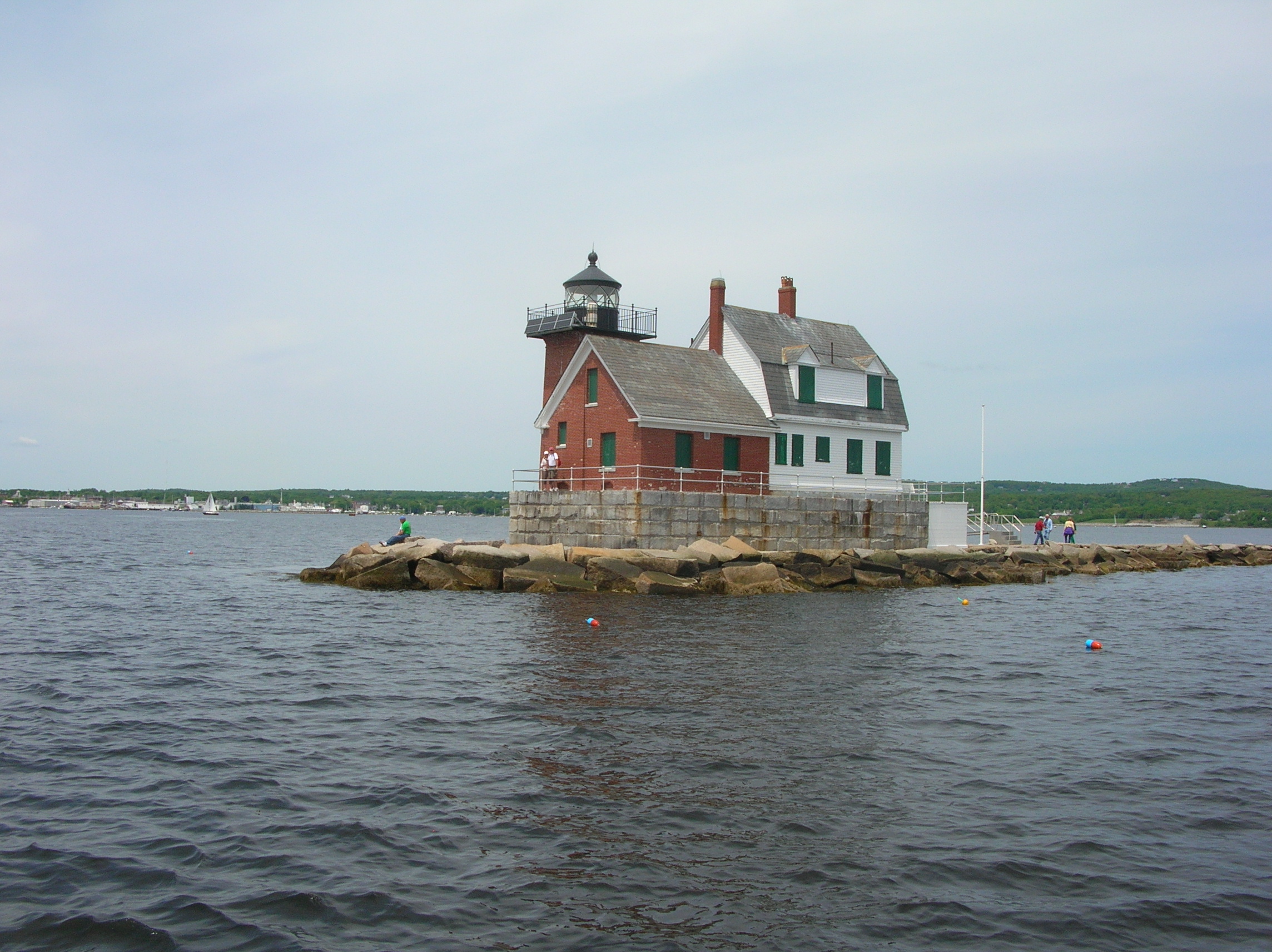
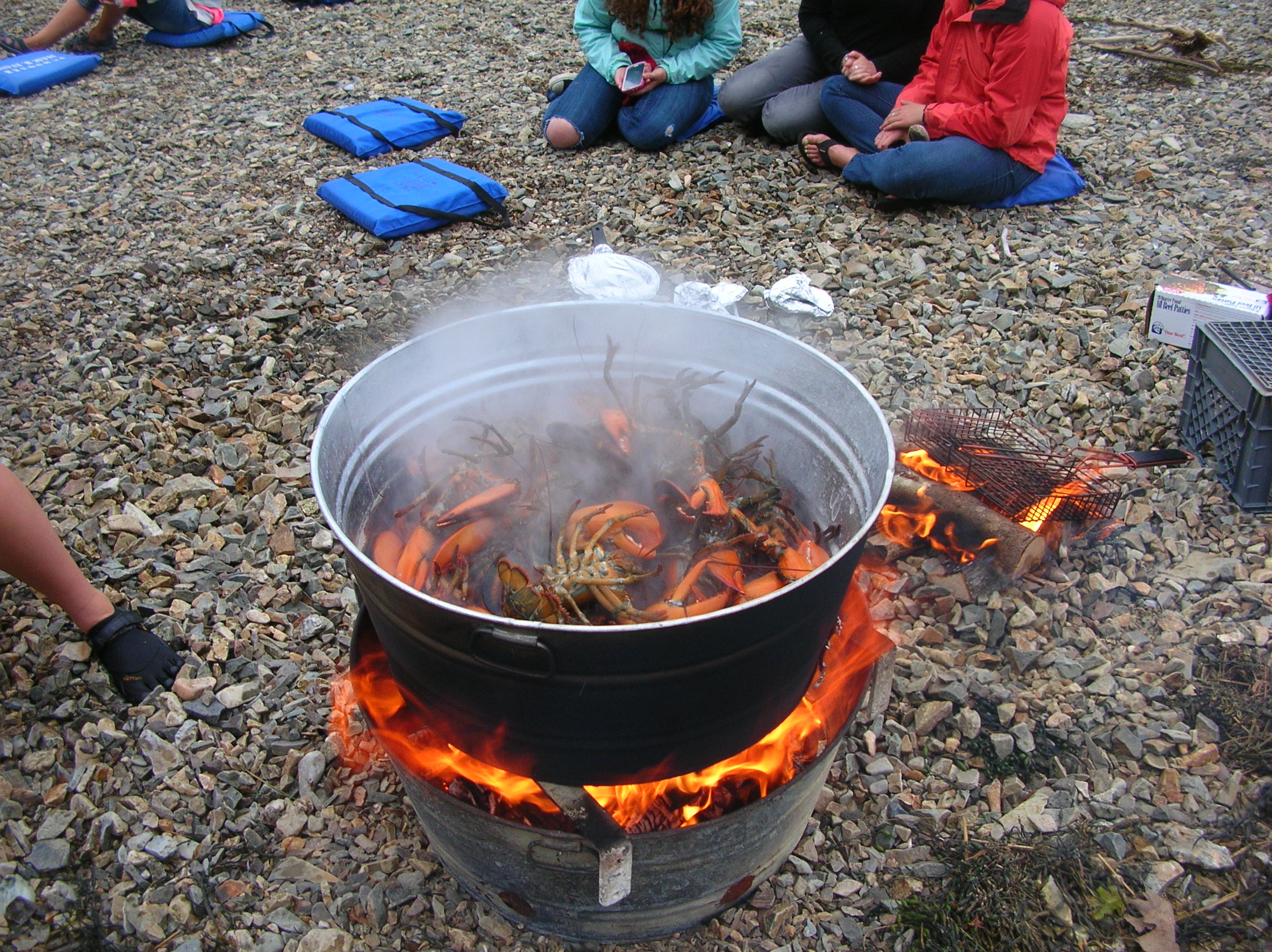
DSCN3820We sailed to Holbrook Island for a lobster bake on the beach, to Searsport and visited the Penobscot Marine Museum, to Rockport Harbor and back to Rockland. For years we’ve walked the Breakwater at the Samoset and waved to folks as they sailed by. It was so exciting to be on a schooner waving to the people who had walked to the Breakwater lighthouse. And, so interesting to be on the water looking at the shore along a small part of the mid-coast that I know so well from land. It was like a whole new world viewing it from the water. I could have been a thousand miles from home.

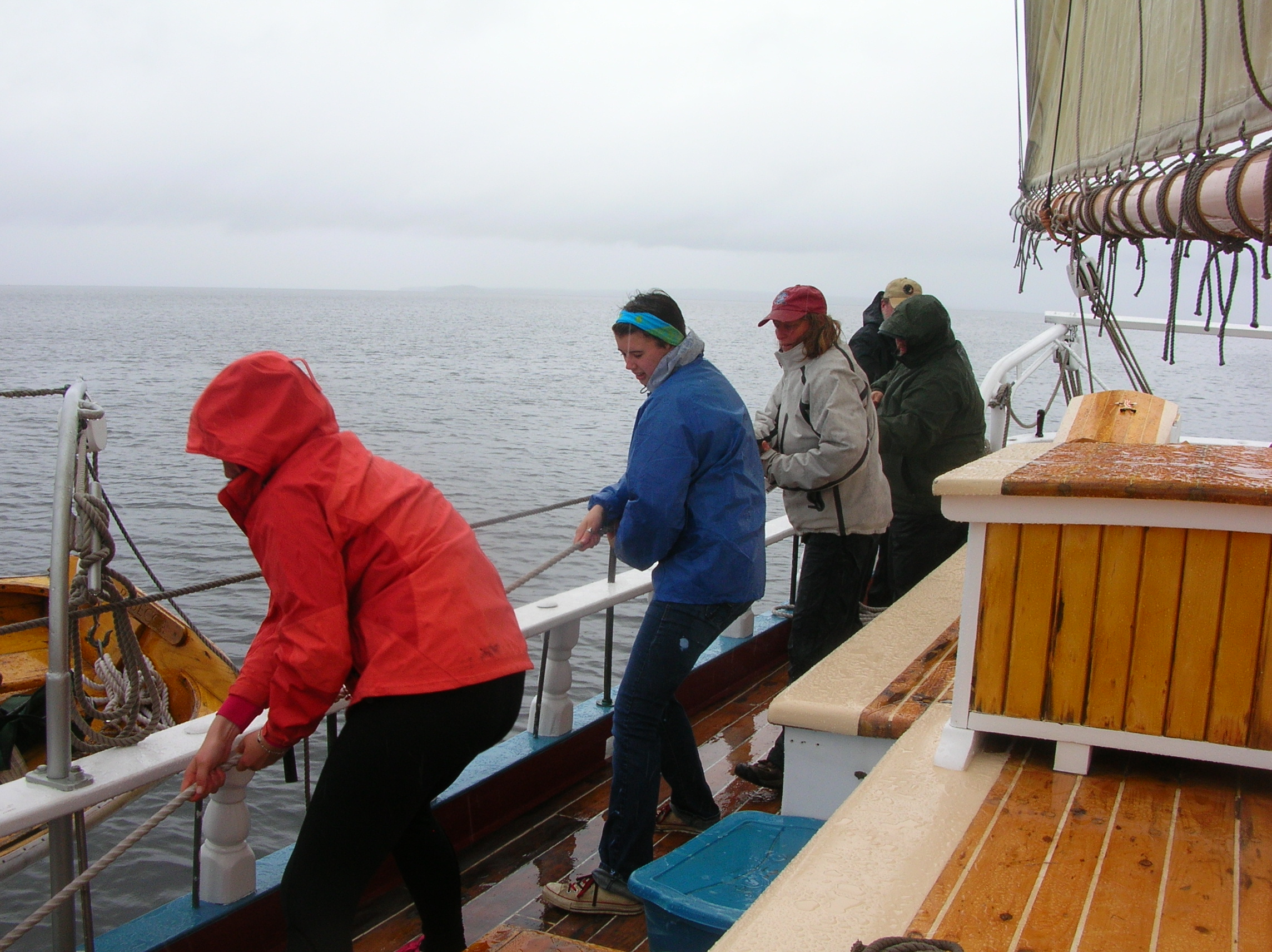
We had multiple opportunities (if we chose) to help out on the boat, raise and lower the sails, raise the anchor, set out the food, and clean up from meals. At one point we were sailing like I’ve seen in the pictures, with one side of the boat all but touching the water, the water coming over the bow. The food was ABSOLUTELY DELICIOUS, every single meal! The cook, Margi, from Waterville, not only made great food, but is a very funny person!

DSCN3764Needless to say I highly recommend a schooner trip, everyone should consider doing it at least once. It was on my “bucket list” and I feel fortunate to have had the opportunity! It was a great chance to learn about something that has so much history. Several times I thought about how easily I could apply what I was learning in the classroom with students. A schooner trip allows for relaxation with some excitement. You can go in your cabin and be alone if you choose or hang out and talk with others. You can help sail the boat or watch others working. There are numerous opportunities to take great photos (I took almost 500), make art and music, and appreciate both. The best part was the quietness of sailing. That surprised me – a little wind, moving along slowly and total PEACE!

I loved teaching and there are days that I miss it. But, when the end of the school year came for me during my 30 years teaching I found myself completely exhausted and would spend the first week staring and sleeping. Everyone deserves a break and I hope that each of you can take some time and enjoy life as much as I did this past week! You can view more photos from my trip by clicking here.

DSCN3868

DSCN3945

DSCN3828

DSCN4006

DSCN3920

DSCN4089

DSCN4064

h1

Watershed Center for Ceramic Arts

June 15, 2013

Newcastle, Maine

A SimpsonEver wonder what they do at the Watershed Center for the Ceramic Arts in Newcastle? This blog post provides you with information on the mid-coast facility. Watershed was established in 1986 with a dual purpose: to provide time and space for clay artists and to promote education and awareness regarding ceramic arts among the general public.

Twenty-six years later, over 1,200 artists from across the nation and abroad have experienced residencies at Watershed. During their 2-week residencies, artists live on our 32-acre facility in rural, mid-coast Maine, with room, board and 24/7 access to studio space provided. Without the distractions of day-to-day living, they are able to focus on their art and allow their creative energies to explore the medium anew.

Traveling clay program

Maine art teachers in Maine may know about Watershed through our “Mudmobile” programs.  The “Mudmobile” is a traveling ceramics resource center in a van that provides engaging experiences working in clay to schools, community centers and senior citizen facilities.  Thousands of young people and adults around the state have experienced clay through Mudmobile programs, including public events such as the Common Ground Fair, for over 15 years!

Mudmobile instructors are professional artists who share their joy of working in clay with students and community members. Watershed instructors partner with the host site to create a lesson plan that ties into the needs of each program.  The focus is on process not just product, with clay lessons that connect to science, math, history or cultural studies.

Our fun and educational ceramic projects are designed to introduce children and adults to historical uses of clay, current art making in clay, Maine’s geology and environmental stewardship. The materials used in Mudmobile classes make use of Maine’s natural resources. Students use glacial marine clay with food-safe, nontoxic glazes.

If you are interested in having the Mudmobile visit your school contact Watershed to reserve a program by contacting Fran Rudoff, Executive Director of Watershed by emailing her at director@watershedceramics.org.

Community Presentations: Upcoming Events and Opportunities

Crowds w_ food 2Watershed also strives to provide opportunities for Maine residents and visitors to experience and appreciate ceramic art in all its forms.  Resident artists share and demonstrate their work in public venues during the summer and fall months.  Our annual “signature” summer event, Salad Days, gives local residents the chance to enjoy a variety of pottery, incredible local food, lively music, conversations with neighbors and resident artists, and a lot of good fun.

Salad Days: July 13 – Visit Watershed and learn about programs first-hand.  Join us for Salad Days 2013!  Relax to live music while eating lunch under a shady tent at flower-laden tables.  A $35 donation to Watershed (which supports our programming!) entitles you to a handmade salad plate created by ceramic artist Tess Stilwell and the chance to enjoy a buffet of salads (locally grown produce, prepared by Watershed artists and local restaurants). After eating, visit resident artists’ studios and explore Watershed’s thirty-two acres of art-filled meadows, woods, gardens, and the neighboring sheep farm.  Potters and ceramic artists will be on-site performing demos and visitors of all ages may try working with clay.

Concurrent with Salad Days, Watershed will also be hosting our annual Invitational Pottery Sale, along with a Serving Bowl Exhibit. Shop for unusual and lively works of art made by ceramic artists from around the country.

Finally, appraiser Jane Prentiss, of Skinner Auctioneers and Appraisers, will be at Watershed providing appraisals for consignment.  Find out what your antiques, art, and collectables are worth.  For details, visit our appraisal event page.  Please note that advance sign up is necessary.

Artist Presentations: June 19 and July 30 – Watershed is partnering with the Harlow Gallery in Hallowell (and the Kennebec Valley Arts Association) to host public presentations and receptions for ceramic artists who are in residence at Watershed this summer!

June 19 features Patti Warashina, Carol Guthro and Peter Olsen from Seattle, who will be sharing their distinct styles and aesthetic perspectives.

July 30 features Eva Campagne from Montana and Amanda Small from North Carolina.  Their session is entitled, “N.E.W.”  Nature. Eight. Ways.  While at Watershed, they will be investigating repetition and patterns in the natural world and how it inspires, influences and forms the way they work with clay.

Fall Workshop: September 27-29  Join Thaddeus J (TJ) Erdahl for a beautiful weekend at Watershed! You can explore creating figurative sculptures that imply a sense of personal history. The technical focus will be on developing rich surface layers. Demonstrations will deal with the entire surface process from leather-hard slip and engobe application techniques to post bisque water erosion, sanding procedures, and wash application. Pieces will be finished with post firing heat set encaustic and wax procedures. Test tiles and pinched mini test “heads” will be used for further surface experimentation. Participants need to bring a small leather hard sculpture. Work will be fired to 04. All levels are welcome!!

To learn more about registration and details please go to: http://watershedceramics.org/artists/workshops/.

Boys at work

h1

Another Arts Teacher’s Story: Suzanne Southworth

June 11, 2013

This is the 36th in a series of blog posts telling arts teacher’s stories. The first 19 were told last year by the phase I Maine Arts Assessment Initiative teacher leaders. The series continues with the stories from the phase II teacher leaders. These posts contain a set of questions to provide the opportunity for you to read educators stories and to learn from others.

IMG_0135Suzanne Southworth started teaching in NY where she grew up and has now taught for 15 years in Maine Public Schools. Currently, Suzanne is at Camden Hills Regional High School where she has been for the last 6 years. The courses she teaches change up from year to year but she always teaches the Jewelry classes and usually teaches the Advanced Art Portfolio class. This year the IA teacher and  Suzanne piloted a course that they call Metal Sculpture where students learn basic welding techniques and learn to use those skills to design beautiful metal sculptures.

“The thing I like best about being an art teacher is that it gives me the opportunity to help students learn to work with their hearts, hands, and minds together as well as the ultra focus it takes to be a successful artist. In today’s busy world it is so important to teach subjects that engage students this way. I also really like the ever-changing subject matter and the excuse to constantly search for my own inspiration in order to share the joy of the art making process with my students.”

What do you believe are three keys to ANY successful visual and performing arts education?

It doesn’t take much to run an art program but if you want a really good successful program you need to have organization, dedicated art professionals who work hard in the classroom, advocate for the program and exhibit student work, and a community who supports.

I was involved in the MAAI this year and found that after learning so much I realized how much I still need to learn. In my short career everything has changed so much and I find myself digging my heels in, refusing to update my way of thinking. I think I still do to some degree but the change is happening. What it has done for me is to see how the arts have never been more important to the well being of our next generation. As a parent and a teacher there is not so much of a buffer from a child’s environment to do what is right so, it is up to us to arm ourselves with the knowledge to protect and educate our youth at the same time.

How have you found assessment to be helpful to you in your classroom?

I feel that through well crafted assessments we can engage students and make learning personal and relevant. My favorite assessment is a written reflection. I find that having regular assessments in the classroom to be a useful tool in keeping both teacher and student in check. I also like the idea of keeping teachers accountable for good teaching practices and students engaged in their own learning process.

What have been the benefits in becoming involved in the arts assessment initiative?

Being a part of the Arts Assessment Initiative has made me so much more visible in my school and Regional area. It has been so nice to really know what the new ideas in education are and not be left in the dark during staff meetings and workshops. The best thing I got out of it though was the networking. Art Educators are generally pretty dynamic people. Just being around other conscientious Art teachers is a real boost to my attitude toward teaching and provides me with a lot of inspiration.

What are you most proud of in your career?

I am most proud of the results I see in my students work and being there when they make a breakthrough in their work and their individual ideas and watching them go through the stages from directed work to independent.

What gets in the way of being a better teacher or doing a better job as a teacher?

The thing I find most difficult about my teaching is the number of hours outside of the school day needed to do a good job and the multitude of other aspects of my teaching assignment.

What have you accomplished through hard work and determination that might otherwise appear at first glance to be due to “luck” or circumstances?

One of the things about teaching art that looks easy from the outside but takes a great deal of skill is to create an environment in the classroom that is conducive to “thinking” and creativity. Where there is a balance of “free thinking” and guided structure. I think this is a gift that you either have or you don’t but that it can be developed and improved regardless of the level of talent in this area.

Look into your crystal ball: what advice would you give to teachers?

If I were to give advice to other teachers I would say to keep updated on what is going on in art education. It is amazing how much voice we have here in Maine and we are fortunate to have people watching our backs at every level. Those people need our help in understanding the concerns of the classroom. Without our everyday art teacher input the decisions and initiatives won’t work to cater to the needs of our very real programs.

If you were given a $500,000.00 to do with whatever you please, what would it be?

If I were given $500,000 I would hire a team of top-notch educator’s who would write curriculum complete with the core standards, assessments, and technology and any other requirements. The team would write curriculum and build a library of lesson plans and boxes filled with non-consumable tools and materials to support the lessons that could circulate per request of the teacher throughout the State of Maine.

Imagine you are 94 years old. You’re looking back. Do you have any regrets?

Years from now I think I would look back and be really proud of the number of students who went on to continue with creative pursuits but I would also think that perhaps I did not get the concept of “Don’t sweat the small stuff so well and that I had a darn good job!

Thank you Suzanne for sharing your story!


h1

MEA Art Exhibit

June 8, 2013

Maine Education Association art exhibit

The Maine Art Education Association (MAEA) and the Maine Education Association (MEA) partner by having a student art exhibit at the MEA building in Augusta. The work is beautifully exhibited and on display for the next several months. This partnership has been underway for several years thanks to the work of MAEA board member and Lewiston Middle School art teacher Kay Allison.

Below is a photograph with Mount Desert Island art teacher (and Maine Arts Assessment teacher leader) Charlie Johnson’s grade 10 student Kathleen Murphy and members of her family. Left to right is Kathleen’s cousin, Kathleen, grandmother, mother, and cousin.

MEAyam1Stop by the MEA building when you are in Augusta to see the marvelous exhibit!

h1

Honoring Chip Farnham

June 7, 2013

All-state In-service conference

Laura Artesani, Associate Professor, Division of Music, School of Performing Arts at the University of Maine nominated her colleague Professor Curvin Chip Farnham for induction into the Maine Music Educators Association Hall of Fame. Chip was honored at the MMEA conference recently. With Laura’s permission below is her nomination document. Congratulations Professor Farnham!

IMG_3334

Professor Chip Farnham receiving his award

Chip served as president of MMEA from 1978-1980 and played a central role in the creation of our annual MMEA In-service conference.   He received the MMEA Music Educator of the Year award in 2001, and was the conductor of the Maine All State Band in 2012.

Chip began his career by teaching and directing bands in the public schools of Orrington, Brewer and Hampden, before becoming a faculty member in the Division of Music at the University of Maine.  He was Director of Bands and conductor of the Symphonic Band at the University of Maine for twenty-four years.  He has also taught music education, conducting and instrumental methods courses at the undergraduate and graduate levels, and supervised student teachers.  Many of Chip’s former students are now employed as music educators and band directors in our state.  In addition to his duties during the academic year, Chip also served as the director of Maine Summer Music Camp (both Junior camp and Senior camp) for many summers on the University of Maine campus.

Chip has appeared throughout the United States and Canada as a clinician, adjudicator and conductor, and has served as a guest conductor at several national and international festivals, including: the Atlantic Band Festival in Halifax, Nova Scotia; the NAfME Eastern Division Conference; The International Band Festival in Winnipeg, Manitoba; the Music in May Festival at Pacific University in Forest Grove, Oregon; and the Mid-West International Band and Orchestra Clinic in Chicago.  In the spring of 2009, he was the guest conductor of the DoDDS /Europe Honor Band in Wiesbaden, Germany and conducted the University of Maine Symphonic Band at Symphony Hall in Boston.

Chip is retiring from his duties at the University of Maine this spring, but he has taken on a new challenge as conductor of the Bangor Band, the oldest continuous community band in New England.   His tireless efforts continue to have a positive impact on countless individuals in our state and beyond.

h1

Another Arts Teacher’s Story: Drew Albert

June 4, 2013

This is the 34th in a series of blog posts telling arts teacher’s stories. The first 19 were told last year by the phase I Maine Arts Assessment Initiative teacher leaders. The series continues with the stories from the phase II teacher leaders. These posts contain a set of questions to provide the opportunity for you to read educators stories and to learn from others.

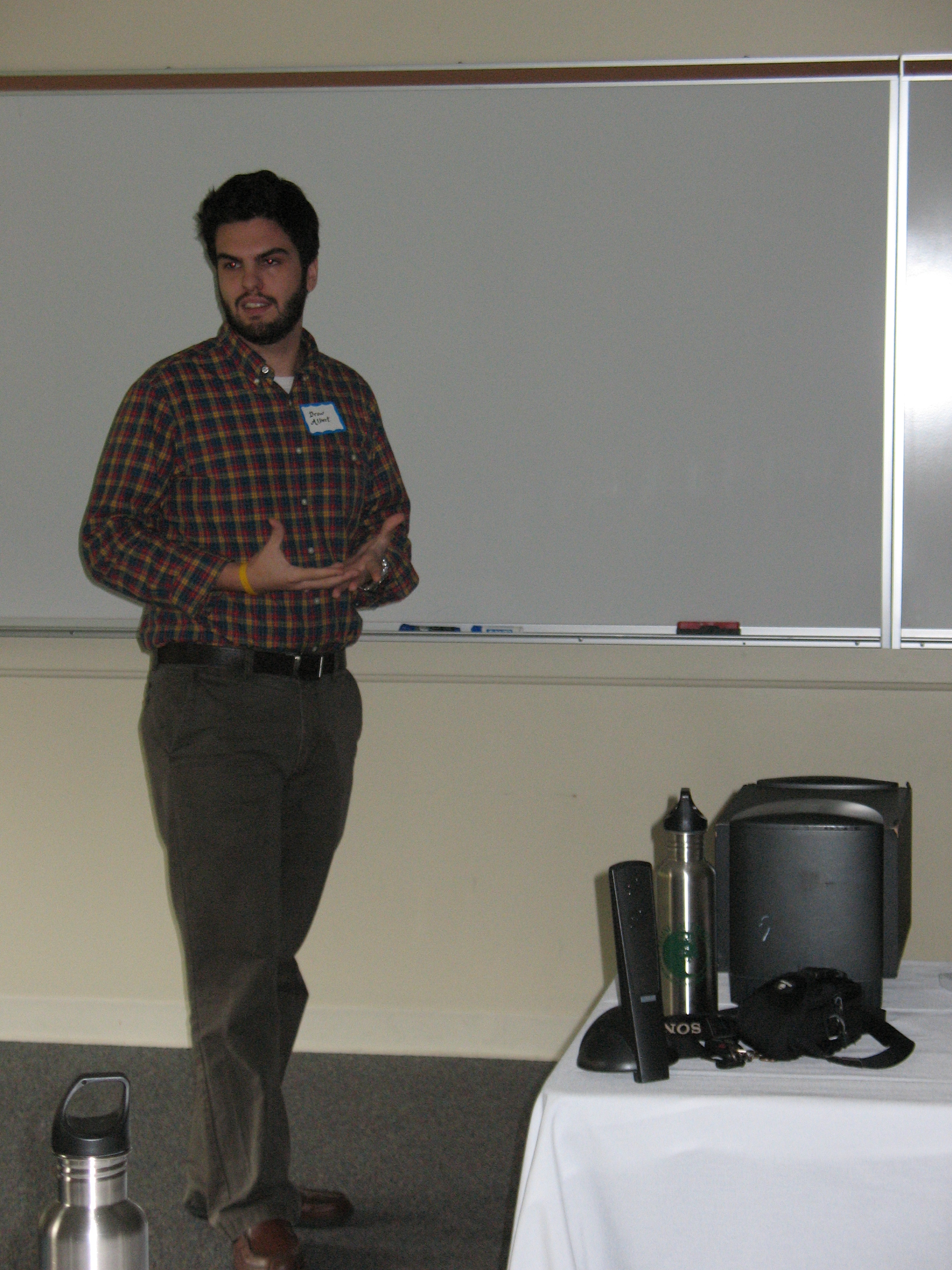
IMG_0126Drew Albert has been teaching at Maranacook Community High School in Readfield, Maine for two years. The high school serves about 400 students and Drew teaches both instrumental and vocal music.

What do you like best about being a music/art/drama/dance educator?

Certainly the most rewarding part of being a music educator is the students. It has proven to be an incredible experience to be their teacher. I feel such a sense of pride when they do something they thought they weren’t capable of, or when they realize a passion for music they might not have known they had.

What do you believe are three keys to ANY successful visual and performing arts education?

  1. Collaboration and support. Everyone needs to work well together: teacher and student, parents and teacher, administration and teacher, student and student.
  2. Vision. Setting goals for any program is the best path for growth, musically and otherwise. Reaching attainable benchmarks leaves myself and my students feeling accomplished, while also developing as both individuals and as a group.
  3. Passion. I want my students to find their passion even if it isn’t for music. Students should feel they are in an environment where they are free to express themselves and create; to take risks and make mistakes; to learn, laugh and grow.

 How have you found assessment to be helpful to you in your classroom?

Assessment has been the biggest tool in guiding my teaching. Having to work with many students, all performing at various levels, I felt responsible for knowing each students’ strengths and weaknesses. Preparing meaningful individual assessments has prevented me from letting any of my students fall through the ‘proverbial’ cracks. More often than not, I found areas in which I needed improvement. Assessing my students on a regular basis provides me with an observation of my own teaching, which is especially important considering the busy schedules of administrators and colleagues. These assessments have been an invaluable tool in evaluating student progress from lesson to lesson.

What have been the benefits in becoming involved in the arts assessment initiative?

To be surrounded by so many incredibly supportive and passionate individuals has been the greatest benefit of the initiative. I have learned so much from everyone that I am able to use in my own teaching, and we have really had a lot of fun together!

What are you most proud of in your career?

Without a doubt, being fortunate enough to be hired by Maranacook High School my first year out of college. They trusted that I was the right person for the job, so I try my best everyday when I get to school.

What gets in the way of being a better teacher or doing a better job as a teacher?

Time, for sure. That’s a universal issue. More time for students and teachers. Our students have so many opportunities to take advantage of. Naturally, the majority want to be involved in as many activities as possible. It’s no wonder we run into scheduling problems! Sometimes the math team is missing from dress rehearsal, others times a track meet is scheduled for the same day as the big Memorial Day parade. We just have to do the best we can and usually things will fall into place.

I also find myself getting in my own way. It is very easy to over plan for a particular lesson. Creating a behemoth of a plan with an unnecessary and confusing set of directions, assessment, rubrics, scales, standards, bells, whistles and the kitchen sink. I have learned these past two years to keep things simple, succinct and meaningful.

What have you accomplished through hard work and determination that might otherwise appear at first glance to be due to “luck” or circumstances?

I felt very lucky to sign my first contract at my current school. The truth is, I’ve been very fortunate to work with many supportive, passionate people. From my high school music teachers to my professors at the University of Maine, they are the ones who got me to where I am today, as well as my colleagues, friends and family. I owe them thanks for inspiring me to work even harder.

Look into your crystal ball: what advice would you give to teachers?

Every once in a while, congratulate yourself! You work hard. You inspire your students. You get to school early. You stay at school late. You put on concerts and fundraisers. You create and motivate. You play music and paint and act and dance. You are pretty great!

If you were given a $500,000.00 to do with whatever you please, what would it be?

Pay off my sister’s student loans and mine. Then I would take my entire family on vacation: aunts, uncles, grandparents, cousins…the whole crew. The last time we did that we went to Disney World. I’m thinking maybe Vegas this time? With whatever was left I would buy lots of new toys like guitars, ukuleles, steel drums…you name it. And of course I would share them with my students!

Imagine you are 94 years old. You’re looking back. Do you have any regrets?

I would be pretty excited to see 94! There will always be regrets in my life and career. In the words of Henry David Thoreau, “Never look back unless you are planning to go that way”.

Thank you Drew for sharing your story!


h1

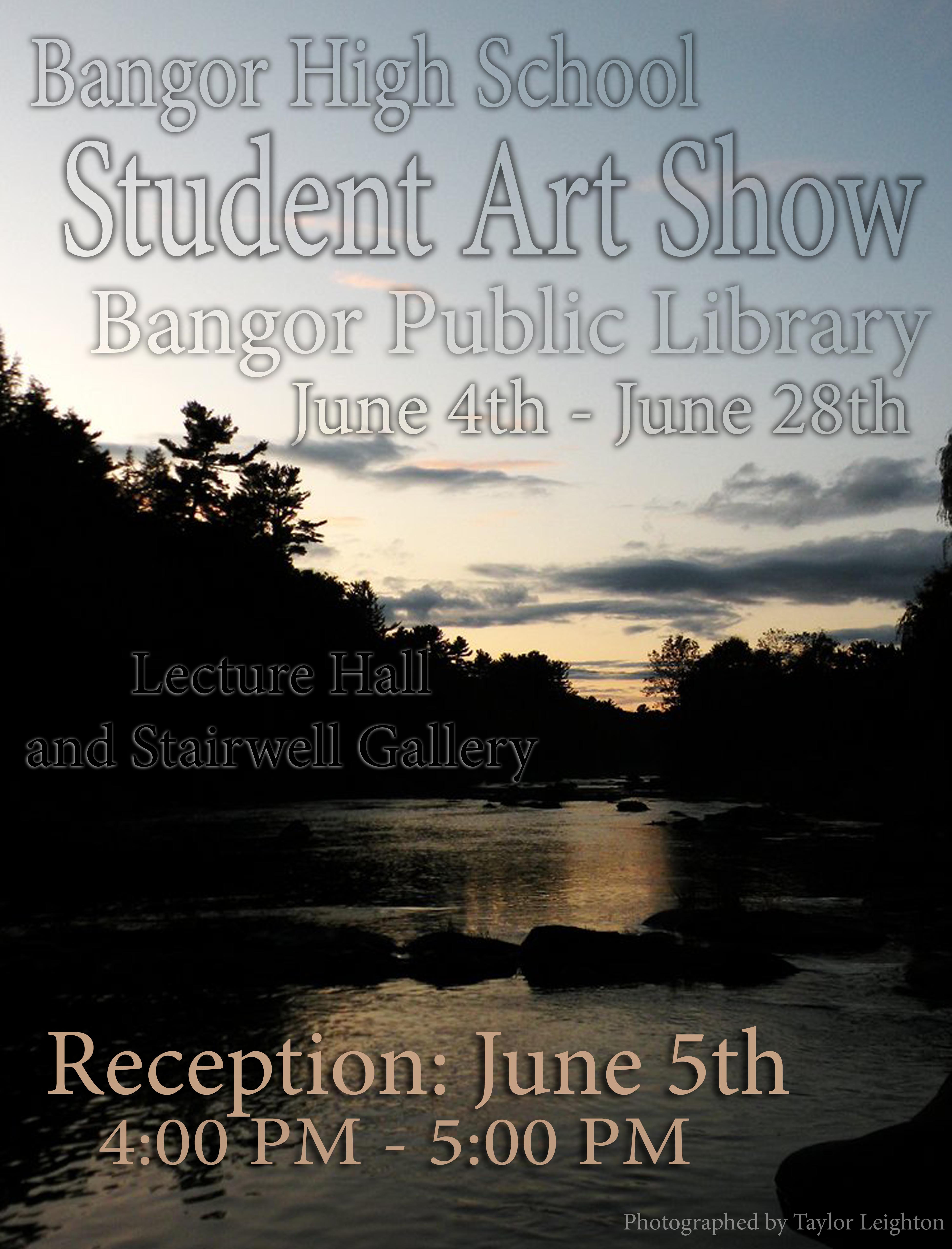
Bangor High School

June 3, 2013

libraryartshow2013

h1

MAEA Fall Conference

June 2, 2013

Haystack registration is open

Screen shot 2013-06-01 at 10.47.25 AMIf you are planning on attending the fall Maine Art Education Association fall conference, it is time to register! Please go to http://www.mainearted.org/MAEA/Register_Now.html to register and for more information. The conference is being held at Haystack Mountain School of Crafts in Stonington on September 13, 14, 15th.

Workshop Choices
1. Creative and Useful Bookmakin with Sally Allen
2. Alabaster Carving with Anne Alexander
3. Encaustic Painting with Diane Bowie Zaitlin
4. Animal sculptures with clay using enclosed forms and additions  with Tim Christensen
5. Plein Air Painting with Cooper Dragonette
6. Responding to ­ Photography in Europe with Brenton Hamilton
7. Knifemaking with Tim McCreight

Conference Fees
Conference including room and meals: $250.00
Conference including only meals (day participants):$200.00
New 2013-14 MAEA membership is required for registration.  Online registrants will be able to make a single payment.

  • On Campus (+ Student Membership) $270
  • Off Campus  (+ Student Membership) $220
  • On Campus (+Full Membership) $280
  • Off Campus  (+Full Membership) $230
  • On Campus (+Retired Membership) $260
  • Off Campus  (+Retired Membership) $210

For more information and details on the MAEA fall workshop please go to http://www.mainearted.org/MAEA/Haystack.html