Posts Tagged ‘Maine’

h1

Honoring Marisa Weinstein

June 1, 2013

Music Educator of the Year

I attended the annual banquet at the Maine Music Educator’s Association All-State conference at USM and was delighted to watch and listen as educators were recognized for their contributions to music education in Maine.
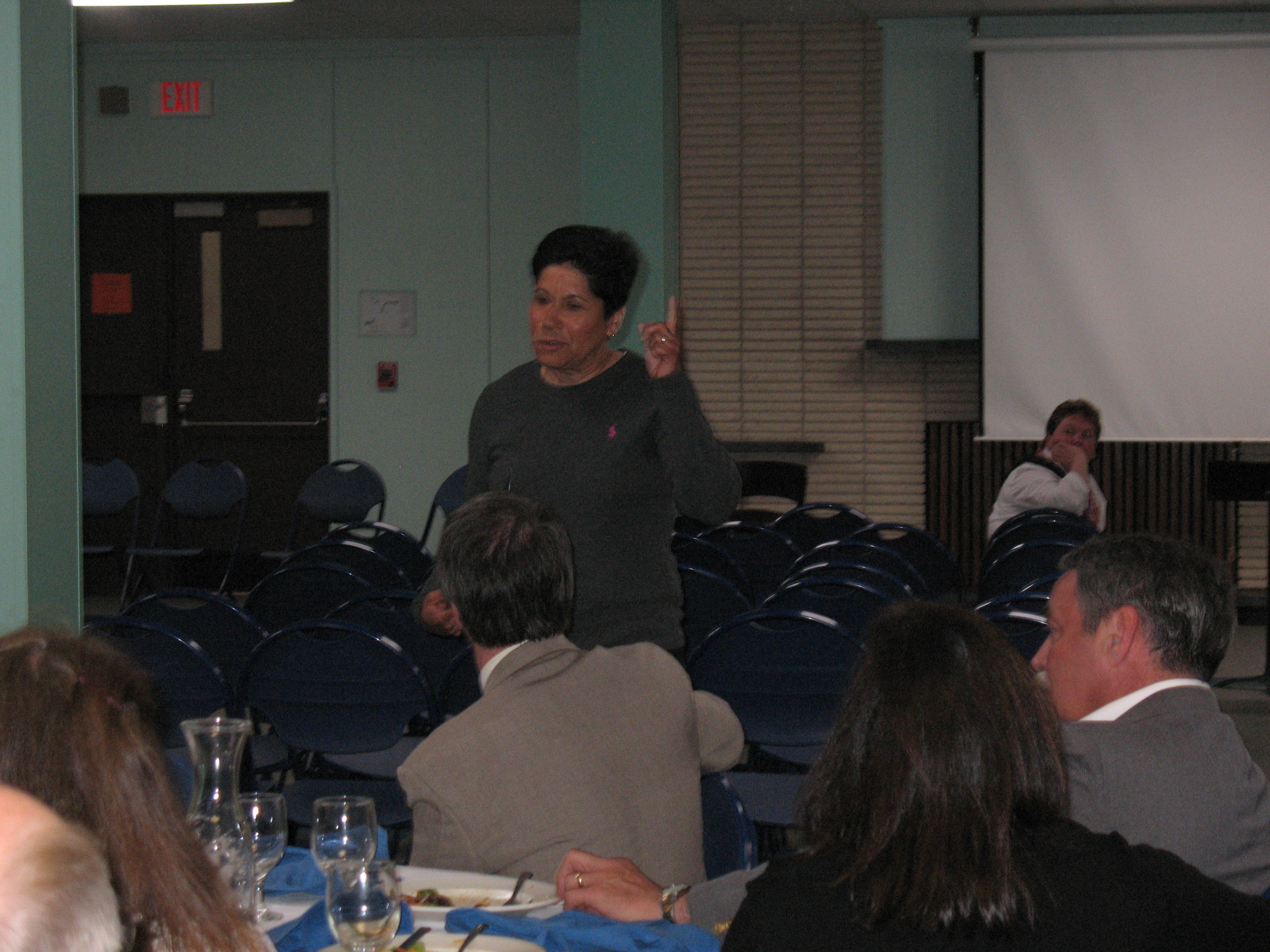
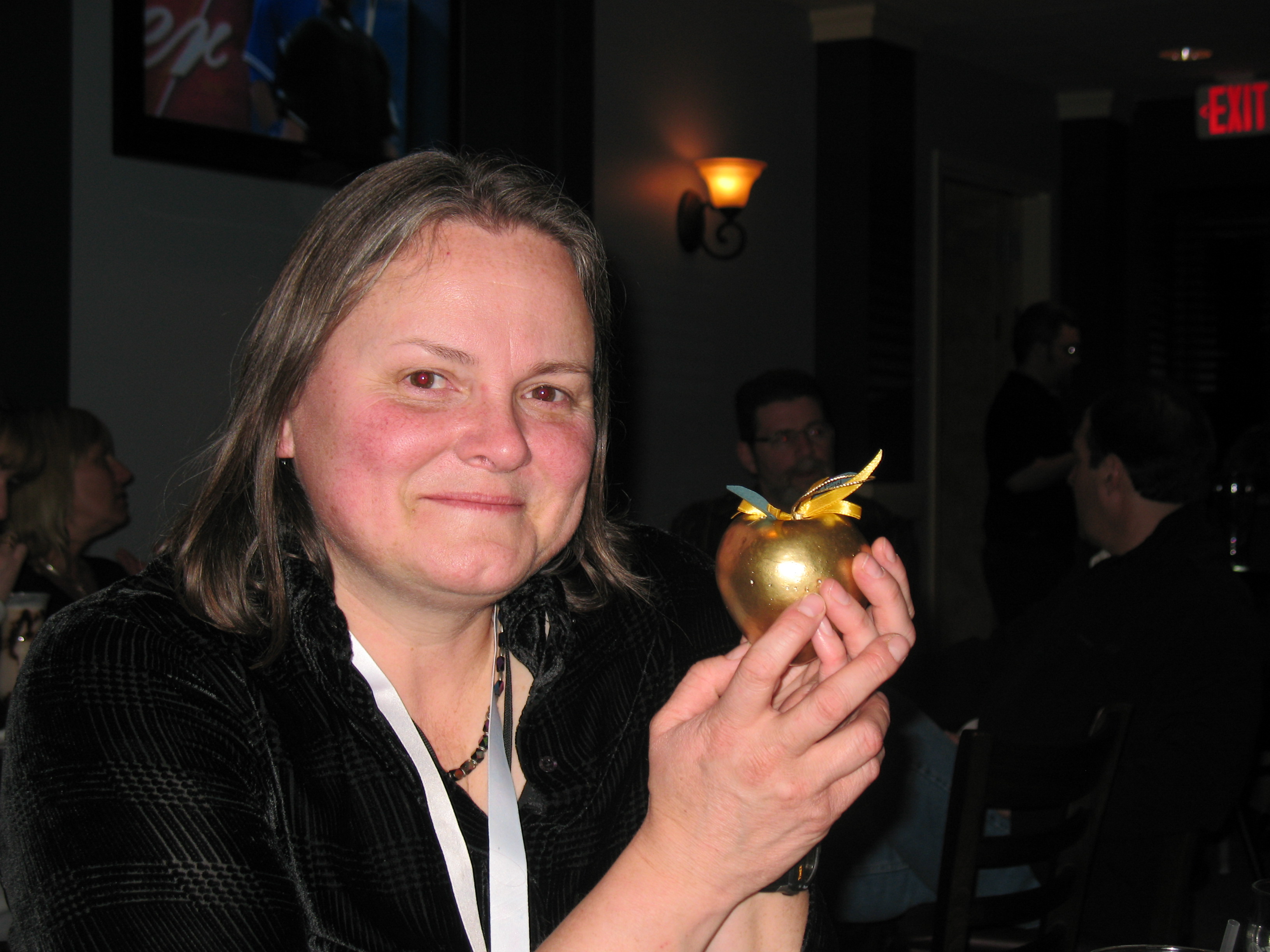
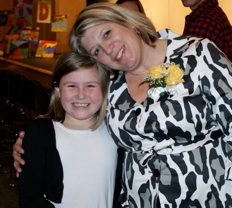
IMG_3341Visual and Performing Arts Department Head at Maine Central Institute, Dean K. Neal, nominated his colleague Marisa Weinstein for the Maine Music Educator of the Year. She was honored at the banquet along with others. Below is a segment of the nomination papers that Dean submitted. They are re-printed below with Dean’s permission.

Congratulations Marisa!

I have had the privilege of being a teaching colleague of Marisa’s for 23 years. This is her 24th year of teaching at Warsaw Middle School in Pittsfield where she currently teaches general music, beginning band, intermediate band, concert band (7/8 grade), 5/6 grade chorus, 7/8 grade chorus, jazz band 1 and jazz band 2.

As examples of Marisa’s interest in the total music education of the students of MSAD #53 I will begin with her saving a choral program that was in desperate need. The choral program of Warsaw Middle School was superb for the first half of Marisa’s tenure. Marisa’s area of concentration is instrumental music and she was not the choral educator during this time. The program then encountered changes in staffing for a period of three to four years. It was in this time that the choral program suffered greatly. As administration sought solutions Marisa offered that she would restructure her schedule to absorb teaching the 5/6 and 7/8 Choirs. Marisa whole heartedly applied herself by studying choral education literature, consulting with other choral educators and doing all she could to prepare herself to meet the needs of the choral students. In the several years since, she has taken the 7/8 chorus from being a group of 8-10 students that struggled to sing two part pieces, to an ensemble of 50-60 students performing three part literature. The choral students of Warsaw Middle School are now represented in a strong way in the regional auditioned honors festival. Throughout this process, she has somehow managed to maintain all of the performing ensembles she was teaching prior to taking on the choral curriculum and keep the education and performance levels to high standards of excellence.  

Marisa’s interest in the total program is not limited to the students of Warsaw Middle School though. She continues to follow them into the secondary level by consistently attending school concerts and events. More impressive is the fact that it is common for her to take the time to travel across the state or even out of state to see these students perform in festivals or at an event such as the Berklee Jazz Festival.  

Marisa has continually sought to better herself as an educator and performer by enrolling in workshops, masterclasses and performing ensembles. Last year she was one of a handful of Maine music educators selected to conduct for a nationally recognized conductor in a masterclass setting. Over her tenure she has consistently performed with numerous community and professional organizations throughout the state. She clearly understands the connection between the art and craft of making music and delivering that to youth through education.  

The respect afforded Marisa by fellow educators is evident through the many invitations to conduct regional honors festivals.  It is possible that she has guest conducted in every MMEA district but I know for certain she has guest conducted in Districts 3,4,5,6, and 7.  Her presence in MMEA has been felt more than through her conducting though.  Marisa has also been at the forefront of leadership by holding positions as District Chair, District Manager, Festival Host, (KVMEA President, Manager, Auditions Host as well.)

I must also mention that Marisa’s love and care for the school community go far beyond the music program.  During her time at Warsaw she has been Yearbook editor and advisor, served on committees and currently serves as 7/8 grade girls soccer head coach, 7/8 grade girls basketball head coach and 7/8 grade softball head coach.  It seems her commitment to the students of MSAD #53 and MCI knows no bounds.  Her passion for education and her love for music combine to make her one of the finest educators I have witnessed in my career.  I am proud to teach with her in our school system and believe her to fit in every way the honor of “MMEA Educator of the Year”.

h1

Archived Webinars: CDLN

May 31, 2013

Wrapped up with a bow!

A GREAT BIG THANK YOU TO:

Jen Nash, K-8 music educator, Etna-Dixmont, RSU 19

Lisa Gilman, 7-12 art educator, Winthrop Middle and High School, AOS 97

Suzanne Goulet, art educator, Waterville Senior High School

The three visual and performing arts educators hosted 4 webinars during the 2012-14 school year for the Cross Discipline Literacy Network. They did a fabulous job planning and facilitating the webinars that illustrated the connections between the arts and literacy from multiple angles and integration methods.

They invited guests to participate as well so there was a wealth of information shared on each webinar from people with tons of knowledge. Guests included: Catherine Ring, Jude Valentine, Katrina Billings, Pam Ouellette, Karen Montanaro, and Jake Sturtevant.

Fortunately the webinars are archived so you can access them alone or perhaps with your colleagues. It would be a great way to spend professional development time with colleagues in your building, district, or region. Each webinar provides a place to start a conversation and continue with work you might have underway with literacy, the Common Core ELA, integration, and much more.

The webinar are listed below along with the links where you can access them.

OLYMPUS DIGITAL CAMERA

Lisa Gilman

img_2854

Jen Nash

IMG_3111

Suzanne Goulet

h1

Honoring Ruey Yehle

May 30, 2013

Outstanding Administrator award for the Maine Music Educators’ Association

Recently at the All-State music educators conference sponsored by the Maine Music Educators Association I was happy to attend the Thursday night banquet where several Maine educators were recognized for their contributions. One of the annual awards is the ‘administrator award’ presented to an individual who has made enormous contributions to music education. Often the individual exhibits what we all hope for in a school administrator. This years recipient is exemplary and I was glad to be there to see Ruey Yehle, principal of Hampden Academy, receive her award.

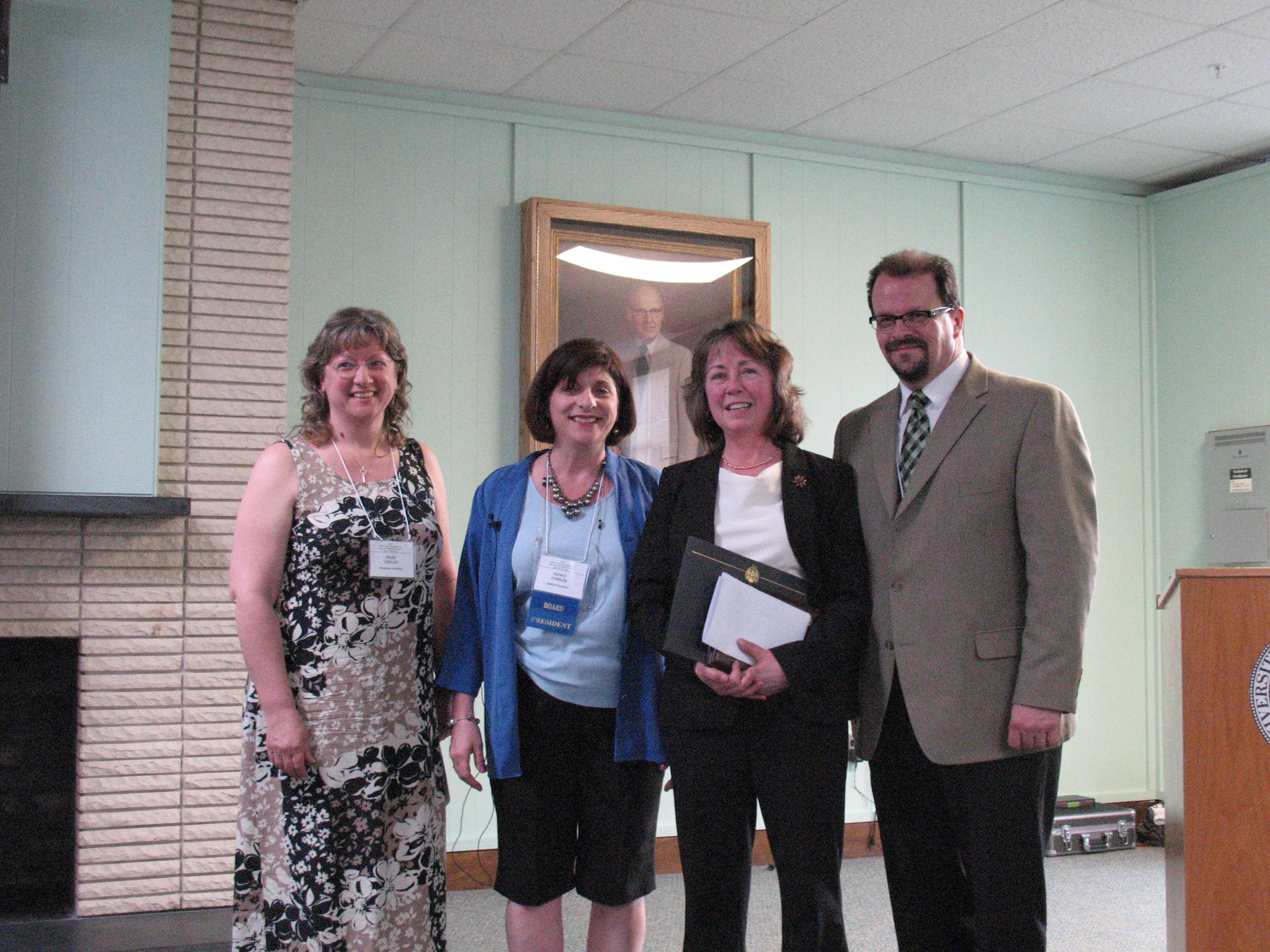
Hampden Academy Music educator Heidi Corliss introduced Ruey and with her permission I re-print her presentation below…

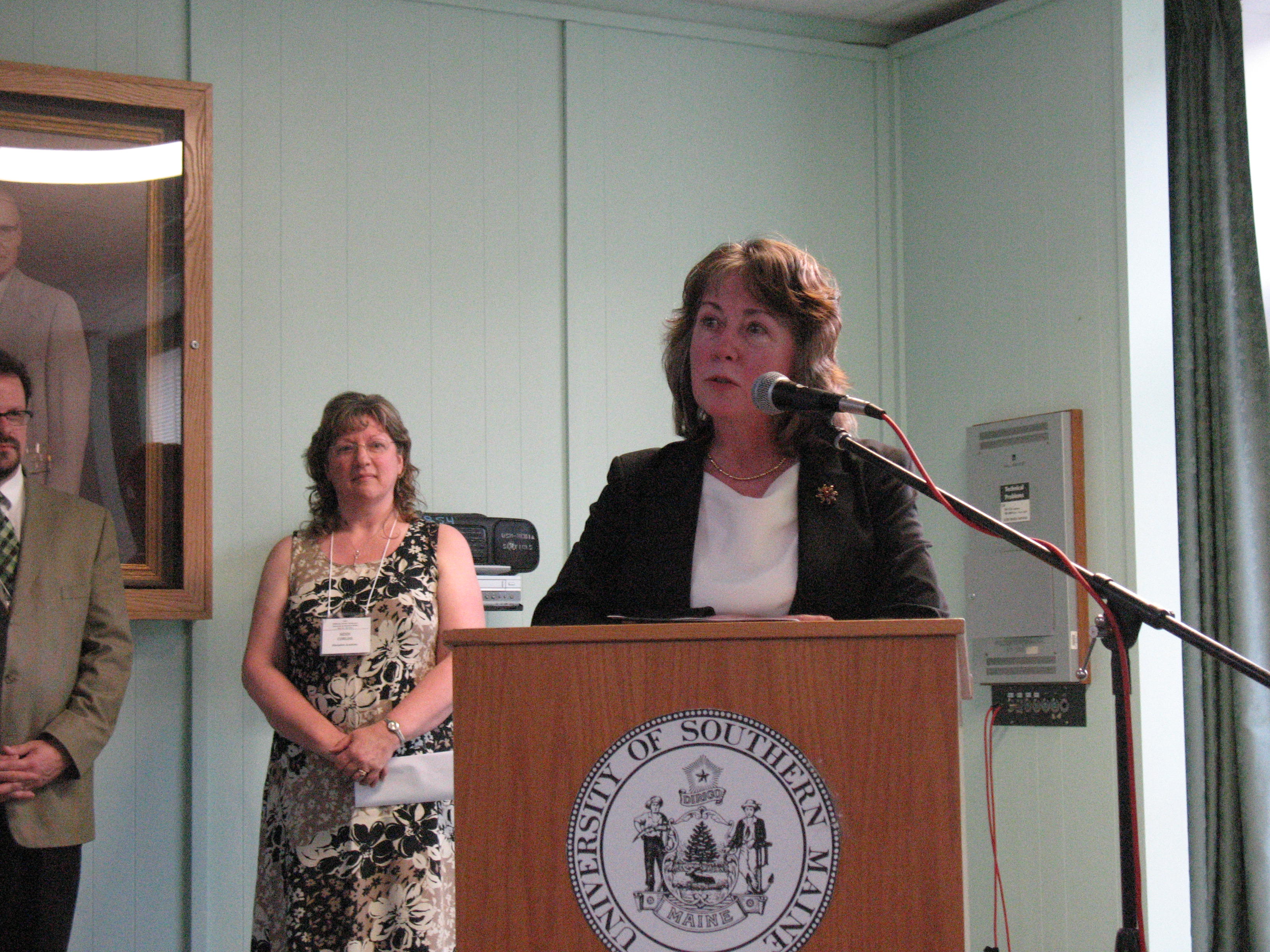
IMG_3332It is with great pleasure that I am able to introduce you to Mrs. Ruey Yehle for the Outstanding Administrator award for the Maine Music Educators’ Association. She is the principal of Hampden Academy. It is said that the best educators do not just teach but inspire their students to want to learn. Mrs. Yehle is just such a leader. She models her expectations for her teachers and students and sets the example for other administrators in our district. Her goal is for the students and teachers in her school to not only become excellent but also to practice excellence everyday. Because of her example, I feel I am a better music teacher than I would be without her.

She grew up with music as a large part of her life, singing and playing oboe. Her love of music is evident as she encourages us as music teachers and our students. She rarely misses a performance whether it is at our school or traveling to district and state festivals. She has traveled with our band and chorus on overnight performance trips as well and today drove one of the vans for our African Drumming class to perform here at our All-Sate conference and banquet.

This year, we moved into a new high school. I would guess that the performing arts wing is like very few in the state. She made sure we had much input and she continued to communicate with us through the entire process, instructing us to consider the materials and equipment to support excellence in teaching and performing. She wrote educational specifications that were so well written and so complete that the building committee legislators in Augusta had very little choice but to support her requests. We have a large choral room with a keyboard/ computer lab including software to compose, practice, and record music. We have a band room with 2 sound proof practice rooms. There is a music library, a black box theater which can also be used as a green room with dressing rooms and restrooms. Along the hallway walls are display and trophy cases. There is a scene shop and a 910 – seat performing arts center with full fly space and a balcony which can be visually closed off and used for a lecture space. We also have a ticket booth and a sound/lighting booth with state of the art equipment that she encourages us to use as a teaching laboratory. We are adding courses to support this space including work in sound and lighting technology.

Our present music offerings at the high school include 2 bands and 3 choirs in the school day, 2 jazz ensembles and a show choir. We also teach classes in music industry, African drumming and music theory.
Ruey is always open to new ideas, especially encouraging her performing arts teachers to be creative and try new things. Next fall, we will be doing our first musical in almost 20 years. In talking to the students, they commented about how much they feel her support for them and her appreciation for their involvement in the performing arts. She proudly encourages our students to participate in both athletics and the arts, boasting about the successes in all areas. Our three All-State participants this year are also athletes. One plays soccer, one plays football, and one runs cross country.

I am extremely proud to teach under the leadership of Ruey Yehle.

IMG_3333

h1

Phase 3 MAAI Teacher Leaders Announced!

May 29, 2013

Look to your visual and performing arst education leaders

screen-shot-2012-05-14-at-9-26-16-pmAlmost exactly one year ago the teacher leaders were announced for the second phase of the Maine Arts Assessment Initiative. I am excited to share with you that teacher leaders have been selected for phase 3 of the initiative. In June they will attend a 3-day professional development institute at Maine College of Art in Portland expanding their knowledge in assessment, leadership, technology, and creativity. During the 2013-14 school year the teacher leaders will present workshops:

Watch for the blog posts with more information on the opportunities provided by the third phase of the initiative! CONGRATULATIONS to the following arts educators for stepping forward and taking on this important work across Maine! Continuing with the initiative for the third phase are many of the teacher leaders from phase 1 and 2! Thank you for your continued support, interest, and for taking on the role of leader!

MUSIC EDUCATORS

  • SUSAN BARRE – Waterville Schools, grades 5-12
  • JENNIFER ETTER – York Middle School, grades 5-8
  • JUDY FRICKE – Main Street Music Studios, Early childhood
  • PATRICIA GORDAN – Raymond Elementary School, grades K-8
  • LINDA MCVETY – Songo Locks Elementary School, grades K-5
  • JENNI NULL – Songo Locks Elementary School, grades K-6

VISUAL ART EDUCATORS

  • SASHA BLADEN – Enfield Station School, grades PK-5
  • AMY COUSINS – Gorham Middle School, grades 6-8
  • MELANIE CROWE – Marshwood Middle School, grades 6-8
  • SUZANNE GOULET – Waterville Senior High School, grades 9-12
  • LISA INGRAHAM – Madison Elementary School, grades K-4
  • BRIAN McPHERSON – Woodside Elementary School, grades K-5

PERFORMING ARTS EDUCATORS

  • BETH LAMBERT – Carrabec High School, grades 9-12
  • LISA NEAL – Nokomis Regional High School, grades 9-12

The Maine Arts Assessment Initiative wiki is located at http://maineartsassessment.pbworks.com. The Maine Department of Education has a webpage devoted to the initiative at http://www.maine.gov/education/lres/vpa.

Teacher leaders at winter planning session - 2013

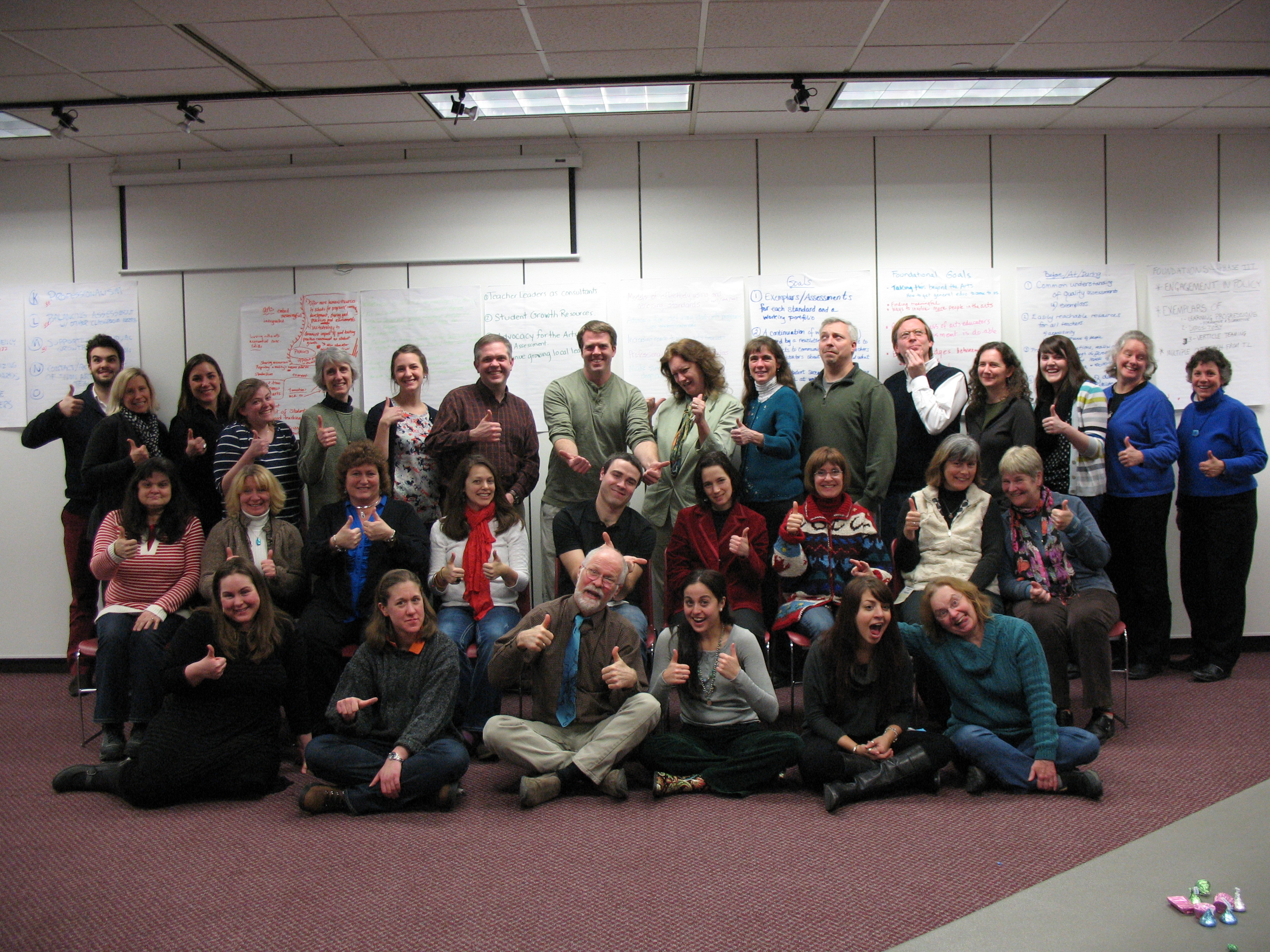
Teacher leaders at winter planning session – 2013

h1

Another Arts Teacher’s Story: Danette Kerrigan

May 28, 2013

This is the 33rd in a series of blog posts telling arts teacher’s stories. The first 19 were told last year by the phase I Maine Arts Assessment Initiative teacher leaders. The series continues with the stories from the phase II teacher leaders. These posts contain a set of questions to provide the opportunity for you to read educators stories and to learn from others.

SONY DSCDanette Kerrigan is a Visual Arts Teacher at Sacopee Valley Middle School. She has been teaching in the district for seven years, initially as a traveling elementary teacher in four schools, for two years. Danette then moved into the middle school and currently teaches grades 5-8, approximately 360 students. Her main responsibilities include those grades and she also assists in Response to Intervention (RTI) services in grade six.

What do you like best about being an art educator?

There are moments of such clarity when students gain insight, learn a new skill; experience the joy of success in the shadow of a failure.  It is a privilege to be apart of those moments.

What do you believe are three keys to ANY successful visual and performing arts education?

  1. The passion and commitment of the teacher.
  2. A well thought curriculum that is multidimensional, interdisciplinary and accountable.
  3. Students!

How have you found assessment to be helpful to you in your classroom?

Assessment has been monumental in my ability to provide a rich and individualized experience for students. It has informed my instruction and helped me understand the impact of that instruction.

What have been the benefits in becoming involved in the arts assessment initiative?

Getting involved with the Arts Assessment Initiative came at a crucial time in my career. That 5-6 year period where the shine has come off a little bit, where the politics of education seems to bite a little harder. I was beginning to languish and was primed for being re-energized as a teacher. Being involved in the initiative has re-ignited my passion for the quality of my students’ experience, a renewed energy to reach beyond the school day and explore the possibilities of things I haven’t even yet thought of. It has informed my learning and supported my work as a National Board candidate. It has pushed me to reach out and network with others so that I can be reminded of all the reasons we do what we do.

What are you most proud of in your career?

I am most proud of the experiences with my students. Our district is one of the districts working with teacher evaluation and we are constantly reflecting on goals and outcomes. One of the reflections I have been working with this year has been…”What do I want them to learn?”

As a test, I asked a student…”What do you think you learn in this class? ”  She responded, “I learn to think for myself.  I learn to try something I haven’t tried before. I learn that even if something doesn’t work out, I can get something from it.”

It made my day.

What gets in the way of being a better teacher or doing a better job as a teacher?

My inability to say “no”.

What have you accomplished through hard work and determination that might otherwise appear at first glance to be due to “luck” or circumstances?

I have truly put much hard work into creating an environment in my classroom where students can have respite in their day, whether it is during the art class, or recess, or free time. I believe we all need a place to go where the work we do is valued and that we are appreciated. We all need a safe and welcoming space to create, and not simply art; middle school students create friendships, character and sometimes a little chaos. It is work, it isn’t just circumstances or class lists or the luck of the draw that creates an environment that students can grow, I have to facilitate it.

Look into your crystal ball: what advice would you give to teachers?

Take care of yourself financially. Put 10-15% of your money away every paycheck and after a few months, you’ll never miss it. Plan ahead. Advocate every chance you get.

If you were given a $500,000.00 to do with whatever you please, what would it be?

Pay off my daughter’s student loans; they are just starting off in their lives and already in so much debt. Then mine. Set up a charity. Invest the rest.

Imagine you are 94 years old. You’re looking back. Do you have any regrets?

I certainly hope not, I’m working on the bucket list now!

Thank you Danette for telling your story!


h1

All-State In-Service Conference

May 27, 2013

A GREAT event!

IMG_3344

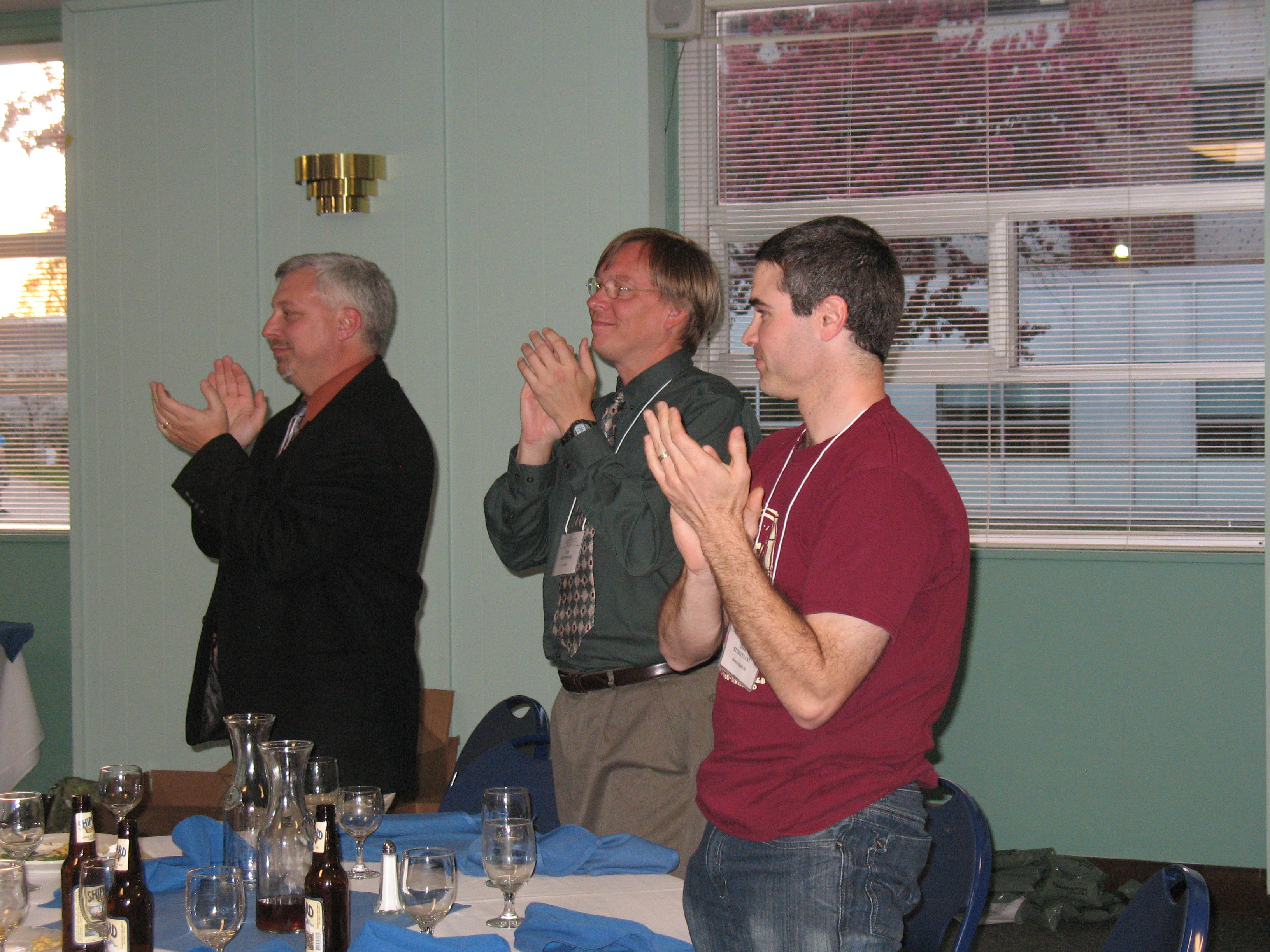
Sanford High School’s Matt Doiron, York High School’s Rob Westerberg, and Bonny Eagle High School’s Jake Sturtevant recognize colleagues with a standing ovation. All three have had an active leadership role in the Maine Arts Assessment Initiative.

It was wonderful to have the opportunity to attend the In-Service conference week before last that the Maine Music Educators Association (MMEA) provided for music teachers across the state. Congratulations and a great big THANK YOU to the planning committee for your work and time commitment to making the professional development opportunity a success!

Please watch for individual blog posts on those individuals who have been honored by the MMEA for their commitment to the profession. Thank you to those who take the time to recognize colleagues! I know it means a great deal and it is a reminder to all of us that our work is appreciated.

It was great to see so many Maine Arts Assessment Initiative’s teacher leaders providing workshops during the conference.

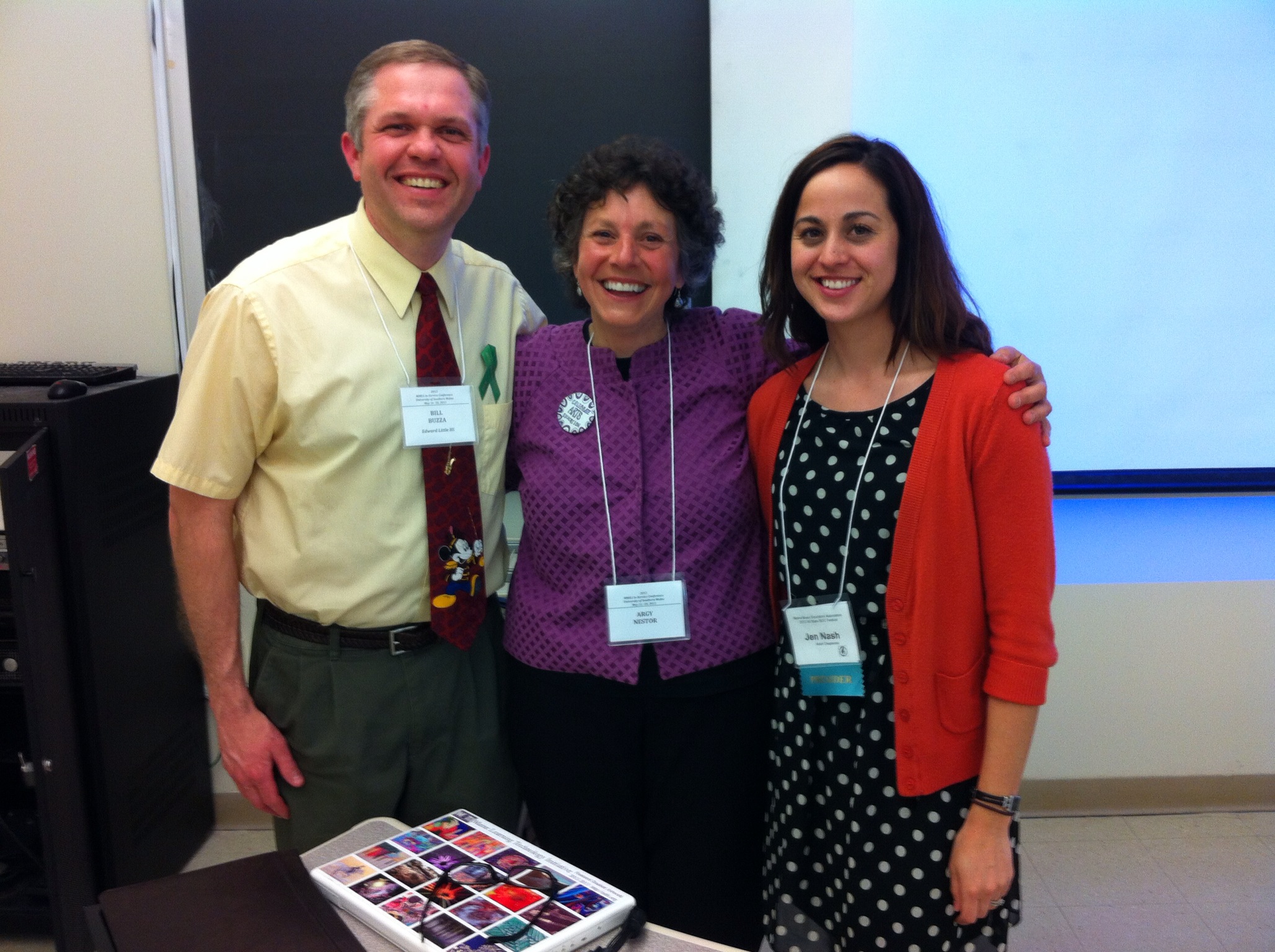
I had the opportunity to join my music colleagues and Maine Arts Assessment Initiative’s teacher leaders Jen Nash and Bill Buzza in presenting a session on the National Core Arts Standards (NCAS). Jen and Bill and colleague Allysa Anderson provided feedback on the first draft of the document. All three are teacher leaders with the Maine Arts Assessment Initiative. They were three of 10 Maine visual and performing arts educators that provided feedback. Because of their involvement they have first hand knowledge of the NCAS draft. Several teachers attended the session and asked questions and provided suggestions on how to disseminate the NCAS information as it becomes available. If you have any suggestions, please email them to me. It is important that all of you provide feedback. The next draft of the standards is scheduled for release in June and it will be available to everyone. Please get ready to provide feedback!

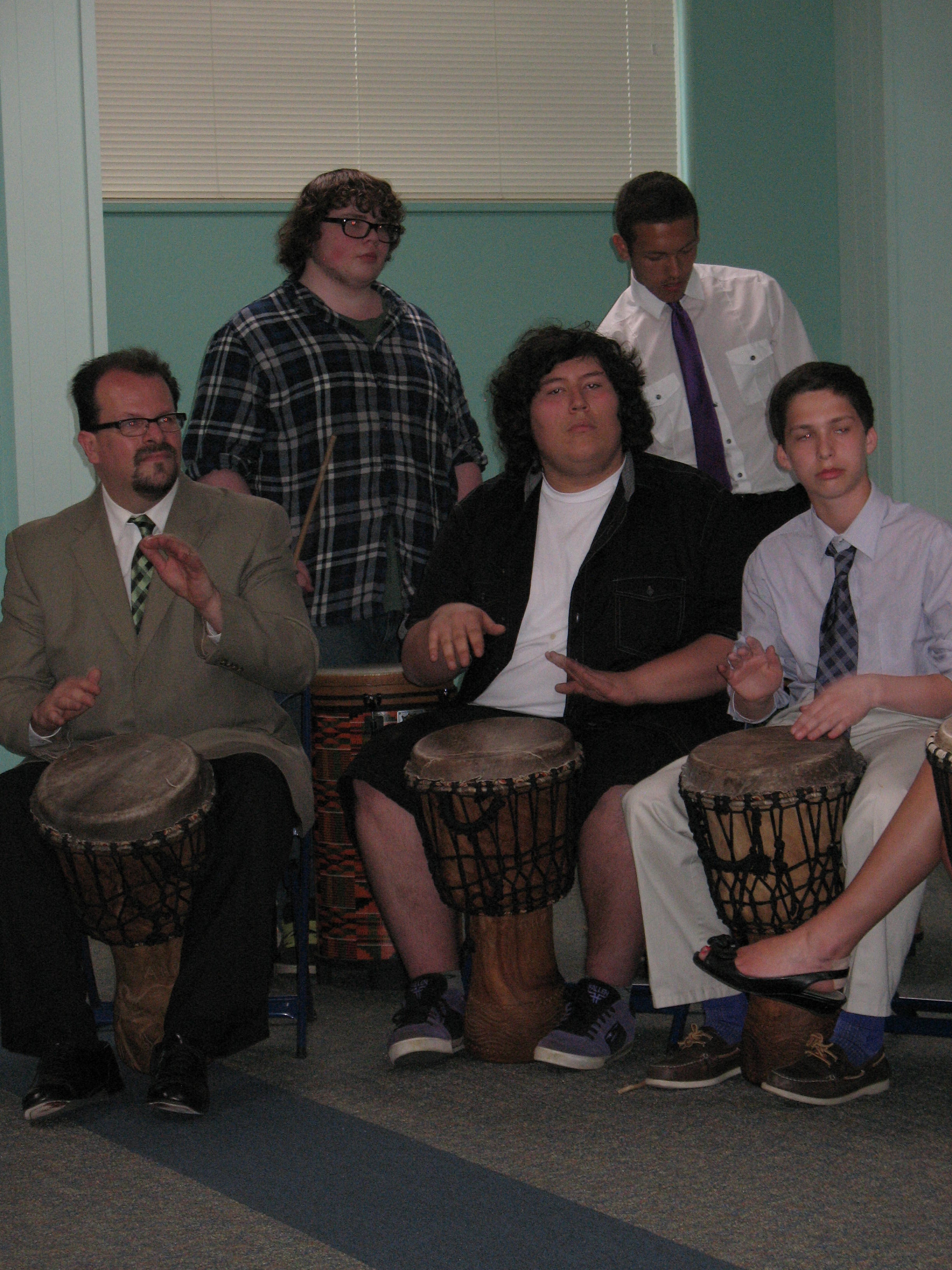
I was glad to attend the banquet and see the performance of Hampden Academy students and their teacher Pat Michaud joining them on the drums. It was a delight to see so many of you attending the conference and a chance to chat.

IMG_3323

Pat Michaud and Hampden Academy students perform at the banquet.

IMG_3343

Music teachers showing their appreciation for the student performers

IMG_3320

Music teachers discuss the National Core Arts Standards

Bill Buzza, Argy, Jen Nash presenting the session on the National Core Arts Standards

Bill Buzza, Argy, Jen Nash presenting the session on the National Core Arts Standards

h1

Looking for Arts Teachers

May 26, 2013

Call for Applications to Summer Institute
for Maine Visual and Performing Arts Educators
July 23 – 25, 2013
Pine Tree Camp, Smithfield, Maine

The Maine Arts Commission and Syntiro are announcing a call for applications from Maine educators for a three-day summer institute focusing on teaching arts to K-12 students with disabilities.

20130513_100728 The institute will accommodate a total of 15 educators who will be part of a team developing new techniques and best practices for teaching arts to K-12 students with disabilities. The learning experience will consist of both structured training and real time opportunities to work with students. Each participant will receive a $200 stipend to assist with travel.

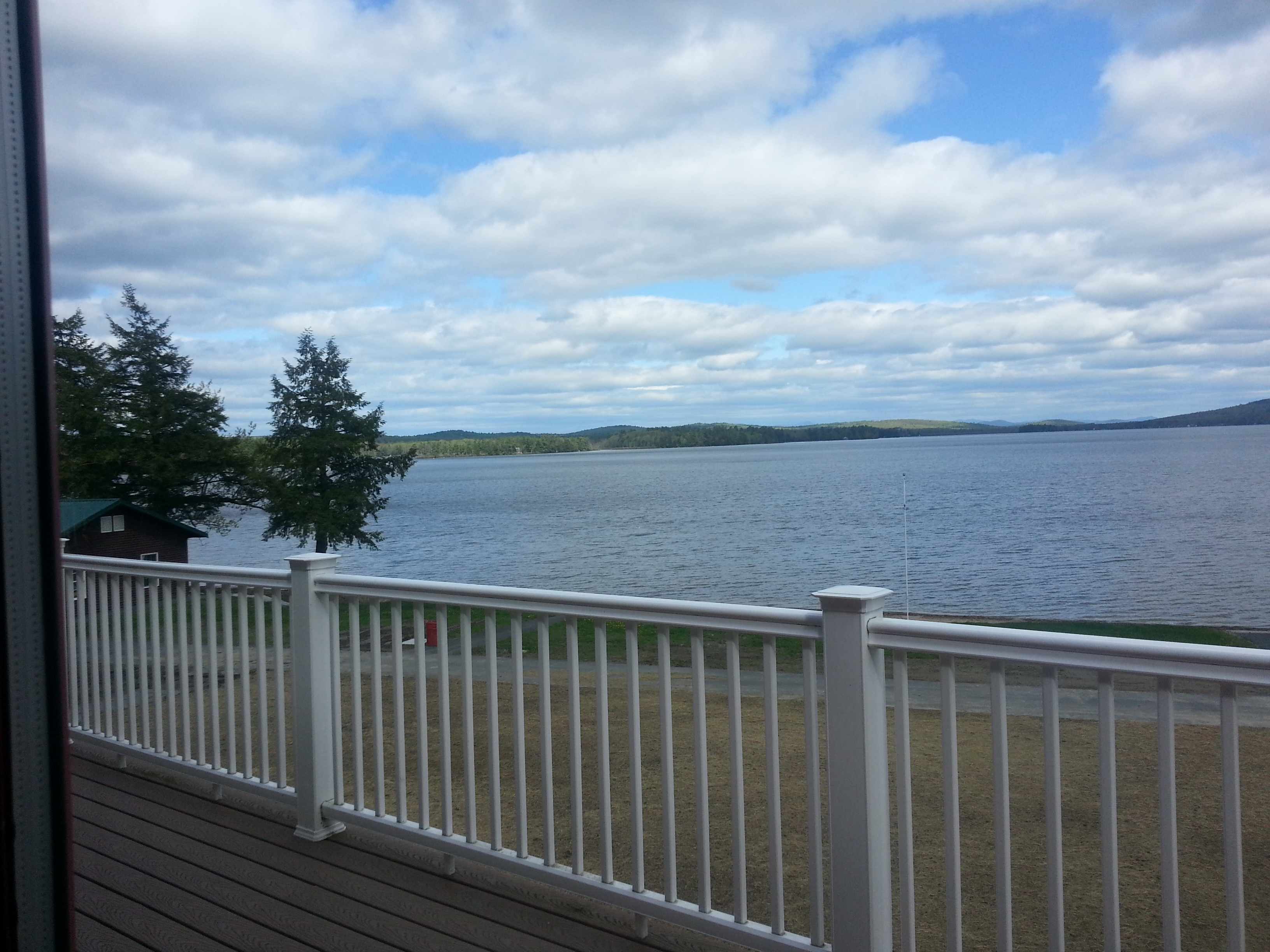
The summer institute will be held at the Pine Tree Camp in Smithfield, ME, July 23-25, 2013. This beautiful camp is nestled on the shore of North Pond with rustic large cabins and a mile of shorefront.  Participants will spend three days fully immersed in camp enjoying meals and free time with students, while having the opportunity to participate in professional development designing arts curricula throughout the day.  Overnight lodging is available and encouraged. Pine Tree Camp will be providing participants with a large group cabin for their use during the three days at no charge. There are hotels available offsite if you prefer but they would be at your own expense.

By the end of the 3 days, success will look, sound, and feel like:

  • a deeper understanding of students with disabilities
  • an opportunity to learn techniques to help all students succeed in the arts
  • an opportunity to participate in designing curricula that engages  students with disabilities
  • a collaborative arts experience that engages students and helps teachers learn through hands-on experience
  • an understanding of ways various arts mediums can be used to engage students with disabilities
  • Practice using specific skills that promote arts participation and comprehension for students; and
  • Confidence and eagerness to act in new ways that will optimize the performance of the students with whom you are working.

Applications will be reviewed by looking at the following:

  • A brief resume of classroom experience;
  • what skills, perspectives and experiences you hope to bring to the experience;
  • what you hope to gain from the experience;
  • a description of any past experiences you may have had working with students with disabilities;
  • an explanation of what makes you a good candidate for this summer institute.

Submit Application
The institute is open to Maine educators with at least three years of classroom experience. Preference will be given to visual and performing arts educators. Fifteen participants will be chosen based their application. Please CLICK HERE for an application. Chosen participants will be notified by June 21, 2013.

Participants are required to stay from 8-4 each day. Overnight lodging is free, encouraged and available. This is intended to be a full immersion program.

20130513_111310DEADLINE FOR APPLICATIONS: JUNE 20, 2013

h1

In Today’s News

May 24, 2013

Rick Nickerson up for Grammy Honor

DSC_0036In today’s Portland Press Herald written by Leslie Bridgers

A Windham High School music teacher is up for a new award from the Grammy Foundation.

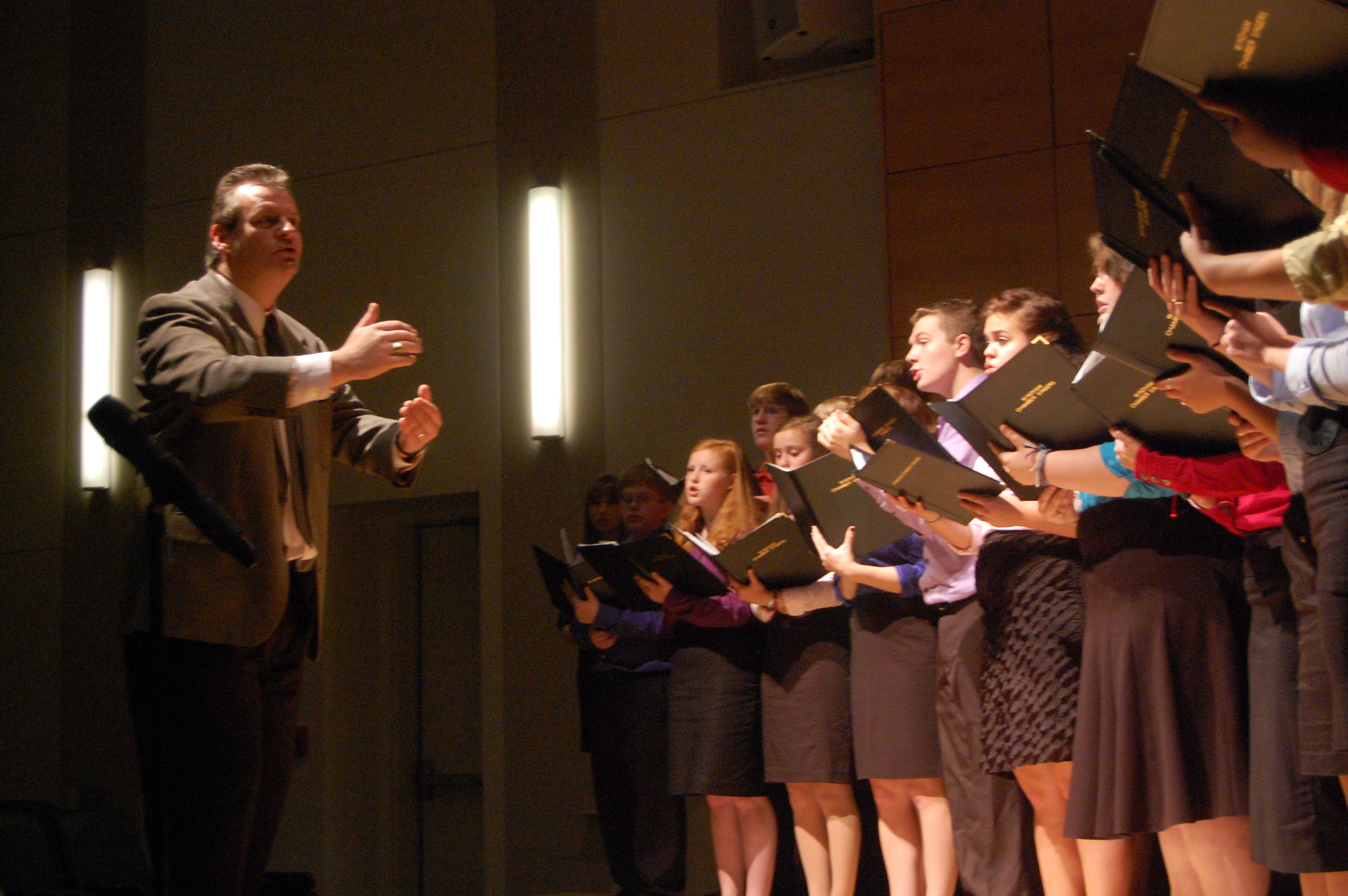
Rick Nickerson, who is also the director of the school’s chamber singers, is a quarterfinalist for the Grammy’s first-ever music educator award.

The award’s 217 quarterfinalists are from 195 cities in 45 states, according to a press release from the Grammy Foundation.

Music teachers from public and private schools, from kindergarten to college, were eligible for the award, which recognizes teachers “who have made a significant contribution to the field of music education and who demonstrate a commitment to the broader cause of maintaining music education in the schools,” the release said.

The winner, selected from 10 finalists, will attend the Grammy Awards and receive $10,000. The other finalists will receive $1,000, as will their schools.

Semifinalists will be named in August.

h1

Another Arts Teacher’s Story: Susan Jones

May 21, 2013

This is the 32nd in a series of blog posts telling arts teacher’s stories. The first 19 were told last year by the phase I Maine Arts Assessment Initiative teacher leaders. The series continues with the stories from the phase II teacher leaders. These posts contain a set of questions to provide the opportunity for you to read educators stories and to learn from others.

Susan M. Jones has been teaching for 19 years in MSAD/RSU 40 at Medomak Valley High School. Her present teaching responsibilities include 25 students in chorus, 17 students in theatre, and 65 students in history. Before teaching at MVHS she was in neighboring MSAD 50 for 2 years.
She started teaching music, K-12; general, vocal, instrumental for about 8 years,  and then expanded to Social Studies around 1999. Susan’s purpose was her desire to teach Music History, and learned that she could only do that with a certificate in Social Studies. So she got temporary certification and proudly showed her principal who informed her that someone else would be teaching Music History, but could she “please teach one class of World History?” The pay-off would be that she would only teach in one building all day. Fourteen years later she still hasn’t taught Music History. In 2004 she taught history full time. After four years, Susan was put back into part-Fine Arts and part-Social Studies, and then in 2011, Intro to Theatre class was added to her teaching load.

The main responsibilities of Susan’s classes are to prepare students for college (history classes); to prepare and perform choral pieces and to bring each student’s vocal ability to a higher plane (chorus); and to teach the basics of acting and improvisational theatre to her theatre students.

What do you like best about being an arts educator?

  1. The first is that I often get to see my students for more than one class; I get to see the end product of the growth they have achieved. I feel sorry for classroom teachers that only have the students for a year or for only a semester because they do not get to build the relationship that arts teachers have.
  2. We allow kids to have fun, to be creative in a controlled environment, but to have that fun, they have to be engaged. In Theatre class, they can be silly when we play the games, and when we are reading scripts, they have to be totally engaged so they don’t miss their lines when they come up.  The teamwork displayed in Theatre (and Music and Dance!) is something rarely discussed but is much more vital than that experienced on a playing field.  We don’t have subs on the bench just waiting to take over for someone who is injured or needs a rest!

Three keys to a successful visual and performing arts education:

  1. Enthusiastic, energetic, knowledgeable teachers
  2. Enthusiastic administrative support from administrators
  3. Parental & community support

How have you found assessment to be helpful to you in your classroom?

I have found assessment to be helpful in my Theatre classroom by developing a rubric that students can see and use themselves. I used the rubric I created this past spring to assess a short monologue by the students. First, I filmed the students, then played back their pieces for the class to see (they had performed in front of the class, so it wasn’t anything new), and each student had to grade themselves. I also graded them, and found that most were much tougher on themselves than I was! The rubric gave us a good jumping-off point to discuss what made a good monologue and what they could do to make it even better. It was gratifying to hear the students use the vocabulary and language of theatre to explain their thoughts.

What have been the benefits in becoming involved in the arts assessment initiative?

One of the benefits of becoming involved in the arts assessment is the network of people I’ve met who are so willing to help answer questions and give suggestions and advice. I really feel that I could talk to any one of this group and they would honestly and kindly give of their time to help me…and I would do my best to do the same!

What are you most proud of in your career?

The thing I am most proud of in my career are the students who have returned to say they’ve done or tried something they never would have if it hadn’t been for what they learned in (fill in the blank:  Chorus, Theatre, History, etc.). I have had students who have become music teachers and majored in history; so far I haven’t had any students who have gone on to continue with Theatre because I haven’t taught it long enough – most are still in high school!  I do have two students this semester who are seniors, and one is majoring in Theatre and the other is minoring in it – I can’t wait to talk with them as they go through college! One student I had who took Chorus a number of years ago, well, singing wasn’t her strong suit, but she didn’t mind being in with the whole mix of people and her lack of pitch-matching wasn’t noticeable.  She returned to visit after her sophomore year in college and proclaimed that she had taken part in a community sing-a-long of the Messiah, and that she would never have had the nerve to even try it if we hadn’t sung two pieces from the Messiah when she was in high school. She was so excited, and I was excited for her!

What gets in the way of being a better teacher or doing a better job as a teacher?

Scheduling is probably the biggest thing that gets in the way of me doing my job. In a small district, it’s hard to get the number of people who want to be in your classes to actually have room to be there. Then guidance counselors and administrators who throw up their hands and say, “Sorry, I can’t do anything about it.”  I think they need some creativity in their lives!

What have you accomplished through hard work and determination that might otherwise appear at first glance to be due to “luck” or circumstances?

I was able to get my Master’s Degree through a lot of hard work and determination! I figured if I was going to have to take courses anyway to keep my certification, I might as well have a purpose, so I applied for the program, took all the tests and was admitted. I figured I’d let my school district pay my tuition. Then before I’d even taken one class, I lost my job. Well, I paid for that one class, and through a community scholarship, I kept taking one class at a time.  When I started, my oldest child was 5, the next was 3, and the youngest was 1. For three years, I was unable to get a job, so we were living off my husband’s salary with no health insurance and three kids. And I was taking college classes which often met every day for two weeks at a time in Orono, which meant I had to drive back and forth every  day, plus have a babysitter from 7 am – 6 pm, which we couldn’t afford. I went to the local high school and asked if there were any young ladies who needed tutoring in Algebra and I was able to secure free babysitting by offering free tutoring – a win/win situation! People often think getting a master’s is something that can be done in a couple years while you are working, and it can be done…but that’s not the way I did it!

Look into your crystal ball: what advice would you give to teachers?

I would advise teachers to advocate for themselves, have the absolute best intentions for their students in mind, and be open to learning how to be the best teacher you can be. Lifelong learning is the absolute key to teaching!

If you were given a $500,000.00 to do with whatever you please, what would it be?

I would use the $500,000 to pay off some bills, and put away the rest for those “rainy days” that will come – my parents are getting older, as we all are, and we may need to help them.  Oh, and travel – I would love to travel more! I want to play djembes in Africa, go to the Shakespeare Festival in Edinburgh, learn Russian dancing in Moscow…it’s endless!

Imagine you are 94 years old. You’re looking back. Do you have any regrets?

Yes, I have regrets. I really don’t know that anyone shouldn’t have them. Mostly the regrets revolve around accidentally hurting people. I wouldn’t have said certain things in an off-hand manner, or I would have listened more closely before jumping in. Those may sound like “little things”, not on the level of “I wish had had more courage to take that position”, but those are the things that bother me after years and years, not the major life-moments.

Thank you Susan for sharing your story!

h1

Accountability

May 20, 2013

It was so great to visit with so many Maine music educators at the MMEA conference at University of Maine in Gorham. The deep conversations around teaching and learning often enter into the conversation and I love having the opportunity to learn from other educators thinking. Rob Westerberg and I have had many many conversations on this topic over the several years that I’ve known him. This blog post was an outcome of one of the conversations and it would be great to hear what you have to say on the topic. Please don’t hesitate to contact Rob at rwesterberg@yorkschools.org who teaches music at York High School or me at Argy Nestor at argy.nestor@maine.gov or post a comment at the end of this blog post.

Rob with colleague York High School colleague music educator Dan Sovetsky. (Those of you who know Dan thought he was shorter than Rob. Well, surprise!

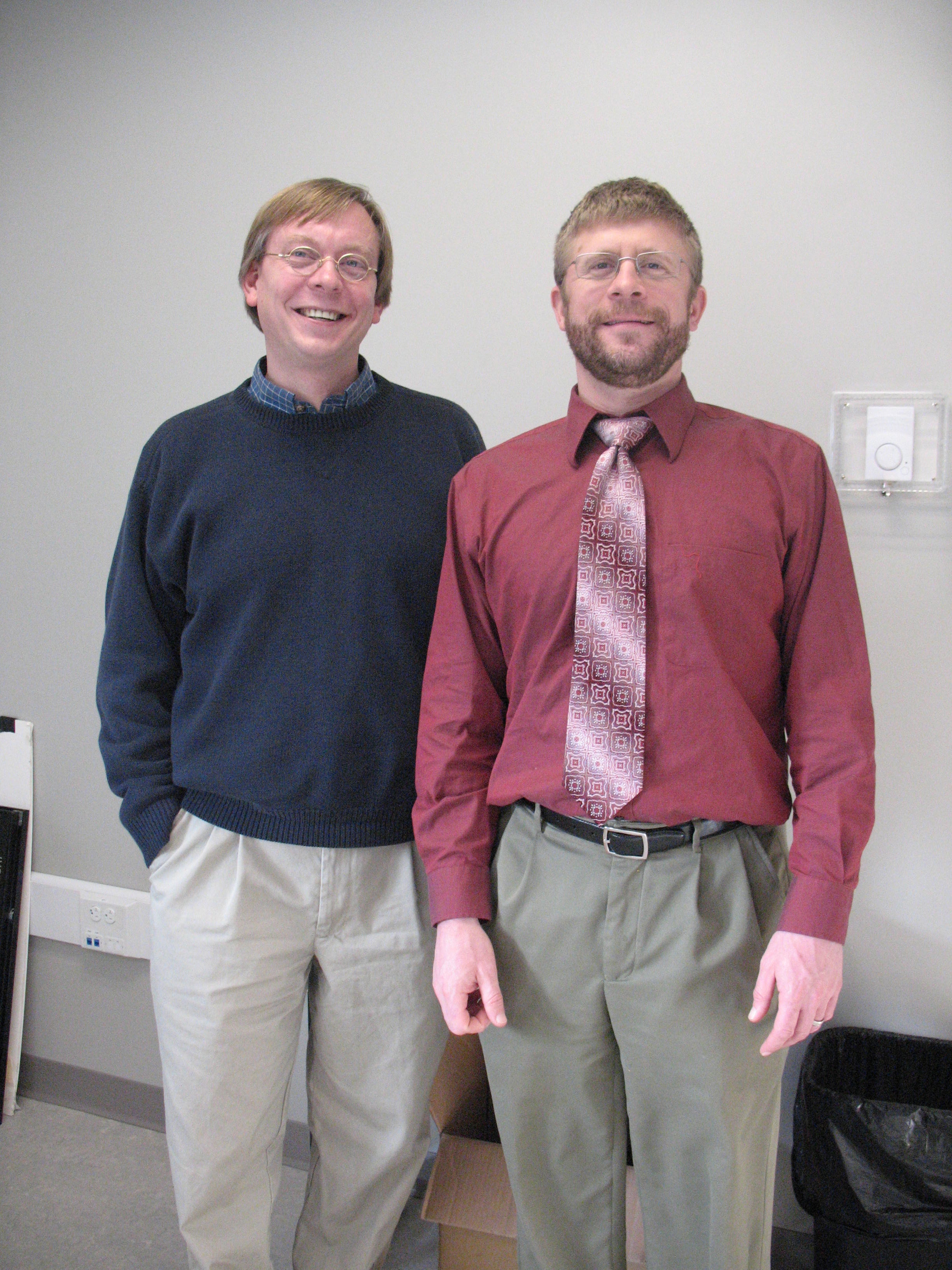
Rob with colleague York High School music educator Dan Sovetsky. (Those of you who know Dan thought he was shorter than Rob. Well, surprise!

The educational landscape in the United States as a whole, and Maine in particular, has gone through significant transformation since the publication of the landmark document, A Nation At Risk in 1983. The report took everyone by storm, documenting steep declines in SAT scores in the years between 1963 and 1980. More alarming, this period (following the Soviet launching of Sputnik) was the one in which we were supposed to making progress! A Nation At Risk reported out that we were not only failing to do so, we were in fact receding.

And wow have times changed since then. You know it and so do I. No Child Left Behind was only one of the more recent shots across our bow.

But here’s my real concern. All the incremental yet seismic changes that have occurred in the 30 years since A Nation At Risk was published have been founded on one basic, simple fundamental premise: the belief that all students can learn and excel, and the subsequent understanding that we must be held accountable for their doing so… and I wonder sometimes if we as arts educators as a whole have bought into this.

Do we believe “all” students can learn and excel, or do we believe just the talented ones can to any useful degree? Do we believe “all” students should be enrolled in visual art courses, or just those who are interested in them? Do we believe music must be for all students or just for some… and is your answer to this question altered by the age group you’re referring to? Do we believe the foundational components of our programs should be geared toward the higher achieving students or the lower ones?

Here’s another question: what percentage of the student body at your local High School is enrolled in a course in your specific subject area right now? If you’re a Math teacher, the answer is 100%. Social Studies? English? The same. But music teachers get all excited if the answer for them is even close to 20%. How is this being held accountable for educating “all” students? And is this number even close to 100% for your school district’s 7th graders? 5th graders? 1st graders? Do you even KNOW?

Maybe the answer lies in the fact that we do not have a graduation requirement in place for each individual arts subject area and we hide behind that as if to say, “it’s not my fault if I don’t get to reach every kid”. Well, it’s okay for us to feign mock disgust at this, but what efforts have we made – individually and collectively – to establish one since 1983? Have we done ANYTHING about this over the last 30 years? Do you/we not have one because you/we attempted to establish one and failed, or because you/we never attempted to implement one and succeeded? And is this vacuum the cause of a reverse domino effect at the middle school and elementary school levels, both in limited course offerings and in limited face time?

We decry that the arts are important, but sometimes it seems that all we hear in response is lip service. I can’t say I’m surprised when this happens. I’ve rarely ever met someone who didn’t believe the arts weren’t “important”. But what they actually mean by that could be virtually anything. Consequently, that word is not part of my vocabulary anymore. Instead, I only use the word that kept getting referred to when we revised the Maine Learning Results 7 years ago: “essential”. And by essential, I refer to the same premise as the other subject areas: “essential… for every student”.

When evaluating schools, it would be convenient to test only those who excel in specific subject areas. (apparently there are entire countries that agree with me on this, because in practice that is exactly what they do… I’ll save that rant for another day). Yet this is exactly what we have been guilty of in the visual and performing arts. We don’t have to be bothered with the entire student population, just those who choose to be with us. And out of those we do work with, we beg out of the testing/assessment piece by saying, “well, gee, we’re different”. One of the most condescending statements ever made to me was by my Principal in my first job after I got the School Board to agree to a graduation requirement specifically for music: “Are you sure you want to do this… after all, now you’ll have to deal with ALL the students!”. But I think he was right. DO we want to teach all the students, even through High School? Or are we content to hide behind a belief that not all kids can learn… or only the talented/interested deserve the best education… or that, “gee, we’re different”… or, “well, you know, it’s a nice idea but there’s nothing I can do about it”?