Posts Tagged ‘new media’

h1

Another Student’s Story: Sarah Robinson

February 5, 2014

Gorham High School graduate

Sarah-1Sarah Robinson is currently a fourth year student at the University of Maine. She is a double major in Mass Communications and New Media, with a minor in Graphic Design. In 2010 she graduated from Gorham High School.  During high school she was especially interested in her media based art classes; these classes included photography, printmaking, and graphic design. While in college she has taken many art classes that were directed towards design, for example: 2-D design and graphic design courses. She has also taken a drawing class, along with many photography classes.

In Sarah’s own words…

I would have to say that my parents have always encouraged my sister and I to be expressive and creative with everything that we do. This support has encouraged me to incorporate the arts as part of my college education. My creative appreciation and talents have grown and I taken away a greater knowledge and emphasis on design and color relationships. As a New Media major, there are many different paths to explore, and I have always focused on the design aspect.

I have gained many skills and life-long tools from my art courses at UMaine. I have learned to become more innovative, to explore beauty that goes unnoticed and to lead with passion.

My involvement in the arts has inspired me to look at things through a different lens. I have learned to be more imaginative and creative. Though I love photography, my experiences with the arts has also taught me that sometimes you need to take a step back from being behind the camera and actually experience what is going on in front of you to capture the beauty of the moment.

If I could change any part of my art education, it would definitely be to take more art classes, I was always worried about fulfilling all of my core classes that I never took all of the art classes that I knew I would enjoy. I believe that it is important to pursue classes that allow us to explore our interests and passions. I also feel that we don’t just learn in the classroom and it is important to seek education and experiences outside the classroom.

My most creatively inspiring experience would be expressing myself through graphic design. Graphic design has allowed me to express myself both creatively and artistically. I have been able to incorporate both my computer and artistic skills into my school and personal projects. Graphic design has allowed me to study color psychology and typography.

Art is important to me because it is in any medium/media in which I choose to express myself. My parents have always encouraged me to express myself creatively and to do so is a natural part of my life. One thing that I love about art and being creative is that I have used art and graphic design to contribute to non-profit organizations that I am involved with at UMaine.  My job as the Student Media Assistant for UMaine Student Life allows me to use my creativity, designing posters and fliers for various organizations, as well as photographing events and scenery around campus. I also create a lot of material for Alternative Breaks and Colleges Against Cancer, which combines my passion for volunteerism and design into one. Art and design is a part of me, the way I think, dream and live.  

I met Sarah in October at the statewide arts education conference Leading the Way that was held on the UMaine campus. When I learned of her majors I asked her questions about communicating and social media in terms of arts education. I could tell by Sarah’s confidence in the work she was doing and the information that she provided that she has a bright future! Best wishes to Sarah in her last semester before graduation!
h1

Access to the Arts w/ Technology

May 15, 2011

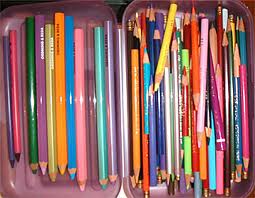
A topic on many arts educators mind: what is the role of new media in teaching and learning today in arts classrooms?

Photo taken from Christine Mason Miller's blog

Periodically arts educators ask me questions very similar to the questions in the article recently published in the Harvard Education Letter. What does it mean to be an arts specialist in the digital age? How and when should new media be used? Are the old disciplines blurring? When I was recently interviewed by undergraduate art education students at Montclair State University I was asked a similar question. My response is that we need to embrace new media, incorporate it into our practices, and view it as another tool to add to our bag of teaching techniques in vpa classrooms. I am not suggesting that we eliminate our traditional media but think of this as another or new media. I believe if we don’t we’re missing the boat for our students and jeopardizing arts education programs. Students and the world are different than they were 5 or 10 years ago. They are revolving at a rapid rate and we don’t know what jobs will exist in the future and what skills they will need but I am confident the use of technology and critical thinking will be necessary. Check out the article at the link below.

Schools merge digital tools with arts education
Some schools are using technology to increase students’ access to the arts. A statewide distance-learning program in Alabama is helping students in rural districts fulfill a state requirement that they complete an arts survey course that incorporates dance, music, theater and visual arts. In Arizona, students use computer software to compose original operas and teachers work with visual artists to bring technology-based — as well as traditional — art projects into the classroom. Harvard Education Letter (May/June 2011)

h1

Today and the Future

April 14, 2011

Time to reflect

This winter I read a blog post called Can You Predict The Future Technologies in Your Classroom? written by Patrick Ledesma. Patrick is part of the Classroom Ambassador Fellowship program sponsored by the US Department of Education.

He had attended a national meeting where the presenter asked the participants questions that included these words: innovation, creativity, teaching, learning, creative expression, and new media. We know as arts educators that all of these words relate to the work we do each day in our classrooms. Other educators, and people who are outside of the education system, don’t necessarily see the connection with creativity and innovation to arts education.

So, this post is about two topics. One is to ask you what you’re doing in your classroom today that is different than what you were doing in the past to address or incorporate technology for the “natives”? The other question is what are you doing to connect and collaborate with other arts educators in your building or school district to strengthen your programs? In my mind these questions go hand in hand. Hopefully this blog post will give you a reason to “pause” and/or “ask yourself questions” and/or to “reach out to a colleague”.

Times are tough in education, no question about it. Will we face what is happening with anger or fear or embrace it as a challenge that will make us better teachers and provide high quality educational opportunities for our students? That’s up to each individual.

The 21st Century Skills Arts Map which was created by the Partnership for 21st Century Skills provides teachers with guidance on how arts skills provide what is needed in today’s world. Does your school administration and other teaching staff understand that when we talk about innovation and creativity that many skills are introduced and mastered in the arts classroom?

So, here is a segment from Patrick’s blog post from Education Week located on Leading from the Classroom blog, February 21st.

“Does your school have a culture of innovation or does your school have pockets of innovation?”

Expanding on the idea of a culture of innovation, we discussed the recent 2011 Horizon Report from the New Media Consortium and the Educause Learning Initiative. This report “examines emerging technologies for their potential impact on and use in teaching, learning, and creative inquiry.”

Members of the Horizon Project Advisory Board, which is made up of mostly university researchers and corporations (note to New Media and Educause: more K-12 representation next time please….), were asked the following questions:

1) Which of these key technologies will be most important to teaching, learning, or creative expression within the next five years?

2) What key technologies are missing from our list?

3) What trends do you expect to have a significant impact on the ways in which learning-focused institutions approach our core missions of teaching, research, and service?

4) What do you see as the key challenge(s) related to teaching, learning, or creative expression that learning-focused institutions will face during the next 5 years?

The Horizon Report Wiki shows the various stages and development of the report. For example, you can view the early results to see the original 43 technologies, 14 trends, and 19 challenges listed by the board members. I think this early list is as interesting as the final list since it shows the variety of ideas and opinions.

In today’s educational arena when reflecting on practices including curriculum, teaching, and assessment it is important to consider collaborating with colleagues. Some of us teach in a “connected manner” by planning with other teachers to create integrated lessons or units. Standard E of our Maine Learning Results states: Visual and Performing Arts Connections: Students understand the relationship among the arts, history and world culture; and they make connections among the arts and to other disciplines, to goal-setting, and to interpersonal interaction. Some teachers report they believe this is easier at some grade levels than others. However now more than ever it is in our best interest to link arms, so to speak, especially with arts colleagues. Each of the art forms has benefits to students overall growth and development for a variety of reasons. If we divide our commitment it will have a negative impact in the long run.

Please ask yourself: where are you today in your teaching? Where have you been and what changes have you made since your first year? And just as important, where are you headed?