
MALI Teaching Artists series
This is the eighth blog post of the Phase 6 Maine Arts Leadership Initiative (MALI) stories. And, this is the first one provided by a Teaching Artist Leader. This series includes a set of questions so you can learn a little bit about the Teaching Artists work. CLICK HERE for more information on MALI. CLICK HERE for more information on the 81 Teacher Leaders plus 4 Teaching Artist Leaders. CLICK HERE for Arts education resources. CLICK HERE for the MALI Resource Bank. Search in the “search archives” box on the bottom right side of this post for past teacher leader stories. There have been 78 posted to date. Thank you Tim for sharing your story!
You can view his beautiful artwork at http://www.timchristensenporcelain.com/.
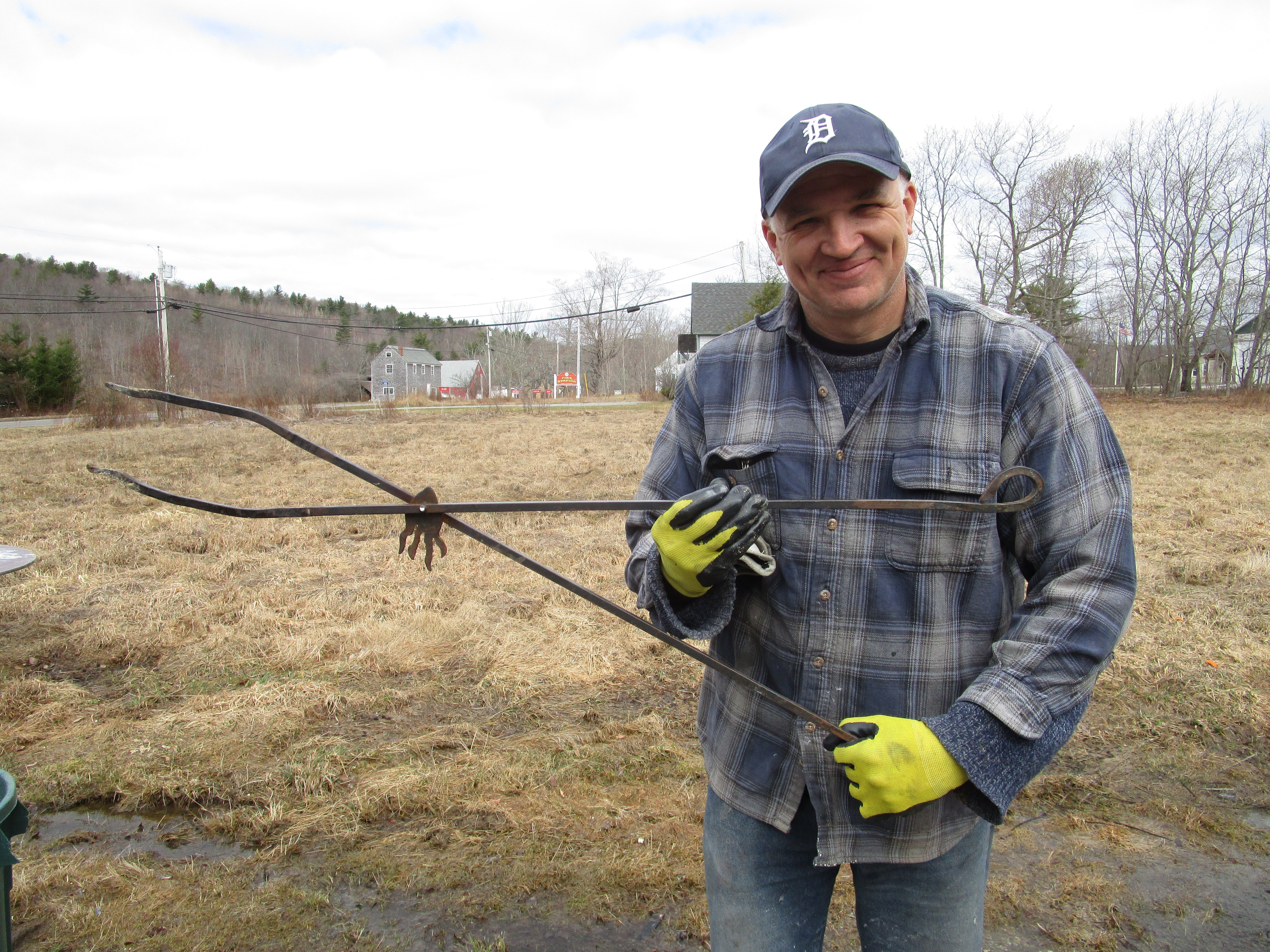
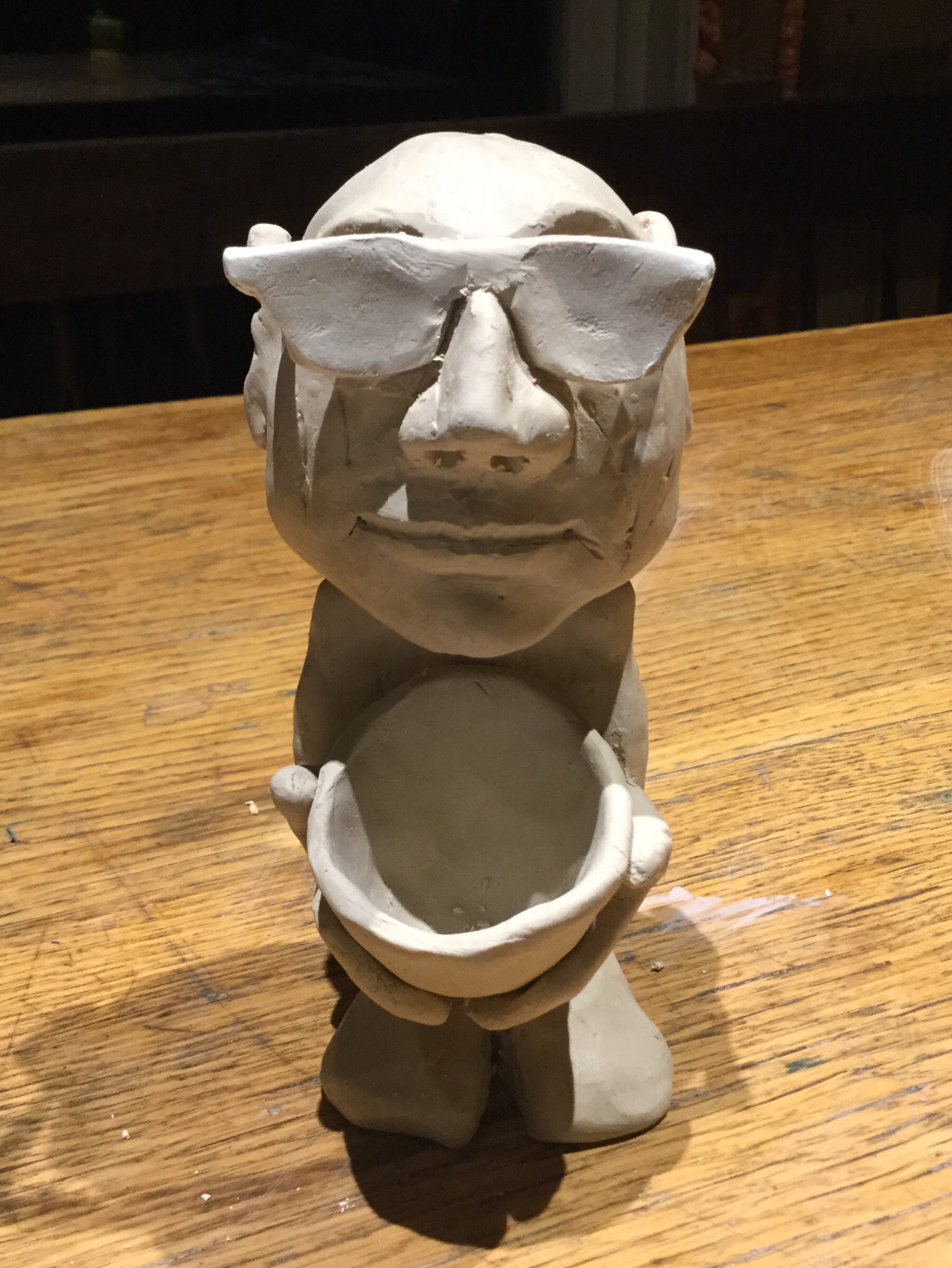 Tim Christensen works primarily in porcelain, with sgraffito. He has been teaching art and pottery since 2002. His favorite age group really depends on the project at hand, but generally, his favorite group is middle school. Tim loves collaborating with art teachers of any type, and enjoy the challenges and rewards of working in our public schools.
What do you like best about being a teaching artist?
I like that every day is a new day, with new kids and new challenges. I find that I can come into a classroom and work with the young artists unencumbered by any expectations on either of our parts. It allows the experience to be both fruitful and fun for everyone, and often can provide a new view on learning for both the teacher and student. I love helping students to discover their visual voice, and love inspiring them to say the things that they most need to say.
 What do you believe are three keys to ANY successful visual and performing arts education?
Any endeavor must be challenging, engaging, and have clearly defined, achievable, parameters for success.
Have you found assessment to be helpful in your classes, workshops and residencies, and if so, how?
I very much like teaching in environments where assessments are used. I find that the students rely on rubrics, when available, as a basis I for formative self-assessment. I like that a rubric, used correctly, opens up a project for multiple pathways of showing success, and engages the students in customizing a project to best fit their interests.
 What have been the benefits in becoming involved in the Maine Arts Leadership initiative?
MALI has allowed me to learn about and discuss the latest ideas and science in education with the leaders in our field, and has given me a voice within my community. Before MALI, I didn’t know there even WAS a community.
What are you most proud of as an artist and/or a teaching artist?
As a TA, I am most proud of those moments where I see a student or teaching professional leap forward in their understanding of a student’s abilities and thoughts. As an artist, I am most proud of the hard work it has taken to develop my voice, AND develop an audience to hear it.
 What gets in the way of doing a better job as a teaching artist?
There are only 24 hours in a day…..
What have you accomplished through hard work and determination that might otherwise appear at first glance to be due to “luck” or circumstances?
My entire life as an artist is due to hard work and determination. I know that sounds glib, but it is true. In 2007, I moved to the woods in Maine with a tent, some skills, and a stack of lumber, and literally built my life from clay, dirt, wood, and sweat. Everything I have accomplished since then has come from that basis, and still is derived from those 4 assets.
What advice would you give to someone who is thinking about becoming a teaching artist or is just starting out?
Get out there and do it. Don’t wait for perfect conditions. Create acceptable conditions, and improve them as you can. Also, always assume that you are on the right path, and that there is a solution to every problem you encounter. Work every single day. Trust your thoughts and instincts, and work on ways of  expressing those things that make it easier for others to understand you. Tell everyone who will listen about your ideas, and your passion. Lastly, if you don’t see a way forward, make one: not just for yourself, but to make the way easier for all those people who are not as confident of their feet as you are.
If you were given a $500,000.00 to do with whatever you please, what would it be?
I would be doing exactly what I am doing right now.
Imagine you are 94 years old. You’re looking back. Do you have any regrets?
I do, but not around the way I have spent my time, only in paths not taken, or too soon abandoned.



 me arts ed