Posts Tagged ‘Rob Westerberg’

h1

Standards-Based Arts Classrooms Videos

July 23, 2013

Music and Art classrooms featured

You asked for it and now you’ve got it… during this past school year the Maine Arts Assessment Initiative (MAAI) created 4 videos in response to “What do visual and performing arts classrooms look like in a standards-based environment?” That question came up over and over during the first phase of MAAI so we decided to incorporate the search as part of phase 2. The MAAI has continuously listened to the needs of the field and this is one of those “asks” that we responded to.

Debi Lynne Baker taught visual art for many years and most recently K-12 in Greenville. She used technology in her teaching including movie making with her students. She was the perfect person to create the first 4 videos. With hours of footage taken at each school, Debi was able to edit and come up with 4 unique videos under 20 minutes that each tell a story. What you will learn is that there is NO ONE answer to the question and you will also find that the videos provide so much more than just answers to the question!

As we consider creating more videos as part of phase 3 we’d love to hear your feedback on the videos. Please post your comment on the blog or email me at argy.nestor@maine.gov. Thanks!

See for yourself the following MAAI videos at the Maine ARTSEducation YouTube channel located at http://www.youtube.com/channel/UC-lElK9bBU_o96Wrg-kNbeg

  • Part I: York High School Music Program with Rob Westerberg, students and colleagues
  • Part II: Hancock Grammar School Art Program with Jane Snider, students and colleagues
  • Part III: Mount Desert Island High School Art Program with Charlie Johnson, students and colleagues
  • Part IV: Biddeford Intermediate School Music Program with Andrea Wollstadt, students and colleagues

You will find other arts education videos on the Maine ARTSEducation channel created by MAAI participants.

h1

National Core Arts Standards Feedback

July 8, 2013

Rob Westerberg’s Comments

Thanks to Rob Westerberg, York High School music educator, for writing this blog post.

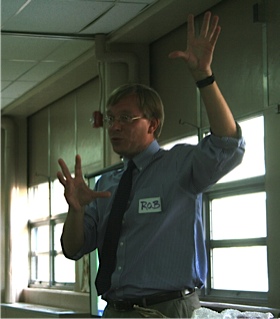
IMG_5941Why in the world would I bother to take time out of my Summer vacation to review and give feedback to the National Standards draft? It’s July, I’m in the middle of some well deserved “R&R”, if I have any free time it’s with family and friends, and this is the time of year I need to disconnect for awhile from my profession. Can’t this wait and is my feedback really important?

You tell me. We are looking to adopt a formal document in Maine that we will be held accountable to, and it may be the National Core Arts Standards. Do you want to have a voice in what that document looks like? The National Standards draft is an attempt to reflect real life in our real classrooms with our real kids. Does it? I love/abhor/like/hate the current National Standards – and this document WILL be replacing it. Do you have an opinion of the difference between the two? “My opinion is never asked!” It is now. “My opinion is irrelevant!” Not in this case it isn’t. “I don’t know enough to give good feedback!” If you are a teacher, you know MORE than enough to give good feedback. “I’m a High School or post secondary teacher and these are just the K-8 standards so far.” If you know anything, you know that the education that occurs at these grade levels has the greatest impact on our students… and this draft is consistent with the direction you can expect in the 9-12 draft when its released.

In an earlier blog post I suggested that we need to look at the new standards draft through the following criteria:

* can it be effectively be utilized as a powerful advocacy tool, articulating how and why what we do is academic and essential instruction

* does it show how staffing and student face-time must be increased in our schools to meet academic expectations

* does it provide a common starting point for educators within and ACROSS school districts to have meaningful, collaborative discussions around curriculum

* does it provide a common starting point for educators within and ACROSS school districts to have meaningful, collaborative discussions around instruction

* does it provide a common starting point for educators within and ACROSS school districts to have meaningful, collaborative discussions around assessment

* does it direct our K-12 conversations so that every school district in Maine has a continuous program of studies that is sequential both in concept and in practice

*  does it expand our knowledge, discovering new connections, and continually reevaluating – assisting us in our own process of being lifelong learners

Reserve an hour or so this week or next to spend some quality time with the document draft and then take the survey to give your feedback. As I remind my students from time to time, “You’re allowed to be passive in the process, and you’re allowed to have opinions on the product, but you’re not allowed to do both.” From now through July 15th, it is OUR time to impact the process, and the product will be a better one for it if we do.

Please visit the NCCAS website at http://nccas.wikispaces.co/NCCAS+June+30th+Public+Review for detailed instructions and the draft of the PK – 8 visual and performing arts standards.

h1

Accountability

May 20, 2013

It was so great to visit with so many Maine music educators at the MMEA conference at University of Maine in Gorham. The deep conversations around teaching and learning often enter into the conversation and I love having the opportunity to learn from other educators thinking. Rob Westerberg and I have had many many conversations on this topic over the several years that I’ve known him. This blog post was an outcome of one of the conversations and it would be great to hear what you have to say on the topic. Please don’t hesitate to contact Rob at rwesterberg@yorkschools.org who teaches music at York High School or me at Argy Nestor at argy.nestor@maine.gov or post a comment at the end of this blog post.

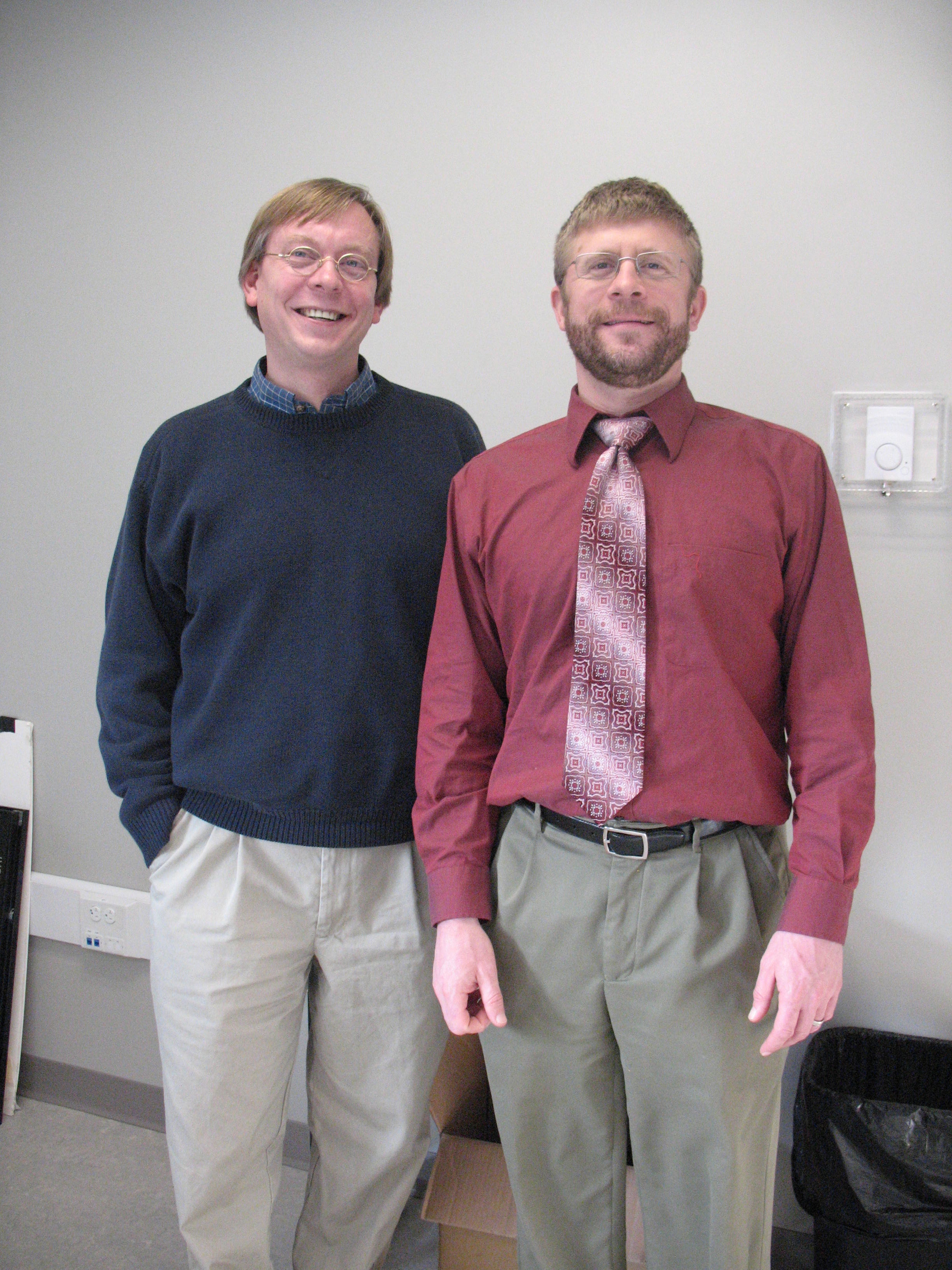
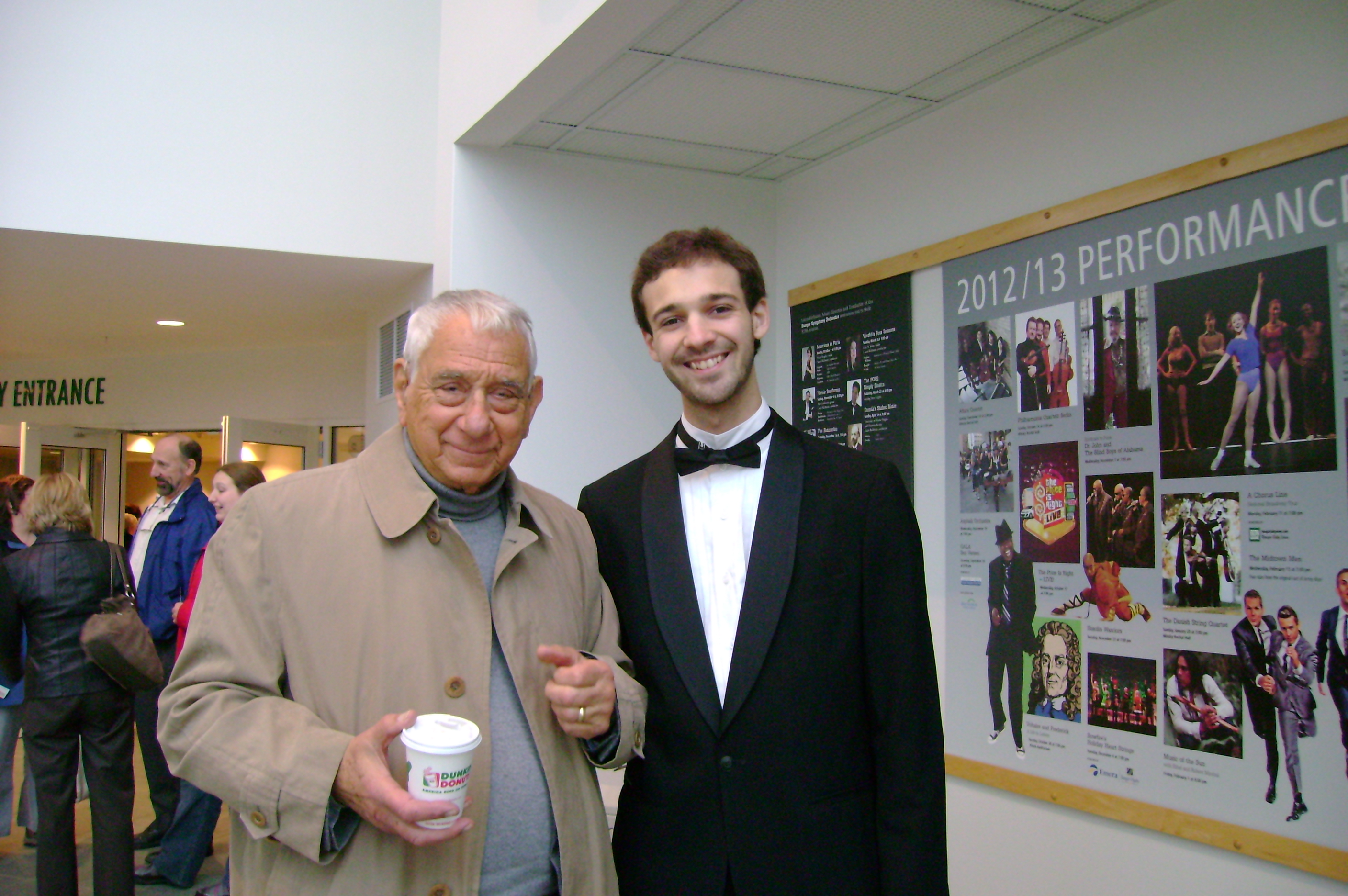
Rob with colleague York High School colleague music educator Dan Sovetsky. (Those of you who know Dan thought he was shorter than Rob. Well, surprise!

Rob with colleague York High School music educator Dan Sovetsky. (Those of you who know Dan thought he was shorter than Rob. Well, surprise!

The educational landscape in the United States as a whole, and Maine in particular, has gone through significant transformation since the publication of the landmark document, A Nation At Risk in 1983. The report took everyone by storm, documenting steep declines in SAT scores in the years between 1963 and 1980. More alarming, this period (following the Soviet launching of Sputnik) was the one in which we were supposed to making progress! A Nation At Risk reported out that we were not only failing to do so, we were in fact receding.

And wow have times changed since then. You know it and so do I. No Child Left Behind was only one of the more recent shots across our bow.

But here’s my real concern. All the incremental yet seismic changes that have occurred in the 30 years since A Nation At Risk was published have been founded on one basic, simple fundamental premise: the belief that all students can learn and excel, and the subsequent understanding that we must be held accountable for their doing so… and I wonder sometimes if we as arts educators as a whole have bought into this.

Do we believe “all” students can learn and excel, or do we believe just the talented ones can to any useful degree? Do we believe “all” students should be enrolled in visual art courses, or just those who are interested in them? Do we believe music must be for all students or just for some… and is your answer to this question altered by the age group you’re referring to? Do we believe the foundational components of our programs should be geared toward the higher achieving students or the lower ones?

Here’s another question: what percentage of the student body at your local High School is enrolled in a course in your specific subject area right now? If you’re a Math teacher, the answer is 100%. Social Studies? English? The same. But music teachers get all excited if the answer for them is even close to 20%. How is this being held accountable for educating “all” students? And is this number even close to 100% for your school district’s 7th graders? 5th graders? 1st graders? Do you even KNOW?

Maybe the answer lies in the fact that we do not have a graduation requirement in place for each individual arts subject area and we hide behind that as if to say, “it’s not my fault if I don’t get to reach every kid”. Well, it’s okay for us to feign mock disgust at this, but what efforts have we made – individually and collectively – to establish one since 1983? Have we done ANYTHING about this over the last 30 years? Do you/we not have one because you/we attempted to establish one and failed, or because you/we never attempted to implement one and succeeded? And is this vacuum the cause of a reverse domino effect at the middle school and elementary school levels, both in limited course offerings and in limited face time?

We decry that the arts are important, but sometimes it seems that all we hear in response is lip service. I can’t say I’m surprised when this happens. I’ve rarely ever met someone who didn’t believe the arts weren’t “important”. But what they actually mean by that could be virtually anything. Consequently, that word is not part of my vocabulary anymore. Instead, I only use the word that kept getting referred to when we revised the Maine Learning Results 7 years ago: “essential”. And by essential, I refer to the same premise as the other subject areas: “essential… for every student”.

When evaluating schools, it would be convenient to test only those who excel in specific subject areas. (apparently there are entire countries that agree with me on this, because in practice that is exactly what they do… I’ll save that rant for another day). Yet this is exactly what we have been guilty of in the visual and performing arts. We don’t have to be bothered with the entire student population, just those who choose to be with us. And out of those we do work with, we beg out of the testing/assessment piece by saying, “well, gee, we’re different”. One of the most condescending statements ever made to me was by my Principal in my first job after I got the School Board to agree to a graduation requirement specifically for music: “Are you sure you want to do this… after all, now you’ll have to deal with ALL the students!”. But I think he was right. DO we want to teach all the students, even through High School? Or are we content to hide behind a belief that not all kids can learn… or only the talented/interested deserve the best education… or that, “gee, we’re different”… or, “well, you know, it’s a nice idea but there’s nothing I can do about it”?

h1

NCAS Are Coming!

April 13, 2013

Help! Help! The standards are coming!!!

This blog post was written by York High School music educator Rob Westerberg. Rob collaborated to create the Maine Arts Assessment Initiative (MAAI) and served on the phase 1 leadership team for the MAAI. Periodically Rob and I discuss the state of Arts Education in Maine and after a recent conversation on the topic this blog post appeared in my inbox. I hope it provides “food for thought” as I have tagged this post and that you are motivated to post a comment with your thoughts. 

The National Core Arts Standards are on their way, and I think the news is being met with every reaction known to the universe… please take this short quiz and lets see where YOU stand on the issue!

The thought of unpacking the new standards in my program makes me: 

a.  feel guilty because I don’t have time to utilize standards right now as it is.

b.  all excited – I can’t wait to see what they came up with! And I think I need to get out more!!!

c.  want to chew on aluminum foil just to take my mind off of making yet ANOTHER revision to my curriculum.

d.  wish I lived in Sweden.

The main reason I am apprehensive about incorporating standards is:

a.  I already work a 60 hour week (for 40 hours of pay) and doing even one more thing is  not going to be possible.

b.  I don’t have time, between my assigned duties of assessing Common Core English Language Arts prompts and playground duty.

c.  My in-laws are coming to visit and the dog just threw up on the sofa.

d.  I don’t know how and/or know what “incorporating standards” really even means.

My favorite ice cream is:

a.  Rocky Road

b.  Mint Chocolate Chip

c.  Chubby Hubby

d.  Is this really a blog post on the national standards?

Listen, here’s how I see the impending arrival of the standards revision going down –

What it DOESN’T mean:

* increased work or expectations

* mandated curriculum – relinquished local control

* a redefinition of arts education

* a list of things my students “must” meet

* taking what we already do and merely dressing it up nicer

* feet-to-the-fire, “meet these or else” expectations

What it DOES mean:

* an honest reflection of essential skills and expectations for our students

* an invaluable guideline for sequential skill development

* language that aligns us with the other 7 core subject areas

* a tool that fosters our growth as arts educators in the 21st century

* a document that embeds the expertise of thousands of colleagues throughout the country

* a foundation provided for evaluating what we do and why we do it

Through the National Standards revision, we have unprecedented opportunity to:

* utilize a powerful advocacy tool, articulating how and why what we do is academic and essential instruction

* show how staffing and student face-time must be increased in our schools to meet academic expectations

* provide a common starting point for educators within and ACROSS school districts to have meaningful, collaborative discussions around curriculum

* provide a common starting point for educators within and ACROSS school districts to have meaningful, collaborative discussions around instruction

* provide a common starting point for educators within and ACROSS school districts to have meaningful, collaborative discussions around assessment

* direct our K-12 conversations so that every school district in Maine has a continuous program of studies that is sequential both in concept and in practice

* expand our knowledge, discover new connections, and continually reevaluate – assisting us in our own process of being lifelong learners

Far be it from me to tell anyone the sky isn’t falling if they’d simply prefer to believe otherwise, but the reason we do what we do in our classrooms day in and day out is to provide the very best we possibly can for our students. The National Core Arts Standards have every promise of being a powerful tool and vehicle that will assist us in doing so. No, your students will not have to meet every standard. Yes, there are standards that you will want to embrace and incorporate. No, no one is going to tell you what to do. Yes, this document will help you articulate what it is you already do in your classroom. No, you are not expected to dissect it on your own. Yes, there will be bountiful opportunities right here in Maine to learn more about it and how to utilize it.

Keep checking in on this blog, and don’t be surprised if this document becomes one of the cooler things you’ve come across in your career, a genuinely helpful resource in your arsenal as a great teacher in this great state. And, no doubt about it, it will have the potential to be transformative if you choose to go down that road too! Please excuse me now, I have to go clean up a mess on my sofa……

Thanks Rob for providing your latest thoughts on the National Core Arts Standards – when you get finished with your sofa, I have some cleaning at my house to do so please stop by…

h1

What a Day!

January 9, 2013

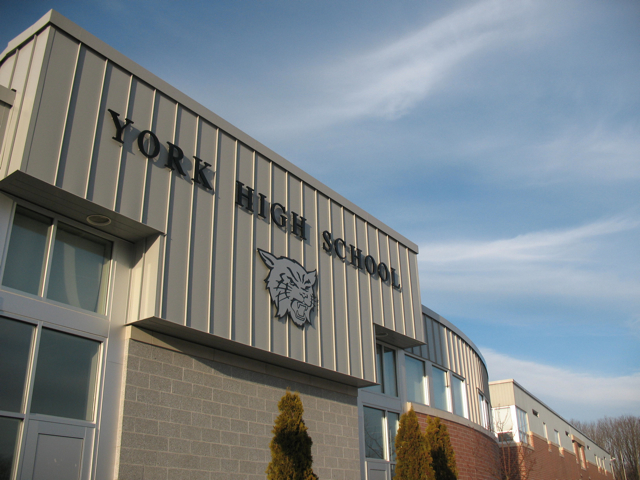
York High School

york hs

I had the opportunity to travel to York High School yesterday with Debi Lynne Baker for the purpose of “capturing a story”. Debi is a recently retired art teacher from Greenville who presently lives in Shirley.

Rob Westerberg was our host for the day but EVERYONE we met at York High School was gracious and welcoming. York High Schools mission includes: YHS community does whatever it takes to help students succeed. We certainly saw and heard evidence of that belief. I was most impressed with the students who articulated their learning in the fully emerged standards based music classroom. “It is not about the grade but what I am learning!”

Four short movies are being created with footage from four different school districts to tell the story of how they are “doing standards based/students centered learning”. This is in response to requests from arts teachers during phase 1 of the Maine Arts Assessment Initiative (MAAI): “What does a standards based classroom look like?” The videos will provide you with ideas and how it is working in Maine arts classrooms.

music york

Rob Westerberg and Dan Sovetsky

Rob Westerberg, as many of you know, has been part of the creation of the MAAI and a driving force in the work. In his music classroom he thinks deeply and thoughtfully about how to teach every student but most importantly it is the shift to how the student learns and views their learning. It was evident yesterday in the interviews that the shifts he has made in his teaching approach is really working!

Debi Lynne will continue taping and editing over the next few months and the videos will be available before this school year is completed. Yes, Debi has the difficult part however, with great footage like yesterday, the difficult question will be: what are the best of the greatest parts to include? (A good problem to have).

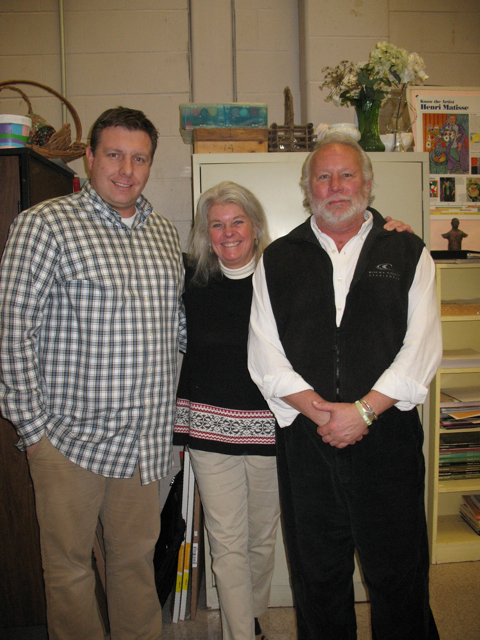
We did have a chance to visit the visual arts classrooms with teachers Gary Phipps, Beth Nowers, and my former student David Shenett.

Thank you to Rob, York High School principal Bob Stevens, music teacher Dan Sovetsky, and students Cole, Sarah, Levi, Lilly and the Chorus classes who participated.

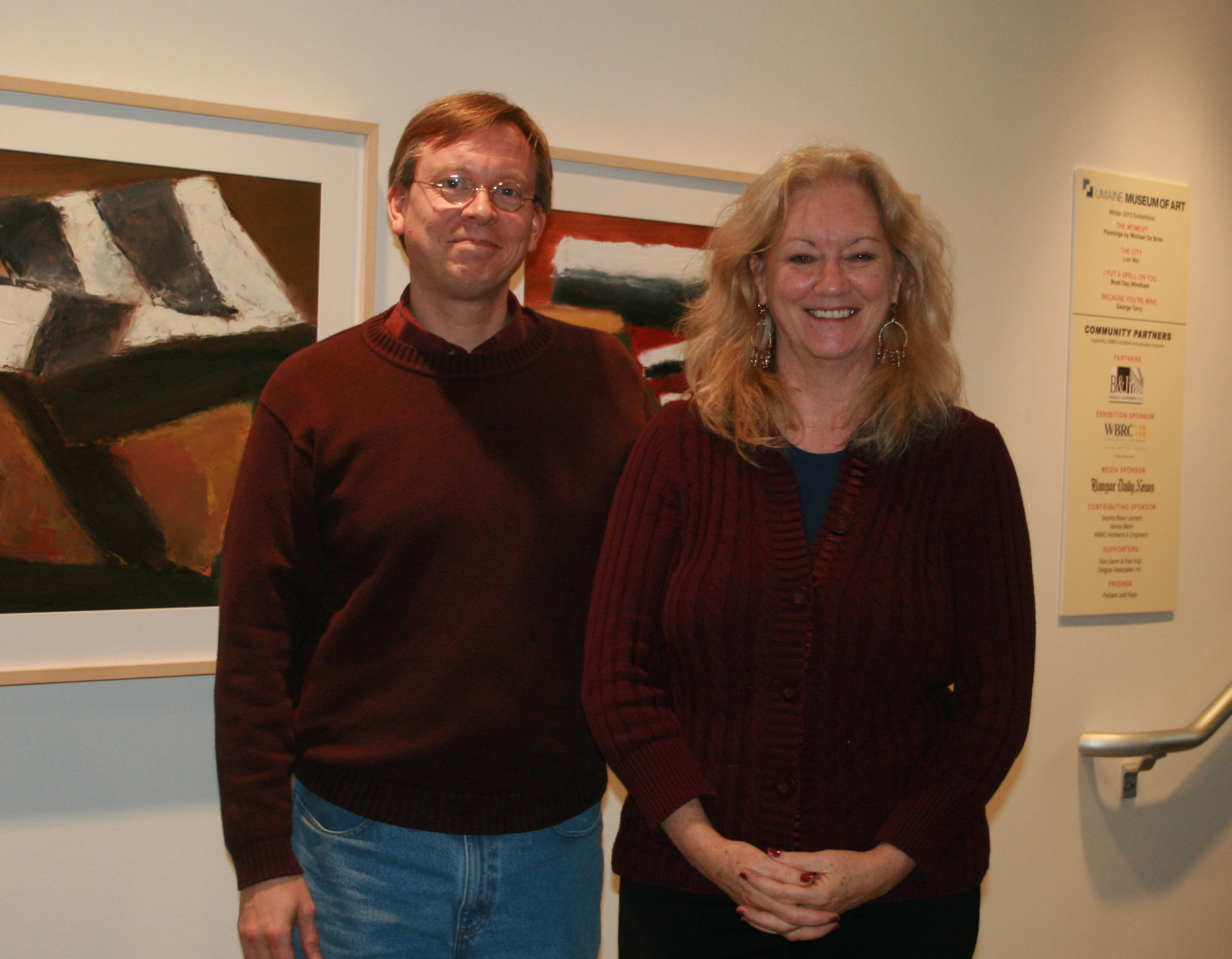
David Shenett, Beth Nowers, Gary Phipps

David Shenett, Beth Nowers, Gary Phipps

h1

Another Student’s Story: Wesley Raines

January 6, 2013

Featuring one student’s journey

This is the second in a series of blog posts telling students arts education story’s. If you have a student whose story should be told, please email me at argy.nestor@maine.gov. This is in the words of the student Wes Raines.
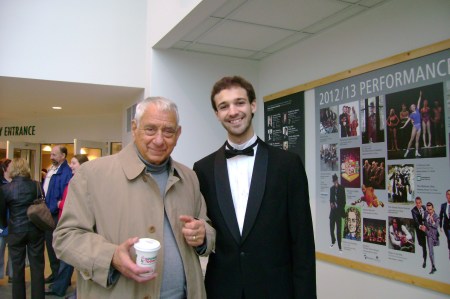
Wes Raines with the first person who inspired him to pursue music, grandfather Doc Lombardi, B.M. Boston Conservatory '50.

Wes Raines with the first person who inspired him to pursue music, his grandfather Doc Lombardi, B.M. Boston Conservatory ’50

My name is Wes Raines and I am a sophomore at the University of Maine studying vocal music education. I come from York, Maine and I attended York High School. I graduated in June of 2011. Being in the music program at York was a life-changing experience for me. I would not be where I am today and doing what I’m doing if it was not for Rob Westerberg and Dan Sovetsky’s music program.

Courses in any of the arts, whether they are musical, visual, kinesthetic, or any combination of these are more than just for entertainment and fun. The arts teach us about our cultures and our past, where we come from and who we are. I can’t think of anybody I know who has never at one point in their lives been even just a little curious about who their ancestors were, the history of where they come from and what life was like back then. You can learn all of these things in a history class, sure, but you can’t really live it until you experience the music and art for yourself.

For many students, playing sports may be their emotional outlet in life. Football, basketball, soccer, etc. may be a passion for some students. Other students need equal outlets, but they choose the arts instead of sports. We, as educators or school administrators need to recognize these students and understand they are putting the same amount of energy, passion, and most importantly, dependence on the performing and visual arts as those others who play sports. Each and every day, we may, and probably do have kids who depend on the arts to be there for them when they need that outlet the most. For all we know, we could be saving a life, and not even be aware of it!

Everybody has heard about the study that was done and shows how arts education improves performance in each of the other core subjects. I am a firm believer of this, as well as the idea that music is absolutely an academic subject. Music draws from all the other core subject areas that you study in high school. I can’t think of any other subject that requires the use of math, science, history and culture, language, intra- and inter-personal skills, movement, and timing in the same subject, many of these simultaneously.

We learn all sorts of musical ideas and concepts in our music courses. We can also learn many of life’s lessons through music. For example, probably the most important of life’s lessons, and one of the most difficult to learn is patience. We’ve all said ourselves or heard our teachers say the phrase “slow down, you’re rushing”. What a rewarding feeling it is to finally get that piece to stay in tempo the whole way through. I couldn’t count the number of times I’ve called upon this discipline in my life outside of music!

Teamwork is an important part of any ensemble. If your basses (or for you instrumentalists out there, your percussion section) aren’t together working with the rest of the group, you’re going to have a problem. To parallel this with a real life scenario: Imagine you are working for a large corporation and you’re assigned to a project team, who’s members come from all different departments of the company. Your deadline is coming up in 2 weeks. If the project is successful, three members will be promoted. If you’ve ever spent time working for a company, you’ll know exactly what I mean.

As I mentioned above, learning about our past and our culture is another huge benefit to having a music program in your school. There are things I learned in my music history class in high school that were never even touched upon in my history classes. They were like the final pieces to the puzzle of a time period or country. You can’t fully understand a country or a period in history without studying their musical and artistic culture. This is one of the academic benefits you can achieve with a strong music program.

During my time in high school, I took every music elective that was offered. I took our non-performance class called foundations of music. I also took piano, music theory I and II, and music history. I also participated in chorus for my performance ensemble. Each of these courses were valuable in their own way, and I’m extremely lucky to have had the chance to take them, let alone fit them in my schedule (Arts teachers know how complicated that can get).

After taking some of the music classes offered, Rob convinced me to take chorus my junior year. As I’ve always said ever since, I’m so glad I caved into that peer pressure. That class changed my life forever and it is why I’m here doing what I’m doing at the University of Maine, writing this letter about music right now. I had been to the chorus concerts before and loved them, but there was nothing quite like sitting amongst the other students on the first day and hearing all four voice parts harmonize together – and being a part of it too! That moment changed my life forever; I had one of those moments where everything just clicked and I realized “This is what I need to do for the rest of my life.” That thought and feeling hasn’t left me since.

My family provides me with complete support with my career choice, especially my grandfather. He graduated from the Boston Conservatory in 1950 and is currently the oldest living alumni of the conservatory. I’ve been told that in some ways, I’m supporting and inspiring him pick up composing again, just by studying music here at college. Jeremy Milton, an alumni of the music program at the University of Maine was my mentor, voice teacher, and support during my audition process. And of course, Rob has been there for me the whole way, supporting me all the way through my rocky journey into the music program. I am so grateful for all of his support ant the continued support from him and my family.

My journey to the music program starts with my audition in March of my senior year. I drove up to the University of Maine for it, and it being my first college audition I was naturally very nervous. As a result, I was not accepted into the music department for the fall. With Rob’s help, I was granted an appeal, and worked on an audition CD days after the seniors were dismissed from attending classes due to graduation events. I sent in the CD, and around the middle of July received word that I was not accepted. I was upset about it but I decided I was going to go to the University of Maine regardless. Upon my arrival in the fall, I declared a music minor and took as many music classes as the department would allow me to take. I took music history and piano. My goal: to prove to the faculty that I was determined to get into the music department; that I wanted to be a music major more than anything. My plan was to reaudition in December before finals. I was in the process of setting a date for my audition when I was informed that due to my audition appeal, I would not be allowed to re-audition until the fall of 2012. Now this was bad news… I had to make a decision, because I couldn’t financially afford another year as an undecided major, taking classes just to maintain full-time student status. I decided that if I wasn’t able to audition in the spring, I would just have to look at auditioning at and transferring to another school. I explained my situation to the music faculty and I was granted another chance to audition! On the final day of January 2012, I auditioned for entrance to the music education program for the third and thankfully last time. I was accepted and was now a music education major, the title I had been searching for since my junior year of high school. The moral of this story is that no matter how many brick walls are put up between you and your goal; your dream, don’t ever let it sway your mind. So long as you are dedicated and determined, and no matter how long it takes, it will be yours.

*I would like to note here, to avoid any chance of misunderstanding; I do not and have never held any resentment towards the music faculty at the University of Maine. I believe it is important that I stress this because my story can be easily misinterpreted to imply a sense of animosity or dislike towards the faculty. I consider the music faculty my mentors, friends, and some day my colleagues. I am grateful for everything they do for me on a day-to-day basis. I could not think of a better place to go to school, and I am honored to be a part of this music program.

The arts have significantly improved my creativity in many areas, including improvisation and composition/arranging. I believe that these things are what really make music such a creative process. The opportunity to individualize something using methods you learn, and apply it in your own personal way is such a rewarding feeling and a wonderful process to go through, whether you’re composing, arranging, or simply improvising a song you already know.

The nice thing about being in college while answering these questions is listening to other students talk about their schools’ music programs and compare them to my own. As a result, I believe the York public school system needs to have a string program that extends throughout middle and high school. This includes having a quality high school orchestra. Orchestra is a growing interest for me and is something I would like to continue studying. If it was offered back in high school, orchestra is absolutely something I would have taken part in.

As I write this, I am halfway through my fall semester of my sophomore year in college. I plan on completing my bachelor of music education degree and go on to teach high school chorus, band, orchestra, or whatever is needed. I hope to teach and inspire kids to pursue music outside of high school for the rest of their lives, whether they join a community ensemble, study music in college, or just listen to and appreciate classical music, just as I was inspired in high school by my chorus teacher and mentor.

Thank you Wes for taking the time to write your story! Good luck in your journey!

h1

Happy New Year!

January 1, 2013

Reflecting

I have taken some time today to reflect on 2012 and realize how fortunate I am to work with incredible arts educators in Maine and throughout the United States. Educators who are dedicated, passionate, and fully committed to providing an outstanding arts education for every student!

The year has been filled with many successes, some challenges, and sad losses! I wish I had time to go back through all the blog posts that I wrote in 2012 to help me remember all of the successes, challenges, and losses but instead I will provide the highlights.

Successes

The biggest success is the Maine Arts Assessment Initiative (MAAI). The second phase of MAAI officially kicked off in the spring with the identification of 20 teacher leaders. These arts educators joined the 18 teacher leaders from phase one. They participated in a 4-day institute in August at the Maine College of Art (MECA) in Portland where they expanded their knowledge in the areas of assessment, leadership, technology, and creativity. They have created workshops that are being delivered throughout this school year at the regional and mega-regional level. (Registration for the mega-regional workshops is now open – FREE and contact hours are available.) The topics of the sessions are as varied as the individual teacher leaders. I am so grateful for their commitment to the work that is making a difference for arts teachers and in arts classrooms across Maine each day. The impact on students learning is amazing!

And, uniquely the Mega-regional workshops are being co-sponsored with the Maine Learning Technology Initiative (MLTI). At these workshops their will be at least one session that is integrated with an MLTI integrator to provide a first time opportunity for educators!

The MAAI would not be possible without the commitment of the leadership team who have consistently shepherded the work. A GREAT BIG THANK YOU to Catherine Ring, Rob Westerberg, Jeff Beaudry, Bronwyn Sale, Pam Kinsey, and Matt Doiron. Their willingness to lead has made a difference! Close to 1000 arts educators have taken advantage of the professional development opportunities during the last year and a half.

The MAAI is aligned with the Maine Department of Education’s Strategic Plan: Education Evolving: Maine’s Plan for Putting Learners First.

In July Catherine and I flew to Denver for a national conference on arts assessment held at the Rocky Mountain College of Art + Design. I was proud to let others know of the grassroots efforts that Maine arts educators are involved with.

Art educator Chris Milliken, on sabbatical from Wells schools, has been following and doing research on the MAAI during this past year. He will join art teacher Lisa Marin and present a session on their findings at the Mega-regional workshop at Ellsworth High School on March 29, 2013.

Literacy is a statewide focus with the Literacy for ME being launched this fall and arts education has stepped up to become an integral part of the cross content literacy connections. Arts educators Jen Nash, Suzanne Goulet, and Lisa Gilman have been facilitating literacy webinars. Suzanne is also co-facilitating face to face sessions.

We have had 4 wonderful art exhibits at the Maine Department of Education during this past year from Maranacook Community Schools, Bangor Elementary and Middle Schools, Lake Region High School, and Messalonskee High School. Along with the exhibits we had receptions at the Blaine House with music and dance performances from each school/district. Participating and collaborating are First Lady Ann LePage, the Maine State Board of Education, and the Commissioner of Education, Steve Bowen.

First Lady Ann LePage partnered with the Barbara Bush Foundation to create a new baby journal to present to parents at hospitals across Maine when their babies are born. We did a call for K-8 artwork and 867 young artists submitted work. Thirty two pieces were selected to be published in the book which will be completed in June 2014.

The Maine arts education list-serv has grown to 1200 and the meartsed blog is growing as a source of information, not only for arts educators but for all educators. If you are not on the list-serv but would like to be, please email me at argy.nestor@maine.gov. On December 5, 2013 the blog set a record high day of 976 visitors. And a record high week happened during that same time of 2508 visitors. Thank you for taking the time to visit and informing others about what is available on the Maine arts education blog.

Challenges

  • Common Core standards for ELA and Math were released this year and teachers are being asked to incorporate them into their curricula.
  • We are waiting patiently for the next iteration of the national arts standards to be released in March March 2013.
  • Arts education in Maine is underserved. As the economy continues to be a challenge so is providing adequate arts education programs and teachers.
  • Determining how to provide quality arts education to be ready for the “proficiency based graduation requirement” slated for the graduating class of 2018.
  • What will determine “teacher effectiveness” for arts educators (the non-tested content)?

Sadness

In March music teacher Beth Polletto died in a car accident driving to school. Beth taught at Gray New Gloucester and Georgetown Central School. In May art teacher Jackie McTigue died in a car accident on her way to school. Jackie taught at Glenburn Elementary School. Both teachers were amazing arts educators and have left a huge hole. My friend and colleague 2nd grade teacher and Maine’s 2010 Teacher of the Year Kevin Grover died on Thanksgiving day after returning from a run. He is greatly missed by family, friends, and colleagues.

Looking forward

photoBeing forever optimistic, I know that 2013 will be filled with many more successes and that the challenges will be small mountains for us to climb. I invite you to collaborate with your colleagues to face the challenges and enjoy the successes. I hope you will continue to use the meartsed blog for resources and to access information. Many of you have heard me say “none of us is as smart as all of us”. Please continue to share information that I can pass on to others through the blog. I appreciate it!

I am confident that 2013 will be filled with opportunities for arts education to move forward. For example part of phase 2 of the MAAI is videotaping arts classrooms to respond to your request “what does a standards based arts education classroom look like?” So, Debi Lynne Baker (newly retired art teacher) will be visiting arts classrooms in the next few months and creating 4 short videos with examples. This is just one example of resources being developed for arts teachers.

I enjoy the challenges that my work at the Maine Department of Education provides for me. I especially love the opportunity to interact with you, the readers of the meartsed blog. So please take a moment when possible and drop me an email at argy.nestor@maine.gov or make a comment at the bottom of a blog post. You can subscribe to the blog by clicking on “Sign me up!” located on the right side of the front page of the blog.

I hope your year is filled with love and laughter and that you continue to provide outstanding opportunities for your students in arts education! Best Wishes for a wonderful 2013 and THANKS so much for all the good that you do in education!

Only one photo and one quote included in today’s post. Hopefully the photo will put a smile on your face and the quote will provide you with some “food for thought” as we dive into 2013!

The purpose of arts education is not to produce more artists, though that is a byproduct. The real purpose of arts education is to create complete human beings capable of leading successful and productive lives in a free society. – Dana Gioia, Chairman of the National Endowment for the Arts

h1

Final Arts Assessment Webinar of MAAI Phase 1

June 25, 2012

Commissioner Bowen guest on Back to the Future Webinar

On May 23rd we had the final webinar for the series as part of Phase 1 of the Maine Arts Assessment Initiative (MAAI). Commissioner Bowen was the guest with facilitators Catherine Ring and Rob Westerberg. The webinar was called Back to the Future: Arts Teachers Lead the Way. Catherine and Rob put together a list of questions for the Commissioner which provide a great deal of information.

If you were one of the 40 participants thanks for joining the webinar. Throughout the discussion the Commissioner shared his perspective on arts education. The webinar, along with the interview the Commissioner did for the blog post on August 30, 2011, shows his commitment to arts education.

Below are three of the questions that the Commissioner was asked on the webinar:

  1. Mass customized learning is all about shifting the paradigm in education. The Arts Assessment Initiative has been all about proficiency and assessment of proficiency. How can we use the arts in shifting the new educational paradigm, and how can this shift help the new paradigm of Arts education?
  2. It has been our experience that we have encountered many misperceptions about arts education (comprehensive understanding of what it really is); it is unique in that we are the ones who teach the creative process and we reach all children. There is a difference between creativity as a life skill which you may encounter across disciplines and the creative process grades PK through 12 which is learned only in the arts classrooms. How does the nature of the arts therefore connect to 21st century skills which are the foundation of our future work, and how are they to be assessed?
  3. What is the difference between LD 1422 and what we have now as it relates specifically to the arts?

Thank you to Catherine and Rob for facilitating the 7 webinars that happened throughout the school year. All of them have been archived and can be accessed with meeting plans on the Department’s arts assessment page at http://www.maine.gov/education/lres/vpa/assessment.html.


During the webinar we looked at a crosswalk showing the connections with the MAAI and the Department’s Strategic Education Evolving.

The webinar is archived along with the other 6 MAAI webinars that have taken place during the school year since September. You can listen to the recordings located at http://www.maine.gov/education/lres/vpa/assessment.html. Also at this webpage you will find meeting plans for each of the 7 webinars that you can use individually or at teacher’s meeting.

Thank you to Catherine and Rob for their work on the webinars. They are an important component of the MAAI and will continue to be useful for arts teachers across the state.

Below is the crosswalk that you can download as a .pdf or word document on the Department’s arts assessment webpage.

Strategic Plan

Maine Arts Assessment Initiative

1: Effective, Learner-Centered Instruction
  • The heart of all Professional Development IS student-centered learning
  • Presently using MLR, will transition to national standards, expected in December 2012
  • Individual teachers creating assessment tools to meet needs of their classrooms/students/PK-12 local systems
2: Great Teachers and Leaders
  • Building on what we know, providing Professional Development opportunities for teachers to move – good to great
  • Teacher leader training in assessment, technology, and leadership
  • Going deeper and wider for teacher learning
  • Collaborative opportunities
  • Development and empowerment of teacher leaders
  • Community of practice: Maine Arts Education Leaders
3: Multiple Pathways for Learner Achievement
  • Training teachers to lead in determining what tools will be used at the local level
  • Variety of arts courses available in high schools
4: Comprehensive School and Community Supports
  • Encouraging collaborative work
  • Providing successful stories, examples
  • Beyond phase 2: ideas under discussion
5: Coordinated and Effective State Support
  • Identification of teacher leaders – 36 total, training in assessment, leadership, technology – developing workshops
  • Facilitating workshops regionally
  • Webinars – archived w/meeting plans
  • Graduate courses being offered
  • Arts ed list serv/Blog – ongoing communication
  • Repository of best practices (lessons, units, assessment tools)
  • Community of Practice


h1

Commissioner Bowen Guest on Arts Webinar

May 21, 2012

Last webinar of the series: Back to the Future: Arts Teachers Lead the Way – MAY 23rd

Join Rob Westerberg and Catherine Ring on Wednesday, May 23rd from 3:30-4:30 for their final webinar, “Back to the Future: Arts Teachers Lead the Way”.  They will be culminating this series of webinars on Arts Assessment, a component of the Maine Arts Assessment Initiative’s Phase I, with an interview with Department of Education Commissioner Steve Bowen.

Since LD 1422 (which will impact Maine’s high school graduation requirements) is about to become law, and Maine has adopted a Strategic Plan “Evolving Education: Maine’s Plan for Putting Learners First” to improve teaching and learning across the state, Rob and Catherine will ask the Commissioner to talk about the key components of the Plan, and about the impact it will have on arts educators in particular. Argy Nestor will also be joining the discussion.

“We think you will find that many of the components of Maine’s Strategic Plan are already underway with arts educators across the State,” said Catherine. “In fact, the goals the Maine Arts Assessment Initiative has established dovetail beautifully with the State’s plan, and the Initiative’s goals are designed by arts educators themselves.”

Come find out what the Strategic Plan is all about, and you’ll be able to connect the dots to the many accomplishments in the past year by the teacher leaders in the the Maine Arts Assessment Initiative.  This model is being looked at carefully, and replicated by other content area efforts. You will also learn what’s in store for Phase II of the Initiative, as plans have begun, in earnest.  Arts teachers are, indeed, leading the way.

To join the meeting:

h1

COLLABORATION

April 12, 2012

The importance and value of collaborating whenever possible

The Maine Arts Assessment Initiative that got off the ground one year ago has been successful for many reasons and due to the contributions of many people. If I had to identify one, most important reason for the success it would be due to the collaborative efforts of several. I have watched and lived COLLABORATION  for years and years. USM professor Jeff Beaudry and I frequently talk about the “C” word and the importance and value of it. I gravitate towards people who enjoy collaborating.

The season of budgets is upon us and tough conversations and decisions are being had and made by administrators and school boards. I am getting phone calls and emails on the topic.

I believe that collaboration is a foundation for all the work we do as arts educators. Let’s face it the power of the orchestra, band, choral group, dance or theatre performance lies in the collaboration of the collective voices, instruments, and/or bodies.

  • We need to collaborate with our colleagues who are other visual and performing arts educators. We do what we do for the success of all students! We should not be competing for funds or slots in the schedule or work spaces or all those other “things” we need for the success of arts education programs.
  • We also need to be collaborating with educators of other content areas. Three times in my career as an art teacher VPA positions were in proposals for eliminations. Every time the positions were re-instated. The third time it was my colleagues of other content areas who provided their voices. In fact, they collaborated to create the presentation for the school board meeting. You might wonder why… they understood the value and importance of the collaborative curriculum work we did educating all kids. It wasn’t the icing on the cake but an essential part of all kids learning. It was the collective voices and meaningful message that made the difference.
  • Collaborating with administrators. The once every four year arts celebration that we put in my place where I taught brought 4000 people to school. Every administrator attended the event and you can be sure they had smiles on their faces! It was the single event in the districts history that brought people from all backgrounds into the school since all kids participated by exhibiting artwork and performing in the music and theatre groups.
  • Collaborating with community members is ongoing. Inviting them to your classroom to volunteer provides the opportunity for them to be involved and they “feel good” about helping. And, OMG, the opportunities for them to see and understand what happens in an arts classroom is first hand. If they didn’t undersand before that the arts are essential to all kids learning they most likely will after they spend some time in your classroom or on the field trip bus to the art museum or at the music festival or another opportunity. Engaging them in conversation about “what” you are doing and “why” you are doing it brings them to a new level of understand about arts education.

So, how does collaboration get started? In a variety of ways, perhaps one smile, one “hello”, and/or one conversation with one other person. Share ideas, ask questions, listen. My most memorable experiences teaching are when my middle school team designed interdisciplinary units. It was sooooooooo much fun to teach. We had such a good time that the enthusiasm spread to the students and by the way, the learning that took place was incredible. It was pure magic! I couldn’t wait to get to school each day to continue the collaboration.

York High School Music Educator Rob Westerberg has written a blog post called “chopped”. He takes a thorough look and position on the components of what takes place in some school districts during this time of year. If you know Rob you are well aware of how articulate he is. You won’t want to miss reading his latest post on the blog that he and Jarika Olberg collaborate on called Goober Music Teachers.

One of my favorite sayings is an African one: A single bracelet does not jingle. If you don’t already, please find the other bracelets that are all around you and start the beautiful, strong sound that only happens when you collaborate!