Posts Tagged ‘teacher leader’

h1

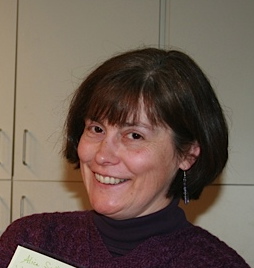
Another Arts Teachers’ Story: Leah Olson

June 19, 2012

Featuring one teacher’s journey as an educator

This is the 14th in a series of blog posts telling arts teachers’ stories. This series contains a set of questions to provide the opportunity for you to read educators stories and to learn from others.

Leah Olson is has taught visual art for 16 years. Currently, she teaches five classes of visual art at Hampden Academy. This is her first year teaching high school and has about 100 students per semester. Her teaching assignment includes Art 1 and 2, Sculpture 1 and 2, Drawing and Painting and Advanced Art. She will be teaching a new course of Jewelry and Ceramics in the fall.

What do you like best about being a visual art educator?

Teaching art is like being able to assist people in self discovery. I love watching students learn in the creative process. This job allows me to have a degree of autonomy that allows me to make daily and long term decisions that will bring the best experience for the student.  I feel like an artist when I teach!

Tell me what you think are three keys to ANY successful arts ed program?

  1. Educate yourself about art education daily, weekly, etc., in whatever means possible.
  2. Be a clear communicator. Write about “art happenings” in school newsletters/emails. Schedule time to communicate with your colleagues about curriculum, assessment and make goals. Collaborate with colleagues other than in your content area because students get more out of it when they know others are on the bandwagon.
  3. Be involved with community arts events because public relations is crucial on so many levels.

What specific way(s) do your assessment practices tie into the success of your program?

  • Collaboration is key. My colleague, Bethany Hanson, has been a crucial part of ongoing improvements that correlate with Hampden Academy’s emphasis on curriculum development. She and I work together to develop quality assessments that will help our students meet the standards in the visual arts before students graduate.
  • Backward Planning – for example: Showing student work examples of the projects before students start a unit. Having a discussion about what quality work looks like is important to see before giving students the steps required to achieve and learn.
  • Checklists – Students use them to gauge their time, process and quality of work to meet and/or surpass the expectations. We all use checklists in our life for many different things. It holds us accountable for what we do. And don’t you feel good when you cross those things off your list?

What have been the benefits in becoming involved in the arts assessment initiative?

Arts teachers are very professionally isolated in school districts. Professional development is scarce, schedule is tight, and funds are not available.  Through this initiative, people are developing ways of communication through technology that can help arts teachers access information that is relevant and helpful to their skill levels. I have learned a great deal from other teacher leaders.  It has also been refreshing to meet other arts teachers who love what they do and have much to share with others.

What are you most proud of in your career?

After 16 years, I still love my career!  Students never cease to inspire me.  Teachers shape our perspective about education and little of that changes as the years pass. I hope students leave my classes believing that learning about art is important, it is fun and it is important to support it in their community. I am proud to encourage global thinking, to work hard, and to teach that creativity is being in the process!  Teaching students how to enjoy problem solving can be a tough business!

What gets in the way of being a better teacher or doing a better job as a teacher?

Many people have mentioned time.  Thats # 1 for me too.  When you begin to not take the time to make something better, the less effective you become.  This is not only tough to do individually, but tough to teach others those various problem solving skills using the time effectively.  How can I help students find their “spark” in the creative process? That “spark” fuels the power of the arts.

Apple or PC?

This is my first year being totally Apple!  So far, so good!

What have you accomplished through hard work and determination that might otherwise appear at first glance to be due to “luck” or circumstances?

This is my first year teaching art at Hampden Academy. I owe my accomplishments to having a positive outlook on things and that has pushed me forward towards my present career.  I don’t dwell on my failures – I try to learn from them.  The love of learning does appear to be “lucky” for me (and the self fulfilling prophecy thought pattern comes in handy…..).

Look into your crystal ball: what advice would you give to teachers?

  • “Oh Great Self Fulfilling Prophecy” = Thoughts – Words – Actions –  Habits – Character – Destiny
  • “Never underestimate the power of a small, dedicated group of people to change the world; indeed, that is the only thing that ever has.” – Margaret Mead
  • My advice in general: Do the right thing when no one is looking.

If you were given a $500,000.00 to do with whatever you please, what would it be?

Add to the college fund for my two children. Buy a house on the water with a BIG space for a studio. (OMG, that sounds so responsible.)

Leah’s resources:

Thank you for sharing your story Leah!
h1

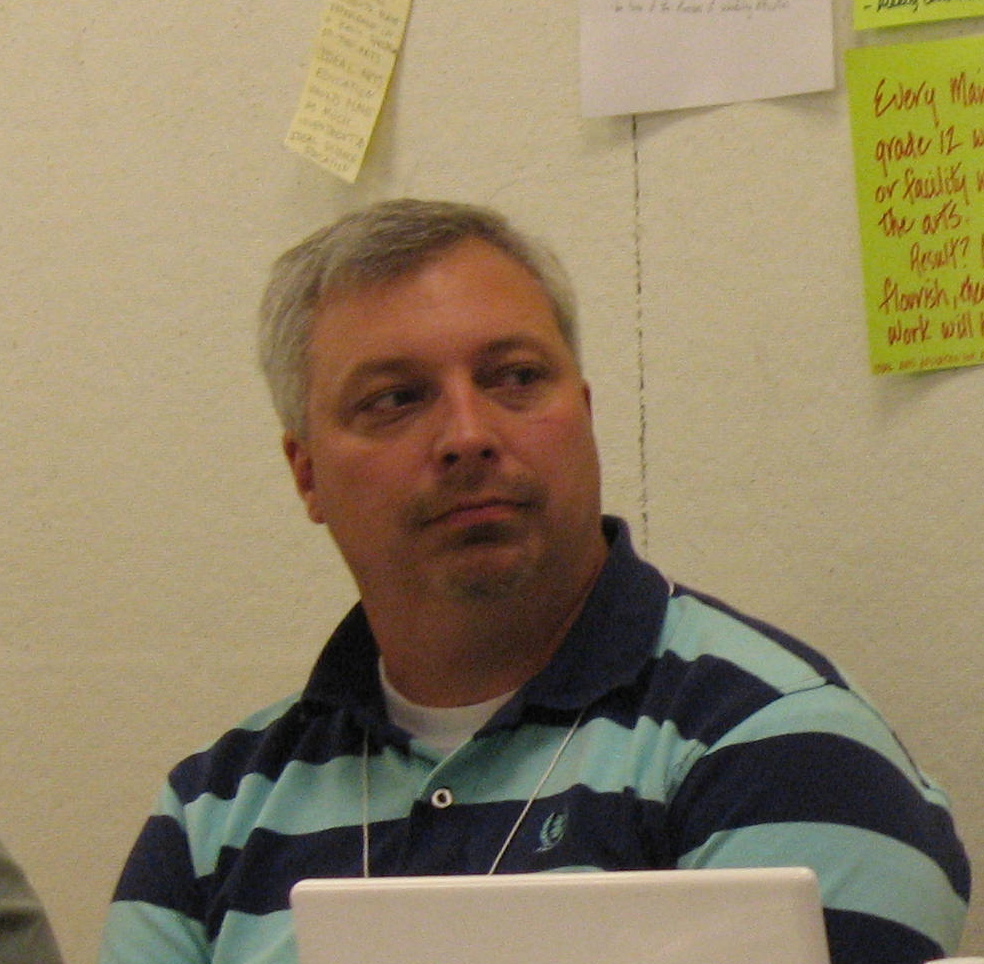
Another Arts Teachers’ Story: Matt Doiron

June 12, 2012

Featuring one teacher’s journey as an educator

This is the 13th in a series of blog posts telling arts teachers’ stories. This series contains a set of questions to provide the opportunity for you to read educators stories and to learn from others.

Matt Doiron teaches high school instrumental music in the Sanford Public Schools. He has been teaching for 22 years. The Sanford High School band program involves about 90 students in concert band, marching band, jazz ensemble and pep band. In addition Matt teaches AP Music Theory and about 75 beginning guitar students every year. Matt has been with the Maine Arts Assessment Initiative as a Teacher Leader in the first phase and we’re thrilled to have him serving on the Leadership Team for the second phase.

What do you like best about being a music educator?

It provides me with an opportunity to “walk the walk.”  There is a lot of research and a lot of talk about how arts education is vitally important. The rest of the educational establishment will see us as important when they experience, first hand, what arts education really can do. My goal every day to make that happen.

Tell me what you think are three keys to ANY successful arts ed program?

  1. You have to have an expert understanding of your content area.
  2. You have to have an understanding of how students learn the content.
  3. You have to be driven to use the two understandings to make things happen in your school.

What specific way(s) do your assessment practices tie into the success of your program?

I work to assess students individual musical growth throughout all the semesters they are involved in the band program at SHS. This is quite a shift from “You must attend all performances and behave well in rehearsals.” It’s about being able to individualize instruction for all students and measure that growth over time that matters. When the students get this, they see preparing for what they need to do in rehearsal and performance as a part of their overall musical growth, not simply as “I need to make sure I play Db in the trio.” This is quite a hurdle for many young musicians as it is transitioning them into a much larger and more complex musical world, but once they make the jump, they have begun a truly transforming process of being musical thinkers instead of thoughtless trained doers.

What have been the benefits in becoming involved in the arts assessment initiative?

My involvement in the arts assessment initiative brought me through a process of defining what I really believe my job entails. I don’t hesitate to be direct about what I need to be doing for my kids and what is necessary for growing the program. I have thought through both how and what I grade and how my expectations need to shift to cause the students to take ownership of their musical growth and for my program to be considered valid by the people I teach with and for.

What are you most proud of in your career?

Performing for the President of the United States.

What gets in the way of being a better teacher or doing a better job as a teacher?

Time.  (We never seem to take out the “trash” in education so many of us are still doing 31 different parts of past initiatives because they don’t ever seem to be re-evaluated and removed.)

Apple or PC?

Apple

What have you accomplished through hard work and determination that might otherwise appear at first glance to be due to “luck” or circumstances?

Re-building and maintaining the music program at Sanford High School. When I came to teach here, there were 19 students in the high school band. Now we are talking about everything from better schedules to new facilities and programs and what programs we could look to offer out into the future.

Look into your crystal ball: what advice would you give to teachers?

The long term success of what we do is dependent upon us walking the walk of best practice in teaching all the 21st century skills that can best be delivered by arts education.  We can lead the way on changes in our schools or we can continue to do what we’ve always done and then complain when we loose more programs. Without our leadership we will not be “at the table” when important decisions are made, we will be “on the menu.”

If you were given a $500,000.00 to do with whatever you please, what would it be?

Cover my daughters’ college educations, pay off the house, work on my PhD.  (There would probably be a trip to Europe in there somewhere too.)

Thank you Matt for sharing your story!

h1

Another Arts Teachers’ Story: Audrey Grumbling

June 5, 2012

Featuring one teacher’s journey as an educator

This is the 12th in a series of blog posts telling arts teachers’ stories. This series contains a set of questions to provide the opportunity for you to read educators stories and to learn from others.

Audrey Grumbling currently teaches K-5 Visual Arts to 460 students at two elementary schools: Kennebunkport Consolidated School and Mildred L. Day School, Arundel. She originally taught K-8 Art in Arundel beginning in 2001. In 2006 the school became a K-5 school and later consolidated with RSU 21. Her work includes teaching two Talented Artist Program classes each week. Audrey has been with the Maine Arts Assessment Initiative as a Teacher Leader in the first phase.

What do you like best about being a music/art/drama/dance educator?

I revel when I see the children’s joy as they work with materials and express themselves visually. Seeing them tap into their own creativity and get into their “flow” zone – that’s the best. While my discipline is visual, I am passionate about ideas, and I teach for that spark, that “aha” moment, when a child makes a discovery and grasps a concept.

Tell me what you think are three keys to ANY successful arts ed program?

As arts educators, we are entrusted with the important work of providing children opportunities to directly experience the language of human expression and understanding.

  1. A successful arts education program needs passionate educators who find joy in their own work.
  2. A good arts program helps students practice close observation and build skills that lead to creative problem solving and critical thinking.
  3. It’s no accident that the highest level of the new Bloom’s Taxonomy is “to create.” It’s the quality that businesses, think tanks, and the world most need to nurture for our future. It’s what the arts are all about!  Getting this message out beyond the “choir,” that’s essential to a solid program, as well.

What specific way(s) do your assessment practices tie into the success of your program?

As we found repeatedly throughout our Arts Assessment Initiative, we need to focus on “formative” assessment – immediate feedback that students can apply to their work and teachers can utilize to adjust and differentiate instruction. It opens up a trust, a dialogue, a conversation that helps students grow while they create. Ideally, they learn to reflect, revise, and create (and reflect again). Teaching students the process of metacognition provides a lifelong skill for any discipline. Learning how to revise and change and modify is a key skill, whether one is planning a mural, writing an essay, designing an app for a smart phone, or developing a fuel-efficient engine. The arts do it!

What have been the benefits in becoming involved in the arts assessment initiative?

Through the MAAI, I met some amazing, talented, and passionate arts educators. We experienced a journey of discovery and sharing as we studied and reflected on our own practice together. At our state Assessment conference, we established a dialog with our colleagues, both presenters and attendees, and shared in ways we rarely have a chance to do. I especially enjoyed collaborating with Laura Devin of Bath to present two sessions at the conference.

What are you most proud of in your career?

I treasure those undocumented moments of joy, pride, and “aha” sparks I’ve witnessed over the years.  It is gratifying to see children realize they can make a difference in the world with their art (whether through exhibitions, gifts, collaborative works, or service learning).

What gets in the way of being a better teacher or doing a better job as a teacher?

I am frustrated that I don’t do enough to educate the self-named “non-artists” in our school community about the importance of the arts to build adults who can think independently, solve problems, collaborate, and communicate within our world. The current single-minded emphasis on test scores is a narrow view of what children need to succeed. In 2007 I spoke with university educators in Japan who said they were long “past” that way of thinking, and the schools I visited were, indeed, intensely invested in the whole child. Despite ample confirming research, somehow we get stuck on the test scores.  Of course, there is always the big issue, TIME, or lack thereof. Lack of TIME with children, lack of TIME for research and teaming with other educators, for coordinating that collaboration across disciplines that really cements learning.

Apple or PC?

Both, but with MLTI, more Mac these days.

What have you accomplished through hard work and determination that might otherwise appear at first glance to be due to “luck” or circumstances?

I have found community partners to host whole-school art exhibits in their museums and galleries. For each of my students to see themselves viewed by their community as “artists” in a “real” gallery is priceless. I am also really proud that Arundel was named one of six “Imagination Intensive Communities” in the state during the first year of that program. This recognition represented amazing whole-school collaborations and integrated learning that involved our entire staff, something that suffers when test scores become the prime measure of a successful education and planning time for collaboration is squeezed. When I created integrated units of study for the Portland Museum of Art, the Farnsworth Art Museum, and the Lincoln Center International Institute for Creative Learning I was able to bring world-class professional development back to my students, and when published, to the reach the wider education community. Finding funding to bring in working artists from down the road and across the world has also been an exciting part of my work over the years.

Look into your crystal ball: what advice would you give to teachers?

Hang on to your ideals, find outside experiences that stimulate and support your work, and find some supportive colleagues with whom to collaborate.  Also, educate your administrators, school board and community about the essential relevance of the arts in the life of a developing young person who can solve problems creatively, think critically, communicate within our rapidly changing world, and, by golly, be a happy, contributing member of society. It’s the world I want to live in.

If you were given a $500,000.00 to do with whatever you please, what would it be?

Wow! A financial bonanza would help me bolster my own children’s creative endeavors out in the world (a filmmaker, a poet, and a molecular physicist). I’ve always wanted to fund an artists’ colony, where young artists can live and work and inspire each other. I’d like to work on ways to educate communities, administrators and school boards about the both essential and vast benefits of a solid arts education.

Thank you Audrey for telling your story!

h1

Another Arts Teachers’ Story: Lisa Marin

May 22, 2012

Featuring one teacher’s journey as an educator

This is the tenth in a series of blog posts telling arts teachers’ stories. This series contains a set of questions to provide the opportunity for you to read educators stories and to learn from others.

Lisa Marin is a K-12 Visual Art teacher who has taught for 16+ years at Jonesport-Beals High School and Jonesport Elementary School. She teaches approximately 140 students per year, between elementary classes and high school art 1, 2, 3 and some years art 4. All levels of high school art are taught together in each of the three periods. Lisa is a Teacher Leader with the first phase of the Maine Arts Assessment Initiative.

What do you like best about being a visual art educator?

Getting a chance to work with young people to, hopefully, make a positive impact on their future, where ever life takes them. Offering a safe place where they can express themselves.

Tell me what you think are three keys to ANY successful arts ed program?

  • Focusing on what you find most valuable to teach
  • Creating a positive environment that nurtures students to take risks
  • Making connections within your school and wider community

What specific way(s) do your assessment practices tie into the success of your program?

They give me a sense of an underlying direction, framework, and goals for my curriculum and teaching. I am able to have a more meaningful dialog with my colleagues, making connections across content areas for assessment and student learning. Additionally, students have greater, and deeper understanding of what represents quality work and can then set personal goals to achieve those results.

What have been the benefits in becoming involved in the arts assessment initiative?

Coming from a district where I am one of two arts teachers, and the only visual art teacher, can feel isolating. This initiative has given me the opportunity to work intensively with colleagues to think about challenging issues in arts education, both inside as well as outside the classroom. I really enjoy being part of something bigger than my own small corner of Maine. I feel energized to boost the quality of my teaching. This is not an easy task for anyone who has been teaching for many years. There’s a tendency to fall into the ‘rut in the road’!

What are you most proud of in your career?

Early in my career at JBHS I established the Jonesport-Beals High School Fine Arts Scholarship Fund awarded to any senior who wanted to pursue higher education in the arts. I have received a lot of community support in fundraising efforts and have been able to substantially increase the dollar amount awarded in recent years.

What gets in the way of being a better teacher or doing a better job as a teacher?

Time, not enough of it! Especially lack of planning time with fellow teachers.

Apple or PC?

Ten years ago never would have said this but….. Apple all the way! Laptop initiative changed my life!

What have you accomplished through hard work and determination that might otherwise appear at first glance to be due to “luck” or circumstances?

Level of quality in my students’ work. Having to be a cheerleader to challenge my students to give their best effort. Quality comes with a determination to work hard. Talent is an amazing thing to have, but I’ve seen many students who weren’t the most talented produce really creative, self-revealing work, because they were willing to hang in there with me and go the extra mile to do their best.

Look into your crystal ball: what advice would you give to teachers?

Keep a sense of humor. Try not to take anything negative too personally. Find ways to keep your teaching fresh and forward thinking.

If you were given a $500,000.00 to do with whatever you please, what would it be?

Travel! To exotic and not so exotic places.

I invite all who care to, to check out my wiki. There are a lot of links to lesson plans and assessment ideas. I love feedback, and suggestions for new postings.
www.newartassessmentswiki.pbworks.co.

Thank you Lisa for taking the time to tell your story!

h1

Another Arts Teachers’ Story: Jen Nash

May 15, 2012


Featuring one teacher’s journey as an arts educator

This is the ninth in a series of blog posts telling arts teachers’ stories. The series contains a set of questions that provide the opportunity for you to read and learn from others.

Jen Nash currently teaches K-8 music at the Etna-Dixmont School and has been there for the last 4 years. There are approximately 220 students from K-8.  Classes include: K-6 general music, 3rd grade recorders, beginner band, second year band, and middle school band, jazz band and chorus. Jen is a teacher leader with the Maine Arts Assessment Initiative, phase I.

What do you like best about being a music/art/drama/dance educator?

Watching the learning phases that students go through. I love being able to teach students the skills to become independent and self driven. The advantage of being a K-8 music teacher is watching them grow up, and mature in all things musical. It is wonderful when a student can identify mistakes, plan out a way-of-attack, and smile at what they have accomplished. When given the opportunity, students can be inquisitive, insightful and take ownership in the process.

Tell me what you think are three keys to ANY successful arts ed program?

  1. Direction                                                                                                                              – long term and short term goals (educator produced and student produced)
  2. Drive

-a clear philosophy of why the program exists and who it serves

-after setting goals, planning how to accomplish goals

3.    Gas

-Students fuel the program.

*recruiting, helping in events, sharing with younger students,     student leaders

*establishing expectations and creative assessments

-Parents and community

*without their support, arts programs would not exist

-Making sure your teacher tank does not hit “empty”.

*we run ourselves ragged for what we believe in. We must find balance.

What specific way(s) do your assessment practices tie into the success of your program?

I have student self reflect at the end of every class. Most the days I ask them to assess their overall performance for the day. Examples: Where you on task? Did understand the topic? Did you apply the new concepts? Did you follow directions? Did you put forth 100% effort?

I used to give them an overall individual assessment at the end of every class last year (no input from students). Since using the student driven method for the 2011-2012 school year, I have had students practicing more, on task, and asking about how they may improve.  I use a chart labeled 1-4, and clothes pins with students names on them.  It takes less than 2 minutes to take note of their scores, and I use GoogleDocs to keep it organized.

What have been the benefits in becoming involved in the arts assessment initiative?

It has been said over and over again: collaboration. Collaboration among all arts educators is essential to the survival and growth of programs across this state. I have learned so much from the many effective, wise (I do not mean “old”) teachers. Imagine what a truly unified front of Maine arts teachers would look like? How could we fine tune, or, perhaps revolutionize our methods, to reach this new generation of students?

What are you most proud of in your career?

Keeping students first. Teaching means trying things, and when I find they do not work, I do something else to reach them. I am content in knowing that I will always be seeking answers. Oh! And keeping a smile. Even on the tough days.

What gets in the way of being a better teacher or doing a better job as a teacher?

 Attitude.  If one does not like a situation: “fix it” or “get over it”.  If one can not, “fix it” or “get over it”, then move on.  Life is too short, and the people in immediate proximity suffer.

Apple or PC?

Macbook

iPad

Always have my Droid Incredible (PC based) close by.

Use what works for you.

What have you accomplished through hard work and determination that might otherwise appear at first glance to be due to “luck” or circumstances?

“You’re such a techie”. Back in middle school, I remember taking my first computer class.  We learned all about floppy disks, Oregon Trail, and typing. At some point, I was hooked on Mavis Beacon Teaches Typing.  Occasionally in high school, I would be asked to type out a paper.

In college, I received a very, very old laptop that had the worst screen of any computer at that time. It worked-I could AOL instant message, so all was well.  The Form and Composition class I took, demanded computer lab time in the music building. This is where I learned about Sibelius (a music notation software). Third year of college, thanks to Mom, a wonderful Dell desktop graced my dorm room.

So, I received my first MLTI laptop 5 years ago.  Since then, I have spent hours just trying out new software, playing with spreadsheets, web browsers and etc.  Last summer, I took the UM Summer Technology Institute course where I learned all about Google and it’s endless blessings.

What intrigues me is finding a program that can make my job more organized, and communication easier.  I also love being able to help other people when they feel they just can not handle this whole “machine” thing.  I almost feel like it is part of my job to share all the stuff I have learned. So, yes, it seems as if, being young equals understanding computers.  It mostly has to do with the fact that I want to learn and I have had lots of practice.

Look into your crystal ball: what advice would you give to teachers?

Love what you do. Find joy in every day. Have peace knowing that most situations work out. Be kind to every student. Faithful to your friendships and family. Self control, even when it is a full moon and the kids are wild.  Compassion and gentleness in approaching all difficult situations.

I think back to all of the leaders that had an impact on my life. They were patient, calm, sincere in their intentions and slow to temper. I really think those people had it figured out.

If you were given a $500,000.00 to do with whatever you please, what would it be?

            Take a tropical vacation

            Buy a really nice piano

            Start a string program

            Give to missionaries

            Pay off student loans and mortgage

            Start college fund for niece and nephew

            Refinish the school stage

Links with resources: Etna-Dixmont School Webpage

Jake Sturtevant and Jen Nash Web Resources

Thank you Jen for taking the time to tell your story!

h1

Another Arts Teachers’ Story: Shannon Campbell

May 8, 2012


Featuring one teacher’s journey as an arts educator

This is the eighth in a series of blog posts telling arts teachers’ stories. This series contains a set of questions to provide the opportunity for you to read educators stories and to learn from others.

Shannon Campbell presently teaches visual arts to 215 K-8 students at the Deer Isle-Stonington Elementary School. This is her first year there were she has 24 classes a week. Previously, Shannon taught on the island of Vinalhaven for 2 years. Shannon is a teacher leader from the first phase of the Maine Arts Assessment Initiative.

Shannon has resources on the school website at  http://www.dises.org/arts/art-class.

What do you like best about being an art educator?

I love the process of art, and I love being able to teach kids how to use the process of art to understand and interact with life. I love that no minute of my day is ever the same, and that I get to share art experiences with students every day.

Tell me what you think are three keys to ANY successful arts ed program?

  1. flexibility,
  2. innovation, and
  3. the ability to connect your curriculum with the students life experiences.

What specific way(s) do your assessment practices tie into the success of your program?

My assessment practices help students to understand the project expectations and push students to self-assess their own work, allowing students to be more thoughtfully engaged in their work.

What have been the benefits in becoming involved in the arts assessment initiative?

Networking! This process has introduced me to a great support system of other art teachers who are constantly pushing what they do in the classroom in innovative ways. I love how technology has allowed a group of educators throughout the state to all stay in touch throughout the year. The assessment initiative has given be great ideas and support in what I do in my classroom, and has made me more mindful of the assessment process. 

What are you most proud of in your career?

So far, I am most proud of the professional work that I have done through the Maine Arts Assessment Initiative.

What gets in the way of being a better teacher or doing a better job as a teacher?

Life–I still don’t understand how people teach kids and have their own kids!

Apple or PC?

Apple

What have you accomplished through hard work and determination that might otherwise appear at first glance to be due to “luck” or circumstances?

Hmm.. I would say that I have my job because of hard work and determination. In this economy teaching jobs are hard to come by, and I think that because of how seriously I take my job as a teacher, I have earned a good reputation in the field. I think that hard work is how I was able to get my current job at the Deer Isle-Stonington Elementary school.

Look into your crystal ball: what advice would you give to teachers?

Be innovative and keep pushing your program to become better interconnected with the outside world. Also, don’t over analyze a bad day, we all have them. 

If you were given a $500,000.00 to do with whatever you please, what would it be?

Go on a vacation, get 3 more weimaraners and maybe open up my own arts based Montessori school.  

Thank you Shannon for taking the time to tell your story!

h1

Another Arts Teachers’ Story: William Buzza

April 10, 2012

Featuring one teacher’s journey as an arts educator

This is the fourth in a series of blog posts telling arts teachers’ stories. This series contains a set of questions to provide the opportunity for you to read educators stories and to learn from others.

William Buzza is the featured teacher this week; he goes by Bill because as he says “it’s less pretentious sounding :-)”. Bill started his career as a music educator 19 years ago in Turner at Tripp Middle School; for the last 14  he has been at Leavitt Area High School, RSU 52. He serves in the leadership position as visual and performing arts coordinator for his school district in which he gets to process lots of paperwork and fulfill other tasks that come up and for arts activities. His classes consist of concert band, percussion ensemble, piano 1 & 2, guitar 1 & 2 and electronic music for a total of 41 students. His school also has a marching band that participates in the regional band shows. Bill is one of the Maine Arts Assessment Initiative’s Teacher Leaders, Phase I.

What do you like best about being an arts educator?

I enjoy sharing those “aha” moments with students when they achieve new levels of success and they recognize the progress they’ve made in learning the concepts and skills we’ve been studying in class.

Tell me what you think are three keys to ANY successful arts ed program?

I think a successful arts ed program revolves around relationship building. I came to this realization a number of years ago when reading Stephen Covey’s well known book, “Seven Habits of Highly Effective People” which really affected me as a teacher. I’ve come to realize the importance of the following three sets of relationship building:

  1. You need to have a positive and respectful relationship with your students. The arts are about sharing: the students sharing their artwork with you, you sharing the creative process with the students; especially when you and your students experience that special moment in a performance when everything you’ve been working on comes together and the goose bumps happen. Without an atmosphere of trust, openness and acceptance, that special sharing will not happen.
  2. Arts educators need to have positive relations with colleagues and administrators. There are many times when the success of our program depends on those people, whether it’s budget time, time for the guidance department to do the scheduling, or the occasion when your students need to miss another class for a special rehearsal or field trip. The time to work on your professional relationships is not when you need something.
  3. Arts educators depend on good relations with the parents. Those are the people that will encourage the child to practice at home, help out with fundraisers, chaperone field trips, assist in the marching band pit crew, etc., etc. Without the support of my students’ parents, I don’t know how I would have accomplished some of the things we have over the years.

What specific way(s) do your assessment practices tie into the success of your program?

I try to make all my assessments formative in nature by finding ways to make these experiences instructional moments for the students.  Sometimes I will have the students reflect on the successes or struggles they’ve experienced, while at other times I will use rubrics and narrative feedback to instruct them on what they need to do to improve. My goal is for my students to become independent musicians and thinkers. I believe that formative assessments supports this goal and promotes a sense of ownership of common goals. I tell my students that I know I will have done my job if by the time they graduate, they don’t me anymore.

What have been the benefits in becoming involved in the arts assessment initiative?

The initiative has provided a great opportunity to network with some amazing teachers. It is difficult to describe the synergy that is created when a group of arts educators get together to work on educational issues that transcend boundaries otherwise imposed by considering oneself a “music teacher” or a “visual arts teacher”. It has been very fulfilling to talk about effective teaching and learning practices and have a network of colleagues to bounce ideas off of.

What are you most proud of in your career?

There are two things I am very proud of. One is the creation of a guitar program at our school. This addition to our music department has brought a new group of students into the music room that I and my colleague, Penny Appleby would not otherwise get to meet. These students bring a different energy to the music department that enhances the department’s relevancy to the general student body.

On a personal level, I am very proud to have been recognized as a finalist for the 2011 Maine Teacher of the Year. As arts educators, I think we often teach in a bubble where very few of our colleagues and administrators understand what we’re doing. I suspect we all have occasions when we may doubt our effectiveness as a teacher. The Teacher of the Year program was a challenging process that involved much outside assessment of my teaching practices and beliefs and was truly a validation of my work as a teacher. I encourage the readers to consider nominating a deserving teacher for this recognition.

What gets in the way of being a better teacher or doing a better job as a teacher?

Time – there never seems to be enough of it.

Apple or PC?

Both. I use a Mac at school and a PC at home. I also have the “pleasure?” of working at a school where our students’ 1-to-1 devices are running on Linux.  So that probably makes me sufficiently qualified (or confused) in the digital age. I’m learning the significance of “open source”.

What have you accomplished through hard work and determination that might otherwise appear at first glance to be due to “luck” or circumstances?

Our administration is very supportive of all the arts in our district. This has occurred from years of regular internal advocacy. The advocacy piece always seems necessary due to the regular turnover of administrators.

Look into your crystal ball: what advice would you give to teachers?

When considering your own professional development, try to take a course or workshop not related to the arts / your content, but to teaching in general. I found this experience to give me a whole different outlook on my teaching. The list of possible teaching strategies / methods is endless.

If you were given a $500,000.00 to do with whatever you please, what would it be?

The first thing I would do is pay off the mortgage! Growing up in Presque Isle, I always said if I ever got rich that I would buy a motor coach for the Presque Isle High School music program so the band wouldn’t have to ride a school bus to the basketball tournament or the state jazz festivals. Then I would take my two boys for an extended road trip down the eastern seaboard before they hit college – then we all know where the money would go.

Thank you Bill for taking the time to tell your story!

h1

Another Arts Teachers’ Story: Jeff Orth

April 3, 2012

Featuring one teacher’s journey as an arts educator

This is the third in a series of blog posts telling arts teachers’ stories. This series contains a set of questions to provide the opportunity for you to read educators stories and to learn from others. Jeff Orth is the featured teacher this week and has been teaching visual arts for 13 years, the last 10 in Richmond, grades 6-12. Jeff sees around 175 students every two days in his art room. He has served as the curriculum leader for visual art for the last three years and has been involved in helping the way the arts are delivered and assessed in schools. Jeff is one of the Maine Arts Assessment Initiative’s Teacher Leaders, Phase I.

What do you like best about being an arts educator?

I like opening up the world of art to the students that I teach, to help them see the world in a different light and to help them see that they are creative people.

Tell me what you think are three keys to ANY successful arts ed program?

  1. A well balanced program between creation, understanding techniques and learning about the importance of the arts in society.
  2. Having the support of the school, parents and community.
  3. To be able to engage the students in the passion of creating art.

What specific way(s) do your assessment practices tie into the success of your program?

The goal of my assessments is for the students to understand what they are learning and how to show that learning. I believe in formative assessment which calls for feedback at all stages of the art making process.

What have been the benefits in becoming involved in the arts assessment initiative?

The best benefits have been the connections made between educators and learning about different assessment strategies.

What are you most proud of in your career?

That I am always striving to learn better ways to deliver my program to my students.

What gets in the way of being a better teacher or doing a better job as a teacher?

For me it is the cliché of time, but I have very little time in the school day to work on inventive lessons for the classroom.

Apple or PC?

Apple

What have you accomplished through hard work and determination that might otherwise appear at first glance to be due to “luck” or circumstances?

I can not think of anything specific at this time but I am always aware the importance of putting yourself in the right place for “luck” to happen. Some things are out of a persons control but once you decide what you want or need to happen you can do things that increase the chances that something positive will happen.

Look into your crystal ball: what advice would you give to teachers?

Stay true to what you know and be an advocate for your program and your students.

If you were given a $500,000.00 to do with whatever you please, what would it be?

Pay off the little debt that I have, buy a house and put the rest away for my kids collage education. Safe and boring I know, but at this stage in life this bit of financial security would be great to have.

Thank you Jeff for taking the time to tell your story!


h1

Assessment Regional Workshop: Shannon Campbell

March 30, 2012

Waterville High School, March 22, 2012

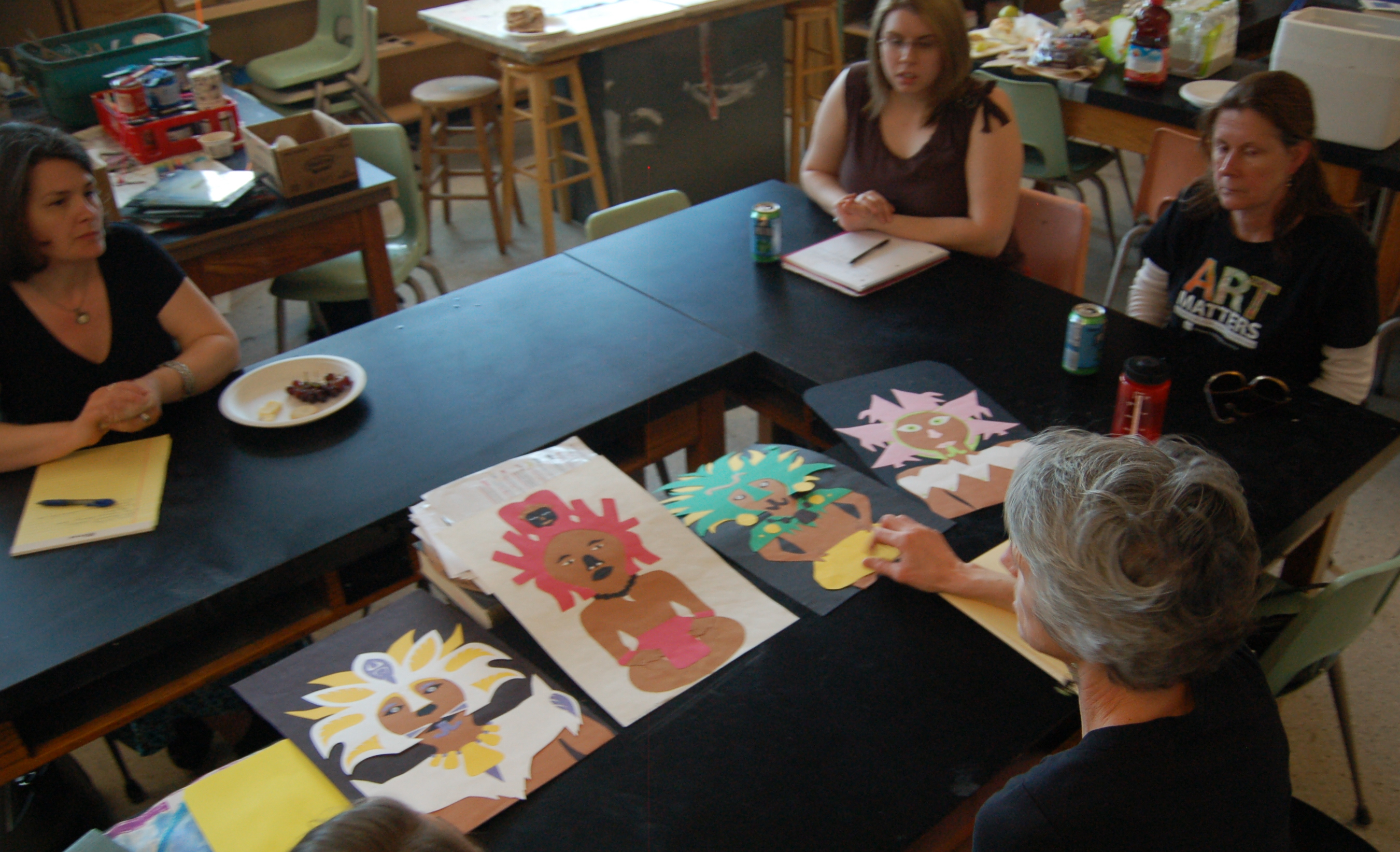
Thank you to Suzanne Goulet, Waterville High School art teacher, who provided this post from her experience at the assessment initiative regional workshop. Photos by Suzanne also.

Mud season.

Time to let the liquid stores of winter settle, shift, drain in anticipation of the bloom.
It is a time of patience and planning.

Gathering to learn more about the statewide Arts Assessment Initiative, visual arts educators from Peru to Deer Isle met recently in Waterville, taking advantage of this time of preparation.

The Arts Initiative is facilitated by regional leaders that have participated in emerging their own training and explorations in assessment. Then, coordinating and facilitating interactions between other educators, Shannon Campbell, our regional leader, did the excellent job of sharing and preparing this groundwork for growth among “area” colleagues.

Discussions of “what works”, “real” and “ideal” were all supported with experiences, struggles, groans, laughs, thank yous………….and planning of when we gather again.

Something is blooming here.

Participants – Shannon Campbell (Deer Isle), Katrina Billings (Winslow), Suzanne Goulet (Waterville), Gloria Hewett (Mount View), Lisa Ingraham (Madison) and Karen Thayer (Dirigo)

h1

Another Arts Teachers’ Story: Alice Sullivan

March 27, 2012

Featuring one teacher’s journey as an arts educator

This is the second in a series of blog posts telling arts teachers’ stories. This series contains a set of questions to provide the opportunity for you to read their stories and to learn from others. This post features Alice Sullivan who has been teaching music for 27 years. Alice is one of the Maine Arts Assessment Initiative’s Teacher Leaders, Phase I, and represents the region of Washington County.

Alice is currently teaching, grades K-12, at Woodland Jr. Sr. High School, Woodland Elementary School and Princeton Elementary School. She has been there for 6 years teaching 200 students, band program grades 4-12, some classroom music K-4 and junior high general music, digital arts class and music theory at the high school, and one small elementary chorus.

What do you like best about being a music/art/drama/dance educator?

I really like the opportunity to use my organizational skills in an environment where I can also be creative. The music room is a great place to find a balance between hard and fast standards and finding numerous ways of meeting those standards. Twenty seven years of concerts with no two being the same, but every year I strive to provide every student with the same well rounded music education.

Tell me what you think are three keys to ANY successful arts ed program?

  •  a commitment to stretching the limits (your own and those around you)
  • a belief that what you do is important
  • enough confidence in your skills to take risks

What specific way(s) do your assessment practices tie into the success of your program?

Developing solid assessment practices sends the message to those around you that you believe your program is valuable and worthy of reflection. This instills a sense of importance in your students and as a result they strive to reach higher goals. I often say to my students – “who wants to belong to the good enough club”? An assessment is a tangible way for my students to prove the level they have attained, to themselves and others.

What have been the benefits in becoming involved in the arts assessment initiative?

There have been so many benefits to being part of the arts assessment initiative. The first that comes to mind is the great opportunity to network with other educators. It has also helped to keep assessment practices foremost in my daily teaching. With so many things to do each week, priorities become a necessity. Having weekly connections through the arts initiative wiki has ensured that assessments make my priority list.

What are you most proud of in your career?

I’ve always believed that music is a gift that all students can and should receive. My classes have always been available to all students. I’m most proud of the moments when the reluctant musicians realized they did have musical talent.

What gets in the way of being a better teacher or doing a better job as a teacher?

SLEEP!

Apple or PC?

Both – depends on the job I want to get done.

What have you accomplished through hard work and determination that might otherwise appear at first glance to be due to “luck” or circumstances?

Exceptional concerts are a reflection of hard work and determination. A good performance is often attributed to talent or “good” students. I believe even very young and inexperienced performers can present quality programs with hard work and determination.

Look into your crystal ball: what advice would you give to teachers?

Enjoy what you do. Focus on the positive forces in your environment and link arms with those who also have a positive outlook.

If you were given a $500,000.00 to do with whatever you please, what would it be?

I would travel. I want to see the world and share those experiences with the people around me.

This is a link to the wiki that Alice created that includes her marvelous resources: https://meaningfulassessments.wikispaces.com/. If you have comments or questions for Alice please put them in the “comment” section below.

Thank you Alice for telling your story!