Posts Tagged ‘usm’

h1

Critical Friends Help Out!

August 14, 2013

Feedback for the MAAI Teacher Leaders

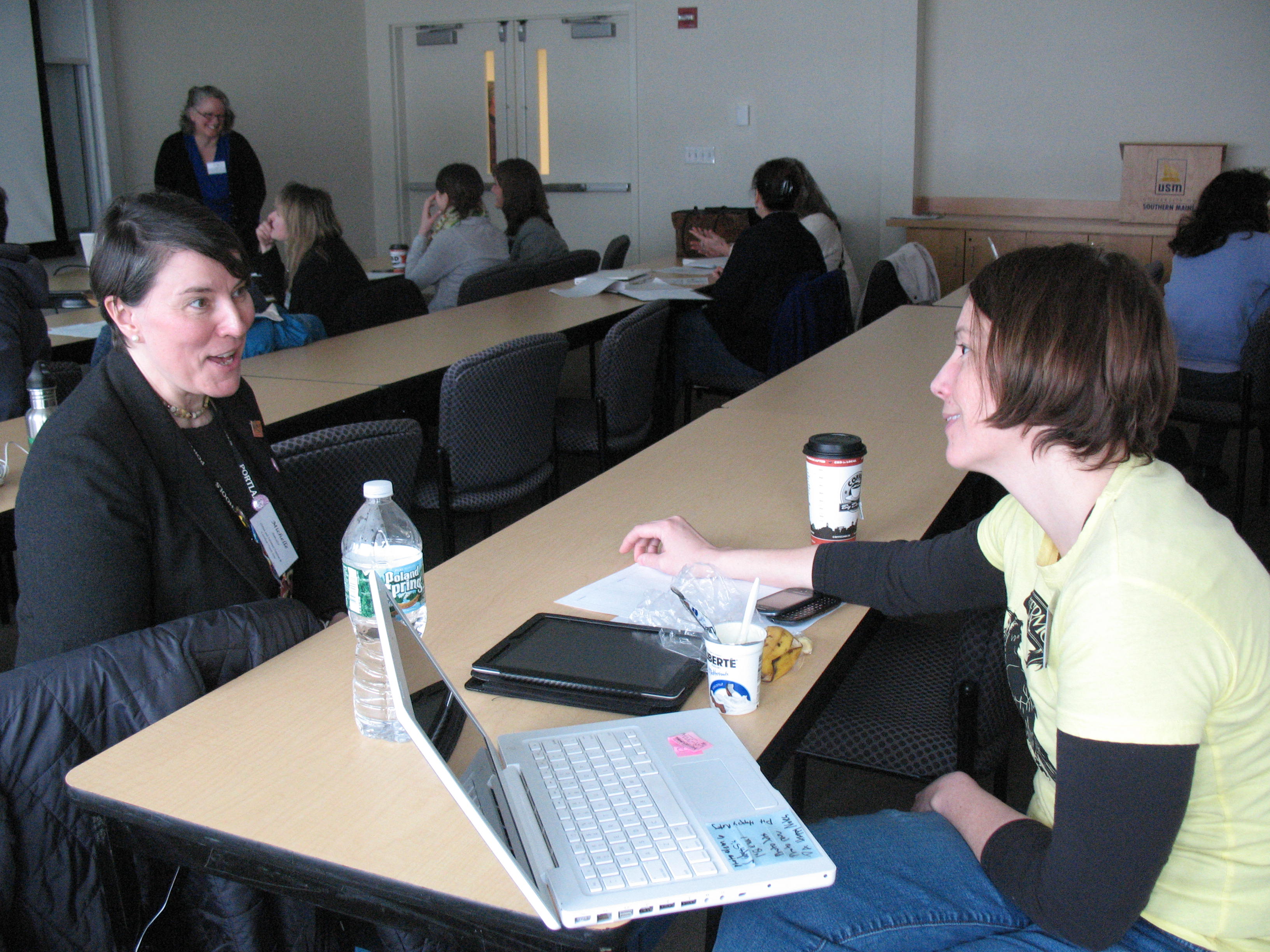
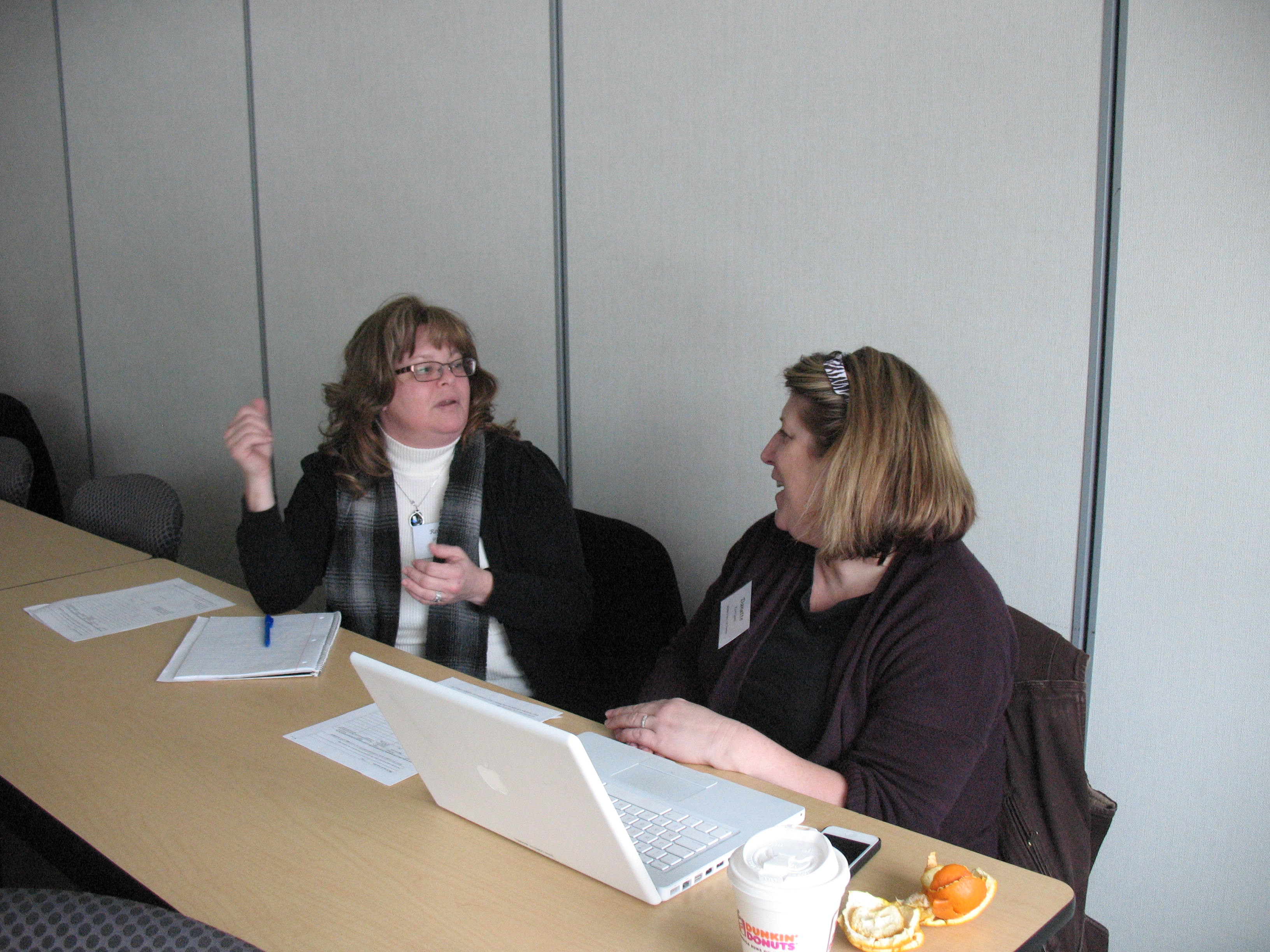
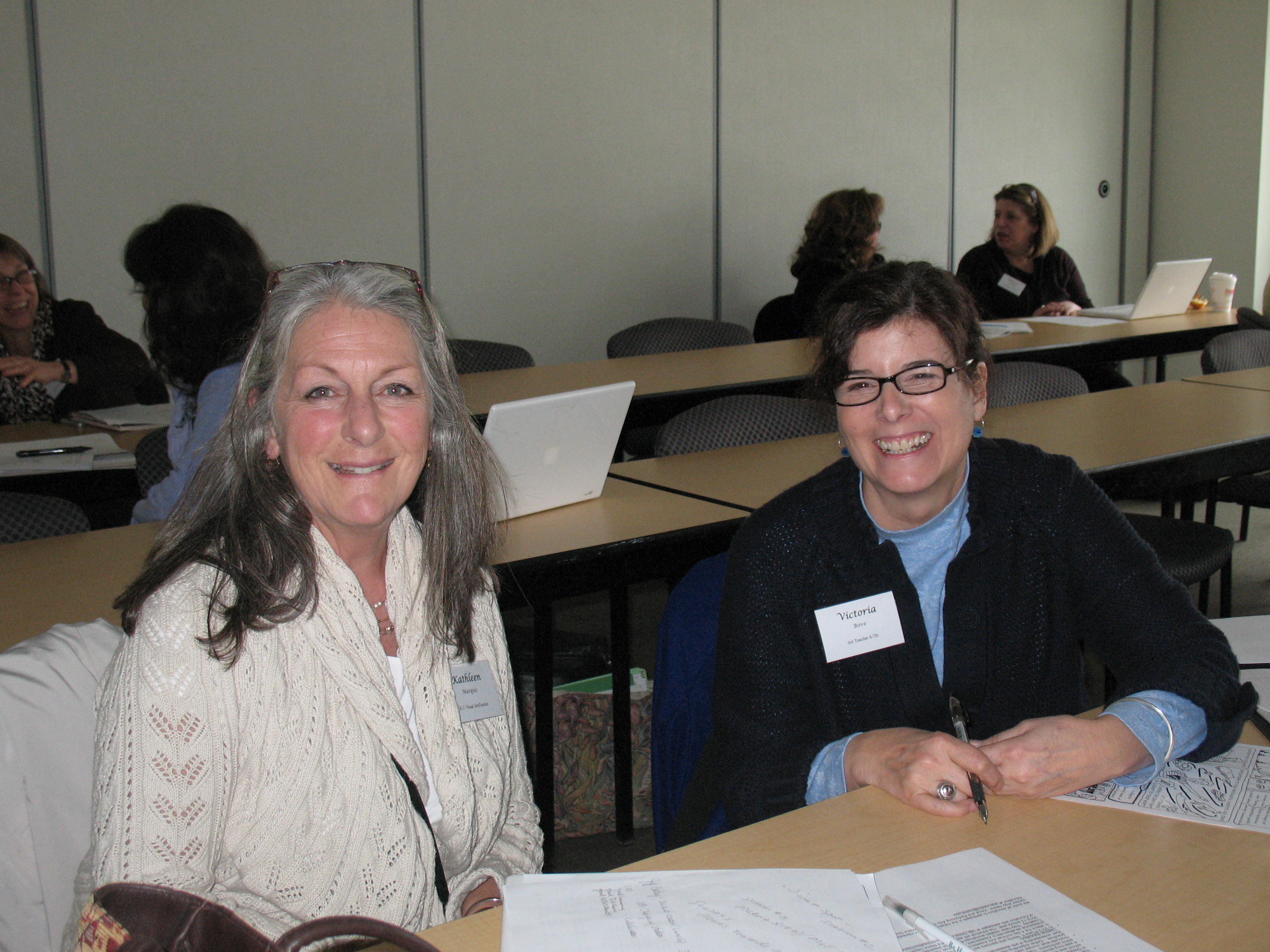
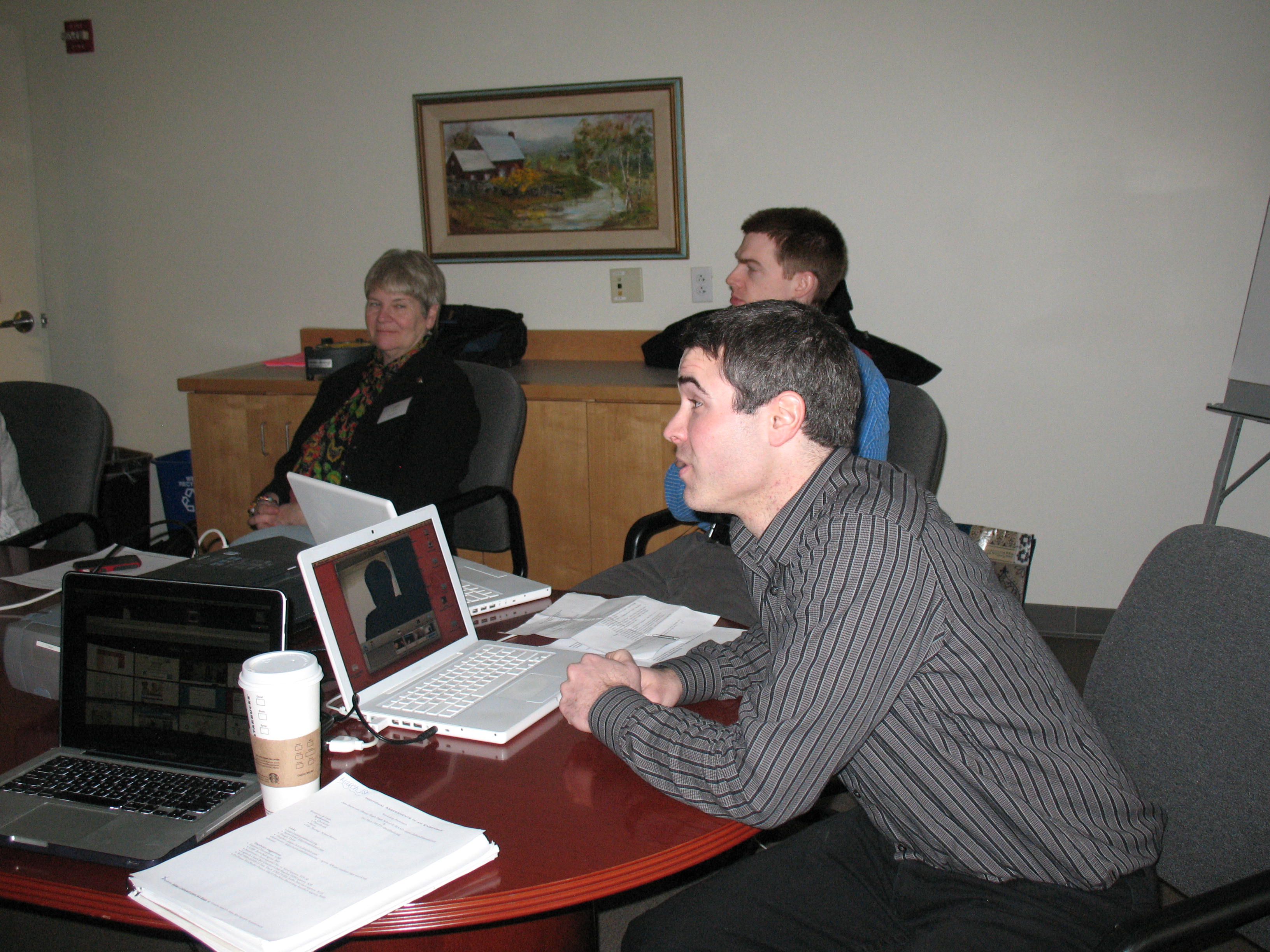
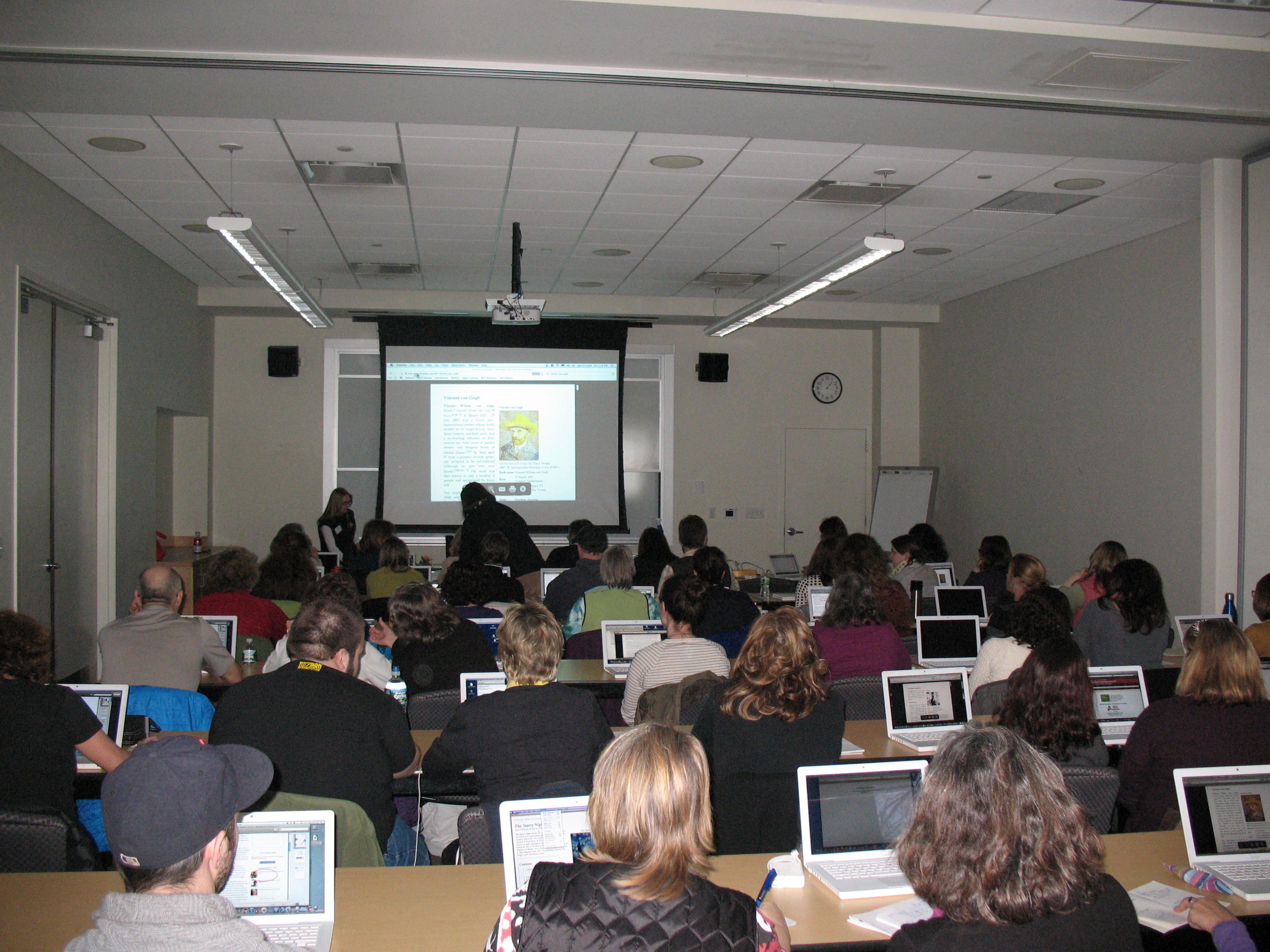
Yesterday 25 teacher leaders from the Maine Arts Assessment Initiative had the opportunity to present their arts education workshops for an audience of “critical friends” at the University of Southern Maine, Portland. The friends were colleagues of the teacher leaders , administrators, Department of Education personnel, and a combination of others. The days feedback clearly shows that the day was very useful, informative, and filled with energy and a commitment to providing top notch workshops. The critical friends provided feedback to the teacher leaders who presented, good questions were posed and a community of constructive criticism was the day’s mode.

Next step? The teacher leaders will take the feedback, make changes if they choose and polish off their presentations before the statewide conference on October 24, UMaine, Collins Center for the Arts. The Arts Education: Leading the Way conference will be an all day event featuring 35 workshops providing by the MAAI Teacher Leaders.

In addition the teacher leaders will be providing their workshops at one of the Mega-regional sessions (5 being scheduled across Maine) and the regional workshops that are being planned by the teacher leaders in their region of the state.

We hope you’ll join us at one of these professional development opportunities. Watch the blog for details of the regional or mega-regional workshops and visit the link above for the Arts Education: Leading the Way conference registration information and click here for workshop details. You won’t want to miss the once every two years conference.

Thanks to all the critical friends for helping out and congrats to the teacher leaders who have put together outstanding workshops!

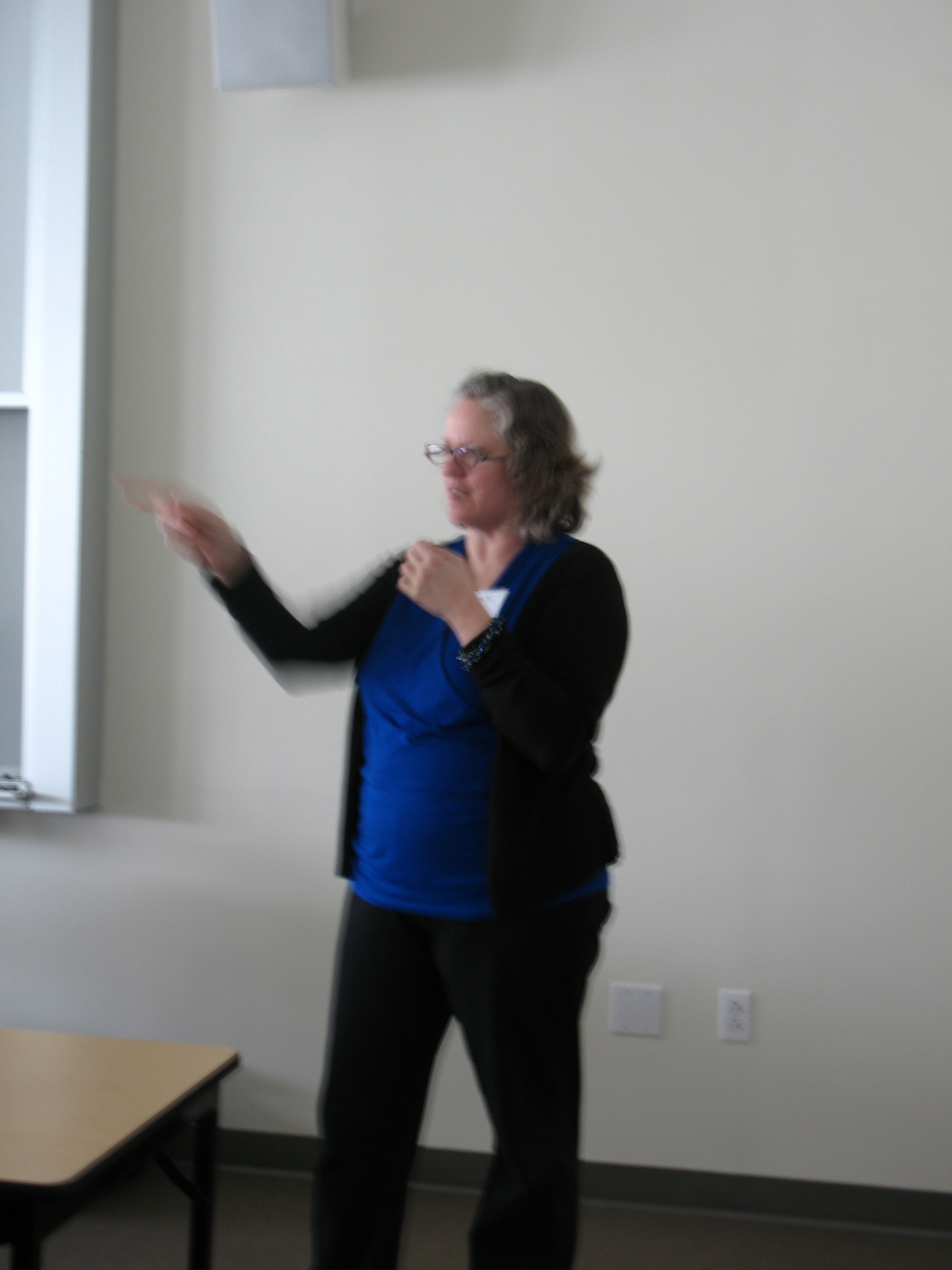
IMG_3542

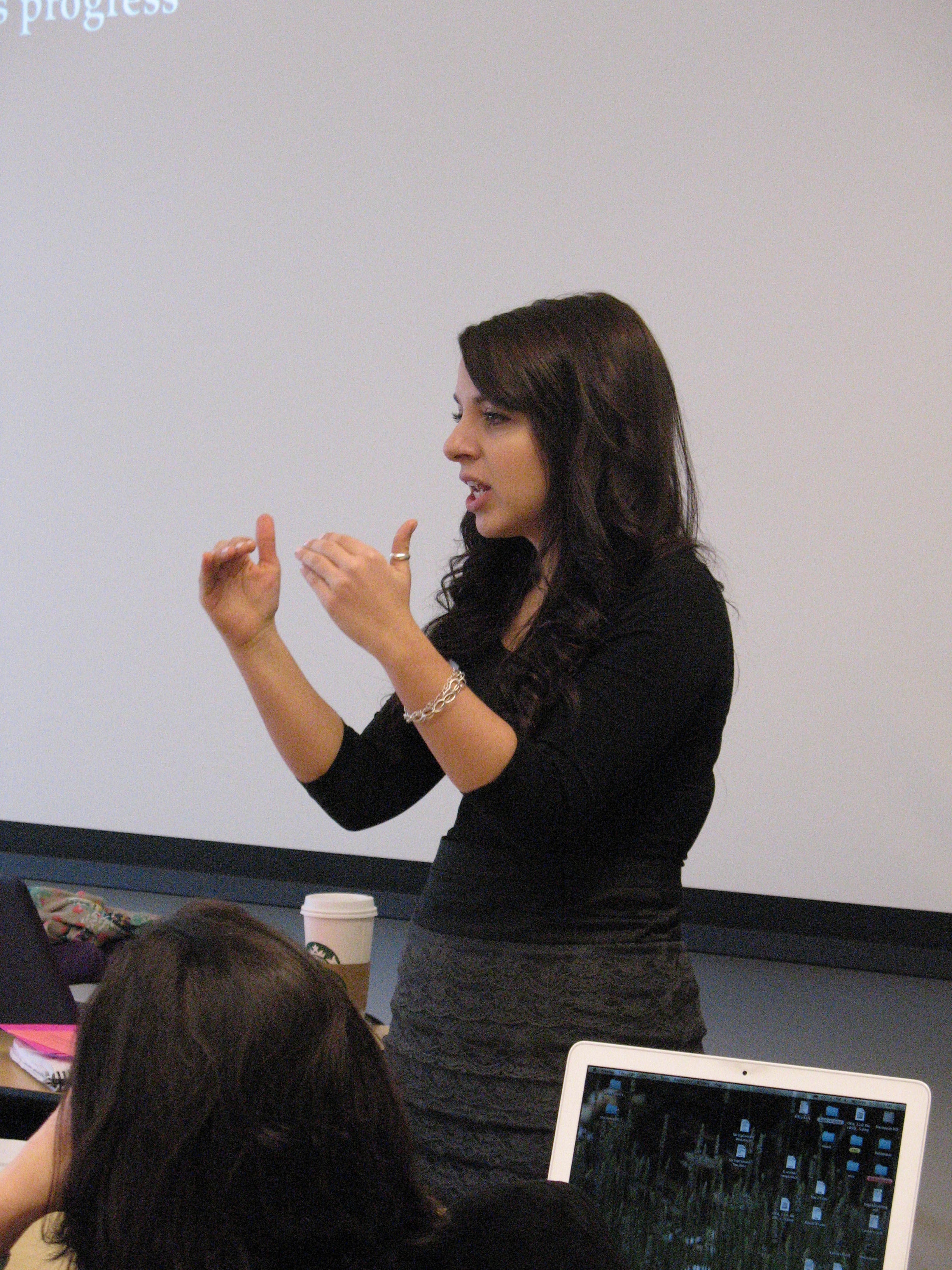
Early childhood educator Judy Fricke presenting and getting ready to use a parachute with participants.

IMG_3538

Woodside Elementary Art teacher Brian McPherson presenting workshop called Thirty Eight Years of Teaching and Still a Rubric Virgin

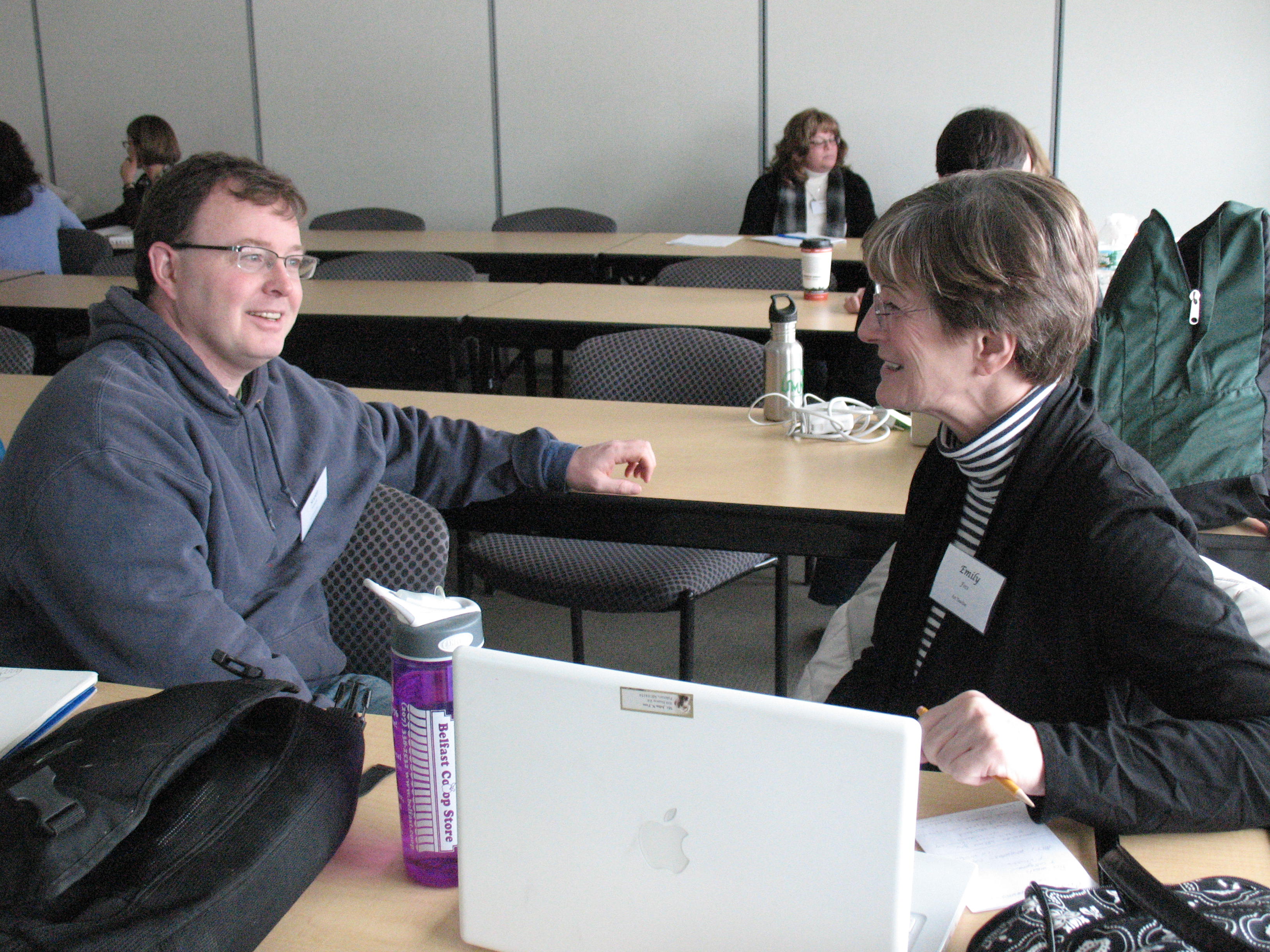
IMG_3558

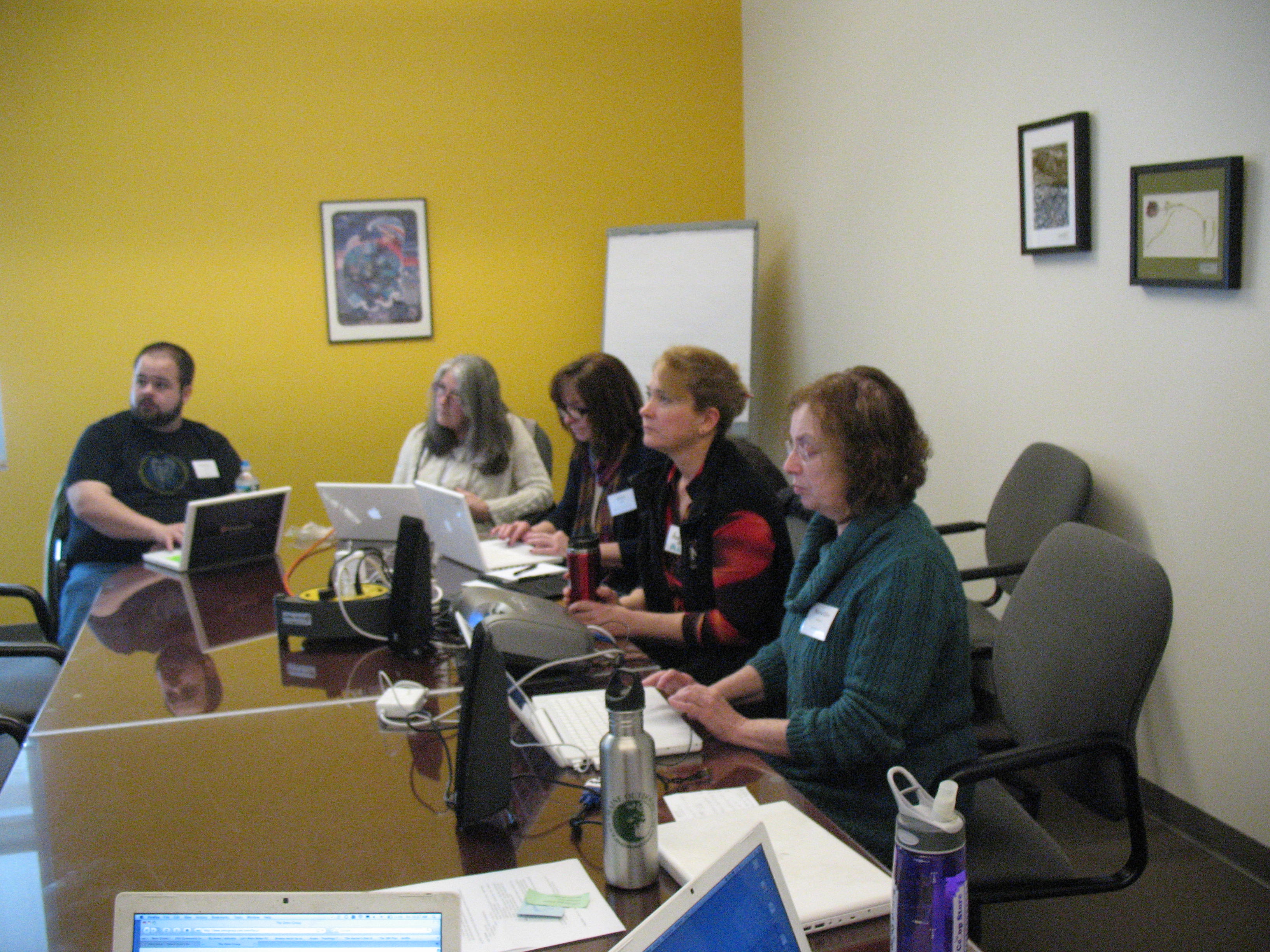
Critical Friends: Department of Ed Social Studies Specialist Christy Littlefield, Easton Schools Music teacher Pamela Kinsey, Nokomis High School Performing Arts Teacher Lisa Neal, and ETEP graduate Meghan Rivis listen intently

IMG_3571

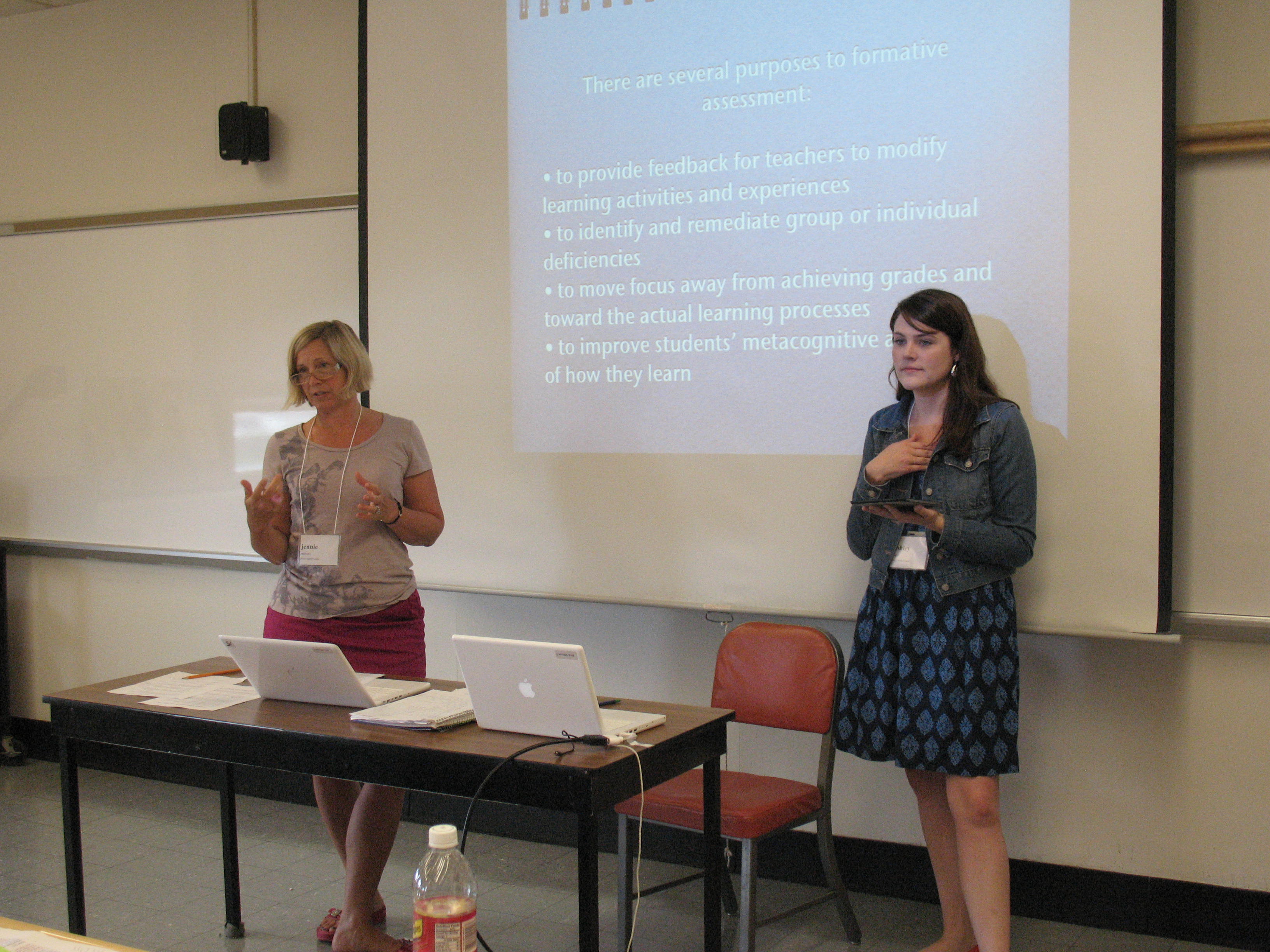
Brunswick High School Art teacher Jennie Driscoll and Music teacher Ashley Smith co-present: Including Reflection in Formative Assessment

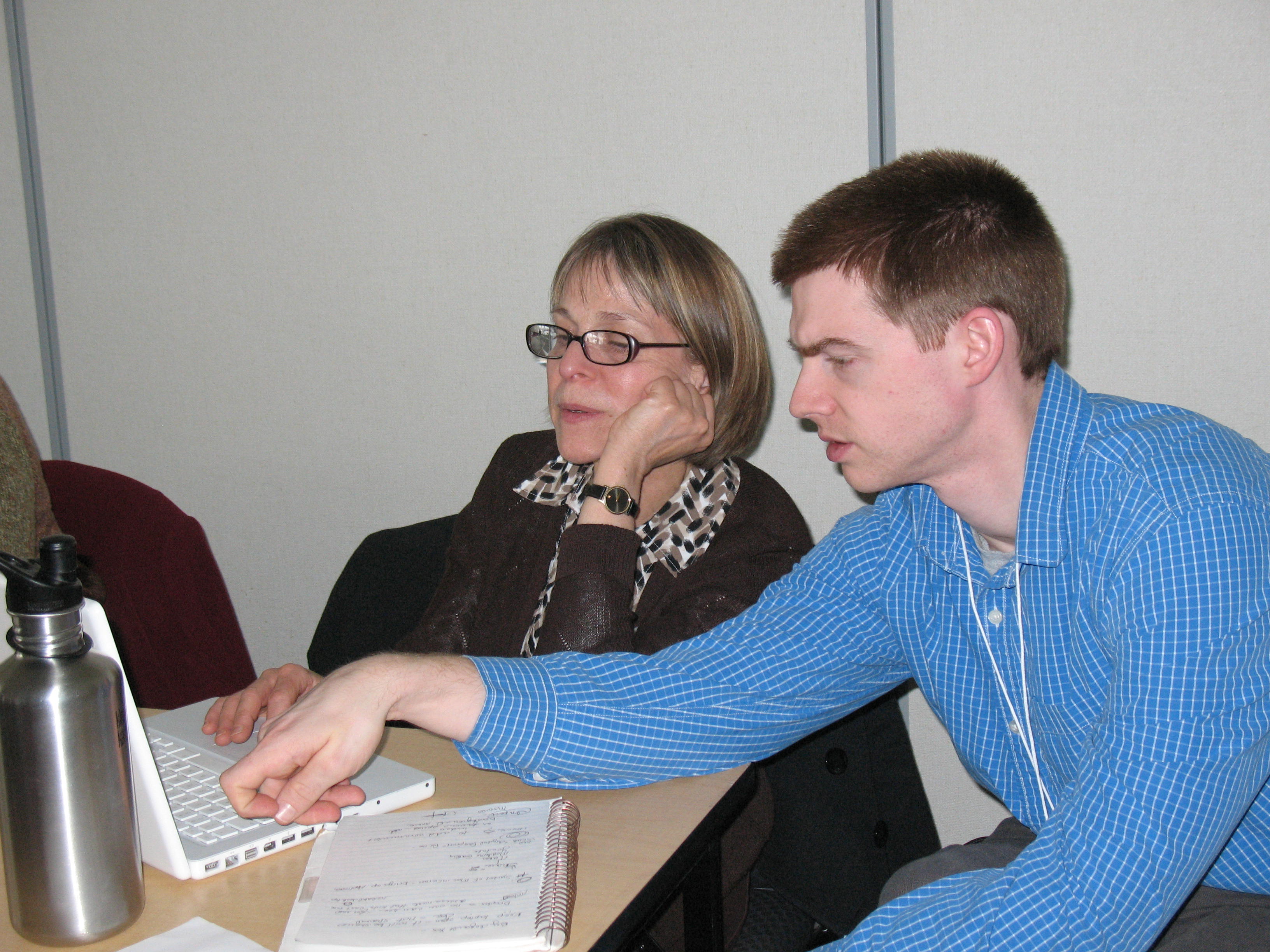
IMG_3623

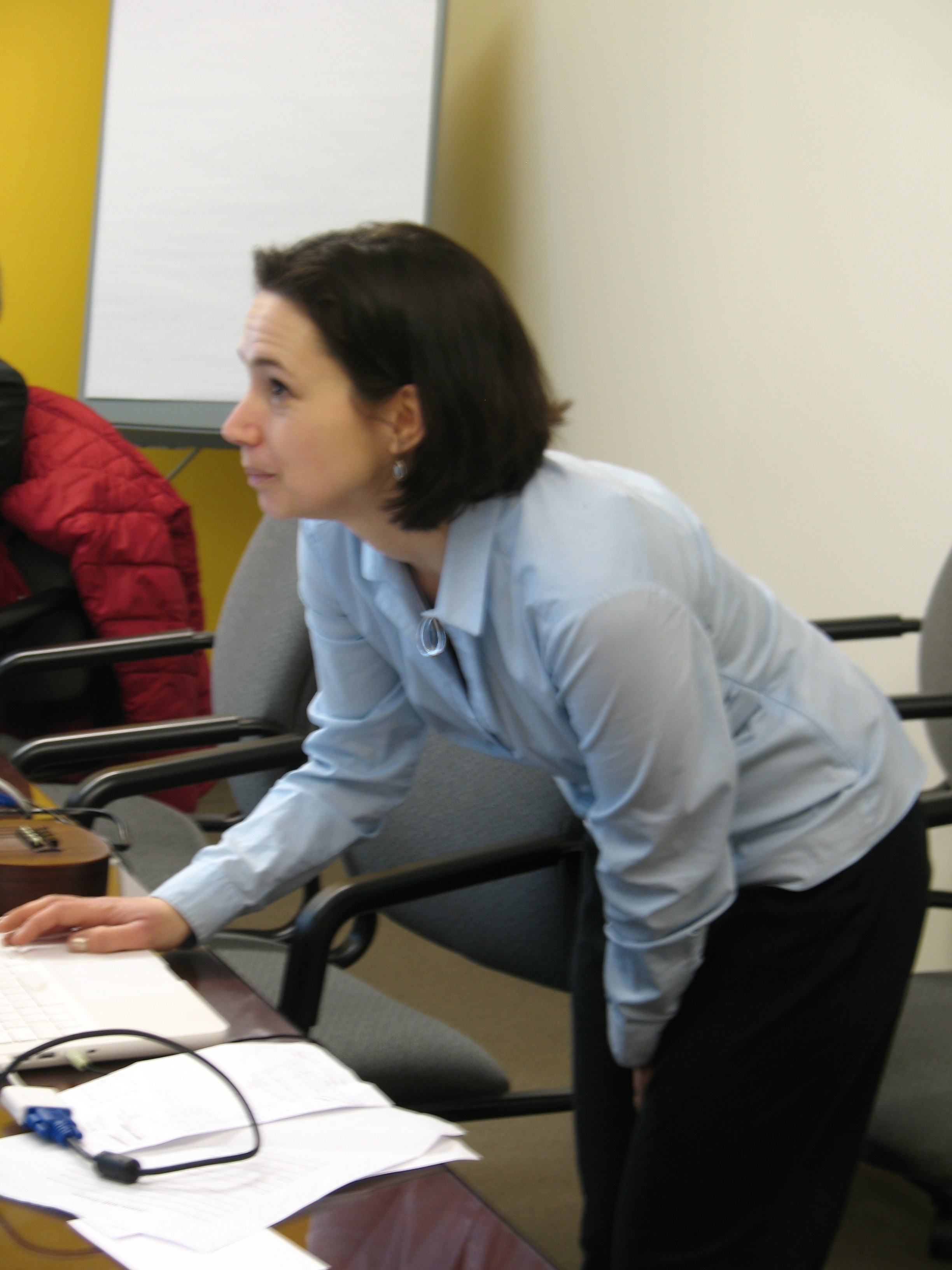
Edward Little High School Music teacher (who is also teaching a visual art course there) makes notes as the critical friends provide him with feedback.

h1

In Today’s News

April 10, 2013

USM music education

This article was included today in the Bangor Daily News Media partners Free Press. It provides information on what is happening at USM in the music education department. The article is called Music education faculty halved due to university budget cuts. Click here to access the article.

h1

MAAI Mega-Regional Workshop a Success

March 2, 2013

Yesterday at USM

Almost 75 arts educators attended the mega-regional workshop yesterday at USM Portland. The early feedback points to a success! The workshops offered a variety of opportunities on arts assessment, creativity, curriculum, instruction, technology, and others! This post includes some photos of yesterdays event and a later blog post will include workshop resources for those of you interested.

In the meantime, the Maine Arts Assessment site at http://maineartsassessment.pbworks.com has a plethora of resources that I invite you to view and use. Yesterday’s workshop information and the two coming up in Easton, March 22 and Ellsworth, March 29 is located at http://www.maine.gov/education/lres/vpa/assessment.html. You must register to attend. The MAAI workshop are a collaboration with MLTI and are FREE with contact hours included.

Thanks to the MAAI teacher leaders, leadership team, and MLTI technology integrators for their outstanding contributions yesterday. Thank you also to USM for providing the space for the workshop and to USM faculty Jeff Beaudry for his leadership with the MAAI.

IMG_2695 IMG_2696

IMG_2700

IMG_2712 IMG_2714

IMG_2720 IMG_2721 IMG_2722

IMG_2738 IMG_2724 IMG_2725

IMG_2726 IMG_2729

IMG_2731 IMG_2742

h1

Creativity: What Do We Really Mean?

February 12, 2013

Blog post series

This summer during the Maine Arts Assessment Initiative Institute we added Creativity to the overarching components of the focus for the professional development opportunity. The reason for this Creativity blog post and others in the future are because of the following question: How do we provide others with the information and opportunity to think deeply about creativity? Maine is fortunate to have Bronwyn Sale and Trudy Wilson offer this educational opportunity on the meartsed blog.

This is the first in a series of blog posts on creativity written by Bronwyn Sale and Trudy Wilson. Bronwyn was a teacher in a variety of grades and settings for fourteen years, seven of those as a visual art teacher at Brunswick High School before joining the faculty at Bates College. Trudy was a professor of art Education at USM and was a member of the Visual and Performing Arts writing team for the Maine Learning Results. Both Trudy and Bronwyn did graduate research on creativity and have much to offer on the topic. 

We hear the terms creativity, creative, creative thinking, and creative problem solving frequently used (and perhaps misused) in the education world today. Assertions include:  the need for schools and students to be more creative because “21st century skills” demand it, that teachers can’t be as creative as they once were due to testing and other mandates, that schools somehow “kill” creativity,  (we prefer to say: some practices in some schools and in some classrooms may not facilitate creativity), that creative processes, artworks and performances created in arts classes can’t be assessed, or that “creative” is at the top of the new Bloom’s taxonomy (it’s not, create is). In this series of blog posts we will describe what creativity researchers say creativity is and unpack some of the terms associated with creativity most often heard in education: creativity, creative thinking, the creative process, and creative problem solving.  Although these terms are all related to creativity, they all have nuanced meanings that are important for teachers to distinguish when designing curriculum and instruction that may encourage creativity.

We hope this blog series inspires teachers to reflect on their own teaching practices and to think about what they do or do not do to cultivate the potential for student creativity in their classes.  We want to encourage teachers to delve more deeply into research around these terms in order to advocate for the creative processes of teaching that promote student learning and that are grounded in creativity research, rather than educational fads or trends. By including links or references to research, teachers can find the sources they need to advocate for the importance of teaching in ways that promotes creativity within their disciplines to colleagues, administrators, students and parents.  In each blog post we will provide a framework of questions or strategies that gives arts educators in particular a way to consider how their teaching practices may facilitate or inhibit students’ creative potential.

So, what is creativity?

Creativity is not a unique “21st century skill” nor is it exclusive to the arts. Creative processes, creativity and the potential for creative solutions are possible in any discipline or domain and a quick study of history reveals how we have always needed creative solutions to problems!  Arts Teachers, however, may be uniquely positioned to facilitate creativity in their classrooms:  the arts, when taught well, immediately engage students in the habits of mind, thinking and problem solving associated with creative processes in arts disciplines. In exemplary Arts programs, students develop “studio habits of mind” that support creativity and facilitate creative processes in the arts.  These habits are listed here: http://www.artsedsearch.org/summaries/studio-thinking-how-visual-arts-teaching-can-promote-disciplined-habits-of-mind and summarized in a recent post on the Maine Arts Education blog by Pam Ouellette:  https://meartsed.wordpress.com/2013/02/04/habits-of-mind/.

So, what is creativity? Alternatively, what does it mean to say something is creative?  Most researchers (and probably most teachers) do not entirely agree on a definition of creativity and have come up with a variety of theories to explain creativity  (for an extensive text on the subject we recommend Explaining Creativity by R. Keith Sawyer).  However, the most commonly agreed upon definition is originality or uniqueness.  Some would also add appropriateness and/or usefulness.  What is complicated for the arts teacher (or any teacher) is gauging when a student has come up with a unique or original solution to a problem.  Not all arts or classroom products are inherently original or unique. When describing something as creative, point of view and context matter. What may be a unique or a new approach for the student may seem typical from the perspective of the teacher who has experienced the artworks and performances of thousands of students.

In fact, creativity researchers have documented that creative solutions to problems often take years of training, thinking, and “doing” in a domain or discipline before they are realized. So, in order to facilitate creativity in any subject a teacher must teach “domain knowledge” or the content, skills, rules, history and thinking patterns associated with their discipline. Sometimes in arts classes students work on technique or skills: they practice. This practice may actually be one important component of supporting creativity. Although an emphasis on skills and practice may seem counterintuitive at first, it is difficult to be a creative scientist, potter, mathematician, actor, dancer, or musician, if you do not have a solid background and understanding of the techniques, thinking and knowledge associated with these domains. Creativity researchers have documented, with few exceptions, that almost all of the people that we consider “creative” scientists, artists, musicians, poets etc. in our culture, have extensive knowledge and/or training in their respective fields. The type of creative work that alters a domain, field, or history is referred to as “Big C” creativity.

What we are most concerned with facilitating in K-12 classes, however, is often described as  “little c” or personal creativity. Research around “little c” indicates that we all have the capacity for creativity in our lives. It is this education for the “little c,” that may make the “Big C” possible. The dilemma in the classroom, however, remains: how do we know when a student has pushed themselves toward an original or new solution to a creative problem (from the perspective of the student) and when is something a student’s default or common approach? To use language from the book Studio Habits of Mind: How do we know when students “stretch and explore” in their performances, artworks and other assignments? A few strategies may help:

  1. Have students reflect on their personal creativity/originality. You might ask students to describe orally or in writing: How did you arrive at this solution?  Was this a new approach for you? Why or why not? What did you do or think about differently in the work/performance? What have you never done before? Where did you get your ideas? How were you inventive? What skills do you still need to practice in order to realize your vision?
  2. Read and seek to understand the language of the VPA Maine Learning Results that embeds Creative Problem Solving (which is further broken down into understanding the creative process and using creative thinking strategies within the domain of the arts) into the Visual and Performing Arts.
  3. Self-reflect on your approach to teaching: Can students distinguish between technical practice and times when a unique solution is encouraged? Do technical practice and finding creative solutions ever come together for students in my class? Do I strike a balance in my classes between building skills, domain knowledge and problem solving? Do I always provide the solutions for students? Which assignments are open-ended? Closed-ended? Why? Do I always describe in detail how to create every artwork or performance? When do students solve artistic problems for themselves?  When do students find and define the problem for themselves? Do I design some learning experiences for students that allow both problem solving and problem finding?
  4. Balance structure and freedom. Creativity research seems to indicate that too much structure in assignments and classes may decrease creativity but no structure at all also decreases creativity. How do I balance structure and freedom in my classes? What is the “sweet spot” or optimal balance between the two? How can I structure and scaffold learning experiences that allow for student exploration/choice or freedom? What “big” or essential questions are students working toward investigating, exploring and answering in my classes that might help structure and tie curriculum together?
  5. Do I acknowledge or specifically praise inventive and original solutions when they occur?
  6. Teach students about the creative process in your field (model your own process if applicable) and have students document and reflect on their own creative processes. This documentation could occur in sketchbook or process journal. Or, students could videotape/photograph and/or describe the steps they took toward final works and performances.
  7. Teach and model creative thinking strategies (more on this in a future blog post).

For now, to delve deeper we recommend the following:

Explaining Creativity by R. Keith Sawyer  http://ascc.artsci.wustl.edu/~ksawyer/explainingcreativity/

Creativity by Mihayli Cziksaintmihaly

Creativity Research Journal (you may have full access through public/university libraries) http://www.tandfonline.com/toc/hcrj20/current

Art Education (Journal) published by the National Art Education Association has had many issues in the past few years addressing creativity in the Visual Arts. The Publication is Free with NAEA membership: http://www.arteducators.org/

Studio Thinking by Lois Hetland, Ellen Winner, Shirley Veenema and Kimberly M. Sheridan  (Not about creativity directly, but describes the Habits of Mind that are developed in exemplary arts programs that certainly facilitate the potential for creativity in the arts)

Understanding by Design by Grant Wiggins and Jay McTighe offers a useful and impactful methodology for designing instruction using essential questions and deep understanding in ways that often balances structure and freedom in the classroom.  Their methodology is being used in the design and writing of the new National Core Arts Standards.

Next post in this series: What is the creative process? What are ways to promote creative thinking and creative problem solving in your classroom?

h1

Jeff Beaudry

December 27, 2012

Leadership Team member

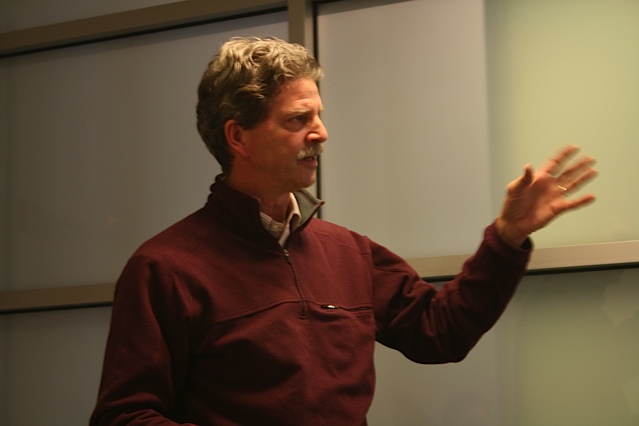
jeff2Jeff Beaudry has served as a valuable member of the Maine Arts Assessment Initiative (MAAI) since the initiative was launched in January of 2011. Jeff teaches at the University of Southern Maine (USM) in the Educational Leadership program. He joined the USM staff in 1995 and has a Ph.D. in Public Policy Analysis.

Jeff provides a unique perspective and contributes his knowledge in curriculum and assessment having had much experience over the years in education.

Jeff has lots of energy and enthusiasm, always questioning, digging deeper, and encourages others to do the same.

He is an incredible COLLABORATOR and he keys in to the needs of the MAAI teacher leaders and leadership team members. I am grateful for Jeff’s contributions to the MAAI.

Recently Jeff wrote a piece for his Department’s newsletter. You can check it out (on page 3) by clicking here.

h1

MAAI and MLTI Partner

December 25, 2012

Mega-regional workshops offered

The Maine Arts Assessment Initiative (MAAI) is partnering with the Maine Learning Technology Initiative (MLTI) to offer all-day Mega-Regional workshops. Over 36 sessions will be offered at the four locations; Farmington, Portland, Ellsworth, and Presque Isle. These are FREE all day arts education workshops for elementary, middle, high school, and higher ed educators.

The workshops are provided FREE and contact hours are available. Workshop facilitators are the MAAI teacher leaders (phase 1 and 2) and MLTI technology integrators. At least one workshop included at each location will have an integrated co-facilitated session that connects at least one arts discipline and technology. In addition MLTI staff will be offering sessions. All participants must pre-register. Join us for this unique opportunity! Each participant can select two 1-hour morning workshops and one 2-hour afternoon MLTI session. You will need to bring a computer that has the MLTI image.

These workshops are in response to the feedback from arts educators requesting more professional development opportunities. Also happening all over the state are Regional workshops being presented by the arts education teacher leaders from the second phase of MAAI.

The Mega-Regional Workshops

  • Monday, January 14, 8:00 to 3:30, University of Maine at Farmington
  • Friday, March 1, 8:00 to 3:30, University of Southern Maine, Portland
  • Friday, March 22, 8:00 to 3:30, Presque Isle High School, Presque Isle
  • Friday, March 29, 8:00 to 3:30, Ellsworth High School, Ellsworth

Workshop descriptions are located here. Please click here to learn more and to REGISTER for one or more of the workshop sessions.

h1

BFA Opportunity at USM

September 27, 2012

New Art Education Program: BFA in Community-Based Arts Education

The USM Art Education program offers a degree for those interested in teaching art as a community-based educator. The students who opt for this program, intern as student teachers at various community organizations, rather than in a traditional k-12 classroom.

Why Community Art Education?

The BFA in Art Education with a concentration in community is a degree intended for artists, art educators, and other arts professionals who want to become teaching artists and cultural workers.  The degree will enable graduates to develop, teach, and facilitate visual arts education programs in community organizations, centers for non-traditional learners, after-school programs, and other alternative sites. This degree does not provide a k-12 teaching license, but instead prepares graduates to engage k-12 students and adults outside of the traditional classroom settings. This degree also serves as a foundation for those interested in art therapy, art as social justice, and creative civic engagement.

Partnering Organizations for Student Internship:

The Art Van, Bath

Susan Curtis Foundation, Portland

The Center for Grieving Children, Portland

Engine, Biddeford

Cheetah, Portland

The Telling Room, Portland

The Art Department and Shoot Media, Portland

For More Information Contact:

Kelly Hrenko, Ph.D.
Assistant Professor, Art Department
Art Education Program Coordinator
University of Southern Maine
109 Robie Andrews, 37 College Avenue
Gorham, ME 04038
207.780.5364 / khrenko@usm.maine.edu

USM Art Education

h1

International Visual Literacy Association Conference

August 29, 2012

44th Annual Conference at USM, October 13th

October 10 to 13 in Portland, USM, Mapping the Visual Beyond the Visible, annual conference of the International Visual Literacy Association, www.ivla.org.

Established in 1969, IVLA members represent a wide range of disciplines and includes researchers, educators, designers, media specialists and artists. Through its meetings, publications, and website, IVLA provides a forum for issues dealing with education, instruction, and training in modes of communication and their application. Paper proposals for conference: www.ettc.net/ivla/proposals.

The 2012 confereence is hosted by The Osher Map Library and Smith Center for Cartographic Education at the University of Southern Maine in Portland.

SCHEDULE OF EVENTS

Wednesday, October 10, 6:30 PM

Keynote address by Ken Jennings, author of Maphead, a personal account of his lifelong fascination with maps and geography. Best known for his 2004 record-breaking appearance on Jeopardy, the TV quiz show, Ken Jennings has since published two bestsellers, Brainiac and Maphead.

www.ken-jennings.com

Note: The lecture on the USM Portland campus in Hannaford Hall is also free and open to the public.
Due to limited seating, please RSVP by Friday, October 5 to (207) 780-4850 or oml@usm.maine.edu.

Thursday, October 11
Conference sessions at the Clarion Hotel followed by an evening reception at the Maine College of Art in Portland.

Friday, October 12

All daytime sessions held at the Glickman Family Library on the USM Portland campus. Midday tour of the Osher Map Library and its exhibition, Iconic America: The US Map Outline as National Symbol, accompanied by presentation by John Fondersmith, guest curator whose collection is on display.

Evening: Gala event with dinner and musical entertainment at Clarion Hotel.

Saturday, October 13

Keynote presentation by David Sobel, author of Mapmaking with children: sense of place education for the elementary years. Sessions at Clarion Hotel will focus on K-12 education. Day registration for area educators is encouraged.

h1

Maine Art Education Association Spring Conference

April 26, 2012

Creative Literacy Conference – May 5th

MAEAs spring conference at USMs Wishcamper Center, Portland campus on Saturday, May 5th, 9:00 AM – 4:00 PM. Registration is $50 for members and $75 for non-members. Contact hours and CEUs are available upon request. For more information, details, and registration please go to http://www.mainearted.org/MAEA/Spring_Conference.html or read about it on the Upcoming Events page found on the right side of the blog.

h1

Every Minute Counts

April 4, 2012

Arts Educators, how do you spend your time?

Every minute counts!

I just heard the news from another school district, arts educators being cut and time curtailed. You have to be prepared to make the most creative arts environment possible.

Every minute has to count!

As teachers we need to use strategies to get students’ attention and to make productive transitions, see vidoes by Jessica Balsley http://www.theartofed.com/.

Every subject counts!

Integrate the arts with other disciplines, with your colleagues. The more you collaborate the more visible and vocal you become for the visual and performing arts.

Every teacher counts!

Collaborate with your arts educator colleagues to advocate for arts education to remain a visible and vocal presence in your school. Attend conferences and workshops with arts educators, and stay connected through blogs, wikis, plays, exhibitions and every possible arts event.

Thank you to USM Professor Jeff Beaudry, member of the Leadership Team for the Maine Arts Assessment Initiative for this blog post.

Jeff Beaudry